Table of Contents
- Introduction
- Why Crafts are Essential for School-Aged Kids
- Diverse Crafts for School Age Kids: A World of Possibilities
- Elevating Craft Time: Tips for Parents and Educators
- Integrating Crafts with Other Learning Areas
- Managing Expectations and Embracing Imperfection
- Conclusion: Crafting a Future of Curiosity and Connection
- Frequently Asked Questions About Crafts for School Age Kids
Has the school bell rung, signaling the end of another day or, perhaps, the start of a long weekend, and you find yourself wondering how to keep those active school-aged minds engaged and entertained without immediately reaching for a screen? You’re not alone! Many parents and educators wrestle with the challenge of channeling children's boundless energy and curiosity into productive and enjoyable activities. While video games and tablets offer immediate gratification, there’s a timeless, powerful magic in getting hands-on, getting a little messy, and bringing an idea to life with your own two hands. We’re talking about crafts for school age kids – an unsung hero in fostering development, creativity, and precious family moments.
At I'm the Chef Too!, we wholeheartedly believe in the power of "edutainment" – blending food, STEM, and the arts into one-of-a-kind experiences. Our mission is to spark curiosity and creativity in children, facilitate meaningful family bonding, and provide a truly screen-free educational alternative. This post isn’t just about giving you a list of craft ideas; it's about diving deep into why crafts are so important for school-aged children, how they integrate seamlessly with learning, and how you can cultivate a vibrant, creative environment right in your home. Get ready to transform everyday materials into extraordinary learning opportunities and delicious adventures!
Introduction
Imagine a quiet afternoon, the sun streaming into your kitchen, and your child, perhaps an energetic 7-year-old, is completely absorbed in mixing colors, shaping dough, or constructing a miniature world. Their brow is furrowed in concentration, their hands are busy, and their imagination is soaring. This isn't just playtime; it's a profound learning experience disguised as fun. For school-aged children, the world is a canvas waiting to be explored, and crafts provide the perfect medium for that exploration.
This blog post will unravel the myriad benefits of engaging in crafts, moving beyond simple artistic expression to reveal how these activities are deeply intertwined with critical thinking, problem-solving, and even scientific discovery. We'll explore various types of crafts, from those utilizing recycled materials to nature-inspired creations and, of course, our unique edible STEM adventures. We’ll offer practical tips for setting up a creativity-friendly space, managing expectations, and encouraging a lifelong love for learning through hands-on engagement. Our goal is to empower you with the knowledge and inspiration to transform ordinary moments into extraordinary "edutainment" opportunities that foster skills, build confidence, and create joyful family memories, all while keeping screens at bay.
Why Crafts are Essential for School-Aged Kids
For children in their elementary and middle school years, crafts are far more than just a pastime; they are a vital component of holistic development. At this age, children are rapidly expanding their cognitive abilities, refining motor skills, and navigating complex social and emotional landscapes. Crafts offer a safe, tangible, and often delicious avenue to explore these new frontiers.
Nurturing Fine Motor Skills and Hand-Eye Coordination
As children transition from early childhood to school age, their fine motor skills continue to develop at an impressive pace. Activities like cutting with scissors, gluing small pieces, tying knots, painting intricate designs, or kneading dough all require precise hand movements and excellent hand-eye coordination. These skills are fundamental not only for handwriting and drawing but also for daily tasks and future academic pursuits. The repetitive yet varied nature of crafting strengthens the small muscles in the hands and fingers, improving dexterity and control.
Fostering Problem-Solving and Critical Thinking
Every craft project, no matter how simple, presents a series of mini-challenges. "How do I make this piece stick here?" "What color should I use to represent the sky?" "If I fold it this way, will it look like an animal?" These questions, often unspoken, engage a child's problem-solving abilities. They learn to plan, troubleshoot, adapt, and experiment. If a first attempt doesn't work, they learn resilience and the value of trying a different approach. This iterative process of creation and refinement is a cornerstone of critical thinking, teaching children to analyze situations and devise solutions.
Boosting Creativity and Imagination
In an increasingly structured educational environment, crafts offer a valuable outlet for unstructured, imaginative play. Children are encouraged to think outside the box, combine unexpected materials, and invent new forms. There’s no single "right" way to make a craft, which liberates children to explore their unique artistic vision. This freedom to imagine and create helps develop divergent thinking – the ability to generate multiple solutions to a problem, a skill highly prized in innovation and invention. At I'm the Chef Too!, we champion this creative spirit by providing experiences where kids can experiment with flavors and designs, just as they might with paint and paper.
Building Confidence and Self-Esteem
Completing a craft project, from the initial idea to the finished product, is a powerful act of accomplishment. Seeing their creation come to life, whether it’s a painted rock or a perfectly baked cupcake, fills children with a sense of pride and competence. This builds self-esteem and confidence, encouraging them to tackle new challenges and embrace their capabilities. Sharing their creations with family and friends further reinforces this positive feedback loop, validating their efforts and creativity.
Enhancing STEM/STEAM Learning (Science, Technology, Engineering, Art, Math)
This is where the magic truly happens, especially with our unique approach at I'm the Chef Too!. Crafts are not just about art; they are a natural gateway to STEM and STEAM principles.
- Science: Understanding how different materials react (like when colors mix or dough rises), exploring states of matter, or observing chemical reactions when baking are all scientific explorations. For example, a chemical reaction that makes our Erupting Volcano Cakes bubble over with deliciousness isn't just fun, it's a hands-on chemistry lesson!
- Technology: While not always obvious, using tools like scissors, rulers, or even learning how to follow a recipe can introduce basic technological understanding.
- Engineering: Designing, building, and constructing require an understanding of structures, balance, and stability. Think about building a strong paper bridge or a stable sculpture.
- Art: This is the most evident connection, encompassing color theory, composition, texture, and aesthetic appreciation.
- Math: Measuring ingredients, counting beads, understanding symmetry, or recognizing geometric shapes within a design all involve mathematical concepts.
Our "edutainment" experiences are specifically developed by mothers and educators to seamlessly integrate these subjects. When a child creates an edible masterpiece, they're not just cooking; they're engaging with science, math, and art in a tangible, delicious way.
Promoting Mindfulness and Relaxation
In a world filled with constant stimulation and digital distractions, crafts offer a much-needed opportunity for mindfulness. The focus required for intricate tasks can be incredibly calming, allowing children to be fully present in the moment. It's a wonderful way to de-stress, reduce anxiety, and find a sense of peace through concentrated activity. This screen-free engagement encourages a deeper connection with the task at hand, fostering patience and sustained attention.
Diverse Crafts for School Age Kids: A World of Possibilities
The beauty of crafts lies in their versatility. There’s a craft for every interest, every skill level, and every collection of household supplies. Let’s explore some popular and beneficial categories that will ignite your child’s enthusiasm.
1. Recycled Crafts: Turning Trash into Treasure
One of the most eco-friendly and budget-conscious ways to craft is by using recycled materials. This teaches children about sustainability and resourcefulness, encouraging them to see potential in everyday objects.
-
Toilet Paper/Paper Towel Roll Creations: These cardboard tubes are goldmines for creativity.
- Animals and Characters: Transform them into owls, rockets, or even beloved storybook characters with a bit of paint, paper, and imagination.
- Binoculars or Telescopes: Connect two rolls, add string, and you have instant explorers’ tools.
- Race Cars: As seen in popular craft ideas, decorate with paint and add cardboard wheels for a homemade speedster.
-
Cardboard Box Construction: From cereal boxes to shipping boxes, cardboard is perfect for building.
- Puppet Theaters or Dollhouses: Large boxes can become elaborate structures, encouraging imaginative play.
- Robots or Castles: Cut, glue, and decorate to create grand architectural wonders.
- Art Installations: Kids can create 3D abstract sculptures, learning about form and balance.
- Plastic Bottle Art: Clean plastic bottles can be cut, painted, or embellished to create planters, bird feeders, or decorative vases.
- Newspaper & Magazine Collages: Rip, cut, and glue colorful pages to create vibrant collages, exploring textures and color palettes.
Encouraging children to repurpose materials teaches them about the circular economy and sparks ingenuity. It's about seeing beyond an item's original purpose and envisioning new possibilities.
2. Nature Crafts: Bringing the Outdoors In
Connecting with nature through crafts can deepen a child's appreciation for the environment and provide a wealth of natural materials.
- Rock Painting: Gather smooth rocks from a walk and transform them into ladybugs, mandalas, or uplifting messages to hide around your neighborhood.
- Leaf Rubbings & Collages: Collect leaves of various shapes and sizes. Place them under paper and rub with a crayon to reveal their intricate veins. Or, use them in collages to create animal figures or fantastical landscapes.
- Pinecone Animals: Combine pinecones with felt, googly eyes, and pipe cleaners to create adorable forest creatures.
- Twig Art: Use twigs and small branches to build miniature rafts, fairy furniture, or woven art.
Nature crafts encourage observation skills, pattern recognition, and an understanding of natural cycles. Plus, the scavenger hunt for materials is an adventure in itself!
3. Process Art vs. Product Crafts: Embracing the Journey
Some crafts focus on the final product, guiding children to create a specific item (like making a paper plate pizza). Others emphasize the process, allowing for free exploration without a predefined outcome (like splatter painting). Both are valuable for school-aged kids.
-
Process Art Examples:
- Marbled Shaving Cream Art: Mix paint into shaving cream, swirl, press paper, and scrape to reveal unique patterns. This teaches about color blending and fluid dynamics in a sensory-rich way.
- "Squish" Painting: Place dollops of paint on one half of a paper, fold, and press to create symmetrical, abstract designs.
- Homemade Playdough or Slime: The act of making these sensory materials is a craft in itself, engaging measurement (math!) and ingredient reactions (science!).
-
Product Crafts Examples:
- Paper Plate Animals/Characters: Using paper plates as a base, children can create a variety of characters, from cheerful suns to fantastical creatures.
- Popsicle Stick Constructions: Build anything from frames to small houses, focusing on structural integrity.
- DIY Cards: Crafting personalized cards for friends and family encourages thoughtfulness and fine motor skills.
At I'm the Chef Too!, our kits often blend both! While there's a delicious end product, the journey of mixing, molding, and decorating allows for immense creative freedom and process exploration. You can always Browse our complete collection of one-time kits to see the range of imaginative projects available.
4. Edible Crafts: Where Learning Meets Deliciousness
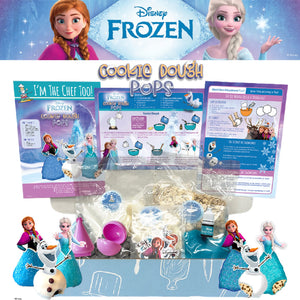
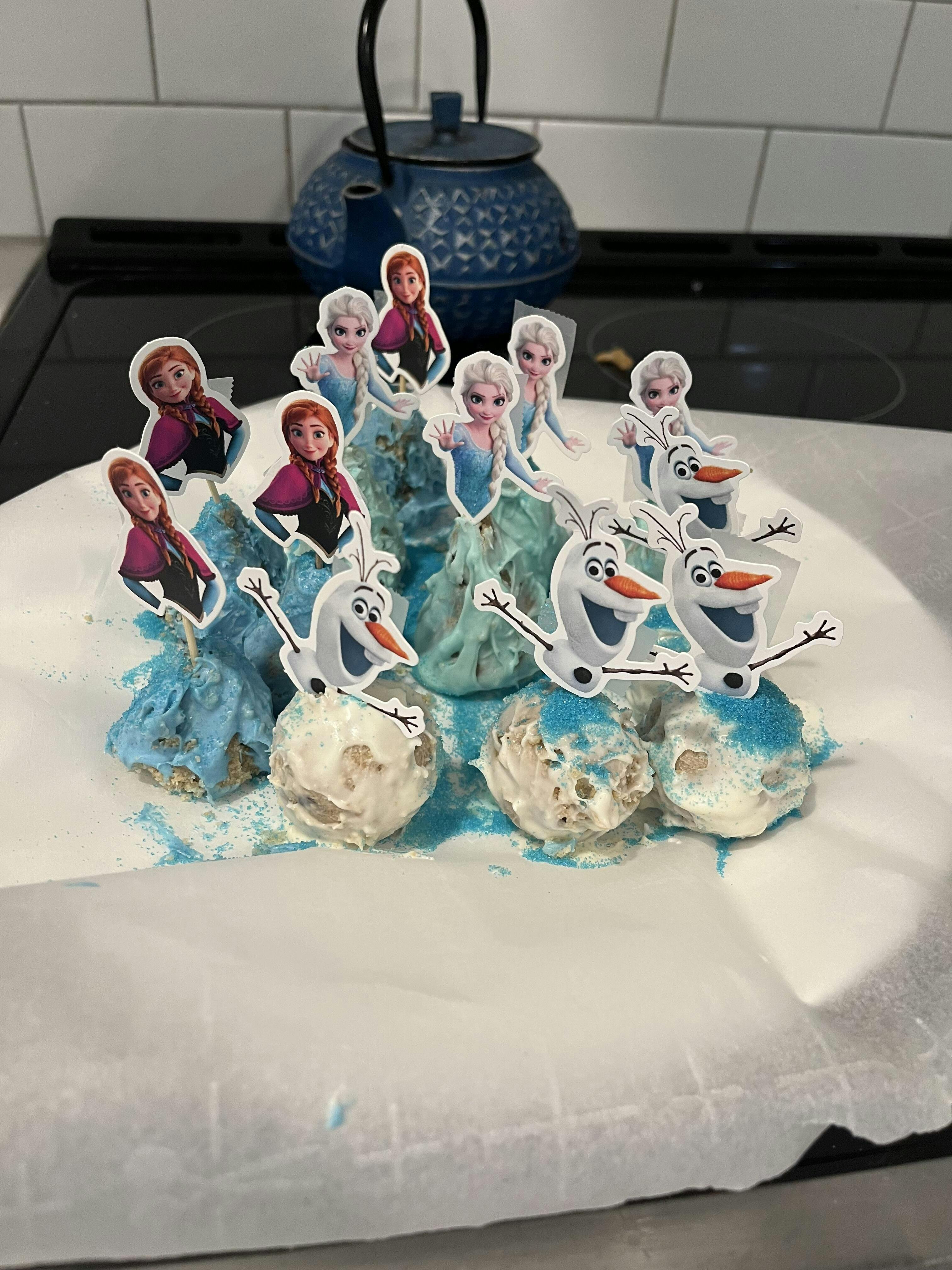
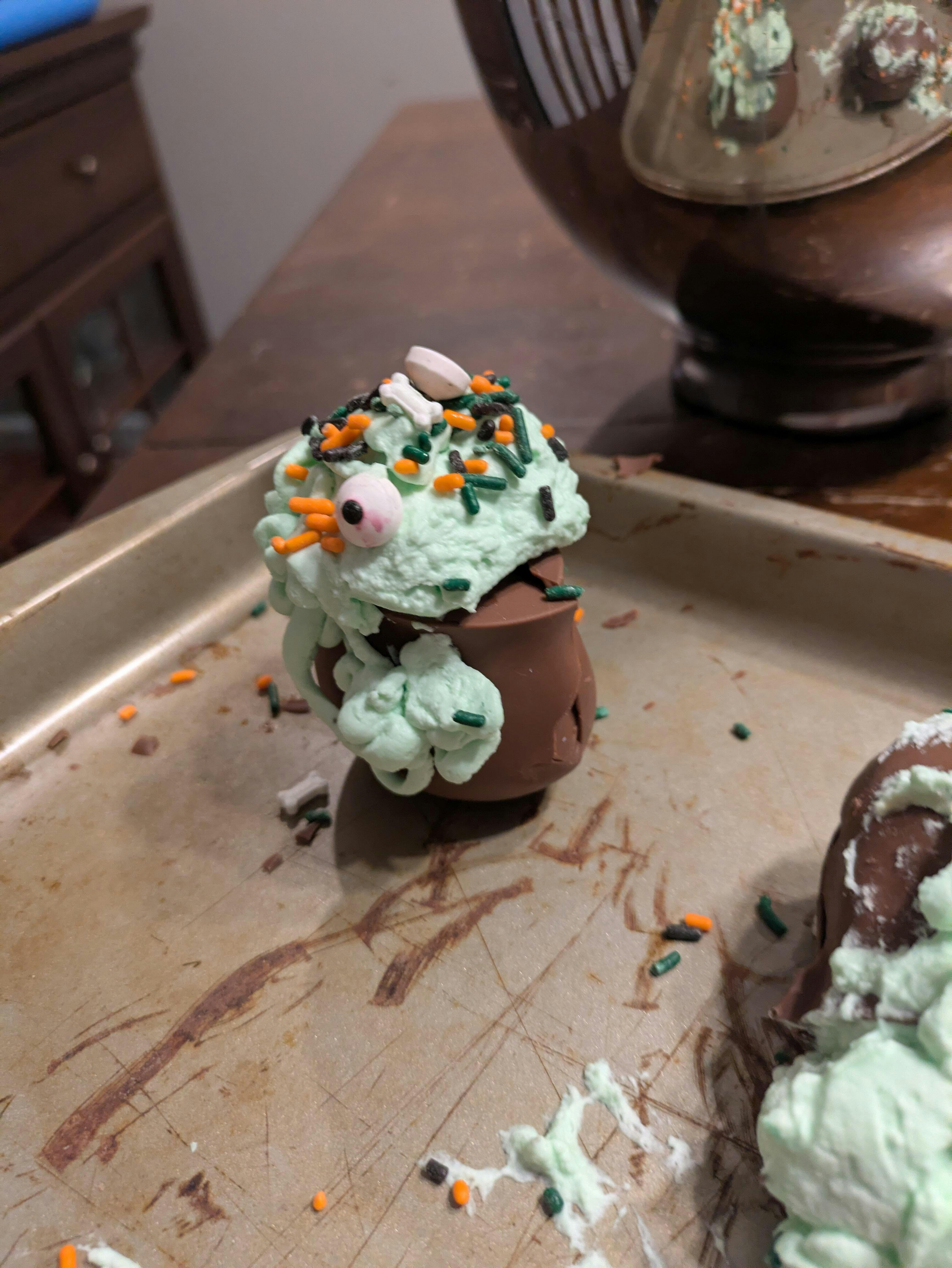
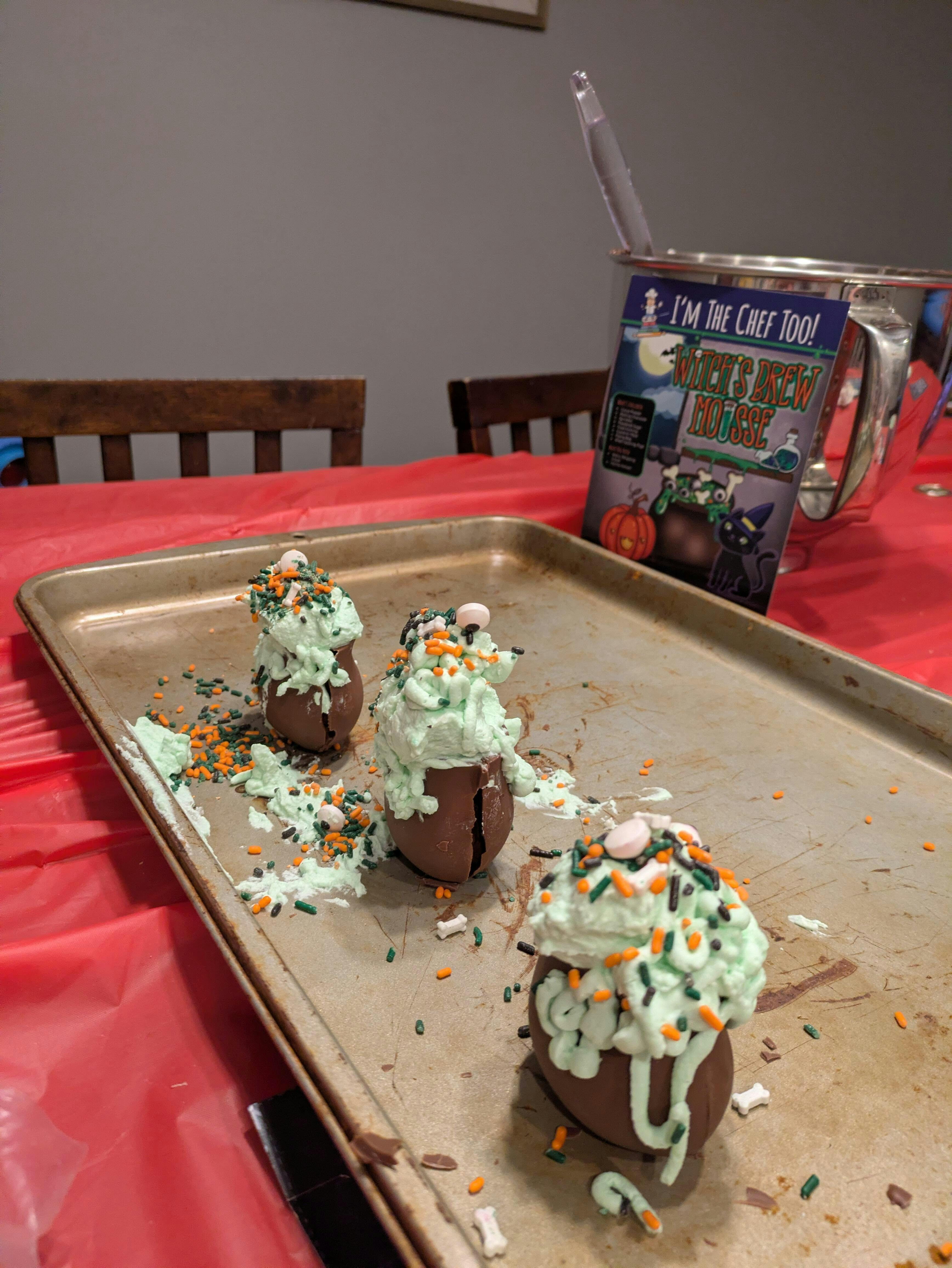
This is where I'm the Chef Too! truly shines, offering an unparalleled "edutainment" experience. Edible crafts are arguably the most engaging and multi-sensory way to learn. They combine chemistry (baking science!), math (measuring ingredients!), engineering (constructing a cake!), and art (decorating!) with the ultimate reward: a tasty treat.
-
Baking Adventures: From cookies to cupcakes, baking is a craft that introduces children to following instructions, understanding transformations, and the joy of sharing.
- DIY Pizza or Pretzel Making: Children can knead dough, choose toppings, and watch their creations transform in the oven. This is a fantastic hands-on science lesson in yeast activation and heat transfer.
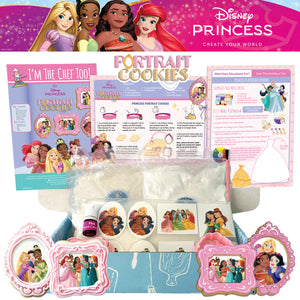
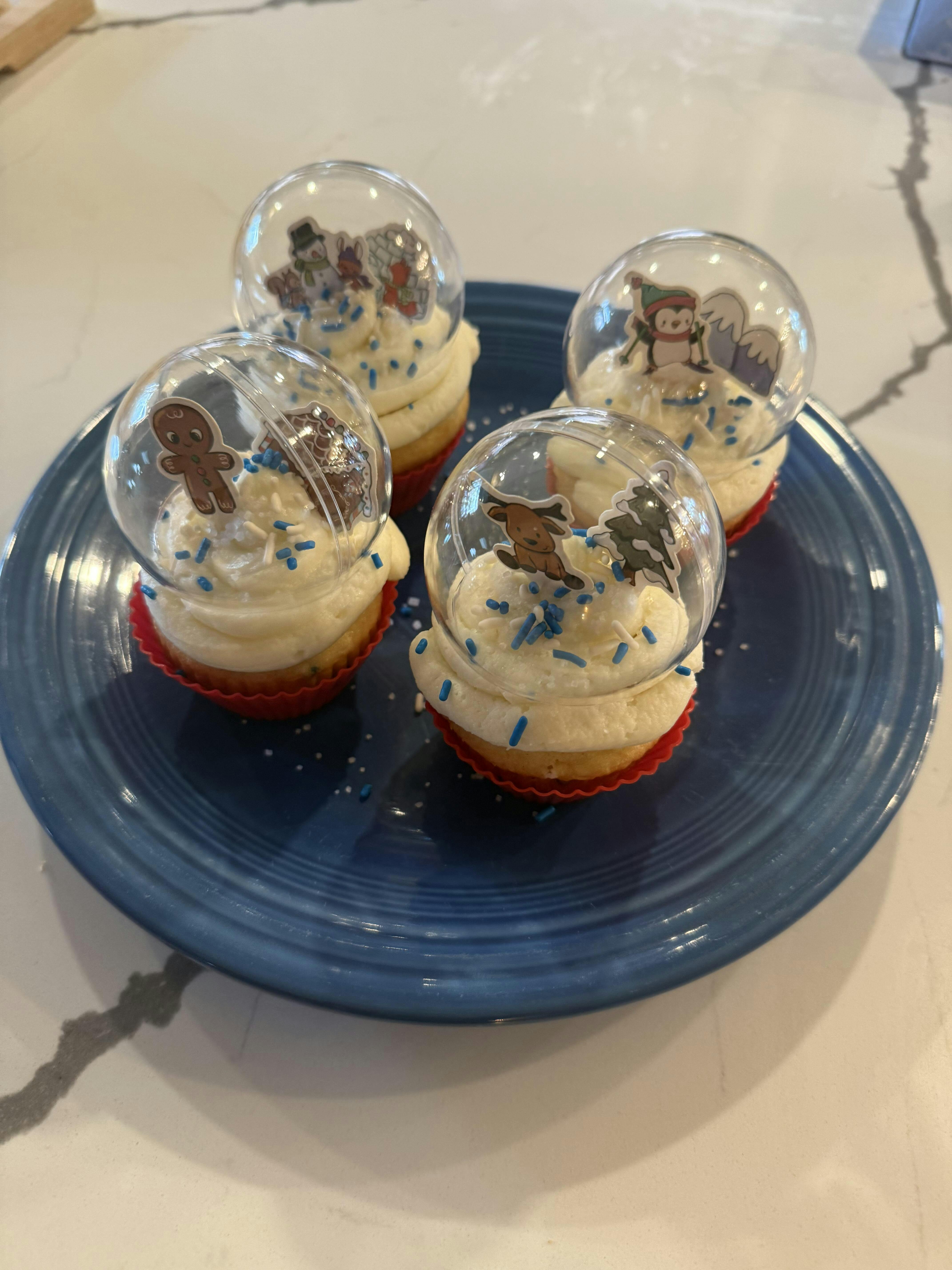
- Decorating Cookies/Cupcakes: This is pure edible art, allowing kids to experiment with colors, textures, and designs using frosting, sprinkles, and candies.
- Edible Science Experiments: Imagine building an edible solar system with our Galaxy Donut Kit, where each donut planet is a lesson in astronomy and culinary creativity. Or delving into geology by making "fudgy fossils."
The beauty of edible crafts is the tangible outcome and the immediate gratification. It reinforces the idea that learning can be incredibly fun and rewarding. Plus, it naturally brings families together in the kitchen, creating cherished memories. Ready for a new adventure every month? Join The Chef's Club and enjoy free shipping on every box, bringing these unique learning experiences right to your door.
5. STEM/STEAM Integrated Crafts Beyond the Kitchen
While edible crafts are our specialty, we also appreciate the vast world of non-edible crafts that cleverly incorporate STEM principles.
- Paper Engineering: Creating pop-up cards, origami, or elaborate paper models teaches geometry, spatial reasoning, and structural design.
- Simple Circuit Crafts: Introducing basic electronics by making light-up cards or wearables using LED lights, coin batteries, and copper tape. This is a fantastic introduction to electrical circuits.
- Catapults and Ramps: Building simple machines from craft sticks, rubber bands, and cardboard demonstrates principles of physics and engineering. Kids can then experiment with different projectiles and angles.
- Erupting Volcano Models: Using baking soda and vinegar for a classic chemical reaction, this craft teaches about geology and chemistry in an exciting, visual way.
These types of crafts move beyond mere decoration, encouraging children to ask "how does this work?" and "why does this happen?" They embody our unique approach of teaching complex subjects through tangible, hands-on activities developed by mothers and educators.
Elevating Craft Time: Tips for Parents and Educators
Making craft time truly impactful for school-aged kids goes beyond just providing materials. It involves creating an environment that encourages exploration, resilience, and genuine learning.
Setting Up a Creativity-Friendly Space
- Designated Zone: Even a small corner of a room or a dedicated spot at the kitchen table can become a "creation station." This signals that it's a place for imagination and focus.
- Accessible Supplies: Store craft materials in clear bins or drawers that children can easily access and put away. Labeling helps with organization and fosters independence.
- Protection is Key: Lay down an old tablecloth, newspaper, or a cutting mat to protect surfaces. Having wet wipes or a damp cloth nearby for quick clean-ups is also a lifesaver.
- Inspiration Station: Keep a bulletin board or a rotating display area for finished projects. Seeing their work celebrated boosts morale and encourages continued creativity.
Gathering Smart Supplies
You don't need to break the bank to have a well-stocked craft cupboard.
- The Essentials: Always have paper (various types – construction, printer, cardstock), glue (sticks and liquid), kid-safe scissors, markers, crayons, and paint.
- Recycled Gold: Maintain a "recycling bin" for clean items like toilet paper rolls, cardboard boxes, plastic bottles, egg cartons, and bottle caps. These often become the most imaginative projects.
- Nature's Bounty: Keep a small collection of interesting leaves, pebbles, twigs, and pinecones for nature-based crafts.
- I'm the Chef Too! Convenience: For those times you want a complete, ready-to-go experience without the hassle of shopping for specific ingredients or unique supplies, our kits are perfect. Each box is a complete experience, containing pre-measured dry ingredients and specialty supplies, delivered monthly with free shipping in the US when you Join The Chef's Club.
Encouraging Independence and Problem-Solving
- Offer Choices, Not Commands: Instead of saying, "Make this," try, "What would you like to create with these materials?" or "Which of these kits sounds most exciting to you today?" This fosters ownership.
- Ask Open-Ended Questions: Instead of "Is it finished?" try, "Tell me about your creation," "What inspired you?" or "What challenge did you overcome?" This encourages reflection and verbal expression.
- Allow for Mess and Mistakes: Creativity is often messy, and mistakes are learning opportunities. Resist the urge to "fix" their work or criticize imperfections. Focus on the effort and the process.
- Step Back and Observe: While adult supervision is always important, especially with tools or heat, give children space to explore and problem-solve on their own. Intervene only when necessary, offering guidance rather than solutions.
Making It a Family Affair
Crafting isn't just for kids! When parents or older siblings participate, it becomes a bonding experience that models creativity and perseverance.
- Collaborative Projects: Work together on a larger project, with each family member contributing to a part. This teaches teamwork and shared accomplishment.
- Theme Nights: Dedicate an evening to a specific craft theme, perhaps inspired by a book, movie, or upcoming holiday. Our kits, like the Peppa Pig Muddy Puddle Cookie Pies, can even turn beloved characters into learning adventures.
- Gift-Giving Crafts: Encourage children to make gifts for others. This adds purpose to their creations and teaches generosity.
- Share the Story: Encourage kids to share the story behind their craft – what it represents, how they made it, and what they learned.
Family crafting creates lasting memories and strengthens connections, embodying our value of facilitating family bonding through engaging activities. Not ready for a subscription? Explore our full library of adventure kits available for a single purchase in our shop, perfect for a spontaneous family craft day.
Integrating Crafts with Other Learning Areas
One of the most powerful aspects of crafts for school age kids is their ability to seamlessly integrate with almost any other academic subject, reinforcing classroom learning in a tangible way.
Literacy and Storytelling
- Book-Inspired Crafts: After reading a story, challenge your child to create a craft inspired by the characters, setting, or plot. For example, after reading about space, they might create a galaxy-themed art project or, even better, an edible solar system with our Galaxy Donut Kit.
- Puppet Making and Shows: Crafting puppets and then putting on a show encourages scriptwriting, character development, and public speaking skills.
- Illustrating Stories: Have children write their own short stories and then create illustrations or even 3D models to accompany them.
- Letter and Word Crafts: Use craft materials to form letters, spell out words, or create sight word flashcards, making learning vocabulary fun and tactile.
History and Social Studies
- Cultural Crafts: Explore different cultures by learning about and creating traditional crafts from around the world (e.g., Japanese origami, Native American dreamcatchers, African masks).
- Historical Models: Build models of historical buildings, ancient artifacts, or modes of transportation from different eras using cardboard, clay, or other materials.
- Family Tree Projects: Create a visual family tree using photos, drawings, and decorative elements, sparking conversations about heritage and ancestry.
Science and Math Deep Dives
This is where our mission at I'm the Chef Too! truly shines. Our kits are designed to make these connections obvious and exciting.
- Chemistry in the Kitchen: Every time you bake, you're conducting a chemistry experiment. What happens when yeast is added to dough? How does heat change the properties of ingredients? Our kits inherently teach these principles.
- Geometric Art: Create collages or sculptures focusing on geometric shapes, symmetry, and patterns. Explore tessellations (repeating patterns) using cut paper.
- Measurement and Ratios: Following recipes in our kits provides practical experience with fractions, measurements, and ratios. "If we double the recipe, how much of each ingredient do we need?"
- Physics of Play: Constructing simple machines like levers, pulleys, or gliders out of craft materials demonstrates fundamental physics concepts in action.
- Life Cycles: Create visual representations of plant or animal life cycles using various materials, enhancing understanding of biology.
By intentionally linking craft activities to classroom subjects, we help children make connections between abstract concepts and concrete experiences, deepening their understanding and making learning stick. This approach makes "studying" feel like playing, fostering a genuine love for learning.
Managing Expectations and Embracing Imperfection
It's easy to see polished craft examples online and feel pressure for your child's creations to look perfect. However, a crucial part of the crafting journey for school-aged kids is embracing imperfection and focusing on the process, not just the product.
- Release the Inner Critic: Children often internalize our reactions. Instead of pointing out what could be "better," celebrate their effort, their choices, and their unique artistic voice.
- It's About the Journey: Remind yourself and your child that the value is in the experience – the thinking, the trying, the adapting, the enjoyment – not solely in the finished item. The skills developed during the process are far more important than a Pinterest-perfect outcome.
- Encourage Experimentation: Let them mix "wrong" colors, try unconventional techniques, or use materials in unexpected ways. Innovation often comes from breaking rules.
- Understand Age-Appropriate Skills: A 6-year-old's cutting skills will differ from a 10-year-old's. Set realistic expectations for what your child can achieve independently based on their developmental stage. Our kits are carefully designed by mothers and educators to be age-appropriate while still offering a challenge.
- The "Happy Accident": Sometimes the most interesting creations come from mistakes. Teach children to view these as "happy accidents" that can lead to new discoveries.
By fostering an environment of acceptance and encouragement, we build resilience, curiosity, and a willingness to take creative risks – qualities that will serve them well beyond the craft table.
Conclusion: Crafting a Future of Curiosity and Connection
As we’ve explored, crafts for school age kids are much more than simple pastimes; they are powerful catalysts for learning, development, and family connection. From honing fine motor skills and sparking critical thinking to nurturing creativity and weaving in essential STEM concepts, hands-on activities provide a rich tapestry of growth opportunities. They offer a much-needed screen-free alternative, encouraging children to engage with the tangible world, solve real problems, and express their unique selves. Most importantly, they create precious moments of shared joy and discovery that strengthen family bonds.
At I'm the Chef Too!, we are committed to providing these one-of-a-kind "edutainment" experiences, developed by mothers and educators, that seamlessly blend food, STEM, and the arts. We believe in the power of teaching complex subjects through tangible, hands-on, and delicious cooking adventures. We don’t promise to turn your child into a top scientist overnight, but we do promise to foster a love for learning, build confidence through accomplishment, develop key skills, and create joyful, unforgettable family memories.
Don't let another day pass without igniting that spark of curiosity and creativity. Imagine the excitement on your child's face as they discover a new scientific principle through baking, or explore a new culture through an edible craft. Give the gift of learning that lasts all year. Ready to bring monthly moments of delicious discovery and educational fun right to your kitchen?
Join The Chef's Club today and enjoy free shipping on every box. Let’s embark on a new adventure together, one delicious, educational craft at a time!
Frequently Asked Questions About Crafts for School Age Kids
Q1: What age range is considered "school age" for crafts?
A1: Generally, "school age" refers to children from about 5 or 6 years old (kindergarten) through 12 years old (middle school). This covers elementary and pre-teen years. The complexity and independence of crafts will vary greatly within this range, so always consider your child's individual skill level and interests.
Q2: What are the benefits of crafts for elementary school children specifically?
A2: For elementary school children (ages 5-10), crafts help refine fine motor skills essential for handwriting, develop hand-eye coordination, foster early problem-solving, boost creativity, and introduce basic STEM concepts in a fun, accessible way. They also provide an outlet for self-expression and build confidence through achievement.
Q3: How can I make crafts educational without making them feel like homework?
A3: The key is integration and curiosity-driven questions. Instead of saying, "This is a science craft," you might ask, "What do you think will happen when we mix these colors?" or "How can we make this tower stand taller?" Our I'm the Chef Too! kits inherently blend STEM into delicious cooking adventures, making learning a natural and exciting part of the process, never feeling like a chore.
Q4: What are some essential craft supplies for school-aged kids that I should always have on hand?
A4: Basic essentials include various types of paper (construction, printer, cardstock), kid-safe scissors, glue (liquid and sticks), markers, crayons, paint (washable tempera or acrylic), and tape. Beyond that, a "recycled materials" bin for items like toilet paper rolls, cardboard, and plastic bottles is invaluable. Our I'm the Chef Too! kits also ensure you have all specialty supplies and pre-measured dry ingredients for a complete, hassle-free experience.
Q5: How can crafts help reduce screen time for school-aged kids?
A5: Crafts provide an engaging, hands-on, and often social alternative to screen-based activities. By offering exciting projects that spark curiosity and creativity, children are naturally drawn away from digital devices. The tangible results and sense of accomplishment from crafting offer a different kind of gratification that screens can't fully replicate. Making it a family activity can further enhance this appeal.
Q6: My child gets frustrated easily when a craft doesn't turn out "perfect." How can I help them?
A6: It's common for school-aged kids to seek perfection. Emphasize that the process of creating and experimenting is more important than the final outcome. Celebrate their effort, their unique choices, and any "happy accidents." Remind them that artists often try many times before they achieve their vision. Focus on open-ended questions like, "What did you learn?" or "What was your favorite part of making this?" rather than critiquing the finished product.
Q7: Are there any craft ideas that are good for multiple school-aged kids with different skill levels?
A7: Absolutely! Many process art activities (like shaving cream marbling or splatter painting) are great because there’s no right or wrong way. Collaborative projects where each child contributes a part, or projects with open-ended decoration (like cookie decorating from our Peppa Pig Muddy Puddle Cookie Pies kit), also work well. You can also offer different levels of challenge within the same craft, such as simpler cutting for younger kids and more intricate details for older ones.
Q8: How can I find more engaging craft activities for my school-aged child?
A8: Beyond exploring articles like this one, consider what interests your child. Do they love animals, space, or storytelling? Look for crafts that align with those passions. For a continuous stream of exciting, educational, and delicious adventures, we highly recommend our monthly Chef's Club subscription, designed by mothers and educators to spark curiosity and creativity year-round. You can also Browse our complete collection of one-time kits for specific themes.
Q9: Is adult supervision always required for school-aged crafts?
A9: While school-aged children are becoming more independent, adult supervision is always recommended, especially when using sharp tools (scissors, craft knives), heat (hot glue guns, ovens for baking), or small parts that could be a choking hazard for younger siblings. For general creative play, a watchful eye is usually sufficient, allowing them space to explore safely. Our I'm the Chef Too! kits are designed with safety and ease of use in mind, while still encouraging hands-on engagement.