Table of Contents
- Introduction
- Why Crochet is a Fantastic Skill for Children
- Getting Started: The Basic Tool Kit for Kids
- The First Steps: Teaching the Fundamentals
- 15 Simple Crochet Projects for Kids
- Connecting the Craft Room to the Kitchen
- Tips for Parents: How to Teach Crochet Without the Stress
- Advanced Challenges: Keeping the Momentum Going
- The Science of Yarn: Why Fibers Matter
- Frequently Asked Questions (FAQ)
- Crochet as a Screen-Free Educational Alternative
- Encouraging a Love for Learning
- Troubleshooting Common Beginner Mistakes
- Creating a Creative Space for Your Child
- Conclusion
Introduction
Have you ever watched a child’s face light up when they realize they’ve created something tangible with nothing but a hook and a ball of string? It’s a moment of pure "edutainment"—that magical intersection where education and entertainment meet. In a world where digital screens often take center stage, finding a tactile, creative outlet that fosters patience and precision is a true win for any parent or educator. Crochet is much more than just a way to make a cozy blanket; it is a gateway to developing fine motor skills, practicing mathematical patterns, and boosting a child's self-confidence.
At I'm the Chef Too!, we are passionate about blending hands-on learning with creative expression. Whether your little one is measuring out ingredients for a cake or counting stitches on a crochet hook, they are engaging in the same fundamental principles of STEM (Science, Technology, Engineering, and Math). Our mission is to spark curiosity and creativity through adventures that are as fun as they are educational. Just as our Chef's Club Subscription brings a new themed adventure to your door every month, learning to crochet offers a continuous journey of discovery and skill-building.
In this post, we will explore a wide variety of simple crochet projects for kids that are perfect for beginners. We’ll cover the basic tools you need, how to teach the first stitches, and provide a curated list of projects that will keep young makers engaged for hours. From wearable accessories to whimsical toys, these activities provide a fantastic screen-free alternative for family bonding. Our goal is to help you foster a love for learning and create joyful memories in the process.
Why Crochet is a Fantastic Skill for Children
Before we dive into the specific projects, it’s worth looking at why crochet is such a valuable skill for kids to learn. Much like the culinary arts, crochet is a multi-sensory experience. It involves the touch of different textures, the visual tracking of a moving hook, and the rhythmic sound of yarn pulling through loops.
Development of Fine Motor Skills
Crochet requires a high level of hand-eye coordination. Holding the hook in one hand and tensioning the yarn in the other helps children develop the small muscles in their hands and fingers. These are the same muscles they use for handwriting, typing, and even precise kitchen tasks like decorating a cupcake. By practicing these repetitive movements, kids improve their dexterity and control.
Building Focus and Patience
In an era of instant gratification, crochet is a lesson in the power of "slow and steady." You can't rush a crochet project; it grows one stitch at a time. This process teaches children the value of perseverance. When they encounter a mistake—a dropped stitch or a knot in the yarn—it’s an opportunity for problem-solving. This resilience is a core value we promote at I'm the Chef Too!, as we believe that every "oops" in the kitchen or the craft room is just a step toward a better result.
Mathematical Literacy
Believe it or not, crochet is essentially "applied math." When a child follows a pattern, they are practicing counting, sequencing, and spatial awareness. They might need to multiply stitches to increase the size of a row or use division to figure out where to place a buttonhole. Understanding these patterns is a great way to make abstract math concepts feel concrete and useful. If you’re looking for more ways to blend math and creativity, you can explore our full library of adventure kits available for a single purchase in our shop.
Getting Started: The Basic Tool Kit for Kids
You don’t need an entire craft store to get started with simple crochet projects for kids. In fact, keeping things minimal is often better for beginners to prevent overwhelm.
The Right Hook
For children, we recommend starting with a larger crochet hook. A size H (5.0mm) or I (5.5mm) is usually the "sweet spot." These hooks are large enough for small hands to grip comfortably but not so big that they become cumbersome. Ergonomic hooks with rubberized handles can be particularly helpful for kids who are still developing their grip strength.
Selecting the Best Yarn
When looking for yarn for kids, color and texture are key.
- Weight: Choose a "worsted weight" (Category 4) yarn. It’s thick enough to see the individual stitches clearly.
- Material: Cotton or acrylic blends are excellent. They aren't as "fuzzy" as wool, which makes it much easier to see where the hook needs to go.
- Color: Bright, solid colors are best. Variegated or very dark yarns can make it difficult for a beginner to identify the "V" shape of the stitches.
Notions and Extras
- Blunt Tapestry Needle: For weaving in ends (safety first!).
- Small Scissors: For trimming yarn under adult supervision.
- Stitch Markers: These are lifesavers for kids so they don't lose their place when they need to take a break.
If you enjoy having all your supplies ready to go, you'll love how our Chef's Club Subscription includes pre-measured dry ingredients and specialty supplies, taking the guesswork out of your next adventure.
The First Steps: Teaching the Fundamentals
Before jumping into a project, kids need to master three basic movements: the slip knot, the foundation chain, and the single crochet.
1. The Slip Knot
Every crochet journey begins with a slip knot. We like to tell kids that the slip knot is the "anchor" that holds the yarn to the hook. Practice making the "loop-de-loop" and pulling the yarn through until they can do it with their eyes closed.
2. The Foundation Chain
The chain stitch is the building block of almost every crochet project. Encourage your child to make a "mile-long chain." This isn't just for practice; it can actually be used as a project itself! A long chain can become a necklace, a garland for their room, or even a leash for a stuffed animal.
3. The Single Crochet
Once they have the chain down, it’s time to learn the single crochet (sc). This is the workhorse of simple crochet projects for kids. It creates a sturdy, tight fabric. Use the phrase: "Insert, yarn over, pull through, yarn over, pull through two." Repeating this mantra helps solidify the rhythm in their minds.
15 Simple Crochet Projects for Kids
Now that the basics are covered, let’s explore fifteen engaging projects tailored for young beginners. These range from quick 10-minute wins to longer-term goals.
1. Chain Link Friendship Bracelets
This is the perfect "Day 1" project. All it requires is the foundation chain. Have your child crochet a chain that is about 10 inches long. They can add a few plastic beads onto the yarn before they start and slide them into the stitches as they go. Tie the ends together, and they have a custom bracelet to share with a friend.
2. Textured Cocoa Coasters
Coasters are fantastic because they are small squares. A child only needs to learn how to turn their work at the end of a row. Using a cotton yarn, they can create a 4x4 inch square using single crochet. It’s a functional item they can use immediately for their next hot chocolate break!
3. Simple Cotton Washcloths
Similar to the coaster but slightly larger, a washcloth is a great way to practice consistency. It’s a wonderful gift for grandparents or a fun way to make bath time more personal. Using a bright yarn makes the "work" feel like play.
4. The "Everything" Pouch
To make a simple pouch, have your child crochet a long rectangle (about 4 inches wide and 10 inches long). Fold the bottom up two-thirds of the way and sew the sides together using a tapestry needle. The remaining flap folds over the top. This can hold anything from spare change to secret notes or even small kitchen tools.
5. Water Bottle Sling
Staying hydrated is important, especially during outdoor adventures. A simple crochet mesh or a solid single-crochet sleeve can be fashioned into a water bottle holder. Add a long chained strap, and your child is ready for a hike.
6. Colorful Pencil Bags
As children get older, they love organizing their supplies. A pencil bag is just a larger version of the "everything" pouch. You can even experiment with different colors for each row to create a "rainbow" effect. This is a great way to teach them how to change yarn colors.
7. Ice Cream Cone Amigurumi
Amigurumi (the Japanese art of knitting or crocheting small, stuffed yarn creatures) might sound complex, but a simple ice cream cone is just a series of circles. Start with a tan cone and top it with a pink or mint green "scoop." It’s a delicious-looking project that pairs perfectly with a kitchen-themed afternoon.
8. Smiley Sun Wall Hanging
Create a bright yellow circle using the "round" technique. Once the circle is finished, add some orange yarn fringes around the edges to represent rays. Add two black buttons for eyes and a stitched smile. It’s a cheerful addition to any bedroom wall.
9. Crochet "Donuts"
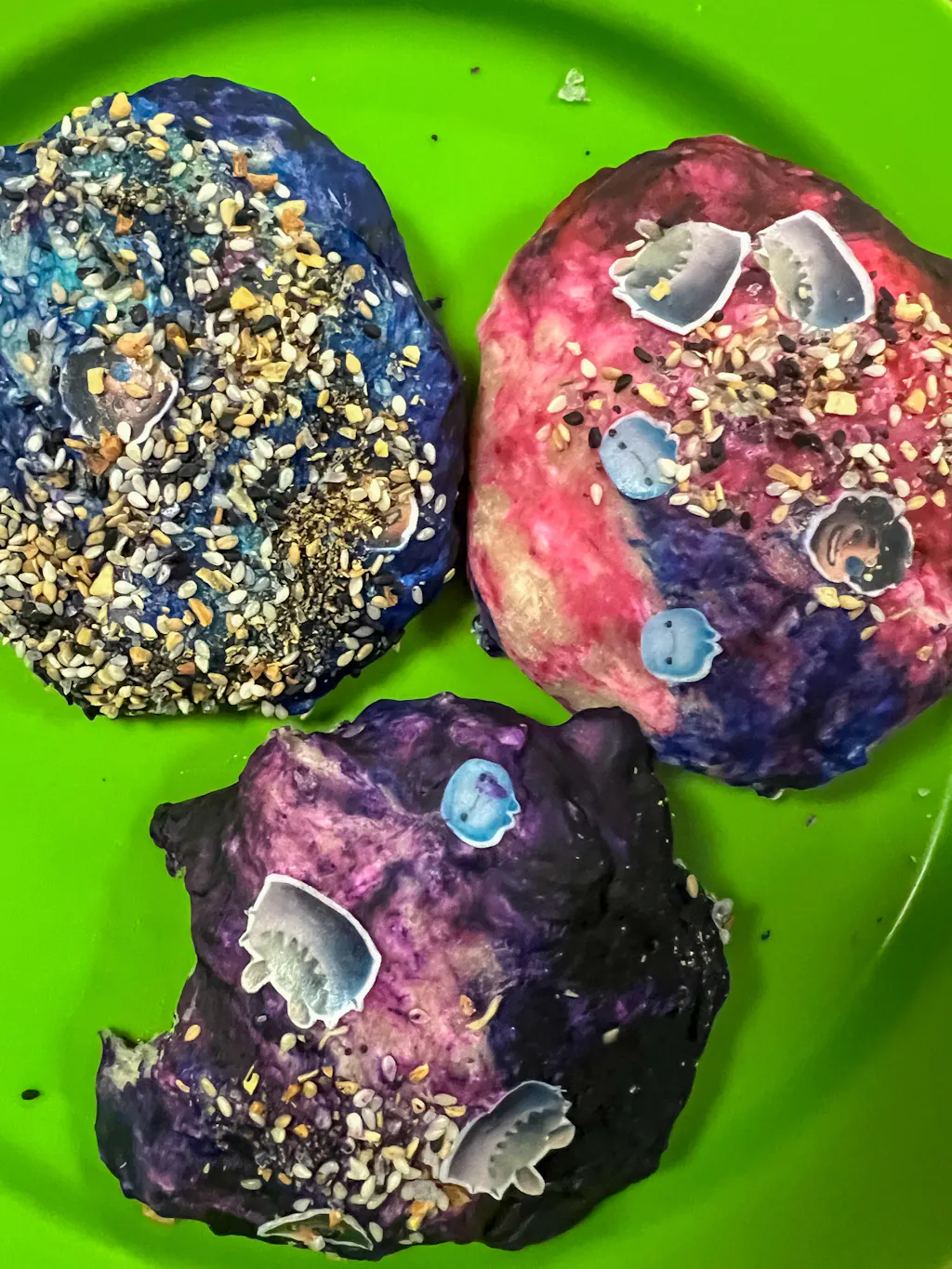
Who doesn't love donuts? A crochet donut is essentially a tube sewn into a circle. You can even "frost" it with a different color of yarn. This project is a great companion to our Galaxy Donut Kit, where kids can explore astronomy by creating their own edible solar system.
10. Animal Ear Headbands
Take a standard store-bought headband and crochet a sleeve to go over it. Then, crochet two small triangles (for a cat) or two circles (for a bear) and sew them onto the top. It’s an easy way to encourage imaginative play.
11. Simple Striped Scarf
A scarf is a rite of passage for every crocheter. While it takes longer than a coaster, it’s a repetitive project that allows kids to get into a "flow state." Using a chunky yarn will help the project grow faster, providing quicker satisfaction.
12. Finger Puppets
Finger puppets are tiny rectangles sewn up the sides. Kids can make a whole family of puppets or even a set of farm animals. These are great "quiet time" toys for car rides or waiting rooms.
13. Sleepy Owl Keychain
By crocheting two small circles and sewing them together with a bit of stuffing inside, you can create a plush owl. Add felt eyes and a beak. Attach a metal key ring, and your child can hang it on their school backpack.
14. Bow Tie for Stuffies
Is there anything cuter than a teddy bear in a bow tie? This is a very small rectangle that is pinched in the middle and wrapped with yarn. It teaches children how to manipulate the shape of their crochet work.
15. Mini "Mug Rugs"
A "mug rug" is just a coaster with fringe on the ends to make it look like a tiny carpet. It’s a whimsical project that allows kids to practice cutting yarn to equal lengths—a great lesson in measurement!
Connecting the Craft Room to the Kitchen
At I'm the Chef Too!, we see the kitchen as a laboratory and the craft table as an engineering studio. The skills overlap in surprising ways. For example, when a child follows a crochet pattern, they are following a "recipe" for a physical object. They must follow the steps in order, measure their progress, and ensure they have the right "ingredients" (yarn and hook) to finish the job.
If your child enjoys the process of building something from scratch, they might also love the chemical reaction that makes our Erupting Volcano Cakes kit bubble over with deliciousness. Both activities require following instructions carefully and reward the child with a sense of accomplishment and a tangible (or edible!) result.
STEM Concepts in Crochet
- Engineering: Understanding how loops of yarn support each other to create a stable fabric.
- Math: Counting rows, calculating increases/decreases, and understanding geometric shapes.
- Science: Learning about different fibers—why does cotton absorb water (making it good for washcloths) while acrylic stays dry?
Tips for Parents: How to Teach Crochet Without the Stress
Teaching a child a new skill requires a bit of strategy. Here are some tips we’ve gathered from educators and mothers to make the experience smooth and joyful.
Sit Side-by-Side
Instead of sitting across from your child, sit next to them. This allows them to see the hook movements from the same orientation. If you are right-handed and they are left-handed, sitting across from each other can actually act as a "mirror," which might be helpful for some.
Use "The Chunking Method"
Don’t try to teach everything at once. Spend one day just making slip knots. Spend the next three days just making chains. Only move on to the single crochet once the chain looks consistent. Just like our Chef's Club Subscription provides a new adventure every month, you can break the learning process into manageable "monthly" goals.
Focus on Process, Not Perfection
Their first square will likely look like a triangle or a lopsided trapezoid. That’s okay! Celebrate the fact that they created a fabric where there was once only string. Avoid pointing out every mistake. As they gain confidence, they will start to notice the mistakes themselves and ask how to fix them.
Make it a Shared Activity
Crochet is a wonderful way to facilitate family bonding. Grab your own hook and work on a project alongside them. This models the behavior of lifelong learning and shows them that even adults enjoy the challenge of creating.
Advanced Challenges: Keeping the Momentum Going
Once your child has mastered the simple crochet projects for kids listed above, they might be ready for more. You can introduce:
- The Half-Double Crochet (hdc): A stitch that is slightly taller and softer.
- The Double Crochet (dc): A classic stitch used in "Granny Squares."
- Reading Symbols: Transition from written instructions to visual diagrams.
Even beloved animals can make learning fun, like when kids make Wild Turtle Whoopie Pies. You can find a similar theme in crochet by looking for turtle amigurumi patterns, linking their culinary interests with their crafting hobbies.
The Science of Yarn: Why Fibers Matter
Part of the "edutainment" experience is understanding the "why" behind the materials. When we choose yarn for a project, we are making an engineering choice.
- Cotton: This is a natural fiber from a plant. It’s inelastic, meaning it doesn't stretch. This makes it perfect for things like coasters or washcloths that need to hold their shape and absorb moisture.
- Wool: This comes from animals (usually sheep). It’s very warm and has a lot of "memory," meaning it springs back into shape. It’s great for hats and scarves but can be "itchy" for some kids.
- Acrylic: This is a man-made, synthetic fiber. It’s basically a type of plastic! It’s durable, washable, and comes in every color imaginable. It’s the most common choice for kids' projects because it’s budget-friendly and easy to care for.
Explaining these differences to your child adds a layer of material science to their craft time.
Frequently Asked Questions (FAQ)
What is the best age for a child to start crocheting?
Most children have the manual dexterity to start learning basic chains around ages 5 or 6. However, every child is different. By ages 8 to 10, many kids can follow simple patterns and handle the tensioning of the yarn more effectively. The key is to wait until they show interest and have the patience to sit for 15-20 minutes at a time.
Is crochet easier than knitting for kids?
Generally, yes. Crochet uses only one hook, whereas knitting requires two needles. In crochet, if you drop a stitch, only one loop is "at risk." In knitting, a dropped stitch can cause a whole column of the project to unravel. This makes crochet a bit more "forgiving" for beginners.
What should I do if my child gets frustrated?
Take a break! Crochet should be a screen-free educational alternative that brings joy, not stress. If the yarn is tangling or the stitches are too tight, put it away and try a different activity. Maybe head to the kitchen and find the perfect theme for your little learner by browsing our complete collection of one-time kits. Sometimes a change of pace is all they need to come back to the craft with fresh eyes.
How can I make sure my child stays safe while crocheting?
Always provide adult supervision, especially when using scissors or tapestry needles. Ensure the workspace is well-lit to prevent eye strain. We also recommend using "blunt" yarn needles rather than sharp sewing needles to avoid accidental pokes.
Can crochet help with schoolwork?
Absolutely. As we mentioned, it reinforces math skills through counting and pattern recognition. It also helps with reading comprehension as they learn to follow multi-step written instructions. Most importantly, it builds the "executive function" skills of planning, focus, and task completion.
Where can I find patterns for kids?
There are many free resources online, but we recommend starting with a dedicated book for kids or a beginner's kit. Look for patterns labeled "Easy" or "Beginner." Avoid "Intermediate" patterns until they have a firm grasp of the basic stitches and can "read" their own work.
Crochet as a Screen-Free Educational Alternative
In today’s world, it’s easy for children to spend hours in front of a tablet or television. While technology has its place, there is an undeniable benefit to tactile, "hands-on" learning. Crochet provides a perfect alternative. It allows children to produce something real and beautiful. It gives them a sense of agency—the power to say, "I made this."
At I'm the Chef Too!, we are committed to providing these types of meaningful experiences. Whether it's through a monthly Chef's Club Subscription or a rainy afternoon spent with a crochet hook, these moments are building blocks for a lifetime of curiosity. We don't just want kids to learn how to cook or craft; we want them to fall in love with the process of discovery.
Encouraging a Love for Learning
When we teach children simple crochet projects for kids, we are giving them a gift that lasts a lifetime. They aren't just making a scarf; they are learning how to learn. They are discovering that they can master a difficult task through practice and patience. This builds a foundation of confidence that will serve them in the classroom, in the kitchen, and in life.
Imagine a child who once struggled to stay still now sitting quietly, focused on the rhythm of their hook. Imagine the pride they feel when they gift a handmade washcloth to a friend. These are the joyful family memories we strive to facilitate. Our cooking adventures and these crafting suggestions are all part of a larger mission to nurture the whole child—mind, hands, and heart.
Troubleshooting Common Beginner Mistakes
Even with the best instructions, beginners will face a few hurdles. Here’s how to handle them:
- Tight Stitches: If your child is struggling to get the hook back into the loops, their tension is too tight. Encourage them to "relax their hands" and try a slightly larger hook.
- Losing Stitches: If the project is getting narrower, they are likely skipping the last stitch of the row. If it’s getting wider, they are accidentally adding an extra stitch. Using stitch markers at the beginning and end of every row is the best way to prevent this.
- Split Yarn: If the hook is going through the yarn instead of under it, the yarn may be too loosely plied. Try a smoother, mercerized cotton yarn which stays together better.
Just as we provide clear, step-by-step instructions in our Erupting Volcano Cakes kit, helping your child troubleshoot their crochet work teaches them that challenges are just puzzles waiting to be solved.
Creating a Creative Space for Your Child
To help your child succeed with simple crochet projects for kids, consider setting up a small "craft corner." This doesn't have to be a whole room. A simple basket with their yarn, hooks, and a few projects-in-progress is enough. Having their supplies easily accessible encourages them to pick up the craft whenever they have a few spare minutes.
This dedicated space signals to the child that their creative work is valued. It’s the same philosophy we use when designing our kits—we provide the "specialty supplies" and the "adventure" so that the child feels like a real scientist or chef from the moment they open the box.
Conclusion
Crochet is a beautiful, rhythmic, and deeply rewarding craft that offers endless opportunities for "edutainment." By introducing your child to simple crochet projects for kids, you are helping them develop essential life skills like patience, focus, and mathematical reasoning—all while having a blast. From the first slip knot to the final stitch of a striped scarf, every moment spent crafting is a moment spent growing.
At I'm the Chef Too!, we believe that the best way to learn is by doing. We are dedicated to sparking that same sense of wonder in every child, whether they are in the kitchen or the craft room. We invite you to continue this journey of screen-free educational fun with us.
Ready for a new adventure every month? Join The Chef's Club and enjoy free shipping on every box. Our kits are developed by mothers and educators to ensure your family receives the highest quality, most engaging hands-on experiences possible. Let's create something delicious and extraordinary together!