Table of Contents
- Introduction
- Why STEM Matters for Second Graders
- Diving into STEM: Breakdown by Subject
- Mastering the "M" in STEM: Math in Action
- The "A" in STEAM: Blending Arts & Creativity
- Hands-On Learning with I'm the Chef Too! Kits
- Integrating STEM into Everyday Life
- Tips for Parents and Educators
- Making STEM a Lifestyle with The Chef's Club
- Conclusion
- FAQ Section
Introduction
Have you ever watched a 7-year-old completely captivated by a bubbling potion of baking soda and vinegar, or meticulously stacking blocks to build the tallest, wobbliest tower imaginable? At this age, children are natural scientists, engineers, technologists, and mathematicians, constantly observing, questioning, and experimenting with the world around them. Second grade is a magical time when curiosity blossoms into a deeper understanding, and hands-on learning becomes even more impactful.
Imagine a world where learning isn't confined to textbooks but spills over into every corner of life, especially the kitchen and play area. For second graders, this isn't just a dream; it's a reality waiting to be explored through the power of STEM. At this age, children are bursting with questions: "How does that work?" "Why does this happen?" "Can I build it bigger?" These aren't just idle inquiries; they are the fundamental questions that drive scientific discovery, technological innovation, engineering design, and mathematical understanding.
This post will guide you through the exciting world of 2nd grade STEM projects specifically designed for 7 and 8-year-olds. We'll uncover why integrating Science, Technology, Engineering, and Mathematics into their daily routines is crucial for their development, helping them to connect abstract concepts to tangible experiences. We'll explore a variety of hands-on projects, from simple household experiments to more elaborate building challenges, all aimed at sparking curiosity, building confidence, and fostering essential skills like problem-solving, critical thinking, and creativity. By the end of this guide, you'll be equipped with practical ideas and resources, including how our unique "edutainment" experiences at I'm the Chef Too! blend food, STEM, and the arts to create memorable, screen-free learning adventures for your family. Ready for a new adventure every month? Join The Chef's Club and enjoy free shipping on every box.
Why STEM Matters for Second Graders
Second grade is a pivotal time in a child's educational journey. They are moving beyond foundational concepts and beginning to grasp more complex ideas, making connections between different subjects. This is precisely why STEM education becomes so vital. It’s not just about preparing them for future careers in science or tech; it’s about equipping them with a versatile set of skills that will benefit them in every aspect of life.
Natural Curiosity & Exploration
Children at this age are inherently curious. They want to touch, taste, observe, and understand. 2nd grade STEM projects tap into this innate desire for exploration. When a child creates a "rain cloud in a jar" or watches an "erupting volcano," they aren't just following instructions; they are actively observing phenomena, forming hypotheses, and seeing cause and effect in real-time. This hands-on engagement transforms abstract concepts into concrete experiences, making learning stick. Our mission at I'm the Chef Too! is to spark this very curiosity, blending food, STEM, and the arts into one-of-a-kind "edutainment" experiences that make learning irresistible.
Building Foundational Skills
STEM activities are not just about memorizing facts; they are about developing a robust set of skills that are transferable across all disciplines. For second graders, these skills include:
- Problem-Solving: Encountering a challenge and figuring out how to overcome it, like engineering a spaghetti tower that can hold weight.
- Critical Thinking: Analyzing information and making reasoned judgments, such as predicting what will happen when different liquids are layered in a "rainbow density jar."
- Creativity & Innovation: Thinking outside the box to find new solutions, whether it's designing a more efficient catapult or a unique structure out of jelly beans.
- Collaboration: Working effectively with others, especially in group STEM challenges like "Can you save Fred?" or building a marshmallow tower as a team.
- Communication: Articulating ideas, observations, and conclusions, which is vital for sharing scientific discoveries or explaining an engineering design.
- Fine Motor Skills & Dexterity: Many hands-on STEM projects involve precise movements, strengthening coordination and preparing them for more complex tasks.
Connecting Learning to the Real World
One of the most powerful aspects of STEM education is its ability to show children how academic concepts apply to the world around them. When they build a "DIY anemometer" to measure wind speed, they see physics in action. When they "regrow food from kitchen scraps," they understand plant life cycles and sustainability. When they clean up a mock "oil spill," they grasp environmental science and problem-solving in a tangible way. This real-world relevance makes learning meaningful and answers that common childhood question: "Why do I need to learn this?" Our approach at I'm the Chef Too! is built on this principle, teaching complex subjects through tangible, hands-on, and delicious cooking adventures that connect directly to everyday experiences, making learning relevant and exciting.
Fostering a Growth Mindset
In STEM, mistakes aren't failures; they are opportunities for learning. When a bridge made of toothpicks collapses, a child learns about structural integrity. When an experiment doesn't yield the expected results, they learn to troubleshoot and try again. This iterative process, central to engineering and scientific inquiry, cultivates resilience and a growth mindset – the belief that abilities can be developed through dedication and hard work. It teaches children that challenges are stepping stones, not roadblocks. It fosters the perseverance needed to tackle complex problems throughout their lives, helping them understand that every attempt, successful or not, brings them closer to a solution.
The Power of "Edutainment"
At I'm the Chef Too!, we believe that learning should be an adventure. Our unique approach is to blend food, STEM, and the arts into one-of-a-kind "edutainment" experiences. We know that when children are having fun, they are more engaged, more receptive, and more likely to retain what they've learned. By making learning delicious and hands-on, we provide a screen-free educational alternative that facilitates family bonding and sparks genuine curiosity and creativity. This isn't just about doing a project; it's about creating joyful family memories while learning something new. Why not try a Galaxy Donut Kit to learn about astronomy through edible art?
Diving into STEM: Breakdown by Subject
Let's explore specific 2nd grade STEM projects that truly engage young minds, breaking them down by each component of STEM, then weaving in the "Arts" for a complete STEAM experience.
Understanding the "S" in STEM: Science Adventures
Science is all about exploring the natural world, asking questions, and discovering answers through observation and experimentation. For second graders, this means engaging with phenomena that spark their wonder and provide concrete examples of scientific principles.
Chemical Reactions & States of Matter
-
Erupting Volcanoes (Edible Version!): What child doesn't love a good eruption? Using baking soda and vinegar (or citric acid and baking soda for an edible experience), children can observe a classic acid-base chemical reaction. You can even make an edible version by creating a cake volcano and having an icing "lava" eruption! This demonstrates gas production and exothermic reactions in a thrilling way. Our own Erupting Volcano Cakes kit takes this concept to a delicious new level, allowing kids to bake and decorate their own erupting cake, making the science even more memorable.
- What they learn: Chemical reactions, gas production, acids and bases, observation skills.
- Materials: Baking soda, vinegar, dish soap (for extra foam), food coloring, small container, cake mix (for edible version).
-
Ice Cream in a Bag: This incredibly popular activity introduces second graders to phase changes (liquid to solid) and the concept of freezing points. By shaking milk, sugar, and flavorings with ice and salt in a bag, they'll see how the salt lowers the freezing point of the ice, allowing the milk mixture to freeze faster. It’s a delicious lesson in chemistry!
- What they learn: States of matter, freezing point depression, temperature, energy transfer.
- Materials: Milk, sugar, vanilla extract, ice, salt, small and large Ziploc bags.
-
Colorful Rainbow Density Jar: Layering different liquids (like honey, corn syrup, dish soap, water, and oil) by density is a visually stunning experiment. Kids learn that substances have different weights for the same volume, causing them to settle into distinct layers. This is a fantastic way to introduce concepts of density and solubility.
- What they learn: Density, immiscibility, observation, prediction.
- Materials: Tall clear jar, various household liquids (honey, corn syrup, dish soap, water, vegetable oil), food coloring.
-
DIY Lava Lamp: Recreate a classic "lava lamp" effect using oil, water, food coloring, and an effervescent tablet (like Alka-Seltzer). The reaction produces gas bubbles that carry colored water up through the oil, demonstrating density differences and gas production.
- What they learn: Density, chemical reactions, immiscibility of liquids.
- Materials: Clear bottle or jar, vegetable oil, water, food coloring, Alka-Seltzer tablets.
-
Film Canister Rockets: A simple yet exciting experiment where a small amount of water and an effervescent tablet inside a film canister generate gas, building pressure until the lid pops off, launching the canister into the air. Children can experiment with different amounts of water or tablet to see the effect on launch height.
- What they learn: Gas pressure, Newton's third law (action-reaction), variables in experimentation.
- Materials: Film canisters (or small containers with tight-fitting lids), effervescent tablets, water, protective eyewear.
Biology & Life Cycles
-
Regrowing Kitchen Scraps: Plant the base of romaine lettuce, green onions, or celery in a shallow dish of water, and watch them regrow! This simple activity teaches children about plant regeneration, the importance of water, and basic plant anatomy. It connects directly to understanding life cycles and sustainability, showing how we can reduce waste and cultivate new food.
- What they learn: Plant growth, regeneration, life cycles, sustainability, observation.
- Materials: Kitchen scraps (celery base, green onion roots), shallow dish, water.
-
Seed Germination Jars: Place seeds (like beans or peas) between wet paper towels inside a clear jar or plastic bag. Observe daily as the seed swells, a root emerges, and then a shoot. This visual journey clearly illustrates the process of germination and plant development in an easily observable way.
- What they learn: Plant life cycle, germination, essential needs for growth (water, warmth).
- Materials: Clear jar or plastic bag, paper towels, bean or pea seeds, water.
-
My Five Senses Sorting: While seemingly simple, exploring the five senses is a foundational biology concept. Create cards with different objects or experiences and have children sort them by which sense they primarily engage. This encourages mindful observation and helps children categorize their sensory experiences.
- What they learn: Human senses, observation, categorization, descriptive language.
- Materials: Index cards, pictures of objects (bell, flower, lemon, rough fabric), markers.
-
Animal Engineers: This activity invites children to think like animals and solve problems related to their environment. For instance, challenging them to build a "beaver dam" using natural materials (twigs, mud, leaves) to slow the flow of water, or designing a bird's nest that can hold small "eggs." This teaches about animal adaptations and ecological roles.
- What they learn: Animal adaptations, ecosystems, engineering principles (structure, function), natural materials.
- Materials: Natural materials (twigs, leaves, mud), small toy animals, water (optional).
Physics & Forces
-
Paper Airplanes Design Challenge: Why do some paper planes fly better than others? This activity encourages experimentation with aerodynamics. Children can design, fold, and test various paper airplane models, observing how changes in wing shape, weight distribution, or launch technique affect flight distance and duration.
- What they learn: Aerodynamics, lift, thrust, drag, gravity, experimental design, measurement.
- Materials: Various types of paper, ruler, tape, scissors.
-
Popsicle Stick Catapult: Transform second graders into engineers by challenging them to build a catapult that can launch a small object (like a cotton ball or bottle cap) the farthest. They'll use elastic potential energy and learn about force, trajectory, and simple machines.
- What they learn: Force, motion, energy transfer, simple machines (lever), engineering design process.
- Materials: Popsicle sticks, rubber bands, plastic spoon or bottle cap, cotton balls.
-
Straw Rockets: Design and launch simple rockets made from paper and drinking straws. Kids can experiment with rocket shape, fin size, and launch force (by blowing through the straw) to see which designs fly the farthest or highest.
- What they learn: Thrust, aerodynamics, force, motion, experimental variables.
- Materials: Paper, straws, tape, scissors.
-
Force and Motion Race Track: Create a simple ramp and challenge children to design small "vehicles" (e.g., from cardboard and wheels) that travel the farthest or fastest. They can experiment with different materials for the wheels, weights, or ramp angles to understand how force and friction affect motion.
- What they learn: Force, motion, friction, gravity, speed, distance.
- Materials: Cardboard, wheels (bottle caps, toy wheels), ramp (cardboard, books), measuring tape.
Earth Science & Environment
-
Rain Cloud in a Jar: A mesmerizing demonstration of the water cycle. Fill a jar with water, then create a "cloud" of shaving cream on top. Drip food-colored water onto the shaving cream, and watch as it "rains" down into the water below.
- What they learn: Water cycle (evaporation, condensation, precipitation), cloud formation.
- Materials: Clear jar, water, shaving cream, food coloring, dropper.
-
DIY Solar Oven: Build a simple solar oven from a pizza box. Children can use aluminum foil, plastic wrap, and black construction paper to trap solar energy and heat up a treat like a s'more or a small piece of chocolate. This introduces concepts of renewable energy and heat transfer.
- What they learn: Solar energy, heat transfer, insulation, renewable resources, environmental awareness.
- Materials: Pizza box, aluminum foil, black construction paper, plastic wrap, tape, s'mores ingredients.
-
Oil Spill Clean-up Challenge: Mimic an oil spill in a pan of water using vegetable oil and dark food coloring. Then, challenge children to use various household materials (sponges, cotton balls, feathers, strainers) to clean up the "oil" with minimal impact on the "environment" (water and objects in it).
- What they learn: Environmental impact, pollution, problem-solving, engineering solutions, material properties.
- Materials: Shallow pan, water, vegetable oil, dark food coloring, various clean-up tools (cotton balls, feathers, sponges, eyedroppers, spoons).
-
Making Paper – Introducing Recycling: This hands-on activity teaches children about the recycling process by turning old paper scraps into new handmade paper. They'll learn about material transformation and the importance of conservation.
- What they learn: Recycling, material properties, sustainability, environmental responsibility.
- Materials: Paper scraps, blender, water, screen or sieve, cloth, sponges.
Exploring the "T" in STEM: Technology & Digital Literacy
While technology might conjure images of screens, for second graders in STEM, it often refers to tools, innovations, and understanding how things work to solve problems. It's about practical application.
Simple Machines as Early Tech
-
Levers, Pulleys, and Wheels: Many engineering 2nd grade STEM projects naturally incorporate simple machines. Building a catapult uses a lever. Investigating how a wheelbarrow works involves a wheel and axle. These hands-on interactions help children understand the fundamental technologies that make complex machines possible.
- What they learn: Basic mechanical principles, force multiplication, real-world application of technology.
- Materials: Everyday objects that demonstrate simple machines (pulleys, levers, ramps, wedges, screws, wheels and axles).
-
Binary Code Writing Experiment (Screen-Free!): Introduce the concept of how computers "think" using binary code (0s and 1s). Using beads, paper strips, or even craft sticks, children can learn to encode and decode simple messages, understanding the foundational technology of digital communication without a screen.
- What they learn: Digital logic, coding basics, patterns, problem-solving.
- Materials: Beads (two colors), string, worksheets with binary code examples, markers.
Basic Engineering Tools
- Measurement Tools: Introduce rulers, measuring tapes, and even kitchen scales as technology that helps us quantify and understand the world. Using these tools accurately is a crucial technological skill.
- Magnifying Glasses: A simple technological tool that extends our natural vision, allowing children to observe details they otherwise couldn't, whether it's inspecting a seed or the texture of paper.
Embracing the "E" in STEM: Engineering Challenges
Engineering is about design, build, and test. It's problem-solving in action, often involving iteration and improvement. These 2nd grade STEM projects are perfect for nurturing budding engineers.
Structural Engineering
-
Spaghetti Tower Challenge: Challenge children to build the tallest freestanding tower using only spaghetti and marshmallows (or tape/clay). This classic activity teaches principles of structural stability, weight distribution, and basic architectural design.
- What they learn: Structural engineering, stability, geometry, planning, problem-solving.
- Materials: Dry spaghetti, mini marshmallows (or tape/clay), ruler for measuring height.
-
Marshmallow Team STEM Challenge: Similar to the spaghetti tower but often involves a team aspect. Groups of students work together to design and build a structure that can hold a certain weight or reach a specific height using marshmallows and toothpicks. This fosters collaboration and communication.
- What they learn: Collaboration, teamwork, structural integrity, material properties.
- Materials: Mini marshmallows, toothpicks.
-
Jelly Bean Engineering Challenge: Using only jelly beans and toothpicks, challenge kids to build a sturdy structure. They'll learn about connection points, stability, and geometric shapes that provide strength. You can make it seasonal by using holiday-themed jelly beans!
- What they learn: Structural design, geometry (triangles are strong!), material properties, problem-solving.
- Materials: Jelly beans, toothpicks.
-
A Top of a Tower Challenge: Using common household or classroom supplies (e.g., paper, tape, straws, cups), challenge children to build a tower that can support a heavy object (like a book or a stack of pennies) at the very top. This activity emphasizes strong bases and stable designs.
- What they learn: Load-bearing structures, stability, material strength, prediction.
- Materials: Various building materials (paper, straws, cups), tape, scissors, pennies or small weights.
-
LEGO Volcano Construction: Beyond just free play, challenge kids to design and build a LEGO volcano, thinking about its structure and how it will contain an "eruption" (e.g., baking soda and vinegar). This combines engineering with science.
- What they learn: Structural design, spatial reasoning, creativity, integrating different STEM elements.
- Materials: LEGO bricks, baking soda, vinegar, small container for eruption.
-
Cotton Swab Skeletons: A fun and slightly artistic engineering challenge. Provide cotton swabs and glue/tape, and ask children to construct a human skeleton. This requires understanding proportion, joints, and how to create a stable yet flexible structure.
- What they learn: Basic anatomy (skeleton), spatial reasoning, proportion, construction.
- Materials: Cotton swabs, glue or tape, paper.
Design & Build
-
Balloon-Powered Cars: Design and build a car using recycled materials (cardboard, bottle caps for wheels) that is powered by an inflated balloon. This challenge involves understanding propulsion, friction, and aerodynamic design.
- What they learn: Propulsion, aerodynamics, friction, engineering design, recycling.
- Materials: Cardboard, bottle caps, straws, balloons, tape, scissors.
-
Windmill Blade Design: Design windmill blades that can efficiently lift a small load when turned by "wind" (a fan or hairdryer). Children will experiment with different blade shapes, sizes, and angles to find the most effective design.
- What they learn: Wind power, energy conversion, aerodynamics, mechanical efficiency.
- Materials: Cardboard, scissors, fan or hairdryer, small string, small weights (paper clips, pennies).
-
DIY Bird Feeder: Challenge students to design and build a bird feeder using various craft materials. This requires thinking about functionality (holding seeds, keeping dry) and engineering a structure that is accessible to birds but not squirrels.
- What they learn: Design thinking, problem-solving, understanding animal needs, simple construction.
- Materials: Milk cartons, craft sticks, string, glue, birdseed.
-
Leprechaun Trap: A playful engineering challenge where children design and build a trap to catch a leprechaun. This encourages creative problem-solving and understanding simple mechanisms like levers, ramps, or cages.
- What they learn: Creative design, simple machines, problem-solving, iteration.
- Materials: Cardboard boxes, craft sticks, string, tape, small cups, decorations.
Problem-Solving Engineering
-
Can You Save Fred?: In this engaging activity, "Fred" (a gummy worm) is stuck on an overturned "boat" (a plastic cup), and his "life preserver" (a gummy lifesaver) is underneath. Children must work in teams to save Fred and get his life preserver on him, using only paper clips, without touching Fred, the boat, or the life preserver directly. This is a brilliant exercise in creative problem-solving and tool manipulation.
- What they learn: Creative problem-solving, collaboration, tool use, perseverance.
- Materials: Gummy worms, gummy lifesavers, small plastic cups, paper clips.
-
Clean the Ocean Challenge: Building on the oil spill activity, challenge children to design and create a tool that effectively cleans up "ocean trash" (small pieces of plastic, foil, fabric) from a water-filled basin. They must consider material properties and design efficiency.
- What they learn: Environmental engineering, design innovation, problem-solving for real-world issues, material science.
- Materials: Basin of water, various "trash" items, craft supplies for tool building (mesh, pipe cleaners, plastic bottles, sponges).
Mastering the "M" in STEM: Math in Action
Math isn't just about numbers; it's about patterns, logic, measurement, and spatial reasoning. For second graders, integrating math into hands-on STEM projects makes it tangible and meaningful.
Measurement & Data
-
Measuring & Comparing Heights: After building spaghetti or marshmallow towers, precisely measure their heights using rulers or measuring tapes. Compare results and discuss why some structures are taller or more stable. This reinforces concepts of measurement and data comparison.
- What they learn: Linear measurement, data collection, comparison, basic statistics.
- Materials: Rulers, measuring tape, completed structures.
-
Tracking Plant Growth: Keep a daily or weekly log of plant growth from the "regrowing scraps" or "seed germination" projects. Children can measure height, count new leaves, and chart their observations, introducing basic data recording and graphing.
- What they learn: Data collection, observation, sequencing, growth rates.
- Materials: Plants, ruler, notebook, pencil.
-
Flight Distance & Time: When testing paper airplanes or straw rockets, measure the distance they fly. For an added challenge, use a stopwatch to time how long they stay airborne. This brings in numerical data, comparisons, and basic physics.
- What they learn: Distance, time, speed concepts, data recording, comparison.
- Materials: Paper airplanes/rockets, measuring tape, stopwatch.
Patterns & Geometry
-
Pattern Block Challenge: Provide pattern blocks (or even cut-out paper shapes) and challenge children to create specific designs, fill outlines, or build symmetrical patterns. This activity strengthens spatial reasoning, geometric shape recognition, and understanding of symmetry.
- What they learn: Geometric shapes, patterns, symmetry, spatial reasoning, problem-solving.
- Materials: Pattern blocks (tangrams, geometric shapes), challenge cards or printed outlines.
-
LEGO Structure Designs: When building with LEGOs, challenge children to incorporate specific geometric shapes, create symmetrical designs, or build structures with a certain number of bricks. This turns free play into a structured math exploration.
- What they learn: Geometry, counting, spatial reasoning, measurement.
- Materials: LEGO bricks.
-
Skip Counting Craftivity: Integrate math into a craft project. For example, create a flower where each petal has a number, and children arrange them in skip-counting order (e.g., by 2s, 5s, or 10s). This reinforces numerical patterns and sequences.
- What they learn: Skip counting, number patterns, sequencing, fine motor skills.
- Materials: Paper, scissors, glue, markers.
Counting & Operations
-
"Math Mystery" Games: Incorporate math problems into a mystery game. Each correct answer (counting, simple addition/subtraction, patterns) reveals a clue, leading to the solution. This makes practicing math engaging and purpose-driven.
- What they learn: Basic arithmetic, patterns, logical reasoning, problem-solving.
- Materials: Printable math mystery worksheets.
-
100th Day STEM Activities: On the 100th day of school, engage in challenges that involve the number 100. For example, build the tallest structure with 100 toothpicks and marshmallows, or create a chain of 100 paper clips. This reinforces counting to 100 and understanding quantity.
- What they learn: Counting, quantity, estimation, measurement.
- Materials: 100 marshmallows, 100 toothpicks, or 100 paper clips.
-
Calculating Ingredients (Simple Cooking): Even in simple cooking projects, children can practice counting and basic addition/subtraction. "We need 2 cups of flour and then 1 more cup. How many cups total?" This makes math practical and immediately applicable.
- What they learn: Counting, basic addition, fractions (halves, wholes), measurement.
- Materials: Measuring cups, spoons, ingredients for a simple recipe.
- For a complete, mess-free experience with pre-measured ingredients, remember to check out our collection! Browse our complete collection of one-time kits.
Probability
-
Catapult Target Practice: Set up targets at different distances for the popsicle stick catapult. Have children predict where their cotton ball will land and track their hits and misses. This introduces basic concepts of probability and refining predictions based on data.
- What they learn: Prediction, probability, estimation, data tracking.
- Materials: Catapult, cotton balls, targets, paper for tracking.
The "A" in STEAM: Blending Arts & Creativity
At I'm the Chef Too!, we wholeheartedly embrace the "A" in STEAM, believing that creativity and aesthetic appreciation are integral to comprehensive learning. Integrating arts into 2nd grade STEM projects enhances engagement, allows for personal expression, and often leads to more innovative solutions.
Decorating & Design
-
Edible Creations as Art: Our unique approach exemplifies this! When children decorate their Galaxy Donut Kit to look like planets or a nebula, they're not just learning astronomy; they're expressing their artistic vision. Similarly, making Peppa Pig Muddy Puddle Cookie Pies combines character recognition with culinary artistry and a bit of kitchen science. The colorful "lava" and icing on our Erupting Volcano Cakes are perfect examples of science inspiring edible art.
- What they learn: Color theory, aesthetics, fine motor skills, creative expression, connection between food and art.
-
Drawing & Sketching Designs: Before building an engineering project, encourage children to sketch their designs. This visual planning is a form of artistic expression that aids in problem-solving and communication. They can draw their proposed spaghetti tower, paper airplane, or bird feeder before construction.
- What they learn: Visual planning, drawing skills, conceptualization, iteration of design.
-
Colorful Rainbow Density Jar Art: While a science experiment, the rainbow density jar is also a beautiful visual art piece. Discuss color blending, layering, and how the different colors create an aesthetically pleasing spectrum.
- What they learn: Color recognition, layering, visual aesthetics, observation.
Visualizing Concepts
-
Creating Models: Building a model of the water cycle, a solar system, or an animal habitat isn't just an engineering task; it's an artistic representation of scientific concepts. Children use creativity to make their models visually informative and engaging.
- What they learn: Spatial representation, artistic interpretation, conveying scientific information visually.
-
Storytelling through STEM: Encourage children to create stories or comic strips about their STEM projects. How did their catapult help a character? What adventures did their paper rocket have? This blends language arts with scientific concepts and fosters imaginative thinking.
- What they learn: Narrative skills, imaginative play, connecting different subjects.
Sensory Exploration
-
The Joy of Cooking: Cooking is a multi-sensory experience. The smell of baking cookies, the texture of dough, the vibrant colors of ingredients – all engage the senses and provide a rich learning environment. It’s a natural bridge between science, math, and art, making it a powerful "edutainment" tool. Our kits are developed by mothers and educators who understand the importance of engaging all senses in learning.
- What they learn: Sensory awareness, culinary skills, appreciation for food, fine motor skills.
- Don't let the learning stop! Become a part of The Chef's Club and ensure a steady stream of creative, educational fun for your child.
Hands-On Learning with I'm the Chef Too! Kits
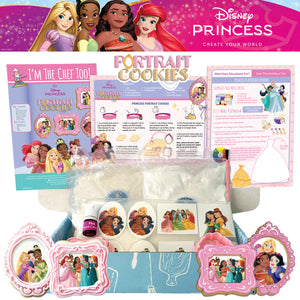
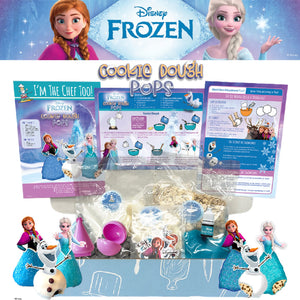
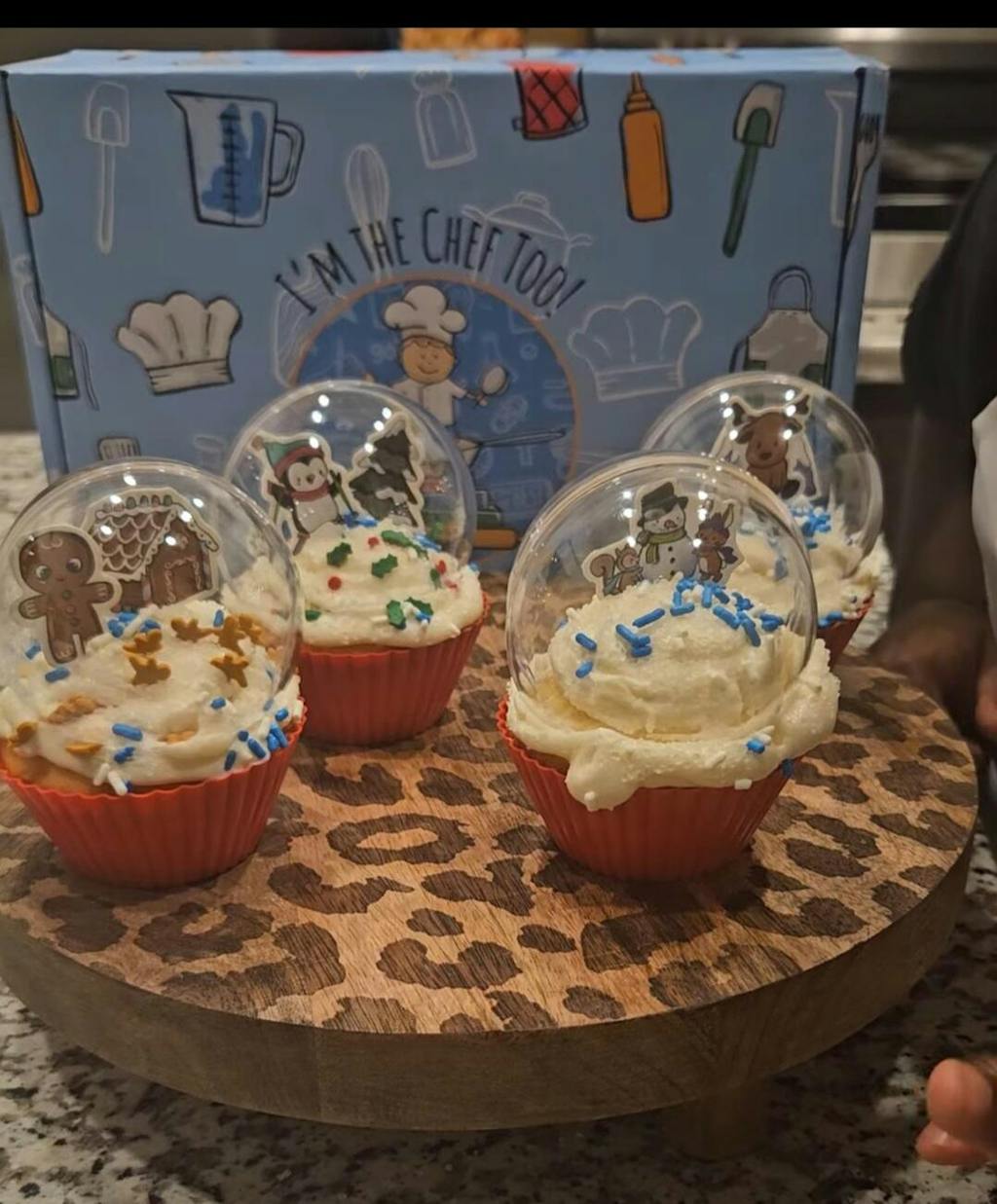
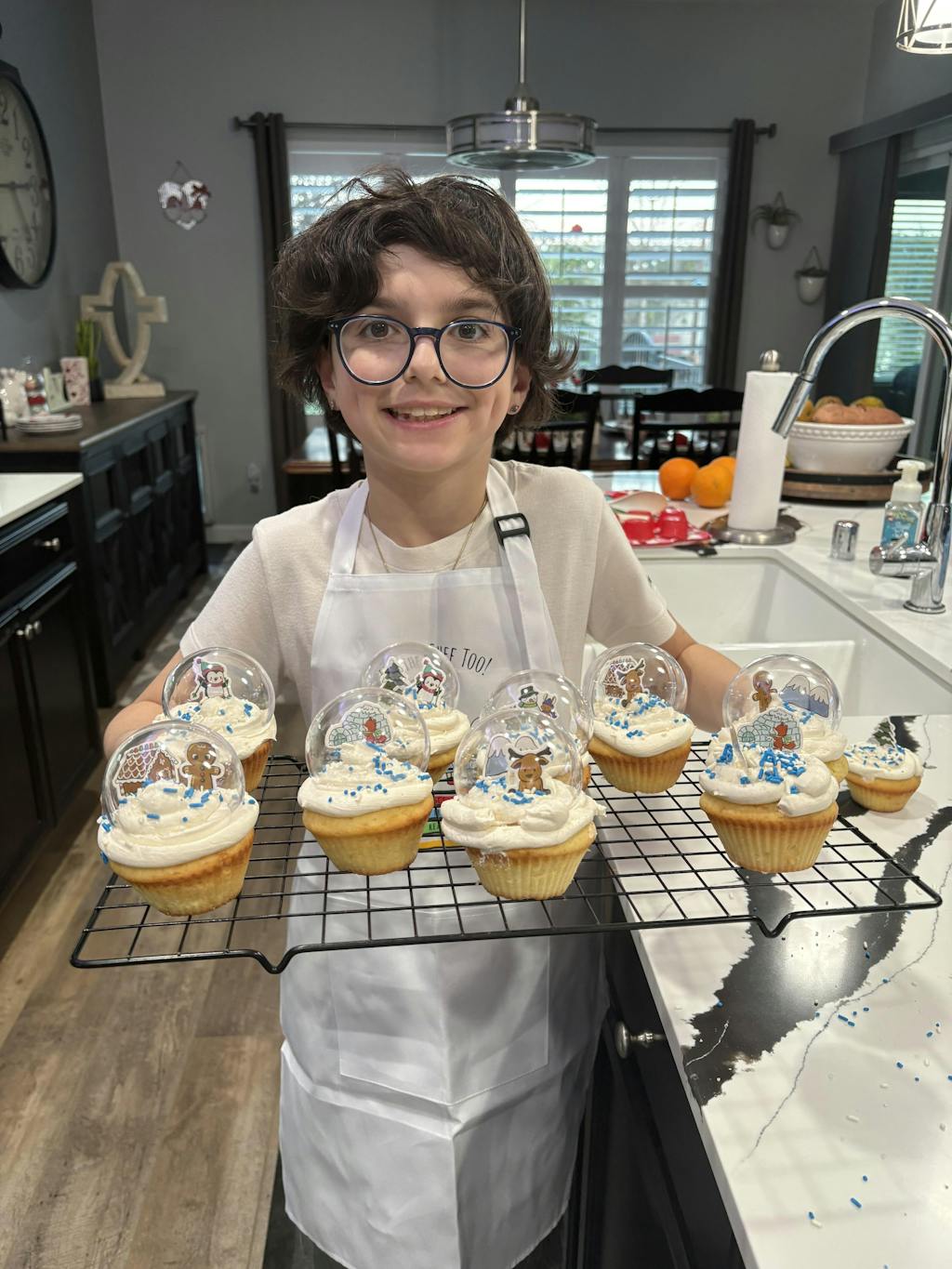
At I'm the Chef Too!, we embody the philosophy of blending food, STEM, and the arts into one-of-a-kind "edutainment" experiences. Our kits are thoughtfully developed by mothers and educators to spark curiosity and creativity in children, facilitating family bonding, and providing a fantastic screen-free educational alternative. We take the guesswork out of planning engaging activities by delivering complete experiences right to your door.
Each I'm the Chef Too! kit provides:
- Pre-measured Dry Ingredients: Say goodbye to endless trips to the grocery store and messy measuring. We provide the dry ingredients you need, saving you time and hassle.
- Specialty Supplies: Unique tools, decorations, and project components that elevate the learning experience and make each kit truly special.
- Step-by-Step Instructions: Easy-to-follow guides that make it simple for children and adults to enjoy the activity together, fostering independence and confidence.
- Engaging Themes: From exploring the solar system with edible donuts to unearthing "fudgy fossils," our themes make complex subjects exciting and relatable for young learners.
Consider how our kits seamlessly integrate the 2nd grade STEM projects concepts we've discussed:
- Science in the Kitchen: Baking involves precise measurements, understanding chemical reactions (like yeast making bread rise, or baking soda reacting with acid), and observing phase changes (like dough becoming a cake).
- Technology as Tools: Learning to use kitchen tools safely and effectively is a practical application of technology.
- Engineering in Recipes: Following a recipe is like following an engineering blueprint – it requires sequential steps, precision, and problem-solving if something doesn't go as planned.
- Math in Measurement: Measuring ingredients, adjusting recipes, and understanding ratios are all fundamental math skills honed in the kitchen.
- Arts in Decoration: Decorating cookies, cakes, or pastries allows for incredible artistic expression, color mixing, and fine motor skill development.
For a parent looking for a screen-free weekend activity for their 7-year-old who loves dinosaurs, our Fudgy Fossil Dig kit, for example, combines biology (fossils), geology (digging), and delicious baking. Not ready to subscribe? Explore our full library of adventure kits available for a single purchase in our shop.
Integrating STEM into Everyday Life
STEM isn't just for dedicated "project time" – it's everywhere! By reframing everyday activities, you can continuously foster a love for learning in your second grader.
The Kitchen as a Lab
The kitchen is perhaps the easiest and most delicious place to explore 2nd grade STEM projects.
- Baking & Cooking: Every recipe is a science experiment and a math lesson. Measuring ingredients, observing how heat changes food, understanding why bread rises, or how an egg cooks – these are all fundamental scientific and mathematical concepts in action.
- States of Matter: Observe water boiling (liquid to gas), ice melting (solid to liquid), or butter softening (solid to semi-solid).
- Sensory Exploration: Ask your child to describe the texture of dough, the smell of spices, or the taste differences between ingredients.
- Problem-Solving: "We don't have enough flour, what could we use instead, or how can we adjust the recipe?"
Backyard Explorations
Your backyard, a local park, or even a window box offers endless opportunities for discovery.
- Nature Hunts: Go on a scavenger hunt for different types of leaves, rocks, or insects. Categorize them, draw them, or research them.
- Weather Watching: Create a simple rain gauge or anemometer to track weather patterns. Discuss clouds, wind, and temperature.
- Planting a Garden: Even a small pot can teach about life cycles, the needs of plants, and the joy of nurturing living things.
Everyday Objects as Tools
Look at common household items not just for their primary purpose, but for their scientific and engineering potential.
- Building with Recyclables: Cardboard boxes, paper towel rolls, plastic bottles – these are free building materials for castles, cars, or robots.
- Toy Engineering: Encourage children to dismantle old, broken toys (safely, with supervision) to see how they work. What simple machines are inside?
- Magnifying Glass Adventures: Explore fabric fibers, sugar crystals, or the veins on a leaf with a magnifying glass.
Tips for Parents and Educators
Making 2nd grade STEM projects fun and effective doesn't require a science degree. It requires enthusiasm, patience, and a willingness to explore alongside your child.
1. Encourage Questions, Don't Always Provide Answers
Instead of immediately giving the answer, respond to "Why?" questions with "What do you think?" or "How could we find out?" This empowers them to think critically and seek solutions.
2. Embrace Messes & "Failures"
Science and engineering can be messy, and experiments don't always go as planned. View these as learning opportunities. "That didn't work as we expected, what do you think happened? What could we try differently next time?" This teaches resilience and the iterative nature of scientific discovery.
3. Provide the Right Materials (and Keep it Simple)
You don't need fancy lab equipment. Many fantastic 2nd grade STEM projects use everyday household items. Focus on open-ended materials that encourage creativity rather than highly specific kits that only allow for one outcome (unless, of course, it's one of our comprehensive I'm the Chef Too! kits, designed for convenience and guided learning!).
4. Make it Playful & Hands-On
At this age, play is learning. Frame activities as adventures, challenges, or mysteries to be solved. The more hands-on and interactive, the more engaged your child will be. Our kits are specifically designed to deliver this kind of playful "edutainment."
5. Model Curiosity
Show your child that you are also curious about the world. Ask questions, read non-fiction books together, and express wonder. Your enthusiasm is contagious.
6. Prioritize Safety
Always supervise children, especially with activities involving heat, sharp objects, or small components. Explain safety rules clearly and ensure a safe working environment.
Making STEM a Lifestyle with The Chef's Club
We understand that finding new, engaging, and educational activities can be a challenge for busy parents and educators. That's why we created The Chef's Club – to bring the joy of 2nd grade STEM projects right to your doorstep.
With The Chef's Club, you get:
- Convenience Delivered: A new, unique "edutainment" adventure every month, complete with pre-measured dry ingredients and specialty supplies. No more searching for ideas or running to the store!
- Free Shipping: Enjoy the added benefit of free shipping in the US on every single box, making it even easier to spark curiosity and creativity.
- Flexibility for Every Family: Choose from our flexible 3, 6, and 12-month pre-paid plans. They're perfect for ongoing enrichment at home or as a thoughtful gift that keeps on giving throughout the year.
- Screen-Free Bonding: Each box provides a dedicated opportunity for meaningful family time, creating delicious memories and fostering a love for learning without screens.
Give the gift of learning that lasts all year with a 12-month subscription to our STEM cooking adventures. Our convenient monthly deliveries mean less prep for you and more hands-on fun for them. Explore The Chef's Club plans today!
Conclusion
The world of 2nd grade STEM projects is vibrant, diverse, and incredibly rewarding. By embracing hands-on activities that blend science, technology, engineering, and mathematics – and even art – we can ignite a lifelong passion for learning in our children. These experiences go far beyond memorizing facts; they build crucial skills like problem-solving, critical thinking, creativity, and resilience, which are essential for navigating an ever-changing world.
Remember, every question is an invitation to explore, every experiment is an opportunity to discover, and every "mistake" is a chance to learn and grow. By fostering an environment of curiosity and exploration, we empower our second graders to become confident, capable, and innovative thinkers.
At I'm the Chef Too!, we are committed to making these educational adventures accessible and enjoyable for every family. Our carefully curated kits provide the perfect blend of learning and fun, ensuring your child receives a enriching, screen-free experience.
Ready to embark on a delicious journey of discovery with your child? Transform your kitchen into a classroom and your home into a laboratory. Join The Chef's Club today and let the "edutainment" begin!
FAQ Section
Q1: What are the main benefits of STEM projects for second graders?
A1: STEM projects for second graders offer numerous benefits, including fostering natural curiosity, developing critical thinking and problem-solving skills, enhancing creativity and innovation, improving fine motor skills, promoting collaboration, and connecting abstract academic concepts to real-world applications. They also help build resilience and a growth mindset by encouraging experimentation and learning from "failures."
Q2: How can I integrate STEM activities into a busy schedule?
A2: Integrating STEM doesn't always require elaborate setups. Look for opportunities in everyday routines:
- Kitchen: Cooking and baking are natural STEM labs for measuring, chemical reactions, and physical changes.
- Outdoors: Observe nature, collect leaves, track weather, or plant a small garden.
- Playtime: Use building blocks, LEGOs, or even recycled materials for engineering challenges.
- Structured Kits: Consider options like I'm the Chef Too! kits that provide all necessary materials and instructions, simplifying the process and saving time.
Q3: Do I need special equipment for 2nd grade STEM projects?
A3: Not at all! Many engaging 2nd grade STEM projects can be done with common household items. Think about materials like baking soda, vinegar, dry pasta, marshmallows, cardboard, plastic bottles, paper, tape, and common kitchen tools. The key is creativity and a willingness to explore. For projects requiring specific or pre-measured ingredients, kits like ours can be a convenient option.
Q4: How do I make STEM fun for my second grader if they're not naturally interested?
A4: The best way to spark interest is to make it hands-on, relatable, and fun!
- Connect to their interests: If they love dinosaurs, do a fossil dig. If they love space, make edible planets.
- Use storytelling: Frame activities as mysteries to solve or challenges to overcome.
- Make it delicious: Edible STEM projects are often a huge hit, like making ice cream in a bag or baking themed treats.
- Focus on process, not just outcome: Celebrate their effort, experimentation, and discoveries, not just whether the project "worked perfectly."
- Lead by example: Show your own curiosity and excitement!
Q5: How does I'm the Chef Too! combine food, STEM, and the arts?
A5: At I'm the Chef Too!, we believe in "edutainment." We develop unique cooking adventures where children learn complex STEM concepts through tangible, delicious experiences. For example, baking a cake might teach chemical reactions (science) and precise measurement (math). Decorating that cake with artistic flair (arts) enhances creativity and fine motor skills, while assembling ingredients and following steps involves elements of technology and engineering. Our mission is to provide screen-free, hands-on learning that sparks curiosity, fosters creativity, and creates joyful family memories.