Table of Contents
- Introduction: The Irresistible Charm of Donut Crafts
- Why Donut Crafts? More Than Just Sweet Fun
- Edible Donut Crafts: A Taste of STEM and Culinary Adventure
- Creative & Sensory Donut Crafts: Engaging All the Senses
- Donut Crafts for Every Age: Tailoring the Fun
- Bringing Learning to Life: Deep Dive into STEM with Donut Crafts
- Crafting Memories: Family Bonding with Donut Projects
- Getting Started: Tips for a Successful Donut Crafting Session
- Conclusion: Sweetening Learning, One Donut Craft at a Time
- FAQ: Your Donut Crafting Questions Answered
Imagine a world where learning is so delicious, so visually appealing, and so utterly engaging that children eagerly dive in, forgetting all about screens. That's the magic of a donut – a simple, circular treat that transcends its edible form to become an incredible source of inspiration for countless creative projects. But beyond the sprinkles and the sweet glaze, what if these seemingly simple donut crafts for kids could also secretly be powerful vehicles for hands-on learning, sparking curiosity, and building essential skills?
As parents and educators, we're constantly searching for enriching activities that captivate young minds and foster a love for discovery. Donuts, with their universal appeal and fun shapes, offer a fantastic, often overlooked, avenue for such engagement. This comprehensive guide is designed to unlock the full potential of donut-themed activities, moving beyond just eating them to exploring a universe of crafting possibilities. We'll delve into a delightful array of donut crafts, from edible creations that teach fundamental kitchen skills and scientific principles, to sensory projects that engage tactile learners, and artistic endeavors that encourage imaginative expression. You’ll discover how these sweet-themed activities can seamlessly blend art, science, and math, all while strengthening fine motor skills and nurturing creativity. Get ready to transform a beloved treat into a springboard for "edutainment" and create unforgettable family moments, just as we at I'm the Chef Too! believe in blending food, STEM, and the arts into one-of-a-kind experiences.
Introduction: The Irresistible Charm of Donut Crafts
There's something universally enchanting about donuts. Is it their perfectly round shape, the endless possibilities for colorful toppings, or the simple joy they bring? Whatever the reason, donuts captivate children and adults alike, making them an ideal theme for engaging craft activities. Far from being just a tasty snack, donuts offer a fantastic entry point into a world of creative exploration, artistic expression, and even foundational STEM learning.
In a world increasingly dominated by digital distractions, finding activities that truly engage children in a hands-on, screen-free manner can feel like a quest. Donut crafts for kids are a delightful solution, offering a perfect blend of fun, creativity, and educational value. This post will explore a wide array of donut-themed projects, from simple paper crafts perfect for toddlers to more involved edible experiments suitable for older children. We'll uncover how these sweet adventures can enhance fine motor skills, encourage imaginative play, introduce basic scientific concepts, and most importantly, create cherished family memories. Our goal is to inspire you to transform your kitchen and craft corner into a hub of "edutainment," where children learn by doing, tasting, and creating, much like the unique cooking STEM adventures we champion at I'm the Chef Too!.
Why Donut Crafts? More Than Just Sweet Fun
Choosing donut crafts for kids isn't just about making something cute; it's about tapping into a rich vein of developmental benefits. The appeal of donuts instantly hooks children, making them more receptive to the learning woven into each activity. Let's explore the multifaceted advantages these sweet-themed projects offer:
Fostering Creativity and Imagination
At its core, crafting is an act of creation. Donut crafts provide a perfect canvas for children to express their unique ideas. With a basic donut shape, kids can experiment with endless combinations of "icing" colors, "sprinkle" textures, and imaginative themes. Will their donut be a classic glazed, a vibrant rainbow creation, or a fantastical donut from outer space? This freedom of choice encourages original thinking and allows their imagination to soar. It’s a wonderful way to empower children to be designers and artists, fostering a sense of accomplishment in their unique creations.
Enhancing Fine Motor Skills
Many donut crafts involve actions that are crucial for developing fine motor skills. Activities like cutting paper plates to create the donut shape, squeezing glue for sprinkles, carefully placing small decorations, or mixing ingredients for edible donuts all require precision and hand-eye coordination. These seemingly simple tasks strengthen the small muscles in the hands and fingers, which are vital for future skills like writing, buttoning clothes, and using utensils. When children engage in these tactile experiences, they're not just making a pretty donut; they're building foundational dexterity.
Introducing Foundational STEM Concepts
This is where the magic truly happens, aligning perfectly with our mission at I'm the Chef Too!. Donut crafts, especially those involving cooking, are brimming with opportunities to introduce STEM principles in a fun, accessible way.
- Science: What happens when ingredients are mixed? How does yeast make dough rise? What creates those beautiful colors in icing? These are all scientific inquiries.
- Technology: Using simple kitchen tools like mixers or air fryers introduces basic technology.
- Engineering: Designing a structurally sound paper plate donut or understanding how ingredients combine to form a stable batter are engineering challenges.
- Math: Counting sprinkles, measuring flour, identifying geometric shapes (circles, cylinders), and understanding fractions when cutting a donut into pieces – these are all practical math applications.
Through these hands-on activities, children learn that STEM isn't just about textbooks; it's about tangible, delicious outcomes. This approach of learning by doing is central to our philosophy, proving that complex subjects can be fun and digestible.
Promoting Problem-Solving and Sequencing
Every craft project is a mini problem-solving challenge. Children learn to follow instructions, understand sequencing (what step comes first, second, etc.), and adapt when things don't go exactly as planned. "What if my icing isn't mixing well?" or "How can I make my sprinkles stick?" These questions encourage critical thinking and adaptability. Successfully navigating these small hurdles builds confidence and resilience, skills that extend far beyond the craft table.
Encouraging Family Bonding and Communication
Crafting together creates a shared experience, a common goal that brings families closer. Working side-by-side on donut crafts provides natural opportunities for conversation, laughter, and teamwork. Parents can model patience, offer guidance, and celebrate successes, strengthening emotional connections. These moments of collaborative creation become cherished memories, fostering a positive and supportive family environment. It's exactly this kind of joyful interaction and screen-free engagement that we hope to inspire with every I'm the Chef Too! adventure.
Ready to infuse your home with more of these enriching, hands-on, and utterly delicious learning opportunities? We believe every child deserves the chance to explore, create, and bond with their family in meaningful ways. Join The Chef's Club today and get a new adventure delivered right to your door every month, complete with pre-measured dry ingredients and specialty supplies!
Edible Donut Crafts: A Taste of STEM and Culinary Adventure
There's something uniquely satisfying about creating a craft you can actually eat! Edible donut crafts for kids combine the joy of making with the delight of tasting, offering a multisensory learning experience. These activities are fantastic for introducing basic culinary skills, understanding ingredient transformations, and even exploring scientific reactions in the kitchen.
Classic Baked or Fried Donuts: The Full Experience
Making donuts from scratch is an incredible hands-on STEM project. It involves careful measurement (math!), understanding the role of yeast (biology/chemistry!), observing dough rising (physics!), and the transformation of raw ingredients into a golden-brown treat (chemistry!).
Activity Idea: "Yeast Magic" Donuts
- Science of Yeast: Start by activating yeast. Show children how warm water and a little sugar "wake up" the yeast, causing it to bubble and foam. Explain that yeast is a living organism that eats sugar and produces gas, which makes the dough light and airy.
- Measuring and Mixing: Have children help measure flour, sugar, eggs, and milk. This reinforces math skills and understanding of ratios. Mixing the dough requires strength and coordination.
- Kneading and Rising: Explain that kneading develops gluten, giving the donut its structure. Observing the dough double in size during the proofing stage is a tangible demonstration of science in action.
- Shaping and Frying/Baking: Children can use cookie cutters or their hands to shape the donuts. Discuss the difference between frying (quick cooking, crispy exterior) and baking (healthier, cake-like texture).
- Decorating Fun: The grand finale! Offer various glazes, sprinkles, and toppings. This is where creativity flourishes. Discuss color mixing and the properties of different glazes (thick vs. thin).
While making donuts from scratch can be a full-day endeavor, the learning outcomes are immense. It teaches patience, precision, and the rewarding cycle of creation from raw materials to a delicious finished product.
No-Bake Donut Delights: Quick and Easy Edible Fun
For those times when you want the edible craft experience without the yeast and frying, no-bake donut options are fantastic.
1. Apple Ring Donuts: This is a popular and healthy alternative. Simply slice apples horizontally to create rings, then use a small cookie cutter or corer to remove the center, making them look like donuts. The fun comes with the toppings!
- Science: Discuss why apples turn brown (oxidation) and how lemon juice can prevent it.
- Art: Encourage creative topping combinations: peanut butter or yogurt as "icing," then add granola, shredded coconut, mini chocolate chips, or colorful fruit pieces as "sprinkles." This is an excellent way to introduce healthy eating in a playful context.
2. Biscuit Dough Donuts (Air Fryer or Baked): Using store-bought biscuit dough is a brilliant shortcut. Simply punch out the centers (save them for donut holes!), then bake or air fry until golden.
- Chemistry: Observe how the heat transforms the dough from raw to cooked.
- Math: Count the donuts and donut holes.
- Decorating: Dip them in melted butter and cinnamon sugar, or glaze them with powdered sugar icing. This is a wonderfully quick way to enjoy a warm, "homemade" donut.
3. Donut-Themed Snacks with a Twist: Think outside the traditional donut shape!
- Bagel Bites: Slice mini bagels, toast them, and let kids decorate with cream cheese and fruit "sprinkles" or jam.
- Rice Cake Donuts: Spread cream cheese or nut butter on rice cakes and top with dried fruit, seeds, or edible glitter for a healthy, crunchy "donut."
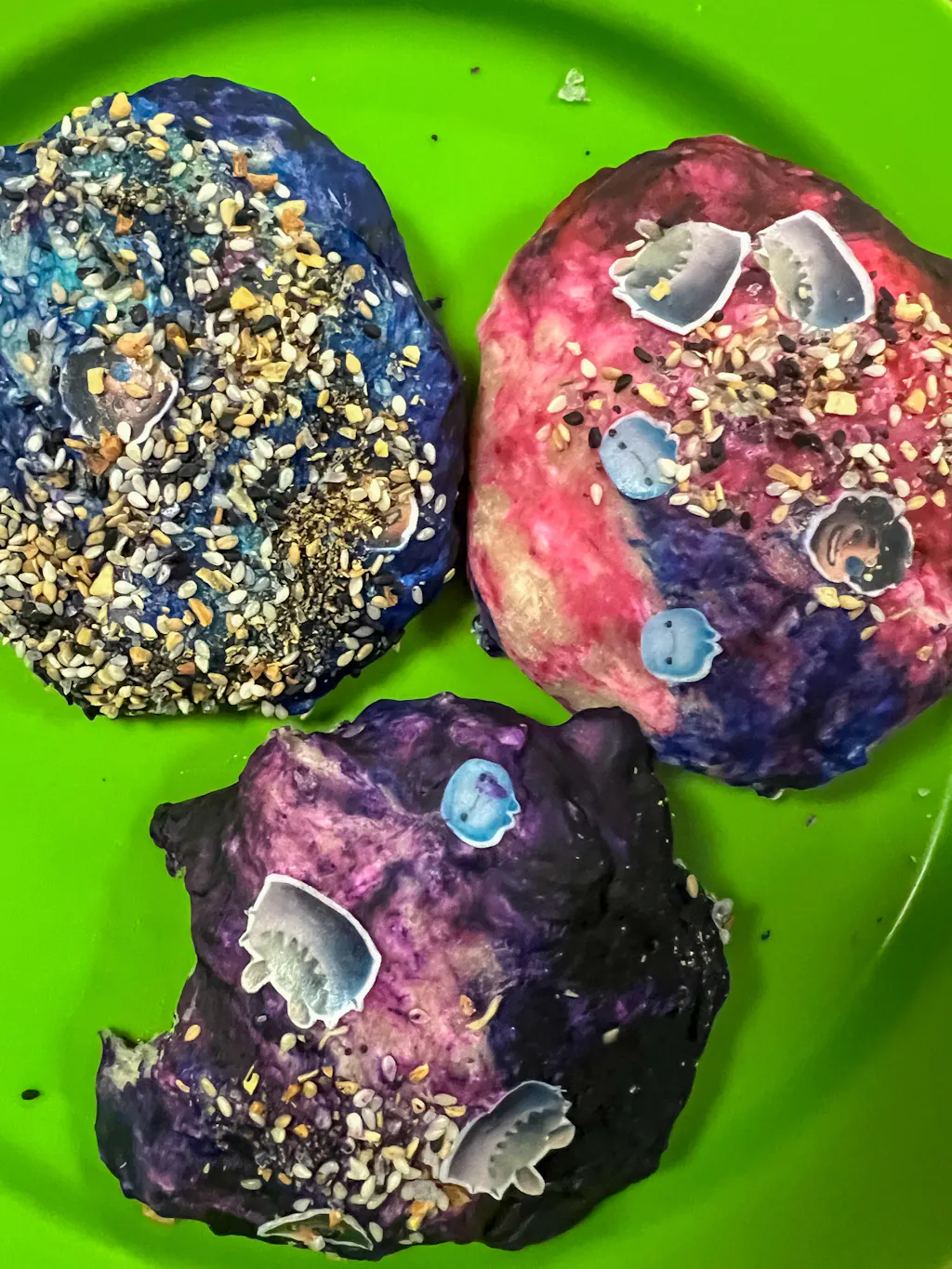
These edible projects are wonderful for younger children, offering simpler steps and quicker gratification, while still packing in plenty of developmental benefits. They’re a fantastic way to introduce kids to the joy of cooking and the wonders of ingredient transformation, much like how our Galaxy Donut Kit transforms simple ingredients into an out-of-this-world edible solar system, perfectly blending astronomy with deliciousness!
Creative & Sensory Donut Crafts: Engaging All the Senses
Beyond edible creations, donut crafts offer a wealth of opportunities for sensory exploration, artistic expression, and imaginative play using various materials. These screen-free activities are vital for holistic child development, engaging tactile learners and fostering creativity without the pressure of a perfect recipe.
Paper Plate Donut Crafts: A Classic for a Reason
Paper plate donuts are a perennial favorite among donut crafts for kids, and for good reason. They are inexpensive, versatile, and offer endless possibilities for customization.
Activity Idea: 3D Paper Plate Donuts
- Geometric Exploration: Start by having children cut out the center of a paper plate to create the donut hole. This is a great exercise in understanding circles and negative space. For younger children, pre-cut the hole.
- Color Theory with Paint: Provide various colors of acrylic or tempera paint for the "donut base" (light brown, dark brown, or even fantastical colors) and the "icing." Discuss how colors mix and how different colors evoke different flavors (pink for strawberry, brown for chocolate).
-
Texture and Fine Motor Skills with Sprinkles: This is where it gets exciting! Instead of just drawing sprinkles, use actual textured materials.
- Dyed Rice/Pasta: Teach kids how to dye rice or small pasta pieces with food coloring and rubbing alcohol (or vinegar for a food-safe version). Once dry, these make fantastic, colorful sprinkles. The act of sprinkling and gluing helps with fine motor control.
- Confetti & Sequins: Small, shiny sequins and colorful paper confetti add sparkle and texture.
- Yarn Scraps: Snippets of colorful yarn can be glued on as soft, fuzzy sprinkles.
- Pompoms: Tiny pompoms make adorable, fluffy toppings.
- Glitter Glue: Squeezing glitter glue for "icing" or "sprinkles" further develops hand strength.
- 3D Element: For a truly immersive experience, use two paper plates per donut. Staple or glue them together around the edges, leaving the top of the plates on the inside, to create a slightly puffed-up, 3D effect. This adds depth and makes the donuts feel more real during pretend play.
These paper plate creations can be used for pretend play (setting up a "donut shop"), hung as decorations, or even gifted.
Playdough Donut Creations: Sensory Play at Its Best
Playdough is an incredible medium for sensory exploration and imaginative play. Donut-themed playdough sessions are not only fun but also highly beneficial for development.
Activity Idea: Playdough Donut Shop
- Custom Playdough: Consider making homemade playdough in various "donut" colors – light brown, pink, purple, white. You can even add scents like vanilla extract or cocoa powder for a truly immersive experience.
- Tools for Shaping: Provide rolling pins, donut cutters (or simple cookie cutters), plastic knives, and small bottle caps for creating the donut holes. These tools enhance fine motor control and dexterity.
- "Sprinkle" Station: Offer a variety of small, loose parts to use as sprinkles: beads, small buttons, pipe cleaner snippets, rice, lentils, or even real sprinkles (if you don't mind a little mess!). This encourages creativity and imaginative topping combinations.
- Imaginative Play: Set up a "donut shop" with play cash registers, small plates, and pretend coffee cups. Children can take orders, "make" and "sell" their donuts, practicing social skills, math (counting money), and language development through role-playing.
Playdough is wonderfully forgiving, allowing children to experiment without fear of "mistakes." It's a fantastic way to develop hand strength, creativity, and narrative play.
Felt and Fabric Donuts: Soft, Reusable Fun
Felt donuts are a delightful option for younger children or for creating reusable play food. They are soft, quiet, and durable.
Activity Idea: Stitched or Glued Felt Donuts
- Simple Shapes: Cut out donut shapes from felt (two per donut, plus a smaller circle for the "icing").
- Gluing or Stitching: For younger kids, use fabric glue to attach the icing and small felt strips, beads, or yarn pieces as sprinkles. Older children can practice basic stitching by sewing the icing onto the donut and adding embroidered "sprinkles." This introduces basic sewing skills and patience.
- Stuffing (Optional): For a plush donut, sew two felt donut shapes together, leaving a small opening. Lightly stuff with cotton batting before closing the seam.
- Creative Play: These felt donuts are perfect for quiet play, tea parties, or as props in a pretend bakery. They encourage imaginative storytelling and fine motor manipulation.
These creative and sensory donut crafts offer a rich tapestry of experiences, engaging different senses and fostering a wide range of developmental skills. They are a wonderful way to provide screen-free "edutainment" and create lasting memories, all while celebrating the sweet joy of donuts!
Discover even more exciting projects that blend learning and play! Browse our complete collection of one-time kits to find the perfect STEM cooking adventure for your little learner, from edible experiments to artistic culinary masterpieces.
Donut Crafts for Every Age: Tailoring the Fun
The beauty of donut crafts lies in their adaptability. Whether you have a curious toddler, an energetic preschooler, or a school-aged inventor, there's a donut-themed activity perfectly suited for their developmental stage. Adjusting the complexity and independence of the craft ensures that every child feels successful and engaged.
Toddlers (1-3 Years Old): Simple Sensory Explorations
For toddlers, the focus should be on sensory input, cause and effect, and very simple actions. Safety is paramount, so always use non-toxic materials and supervise closely.
- Finger Painting "Donuts": Cut large donut shapes from thick paper. Provide edible finger paints (e.g., yogurt mixed with food coloring, pureed fruit) or non-toxic washable paints. Let them use their fingers to "ice" and "sprinkle" their donuts. This is fantastic for tactile exploration and color recognition.
- Sticker "Sprinkles": Offer large donut outlines and a variety of easy-to-peel stickers (dots, small shapes). Toddlers can practice fine motor skills by peeling and sticking the "sprinkles" onto their donuts.
- Playdough Exploration: Provide pre-made playdough and simple tools. Let them squish, roll, and poke the playdough into donut shapes. Focus on the process, not the perfect product. Adding scented playdough (vanilla, chocolate) enhances the sensory experience.
- Edible Apple Rings (Parent-Prepared): Slice apples into rings and let toddlers dip them into yogurt or cream cheese, then sprinkle with safe, soft toppings like shredded coconut or very small, soft fruit pieces (supervised to prevent choking hazards).
Preschoolers (3-5 Years Old): Developing Fine Motor Skills and Following Directions
Preschoolers are ready for slightly more complex tasks that involve cutting, gluing, and more detailed decoration, while still benefiting from ample imaginative play.
- Paper Plate Donut Craft with Dyed Rice: As detailed earlier, cutting the hole (or having it pre-cut), painting, and then carefully gluing and sprinkling dyed rice (or other small items) helps develop fine motor skills and patience.
- Playdough Donut Shop Role-Play: Encourage them to create a full donut shop experience, making different "flavors" of donuts, setting prices, and "selling" them. This boosts social skills, language development, and early math concepts.
- "Build-Your-Own" Donut Snack Station: Provide various safe toppings for apple rings or mini bagels. Let them choose their "icing" and "sprinkles," fostering independence and decision-making.
- Donut Lacing Cards: Create donut shapes from cardboard, punch holes around the edge, and laminate them. Provide shoelaces or yarn for children to practice lacing, which strengthens hand-eye coordination and fine motor control, essential for pre-writing skills.
School-Aged Children (6+ Years Old): Embracing Creativity, Problem-Solving, and STEM
Older children can handle multi-step projects, detailed instructions, and enjoy integrating more complex STEM concepts and artistic techniques.
- Scratch-Made Donut Baking: Engage them in the full process of baking donuts from scratch. This is an excellent opportunity to delve deeper into the science of yeast, precision in measurement, and the chemistry of baking. They can experiment with different glazes and decoration techniques.
- Donut-Themed Science Experiments: Explore density by seeing what toppings sink or float in glaze, or create edible "slime" that looks like donut icing (using ingredients like condensed milk and food coloring). Or, for a truly exciting chemical reaction, consider our Erupting Volcano Cakes Kit – while not a donut, it perfectly illustrates how delicious food can be a vehicle for dramatic scientific discovery!
- Felt Donut Sewing Project: Introduce basic hand-sewing techniques to create stuffed felt donuts. This teaches patience, precision, and a valuable life skill.
- Recycled Material Donut Sculptures: Challenge them to create 3D donuts using recycled materials like cardboard tubes, old fabric scraps, bottle caps, and foil. This fosters environmental awareness, creative problem-solving, and engineering skills.
- Donut Themed Math Crafts: Incorporate math concepts like fractions by dividing a large paper donut into halves, quarters, or even eighths, then decorating each segment differently. Or create place value donuts where each "sprinkle" represents a unit, ten, or hundred.
By tailoring donut crafts for kids to their age and developmental stage, you ensure that activities are appropriately challenging, engaging, and rewarding, fostering a lifelong love for learning and creativity.
Want to keep the learning adventures rolling without the hassle of planning? Our monthly "Chef's Club" subscription delivers new, exciting STEM cooking kits directly to your door with free shipping in the US. Each box is packed with pre-measured dry ingredients and specialty supplies, making it easy to spark curiosity and creativity! Sign up for The Chef's Club today!
Bringing Learning to Life: Deep Dive into STEM with Donut Crafts
At I'm the Chef Too!, our mission is to blend food, STEM, and the arts into one-of-a-kind "edutainment" experiences. Donut crafts for kids are a perfect example of how everyday objects and delicious treats can become powerful tools for teaching complex subjects in an accessible, hands-on way. Let's explore how to explicitly connect donut activities to core STEM principles.
The Science Behind the Sweetness
- Chemistry of Baking/Cooking: When making edible donuts, discuss the chemical reactions. What happens when heat is applied to the batter? Why does sugar caramelize? How does baking powder or soda create bubbles? Even simple icing mixing demonstrates solubility and changes in states of matter.
- Yeast as a Living Organism: For traditional donuts, yeast is a fantastic biological lesson. Explain that yeast is a microscopic fungus that "eats" sugar and produces carbon dioxide gas. This gas gets trapped in the dough, making it rise. It’s a visible, tangible example of a biological process.
- Oxidation (Apple Donuts): When making apple ring donuts, observe how apple slices turn brown when exposed to air. Explain that this is called oxidation, and then experiment with how lemon juice (acid) can slow down or prevent this chemical reaction.
- Sensory Science: Explore the five senses. What do the donuts look like (color, texture)? How do they smell (sweet, yeasty)? What sounds do they make (frying, crumbling)? How do they feel (soft, sticky, crunchy)? And, of course, how do they taste?
Engineering donut Designs and Structures
- Structural Integrity (Paper Plate Donuts): When making 3D paper plate donuts, discuss how to make them sturdy. How does gluing or stapling the plates together create a stronger structure? What makes them hold their shape?
- Ingredient Ratios (Edible Donuts): Emphasize that baking is a form of edible engineering, where precise ratios of ingredients are crucial for a successful outcome. Too much flour or too little liquid can lead to a dense, unappetizing donut. Each ingredient plays a structural role.
- Tool Design: Discuss the design of various kitchen tools. Why is a rolling pin shaped the way it is? How does a whisk work to incorporate air? Why does a donut cutter create a perfect hole?
Math in Every Mouthful
- Geometry: The most obvious is the circle! Discuss radii, diameters, and circumference. What does it mean to have a "donut hole" (a central void)? Compare different sized donuts and their areas.
- Measurement: Precise measurement of ingredients is fundamental to baking. Children practice reading numbers, understanding units (cups, teaspoons, grams), and using measuring tools.
- Fractions: This is a perfect opportunity! Cut a large donut into halves, quarters, or eighths. Discuss what each fraction represents. "If we eat half the donut, how much is left?" This makes abstract fraction concepts tangible and delicious.
- Counting and Sorting: Count sprinkles, count the number of donuts made, sort decorations by color or type.
- Patterns: Create patterns with sprinkles or icing designs.
Artistry and Aesthetic Appeal
- Color Theory: Experiment with mixing food coloring to create custom icing colors. Discuss warm vs. cool colors, complementary colors, and how different colors can evoke different moods or "flavors."
- Texture: Explore the textures of different glazes (smooth, runny, thick) and sprinkles (crunchy, soft, shiny). How do these textures contribute to the overall appeal?
- Design and Decoration: Children become artists, designing their unique donut masterpieces. Encourage them to think about balance, symmetry, and visual appeal in their decorating choices.
By integrating these STEM and art principles into donut crafts for kids, you're not just providing a fun activity; you're cultivating critical thinking, problem-solving skills, and a deeper understanding of the world around them. This hands-on, multi-disciplinary approach is at the heart of what we do at I'm the Chef Too!, proving that learning can truly be an exciting and delicious adventure.
Crafting Memories: Family Bonding with Donut Projects
In our busy lives, finding dedicated time for meaningful family interaction can be a challenge. Donut crafts for kids offer a wonderful, joyful solution, transforming ordinary moments into extraordinary memories. These shared experiences are invaluable for strengthening family bonds and fostering a supportive home environment.
The Power of Shared Experiences
When families craft together, they're not just making a donut; they're building a shared narrative. Remember the time we tried to make rainbow sprinkles and they all blended into brown? Or the epic battle over who got the last mini chocolate chip for their donut? These anecdotes become part of the family lore, recalled with laughter and warmth for years to come. These shared experiences create a sense of belonging and connection that digital interactions simply cannot replicate.
Encouraging Communication and Teamwork
Crafting provides a natural, low-pressure environment for conversation. Children might ask questions about colors, tools, or ingredients, sparking dialogue with parents. Working on a joint project encourages teamwork – one child might mix, another might decorate, while a parent supervises the oven. This teaches negotiation, compromise, and the satisfaction of achieving a goal together. It's a fantastic opportunity to model patience, problem-solving, and positive communication.
Creating a Screen-Free Haven
One of the greatest benefits of hands-on activities like donut crafts is their ability to draw children away from screens. In an era where digital devices often dominate attention, dedicated craft time offers a much-needed respite, allowing children to engage with the tangible world around them. This screen-free engagement is not just about avoiding technology; it's about actively fostering imagination, creativity, and real-world interaction. At I'm the Chef Too!, we are committed to providing exactly these types of screen-free educational alternatives, developed by mothers and educators who understand the importance of balanced development.
Celebrating Individuality and Effort
Every child's donut craft will be unique, reflecting their personality and creative choices. Celebrate these differences! Emphasize the effort and imagination behind each creation, rather than focusing on a "perfect" outcome. "Wow, I love how you chose those vibrant colors for your icing!" or "That's such a clever way you arranged your sprinkles!" This positive reinforcement builds self-esteem and encourages children to embrace their individuality.
The Joy of Giving (and Sharing)
Once the edible donuts are made, encourage children to share them with family, friends, or neighbors. This teaches generosity, empathy, and the joy of making others happy. Craft donuts can be gifted too – a handmade paper plate donut can be a thoughtful gesture for a grandparent or teacher. The act of creating something with love and then giving it away is a powerful lesson in kindness.
Ultimately, family crafting with donut projects isn't just about the finished product; it's about the journey. It's about the laughter, the learning, the shared challenges, and the quiet moments of connection. These are the precious "edutainment" experiences that truly enrich family life and create a foundation of cherished memories.
Ready to start building more of these precious memories? We make it easy! Our flexible Chef's Club subscriptions come in 3, 6, and 12-month pre-paid plans, perfect for ongoing family fun or as a thoughtful gift. Each box provides a complete, engaging experience, fostering curiosity and connection. Explore our subscription options and join the Chef's Club today!
Getting Started: Tips for a Successful Donut Crafting Session
Embarking on a donut crafting adventure with kids should be fun and fulfilling, not stressful. A little preparation and a few guiding principles can make all the difference, ensuring a smooth, enjoyable, and educational experience for everyone.
Plan Ahead, But Be Flexible
- Choose Your Craft Wisely: Consider your child's age, attention span, and skill level when selecting a donut craft. A simple paper plate donut might be perfect for a quick afternoon, while a full edible baking project might require a dedicated weekend morning.
- Gather Materials: Before you begin, gather all necessary ingredients and craft supplies. Lay everything out on a workspace, so you're not scrambling mid-activity. This also helps children visualize the steps and materials involved.
- Embrace Imperfection: Remember, the goal is the process, not a flawless product. Donut crafts are about creativity and exploration. If the icing isn't perfectly smooth or the sprinkles are uneven, that's part of the charm and the learning experience!
- Allow for Spontaneity: While having a plan is good, be open to your child's creative detours. If they want to make a square donut or use blue icing with green sprinkles, let them! This fosters their unique imagination and sense of ownership over the project.
Set Up for Success (and Easy Cleanup)
- Designate a Workspace: Choose an area that's easy to clean – a kitchen table, a craft mat, or even outside if weather permits.
- Protect Surfaces: Use old newspapers, a tablecloth, or a plastic mat to protect your table from spills and glue.
- Aprons On! Encourage kids (and adults!) to wear aprons or old clothes to protect from paint, glue, or food stains.
- Have Cleaning Supplies Ready: Keep damp cloths, paper towels, and a trash can nearby for quick cleanups. This minimizes stress when inevitable messes occur.
Involve Your Child in Every Step
- From Planning to Cleanup: Even toddlers can help choose colors or ingredients. Older children can read instructions, measure, or help with post-craft cleanup. Involving them in every stage builds responsibility and ownership.
- Talk It Through: Narrate the process: "First, we're going to cut the hole, then we'll paint the donut brown." Ask open-ended questions: "What color icing do you think would look best?" or "How do you think we can make these sprinkles stick?"
- Teach Safety: For edible crafts, discuss kitchen safety rules: washing hands, being careful with sharp tools, and understanding oven or stove temperatures (with adult supervision, of course!).
Focus on the Process, Not Just the Product
- Celebrate Effort: Praise your child's effort and engagement more than the final outcome. "You worked so hard on that!" or "I love how you focused on decorating your donut!" This builds confidence and encourages a growth mindset.
- Document the Fun: Take photos or videos of your child creating their donut crafts. These are precious memories that you'll cherish.
- Display Their Work: If it's a non-edible craft, display their donut creation proudly! This validates their hard work and creativity. If it's edible, enjoy eating it together!
Remember, our mission at I'm the Chef Too! is to create joyful, screen-free learning experiences that spark curiosity and creativity. These tips are designed to help you bring that same spirit of "edutainment" to your own donut crafting adventures at home, fostering a love for learning and strengthening family bonds.
Conclusion: Sweetening Learning, One Donut Craft at a Time
From the simple joy of shaping playdough into a perfect ring to the scientific wonder of watching yeast transform dough, donut crafts for kids offer a truly unique and delicious pathway to holistic child development. We've explored how these beloved treats can be ingeniously transformed into powerful tools for fostering creativity, enhancing fine motor skills, introducing foundational STEM concepts, and, most importantly, creating invaluable family bonding moments. In an age brimming with digital distractions, these hands-on, screen-free "edutainment" experiences are more vital than ever, building confidence, resilience, and a lifelong love for learning through tangible, delicious adventures.
At I'm the Chef Too!, our heart is in blending food, STEM, and the arts into one-of-a-kind experiences, all developed by mothers and educators who understand the importance of sparking curiosity. Just as a simple donut can inspire endless creative possibilities, we believe every child holds infinite potential waiting to be ignited through discovery and play. By embracing donut crafts, you're not just making a pretty decoration or a tasty treat; you're investing in your child's growth, fostering a love for creation, and building a treasure trove of cherished family memories.
Don't let the fun stop here! Imagine a new, exciting learning adventure delivered to your doorstep every single month, designed to spark curiosity, creativity, and culinary confidence. With I'm the Chef Too!'s monthly "Chef's Club" subscription, you'll receive a complete kit with pre-measured dry ingredients and specialty supplies, making hands-on STEM "edutainment" effortless and exciting. Give the gift of learning that lasts all year, or treat your family to ongoing screen-free fun. Join The Chef's Club today and let the delicious discoveries begin!
FAQ: Your Donut Crafting Questions Answered
Q1: What age group are donut crafts best for?
Donut crafts are incredibly versatile and can be adapted for all ages, from toddlers to school-aged children and even teens. For toddlers, focus on simple sensory activities like finger painting or playdough. Preschoolers can engage in cutting, gluing, and more detailed decorating. School-aged children can tackle more complex projects like baking from scratch, sewing felt donuts, or integrating advanced STEM concepts. The key is to tailor the complexity to the child's developmental stage and interest.
Q2: What are some safe and healthy edible donut craft ideas for kids with allergies?
For edible donut crafts, always consider allergies.
- Gluten-free: Use gluten-free flour blends for baked donuts, or opt for apple ring donuts with safe toppings.
- Nut-free: Instead of peanut butter, use sunbutter (sunflower seed butter) or cream cheese as "icing" for apple rings or rice cakes.
- Dairy-free: Use dairy-free yogurt or cream cheese alternatives. Glazes can be made with powdered sugar and plant-based milk or fruit juice.
- Sugar-free: Focus on fruit-based "donuts" like apple rings, using cinnamon or natural sweeteners like a touch of honey or maple syrup (for children over 1 year old) sparingly. Always read ingredient labels carefully for hidden allergens.
Q3: How can I make donut crafts educational, beyond just being fun?
To make donut crafts educational, actively integrate STEM (Science, Technology, Engineering, Math) and art concepts:
- Science: Discuss the chemistry of baking, the biology of yeast, or oxidation with apple donuts.
- Technology: Talk about kitchen tools and how they work.
- Engineering: Discuss how ingredients combine to form a stable structure, or how to design a sturdy paper plate donut.
- Math: Practice counting sprinkles, measuring ingredients, understanding fractions when cutting, and identifying geometric shapes.
- Art: Explore color theory, texture, and design principles in decoration. Ask open-ended questions throughout the process to encourage critical thinking.
Q4: My child gets frustrated easily with crafts. How can I keep them engaged?
- Start Simple: Choose a craft that is well within their skill level to ensure early success.
- Focus on the Process: Emphasize the fun of creating, not a perfect end product. "Your donut is unique and wonderful because you made it!"
- Offer Choices: Let them choose colors, toppings, or materials. This gives them a sense of control and ownership.
- Break Down Steps: If a craft has many steps, break it into smaller, manageable chunks. You can even do it over multiple sessions.
- Provide Assistance: Offer help without taking over. Guide their hands, suggest solutions, or simply sit and encourage.
- Keep it Short: For children with shorter attention spans, opt for quick crafts. You can always do another one later.
- Positive Reinforcement: Shower them with specific praise for their effort and creativity.
Q5: What are some good non-edible donut craft ideas that don't use paper plates?
Beyond paper plates, there are many fantastic non-edible donut crafts:
- Felt Donuts: Cut felt shapes and glue or sew them together for reusable play food.
- Playdough Donuts: Create a playdough donut shop with various "flavors" and "sprinkles" (beads, pasta).
- Yarn Wrapped Donuts: Cut donut shapes from cardboard and have kids wrap them with colorful yarn, developing fine motor skills.
- Donut Coloring Pages: Simple yet effective for younger kids, practicing color recognition and grip.
- Recycled Material Donuts: Use cardboard tubes, old fabric scraps, or bottle caps to construct 3D donut sculptures, fostering environmental awareness and engineering.
- Donut Themed Latch Hook Kits: For older children, craft kits that create a donut design using yarn can be engaging.
Q6: How can I incorporate I'm the Chef Too! kits into my child's learning journey?
Our kits are designed as complete "edutainment" experiences, blending food, STEM, and the arts. They seamlessly fit into your child's learning journey by:
- Sparking Curiosity: Each kit introduces a new theme (like space with our Galaxy Donut Kit or geology with our Erupting Volcano Cakes) through a delicious culinary project.
- Providing Hands-On Learning: Children learn by doing, measuring, mixing, and observing, making abstract concepts tangible.
- Facilitating Family Bonding: Our kits are perfect for screen-free family time, encouraging teamwork and shared experiences.
- Offering Convenience: With pre-measured dry ingredients and specialty supplies, the hassle is removed, allowing you to focus on the fun and learning.
- Ongoing Engagement: Our monthly Chef's Club subscription ensures a continuous stream of new, educational adventures. Browse our complete collection of one-time kits to find the perfect starting point for your next educational culinary adventure.