Table of Contents
- Introduction
- The Magic of STEM in Every Seed: Why Gardening?
- Science Unearths Wonders: Plant Biology & Ecosystems
- Technology in the Garden: Smart Solutions for Green Thumbs
- Engineering Green Spaces: Design & Problem Solving
- Mathematics in the Garden: Growing Numbers
- Getting Started with Your Family STEM Garden
- I'm the Chef Too! Blends Learning & Fun
- Beyond the Basics: Advanced STEM Gardening & Community
- Maintaining the Garden & Reaping Rewards
- Conclusion
- FAQ Section
Have you ever considered that the humble act of planting a seed could be a gateway to understanding complex scientific principles, designing innovative solutions, and applying mathematical concepts in a tangible, exciting way? For many children today, the journey of food from the earth to their plate remains a mystery, often overshadowed by screens and pre-packaged convenience. This disconnect isn't just about nutrition; it's about a missed opportunity to engage with the natural world and grasp the fundamental STEM concepts that govern it.
But what if we could transform your backyard, balcony, or even a sunny windowsill into a vibrant, hands-on learning laboratory? This blog post is your ultimate guide to turning simple gardening activities into powerful, interdisciplinary STEM (Science, Technology, Engineering, and Mathematics) adventures for children of all ages. We'll explore how every root, stem, and leaf offers a chance to spark curiosity, build confidence, and create joyful family memories. Beyond the academic benefits, spending time outdoors in nature, especially engaging in gardening, has been consistently shown to reduce anxiety and stress, fostering emotional regulation and a sense of achievement in both kids and adults. It's a truly holistic activity that nurtures the mind, body, and spirit.
Our aim at I'm the Chef Too! is to blend food, STEM, and the arts into one-of-a-kind "edutainment" experiences, igniting a lifelong love for discovery. Gardening perfectly embodies this mission, offering a screen-free educational alternative that encourages family bonding through delicious, hands-on adventures. Get ready to dig in, nurture young minds, and cultivate a deeper understanding of the incredible world around us, one plant at a time!
Introduction
Did you know that the simple act of putting your hands in the soil and nurturing a plant can be a profound source of well-being for your entire family? It’s true! Beyond the joy of harvesting your own food, studies have repeatedly highlighted how engaging with nature, particularly through gardening, significantly lowers stress, anxiety, and even symptoms of depression for both children and adults. For kids, the garden becomes a calming haven, a place where they can naturally regulate their emotions, focus their energy, and experience the immense satisfaction of watching something grow because of their care. These hands-on experiences, from carefully planting tiny seeds to observing the wonders of germination, also boost fine motor skills, cognitive function, and a vital sense of accomplishment that builds self-esteem and confidence. And the best part? You absolutely don't need a sprawling estate to enjoy these benefits; a few pots on a sunny windowsill, a balcony container garden, or even repurposed items can unlock a world of green discovery.
This post is crafted to be your go-to resource for weaving rich STEM learning into every aspect of your gardening adventures with children. We'll meticulously break down how Science, Technology, Engineering, and Mathematics are intrinsically linked to every seed, sprout, and bloom. From the intricate biology of a bean plant observed in a transparent container to the clever engineering of a self-watering planter, we’ll provide practical, engaging, and delightfully accessible activities. These aren't just projects; they're opportunities to turn gardening into a dynamic, outdoor classroom where learning is vibrant and unforgettable. Our goal is to help you spark genuine curiosity, build foundational skills, and create cherished family memories, all while fostering a profound love for the incredible living world that surrounds us.
The Magic of STEM in Every Seed: Why Gardening?
Before we dive into the fun, practical activities, let's explore why gardening stands out as such an incredibly powerful vehicle for STEM education. STEM, an acronym for Science, Technology, Engineering, and Mathematics, represents a quartet of interconnected fields that are absolutely fundamental to understanding and innovating in our ever-evolving world. At its heart, STEM education champions problem-solving, critical thinking, creativity, and analytical reasoning – all essential competencies that are nurtured organically through hands-on garden projects.
Gardening offers a unique, tangible, and wonderfully messy platform for integrating all four STEM domains in a way that traditional classroom settings often struggle to replicate:
-
Science (S): The garden is a living laboratory! Children delve into plant biology, understanding life cycles, photosynthesis, and how plants adapt to their environment. They become mini-ecologists, observing soil composition, nutrient cycles, the intricate food web, and the vital roles of insects and pollinators. Every bug, every leaf, every change is a scientific observation waiting to happen.
-
Technology (T): While gardening might seem old-fashioned, modern green thumbs often incorporate various technologies. This ranges from simple hand tools designed for efficiency to more advanced concepts like soil moisture sensors, weather stations, and even specialized gardening apps. Introducing kids to these tools not only helps them with their gardening tasks but also sparks an interest in how technology can provide real-world solutions.
-
Engineering (E): Planning and building a garden space is an exercise in engineering. Children learn to design garden layouts, construct raised beds, build trellises for climbing plants, or even create ingenious irrigation systems. These tasks involve spatial reasoning, material selection, structural integrity, and hands-on problem-solving, all while exercising their creative muscles.
-
Mathematics (M): Numbers are everywhere in the garden! From measuring garden plots and calculating planting distances to tracking plant growth over time, budgeting for seeds and supplies, and understanding ratios in fertilizer mixes, gardening provides countless opportunities to apply mathematical skills in authentic contexts. This makes abstract concepts much more concrete and memorable.
When children engage with STEM through gardening, they're not just memorizing facts; they're experiencing direct, real-world applications of concepts they might otherwise only encounter in textbooks. This hands-on, experiential learning doesn't just solidify their knowledge; it makes learning genuinely enjoyable, relevant, and deeply personal. It fosters a love for discovery that extends far beyond any single project, encouraging them to question, experiment, and understand the world in a more profound and connected way.
At I'm the Chef Too!, we wholeheartedly believe in the power of "edutainment" – where learning is so captivating and fun that kids don't even realize they're absorbing complex subjects. Gardening perfectly embodies this philosophy, transforming lessons into exciting adventures. Just as our unique cooking kits turn a recipe into a chemistry experiment or a geography lesson, a garden transforms a simple patch of soil into a living, breathing laboratory. If you're eager for more exciting ways to blend hands-on learning with delicious fun, remember that a new adventure is delivered to your door every month with free shipping in the US when you Join The Chef's Club! It’s the perfect way to keep the curiosity growing all year long.
Science Unearths Wonders: Plant Biology & Ecosystems
The garden is, without a doubt, a living, breathing science laboratory, offering boundless opportunities to explore biology, chemistry, and ecology in action.
Plant Life Cycle & Growth Observation
One of the most fundamental scientific concepts to explore in the garden is the miraculous plant life cycle. From a tiny, unassuming seed, a plant embarks on a journey of growth, flowering, and eventually producing more seeds, completing a truly fascinating cycle of life.
-
Learning the Lifecycle: Every plant's story begins as a seed, a miniature package of potential. This dormant seed needs a trifecta of conditions – water, warmth, and light – to awaken and begin the process of germination. First, a tiny root pushes downwards, anchoring the future plant and beginning its quest for water and nutrients. Soon after, a shoot emerges, striving upwards through the soil towards the sun. Its first leaves unfurl, acting as tiny solar panels to capture sunlight, converting it into food through an incredible process called photosynthesis. The roots, meanwhile, become busy absorbing water and essential nutrients from the soil. Eventually, the plant produces beautiful flowers (or similar structures) specifically designed to attract pollinators – like buzzing bees or fluttering butterflies – or to spread pollen via the wind. These pollinated flowers then develop into fruits or pods, which house new seeds. These seeds are cleverly designed for dispersal, sometimes encased in juicy fruits to be eaten by animals, or equipped with feathery parachutes to be carried by the wind. This continuous cycle highlights profound concepts of reproduction, adaptation, and the delicate interdependence of living things.
-
Activity: The Transparent Plant Viewer (CD Case/Glass Jar): This classic activity is an absolute favorite for children, offering a front-row seat to the entire germination process, roots and all!
- Materials: An old, clear CD case or a clean glass jar, soil or several layers of damp paper towel/tissue, a fast-growing seed like a bean or pea, and clear tape (if using a CD case).
-
Instructions:
- If using a CD case, fill about half of it with a thin layer of soil. If using a glass jar, line the inside with several layers of damp paper towel or tissue, ensuring it stays pressed against the glass.
- Carefully place a bean seed against the clear side of the case or jar, making sure it’s clearly visible to your young scientist.
- If using a CD case, seal the bottom and side edges with tape to prevent any soil or water from leaking out. Remember to leave a small gap at the top for easy watering.
- Position your transparent plant viewer in a warm, safe spot that receives indirect sunlight.
- Crucially, keep the soil or paper towel consistently damp, but be careful not to overwater and make it soggy.
- Observation & Documentation: Encourage your child to become a diligent scientist! Provide a ruler and ask them to measure the plant's growth daily. Keeping a "plant diary" where they can draw and write down their observations at different stages – like the first tiny root emerging, the shoot appearing, or the unfurling of the first true leaves – is incredibly valuable. This project naturally promotes scientific observation, meticulous data collection, and an understanding of sequential processes. Once the plant starts to outgrow its transparent home, celebrate its success and carefully transplant it into a bigger pot or directly into your garden!
-
Activity: Cress Hair Creatures: This is a quick, satisfying, and utterly charming project, perfect for younger children, demonstrating rapid germination and growth in a fun way.
- Materials: An empty eggshell (cleaned), a small decorative pot, or even a drawn face on a paper cup; cotton wool or a small amount of soil; cress seeds; water.
- Instructions: Fill your chosen container with damp cotton wool or a light layer of soil. Generously sprinkle cress seeds on top of the damp surface. Water gently, perhaps with a spray bottle, to keep the seeds moist. Place your "creature" in a sunny spot and marvel as the vibrant green "hair" begins to sprout and grow quickly! Once the cress hair is long enough, children can even "style" it with child-safe scissors, engaging their creativity alongside their scientific observations.
-
Activity: Growing Plants from Food Scraps: This clever activity teaches about plant propagation from unexpected sources and highlights the importance of minimizing waste, connecting science with sustainability.
- Materials: Food scraps such as the base of a romaine lettuce head or celery stalks, carrot tops (with a bit of carrot still attached), or an avocado pit; shallow dishes or small pots; water; and toothpicks (specifically for avocado pits).
-
Instructions:
- Lettuce/Celery: Place the base of the lettuce or celery stalk in a shallow dish with about an inch of water. Position it in a sunny spot, ensuring the water level is maintained. Watch as new leaves begin to sprout from the center.
- Carrot Tops: Place the carrot top (cut-side down) in a shallow dish of water. Again, find a sunny spot and refresh the water as needed. Soon, vibrant green shoots will emerge.
- Avocado Pit: Carefully insert three toothpicks evenly around the middle of the avocado pit. Suspend the pit broad-end down over a glass of water, making sure the bottom inch or so of the pit is submerged. Roots will magically grow downwards into the water, and eventually, a sprout will emerge from the top.
- Learning: This demonstrates a fascinating aspect of plant biology: how many plants can regenerate and grow from parts of themselves, not just from seeds. It showcases different methods of plant propagation and reinforces concepts of plant structure and function.
Soil Science & Nutrients
A truly thriving garden, much like a strong foundation for a house, begins with healthy soil. Understanding the composition of soil and the vital role of nutrients is absolutely crucial for successful plant growth, and it offers an excellent introduction to concepts of chemistry, geology, and environmental science.
-
Understanding Soil: Soil is far more than just "dirt"; it's a wonderfully complex and dynamic ecosystem beneath our feet! It's a rich mixture of minerals (like sand, silt, and clay), decaying organic matter (from dead plants and animals), water, and air, all teeming with an incredible diversity of microorganisms – bacteria, fungi, and tiny invertebrates. Different soil types have varying textures, affecting their ability to retain water, drain excess moisture, and hold onto nutrients. The pH level of the soil (how acidic or alkaline it is) also profoundly influences which nutrients are available to plants and, consequently, which plants will thrive.
-
Activity: Soil Texture Test (Jar Test): This simple yet insightful activity helps children understand the different components of soil and their proportions.
- Materials: A clear glass jar with a lid, soil sample from your garden, water, and a ruler.
-
Instructions:
- Fill the jar about one-quarter to one-third full with your soil sample.
- Fill the rest of the jar with water, leaving an inch or two of airspace at the top.
- Secure the lid tightly and shake the jar vigorously for several minutes until the soil is thoroughly dispersed in the water.
- Place the jar on a level surface and let it sit undisturbed for at least 24 hours (or even longer, up to a week, for finer particles to settle).
- Observation & Learning: Over time, the different soil particles will settle into distinct layers based on their weight: sand at the bottom, followed by silt, and then clay at the top. Any organic matter will likely float. Children can observe and measure the thickness of each layer, gaining a visual understanding of their soil's texture and composition. Discuss how sandy soil drains quickly, clay soil holds water, and loam (a balanced mix) is generally ideal for gardening.
-
Activity: Soil pH Testing: Introducing the concept of pH helps explain why certain plants prefer certain conditions, tying into basic chemistry.
- Materials: Soil samples from different areas of your garden, a simple soil pH testing kit (available at garden centers), small cups, and water.
- Instructions: Follow the instructions on your chosen pH testing kit. Generally, this involves mixing a small soil sample with water and then adding a testing solution or using pH paper.
- Learning: The kit will indicate the pH level (e.g., acidic, neutral, alkaline). Discuss with your child that different plants have different pH preferences. For example, blueberries love acidic soil, while lavender prefers alkaline conditions. This activity helps children understand that plants are picky eaters and that soil acts as their "food source," which can be adjusted for optimal growth.
Ecology & Ecosystems
Your garden, no matter its size, functions as a miniature ecosystem, providing a fantastic environment for understanding fundamental ecological principles. Kids get to witness firsthand how plants, animals, and the non-living environment interact in a delicate balance.
-
Understanding Ecosystems: An ecosystem is a community of living organisms (plants, animals, microbes) interacting with their non-living environment (soil, water, sunlight, air). In your garden, a worm aerates the soil, a bee pollinates a flower, a ladybug eats aphids, and decaying leaves return nutrients to the earth. These interactions demonstrate concepts like food webs, interdependence, biodiversity, and nutrient cycling.
-
Activity: Creating a Tiny Terrarium Ecosystem: Building a self-contained miniature world helps children visualize and understand ecological interactions on a small scale.
- Materials: A clear glass jar or plastic bottle with a lid, small pebbles or gravel, activated charcoal (optional, for odor control), potting soil, small moisture-loving plants (e.g., moss, ferns, small ivy cuttings), and a spray bottle for water.
-
Instructions:
- Layer the bottom of your container with pebbles for drainage.
- Add a thin layer of activated charcoal (if using).
- Next, add a generous layer of potting soil.
- Carefully plant your small plants, arranging them aesthetically.
- Gently mist the inside of the terrarium with water until the soil is damp but not waterlogged.
- Place the lid on the jar/bottle and position it in a spot with indirect sunlight.
- Observation & Learning: Observe how the water cycles within the closed system (evaporation and condensation on the lid). Discuss how the plants produce oxygen and absorb carbon dioxide, just like larger ecosystems. Over time, you might introduce a small insect (like a roly-poly bug) to observe its role as a decomposer. This activity teaches about the water cycle, gas exchange, and the self-sustaining nature of ecosystems, fostering an appreciation for biodiversity and environmental balance.
-
Activity: Pollinator Paradise Audit: This activity emphasizes the crucial role of pollinators in our ecosystems and food supply.
- Materials: Notebook, pencil, magnifying glass, perhaps a camera or phone for photos, and a list or pictures of common local pollinators (bees, butterflies, hoverflies, etc.).
- Instructions: Spend time with your child in your garden or a nearby park. Observe the flowers. What insects are visiting them? Can you identify different types of bees or butterflies? What are they doing? Are they collecting nectar or pollen?
- Learning: Discuss how a third of the food we eat, from apples to chocolate, relies on pollination. Talk about the symbiotic relationship between flowers and pollinators. Research which plants attract specific pollinators and consider planting more of those. This activity connects directly to environmental stewardship and the importance of supporting local biodiversity. For those interested in learning more about fascinating creatures and their habitats, exploring kits like our Peppa Pig Muddy Puddle Cookie Pies can be a fun way to engage younger children with nature-themed adventures!
Photosynthesis and the Role of Light
Photosynthesis is the cornerstone of life on Earth, the magical process by which plants convert sunlight into energy. Exploring this concept through experiments and observations makes it much more concrete.
-
Understanding Photosynthesis: Plants are incredible chemists! Using chlorophyll (the green pigment in their leaves), they absorb sunlight, water from their roots, and carbon dioxide from the air to create glucose (sugar for energy) and release oxygen as a byproduct. This process sustains nearly all life on our planet.
-
Activity: The Light vs. Dark Plant Experiment: This experiment clearly demonstrates the critical role of light in plant growth and photosynthesis.
- Materials: Two identical potted plants (or two sprouts from your seed-growing activity), a light source (like a sunny window), a dark cupboard or an opaque box, a notebook, and a pen.
-
Instructions:
- Place one plant in a sunny location where it receives plenty of light.
- Place the other identical plant in a completely dark room or cover it with an opaque box that blocks all light.
- Ensure both plants receive the same amount of water.
- Over the course of a week, let children observe and record the differences in growth, color, and overall health between the two plants.
- Learning: The plant in the light will continue to grow, likely staying vibrant green. The plant in the dark will become pale, leggy, and eventually wither, illustrating etiolation (growth in darkness). Talk about how light provides the energy for photosynthesis, and without it, plants cannot produce their food. This experiment helps children grasp why light is crucial for plant survival and, by extension, for all life that depends on plants.
By delving into these scientific ideas through hands-on gardening activities, children develop a profound admiration for nature, enhance their critical thinking abilities, and build a strong foundation in scientific inquiry. These tasks don't just educate them on scientific principles; they spark genuine curiosity and amazement about the wonders of the natural world.
Technology in the Garden: Smart Solutions for Green Thumbs
The world of gardening, while deeply rooted in tradition, has also embraced technology to enhance efficiency, sustainability, and understanding. Introducing kids to garden gadgets and innovative techniques not only helps them with practical gardening tasks but also ignites their interest in how technology can address real-world challenges, connecting them to engineering and design thinking.
Garden Gadgets & Tools
Technology in the garden can range from simple, well-designed hand tools to advanced digital devices. Exploring these helps children appreciate design, functionality, and how technology can solve problems.
-
Activity: Using Garden Tools with Purpose: Understanding and safely using basic garden tools is a foundational skill.
- Materials: Child-sized gardening gloves, a small hand trowel, a watering can, a notebook, and a pen.
- Instructions: Guide children in safely using a trowel to dig small holes for planting seeds or transplanting seedlings. Show them how to gently water plants with a watering can, observing how much water the soil absorbs.
- Learning: Discuss the design of each tool – why is a trowel shaped the way it is? How does a watering can distribute water? This teaches about simple machines and ergonomic design. It also instills responsibility and safe tool handling.
-
Activity: Exploring Smart Garden Technology (Sensors & Apps): For a glimpse into modern gardening, introduce simple smart devices.
- Materials: A basic soil moisture sensor, a simple weather station (even a thermometer and rain gauge), and if available, a gardening app on a tablet or phone.
-
Instructions:
- Teach children how to use a soil moisture sensor by inserting it into the soil near a plant and reading the moisture level.
- Use a rain gauge to measure rainfall and a thermometer to track ambient temperature.
- Explore gardening apps that can track plant growth, provide watering reminders, or identify plants from photos.
- Learning: Encourage kids to collect data from these gadgets – moisture levels over a week, daily temperatures, rainfall. Discuss how this technology helps gardeners make informed decisions about plant care, optimizing growth and conserving resources. This introduces concepts of data collection, environmental monitoring, and technological problem-solving. It's a fantastic way to see how digital tools complement hands-on work.
Innovative Techniques & Sustainable Solutions
Incorporating innovative gardening methods not only makes the process more interactive and educational but also introduces concepts of sustainable living and resourceful engineering.
-
Sub-Irrigation Systems: These systems are a clever way to conserve water by delivering it directly to the plant roots from below, reducing evaporation.
-
Activity: Constructing a Self-Watering Planter: This is a fantastic engineering challenge that results in a practical, water-saving solution.
- Materials: Two plastic containers (one slightly smaller than the other, like a yogurt cup and a larger storage container), a drill or sharp tool to make holes, wicking material (e.g., a strip of old cotton fabric, felt, or rope), soil, water, and seeds or young plants.
-
Instructions:
- Take the smaller container and drill or poke several holes in its bottom. This will be your planting container.
- Cut a length of wicking material. Thread one end up through one of the holes in the bottom of the smaller container, letting it extend a few inches into the container (this will be buried in the soil). Let the other end hang down below the container.
- Place the smaller, perforated container inside the larger container. The larger container will serve as your water reservoir.
- Fill the smaller container with soil, burying the internal end of the wicking material.
- Plant your seeds or young plants in the soil.
- Add water to the larger, outer container, ensuring the hanging wick is submerged in the water.
- Observe as the water is drawn up into the soil via capillary action.
- Learning: Show kids how this smart setup saves water, ensures consistent moisture for the plants, and reduces the need for frequent watering. Get them involved in keeping track of water levels in the reservoir and observing the sustained growth of the plants. This teaches about capillary action, water conservation, and practical engineering design.
-
-
Permaculture Methods (Hugelkultur Beds): Permaculture is about designing sustainable and self-sufficient agricultural ecosystems. Hugelkultur (German for "hill culture") is an ingenious method that mimics natural forest processes to create incredibly fertile and water-efficient garden beds.
-
Activity: Building a Mini Hugelkultur Bed: This project involves layered decomposition and long-term soil enrichment.
- Materials: Logs or thick branches, smaller branches/twigs, leaves, grass clippings, wood chips, compost, soil, plants or seeds, a shovel, and protective gloves.
-
Instructions:
- Choose a small, manageable area for your mini-bed.
- Start by laying down a base layer of logs and thicker branches.
- Add layers of smaller branches, leaves, and grass clippings on top.
- Continue layering with partially decomposed organic matter like wood chips or kitchen scraps.
- Finish with a good layer of mature compost and then topsoil.
- Plant your chosen seeds or young plants directly into the topsoil.
- Learning: Discuss how Hugelkultur beds decompose slowly over time, releasing nutrients, improving soil structure, and acting like a sponge to hold moisture, significantly reducing watering needs. This activity teaches about decomposition, nutrient cycling, water retention, and sustainable land management – powerful ecological and engineering principles.
-
By engaging in these activities, children not only gain practical gardening skills but also develop an appreciation for how technology and thoughtful design can create more efficient and sustainable growing practices. These are crucial lessons for future innovators and environmental stewards!
Engineering Green Spaces: Design & Problem Solving
Engineering is all about designing, building, and problem-solving to create functional structures and systems. In the garden, children become junior engineers, planning layouts, constructing supports, and finding creative solutions to common gardening challenges.
Garden Design & Layout
Designing a garden is the first step in engineering a successful space. It involves spatial reasoning, planning, and considering various constraints.
-
Activity: Mapping Your Dream Garden: This activity gets children thinking like landscape architects and engineers.
- Materials: Large sheet of paper, colored pencils or markers, ruler, measuring tape (for the actual garden space), and pictures of different garden elements (raised beds, paths, trellises).
-
Instructions:
- Measure the actual garden area (or a chosen section like a balcony). Help your child draw a scaled map of this area on paper.
- Brainstorm what they want to grow and what structures they might need (e.g., a tall plant might need a trellis).
- On their map, have them design the layout: where will the vegetables go? The flowers? Are there paths needed? Where will the water source be? Where is the sunniest spot for sun-loving plants?
- Discuss spacing requirements for different plants (e.g., corn needs more room than lettuce).
- Learning: This teaches scale, spatial planning, considering functional needs (sunlight, water access), and problem-solving within constraints. It’s an exercise in designing for specific purposes, a core engineering skill.
Building Structures & Systems
From simple trellises to sturdy raised beds, building structures for the garden provides hands-on engineering experience.
-
Activity: Constructing a Bean Tepee or Trellis: This combines structural engineering with supporting plant growth.
- Materials: 3-5 long stakes or bamboo poles (6-8 feet), twine or garden string, climbing bean seeds or plants.
-
Instructions:
- Help your child arrange the stakes in a circle, bringing the tops together to form a tepee shape.
- Secure the tops tightly with twine.
- Plant climbing bean seeds around the base of each stake.
- As the beans grow, gently guide them to climb the stakes.
- Learning: This teaches about structural stability, how to create supports for vertical growth, and understanding the needs of climbing plants. They’ll see firsthand how their engineered structure directly helps the plants thrive.
-
Activity: Building a Mini Raised Bed (Cardboard/Wood): Raised beds are excellent for improving drainage and soil quality, offering a simple construction project.
- Materials: Cardboard boxes (large, sturdy ones like moving boxes), or untreated wood planks; duct tape (for cardboard); soil; seeds/plants.
-
Instructions:
- Cardboard: Flatten and then reform cardboard boxes into desired rectangular shapes, reinforcing corners with duct tape. Place directly on the ground.
- Wood: For slightly older kids, use pre-cut untreated wood planks (e.g., 2x4s) and secure them at the corners with L-brackets or screws to form a rectangular frame.
- Fill the frame with good quality soil and plant your chosen items.
- Learning: This introduces concepts of structural integrity, material choice, and the benefits of different garden configurations (e.g., better drainage, easier access). It's a great practical engineering project for beginners.
Problem-Solving Garden Challenges
Every garden faces challenges, and finding solutions is a prime example of engineering ingenuity.
-
Activity: Designing a "Critter Guard": Protecting your plants from pests is a constant garden challenge.
- Materials: Chicken wire or netting, wooden stakes or PVC pipes, zip ties or garden ties, measuring tape.
- Instructions: Identify a plant or section of the garden that needs protection from small animals (rabbits, squirrels). With your child, measure the area to be protected. Design and construct a simple fence or cage using stakes and wire/netting.
- Learning: This involves identifying a problem (pests), brainstorming solutions, selecting appropriate materials, measuring, cutting, and assembling. It's a real-world application of engineering design to protect a valuable resource.
-
Activity: Rainwater Collection Design: Collecting rainwater is an excellent way to conserve water and introduce simple hydraulics.
- Materials: A large bucket or rain barrel, a small hose or watering can, and a downspout connection kit (if connecting to a gutter).
- Instructions: Work with your child to position a bucket or rain barrel to collect rainwater, perhaps beneath a gutter downspout.
- Learning: Discuss the water cycle and the importance of water conservation. They can design a simple system to divert water from a downspout into their collection vessel. This introduces concepts of gravity, water flow, and sustainable resource management. This kind of problem-solving is exactly what we encourage at I'm the Chef Too! If you enjoy these hands-on challenges, you'll love exploring our full library of adventure kits available for a single purchase in our shop. Browse our complete collection of one-time kits to find the perfect theme for your little engineer!
Through these engineering-focused gardening projects, children develop essential design thinking skills, learn about structural principles, and gain confidence in their ability to build and problem-solve, preparing them for future innovations.
Mathematics in the Garden: Growing Numbers
Mathematics isn't just for textbooks; it's a vital tool in every aspect of gardening, from planning to harvesting. Engaging in garden math makes abstract concepts like measurement, geometry, data analysis, and budgeting come alive in a practical, meaningful way.
Measurement & Geometry
Every gardener uses measurement, often without even realizing it. The garden provides an excellent context for learning about length, area, perimeter, and shape.
-
Activity: Mapping and Measuring Your Plot: This activity applies geometry and measurement to a tangible space.
- Materials: Measuring tape, string, stakes, paper, and pencil.
-
Instructions:
- Help your child measure the length and width of your garden plot (or a section you plan to use).
- Draw the plot to scale on paper.
- Calculate the area of the garden bed (length x width) to determine how many plants might fit or how much soil is needed.
- Calculate the perimeter (the distance around the edge) to figure out how much fencing or border material you might need.
- Learning: This reinforces concepts of area, perimeter, and scale. They learn to make accurate measurements and translate them into a real-world context, understanding how space is utilized.
-
Activity: Optimal Plant Spacing: Understanding spacing is crucial for healthy plant growth and involves basic division and planning.
- Materials: Ruler or measuring tape, seeds or seedlings, and seed packet instructions (which usually indicate spacing).
- Instructions: Read the seed packet to find out the recommended spacing between plants. Help your child measure out these distances in the garden bed before planting. For example, if carrots need 2 inches between them, they can use a ruler to mark out the spots. If they have a row, they can calculate how many carrots will fit in that length.
- Learning: This teaches practical application of measurement, division, and the importance of following instructions. It helps them understand that optimal spacing allows plants enough room for roots to grow and air to circulate, preventing disease and maximizing yield.
Data Analysis & Tracking Growth
Gardening provides a wealth of data to collect, analyze, and interpret, making it a perfect setting for budding statisticians.
-
Activity: Plant Growth Chart: Tracking plant growth over time is a simple yet powerful data analysis project.
- Materials: Ruler or measuring tape, notebook or graph paper, pencil, and a plant to observe.
- Instructions: Choose a fast-growing plant. Every few days or once a week, measure its height. Record the date and height in a notebook or on graph paper. Your child can then create a line graph to visualize the plant's growth curve.
- Learning: This teaches data collection, plotting points on a graph, and interpreting trends. They can observe patterns of growth, understand factors that might influence growth (like weather or watering), and make predictions. This reinforces the idea that data can tell a story.
-
Activity: Harvest Tally & Yield Calculation: Harvesting provides an opportunity to practice counting, addition, and even basic estimation.
- Materials: Harvested fruits/vegetables, a scale (optional), notebook, and pencil.
- Instructions: As you harvest, have your child count the number of tomatoes, cucumbers, or beans from each plant. They can weigh the harvest (if you have a scale). Keep a running tally throughout the season. At the end, they can calculate the total yield from each plant or from the entire garden.
- Learning: This reinforces counting, addition, and possibly multiplication (if they have multiple plants of the same type). It also introduces the concept of "yield" and how different factors might affect it, leading to discussions about efficiency and productivity.
Budgeting & Resource Management
Gardening, even on a small scale, involves making decisions about resources – how many seeds to buy, how much soil is needed, and how much money to spend.
-
Activity: Seed Packet Math & Budgeting: This activity brings in real-world budgeting and planning.
- Materials: Various seed packets, a calculator (optional), paper, and pencil, a pretend budget.
- Instructions: Look at different seed packets. How many seeds are in each? What is the cost per packet? If you have a budget of, say, $20, how many different seed packets can you buy? If a packet says it covers 10 square feet, and your garden is 50 square feet, how many packets do you need?
- Learning: This teaches estimation, division, multiplication, and basic budgeting skills. Children learn to make choices based on cost and quantity, a vital life skill. It encourages practical problem-solving: "We want to plant 3 rows of carrots, each 5 feet long. If one seed packet plants 10 feet of row, how many packets do we need?"
The mathematical lessons embedded in gardening are not just academic; they are practical life skills. By engaging in these activities, children discover that math is a powerful tool for understanding, planning, and managing their world, making their gardening adventures even more rewarding.
Getting Started with Your Family STEM Garden
Ready to dig in? Starting a family STEM garden doesn't have to be overwhelming. It's about taking manageable steps, involving your children in the process, and making it an adventure from day one. Remember, the goal is to foster a love for learning, not to achieve a perfect harvest on the first try.
Planning for Planting: The First Engineering Steps
Just like any good engineering project, planning is crucial. Involve your kids in every decision!
-
Choose a Location & What to Plant:
- Sunlight: Most vegetables need at least 6-8 hours of direct sunlight daily, while some flowers thrive in partial shade. Walk around your yard or balcony with your child at different times of the day. Which spots get the most sun? Discuss why sunlight is so important (hello, photosynthesis!).
- Space: If you don’t have a traditional garden plot, consider container gardening (pots, grow bags, old tires), raised beds, or a vertical garden (pallets, shoe organizers). These are excellent engineering challenges in themselves!
- Plant Choices: Let your child have a say! What do they want to grow? Fast-growing seeds like radishes, lettuce, or sunflowers offer quick gratification. Herbs like basil or mint are easy indoor options. Edible plants they'll actually eat can be a huge motivator.
- Learning: This introduces concepts of site analysis, resource assessment (sunlight is a resource!), and understanding the needs of different organisms.
-
Understand Your Climate & Growing Zone:
- Most seed packets show a "growing zone" map, or you can easily find your zone online. This dictates which plants will thrive and when it's safe to plant.
- Activity: Look up your local frost dates. Discuss what "frost" means for plants and why waiting until after the last frost is important for tender seedlings.
- Learning: Introduces climate science, regional geography, and understanding environmental factors affecting life cycles.
-
Define Your Soil Type:
- Healthy soil is the foundation. As discussed in our Science section, performing a simple jar test can reveal if your soil is sandy, clay-heavy, or a good loam.
- Activity: Dig a small sample. Talk about texture – does it feel gritty (sand), sticky (clay), or crumbly (loam)?
- Solution: If your soil isn't ideal, don't despair! This is a problem-solving opportunity. Discuss amending it with compost to improve drainage in clay or water retention in sand.
- Learning: Connects to geology, chemistry (pH), and engineering solutions for soil improvement.
-
Consider Your Watering Needs:
- Where is your water source? Is a hose easily accessible, or will you need to carry water? This is a logistical and engineering consideration.
- Activity: Design a simple watering system. Could you use a watering can? A soaker hose? A DIY drip system from recycled bottles?
- Learning: Encourages water conservation, efficiency, and practical system design.
Gathering Supplies: Equipping Your Junior Botanist
Once your plan is in place, it’s time to gather your tools and materials. Remember, much can be repurposed or found affordably.
- Seeds or Live Plants: Let your child help pick them out! Read the seed packets together – this is full of valuable information (spacing, sun needs, maturity time).
- Containers: Get creative! Old yogurt cups, milk cartons, egg cartons, or even plastic soda bottles can be upcycled into seed starters and small pots. This is fantastic for engineering and sustainability lessons.
- Potting Soil: It’s specially formulated for containers, often a mix of peat moss, perlite, and other materials. For garden beds, use garden soil amended with compost.
-
Basic Tools:
- Gloves: Protect little hands.
- Hand Trowel: For digging small holes.
- Watering Can: Child-sized is best for ease of use.
- Ruler/Measuring Tape: Essential for all the math activities!
- Recycled Materials: Cardboard tubes, plastic bottles, egg cartons, old welly boots – these can all become innovative planters or markers, promoting environmental awareness and creative problem-solving.
This initial planning phase is as much a part of the STEM learning as the actual planting. It teaches foresight, resource management, and foundational design principles. For even more engaging and unique STEM adventures that blend learning with delicious creations, remember that a new culinary and scientific journey is delivered to your door every month with free shipping in the US when you Join The Chef's Club!
I'm the Chef Too! Blends Learning & Fun
At I'm the Chef Too!, our core mission revolves around sparking curiosity and creativity in children by blending food, STEM, and the arts into one-of-a-kind "edutainment" experiences. We are deeply committed to fostering family bonding and providing enriching, screen-free educational alternatives that truly ignite a love for learning. Our unique approach, developed by mothers and educators, is all about teaching complex subjects through tangible, hands-on, and utterly delicious cooking adventures.
Gardening perfectly aligns with this philosophy. Just as our kits transform baking into chemistry or geography, a garden turns a patch of soil into a living laboratory where every activity is a lesson, every discovery is a thrill. It's about seeing the "why" and "how" of the world in action, getting your hands delightfully dirty, and enjoying the fruits (and vegetables!) of your labor.
Think about how our philosophy translates to the garden:
- Hands-On Engagement: Just as children knead dough and mix ingredients in our kits, they dig soil, plant seeds, and water seedlings in the garden. This active participation makes learning stick.
- Real-World Application: Our Erupting Volcano Cakes Kit teaches chemical reactions through baking. Similarly, watching a bean sprout in a jar teaches plant biology in a way that's much more impactful than reading about it in a book. The garden is the ultimate real-world science experiment.
- Interdisciplinary Learning: Gardening naturally blends science (plant biology, ecology), technology (tools, smart systems), engineering (garden design, structures), and mathematics (measurement, growth tracking). It’s the ultimate STEM integration, mirroring the holistic learning experience we strive for.
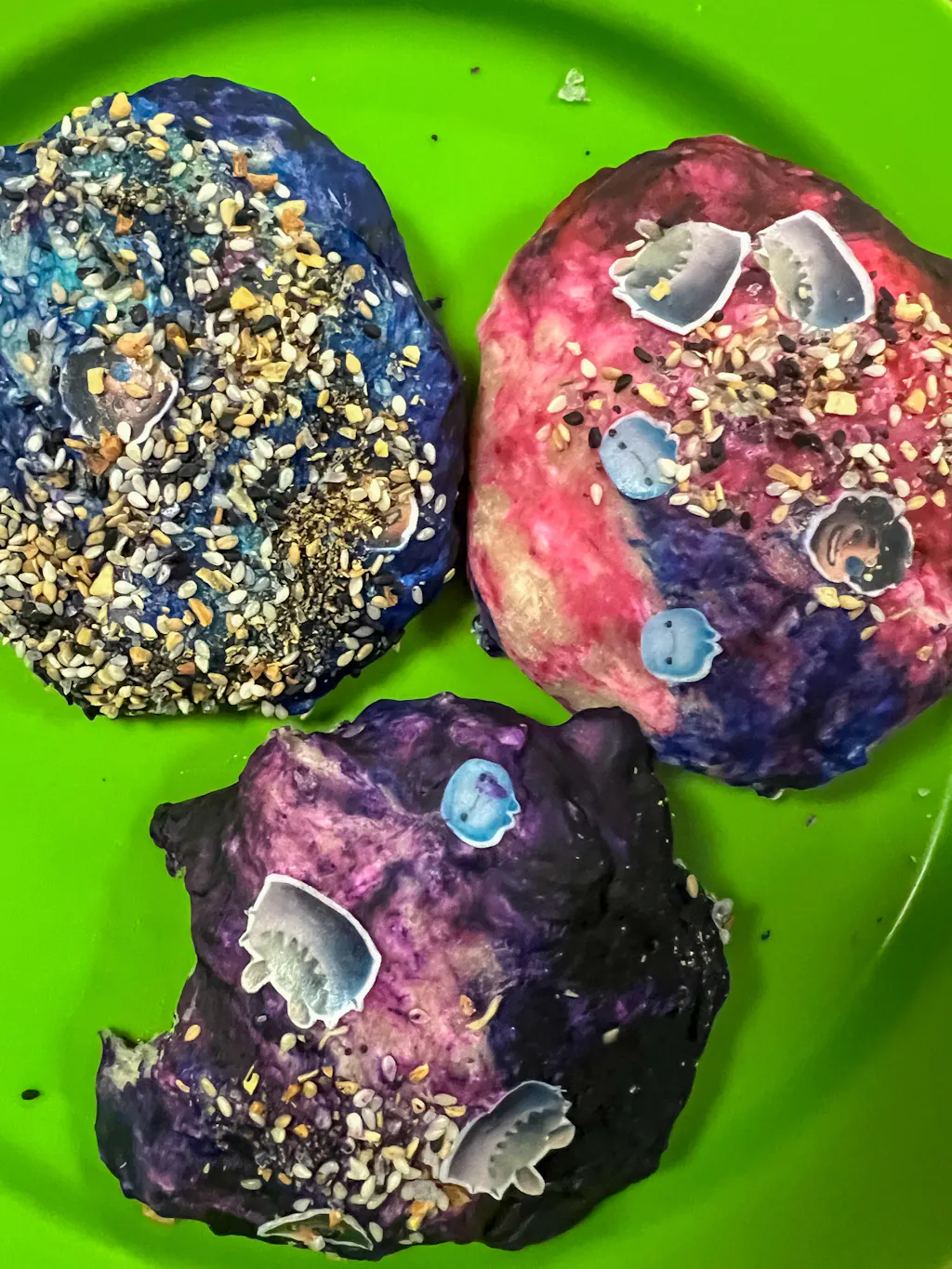
- Fostering Creativity: From designing a garden layout to decorating a recycled planter, gardening offers endless opportunities for artistic expression, just like decorating a Galaxy Donut Kit encourages edible artistry.
- Family Bonding: Working together in the garden, sharing discoveries, and enjoying the harvest creates cherished memories and strengthens family connections, providing quality screen-free time.
We believe that learning should be an adventure, a joyous exploration that leaves children hungry for more knowledge. Whether it's crafting edible masterpieces in the kitchen or nurturing life in the garden, the fundamental principle is the same: engage the senses, challenge the mind, and celebrate discovery.
While we offer fantastic cooking and craft adventures, we also encourage you to look beyond our boxes and see the STEM opportunities everywhere around you – especially in your garden. For those who want to keep the "edutainment" going, exploring different themes and hands-on activities, you can always browse our complete collection of one-time kits for a new adventure whenever inspiration strikes! But for ongoing inspiration and monthly doses of culinary STEM fun, remember the ultimate convenience and value: a new adventure is delivered to your door every month with free shipping in the US when you Join The Chef's Club! It’s the perfect way to cultivate curiosity and creativity all year long.
Beyond the Basics: Advanced STEM Gardening & Community
Once your family gets the hang of basic gardening, there are many avenues to explore more advanced STEM concepts and extend your impact beyond your own backyard.
Advanced Scientific Inquiry
- Experimental Plots: If you have space, let children design their own mini-experimental plots. They can vary one factor (a "variable") like soil pH, amount of water, type of fertilizer, or sun exposure, and observe its impact on plant height, leaf count, flower production, or fruit yield. This is true scientific method in action!
- Composting and Worm Farms: Introduce the science of decomposition. Build a small compost pile or a worm farm. Observe how microorganisms and worms break down organic matter into nutrient-rich compost, teaching about nutrient cycling, microbiology, and waste reduction.
- Weather Monitoring: Set up a simple weather station with a rain gauge, thermometer, and even an anemometer (to measure wind speed). Children can log daily weather data and correlate it with plant growth, soil moisture, and pest activity, linking climate science to plant biology.
Technological Innovations
- Hydroponics or Aquaponics: For older kids, explore growing plants without soil! Hydroponics uses nutrient-rich water, while aquaponics combines aquaculture (raising fish) with hydroponics. This introduces advanced concepts of nutrient delivery systems, water chemistry, and closed-loop ecosystems.
- Automated Watering Systems: Design a simple automated watering system using a timer and a drip irrigation kit. For the truly ambitious, explore microcontrollers (like Arduino) to build a sensor-driven watering system that only waters when the soil is dry – a fantastic engineering and programming project.
Engineering Complex Systems
- Greenhouse Construction: Even a small, simple greenhouse (made from PVC pipes and plastic sheeting) offers a valuable engineering challenge. Discuss insulation, ventilation, and how greenhouses extend the growing season by creating a controlled environment.
- Biodiverse Habitats: Design sections of your garden specifically to attract beneficial insects and wildlife. This involves researching native plants, creating "insect hotels" or small ponds, and understanding ecological balance and biodiversity.
Community & Cultural Connections
- Join a Community Garden: Many communities have shared garden spaces. Volunteering at one allows children to learn from experienced gardeners, contribute to a larger effort, and understand the social benefits of gardening, from food security to community building.
- Grow Food for Pollinators: Dedicate a section of your garden to pollinator-friendly plants (e.g., wildflowers, native flowering shrubs). Research which plants attract bees, butterflies, and other vital insects. This teaches about ecosystems, conservation, and the critical role of pollinators in our food supply and medicine.
- Explore Indigenous Plants and Bush Foods: Research plants native to your region. Many indigenous cultures have deep knowledge of local flora for food, medicine, and materials. Learning about these plants connects gardening to history, culture, and traditional ecological knowledge. Always stress that children should NEVER eat plants from the wild without expert guidance.
These advanced projects deepen the STEM learning experience, encouraging critical thinking, long-term observation, and a sense of environmental stewardship.
Maintaining the Garden & Reaping Rewards
The journey of a gardener is one of continuous learning, adaptation, and joyful perseverance. Maintaining your STEM garden provides further opportunities for learning and reinforces the cycle of effort and reward.
Ongoing Maintenance as Learning Opportunities
- Weeding: Weeding isn't just a chore; it's a lesson in plant identification, competition, and the importance of healthy ecosystems. Which plants are "weeds" and why? How do they compete with your cultivated plants for resources?
- Pest Management: When pests appear, don't immediately reach for chemicals. This is a chance to investigate! Identify the pest (biology), research natural predators (ecology), or design physical barriers (engineering). A careful observer might notice a chemical reaction that makes our Erupting Volcano Cakes bubble over with deliciousness. Similarly, a garden pest issue can inspire creative, science-based solutions.
- Watering & Fertilizing: Regularly monitoring soil moisture (using those sensors!) and understanding when and how to fertilize teaches about plant needs, nutrient cycles, and responsible resource use.
- Pruning: Learning when and how to prune plants encourages an understanding of plant anatomy and how to promote healthy growth and fruit production.
The Sweet Rewards: Harvest, Culinary Arts, & Reflection
The harvest is the ultimate reward, bringing all the STEM learning full circle.
- Harvesting: This is the exciting culmination! Children experience the satisfaction of picking their own produce, connecting their hard work to tangible, delicious results.
- Culinary Arts: Take your garden harvest directly into the kitchen. Use your homegrown ingredients in recipes. This naturally blends science (nutrition, cooking chemistry) and art (food presentation) with the satisfaction of consuming what you've grown. This is where the "Chef Too!" truly comes in!
- Reflection & Planning: After the season, sit down with your child to review their garden journal. What worked well? What didn't? What would they do differently next year? This encourages critical reflection, problem-solving, and continuous improvement – invaluable STEM skills.
By embracing the ongoing journey of gardening, from planning to harvest and beyond, you provide your children with a rich, multi-faceted learning experience that cultivates not just plants, but also their innate curiosity, problem-solving abilities, and a deep appreciation for the interconnectedness of nature. These are the skills and experiences that truly empower young minds.
Conclusion
From the tiny seed that holds the promise of life to the bountiful harvest that nourishes our bodies, gardening offers an unparalleled, multi-sensory journey through the realms of Science, Technology, Engineering, and Mathematics. We've explored how every step, from selecting the perfect sunny spot and measuring your plot to observing miraculous germination and designing ingenious watering systems, is packed with opportunities for rich, hands-on learning. Beyond the academic growth, a family garden nurtures emotional well-being, fosters a profound connection to nature, and creates a treasure trove of cherished, screen-free memories.
At I'm the Chef Too!, our mission is to blend food, STEM, and the arts into unforgettable "edutainment" experiences, sparking curiosity and creativity in children. Gardening is a perfect extension of this philosophy, turning learning into a delicious adventure and transforming ordinary moments into extraordinary discoveries. It's about empowering children to explore, experiment, and understand the incredible world around them, one sprout at a time.
We hope this guide has inspired you to grab your trowels, gather your budding scientists, and embark on your own family STEM gardening projects. Remember, you don't need a sprawling farm; a single pot on a windowsill can be the starting point for a lifelong love of learning and discovery.
Ready to keep the "edutainment" adventures rolling all year long? For more hands-on learning that blends culinary arts with fascinating STEM concepts, we invite you to experience the convenience and excitement of a new surprise delivered to your door every month. Join The Chef's Club today and enjoy free shipping on every box. It's the perfect way to cultivate curiosity and foster a love for learning that lasts a lifetime!
FAQ Section
Q1: What age is best to start STEM gardening projects with kids? A1: Children of all ages can participate! Toddlers can help water plants and feel the soil. Preschoolers can plant large seeds like beans and observe sprouts. Elementary-aged children can take on more complex tasks like measuring, designing, and maintaining growth charts. Older children and teens can delve into advanced concepts like hydroponics, soil chemistry, and automated systems. The key is to tailor activities to their developmental stage and interests.
Q2: Do I need a big backyard to do STEM gardening projects? A2: Absolutely not! Many fantastic STEM gardening projects can be done in small spaces. Container gardens on a balcony, windowsill herb gardens, terrariums in glass jars, or even sprouting seeds in old CD cases require very little space. The focus is on the learning process, not the size of the garden.
Q3: How do I make sure the gardening projects are truly "STEM" and not just gardening? A3: The "STEM" comes from intentionally guiding children to observe, question, experiment, and analyze. Instead of just planting a seed, ask: "What does this seed need to grow (Science)?" "How can we measure its growth (Math)?" "Can we design a better pot (Engineering)?" "What tools or technology can help us (Technology)?" Encourage them to hypothesize, record data, and draw conclusions.
Q4: What are some easy, fast-growing plants for beginners? A4: Radishes, lettuce, spinach, and cress are great for quick gratification, often sprouting in just a few days and ready for harvest within a month. Bush beans and sunflowers are also relatively fast and provide clear, observable growth stages. Herbs like basil and mint are easy to grow and can be harvested regularly.
Q5: How can I keep kids engaged in gardening long-term? A5: Variety is key! Try different projects each season. Give them ownership over a specific plant or small plot. Integrate their interests – if they love space, plant "galaxy" themed plants (like dark purple lettuce!). Regularly celebrate small victories, from the first sprout to the first harvest. And remember, making it a family activity where everyone contributes and learns together is a powerful motivator.
Q6: Is it safe for children to work with soil and garden tools? A6: Yes, with proper supervision. Always teach children how to safely handle tools (e.g., trowels are for digging, not hitting). Ensure they wear gloves to protect their hands from dirt and potential irritants. Always wash hands thoroughly after gardening. For composting or working with wild plants, ensure they understand not to ingest anything and to use appropriate protective gear (like masks for dusty compost).
Q7: How can I connect gardening to other subjects, like art or language arts? A7: Gardening is naturally interdisciplinary!
- Art: Children can draw their observations in a garden journal, paint repurposed pots, or create nature collages with fallen leaves and flowers.
- Language Arts: Encourage writing in a garden journal, researching different plants, creating fictional stories about garden creatures, or even writing poems inspired by nature. Reading seed packets, plant tags, and gardening books also boosts literacy skills.
Q8: Where can I find more STEM learning resources beyond gardening? A8: At I'm the Chef Too!, we offer a wide range of engaging, hands-on activities that blend food, STEM, and the arts. Our mission is to provide one-of-a-kind "edutainment" experiences that spark curiosity and creativity. You can explore our diverse one-time kits in our shop for a single purchase, or for continuous educational fun delivered right to your door with free shipping, consider subscribing to The Chef's Club! We also encourage exploring local science museums, nature centers, and libraries for community programs.