Table of Contents
- Introduction
- Why STEM at Home is Essential (and so much fun!)
- The Magic of STEM in the Kitchen: Where Science Meets Snacks
- Cool STEM Projects: Hands-On Science Explorations
- Engineering & Technology Challenges at Home
- Integrating Math Seamlessly into Play
- The STEM Design Process: A Framework for Exploration
- Making it Easy: Tips for Parents and Educators
- Beyond the Experiment: Extending the Learning
- Conclusion
- FAQ
Ever found yourself gazing at your child, completely absorbed in a screen, and wished for a way to capture that same intense focus for something truly educational and hands-on? Or perhaps you're searching for activities that spark genuine curiosity, build problem-solving skills, and create joyful family memories without relying on apps or devices. You're not alone! Many parents and educators are constantly on the lookout for enriching experiences that go beyond textbooks and traditional learning environments.
The good news is that the world of Science, Technology, Engineering, and Math (STEM) offers a treasure trove of exciting possibilities, right within the comfort of your own home. Imagine your kitchen transforming into a bubbling chemistry lab, your living room becoming an engineering workshop, or your backyard turning into a natural science observatory. These aren't just dreams; they're achievable realities through engaging, accessible, and incredibly cool STEM projects. We're here to show you how to transform everyday moments into extraordinary learning adventures, fostering a love for discovery that will last a lifetime.
Introduction
In a world brimming with digital distractions, finding truly engaging and educational screen-free activities for children can feel like a quest for hidden treasure. Yet, the answer often lies closer than we think: within the fascinating realm of STEM, brought to life through hands-on projects at home. These aren't your grandmother's science experiments; these are dynamic, interactive activities designed to ignite curiosity, build critical thinking skills, and create unforgettable family bonding moments.
This comprehensive guide will dive deep into a diverse array of cool STEM projects that you can do at home, ranging from delicious kitchen chemistry to exciting engineering challenges using common household items. We’ll explore the profound benefits of integrating STEM into daily life, provide practical tips for parents and educators, and offer creative ways to extend the learning beyond the initial activity. At I'm the Chef Too!, our mission is to blend food, STEM, and the arts into one-of-a-kind "edutainment" experiences, proving that complex subjects can be taught through tangible, hands-on, and delicious cooking adventures. We’ll highlight how our unique approach, developed by mothers and educators, aligns perfectly with the spirit of at-home discovery, sparking creativity and confidence in every child. Get ready to turn your home into an exciting laboratory of learning and fun!
Why STEM at Home is Essential (and so much fun!)
The classroom is an invaluable place for learning, but education truly flourishes when it extends beyond school walls, weaving into the fabric of daily life. This is where at-home STEM activities shine, offering unparalleled opportunities for children to explore, question, and discover at their own pace. It’s about more than just understanding scientific facts or mathematical formulas; it’s about nurturing a mindset of inquiry and innovation that is crucial for success in the 21st century.
Consider the profound impact of encouraging a child to design a simple paper airplane and then observe how different folds affect its flight path. This seemingly small act isn't just a game; it's a foundational lesson in aerodynamics and the engineering design process. They learn through trial and error, adjusting their design, testing again, and refining their approach. This iterative process is at the heart of STEM, fostering invaluable skills such as problem-solving, critical thinking, creativity, and resilience. When a child learns to iterate on a paper airplane, they're developing a crucial mental framework for tackling larger, more complex challenges in the future.
One of the most compelling reasons to embrace at-home STEM is its power to cultivate a genuine love for learning. When children actively participate in experiments, they don't just memorize information; they experience it. They see chemical reactions unfold before their eyes, feel the principles of physics at work, and measure quantities to solve real-world "problems." This hands-on engagement transforms abstract concepts into tangible realities, making education exciting, relevant, and deeply personal. It’s this joyful discovery that truly sparks curiosity, igniting a lifelong passion for knowledge.
In today's digital age, providing screen-free educational alternatives is more important than ever. While technology has its place, it's vital to balance digital consumption with activities that engage the senses and require physical manipulation. At-home STEM projects offer a fantastic way to step away from screens, encouraging children to interact with the physical world around them. This not only benefits their cognitive development but also promotes better focus, imaginative play, and a deeper connection with their environment. These screen-free adventures often lead to unexpected discoveries and moments of pure, unadulterated learning.
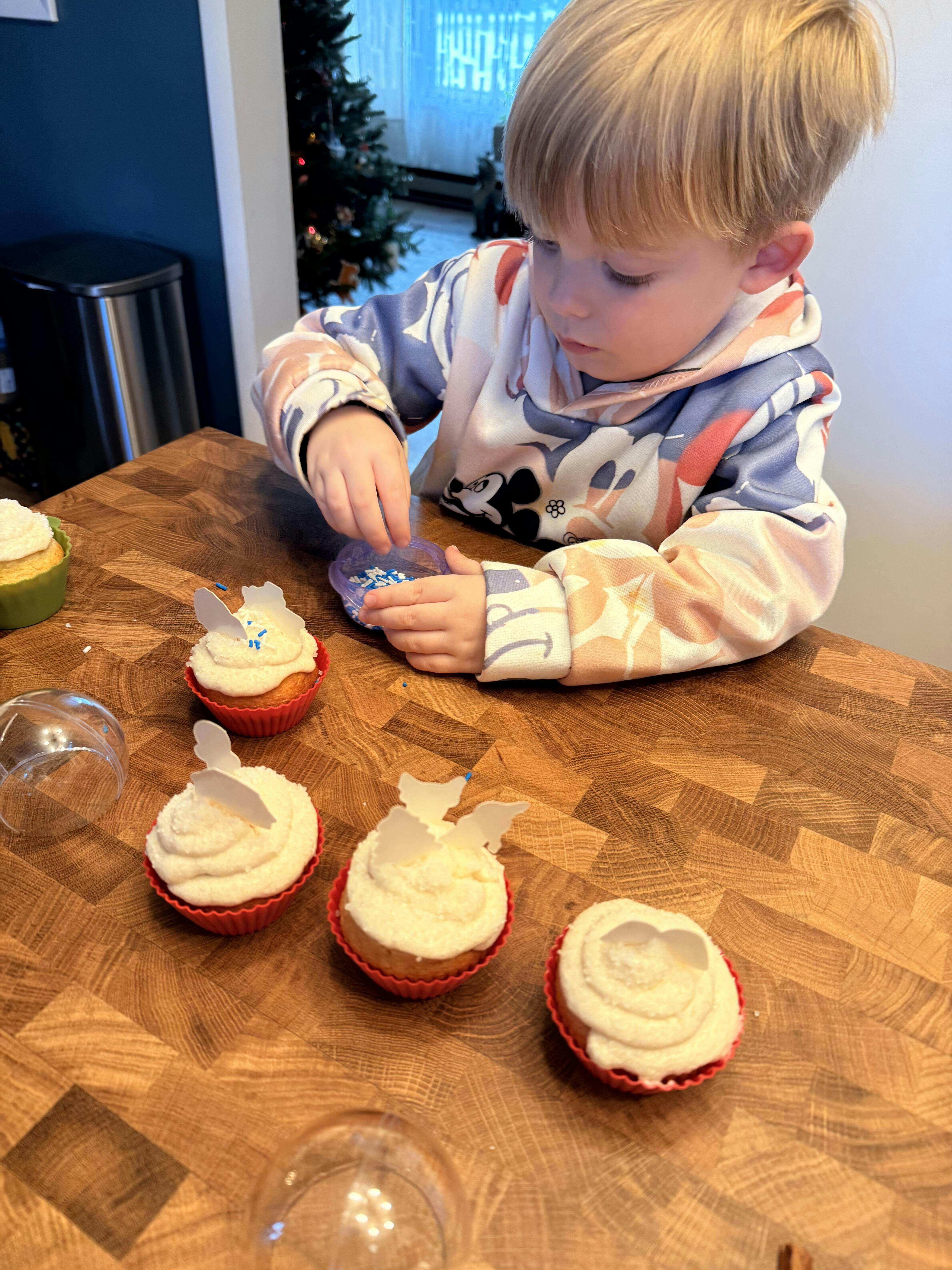
Beyond the individual benefits for children, at-home STEM activities are incredible catalysts for family bonding. Picture a Saturday afternoon spent together, not just watching TV, but working side-by-side to build a mini catapult or bake "erupting" cupcakes. These shared experiences create rich, memorable moments, fostering communication, teamwork, and a sense of shared accomplishment. Parents become co-learners, guides, and cheerleaders, building stronger relationships through the joy of discovery. This collaborative spirit is central to our philosophy at I'm the Chef Too!, where we believe that our kits should be a gateway to not just learning, but also to precious family time. We strive to provide experiences that make learning an adventure you embark on together, weaving the magic of science and creativity into your family's routine.
Speaking of engaging adventures that bring families together, imagine a world where a new educational experience arrives at your doorstep every month. That’s the convenience and excitement offered by The Chef's Club. Ready for a new adventure every month? Join The Chef's Club and enjoy free shipping on every box, designed to spark curiosity and creativity in your children while facilitating wonderful family bonding. Each box is a complete "edutainment" experience, featuring pre-measured dry ingredients and specialty supplies, making it effortless to dive into delicious cooking adventures that teach complex STEM subjects.
The Magic of STEM in the Kitchen: Where Science Meets Snacks
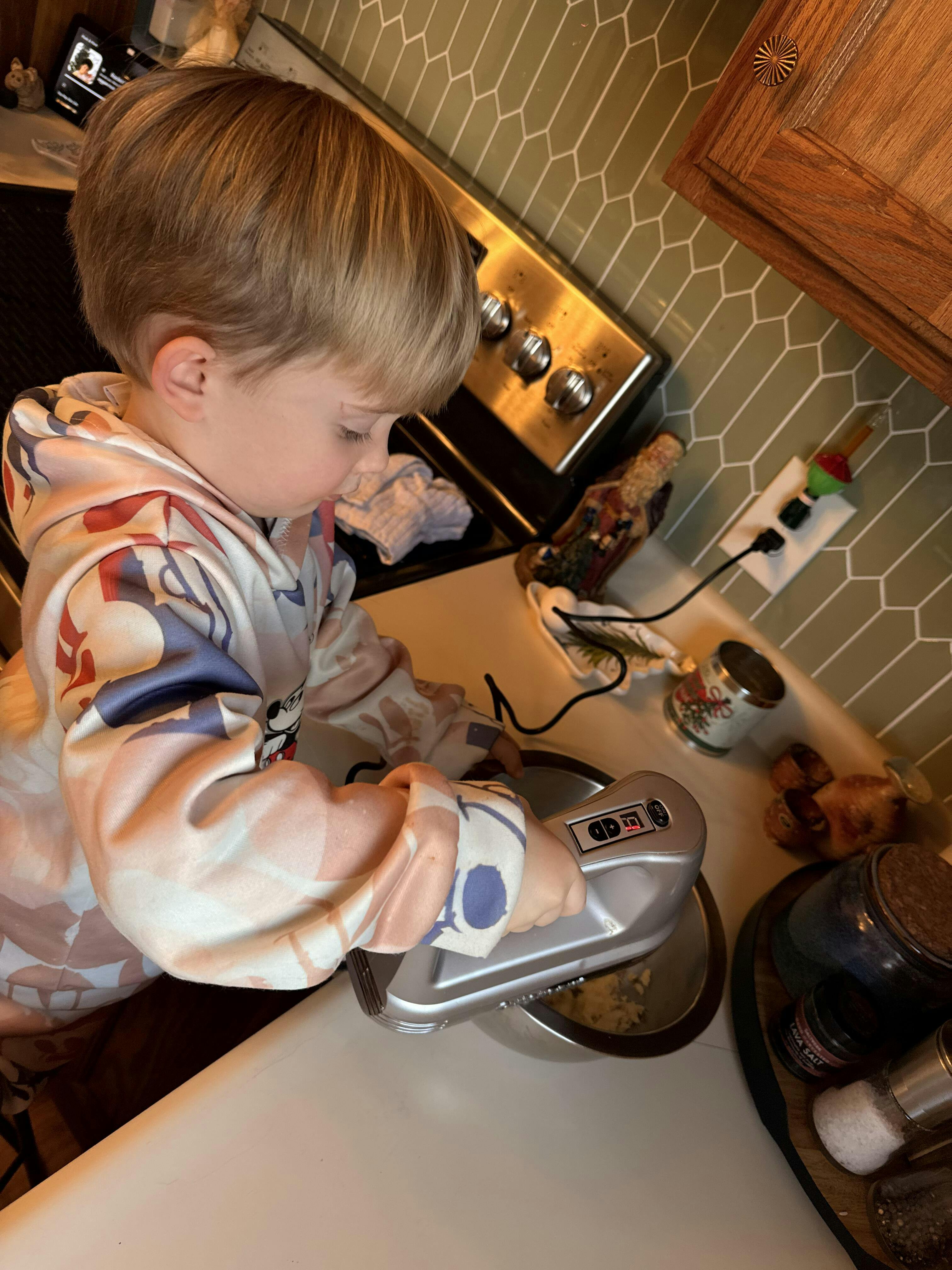
Perhaps one of the most accessible and delightfully messy "laboratories" available to us is the kitchen. Far more than just a place to prepare meals, the kitchen is a vibrant, dynamic space where scientific principles come to life through the magic of food. Cooking, baking, and even simple food preparation offer an unparalleled opportunity to explore Science, Technology, Engineering, and Math in a tangible, delicious way.
Think about it: every time you mix ingredients, you’re engaging in chemistry. When yeast makes bread rise, or baking soda creates bubbles in a batter, you’re witnessing chemical reactions firsthand. Measuring ingredients requires precise mathematical skills – fractions, ratios, and conversions become real-world applications. The structural integrity needed to build a magnificent layer cake or construct gingerbread houses involves fundamental engineering principles. Even the technology of ovens, blenders, and refrigerators offers opportunities for discussion about how different tools aid in our culinary creations.
The beauty of kitchen STEM is that the results are not just educational; they're often edible! This tangible outcome makes learning incredibly memorable and rewarding. Children aren't just observing a reaction; they're creating a snack they can taste and share. This multi-sensory engagement – seeing the colors change, smelling the aromas, touching the textures, and ultimately tasting the creation – solidifies the learning experience in a way that few other activities can. It transforms abstract concepts into concrete, delicious memories.
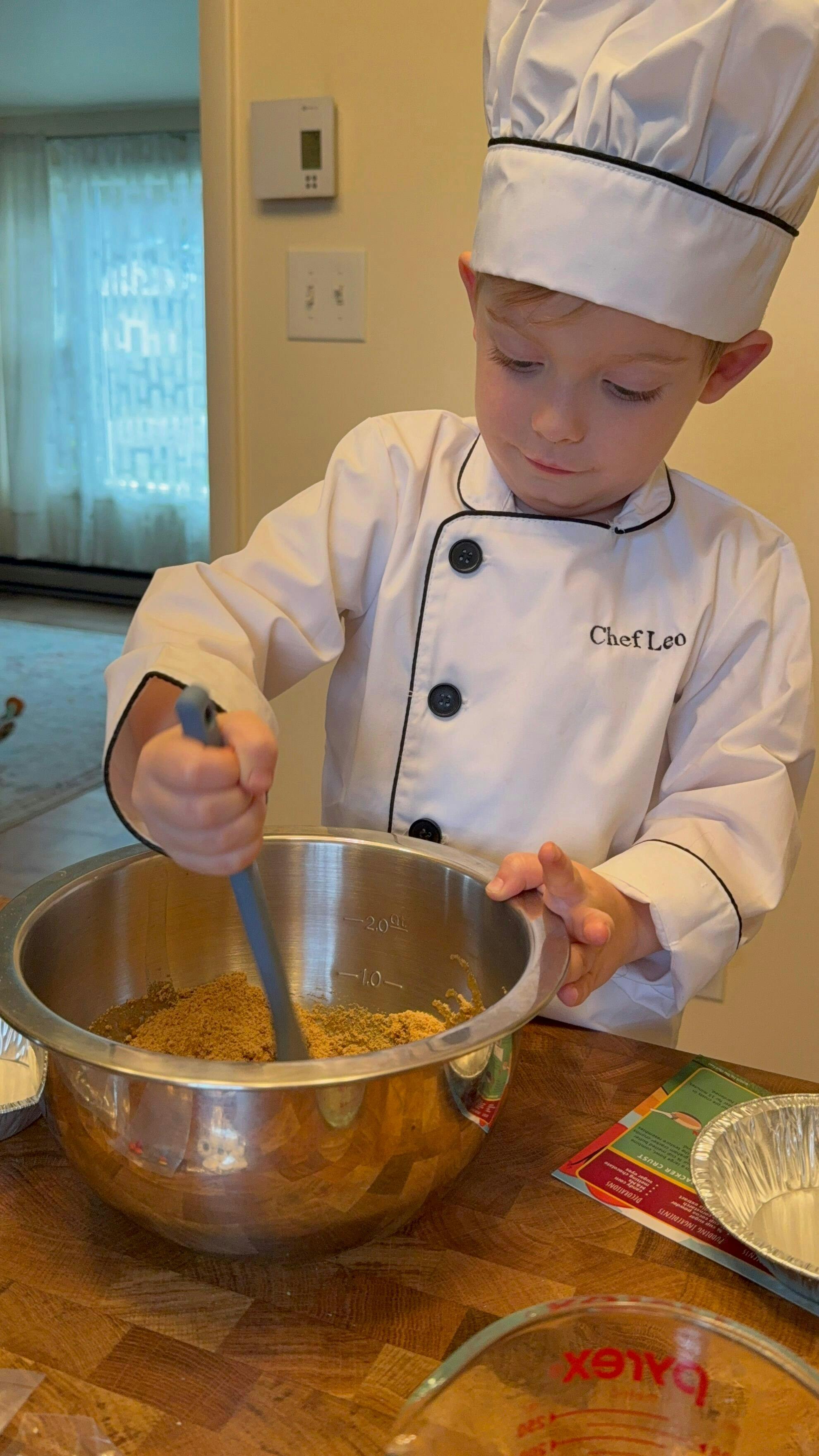
Beyond the core STEM subjects, cooking also instills vital practical life skills. Children learn to follow instructions, measure accurately, understand the importance of sequence, and practice kitchen safety. These are competencies that extend far beyond the stovetop, contributing to their overall independence and capability. The kitchen becomes a classroom for life, where lessons are absorbed not through rote memorization, but through active participation and delicious experimentation.
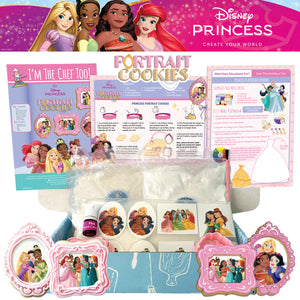
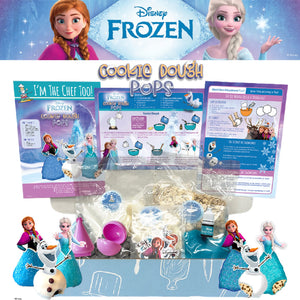
At I'm the Chef Too!, this unique blend of food, STEM, and the arts is at the very core of our mission. We believe that learning should be an adventure, and what better adventure than one that ends with a yummy treat? Our kits are specifically designed by mothers and educators who understand how children learn best – through hands-on engagement and exciting narratives. We take complex subjects like geology, astronomy, or biology and transform them into accessible, engaging cooking experiences. Imagine learning about geological formations by creating edible rock candy or understanding the layers of the Earth through a layered cake!
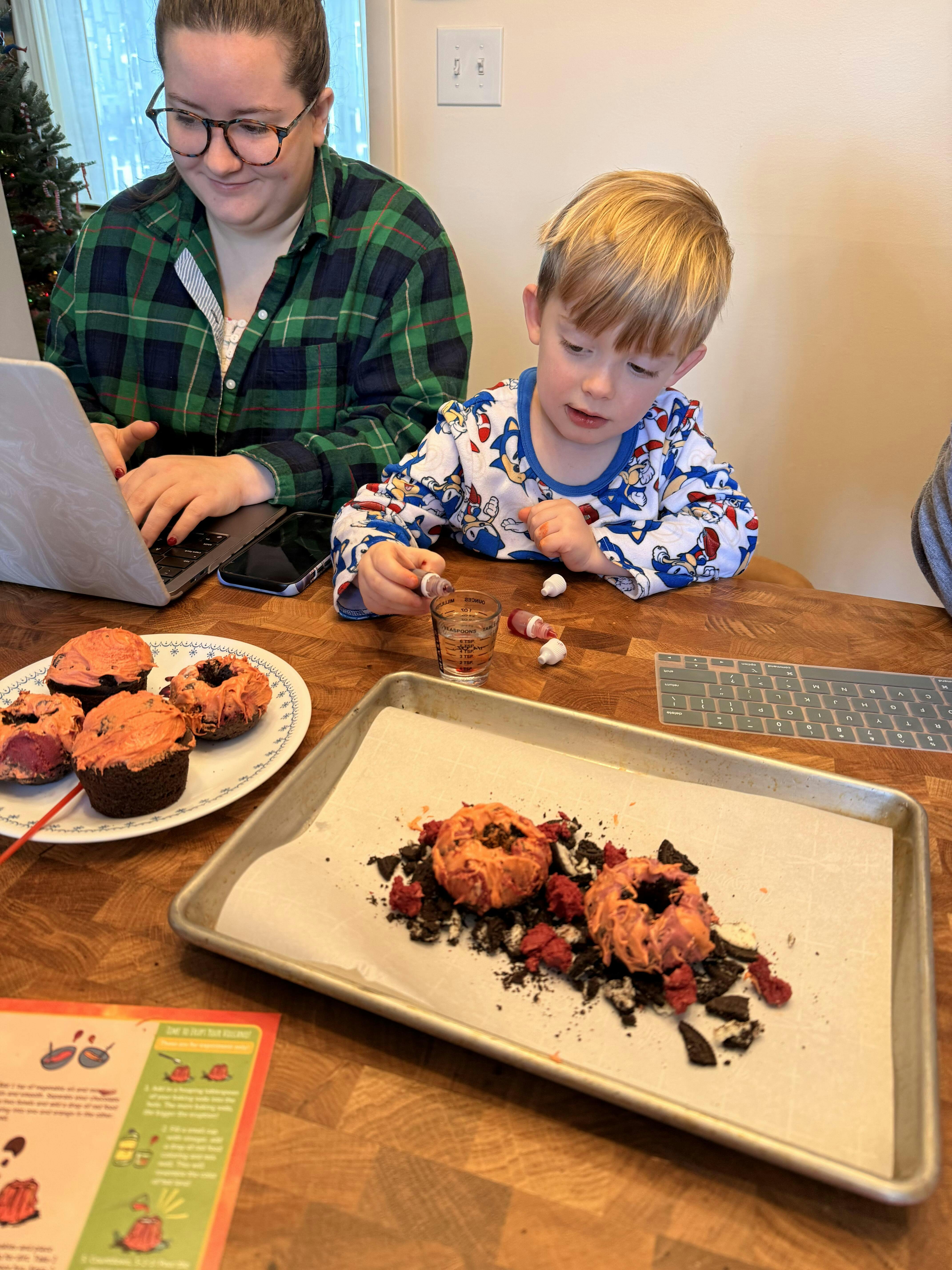
Consider the sheer excitement of a chemical reaction that makes our Erupting Volcano Cakes bubble over with deliciousness. This isn't just a fun baking project; it's a vivid demonstration of acid-base reactions, complete with an exciting, edible "eruption" that children will talk about for weeks. Or perhaps your child is fascinated by the cosmos? They can explore astronomy by creating their own edible solar system with our Galaxy Donut Kit, learning about planets and orbits while decorating delicious treats. These projects exemplify how we make learning irresistible and truly "edutainment."
Our approach ensures that every box is more than just a recipe; it's a complete learning experience. We include pre-measured dry ingredients and specialty supplies, taking the guesswork out of preparation and allowing families to jump straight into the fun. This commitment to convenience and engaging education is why our kits are perfect for sparking curiosity and creativity, fostering that essential family bonding time away from screens.
If you're eager to unlock a continuous stream of these delightful kitchen STEM adventures, look no further. Our Chef's Club subscription brings a brand new, exciting kit right to your door every month. Imagine the anticipation and joy of discovering a new theme, a new recipe, and new scientific concepts to explore together. Join The Chef's Club today and enjoy the flexibility of our 3, 6, and 12-month pre-paid plans, perfect for gifting or ensuring long-term enrichment. It’s an easy, consistent way to integrate high-quality, screen-free educational fun into your family's routine.
Cool STEM Projects: Hands-On Science Explorations
Beyond the kitchen, your entire home offers countless opportunities for hands-on scientific exploration. Many of the most impactful STEM projects require nothing more than common household items, a dash of creativity, and a willingness to get a little messy. These activities not only demonstrate scientific principles but also encourage children to observe, hypothesize, and analyze, just like real scientists.
Chemistry in Action: Everyday Reactions and Transformations
Chemistry is all around us, from the air we breathe to the food we eat. These projects make the invisible world of molecules and reactions wonderfully visible and engaging.
- Elephant Toothpaste: This classic experiment is a surefire way to wow kids with a dramatic chemical reaction. By combining hydrogen peroxide, yeast, and a little dish soap, you can create a giant, foamy "toothpaste" eruption. Children learn about catalysts, exothermic reactions, and gas production in a visually spectacular way. It’s an unforgettable introduction to chemical change.
- Homemade Slime: The perennial favorite! Slime is a fantastic way to explore polymers and non-Newtonian fluids. Using simple ingredients like white glue, liquid starch or borax, and food coloring, kids can create a substance that acts both like a liquid and a solid. Experimenting with different ratios helps them understand material science and states of matter.
- DIY Lava Lamps: Recreate the groovy magic of a lava lamp using oil, water, food coloring, and an effervescent tablet (like Alka-Seltzer). This project beautifully demonstrates density, immiscibility (oil and water don't mix!), and acid-base reactions as the gas bubbles carry colored water up and down. It's a mesmerizing display of physical and chemical principles.
- Invisible Ink: Secret messages are always a hit! With lemon juice or baking soda and water, kids can write hidden notes that only appear when heated or exposed to a specific developer (like grape juice for baking soda ink). This introduces concepts of oxidation, pH indicators, and chemical reactions that alter the visibility of a substance.
- Crystal Growing: Turning salt or sugar into sparkling crystals is a patient but rewarding chemistry project. By creating a supersaturated solution and allowing it to cool slowly, children observe the process of crystallization. This teaches about solubility, solutions, and the formation of crystalline structures, often yielding beautiful, personalized "gems."
Physics Fun: Understanding Forces, Motion, and Energy
Physics is the study of how the world works, from gravity to light. These activities put fundamental physical laws into motion, often with surprising and delightful results.
- Balloon-Powered Cars or Boats: Using recycled materials like cardboard, plastic bottles, straws, and balloons, children can design and build vehicles propelled by air. This directly demonstrates Newton's Third Law of Motion (for every action, there is an equal and opposite reaction) and the principles of stored potential energy converting to kinetic energy. They learn about design, friction, and propulsion.
- Paper Rockets and Catapults: Launching objects is inherently exciting! Design paper rockets that fly with a puff of air through a straw, or build simple catapults with craft sticks and rubber bands. These projects teach about aerodynamics, trajectories, force, and leverage. Kids can experiment with different designs to see which flies farthest or is most accurate.
- Building Bridges and Structures: Challenge children to build the strongest bridge or tallest tower using limited materials like spaghetti, toothpicks, paper, or marshmallows. This is a classic engineering challenge that teaches about structural integrity, load-bearing capacity, and different geometric shapes' strength. They’ll learn why triangles and arches are so common in real-world construction.
- Marble Roller Coasters: Design and build mini roller coasters using paper, cardboard tubes, and tape. This project is a dynamic exploration of potential and kinetic energy, gravity, and friction. Children experiment with inclines, loops, and turns to ensure their marble completes the course, understanding energy transformations as it goes.
- Solar Ovens: Harness the power of the sun to cook! A simple solar oven made from a pizza box, aluminum foil, and plastic wrap can heat up enough to melt s'mores or warm small snacks. This teaches about solar energy, heat transfer (conduction, convection, radiation), and insulation, demonstrating sustainable energy principles.
Biology & Environmental Science: Discovering Life and Our World
The living world and our planet offer endless wonders to explore. These projects connect children to biology, ecology, and environmental awareness.
- Plant Life Cycles (Garden in a Glove): Plant seeds in a clear plastic glove with cotton balls, hang it in a window, and watch the entire germination process unfold. Children can observe root growth, stem development, and leaves emerging, learning about plant biology, the needs of plants, and life cycles firsthand.
- Extracting DNA from Fruit: Yes, you can do this at home! Using strawberries (which are polyploid, meaning they have many sets of chromosomes, making their DNA easier to see), dish soap, salt, and rubbing alcohol, kids can actually extract and visualize DNA strands. This is a mind-blowing introduction to genetics and the building blocks of life.
- Cloud in a Jar: Create a miniature cloud in a glass jar using warm water, matches (adult supervision essential), and ice. This activity beautifully illustrates the water cycle, condensation, and how clouds form in the atmosphere. It's a simple yet profound way to understand weather phenomena.
- Rainbow Flowers: Place white flowers (like carnations) in glasses of water mixed with different food colorings. Over time, the petals will change color as the water is drawn up the stem. This demonstrates capillary action, the process by which plants transport water from their roots to their leaves and petals.
- Mould Terrariums: Collect different types of food scraps (bread, cheese, fruit) and place them in sealed containers to observe mold growth. This project teaches about decomposition, fungi, microorganisms, and the conditions necessary for life to thrive (or decay!). It’s a fascinating, if sometimes a bit gross, look at nature's recyclers.
These diverse projects offer just a glimpse into the vast world of at-home STEM. The beauty lies in their simplicity and accessibility, proving that profound learning experiences don't require expensive equipment or complex setups. They only require curiosity, a willingness to explore, and perhaps, a little cleaning up afterward!
Engineering & Technology Challenges at Home
Engineering and technology are about designing solutions to problems, creating innovations, and understanding how things work. These at-home challenges encourage children to think like engineers, using creativity and logical reasoning to build and invent.
Paper Engineering: Beyond Flat Sheets
Paper, a humble material, can become the foundation for incredible engineering feats, teaching principles of structure, strength, and design.
- Paper Towers and Bridges: Challenge children to build the tallest freestanding tower or the strongest bridge using only paper and tape. This encourages experimentation with different forms (cylinders, triangular prisms, folded beams) and understanding how to distribute weight and create stability. They'll quickly learn that a flat sheet of paper is weak, but a folded or rolled one can be incredibly strong.
- Paper Helicopters: As discussed by other resources, a simple piece of paper can be transformed into a flying machine. By cutting and folding a piece of paper in specific ways and adding a paperclip for weight, kids create a spinning helicopter that demonstrates the principles of lift, drag, and rotation. Experimenting with different propeller shapes or weights will reveal how these variables affect flight.
- Paper Airplanes: The ultimate paper engineering challenge! Explore different designs (dart, glider, stealth) and discuss how wing shape, weight distribution, and tail fins affect flight distance and stability. This is a fantastic introduction to aerodynamics and iterative design.
Simple Machines: The Building Blocks of Innovation
Many complex machines are built upon simple principles. These projects introduce children to the power of levers, pulleys, wheels, and inclined planes.
- Build a Hand Crank Winch: Using cardboard tubes, string, a straw, and a spool, children can construct a working winch. This demonstrates the power of a wheel and axle, and how it can be used to lift objects with less effort. It's a hands-on way to understand mechanical advantage.
- Levers and Fulcrums: Explore levers by balancing a ruler on a pencil and experimenting with different weights at various distances. Children learn about the three classes of levers and how they can multiply force or distance, a fundamental concept in engineering.
Circuit Building: The Spark of Discovery
Even basic electricity can be explored safely at home, laying the groundwork for understanding technology.
- Light-Up Postcards: Combine art and science by designing a postcard that lights up with an LED. Using copper tape as a conductor, a coin battery as a power source, and an LED, children learn about simple circuits – open circuits, closed circuits, and the flow of electricity. It's a fun way to integrate art into a technological project.
- Play-Doh Circuits: Use conductive Play-Doh (homemade or store-bought) and insulating Play-Doh with LEDs and batteries to create squishy circuits. This makes abstract electrical concepts incredibly tactile and intuitive, allowing kids to quickly grasp ideas like conductivity and insulation.
Coding Unplugged: Computational Thinking Without a Computer
Technology isn't just about computers; it's about the logical thinking that underpins them. "Unplugged" coding activities teach computational thinking skills without screens.
- "Robot, Make Me a Sandwich" Challenge: Have one child act as a "robot" and another as the "programmer." The programmer must give incredibly precise, step-by-step instructions to the robot to perform a simple task, like making a sandwich or drawing a picture. Any ambiguity or missing step will result in a "robot error." This teaches algorithms, debugging, and the importance of clear, logical instructions – core concepts in programming.
- Binary Code Bracelets: Use beads of two different colors to represent 0s and 1s, and create bracelets that spell out names or simple messages in binary code. This introduces children to the fundamental language of computers in a creative, tangible way.
These engineering and technology projects are not only exciting but also empower children to be creators, not just consumers. They learn that they can design, build, and innovate, fostering a sense of accomplishment and practical application of knowledge. This hands-on problem-solving aligns perfectly with our philosophy at I'm the Chef Too!, where we encourage children to use their ingenuity and creativity to solve culinary and scientific challenges in our unique edutainment kits.
For families eager to keep the stream of engaging, hands-on, and screen-free learning flowing, our Chef's Club subscription offers the perfect solution. Each month, a new themed adventure arrives at your doorstep, complete with all the pre-measured dry ingredients and specialty supplies needed for a fantastic cooking STEM project. It's the ultimate convenience for busy families who want to provide consistent, high-quality educational experiences. Give the gift of learning that lasts all year with a 12-month subscription to our STEM cooking adventures, or try a 3 or 6-month plan! Join The Chef's Club and make every month an exciting journey of discovery.
Integrating Math Seamlessly into Play
Math isn't just about numbers on a page; it's the language of STEM, a tool for understanding and describing the world. Integrating mathematical concepts into at-home STEM projects makes learning relevant, practical, and often, much more enjoyable. When children see math in action, it ceases to be an abstract subject and becomes an indispensable part of solving real-world problems.
One of the most natural places to infuse math is, of course, the kitchen! Every recipe is a math problem in disguise.
- Measuring Ingredients: Baking and cooking require precise measurements. Half a cup, a quarter teaspoon, doubling a recipe, or halving it – these are all practical applications of fractions, ratios, and basic arithmetic. Children learn the importance of accuracy (too much baking soda, and your cake won't rise correctly!) and gain an intuitive understanding of quantities. Our I'm the Chef Too! kits, with their pre-measured ingredients, are designed to simplify the process while still allowing for discussions about measurement and ratios as children combine the components.
- Time and Temperature: Understanding baking times, oven temperatures, and how long something needs to chill involves concepts of time management, temperature scales, and sequential thinking.
In engineering and building projects, geometry takes center stage.
- Geometry in Structures: When building paper towers, bridges, or marble roller coasters, children implicitly explore geometric shapes. They learn which shapes offer the most stability (triangles, cylinders), how to create strong supports, and how angles affect trajectory or structural integrity. Discussing why a square column might collapse more easily than a circular one introduces concepts of weight distribution and engineering principles rooted in geometry.
- Symmetry and Patterns: Many natural phenomena and engineered designs exhibit symmetry or follow specific patterns. Observing the symmetry of a snowflake, the spiral of a seashell, or the repeating patterns in crystal growth connects math to the natural world and art.
Other STEM projects offer diverse mathematical opportunities:
- Counting, Sorting, and Pattern Recognition: Younger children can count objects used in an experiment, sort them by size or color, and identify patterns in their observations. For instance, when growing crystals, they can count how many days it takes for significant growth or track the number of crystals formed.
- Graphing Results: For older children, recording data and creating simple graphs (bar graphs, line graphs) for experiments like the paper rocket challenge (distance flown vs. design) or the bridge strength test (weight held vs. material) introduces data analysis and visualization. This is a fundamental part of the scientific method and helps them draw conclusions from their findings.
- Estimating and Problem Solving: Before starting a project, ask children to estimate outcomes: "How many paperclips do you think your paper helicopter will hold before it can't fly?" or "How long do you think it will take for the crystals to form?" This encourages predictive thinking and problem-solving strategies, using numbers and logic to anticipate results.
- Converting Units: If you're building a balloon car and want to measure its speed, you might measure distance in centimeters and time in seconds, then convert to meters per minute for comparison. These real-world conversions make abstract unit changes tangible.
By weaving math naturally into these hands-on activities, we help children build a positive relationship with the subject. They learn that math isn't just about memorizing facts, but a powerful tool for understanding, predicting, and creating. This practical application cultivates both confidence and competence, showing them that math is an exciting part of every discovery.
The STEM Design Process: A Framework for Exploration
At the heart of every cool STEM project, whether it's baking a cake that looks like a volcano or building a rocket from recycled materials, lies a powerful framework: the STEM design process. This isn't just a rigid set of steps; it's a flexible, iterative cycle of thinking and doing that mirrors how scientists and engineers approach real-world challenges. Encouraging children to follow this process empowers them to become innovative problem-solvers and critical thinkers.
The STEM design process can be broken down into these key stages:
- Ask: What is the problem? What is the challenge? What do we want to achieve? This stage is all about defining the goal and understanding the constraints. For instance, "How can we make a paper airplane fly farther?" or "How can we bake a dessert that looks like a galaxy?"
- Imagine: Brainstorming ideas! This is the creative phase where children are encouraged to think outside the box, sketch designs, and discuss different possibilities. There are no bad ideas here; the goal is to generate as many potential solutions as possible.
- Plan: Choose the best ideas from the "imagine" stage and develop a detailed plan. What materials will be needed? What steps will be taken? How will we test our design? This stage involves organizing thoughts and outlining a strategy.
- Create: Build it! This is where the physical construction happens. Children put their plans into action, assembling their models, mixing ingredients, or constructing their experiments.
- Test: Does it work? This is the moment of truth. Children test their creations, observe the results, and collect data. Did the paper airplane fly far? Did the lava lamp bubble as expected? Did the cake rise correctly?
- Improve (and Redesign): Based on the test results, what can be done better? This is arguably the most crucial step, as it teaches resilience and adaptability. If the first attempt didn't work perfectly, what changes can be made to improve it? This leads back to the "imagine" or "plan" stage, creating a continuous cycle of learning and refinement.
We emphasize this iterative nature of science and engineering. It's okay if an experiment doesn't work on the first try; in fact, that's often where the most profound learning happens! "Failure" isn't an endpoint; it's a stepping stone, a valuable piece of data that informs the next attempt. This approach helps children build confidence, knowing that the process of discovery is about continuous improvement, not immediate perfection. It instills the understanding that even the most brilliant scientists and engineers rarely get it right on their first try.
This aligns beautifully with our values at I'm the Chef Too! We don't just provide ingredients and instructions; we craft experiences that encourage children to explore, experiment, and sometimes, even playfully "fail" their way to success. Our educational guides often prompt questions for reflection and suggest ways to adapt or extend the activity, reinforcing this design process. By fostering this love for learning and building confidence through hands-on engagement, we help children develop key skills and create joyful family memories, regardless of the immediate outcome of a single project.
If you're looking for an effortless way to bring these exciting, discovery-driven adventures into your home regularly, consider our Chef's Club subscription. We carefully design each kit to incorporate this iterative learning, providing all the necessary components for a complete, enriching experience. With a new adventure delivered to your door every month with free shipping in the US, it's never been easier to spark curiosity and creativity. Check out our flexible 3, 6, and 12-month pre-paid plans – perfect for ongoing enrichment or as a thoughtful gift! Join The Chef's Club today!
Making it Easy: Tips for Parents and Educators
Embarking on at-home STEM adventures doesn't have to be daunting. In fact, with a few practical tips, you can make these experiences accessible, enjoyable, and genuinely enriching for everyone involved. Our goal at I'm the Chef Too! is to remove barriers to learning, making it as simple and fun as possible for families and educators to engage with STEM.
- Start Simple and Accessible: You don't need a fancy laboratory or expensive equipment. Many fantastic STEM projects can be done with items you already have around the house: paper, cardboard, kitchen staples, recycled containers, etc. Begin with straightforward activities to build confidence for both you and your child. A cloud in a jar or a simple balloon-powered car can be just as impactful as a complex robot.
- Embrace the Mess (and Plan for It): Science often involves a bit of mess, and that's part of the fun! Lay down old newspapers, plastic tablecloths, or work in an area that's easy to clean. Remind children that a little mess is a sign of great discovery. Having cleaning supplies readily available will make the process less stressful for adults.
- Encourage Questions, Don't Provide All the Answers: Your role is less about being a lecturer and more about being a facilitator. Ask open-ended questions like, "What do you think will happen next?" "Why do you think it turned out that way?" "What could we change to get a different result?" This empowers children to think critically and develop their own hypotheses, rather than passively receiving information.
- Focus on the Process, Not Just the Outcome: Remember, the goal is to foster a love for learning, build confidence, and develop key skills. If an experiment doesn't yield the expected result, that's a perfect opportunity to discuss why and what could be done differently next time. The learning happens in the exploration, the challenges, and the perseverance, not solely in the "perfect" outcome.
- Document the Journey: Take photos, jot down observations, or encourage your child to draw what they saw. A simple "science journal" can be a wonderful way to track progress, record results, and reflect on what was learned. This also serves as a beautiful keepsake of your shared adventures.
- Integrate STEM into Daily Life: Point out STEM concepts as they naturally occur: discussing the physics of a swing set, the math in grocery shopping, or the biology of a garden. These everyday connections reinforce the idea that STEM is everywhere and relevant to their lives.
For those times when you're short on time or prefer a curated, hassle-free experience, that's where we come in! At I'm the Chef Too!, our kits provide everything you need (minus a few fresh ingredients) to dive straight into a fun and educational activity. Our pre-measured dry ingredients and specialty supplies mean less prep for you and more immediate engagement for your child.
Not ready to subscribe to a monthly adventure? No problem! You can still experience the magic of I'm the Chef Too! Explore our full library of adventure kits available for a single purchase in our shop. Browse our complete collection of one-time kits to find the perfect theme for your little learner, whether they're fascinated by space, dinosaurs, or mythical creatures! Explore our full collection of one-time kits and pick an adventure today!
And for our fellow educators, homeschool groups, or those planning larger group activities, we haven't forgotten about you! Bring our hands-on STEM adventures to your classroom, camp, or homeschool co-op. We offer versatile programs for schools and groups, available with or without food components, designed to fit your unique needs and curriculum. Learn more about our school and group programs and discover how we can enhance your educational environment.
By adopting these tips and leveraging resources like I'm the Chef Too! kits, you can easily transform your home or classroom into a vibrant hub of STEM exploration, sparking joy and learning in every child.
Beyond the Experiment: Extending the Learning
The beauty of a cool STEM project doesn't end when the experiment is over, or the last edible creation is devoured. In fact, the initial activity often serves as a powerful springboard for deeper learning and broader exploration. Encouraging children to think about what they've done, why it happened, and how it connects to the wider world significantly amplifies the educational impact.
Here are some ways to extend the learning long after the project itself is complete:
- Reading and Research: Was your child fascinated by the chemical reaction of the elephant toothpaste? Head to the library or use age-appropriate online resources to learn more about catalysts, hydrogen peroxide, or other common chemical reactions. Did they love making the Galaxy Donut Kit? Explore books about space, planets, and astronauts. Connecting the hands-on experience with factual information helps solidify their understanding and introduces them to new concepts.
- Creative Expression: Encourage children to express what they learned through art, writing, or storytelling. They can draw pictures of their experiment, write a short story about a "scientist" making a discovery, or even compose a poem about the forces they observed. This not only reinforces the scientific concepts but also develops their communication and artistic skills.
- Sharing and Teaching Others: One of the best ways to solidify understanding is to teach someone else. Have your child explain the experiment to a sibling, a grandparent, or even to you! Articulating the steps, the observations, and the conclusions helps them organize their thoughts and ensure they truly grasp the concepts. This also builds their confidence in sharing their knowledge.
- Real-World Connections: Discuss how the STEM principles they explored apply to everyday life or various careers. When building a strong paper bridge, talk about real architects and civil engineers. After making invisible ink, discuss how forensic scientists use similar chemical reactions. If they made edible volcanoes, talk about geology and real volcanic eruptions. This helps children see the relevance of STEM beyond the immediate activity.
- Problem-Solving Variations: Challenge them to adapt the experiment. "What if we used less yeast in the elephant toothpaste? What if we made the paper airplane wings shorter?" Encouraging these "what if" questions fosters critical thinking and a deeper understanding of cause and effect.
- Visit Related Places: If possible, connect the at-home learning to real-world experiences. Visit a science museum, a local park to observe plant life, an observatory, or even a local bakery to see how large-scale processes work. These outings bring the learning full circle and inspire further curiosity.
At I'm the Chef Too!, our kits are designed with extension in mind. Each kit comes with an educational guide that not only explains the STEM concepts behind the delicious adventure but also provides prompts for discussion and ideas for further exploration. We believe in nurturing a holistic learning experience that sparks a lifelong passion for discovery, well beyond the creation of an edible masterpiece.
By extending the learning, you're not just doing another activity; you're cultivating a mindset of continuous inquiry and connecting disparate pieces of knowledge into a rich tapestry of understanding. This deepens the educational impact and empowers children to become true lifelong learners.
Conclusion
In a world increasingly shaped by scientific and technological advancements, fostering a deep love for STEM in our children is more vital than ever. As we've explored, the journey of discovery doesn't require a specialized lab or expensive equipment; it can begin right at home, in the heart of your kitchen or the corner of your living room. From bubbling chemical reactions that transform into delicious treats, to engineering challenges that build resilience and problem-solving skills, cool STEM projects at home offer an unparalleled opportunity to ignite curiosity, build confidence, and create truly unforgettable family memories.
We've seen how hands-on activities, especially those that cleverly blend food, STEM, and the arts, can transform complex subjects into engaging "edutainment" experiences. At I'm the Chef Too!, this unique approach is our passion and our mission. Developed by mothers and educators, our kits are meticulously crafted to spark creativity, facilitate family bonding, and provide a screen-free educational alternative that children genuinely look forward to. We believe that every child deserves the chance to explore, experiment, and discover the wonders of the world through tangible, delicious adventures.
Remember, the benefits extend far beyond the specific scientific principle learned in a single activity. You're cultivating a mindset of inquiry, teaching the iterative process of design, building crucial critical thinking skills, and reinforcing the joy of learning. You're showing children that "failure" is just a step towards improvement and that their innate curiosity is a powerful tool for understanding the world around them.
So, if you're ready to transform your home into a dynamic laboratory of learning and fun, and you're eager to unlock a continuous stream of these delightful and educational experiences, we invite you to join our growing family of young chefs and scientists. Ready to bring exciting STEM adventures right to your doorstep every month? Experience the convenience, creativity, and culinary delight that our kits offer. Join The Chef's Club today and embark on a delicious journey of discovery with I'm the Chef Too! Your next great adventure awaits!
FAQ
Q1: What age group are these cool STEM projects suitable for? A1: Many of these projects are highly adaptable and suitable for a wide range of ages, generally from preschool through middle school (ages 3-14). Younger children benefit from the hands-on exploration and sensory engagement, while older children can delve deeper into the scientific principles, refine their designs, and analyze results. Always choose projects appropriate for your child's developmental stage and ensure adult supervision, especially with younger children or activities involving heat or sharp objects. Our I'm the Chef Too! kits are designed with specific age ranges in mind, making it easy to pick the perfect adventure for your child.
Q2: Do I need special equipment or expensive materials for these at-home STEM projects? A2: Absolutely not! One of the greatest advantages of at-home STEM is that most projects utilize common household items. Think kitchen staples (baking soda, vinegar, oil, food coloring), recycled materials (cardboard, plastic bottles, paper towel rolls), and basic craft supplies (tape, scissors, glue). Our mission at I'm the Chef Too! is to make STEM accessible, which is why our kits come with pre-measured dry ingredients and specialty supplies, minimizing the need for you to source obscure items and allowing you to jump straight into the fun.
Q3: How can I encourage my child if they get frustrated or if an experiment doesn't work out as expected? A3: Frustration is a natural part of the learning process, even for scientists! The key is to reframe "failure" as an opportunity for learning. Encourage your child by emphasizing effort over outcome. Ask questions like, "What did we learn from this attempt?" or "What could we change next time to get a different result?" Remind them that scientists often try many times before finding a successful solution. Our I'm the Chef Too! kits are designed to be engaging, but also to build resilience by encouraging experimentation and the iterative design process, highlighting that every step is part of the adventure.
Q4: I don't feel confident in my own STEM knowledge. Can I still effectively guide my child through these projects? A4: Definitely! You don't need to be a STEM expert to guide your child. Your role is primarily to be a facilitator – an enthusiastic co-learner who encourages curiosity and asks guiding questions. Embrace the opportunity to learn alongside your child! Many online resources and educational guides (including those that come with I'm the Chef Too! kits) provide clear explanations of the STEM concepts involved. The goal is to spark curiosity and develop a love for learning, not to deliver a lecture. Your genuine interest and willingness to explore together are far more impactful than having all the answers.
Q5: How can I integrate STEM concepts into our daily routine beyond structured projects? A5: STEM is everywhere! Look for everyday opportunities:
- Math: Count items, estimate quantities at the grocery store, discuss fractions when cutting food, or measure ingredients when cooking.
- Science: Talk about why ice melts, how plants grow in the garden, or what makes a toy car roll down a ramp.
- Engineering: Discuss how buildings are constructed, how a bridge stays up, or how simple machines like levers make work easier.
- Technology: Explore how everyday devices work, from a toaster to a tablet. Point out these connections, ask "how" and "why" questions, and foster a mindset of observation and inquiry. Our cooking STEM kits are a fantastic way to naturally integrate these concepts, blending delicious fun with profound learning.