Table of Contents
- Introduction
- Why Construction Crafts? Beyond Just Playtime
- Getting Started: Essential Supplies for Your Construction Site
- Simple Builds: Construction Paper Crafts for Little Architects
- Hands-On Engineering: Building Projects with Found Materials
- Art Meets Construction: Creative Process Art Ideas
- Edible Engineering: Building with Bites
- Making It a Family Affair: Tips for Collaborative Building
- Beyond the Blueprint: Extending the Learning
- Conclusion
- FAQ Section
Remember that exhilarating feeling of building something from scratch? Whether it was a towering LEGO castle that defied gravity (for a few minutes, anyway!) or a makeshift fort from sofa cushions and blankets, the joy of creation is a fundamental human experience. For children, this urge to build and construct is not just play; it's a powerful engine for learning, discovery, and development. It’s an adventure waiting to unfold, where every block, every piece of paper, and every spoonful of batter holds the potential for innovation.
In a world increasingly dominated by screens, finding engaging, hands-on activities that truly capture a child’s imagination can feel like a quest. That’s where the magic of construction crafts comes in. This blog post is your ultimate blueprint for exploring a vast landscape of building activities – from simple paper creations to more intricate engineering projects – all designed to ignite curiosity, foster creativity, and strengthen those precious family bonds. We'll dive deep into why these activities are so beneficial, what supplies you’ll need, and a treasure trove of ideas to get your little builders started. Get ready to transform everyday materials into extraordinary learning experiences and create lasting memories together.
Introduction
Have you ever watched a child meticulously stack blocks, only for the tower to tumble, followed by an immediate, determined attempt to rebuild it even taller? That relentless drive, that innate desire to construct, deconstruct, and reconstruct, is at the heart of childhood development. It's more than just a pastime; it's a profound journey into understanding the world around them, a hands-on exploration of physics, design, and problem-solving. In a society that often pushes children towards passive entertainment, encouraging active, constructive play is vital for nurturing well-rounded, innovative thinkers.
At I'm the Chef Too!, our mission is to blend food, STEM, and the arts into one-of-a-kind "edutainment" experiences, but the principles of learning through hands-on creation extend far beyond the kitchen. The very act of engaging in construction crafts offers a screen-free educational alternative that sparks curiosity and creativity in children, while also facilitating invaluable family bonding time. We believe that teaching complex subjects is best achieved through tangible, hands-on adventures, whether it’s baking a delicious treat or building a magnificent structure. This post will explore a wide array of construction crafts, detailing how each activity contributes to a child's growth, from honing fine motor skills to sparking an early interest in engineering and design. We aim to provide practical, valuable advice and realistic expectations, focusing on fostering a love for learning, building confidence, developing key skills, and creating joyful family memories. Ready to build a brighter future, one craft at a time? Let's get started on this exciting journey of discovery. And remember, for continuous educational fun delivered right to your door, consider joining The Chef's Club for new adventures every month!
Why Construction Crafts? Beyond Just Playtime
Construction crafts are far more than just a way to pass the time; they are powerful educational tools disguised as fun. When children engage in building and creating, they are actively developing a myriad of skills that will serve them throughout their lives. It's a holistic learning experience that touches on cognitive, physical, and emotional development.
Developing STEM Skills: Engineering, Math, Physics
Every time a child stacks blocks, folds paper, or connects materials, they are engaging in fundamental STEM (Science, Technology, Engineering, and Mathematics) principles. They are budding engineers, designing structures, testing hypotheses (will this stand? will it roll?), and learning from "failures."
- Engineering Principles: Kids intuitively learn about balance, stability, load-bearing capacity, and structural integrity. They discover that a wider base makes a tower stronger or that certain shapes fit together better than others.
- Mathematical Concepts: Counting pieces, recognizing shapes, understanding symmetry, and measuring distances (even if informally) are all woven into construction play. They might sort materials by size or color, practice estimation, or grasp spatial relationships.
- Physics in Action: Gravity becomes a tangible force when a carefully balanced structure topples. Concepts like force, motion, and friction are explored as they push, pull, and connect different components. Building a simple catapult, for instance, offers a fantastic, playful introduction to levers and trajectory.
Fostering Creativity and Problem-Solving
There's no single "right" way to approach a construction craft, which makes it an incredible incubator for creativity. Children are encouraged to think outside the box, experiment with different materials, and envision something new.
- Imaginative Design: From conceptualizing a fantastical creature out of recycled materials to designing a bridge that can hold a toy car, children are constantly using their imagination. They learn to visualize an end product and then figure out the steps to get there.
- Adaptive Problem-Solving: What happens when the glue doesn't hold? Or when a piece breaks? Construction crafts present countless mini-challenges. Kids learn to pivot, find alternative solutions, and persevere through frustration. This resilience is a critical life skill.
- Strategic Thinking: Planning ahead, sequencing steps, and understanding cause and effect are all part of the construction process. They might consider, "If I put this piece here, what will happen to the rest of the structure?"
Boosting Fine and Gross Motor Skills
The hands-on nature of construction crafts provides an excellent workout for both fine and gross motor skills.
- Fine Motor Development: Activities like cutting paper, gluing small pieces, threading string, hammering small nails (with supervision, of course!), or manipulating craft sticks all refine the small muscles in the hands and fingers. This is essential for tasks like writing, buttoning clothes, and using utensils.
- Gross Motor Coordination: Larger building projects, such as creating a fort with blankets and pillows, moving cardboard boxes, or even painting with large brushes, engage bigger muscle groups and improve overall body coordination and spatial awareness.
Encouraging Family Bonding and Communication
Construction crafts are inherently collaborative. They offer a perfect opportunity for parents and children to work side-by-side, sharing ideas, overcoming challenges, and celebrating achievements together.
- Shared Experience: Creating something together fosters a unique bond. These are the moments that become cherished memories, like Jamie of See Jamie Blog's memory of building a sled with her dad. It’s about the process as much as the product.
- Communication Skills: Working on a project naturally encourages dialogue. Children learn to articulate their ideas, listen to others, and negotiate decisions. Parents can model problem-solving language and encourage descriptive vocabulary.
- Teamwork: Whether it’s passing materials, holding pieces steady, or deciding on the next step, kids learn the value of teamwork and mutual support.
Screen-Free Engagement
In today's digital landscape, offering compelling screen-free activities is more important than ever. Construction crafts provide an immersive, tactile experience that captivates attention without the blue light glow. They encourage active engagement, critical thinking, and sensory exploration, providing a healthy alternative to passive screen time. At I'm the Chef Too!, we are dedicated to providing these kinds of enriching, screen-free "edutainment" experiences, fostering creativity and a love for hands-on learning. For more exciting ways to engage your child away from screens, you can always browse our complete collection of one-time kits for a vast array of unique adventures.
Getting Started: Essential Supplies for Your Construction Site
Every great builder needs their tools and materials! One of the best things about construction crafts is that you don't need fancy, expensive supplies. Many incredible projects can be created using items you already have around the house or readily available, inexpensive craft staples. Turning ordinary objects into extraordinary creations is part of the magic.
Basic Crafting Staples
These are the foundational components for almost any craft project, acting as the mortar and bricks of your creative endeavors.
- Construction Paper: The cornerstone of many simple crafts, construction paper comes in a rainbow of colors and is incredibly versatile. It can be cut, folded, torn, curled, woven, and glued to create anything from flat mosaics to 3D sculptures. It's a fantastic medium for exploring color, texture, and basic design.
- Scissors: Child-safe scissors are essential for developing fine motor skills and hand-eye coordination. Learning to cut accurately is a foundational skill for many crafts.
- Glue: A variety of glues can be useful: washable school glue for paper and light materials, glue sticks for less mess, and perhaps a stronger craft glue (with adult supervision) for more robust connections.
- Markers, Crayons, and Paints: These are crucial for decoration, adding details, and bringing creations to life. Tempera paints are great for process art as they are vibrant and easily washable.
- Tape: A quick and easy way to join materials, especially for prototyping or for younger children who might struggle with glue. Masking tape, clear tape, and even colorful washi tape can all be useful.
- Rulers: While optional for younger children, rulers can introduce concepts of measurement and straight lines for older kids.
- Yarn or String: Perfect for hanging mobiles, connecting pieces, or exploring simple weaving techniques.
Recycled Materials: Treasure from the Trash
One of the most eco-friendly and imaginative ways to engage in construction crafts is by repurposing household "junk." What might seem like trash to an adult is a trove of building materials for a child's imagination.
- Cardboard Boxes: From cereal boxes to shipping boxes, these are architectural gold! They can be cut, folded, painted, and assembled into vehicles, robots, dollhouses, forts, or even entire cityscapes. The possibilities are endless.
- Paper Towel/Toilet Paper Rolls: These cylindrical wonders are fantastic for creating telescopes, tunnels, animal figures, or structural supports.
- Plastic Bottles and Containers: Washed and dried, these can become anything from rockets to planters, or simply interesting shapes to incorporate into larger builds.
- Milk Cartons: Perfect for turning into miniature barns, bird feeders, or small buildings.
- Egg Cartons: The individual cups can be used for sorting, painting palettes, or as textured building blocks for imaginative creatures.
- Newspaper/Magazines: Great for papier-mâché, tearing into strips for mosaics, or crumpling for texture.
Nature's Building Blocks
Step outside and discover a whole new set of natural materials that can be incorporated into construction crafts.
- Sticks and Twigs: Gathered from a walk, these can become the framework for small shelters, animal habitats, or decorative elements.
- Pebbles and Stones: Excellent for stacking, creating patterns, or adding weight to structures.
- Leaves and Flowers: While not structural, they can be used for collage, imprints, or adding organic decorative touches.
- Pinecones: Can be used as bodies for animals, textured elements, or even small building blocks.
Specialty Tools (Child-Safe)
For slightly more advanced projects or specific construction themes, a few specialty items can expand the creative possibilities.
- Popsicle Sticks/Craft Sticks: Versatile and easy to glue, these are fantastic for building bridges, small houses, frames, or even simple machines like catapults.
- Magnets: As seen in some process art, magnets can be used for scientific art projects or for creating magnetic structures (with adult supervision, ensuring small magnets are not ingested).
- Child-Safe Hammers and Nails/Push Pins: For older children (with strict adult supervision), these can introduce basic woodworking skills, like the string art projects where small nails are hammered into log slices. This teaches precision and introduces the satisfaction of using real tools.
- PVC Pipes: For larger-scale, more ambitious builds, PVC pipes and connectors (often found at hardware stores) can be assembled into forts, play structures, or even water runs, offering a unique type of large-scale engineering challenge.
Having a dedicated "craft bin" or "construction zone" where these materials are organized and easily accessible can encourage spontaneous creativity. Remember, the goal is not perfection, but the joy of the process, the exploration of materials, and the satisfaction of bringing an idea to life. And for those times you want a complete, themed adventure delivered right to your home with all the specialty supplies and pre-measured dry ingredients, don't forget to explore the convenience and excitement of The Chef's Club!
Simple Builds: Construction Paper Crafts for Little Architects
Construction paper is often the first material that comes to mind when we think of children's crafts, and for good reason! It's affordable, colorful, and incredibly versatile, making it perfect for little hands to explore basic building concepts. These crafts are fantastic for developing fine motor skills, understanding geometry, and unleashing artistic expression.
Flat & 2D Creations: Cards, Mosaics, Silhouettes
Even a flat piece of paper can be a canvas for construction, especially when we think about composition and design.
- Handmade Cards: Encourage children to design and build cards for friends or family. This involves planning the layout, cutting shapes, and gluing elements together. They learn about positive and negative space, and how to convey a message through visual design. Simple cut-out shapes or layered paper can create impressive effects.
- Paper Mosaics: This activity is excellent for developing fine motor skills and understanding color theory. Children can tear or cut construction paper into small squares or irregular pieces and then glue them onto a larger paper to create an image, pattern, or abstract design. A "Torn Paper Watermelon Craft" or a "Rainbow Mosaic Craft" are perfect examples, teaching patience and how small parts contribute to a larger whole.
- Silhouettes and Layering: By cutting out distinct shapes and layering them, children can create depth and interesting visual stories. For instance, making "changing trees" to reflect four seasons involves cutting out tree shapes and then adding different colored leaves for each season, teaching about natural cycles and composition.
3D Magic with Paper: Foldables, Loops, Quilling
Taking construction paper from flat to three-dimensional introduces children to basic engineering principles like form, structure, and balance.
- Foldable 3D Animals or Objects: Simple folding techniques can transform a flat piece of paper into a stand-up creature or object. This teaches children about how folds create volume and stability. They learn to visualize how a 2D template can become a 3D form.
- Paper Loops and Chains: By cutting strips of paper and gluing them into loops, children can create chains, caterpillars, snakes, or even the bodies of animals like a "Paper Loop Butterfly." This activity reinforces counting, patterning, and the concept of connection. Making a simple "Paper Chain Rainbow" is a classic for a reason – it’s colorful, easy, and satisfying.
- Paper Quilling: While it sounds fancy, quilling is simply the art of rolling strips of paper into coils or scrolls and then shaping them. This is wonderful for fine motor control, patience, and understanding how basic shapes can combine to form complex designs. Projects like "Quilled Paper Snail Craft" or "Easy Paper Quilling Turtle" demonstrate how rolling and gluing create unique textures and forms. It’s a delicate form of paper construction that yields beautiful results.
- Swirling Twirling Creations: Cutting paper in a spiral and decorating it, then hanging it, creates a mesmerizing mobile that twirls in the breeze. This introduces children to rotational motion and how simple cuts can create dynamic structures, like "Swirling Twirling Ladybugs" or a "Pretty and Bright Mobile" with butterflies.
Weaving Wonders: Interlocking Strips for Patterns
Paper weaving is a fantastic way to introduce children to textiles, patterns, and the concept of "over and under."
- Basic Paper Weaving: All you need are two different colored sheets of construction paper. One is cut into strips (leaving one edge intact), and the other is cut into individual strips. Children then weave the individual strips through the cuts, creating a checkered pattern. This is excellent for fine motor skills, understanding spatial relationships, and developing patience.
- Paper Weave Place Mats or Baskets: Once the basic technique is mastered, kids can apply it to create useful items. Changing the colors or the thickness of the strips can create diverse patterns. A "Paper Woven Basket" teaches how to turn a flat weave into a functional 3D object.
- Themed Weaving: Weaving can be integrated into themed crafts, such as a "Weaving Rainbow Fish Craft" where colorful strips form the scales of a fish. This connects the craft to storytelling and imaginative play.
The Power of Paper Chains: Decor & Play
Paper chains are a timeless construction craft that offers a simple yet effective way to learn about sequencing, patterns, and creating long structures.
- Decorations: From festive holiday garlands to simple room decor, paper chains are easy to make and visually appealing. They teach about repetition and how individual links combine to form a continuous line.
- Jewelry: Kids can create paper necklaces, bracelets, and crowns, reinforcing pattern recognition and fine motor skills.
- Counting and Measurement: Making a long paper chain can be a fun way to count or measure length. How long can you make your chain?
These construction paper crafts highlight that creativity doesn't require complex materials. With just a few basic supplies and a willingness to explore, children can build incredible things, all while developing essential skills. And if you're looking for more elaborate, yet equally accessible, creative adventures, remember you can always browse our complete collection of one-time kits for a wide range of hands-on projects designed to inspire young minds.
Hands-On Engineering: Building Projects with Found Materials
Beyond the world of paper, a rich landscape of construction awaits using more robust, often recycled, materials. These projects encourage larger-scale thinking, more complex problem-solving, and a deeper dive into engineering principles. They're perfect for involving older children and for collaborative family builds.
Cardboard Box Creations: Forts, Vehicles, Playhouses
Cardboard boxes are the unsung heroes of creative play. Their versatility makes them ideal for building projects that engage both gross and fine motor skills, as well as boundless imagination.
- Forts and Playhouses: A large appliance box can become a grand castle, a cozy playhouse, or a secret hideout. This involves planning the layout, cutting openings for windows and doors (adult assistance often needed here), and decorating the exterior. Kids learn about enclosed spaces, structural support, and architectural design.
- Vehicles: Smaller boxes can transform into cars, trucks, trains, or even spaceships. Attaching wheels (made from paper plates, bottle caps, or even smaller boxes), adding steering wheels, and decorating with paint and markers brings these vehicles to life. This teaches about propulsion (imaginary, in most cases!), function, and design. You can even recycle cardboard milk cartons into cute barnyard animals, turning everyday packaging into playful figures.
- Robots and Characters: Stacked boxes of various sizes can become the body parts of a robot or a fantastical creature, encouraging kids to think about joints, movement, and anthropomorphic design.
Popsicle Stick & Craft Stick Structures: Bridges, Catapults
Popsicle sticks are humble, yet incredibly strong when used correctly. They are perfect for introducing concepts of structural engineering and simple machines.
- Bridges and Towers: By gluing sticks together in layers or criss-cross patterns, children can build surprisingly sturdy bridges that can bear weight. This teaches about weight distribution, reinforcement, and the strength of different geometric shapes (triangles are often key!).
- Catapults: A classic project, a popsicle stick catapult, often made with a milk cap as the basket, is a fantastic introduction to levers, force, and trajectory. Kids will love experimenting with different launch angles and projectile weights, learning through trial and error.
- Ruler Boxes: As seen in some examples, using old rulers or craft sticks to create small boxes or containers teaches about joinery, corners, and creating functional storage.
PVC Pipe Play: Large-Scale Builds for Active Kids
For those looking for a truly hands-on, larger-than-life building experience, PVC pipes offer a durable and reusable construction material.
- Forts and Play Structures: PVC pipes and connectors (available at hardware stores) can be assembled into impressive, sturdy frameworks for forts, tunnels, or even small playhouses. This is excellent for spatial reasoning, understanding how different components fit together, and large-scale design. Because the pieces can be easily taken apart and reassembled, it encourages continuous experimentation and redesign.
- Water Runs/Marble Runs: PVC pipes can be used to create elaborate systems for water or marbles to flow through, teaching about gravity, inclines, and fluid dynamics. This requires careful planning and testing to ensure the path works as intended.
Natural Material Builds: Stick Forts, Stone Towers
Bringing nature into construction projects connects children with the environment and offers unique textures and challenges.
- Stick Forts and Shelters: In a backyard or park, collecting fallen branches and sticks can lead to building small shelters for imaginary creatures or miniature forts. This encourages creativity, problem-solving with irregular shapes, and an appreciation for natural materials.
- Stone Stacking: While seemingly simple, stacking stones requires balance, patience, and an understanding of weight and friction. It’s a meditative and grounding activity that yields surprising sculptural results.
These hands-on engineering projects don't just result in a finished product; they are powerful lessons in planning, execution, and perseverance. They provide tangible experiences that connect abstract STEM concepts to real-world applications. And for more adventures that merge building with delicious outcomes, remember that I'm the Chef Too! offers exciting kits designed by mothers and educators to make learning an engaging and tasty journey.
Art Meets Construction: Creative Process Art Ideas
Construction isn't just about building structures; it's also about building artistic expressions. Process art, where the journey of creation is prioritized over the final product, offers incredible opportunities to blend art and construction. These activities are less about following a rigid blueprint and more about exploring materials, experimenting with techniques, and enjoying the sensory experience of making.
Painting with Construction Vehicles: Tracks & Textures
Who said paintbrushes are the only tools for painting? Bring out the toy trucks and let them drive through paint for a truly unique artistic construction.
- Rolling Art: Set out a large sheet of paper, some washable tempera paints, and an assortment of toy construction vehicles (dump trucks, excavators, bulldozers). Kids can roll the wheels through paint and then "drive" them across the paper, creating fascinating tracks, patterns, and color mixes. This is a wonderfully sensory experience that combines play with artistic exploration. It teaches about texture, movement, and the unexpected beauty of mechanical marks.
- Loading and Unloading: Encourage children to use the scoops of excavators or the beds of dump trucks to "load" paint and then "unload" it onto the paper, observing how the paint spreads and mixes. This adds an element of imaginative play to the art process.
Chalk Smash Art: Deconstruction for Creation
Sometimes, construction involves a bit of deconstruction first! This vibrant activity is both cathartic and creative, turning old chalk into new art.
- Smashed Colors: Gather leftover, tiny bits of chalk that are too small to draw with. Soak them in a bowl of water to soften them slightly. Place black construction paper on a tray outdoors. With adult supervision, children can use child-safe hammers to gently smash the softened chalk pieces onto the paper, creating bursts of color and unique powdered effects. This teaches about force, material transformation, and the beauty of controlled chaos. It’s a wonderfully tactile and surprisingly satisfying activity.
Magnet Painting: Scientific Art Exploration
Combine the principles of magnetism with the fun of painting for a "scientific art project" that’s both intriguing and visually stunning.
- Invisible Forces, Visible Art: Place a piece of paper inside a shallow cardboard box. Drop a few dots of different colored tempera paints onto the paper. Place a magnetic ball or small metal object on top of the paper, and then use a strong magnet underneath the box to guide the magnetic object through the paint. The magnetic force moves the ball, swirling and mixing the colors into unique patterns. This demonstrates the invisible force of magnetism in a captivating, visual way, and also offers a playful lesson in color mixing. Adult supervision is key to holding the box steady.
String Art: Hammering & Weaving for Older Kids
For older children (with careful adult supervision), string art offers a project that combines precision, tool usage, and creative weaving.
- Designing with Nails and String: Start with a sturdy base, like a log slice or a piece of wood. Children can lightly sketch a design. With adult help and supervision, small nails are hammered along the lines of the design. Once the nails are in place, children can use colorful string or yarn to weave patterns between the nails, creating intricate designs. This activity teaches about geometry, patterns, fine motor control (both hammering and weaving), and the satisfaction of creating a complex piece of art from simple components. It’s a true blend of construction and artistic expression.
These process art activities emphasize that the act of making, exploring, and experimenting is just as valuable as the finished product. They allow children to engage their senses, express themselves freely, and discover scientific and artistic principles in an organic, joyful way. For those who love to get hands-on with creative and delicious builds, remember that I'm the Chef Too! offers unique kits that combine STEM and cooking, providing endless opportunities for "edutainment" and family fun. Joining The Chef's Club ensures a new adventure arrives at your door every month, bringing fresh ideas for engaging, screen-free educational play.
Edible Engineering: Building with Bites
At I'm the Chef Too!, we believe that some of the most exciting construction projects happen right in the kitchen! "Edible engineering" transforms baking and cooking into a dynamic, multi-sensory learning experience where kids get to build, create, and then deliciously enjoy their edible masterpieces. It’s a unique way to combine the tactile satisfaction of construction crafts with the rewarding outcome of a tasty treat, embodying our mission to blend food, STEM, and the arts.
Baking as a Building Process: Measuring, Mixing, Shaping
Every recipe is a blueprint, and every ingredient is a building block. The kitchen becomes a vibrant construction site where precision, chemistry, and creativity meet.
- Precision in Measurement: Baking requires careful measurement of ingredients. Children learn about fractions, volume, and accuracy as they scoop flour, measure liquids, and count out spoonfuls. This directly translates to mathematical understanding crucial in any engineering field.
- The Science of Mixing and Combining: Watching ingredients transform as they are mixed – flour and water becoming dough, eggs and sugar whipping into a fluffy meringue – is a live chemistry experiment. Kids observe chemical reactions (like yeast rising or baking soda reacting with acid), understanding how different components interact to create new structures and textures.
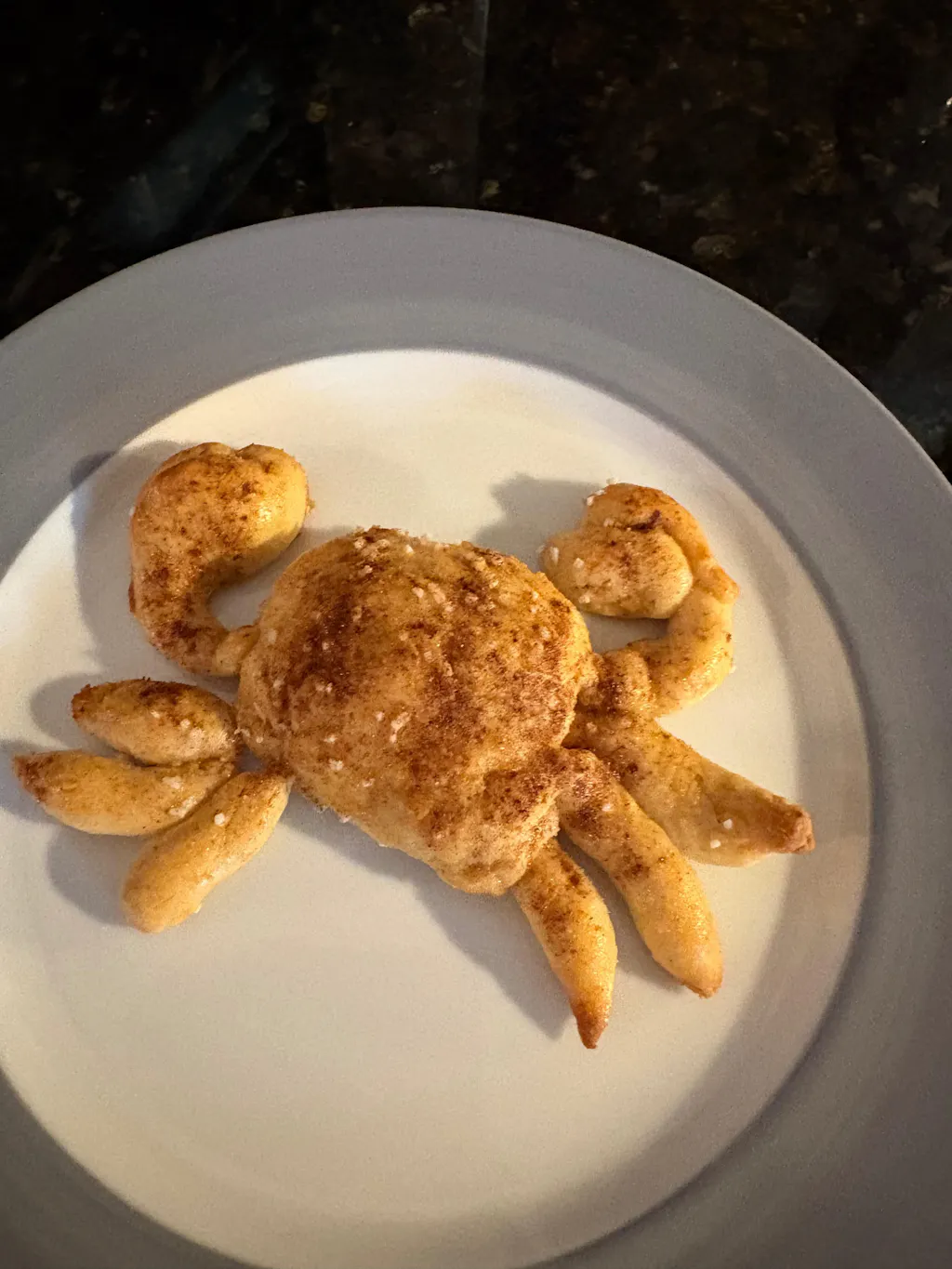
- Shaping and Forming: From rolling out cookie dough to shaping bread, kids use their hands to mold and form ingredients, developing fine motor skills and spatial reasoning. They learn how different consistencies behave and how to manipulate them to achieve a desired form. This is direct, tangible construction!
Decorating as Design: Culinary Creativity
Once the baking is done, the construction continues with decoration, turning food into a canvas for artistic expression and thoughtful design.
- Architectural Decoration: Icing, sprinkles, candies, and fruit become decorative "materials." Children learn about balance, color theory, patterns, and how to apply these elements to create visually appealing (and delicious!) designs.
- Themed Builds: Imagine building an edible landscape or a fantastical creature. For example, our Erupting Volcano Cakes Kit allows kids to construct a cake volcano and then witness a safe, edible chemical reaction that makes it "erupt" with deliciousness. This is a perfect blend of geology, chemistry, and culinary arts, where kids are both chefs and scientists.
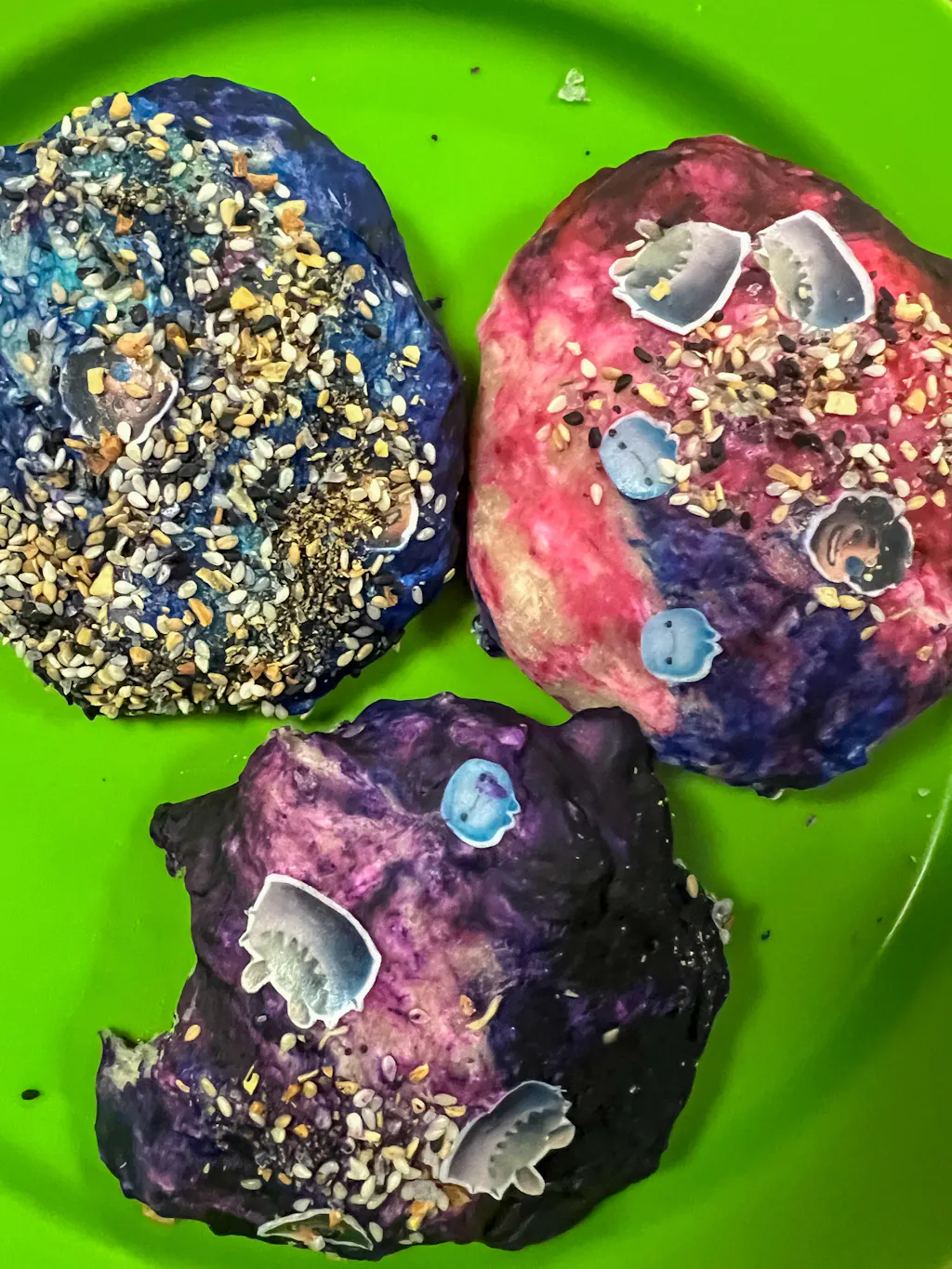
- Celestial Creations: Or consider the wonder of space. With our Galaxy Donut Kit, children explore astronomy by creating their own edible solar system. They learn about planets, stars, and galaxies while decorating out-of-this-world donuts, merging science education with artistic culinary design.
- Character Construction: Even beloved characters can make learning fun, like when kids make Peppa Pig Muddy Puddle Cookie Pies. This kit combines storytelling with baking, encouraging children to construct and decorate familiar scenes, fostering imaginative play alongside culinary skill.
Our kits, developed by mothers and educators, ensure that these delicious cooking adventures are not just fun but are carefully designed to teach complex subjects in an accessible, engaging way. We focus on fostering a love for learning, building confidence in the kitchen and beyond, and creating joyful family memories that go far beyond the last bite. These activities provide a fantastic screen-free alternative, allowing families to bond over a shared, constructive, and ultimately delicious experience.
Making It a Family Affair: Tips for Collaborative Building
Construction crafts truly shine when they become a shared family activity. The process of building something together offers unparalleled opportunities for bonding, communication, and mutual learning. Here are some tips to make your collaborative building adventures successful and enjoyable for everyone.
Setting Up a Safe Workstation
Preparation is key to a smooth and stress-free crafting session.
- Designate a Space: Choose an area that can get a little messy – a kitchen table covered with an old tablecloth, a garage workbench, or even a picnic blanket outdoors.
- Gather Materials: Before starting, lay out all the necessary supplies within easy reach for everyone. This minimizes interruptions and keeps the focus on the task.
- Safety First: For any projects involving sharp tools (scissors, child-safe hammers) or hot elements (stove, oven in edible crafts), ensure strict adult supervision. Explain safety rules clearly and consistently. For edible crafts, always remember that implicit understanding of adult supervision and safety is paramount.
Encouraging Independent Exploration
While collaboration is great, it’s equally important to allow children space to lead and explore their own ideas.
- Offer Choices: Instead of dictating the project, present a few options and let your child choose. This gives them ownership from the start.
- Open-Ended Prompts: Rather than "Make a car," try "What kind of vehicle can you imagine? What features would it have?" This encourages creative thinking and personalized design.
- "What If?" Questions: If a child is struggling, instead of jumping in to fix it, ask guiding questions: "What if we tried gluing it this way?" or "What do you think would happen if we used a longer stick?" This helps them develop problem-solving skills independently.
The Art of "Helping" (and Letting Them Lead)
It can be tempting for adults to take over to ensure a "perfect" outcome, but the true value lies in the child's process and effort.
- Be a Facilitator, Not a Finisher: Offer support when needed, but allow your child to do the majority of the work, even if it’s not executed perfectly. Imperfections are part of the charm and the learning process.
- Provide Assistance, Not Solutions: If they ask for help, ask them what they've tried or what they think might work. Sometimes, a child just needs an extra hand holding a piece steady while the glue dries, or a quick demonstration of a technique, rather than having the entire step done for them.
- Embrace the "Happy Accidents": Sometimes, a mistake can lead to an even more creative or unique outcome. Celebrate these unexpected turns in the creative journey.
- Collaborate, Don't Dominate: Work alongside your child, perhaps building your own version of the craft, or contributing to a larger shared project. This models enthusiasm and allows for parallel play and shared conversation.
Celebrating Creations, Not Perfection
The focus should always be on the effort, the creativity, and the shared experience, rather than a flawless end product.
- Praise the Process: Instead of just "That's pretty!" try "I love how you figured out how to make those wheels spin!" or "You worked so patiently on that bridge." Highlight their problem-solving, persistence, and imagination.
- Display Their Work: Find a special spot to display their creations. This validates their efforts and reinforces their sense of accomplishment. It shows that their work is valued.
- Talk About It: Encourage your child to talk about their creation – what it is, how they built it, what challenges they faced, and what they like most about it. This builds communication skills and helps them reflect on their learning.
By approaching construction crafts as a family affair, you’re not just building objects; you’re building confidence, nurturing creativity, and strengthening the bonds that truly matter. These screen-free moments of shared discovery are invaluable. For more ideas on how to foster continuous growth and joyful family memories through engaging, hands-on activities, explore the magic of The Chef's Club, delivering new adventures right to your door every month.
Beyond the Blueprint: Extending the Learning
The moment a construction craft is "finished" is just the beginning of its potential for learning and play. Extending the learning beyond the initial build maximizes the educational impact and encourages deeper engagement with the concepts explored. It helps children connect their hands-on experiences to broader themes and real-world applications.
Storytelling & Imaginative Play
Once a structure is built, it becomes a prop for countless stories and imaginative scenarios.
- Bringing Creations to Life: A cardboard box fort can become a dragon's lair, a space station, or a hidden castle. Encouraging children to use their constructed items in pretend play gives purpose to their creations and develops narrative skills. "Who lives here? What adventures happen in this place?"
- Character Development: If they’ve built a paper puppet or a recycled material robot, encourage them to give it a name, a personality, and a backstory. This fosters empathy, creativity, and language development.
- Problem-Solving in Play: Within their imaginative worlds, children will encounter new "problems" their creations can help solve, further developing their critical thinking in a playful context.
Documenting the Process
Taking a few moments to document the construction journey can be a powerful learning tool.
- Photo Journal: Take pictures at different stages of the building process. Later, you can look through them together and talk about the steps, the challenges, and the evolution of the idea. This reinforces sequencing and memory skills.
- "Builder's Log" or "Inventor's Notebook": For older children, encourage them to draw sketches, write down ideas, list materials, or even describe the "engineering challenges" they faced. This introduces elements of scientific method, planning, and reflective thinking, much like a real engineer or architect would do.
- Verbal Recaps: Even for young children, simply asking them to explain what they built and how they did it helps solidify their understanding and improves their descriptive language.
Connecting to Real-World Engineering
Bridge the gap between their playtime creations and the vast world of actual construction and engineering.
- Observe the Environment: Take a walk and point out real-world examples of the concepts they've explored. "Look at that bridge – how is it similar to the one we built with popsicle sticks? Why do you think that building has such a wide base?"
- Visit a Construction Site (Safely!): If there’s a local construction site (viewed from a safe distance, of course!), talk about the different machines, materials, and jobs involved. This makes their small-scale efforts feel connected to a larger, exciting world.
- Read Books: Find children's books about builders, engineers, architects, or famous structures. This expands their vocabulary and knowledge base, fueling their curiosity.
- Discuss Professions: Talk about the people who design and build houses, bridges, cars, and even food. This can spark early interest in various careers and show them the real-world impact of STEM.
By extending the learning, you’re not just creating a craft; you’re cultivating a curious mind, a resourceful problem-solver, and a budding innovator. These deeper dives enhance the "edutainment" value of every activity and reinforce the holistic learning philosophy that I'm the Chef Too! champions. For ongoing opportunities to explore, create, and learn in diverse and delicious ways, remember to explore The Chef's Club, where a new adventure is always just around the corner.
Conclusion
From the simplest snip of construction paper to the most elaborate cardboard fort, the world of construction crafts for kids is an incredible playground for learning and growth. We've journeyed through the myriad benefits, exploring how these hands-on activities are not just fun but are critical for developing STEM skills, fostering creativity, honing motor skills, and strengthening invaluable family bonds. We've discovered how everyday materials can be transformed into tools for discovery, and how process art can unlock new avenues of expression.
At I'm the Chef Too!, our commitment lies in sparking curiosity and creativity through engaging, screen-free experiences. Whether it’s building a fantastical paper creature, engineering a popsicle stick bridge, or engaging in edible science with an erupting cake, each activity is an opportunity to learn by doing. Developed by mothers and educators, our approach is all about teaching complex subjects in a tangible, joyful way, providing practical advice and focusing on the process of learning rather than just the outcome. It's about building confidence, developing key skills, and creating those cherished, lasting family memories.
So, roll up your sleeves, gather your materials, and embark on a construction adventure with your children today. Watch as they transform ordinary objects into extraordinary creations, all while building their minds and futures. The joy of creation, the thrill of discovery, and the warmth of shared experience are waiting.
Ready to keep the construction and culinary adventures going all year long? Give the gift of learning that lasts with a subscription to our STEM cooking adventures! Join The Chef's Club today and enjoy a new, exciting kit delivered right to your door every month with free shipping in the US. Unlock endless "edutainment" and create delicious memories together!
FAQ Section
Q1: What age group are construction crafts best for? A1: Construction crafts are fantastic for all ages! Toddlers can enjoy simple activities like tearing paper for mosaics or stacking large blocks, while preschoolers can engage in basic cutting and gluing. Older children and pre-teens can tackle more complex projects involving multiple steps, design planning, and even simple tools. The key is to choose age-appropriate activities and provide supervision as needed.
Q2: What are the main skills my child will develop through construction crafts? A2: Children develop a wide range of skills, including fine and gross motor skills, hand-eye coordination, problem-solving, critical thinking, creativity, spatial reasoning, early math concepts (like geometry and measurement), and an understanding of basic physics and engineering principles. They also learn patience, persistence, and teamwork, especially during collaborative projects.
Q3: How can I make construction crafts more eco-friendly? A3: Easily! Focus on using recycled materials from around your home, such as cardboard boxes, paper towel rolls, plastic bottles, and egg cartons. Incorporate natural elements like sticks, leaves, and pebbles. Choose non-toxic, washable paints and glues. Reusing materials not only helps the environment but also encourages children to see the potential in everyday "junk."
Q4: My child gets frustrated when their structure falls apart. How can I encourage them? A4: Frustration is a natural part of the building process! Emphasize that "failures" are actually opportunities to learn. Instead of saying, "It's okay, try again," try, "Wow, that fell down fast! What do you think happened? What could we change next time to make it stronger?" Focus on the process of problem-solving and perseverance. You can also offer to build alongside them, providing gentle guidance and showing them different techniques without taking over.
Q5: What if my child isn't interested in traditional building projects? A5: Construction crafts are incredibly diverse! If your child isn't into building towers or vehicles, try exploring other avenues. Perhaps they'd enjoy the artistic construction of paper mosaics, the scientific construction of magnet painting, or the delicious engineering of edible crafts in the kitchen. The goal is to find an activity that sparks their unique curiosity and creativity. Remember, I'm the Chef Too! offers a wide range of themed kits, from Erupting Volcano Cakes to Galaxy Donuts, which might capture their imagination in a different way!