Table of Contents
- Introduction
- Why Dollar Tree is an Easter Crafting Paradise
- The Educational Power of Crafting: More Than Just Glitter
- Essential Dollar Tree Haul for Easter Crafts
- Top Dollar Tree Easter Craft Ideas (with Educational Twists)
- Incorporating STEM and Learning into Dollar Tree Crafts
- Safety First: Tips for Crafting with Kids
- Beyond the Craft: Extending the Learning and Fun
- Making it a Tradition
- Conclusion
- FAQ Section
Remember that feeling of anticipation as Easter approaches? The promise of springtime, blooming flowers, and the joy of creative endeavors. But sometimes, the idea of orchestrating engaging activities for our little ones can feel daunting, especially when thinking about the ever-growing budget. What if we told you that sparking your child's imagination and fostering a love for learning this Easter season doesn't require a hefty investment? Imagine unlocking a treasure trove of possibilities for hands-on, educational fun, all while sticking to a budget.
At I'm the Chef Too!, our mission is to blend food, STEM, and the arts into one-of-a-kind "edutainment" experiences, designed to spark curiosity and creativity in children. We believe that learning should be an adventure, filled with discovery and delight. And just like our curated kits offer a unique approach to teaching complex subjects through tangible, delicious cooking adventures, we also champion the power of simple, accessible crafting to achieve similar developmental milestones. This Easter, we're diving deep into the fantastic world of Dollar Tree, exploring how it can become your go-to destination for creating unforgettable, budget-friendly dollar tree easter crafts for kids that are as enriching as they are fun. Get ready to transform everyday items into springtime masterpieces and create cherished family memories without breaking the bank.
Introduction
Easter, for many families, marks a delightful transition into spring, a season brimming with renewal, vibrant colors, and the joyous spirit of celebration. For children, it often means egg hunts, sweet treats, and perhaps a visit from the Easter Bunny. As parents and educators, we often seek ways to amplify this excitement, transforming simple holidays into rich opportunities for learning, creativity, and family bonding. However, the pursuit of these enriching experiences can sometimes lead us down a path of elaborate plans and escalating expenses. The idea of crafting with kids, while appealing, might conjure images of expensive craft store hauls and complicated projects.
But what if we could achieve all the magic of Easter crafting without the financial strain? What if the secret to engaging, educational, and absolutely fun dollar tree easter crafts for kids lay just around the corner, waiting to be discovered in the aisles of your local discount store? That's precisely what we're here to explore today. We're going to uncover how Dollar Tree can become your ultimate resource for imaginative, budget-friendly Easter activities that go far beyond simple decoration. This post will serve as your comprehensive guide to transforming humble Dollar Tree finds into captivating projects that nurture fine motor skills, ignite creativity, enhance problem-solving abilities, and even introduce foundational STEM concepts. We'll show you how to curate your Dollar Tree shopping list, provide a plethora of inspiring craft ideas, and offer tips on integrating educational elements, ensuring that this Easter is not just fun, but also deeply enriching for your little learners. Our goal is to empower you to create memorable experiences, proving that sparking curiosity and fostering skill development doesn't require a big budget, just a little imagination and the right approach.
Why Dollar Tree is an Easter Crafting Paradise
When you think of crafting supplies, your mind might immediately jump to specialized art stores or large retail chains. But for delightful and affordable dollar tree easter crafts for kids, Dollar Tree truly stands out as an unexpected haven. It's not just about saving money; it's about discovering a wealth of materials that are perfectly suited for children's projects, encouraging experimentation without the pressure of perfection.
Here's why Dollar Tree is an absolute game-changer for your Easter crafting endeavors:
- Unbeatable Affordability: This is, of course, the most obvious advantage. Every item costs just a dollar (or slightly more in some regions). This incredibly low price point means you can stock up on a wide variety of supplies without worrying about the cost adding up. It frees you up to say "yes" to more creative impulses, allowing children to experiment freely without the fear of "wasting" expensive materials. This affordability also makes it ideal for group settings, like playdates, classroom activities, or homeschool co-ops, where you need to cater to multiple children without a huge outlay.
- Surprising Variety and Seasonal Finds: You might be amazed at the sheer diversity of items available at Dollar Tree. Beyond the everyday craft basics, they consistently roll out seasonal collections. Around Easter, you'll find an abundance of pastel-colored items, plastic eggs in various sizes, bunny and chick themed decorations, faux flowers, baskets, ribbons, and so much more. These ever-changing seasonal selections mean there's always something new and inspiring to discover, keeping your craft ideas fresh year after year.
- Accessibility for Everyone: With thousands of locations across the country, Dollar Tree stores are incredibly accessible. This widespread presence makes it easy for families from all walks of life to access affordable craft supplies, ensuring that engaging educational activities are within reach for everyone.
- Focus on Process Over Perfection: Because the materials are so inexpensive, there's less pressure for children (and adults!) to create a "perfect" final product. This shifts the focus from the outcome to the process of creation itself – the cutting, gluing, painting, and imagining. This emphasis on exploration and enjoyment is crucial for fostering genuine creativity and a love for hands-on activities. It aligns perfectly with our philosophy at I'm the Chef Too!, where we believe the journey of discovery, the act of doing, and the joy of shared experience are just as important as the delicious results.
- Everyday Items with Creative Potential: Beyond dedicated craft aisles, Dollar Tree's general merchandise sections are brimming with items that can be repurposed for crafts. Think cotton balls from the health and beauty aisle for fuzzy bunnies, plastic cups for sorting and painting, or even aluminum foil for sculptural challenges. This encourages a "think outside the box" mentality, an important aspect of problem-solving and innovation.
For us at I'm the Chef Too!, fostering curiosity and creativity is at the heart of everything we do. We understand that not every family can always engage in extensive cooking adventures, which is why we value diverse approaches to hands-on learning. Dollar Tree provides a wonderful opportunity to embrace this spirit of discovery through simple, accessible, and incredibly fun dollar tree easter crafts for kids. It's a place where imagination can truly take flight, proving that educational enrichment doesn't have to be costly.
The Educational Power of Crafting: More Than Just Glitter
When we picture children engaged in crafting, we often see smiles, bright colors, and perhaps a bit of glorious mess. While these joyful moments are certainly a huge part of the appeal, the benefits of crafting extend far beyond mere entertainment. Crafting, even with the simplest of Dollar Tree supplies, is a powerhouse for development, subtly nurturing a wide array of skills essential for growth and learning.
At I'm the Chef Too!, we're passionate about hands-on learning because we know it’s the most effective way for children to grasp complex concepts and develop crucial skills. Dollar Tree Easter crafts for kids embody this same principle, offering tangible experiences that contribute to a child's holistic development.
Let's explore the profound educational impact of these seemingly simple activities:
- Fine Motor Skills and Dexterity: This is perhaps the most immediate benefit. Activities like cutting with scissors, gluing small pieces, peeling stickers, winding yarn, painting with a brush, or manipulating pipe cleaners all require precise movements of the small muscles in the hands and fingers. These skills are fundamental for tasks like writing, buttoning clothes, and using utensils. The more opportunities children have to practice these actions, the stronger and more coordinated their fine motor skills become.
- Creativity and Imagination: Crafting provides a blank canvas for children's imaginations. Unlike structured academic tasks, crafts often have open-ended outcomes. When children are given materials like paper, glue, and googly eyes, they're encouraged to envision possibilities, design their own creations, and express their unique ideas. There's no "right" or "wrong" way to make a paper plate bunny, fostering a sense of artistic freedom and self-expression.
- Problem-Solving and Critical Thinking: Crafting is often a series of mini-challenges. "How do I make this bunny stand up?" "What color should I use here?" "How can I attach this pom-pom without it falling off?" These questions require children to think critically, experiment with different approaches, and adapt their plans. They learn about cause and effect, spatial reasoning, and the properties of different materials.
- Following Instructions and Focus: Many crafts, even simple ones, involve a sequence of steps. Listening to or reading instructions, remembering the order, and executing each step requires focus, attention to detail, and patience. This ability to follow directions is a vital skill for both academic success and everyday life.
- Sensory Exploration: Crafting engages multiple senses. Children get to feel the soft texture of cotton balls, the stickiness of glue, the smoothness of paper, and the scratchiness of glitter. They see vibrant colors, smell different glues or paints, and sometimes even hear the crinkle of paper. This multi-sensory engagement enhances their understanding of the world around them and contributes to sensory integration.
- Language and Communication Skills: Crafting sessions are excellent opportunities for conversation. Children can describe what they are doing, explain their choices, ask questions, and narrate stories about their creations. This dialogue enriches their vocabulary, improves their ability to articulate ideas, and strengthens communication with parents or peers.
- Self-Esteem and Confidence: Completing a craft project, no matter how simple, provides a tangible sense of accomplishment. Children feel proud of their creations, boosting their self-esteem and encouraging them to tackle new challenges. Displaying their artwork further reinforces this positive feeling.
-
Early STEM Connections: This is where crafting truly shines and aligns with the I'm the Chef Too! philosophy.
- Science: Children observe chemical reactions (like mixing paints or glues), learn about states of matter (wet paint drying), and explore principles of balance and stability when building. For instance, using vinegar and baking soda to make a "volcano" out of a plastic egg introduces basic chemistry!
- Technology: Simple tools like scissors, rulers, and even child-safe glue guns introduce basic technological concepts and how tools aid in creation.
- Engineering: Designing, building, and assembling components to create a specific object involves fundamental engineering principles – thinking about structure, stability, and function.
- Math: Counting supplies, recognizing patterns, understanding symmetry, measuring (even by approximation), and sorting by color or shape all incorporate early math concepts.
- Art: The entire process is a lesson in art – color theory, composition, texture, and creative expression.
Just as our unique cooking kits blend science, technology, engineering, and math into delicious, hands-on experiences, these dollar tree easter crafts for kids offer a fantastic entry point into similar learning journeys. They are a brilliant way to introduce complex subjects in a fun, non-intimidating manner.
Ready for a new adventure every month, delivered right to your door? Imagine your child exploring new concepts and developing vital skills with every box, complete with pre-measured dry ingredients and specialty supplies. Each of our kits is a complete experience, sparking curiosity and making learning an exciting part of your family routine. Join The Chef's Club today and enjoy free shipping on every box, making ongoing educational fun incredibly convenient!
Essential Dollar Tree Haul for Easter Crafts
Before you embark on your creative journey, a strategic trip to Dollar Tree is in order. The beauty of shopping here for dollar tree easter crafts for kids is that you can grab a wide array of versatile items without worrying about your budget spiraling out of control. Think of it as a treasure hunt where every find unlocks new possibilities for imaginative play and learning.
Here’s a comprehensive list of items to look for, divided into categories to make your shopping trip efficient:
Craft Basics (Always Stock Up!)
These are the workhorses of any craft station and can be used for countless projects beyond Easter.
- Pipe Cleaners: Flexible, colorful, and fantastic for fine motor skill development. Great for making bunny ears, fuzzy chicks, or wrapping around other objects.
- Googly Eyes: Instantly bring any creation to life! Essential for adding personality to bunnies, chicks, and eggs.
- Felt Sheets: Soft, easy to cut, and comes in a variety of colors. Perfect for layering, making small cut-outs, or adding texture.
- Construction Paper/Cardstock: The foundation for many crafts. Look for pastel colors for Easter themes. Excellent for cutting, folding, and gluing.
- Glue Sticks & Liquid Glue: You can never have too much glue! Glue sticks are cleaner for younger children, while liquid glue offers a stronger hold for heavier items.
- Child-Safe Scissors: Crucial for developing cutting skills. Dollar Tree often has various sizes and styles.
- Pom-Poms: Soft, fuzzy, and comes in different sizes and colors. Ideal for bunny tails, chick bodies, or decorative accents.
- Cotton Balls: Inexpensive, soft, and perfect for creating fluffy textures for lambs or bunny tails.
- Craft Sticks (Popsicle Sticks): Great for building, reinforcing, or creating puppets.
- Paint (Acrylic or Tempera): Look for sets or individual bottles in pastel shades. Don't forget brushes!
- Glitter & Glitter Glue: A little sparkle goes a long way. Glitter glue is less messy than loose glitter.
- Ribbon & Yarn: Adds decorative flair and is excellent for threading, tying, and wrapping.
- Chenille Stems (Sparkly Pipe Cleaners): For an extra touch of pizzazz.
- Stickers: Easter-themed stickers are easy for little fingers to manipulate and instantly decorate any project.
Easter Specifics (Seasonal Finds)
These items pop up around late winter/early spring and are perfect for infusing that Easter spirit into your dollar tree easter crafts for kids.
- Plastic Eggs: Available in various sizes and colors. Fantastic for decorating, creating shakers, or housing small surprises.
- Small Easter Baskets: Can be decorated, used as a base for a craft, or filled with handmade goodies.
- Faux Flowers & Greenery: Perfect for creating spring bouquets, decorating headbands, or adding to collages.
- Bunny/Chick/Lamb Figurines or Cutouts: Can be painted, glittered, or incorporated into dioramas.
- Plastic Tablecloths: An absolute must for protecting your crafting surface and making cleanup a breeze.
- Wreath Forms: Often available in foam or grapevine, great for creating decorative Easter wreaths.
- Shredded Paper Grass: While typically used for baskets, it’s also a fun textural element for crafts, simulating nests or actual grass.
Kitchen/Food Items for Edible Crafts & Culinary Exploration
While Dollar Tree offers many traditional craft supplies, don't overlook the potential for edible creations or items that can enhance a food-related craft. This is a wonderful bridge to our world at I'm the Chef Too!
- Sprinkles: Various colors and shapes, perfect for decorating cookies, cupcakes, or even adding texture to non-edible crafts (like "glitter" for a playdough creation).
- Cookie Cutters: Look for bunny, chick, or egg shapes. While great for baking, they can also be used to cut shapes from felt, playdough, or foam sheets.
- Food Coloring: Can be used for dyeing eggs (plastic or real), tinting frosting, or even for some science experiments involving color mixing.
- Small Bowls/Containers: Excellent for sorting craft supplies, mixing paints, or holding glues.
- Plastic Spoons/Forks: Can be used as craft tools or components in projects.
As you collect your Dollar Tree treasures, remember the I'm the Chef Too! ethos: every item holds the potential for discovery. A humble plastic egg can become a science experiment, a sheet of felt can transform into a mathematical pattern, and a handful of pom-poms can spark a story.
Not quite ready to subscribe to a monthly adventure but still eager for hands-on, educational fun? Explore our full library of unique, single-purchase adventure kits available in our shop! From delectable desserts that teach chemistry to savory snacks that explore geography, there's a perfect theme for every curious child. Browse our complete collection of one-time kits and find your next kitchen adventure!
Top Dollar Tree Easter Craft Ideas (with Educational Twists)
Now that your Dollar Tree haul is complete, let’s unleash that creativity! Here are some fantastic dollar tree easter crafts for kids, designed to be engaging, educational, and, of course, incredibly fun. We’ll sprinkle in tips for enhancing the learning aspect, connecting to STEM and our I'm the Chef Too! philosophy.
1. Egg-cellent Decorating Adventures
Plastic eggs are a Dollar Tree staple around Easter, and they offer endless possibilities beyond the traditional hunt.
-
Painted Plastic Eggs:
- The Craft: Give children acrylic or tempera paints and let them go wild! They can paint stripes, dots, abstract designs, or even try to depict characters. Provide small brushes, sponges, or even cotton swabs for different textures.
-
Educational Twist:
- Color Theory: Encourage mixing primary colors to create secondary colors. "What happens when you mix blue and yellow? Green! What's your favorite shade of green?"
- Patterns & Symmetry: Discuss creating repeating patterns or designs that mirror each other on opposite sides of the egg.
- Storytelling: Once dry, use the decorated eggs as characters in a mini story.
- Science & Imagination: Imagine your child decorating a plastic egg like a tiny spaceship, discussing gravity or planets. For more out-of-this-world learning that blends food, STEM, and the arts, our Galaxy Donut Kit combines astronomy with delicious fun, allowing kids to create their own edible solar system!
-
Yarn-Wrapped Eggs:
- The Craft: Provide plastic eggs, various colors of yarn, and liquid glue. Children can apply glue in sections and wrap the yarn around the egg, creating a colorful, textured surface.
-
Educational Twist:
- Fine Motor Skills: This is excellent for developing dexterity and hand-eye coordination.
- Texture Exploration: Discuss the feel of the yarn compared to the smooth plastic.
- Color Recognition: Practice naming colors as they choose their yarn.
-
Glitter Eggs:
- The Craft: Apply glue to sections of plastic eggs and sprinkle with glitter. Use different colors for a dazzling effect.
-
Educational Twist:
- Sensory Play: The sparkle and texture of glitter are highly engaging.
- Patterns & Design: Experiment with creating stripes or polka dots using glitter.
2. Bunny Bonanza Crafts
Bunnies are synonymous with Easter, and Dollar Tree has plenty of supplies to bring them to life.
-
Paper Plate Bunnies:
- The Craft: Use a Dollar Tree paper plate as the bunny's face. Cut out ears from construction paper or felt, add googly eyes, a pom-pom nose, pipe cleaner whiskers, and draw a mouth.
-
Educational Twist:
- Symmetry: Discuss how bunnies have two ears, two eyes, etc., and try to make them symmetrical.
- Facial Features: Learn about different parts of a face and their placement.
- Cutting Skills: Practice cutting curves for the ears and smaller shapes for details.
-
Cotton Ball Bunnies:
- The Craft: Draw a bunny outline on construction paper. Children can then glue cotton balls onto the outline to create a fluffy bunny. Add googly eyes, a pom-pom nose, and pipe cleaner whiskers.
-
Educational Twist:
- Tactile Experience: The soft cotton balls provide a lovely sensory experience.
- Counting: Count how many cotton balls it takes to fill the bunny.
- Texture Contrast: Compare the soft cotton to the smooth paper.
-
Sock Bunnies (No-Sew):
- The Craft: Use a Dollar Tree crew sock (colorful ones are fun!). Fill the toe with rice or cotton to form the head. Tie off with a rubber band. Fill the rest of the sock for the body. Tie off and cut the remaining sock to create ears. Decorate with googly eyes, markers, and pom-poms.
-
Educational Twist:
- Upcycling/Repurposing: Learn how to transform an everyday item into something new.
- Simple Engineering: Understand how filling and tying creates shape and form.
- Following Multi-Step Instructions: A slightly more complex craft requiring sequential thinking.
Ready to bring the magic of learning into your home every single month? With our Chef's Club subscription, a new, exciting "edutainment" adventure is delivered right to your door with free shipping in the US. Our 3, 6, and 12-month pre-paid plans are perfect for ongoing enrichment or thoughtful gifting, ensuring a consistent stream of creativity and discovery for your child. Give the gift of learning that lasts all year with a 12-month subscription to our STEM cooking adventures, and watch their curiosity flourish! Join The Chef's Club and embark on delicious learning journeys!
3. Chick & Lamb Creations
Welcome the adorable farm animals of spring into your crafting world!
-
Pom-Pom Chicks:
- The Craft: Glue a larger yellow pom-pom for the body and a smaller one for the head. Add tiny orange felt triangles for a beak, small felt wings, and googly eyes.
-
Educational Twist:
- Fine Motor & Hand-Eye Coordination: Gluing small components precisely.
- Size Comparison: Discuss big vs. small pom-poms.
- Life Cycles: Talk about chicks hatching from eggs.
-
Construction Paper Lambs:
- The Craft: Cut a lamb body shape from white or black construction paper. Glue cotton balls onto the body for a fluffy coat. Add black construction paper legs, ears, and googly eyes.
-
Educational Twist:
- Texture & Sensory: The contrast between smooth paper and soft cotton.
- Layering: Understanding how to build up a 3D effect on a 2D surface.
- Farm Animals: Introduce facts about lambs and sheep.
4. Spring Flower Power Projects
Celebrate the blooming beauty of spring with these vibrant flower crafts.
-
Felt Flower Bouquets:
- The Craft: Cut various sizes of flower petals from different colored felt sheets. Layer them, gluing them in the center, and add a pom-pom or button in the middle. Attach a pipe cleaner stem.
-
Educational Twist:
- Color Theory & Design: Experiment with different color combinations and arrangements.
- Layering & 3D Design: Understanding how flat pieces can create depth.
- Counting & Sorting: Count petals, sort by color or size.
-
Coffee Filter Flowers:
- The Craft: Dollar Tree often sells coffee filters. Children can color them with washable markers. Lightly spray with water (or use an eyedropper) and watch the colors bleed and blend. Once dry, crinkle and shape into flowers, adding a pipe cleaner stem.
-
Educational Twist:
- Capillary Action (Science!): Observe how water moves through the filter and spreads the colors.
- Color Blending: See how new colors are formed when markers blend.
- Fine Motor: Using markers and eyedroppers helps dexterity.
-
Plastic Spoon Flowers:
- The Craft: Gather Dollar Tree plastic spoons. Children can paint the backs of the spoon "bowls" in various colors. Once dry, glue the spoons in a circle around a central button or pom-pom to create a flower. Attach a craft stick stem.
-
Educational Twist:
- Repurposing: Turning ordinary objects into art.
- Symmetry & Radial Design: Arranging items around a central point.
- Color Blending & Contrast: Discussing which colors look good together.
5. Edible Easter Fun (Connecting to I'm the Chef Too!)
While Dollar Tree is a treasure trove for non-edible crafts, don't forget their kitchen aisle often holds delightful surprises that can elevate simple edible treats or inspire culinary exploration. This is where the world of "edutainment" truly comes to life!
-
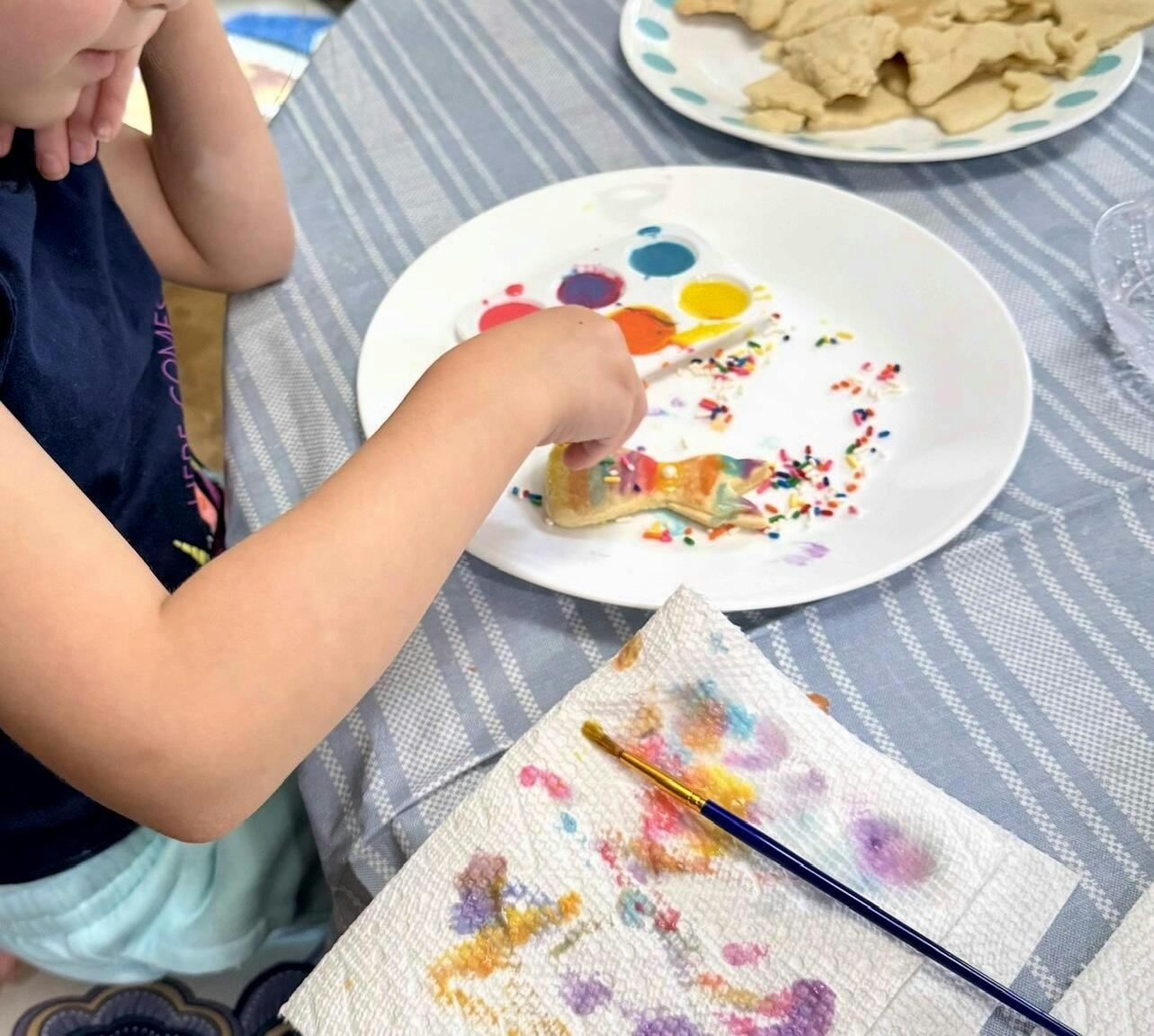
Decorating Dollar Tree Sugar Cookies/Cupcakes:
- The Craft: Grab a pack of plain sugar cookies or pre-made cupcakes if available, sprinkles, and maybe some store-bought frosting (or simple icing sugar + water). Let children decorate with Easter themes. Use Dollar Tree cookie cutters on pre-made dough for fun shapes.
-
Educational Twist:
- Fine Motor Skills: Squeezing frosting, carefully placing sprinkles.
- Pattern Recognition: Creating repeating sprinkle patterns.
- Sensory Experience: Taste, touch, and smell are all engaged.
- Following a Recipe (Simplified): If making simple icing, they're following basic instructions.
-
"Nest" Treats:
- The Craft: You can often find pretzel sticks, chocolate chips, or even some small candy eggs at Dollar Tree. Melt chocolate chips (with supervision), mix with crushed pretzels or cereal, and spoon into muffin liners to form a "nest." Add a few candy eggs on top.
-
Educational Twist:
- States of Matter: Observe chocolate melting and solidifying.
- Measuring (Approximate): Practicing concepts of "a little," "a lot," "half."
- Sequencing: Following a simple recipe from start to finish.
While Dollar Tree provides fun ingredients and basic supplies, for a truly immersive STEM cooking experience that explores chemical reactions, physical changes, and geological wonders, try our Erupting Volcano Cakes Kit! It’s an explosion of learning and flavor, where kids can witness a delicious chemical reaction in action. Or, for those who love all things celestial, our Galaxy Donut Kit takes them on an edible journey through space. These kits offer a structured yet creative way to blend food, STEM, and the arts, much like the dollar tree easter crafts for kids, but with a delicious, educational outcome you can eat! Find more delicious science and engaging activities in our full shop, where every kit is designed by mothers and educators to spark joy and curiosity. Browse our complete collection of one-time kits today!
Incorporating STEM and Learning into Dollar Tree Crafts
At I'm the Chef Too!, our core philosophy revolves around making learning irresistible by blending food, STEM, and the arts into unique "edutainment" experiences. We believe that every activity, even simple dollar tree easter crafts for kids, holds the potential for scientific discovery, technological understanding, engineering principles, mathematical exploration, and artistic expression. It's about how we frame the activity and the conversations we have around it.
Here’s how to intentionally weave STEM concepts into your Dollar Tree Easter crafting sessions:
-
Science (S):
- Observation: Encourage children to observe changes – "What happens when you mix these two colors of paint?" "How does the glue change as it dries?"
- Properties of Materials: Discuss why certain glues work better on felt than on plastic, or why pipe cleaners are bendy and craft sticks are stiff. "Which material is absorbent? Which is waterproof?"
- Chemical Reactions: A classic example for Easter is dyeing eggs (real or plastic with paint). Mix baking soda with vinegar in a plastic egg "volcano" to create a fizzy, erupting effect – a fantastic, hands-on chemistry lesson!
- Biology/Nature: When making flower or animal crafts, talk about the parts of a plant, or the life cycle of a chick or bunny.
-
Technology (T):
- Tools and Their Use: Every craft utilizes tools, from scissors to glue sticks, paintbrushes, and rulers. Discuss how these tools extend our abilities and make tasks easier. "This is a tool. What does it help us do? How do we use it safely?"
- Simple Machines (Implicitly): If building anything with moving parts or levers, you're touching on basic technological principles.
-
Engineering (E):
- Design & Planning: Before starting, encourage a quick "design phase." "How will you make your bunny stand up?" "What shape should the ears be?" "Where should the eyes go?" This is the beginning of the engineering design process.
- Construction & Stability: As children build, they naturally encounter engineering challenges. "Will this tower of plastic eggs balance?" "How can I make this ribbon attach firmly?" They learn about structure, balance, and the strength of materials.
- Problem-Solving: When something doesn't work as planned (e.g., glue isn't holding), children engage in iterative design – trying different solutions until they find one that works.
-
Math (M):
- Counting: "How many googly eyes do we need?" "How many pom-poms for the bunny's tail?"
- Sorting & Categorizing: Sorting supplies by color, size, or type ("Let's put all the yellow things together!").
- Patterns: Creating repeating designs on eggs or paper. "Can you make an A-B-A-B pattern with these beads?"
- Measurement: "Is this ribbon long enough?" "Which piece of paper is bigger?" (Even informal measurement is valuable.)
- Geometry: Identifying shapes (circles for paper plates, triangles for beaks) and discussing concepts like symmetry and spatial relationships.
-
Art (A):
- Color Theory: Exploring warm and cool colors, primary and secondary colors.
- Texture: Discussing the feel of different materials – soft cotton, smooth felt, bumpy glitter.
- Composition & Design: How elements are arranged on the page or object.
- Self-Expression: Encouraging children to create unique pieces that reflect their personality.
At I'm the Chef Too!, we wholeheartedly believe that hands-on activities are the most effective way to foster a love for learning, build confidence, and develop key skills. Our carefully crafted kits embody this unique approach, making complex subjects accessible and exciting. These dollar tree easter crafts for kids offer a fantastic, budget-friendly way to engage in similar exploratory learning. Whether it's mixing colors to create a new shade or figuring out how to balance a structure, every step in crafting is a step in learning.
Safety First: Tips for Crafting with Kids
While the goal of dollar tree easter crafts for kids is fun and education, safety should always be the top priority. Crafting involves various tools and materials, so it’s essential to set up a safe environment and provide appropriate supervision.
Here are our essential safety tips to ensure your crafting sessions are enjoyable and secure:
- Adult Supervision is Non-Negotiable: Never leave young children unattended during crafting activities. An adult should always be present to guide, assist, and monitor.
-
Age-Appropriate Tools: Ensure your children are using tools suitable for their age and skill level.
- Scissors: Provide child-safe scissors with blunt tips for toddlers and preschoolers. Older children can progress to sharper scissors with proper instruction. Always teach proper scissor handling (pointing away from self and others, holding correctly).
- Glue: Glue sticks are generally safest for all ages. Liquid glue should be used with supervision, especially with younger children, to prevent ingestion or getting into eyes. Avoid super glue entirely with children.
- Hot Glue Guns: If using a hot glue gun for more complex projects, it should always be operated by an adult, or by older children under strict, direct supervision, with clear instructions on avoiding burns. Consider a low-temp glue gun for slightly safer operation.
- Non-Toxic Materials: When purchasing paints, glues, markers, and other craft supplies from Dollar Tree (or any store), always check for "non-toxic" labels. This is crucial as children often put their hands in their mouths.
- Small Parts Hazard: Be mindful of small items like googly eyes, small pom-poms, buttons, or beads. These can be choking hazards for children under three or any child who still mouths objects. Adapt crafts to use larger elements or provide alternatives for younger crafters.
- Ventilation: If using paints, sprays, or glues with strong odors, ensure the crafting area is well-ventilated by opening windows or working outdoors if weather permits.
- Allergies: Be aware of any potential allergies your child or other children might have (e.g., latex in balloons, certain craft glues).
- Protect Surfaces: Lay down Dollar Tree plastic tablecloths, newspaper, or old towels to protect tables and floors from paint, glitter, and glue. This not only makes cleanup easier but also creates a stress-free environment where children feel less inhibited about making a mess.
- Wash Hands: Always encourage children to wash their hands thoroughly with soap and water before and after crafting, especially if they've handled glue, paint, or glitter.
- Clear Instructions: Before starting any craft, clearly explain the steps and any safety rules. Demonstrate how to use tools properly.
By following these simple safety guidelines, you can create a positive and secure environment for children to explore their creativity and engage in delightful dollar tree easter crafts for kids. Our goal at I'm the Chef Too! is always to facilitate joyful and safe learning experiences, and these principles extend to all forms of hands-on activities.
Beyond the Craft: Extending the Learning and Fun
The moment a child finishes a craft, there's an undeniable sense of pride and accomplishment. But the learning and joy don't have to end there! We at I'm the Chef Too! believe in maximizing every "edutainment" opportunity, and dollar tree easter crafts for kids offer fantastic avenues for extending engagement, reinforcing learning, and fostering deeper connections.
Here's how to make those Easter creations truly last:
-
Storytelling and Imaginative Play:
- Prompt: Encourage children to give their crafted bunnies, chicks, or decorated eggs names. "What adventures did your bunny go on?" "Who are your eggs friends with?"
- Action: Use the crafts as puppets or characters in a spontaneous story or play. This nurtures language development, narrative skills, and boosts imagination. A simple paper plate bunny can become the hero of an epic tale!
-
Displaying Creations with Pride:
- Action: Find a special place to display your child's artwork. This could be on the fridge, a dedicated "art wall," or as part of your Easter decorations.
- Benefit: Seeing their work appreciated and visible reinforces their sense of accomplishment, builds self-esteem, and encourages future creative endeavors. It tells them their efforts are valued.
-
Gifting and Sharing Joy:
- Action: Suggest that children give their crafts to family members, friends, or even teachers. They can create a handmade card to go along with it.
- Benefit: This teaches social-emotional skills like generosity, thoughtfulness, and the joy of giving. It also connects their creative output to positive social interactions.
-
Family Bonding and Cherished Memories:
- Action: Dedicate specific time for crafting together. Play music, chat, and simply enjoy the shared experience of creating.
- Benefit: These moments aren't just about the crafts; they're about the laughter, the conversations, and the shared focus. These are the ingredients for building strong family bonds and creating cherished memories that will last long after the glitter has been swept away. Just like our monthly cooking adventures are designed to bring families together in the kitchen, these dollar tree easter crafts for kids provide another wonderful platform for connection.
-
Documenting the Journey:
- Action: Take photos of your child with their finished crafts, or even pictures of the process. Create a simple "Easter Craft Journal" where they can draw or write about their favorite craft.
- Benefit: This acts as a tangible record of their growth and creativity over time, making future craft sessions even more meaningful.
Just like these simple crafts foster family bonding and spark individual creativity, our monthly subscription boxes are designed to create lasting memories and shared learning experiences, delivered right to your door with free shipping in the US. Imagine the delight of a new themed adventure arriving each month, ready to transform your kitchen into a classroom of delicious discovery. Ready for a new adventure every month? Join The Chef's Club! Our flexible 3, 6, and 12-month pre-paid plans make it easy to ensure continuous engagement and fun, perfect for gifting or long-term enrichment.
Making it a Tradition
Creating memories and fostering a love for learning isn't just about a single activity; it's about building traditions. Incorporating dollar tree easter crafts for kids into your annual celebrations can become a treasured family ritual, eagerly anticipated by everyone.
- Revisit Past Crafts with a Twist: Instead of always starting from scratch, look at crafts from previous years. "How can we make last year's paper plate bunny even better this year?" Maybe add new textures, different colors, or a moving part. This encourages iterative design and creative problem-solving.
- Create New Challenges: Each year, introduce a new Dollar Tree item to inspire a specific craft challenge. "This year, let's see how many different things we can make with these plastic spoons!" This keeps the tradition fresh and exciting.
- Document Progress: Keep a scrapbook or photo album of your annual Easter crafts. Children will love looking back at their creations and seeing how their skills and creativity have evolved. This also serves as a beautiful family keepsake.
- The "Dollar Tree Haul" Tradition: Make the trip to Dollar Tree itself part of the tradition. Give children a small budget (e.g., $3-$5) and let them choose a few craft supplies they want to experiment with. This teaches budgeting and decision-making skills in a fun context.
By establishing these crafting traditions, you're not just creating objects; you're cultivating a consistent environment for learning, creativity, and invaluable family time, echoing the continuous "edutainment" we aim to provide at I'm the Chef Too!.
Conclusion
As we've journeyed through the vibrant aisles of Dollar Tree and explored the boundless potential of simple materials, one thing becomes abundantly clear: sparking curiosity, fostering creativity, and nurturing essential skills in children doesn't require a lavish budget. It simply calls for a dash of imagination, a willingness to get hands-on, and an understanding of the profound educational value embedded in every snip, glue, and sprinkle. Dollar Tree Easter crafts for kids offer a fantastic, budget-friendly gateway to a world of developmental benefits, from enhancing fine motor skills and problem-solving abilities to igniting early STEM thinking and, most importantly, creating joyous family memories.
At I'm the Chef Too!, we are deeply committed to blending food, STEM, and the arts into one-of-a-kind "edutainment" experiences, designed by mothers and educators who understand the importance of tangible, hands-on learning. We believe that facilitating family bonding and providing screen-free educational alternatives are crucial for raising curious, confident, and creative children. Just as a simple Dollar Tree craft can transform an ordinary afternoon into an adventure of discovery, our unique cooking adventures aim to do the same, taking children on delicious journeys where complex subjects become accessible and exciting.
So, this Easter, embrace the magic of affordability and imagination. Head to your local Dollar Tree, gather your supplies, and embark on a crafting journey that promises smiles, learning, and connection. And for even more curated, enriching, and delicious learning experiences that bring the joy of discovery to your kitchen every month, consider making I'm the Chef Too! a regular part of your family's routine. Discover the convenience of a new adventure delivered to your door with free shipping, complete with pre-measured dry ingredients and specialty supplies. Join The Chef's Club today and unlock a year-round world of culinary creativity, scientific exploration, and unforgettable family moments!
FAQ Section
Q: What age group are Dollar Tree Easter crafts best for?
A: Dollar Tree Easter crafts are wonderfully versatile and can be adapted for a wide range of ages!
- Toddlers (1-3 years): Focus on sensory play (cotton balls, soft felt), simple gluing (large pieces), tearing paper, and big painting strokes. Always use non-toxic, large items to avoid choking hazards and provide close supervision.
- Preschoolers (3-5 years): They can handle child-safe scissors for basic cutting, more detailed gluing, simple patterns, and guided multi-step crafts like paper plate bunnies.
- School-Aged Kids (5-10+ years): These children can follow more complex instructions, experiment with intricate designs, develop engineering challenges (like building with craft sticks), and even incorporate basic science experiments.
The key is to tailor the complexity and level of supervision to your child's individual abilities and interests.
Q: How can I make these Dollar Tree crafts truly educational?
A: It's all about engagement and conversation!
- Ask Open-Ended Questions: Instead of just "What are you making?", try "What do you think will happen if...?" or "Tell me about your design choice."
- Connect to STEM: Discuss colors (art/science), count items (math), talk about how glue works (science), or how to make something stand up (engineering).
- Read Related Books: If you're making a lamb craft, read a book about farm animals. If you're doing a space-themed egg, read about planets. This extends the learning beyond the craft.
- Encourage Problem-Solving: If a piece doesn't stick or a structure falls, ask "How can we fix this?" rather than jumping in to do it yourself.
Just like our I'm the Chef Too! kits seamlessly blend food, STEM, and the arts, these simple crafts become powerful learning tools when approached with intention.
Q: What if my child isn't "crafty" or gets frustrated easily?
A: Not every child will naturally gravitate towards crafting, and that's perfectly okay!
- Focus on the Process, Not the Product: Emphasize that it's about having fun and experimenting, not creating a perfect masterpiece. Remind them that "mistakes" are opportunities for new discoveries.
- Keep it Short and Sweet: Start with very simple, quick projects that have immediate gratification. A 10-minute craft can be just as valuable as a 30-minute one.
- Offer Choices: Let them pick the colors, the type of animal, or even just one element they want to decorate. Giving them agency can increase engagement.
- Integrate Other Interests: If they love dinosaurs, maybe make a "dinosaur egg" craft. If they love superheroes, craft a superhero bunny!
- Work Together: Sit side-by-side and create your own craft. They might be more inclined to join in if you're doing it too. Remember, at I'm the Chef Too!, we focus on fostering a love for learning, building confidence, and creating joyful family memories—not guaranteeing specific artistic outcomes.
Q: Are Dollar Tree craft supplies safe for kids?
A: Generally, yes, but it's crucial to be a smart shopper. Always look for labels that indicate "non-toxic," especially for paints, glues, and markers. Avoid very small items if your child is prone to putting things in their mouth, as these can be choking hazards. As always, adult supervision is paramount, especially when using scissors, glue guns (used by adults only), or any potentially messy materials. It's always best practice to wash hands thoroughly after crafting.
Q: How can I store all these Dollar Tree craft supplies without making a mess?
A: Dollar Tree itself offers great storage solutions!
- Plastic Bins/Containers: Look for small plastic bins with lids to organize different categories of supplies (e.g., "googly eyes," "pom-poms," "pipe cleaners").
- Divided Organizers: These are fantastic for tiny items like beads or sequins.
- Shoe Box Sized Bins: Great for storing sheets of felt or construction paper flat.
- Clear Jars/Cups: Repurpose plastic jars or clear cups (also found at Dollar Tree) for holding paintbrushes, craft sticks, or yarn.
- "Project Bags": Use large zip-top bags to store all the supplies for a specific craft idea together, making it easy to grab and go for your next dollar tree easter crafts for kids session. A little organization goes a long way in keeping your crafting area tidy and inspiring!