Table of Contents
- Introduction
- Why Paper Plate Projects for Kids Are So Valuable
- Essential Supplies for Your Crafting Pantry
- Paper Plate Animals: From the Farm to the Jungle
- Under the Sea: Paper Plate Ocean Life
- Growing Creativity: Flowers and Garden Crafts
- STEM Learning with Paper Plates
- Wearable Crafts: Crowns, Masks, and Purses
- Seasonal and Holiday Paper Plate Traditions
- Exploring More Complex Paper Plate Engineering
- Tips for Parents and Educators
- Bringing It All Together: The Value of Hands-On Play
- Frequently Asked Questions
- Conclusion
Introduction
Have you ever looked at a stack of simple white paper plates and seen more than just a tool for serving birthday cake? To many, a paper plate is just a disposable convenience, but to a child—and to us here at I’m the Chef Too!—it is a blank canvas bursting with potential. What if we told you that the secret to an afternoon of creative bliss, skill-building, and screen-free "edutainment" is sitting right in your pantry?
At I'm the Chef Too!, our mission is to blend food, STEM, and the arts into one-of-a-kind experiences that spark curiosity and creativity. We know that the best learning happens when children can get their hands dirty—whether they are mixing batter for a science-themed treat or glueing googly eyes onto a paper plate zebra. These paper plate projects for kids offer a fantastic way to facilitate family bonding while teaching complex concepts like geometry, biology, and engineering through tangible, hands-on play.
In this comprehensive guide, we are going to explore 50 incredible paper plate projects for kids, ranging from adorable animals and garden scenes to complex STEM activities and wearable art. Whether you are a parent looking for a rainy-day activity or an educator seeking low-cost classroom inspiration, you’ll find that these crafts are more than just "busy work"—they are stepping stones to a lifelong love of learning. By the end of this post, you’ll see how a humble kitchen staple can transform into a world of imagination.
Why Paper Plate Projects for Kids Are So Valuable
Before we dive into the "how-to," let's talk about the "why." As educators and mothers, we are committed to providing educational alternatives that don't involve a tablet or television. Paper plate crafts are a powerhouse for developmental growth.
First, they are incredible for fine motor skills. When a child uses safety scissors to fringe the mane of a paper plate lion or weaves yarn through holes in a plate to create a dreamcatcher, they are strengthening the small muscles in their hands. These are the same muscles they’ll need for writing, tying shoelaces, and eventually, mastering kitchen tools!
Second, these projects encourage "outside the box" thinking. A plate isn't just a circle; it can be cut into a wedge for a fish’s mouth, folded into a pouch for a purse, or stacked to create a 3D bird's nest. This kind of spatial reasoning is a fundamental component of STEM. If your child enjoys these types of creative challenges, they are the perfect candidate for our monthly adventures. Ready for a new adventure every month? Join The Chef's Club and enjoy free shipping on every box.
Key Takeaway: Paper plate projects aren't just about the finished product; they are about the process of discovery, the development of dexterity, and the joy of creating something from nothing.
Essential Supplies for Your Crafting Pantry
One of the reasons we love paper plate projects for kids is that they are incredibly budget-friendly. You likely have most of these supplies in your kitchen or junk drawer already. To get started, we recommend putting together a "Creation Station" with the following:
- Paper Plates: Both the cheap, thin white ones (great for folding and cutting) and the sturdier "coated" ones (better for heavy paint).
- Adhesives: Non-toxic school glue, glue sticks, and perhaps some colorful masking tape or washi tape.
- Coloring Tools: Washable markers, crayons, and tempera or acrylic paints.
- Embellishments: Googly eyes, pipe cleaners, cotton balls, pom-poms, and feathers.
- Recyclables: Toilet paper rolls (great for animal legs or binoculars) and scrap paper.
- Safety Scissors: Always ensure adult supervision when little ones are cutting!
Having these items on hand makes it easy to pivot from a lesson about animals to a hands-on craft. For instance, if you’re reading about the ocean, you can immediately start on a paper plate whale or crab. If you're looking for more ways to stock your educational pantry with pre-measured fun, you can find the perfect theme for your little learner by browsing our complete collection of one-time kits.
Paper Plate Animals: From the Farm to the Jungle
Animals are often the first thing children want to create. There is something magical about turning a flat circle into a recognizable friend. Here are some of our favorite animal-themed paper plate projects for kids.
1. The Spotted Cow
Using a white paper plate, have your child use a sponge dipped in black paint to stamp "spots" all over the surface. Cut a large oval out of pink construction paper for the snout and two smaller triangles for ears. This project is a great way to talk about patterns in nature.
2. The King of the Jungle (Lion)
This is a classic! Paint a plate yellow or orange. Once dry, help your child use safety scissors to cut small slits all the way around the edge to create a "shaggy" mane. Add googly eyes and a black triangle nose. This helps practice the "snip" motion with scissors.
3. The Slow and Steady Turtle
Turtles are a fan favorite! Paint the bottom of a plate green. You can use different shades of green to create a mosaic pattern on the shell. Cut a head, four legs, and a small tail from green cardstock and staple or glue them to the underside. Pro-tip: If your child becomes obsessed with turtles, they can take the fun into the kitchen. Even beloved animals can make learning fun, like when kids make Wild Turtle Whoopie Pies.
4. The Fluttering Butterfly
Cut a paper plate in half, then rotate the halves so the rounded edges meet in the middle. Tape them together to form wings. Let your child decorate the wings with glitter, markers, or paint (symmetry is a great math concept to introduce here!). Use a painted popsicle stick or a toilet paper roll for the body in the center.
5. The Towering Giraffe
Paint a plate yellow and add brown sponge-painted spots. To create the long neck, use a sturdy cardboard tube painted yellow with brown spots. Attach the plate "face" to the top of the tube. This 3D approach helps kids understand how to build structures that stand up.
6. The Fluffy Sheep
This is a wonderful sensory activity. Apply glue all over a white paper plate and have your child press cotton balls onto the surface until it’s completely "woolly." Attach a black paper head and legs. The texture of the cotton balls provides a great tactile experience.
7. The Colorful Peacock
Peacocks allow for maximum color! Use a paper plate cut in half for the "fan" of feathers. Use markers, sequins, and paint to make "eyes" on the feathers. Attach a small blue paper body in the center. This is a great project for discussing how animals use bright colors to communicate.
Under the Sea: Paper Plate Ocean Life
The ocean is a mysterious place that fascinates children. These projects can help bring the wonders of the deep sea right to your living room table.
8. The Tropical Fish
Cut a small wedge out of a paper plate—this becomes the fish's open mouth. Take that same wedge and glue it to the opposite side of the plate to serve as the tail. Decorate with bright "scales" using markers or tissue paper squares.
9. The Rocking Crab
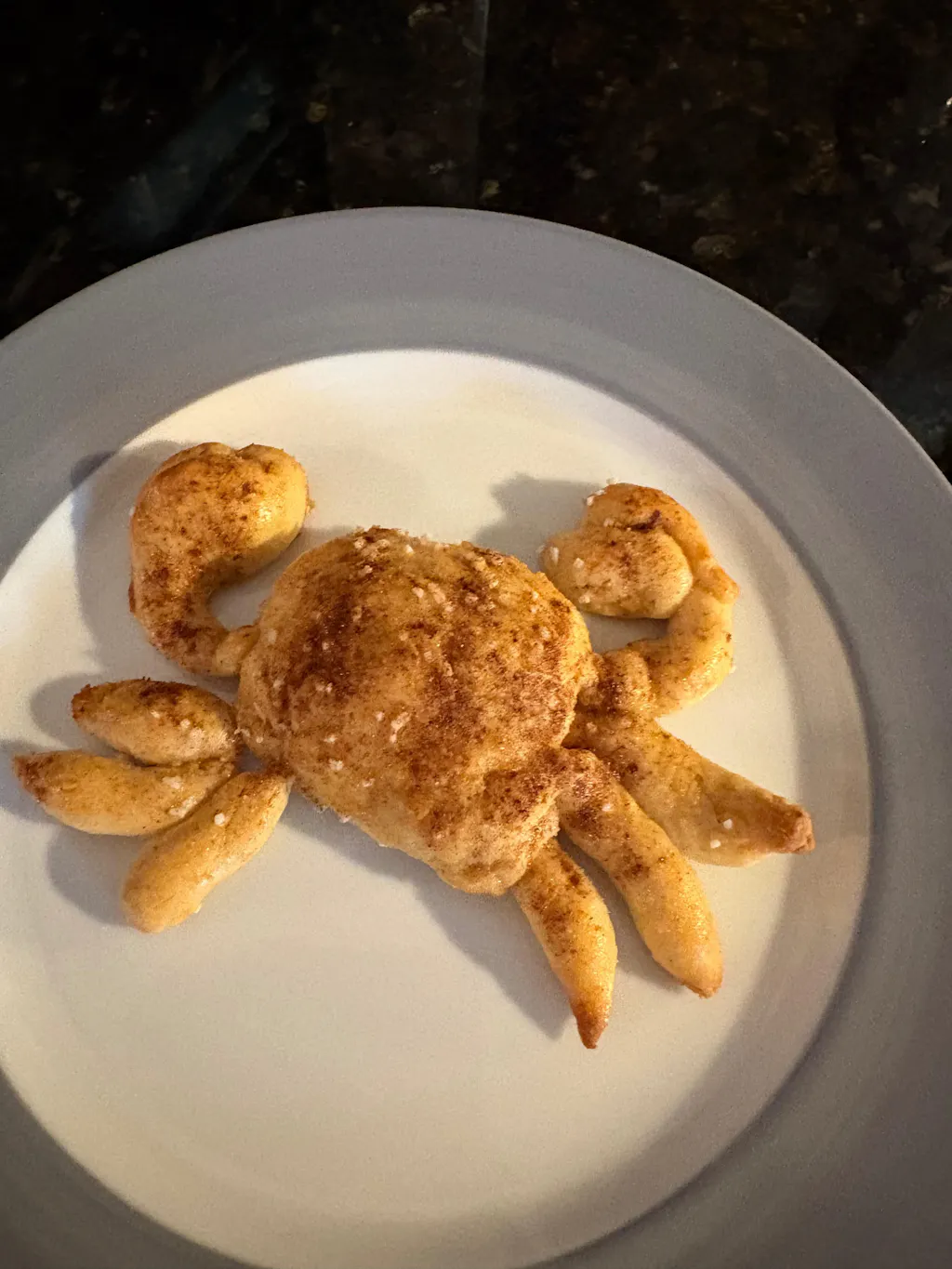
Fold a paper plate in half and paint it bright red. Attach pipe cleaner legs and large "claw" shapes cut from red paper. Because the plate is folded, it will "rock" back and forth on the table, mimicking the movement of a crab on the beach!
10. The Paper Plate Aquarium
This is a two-plate project. Cut the center out of one plate to create a "frame." Glue a piece of blue plastic wrap or blue tissue paper over the hole. On the second plate, glue small paper fish, shells, and "seaweed" made of green streamers. Staple the frame plate on top of the decorated plate to create a 3D porthole view of the ocean.
11. The Jellyfish
Cut a paper plate in half and paint it a translucent purple or pink. Punch holes along the straight bottom edge and tie long lengths of yarn, ribbon, or iridescent streamers to create the tentacles. This is a great way to talk about how some sea creatures drift with the current.
Growing Creativity: Flowers and Garden Crafts
Nature-themed crafts are perfect for celebrating the changing seasons. These paper plate projects for kids help them appreciate the beauty of the environment while working on their artistic flair.
12. Giant Sunflowers
Paint the center of a plate brown and the outer "petals" bright yellow. To add a STEM element, glue real sunflower seeds to the brown center. This helps kids understand where our food comes from!
13. The Paper Plate Garden Wreath
Cut the center out of a paper plate to create a ring. Paint the ring green. Then, have your child create several small "flowers" out of cupcake liners or scrap paper and glue them all around the ring. Hang it on their bedroom door to celebrate spring.
14. The Potted Plant
Cut a plate in half. Paint one half brown (the "dirt") and the other half a bright color (the "pot"). Glue them together with a small gap at the top. Insert "flowers" made of green pipe cleaners and paper petals into the gap. This is a great "everlasting" gift for grandparents.
15. The Paper Plate Bird’s Nest
Tear up brown construction paper or use shredded brown packing paper. Glue the "sticks" onto a paper plate. For the finishing touch, make "chicks" out of yellow pom-poms and glue them into the nest. This is a sweet way to discuss how animals build homes.
STEM Learning with Paper Plates
At I'm the Chef Too!, we love finding the science in everything. Paper plates are surprisingly effective tools for teaching basic STEM (Science, Technology, Engineering, and Math) concepts. When we develop our adventures, we look for these "aha!" moments where a simple material explains a big idea.
16. The Paper Plate Sundial
This project combines history and astronomy. Poke a hole in the center of a paper plate and insert a pencil or a straight stick. On a sunny day, take the plate outside and mark where the shadow falls every hour. This is a fantastic way to visualize the Earth's rotation.
17. Fraction Pizzas
Math can be delicious! Give your child several paper plates and have them decorate them like pizzas. Then, help them cut one plate into halves, another into quarters, and another into eighths. This tangible representation makes the concept of fractions much easier to grasp for young learners.
18. The Marble Maze
This is a brilliant engineering challenge. Use segments of drinking straws or strips of cardstock to create a "maze" on a paper plate. Glue them down, leaving a path wide enough for a marble. Once the glue is dry, place a marble on the plate and try to navigate it from the "start" to the "finish" by tilting the plate.
19. The Paper Plate Hovercraft
Did you know you can make a DIY hovercraft? Use a hot glue gun (adults only for this part!) to attach a bottle cap with a small hole in it to the center of a paper plate. Stretch a balloon over the cap, blow it up through the hole in the plate, and watch as the escaping air creates a cushion that lets the plate "hover" across a smooth floor.
20. The Solar System Model
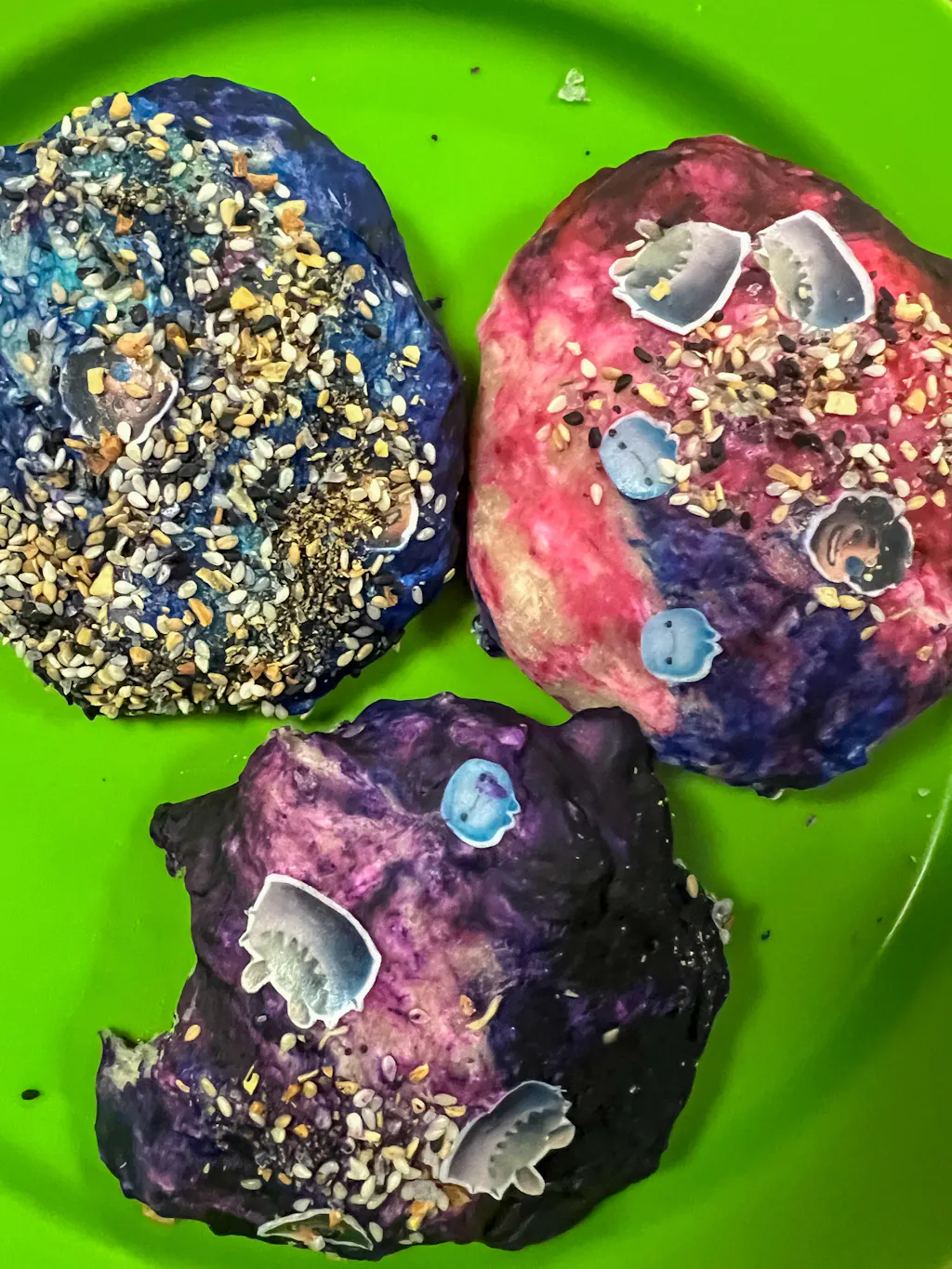
Space is a favorite theme that kids always seem to come back to. You can use different sized paper plates to represent the planets. Paint them to match—red for Mars, a ringed plate for Saturn, and a bright blue and green one for Earth. If your little astronomer wants to go even deeper into the cosmos, they can explore astronomy by creating their own edible solar system with our Galaxy Donut Kit.
21. The Life Cycle Spinner
Use two paper plates fastened together with a brass brad in the center. Cut a "window" out of the top plate. On the bottom plate, draw the four stages of a life cycle (like a butterfly: egg, caterpillar, chrysalis, butterfly). As the child spins the top plate, they can see the "transformation" occur.
22. Interactive Calendar
Similar to the life cycle spinner, you can create a plate that helps children learn the days of the week or the months of the year. This daily ritual builds routine and reinforces time-management skills.
Wearable Crafts: Crowns, Masks, and Purses
One of the best parts of crafting is getting to use what you’ve made! These wearable paper plate projects for kids encourage imaginative roleplay, which is vital for social and emotional development.
23. The Royal Crown
Fold a paper plate in half and cut slits from the center fold toward the edge (but not all the way through!). When you unfold it and push the "points" up, you have a perfect crown that fits right on a child's head. Decorate with "jewels" (sequins) and glitter.
24. Animal Masks
Cut two holes for eyes in a paper plate. From there, the possibilities are endless! Add pink ears for a pig, a trunk for an elephant, or whiskers for a cat. Attach a large craft stick to the bottom so the child can hold the mask up to their face.
25. The Paper Plate Purse
Fold a paper plate in half and staple the curved edges together, leaving the straight top open. Punch two holes at the top and thread through a piece of yarn or ribbon for a handle. Children love having a place to store their "treasures" during a walk in the park.
26. Superhero Shields
Every hero needs protection! Paint a sturdy paper plate with a superhero logo. On the back, duct-tape a strip of cardboard to create a handle for the child's arm. This is a simple way to kick off an afternoon of active, imaginative play.
27. The Paper Plate Tambourine
Fill the space between two paper plates with dried beans or rice. Staple the plates together all the way around the edge. Decorate the outside with bright colors and ribbons. This is an excellent way to introduce rhythm and music. It’s a working tambourine that proves you can make music with almost anything!
Seasonal and Holiday Paper Plate Traditions
Holidays provide the perfect opportunity to slow down and create memories. We love these seasonal variations of paper plate projects for kids.
28. The Jack-O’-Lantern (Halloween)
Paint a plate orange and cut out triangle eyes and a jagged mouth. For a "glow-in-the-dark" version, use yellow glow paint for the features.
29. The Paper Plate Angel (Christmas)
Cut a "V" shape out of a white plate. The "V" becomes the angel's wings, and the rest of the plate is the body. Add a paper circle for the head and some gold tinsel for a halo.
30. The Easter Basket
Cut a paper plate into a basket shape by removing the top half but leaving a strip for the "handle." Paint it pastel colors and fill it with paper "grass" and hand-drawn eggs.
31. The Patriotic Wreath (4th of July)
Cut the center out of a plate. Have your child paint red and white stripes on the ring and add a blue section with white star stickers. This is a great way to celebrate Independence Day together. Give the gift of learning that lasts all year with a 12-month subscription to our STEM cooking adventures to keep the holiday spirit going year-round!
Exploring More Complex Paper Plate Engineering
As kids get older, they might want projects that are a bit more challenging. These activities move from "craft" into "construction."
32. The Paper Plate Marble Roller Coaster
If you have a staircase or a large wall, you can tape paper plates (cut in half and slightly bent) to create "tracks" for a marble. Kids have to experiment with the angle of the plates to make sure the marble has enough momentum to get to the bottom without flying off the track. This is high-level physics for kids!
33. The Flying Frisbee
Tape two paper plates together (bottoms facing out) to create a hollow disc. This "flying saucer" actually flies surprisingly well! You can experiment by adding small weights (like pennies) to the edges to see how it affects the flight path.
34. The Woven Bowl
This is one of the most ingenious paper plate crafts. By cutting an odd number of slits into the side of a plate and folding them up, you create a "loom." Children can then weave yarn in and out of the slits to create a beautiful, functional woven bowl. This is a great exercise in patience and pattern-making.
35. The Paper Plate Water Wheel
This STEM project is a favorite. Use a pencil as an axle and attach "buckets" (made from cut-up paper plates or small cups) to a central plate. When you pour water over it, the wheel spins! It's a fantastic way to explain how renewable energy works.
Tips for Parents and Educators
To make your paper plate crafting session as successful as possible, we’ve gathered a few tips from our team of mothers and educators:
- Embrace the Mess: Creativity is rarely tidy! Lay down an old tablecloth or some newspaper before you begin. Remember, the goal isn't a perfect product; it's a joyful experience.
- Focus on the Process: If your child wants to make a blue cow or a purple sun, let them! The goal is to spark curiosity and creativity, not to strictly adhere to "reality."
- Encourage Storytelling: Once a project is finished, ask your child about it. "Where does this lion live?" "What is this butterfly's favorite flower?" This builds language skills and imagination.
- Safety First: Always use age-appropriate tools. If a project requires a hole punch or a stapler, ensure an adult is assisting or supervising closely.
- Connect to Other Learning: If you're making a paper plate volcano, why not follow it up with a real "eruption" in the kitchen? You can learn about chemical reactions that make our Erupting Volcano Cakes bubble over with deliciousness.
At I'm the Chef Too!, we believe that learning should be a multisensory experience. These crafts are a wonderful "warm-up" for the deeper educational adventures we provide in our kits. If you want to keep the momentum going, Ready for a new adventure every month? Join The Chef's Club and enjoy free shipping on every box.
Bringing It All Together: The Value of Hands-On Play
In a world that is increasingly digital, providing our children with tangible, screen-free alternatives is more important than ever. Paper plate projects for kids offer a unique blend of simplicity and depth. They take a common object and turn it into a tool for exploration.
Whether you are building a marble maze to learn about gravity or creating a paper plate mask to explore a new character, you are facilitating a one-of-a-kind "edutainment" experience. These activities help foster a love for learning and build confidence. When a child looks at a plate and sees a dinosaur, they are learning that they have the power to change their world through their own creativity.
We hope this list of 50 projects has inspired you to clear off the kitchen table and start creating. Remember, every masterpiece starts with a single idea—and sometimes, a single paper plate.
Frequently Asked Questions
What kind of paper plates are best for crafting?
For most crafts involving cutting and folding, the thin, "uncoated" white paper plates are best because they are easy for little hands to manipulate. However, for projects involving heavy paint or "wet" materials, the sturdier, coated plates will hold up better without becoming soggy.
At what age can kids start paper plate projects?
Toddlers as young as two can enjoy simple paper plate crafts like "dot painting" or sticking cotton balls onto a plate to make a sheep. As children get older (ages 5-10), they can handle more complex tasks like weaving, using safety scissors, and building 3D structures.
How do I store all these paper plate crafts?
We know the "parent's dilemma"—how to keep the art without the clutter! We recommend creating a "rotation gallery" on the fridge or a dedicated corkboard. Take a photo of the masterpiece for a digital scrapbook before recycling it to make room for the next project.
Can these projects be done in a classroom setting?
Absolutely! Paper plate projects for kids are ideal for classrooms because they are inexpensive and versatile. If you are an educator, you might also be interested in how we bring our hands-on STEM adventures to your classroom, camp, or homeschool co-op. Learn more about our versatile programs for schools and groups, available with or without food components.
How can I make these projects more educational?
Try to link the craft to a book, a science concept, or a historical event. For example, if you make a paper plate planet, spend five minutes talking about how far that planet is from the sun. This turns a fun craft into a memorable lesson.
Conclusion
We’ve journeyed through the jungle, dived into the deep blue sea, and even touched the stars—all using nothing more than simple paper plates and a dash of imagination. These 50 paper plate projects for kids are a testament to the fact that you don't need expensive gadgets or high-tech toys to provide a world-class educational experience.
At I'm the Chef Too!, we are dedicated to helping you create these joyful family memories. We believe that by blending art, STEM, and a bit of kitchen magic, we can help children develop key skills and a lifelong curiosity about the world around them. These paper plate projects are just the beginning of the adventure!
If you enjoyed these activities and want to bring even more hands-on, delicious "edutainment" into your home, we invite you to join our community. Give the gift of learning that lasts all year with a 12-month subscription to our STEM cooking adventures and let us deliver a new, exciting journey right to your doorstep every month. Happy crafting, and we can’t wait to see what you and your little chefs create next!