Table of Contents
- Beyond the Basics: Why the Right Fork Matters for Kids' Snacks
- Decoding "Forks for Kids Snacks": What to Look For
- The Developmental Stages of Snack-Time Utensils
- Snack Time Reinvented: Creative Uses for Kids' Forks
- Beyond Forks: The Utensil Toolkit for Young Eaters
- I'm the Chef Too! & The Joy of Culinary Exploration
- Making the Choice: Tips for Parents and Educators
- Conclusion
- FAQ: Your Questions About Forks for Kids' Snacks Answered
Have you ever watched a toddler try to spear a slippery piece of fruit with an oversized, adult fork? It’s often a comical, yet frustrating, scene that highlights a simple truth: the right tools make all the difference, especially for little hands learning to navigate the world of self-feeding. Choosing the ideal forks for kids snacks isn't just about preventing messes; it's about fostering independence, building confidence, and transforming snack time into a positive, skill-building experience.
At I'm the Chef Too!, we understand the magic that happens when children engage with their food and the world around them in a hands-on way. Our mission is to blend food, STEM, and the arts into one-of-a-kind "edutainment" experiences that spark curiosity and creativity. Just as a perfectly designed cooking kit can demystify complex scientific principles through delicious projects, the right utensil can empower a child to master the simple yet crucial skill of self-feeding. This comprehensive guide will delve into everything you need to know about selecting the best forks for your child's snack adventures, ensuring every bite is a step towards greater independence and joyful discovery. We'll explore the various types, materials, and designs available, offering practical tips to make snack time both educational and deliciously fun.
Beyond the Basics: Why the Right Fork Matters for Kids' Snacks
When we think about snack time, our minds often jump to the food itself – the colorful fruits, crunchy veggies, or delightful treats. But the humble fork, often an afterthought, plays a surprisingly significant role in a child's development and their overall relationship with food. It’s more than just a tool to get food from plate to mouth; it's a vehicle for growth, learning, and independence.
Nurturing Fine Motor Skills and Hand-Eye Coordination
Every time a child successfully spears a piece of banana or a cube of cheese, they are honing essential fine motor skills. This seemingly simple action requires a delicate interplay of hand-eye coordination, precision grip, and controlled movement. An appropriate kid-sized fork, designed for small hands, reduces the frustration often associated with using adult utensils that are too heavy or too large. When the tool fits comfortably, children are more likely to persevere, strengthening those tiny muscles and neural pathways vital for tasks like writing, drawing, and even playing musical instruments later on.
Imagine a little one meticulously trying to pick up a blueberry with a fork. This isn't just snack time; it's a focused activity in concentration and dexterity, much like the precise measurements and careful mixing involved in one of our engaging culinary kits. We believe in learning by doing, and this principle extends beautifully to the everyday act of self-feeding.
Fostering Independence and Building Confidence
One of the most rewarding moments for a parent is watching their child proudly declare, "I did it myself!" Giving children the right forks for kids snacks provides them with the autonomy to feed themselves, fostering a profound sense of independence. When they successfully manage their own bites, it builds immense confidence, spilling over into other areas of their development. This self-reliance at the snack table translates into a greater willingness to try new foods and to participate more actively in family meals.
At I'm the Chef Too!, our kits are designed to give children ownership over the cooking process, from mixing ingredients to decorating their edible creations. This hands-on empowerment is a core value, and we see the same spark of accomplishment when a child masters their snack fork. It’s about more than just food; it’s about nurturing a can-do attitude.
Promoting Healthy Eating Habits Through Engagement
For many children, snack time can be a battleground. However, turning it into an engaging experience can transform picky eaters into enthusiastic explorers. When a child has a fun, appropriately sized fork, they might be more inclined to try new textures and tastes. A brightly colored fork, or one shaped like an animal, can make eating broccoli suddenly seem like an exciting adventure rather than a chore. This positive association with utensils and food helps instill healthy eating habits from an early age.
Consider how much more exciting it is for a child to use a tool specifically designed for them. It acknowledges their growing capabilities and makes them feel like a capable participant, not just a recipient. This engagement can be particularly helpful for parents introducing a wider variety of fruits and vegetables into their child's diet.
Prioritizing Safety and Reducing Frustration
Safety is paramount, especially when little ones are learning to eat. Adult forks can have sharp tines that pose a risk for young children. Kid-specific forks are typically designed with blunter tines, a shorter length, and ergonomic handles that are easier for small hands to grasp and control, minimizing the risk of accidental pokes or drops. When frustration is reduced, and safety is enhanced, snack time becomes a much more pleasant experience for everyone involved.
Moreover, the right fork helps minimize mess. A fork that's easy to hold and effectively spears food means fewer dropped pieces, which translates to less cleanup for parents and a more positive experience for the child. It’s a win-win situation that makes everyone feel more relaxed and focused on the delicious task at hand.
Igniting Joy and Making Mealtime Fun
Ultimately, the goal of snack time, beyond nutrition, is enjoyment. Fun forks for kids snacks can infuse joy and playfulness into daily routines. Whether it's a fork with a favorite character or a vibrant color, these small details can make eating an exciting part of the day. This positive association with food and mealtime lays the groundwork for a healthy lifelong relationship with eating.
At I'm the Chef Too!, we believe that learning should always be fun. This is why our kits blend delicious recipes with exciting STEM themes, creating "edutainment" that captivates and delights. Just as our Erupting Volcano Cakes Kit turns a chemistry lesson into a bubbling, edible adventure, the right fork can transform a simple snack into a mini-adventure for your child.
Ready to bring more fun and learning to your kitchen every month? Join The Chef's Club and enjoy free shipping on every box, delivering a new edible STEM journey right to your door!
Decoding "Forks for Kids Snacks": What to Look For
Navigating the seemingly endless options for kids' utensils can be overwhelming. To simplify your choice, let's break down the key features that make a fork truly ideal for your child's snack time.
Size and Ergonomics: The Perfect Fit for Little Hands
The most crucial aspect of choosing forks for kids snacks is ensuring they are appropriately sized for your child's hands and mouth.
- Handle Length and Thickness: Look for handles that are shorter and thicker than adult forks. A chunky, easy-to-grip handle gives young children better control and prevents their hands from slipping. Many designs feature ergonomic curves or textured grips specifically for little fingers.
- Fork Head Size: The tines should be scaled down to fit comfortably in a child's mouth without being too wide or long. A smaller head makes it easier for them to manage bite-sized pieces of food.
- Weight: Lightweight forks are easier for children to lift and maneuver, especially when they are just starting to self-feed. Heavy metal forks can be tiring and lead to frustration.
When a utensil feels natural in their hand, children are more likely to use it effectively and enjoy the process. This attention to detail in design mirrors our approach at I'm the Chef Too!, where every kit is thoughtfully developed by mothers and educators to ensure a seamless and engaging learning experience for children.
Material Matters: Choosing What's Right for Your Child
Forks for kids come in a variety of materials, each with its own benefits.
-
Plastic (BPA-Free):
- Pros: Often colorful, lightweight, durable against drops, affordable, and excellent for travel or picnics. Many are designed with fun shapes or characters. BPA-free is a must for safety.
- Cons: Can scratch over time, potentially holding onto odors or stains, and some may not be as eco-friendly.
-
Stainless Steel:
- Pros: Highly durable, hygienic, dishwasher safe, long-lasting, and often gives children a sense of using "grown-up" utensils. They don't stain or retain odors.
- Cons: Can be heavier and feel colder to the touch than plastic. Tines might be sharper on some designs, requiring more careful supervision for very young children.
-
Silicone:
- Pros: Soft, flexible, gentle on gums, perfect for babies transitioning to solids or those who are still teething. They are often molded with wide, easy-to-grip handles.
- Cons: Less effective at spearing firmer foods, primarily suited for softer purees or very tender pieces.
-
Bamboo/Biodegradable:
- Pros: Eco-friendly, lightweight, often aesthetically pleasing. A great choice for parents looking for sustainable options.
- Cons: Less durable than plastic or stainless steel, may require handwashing, and can wear out more quickly.
Consider your child's age, dexterity, and your priorities (durability, eco-friendliness, softness) when selecting the material. For example, a teething baby might start with silicone, transition to plastic for toddlerhood, and then move to stainless steel as they gain more control.
Tine Design and Safety: Blunted vs. Pointed
The tines of a child's fork are designed with safety in mind.
- Blunt Tines: For younger children, especially toddlers, forks with blunted or rounded tines are essential. These minimize the risk of accidental pokes to themselves or others. They are still effective enough to spear soft foods like fruit, cheese, and cooked vegetables.
- Slightly Sharper Tines: As children get older and their fine motor skills improve (around preschool age and beyond), you can introduce forks with slightly sharper tines that are more effective at picking up a wider range of foods, while still being safer than adult forks.
- Scoop Design: Some forks incorporate a slight scoop or curve to the tines, making it easier to hold food, similar to a spoon. This hybrid design can be very helpful for children who are still refining their scooping and spearing techniques.
Always supervise your child, regardless of the tine design, but choosing appropriate blunted forks for kids snacks significantly enhances safety during self-feeding.
Engagement and Aesthetics: Making Snack Time Fun
Beyond functionality, the visual appeal of a fork can significantly impact a child's willingness to use it and enjoy their food.
- Colors and Patterns: Bright, cheerful colors and fun patterns instantly make snack time more inviting. Kids are often drawn to visually stimulating items.
- Characters and Themes: Forks featuring beloved cartoon characters, animals, or playful shapes (like construction vehicles or flowers) can turn a mundane meal into an imaginative adventure. This can be especially effective for encouraging reluctant eaters.
- Bento Box Picks: These small, decorative picks are essentially tiny forks designed for bento boxes. They often come in whimsical shapes (animals, hearts, stars) and can transform ordinary fruit or cheese cubes into a playful arrangement. While not full-sized forks, they are fantastic for adding an element of fun to snack presentation.
At I'm the Chef Too!, we infuse every kit with engaging themes, from outer space to prehistoric lands, because we know that imagination is a powerful learning tool. Similarly, appealing forks for kids snacks can make eating an exciting journey.
Looking for new ways to make learning delicious and fun? Explore our full library of adventure kits available for a single purchase in our shop and find the perfect theme for your little learner!
Ease of Cleaning and Durability: Practical Considerations for Parents
As parents, we also need to consider the practicalities of daily use.
- Dishwasher Safe: Most plastic and stainless steel kids' forks are dishwasher safe, which is a huge convenience. Check the product specifications, as some bamboo or specialty plastic items might require handwashing.
- Durability: Kids are prone to dropping things. A good quality fork should withstand frequent falls without breaking or bending easily. Stainless steel and certain durable plastics excel here.
- Portability: If you pack snacks for school, daycare, or outings, consider forks that are compact and come with a carrying case or are easy to toss into a lunchbox without getting lost or dirty.
These practical considerations ensure that the forks you choose are not only great for your child but also manageable for your busy family life.
The Developmental Stages of Snack-Time Utensils
A child's developmental journey through self-feeding is a progressive one, with different stages requiring varying levels of utensil support. Understanding these stages can help you introduce the right forks for kids snacks at the optimal time, building on their emerging skills.
Baby-Led Weaning (BLW) & First Forks (6-12 Months)
When babies are first introduced to solids, often around 6 months, many parents explore baby-led weaning (BLW). This approach encourages babies to self-feed with finger foods right from the start. While fingers are the primary tools, introducing a "first fork" can be beneficial.
- Characteristics: Look for very short, chunky handles that are easy for tiny fists to grip. The fork head should have very blunt, wide tines, often made of soft silicone, to be gentle on gums and developing teeth. The main goal here isn't necessarily efficient spearing, but rather sensory exploration and practicing the bring-to-mouth motion.
- Foods: Very soft fruits like ripe banana, avocado, or steamed sweet potato cut into spear shapes.
- Our Connection: This stage is all about exploration and sensory experiences. At I'm the Chef Too!, our kits, like the Peppa Pig Muddy Puddle Cookie Pies, allow even young bakers (with assistance) to engage with textures and smells, laying a foundation for culinary curiosity.
Toddlers (1-3 Years): Gaining Independence
This is a critical period for developing self-feeding skills. Toddlers are eager for independence and want to do everything "by myself!"
- Characteristics: Forks should have ergonomic, non-slip handles that fit comfortably in their palm. Tines should be blunt but capable of spearing soft to medium-firm foods. Durable plastic or lightweight stainless steel are popular choices. Think about designs with a slight curve or scoop to help contain food.
- Foods: Soft berries, small pieces of melon, cooked pasta, cheese cubes, cut-up pancakes, soft cooked vegetables.
- Our Connection: Toddlers thrive on hands-on activities. Our unique approach of teaching complex subjects through tangible, hands-on, and delicious cooking adventures developed by mothers and educators perfectly aligns with this stage. These activities aren't just fun; they develop critical thinking and fine motor skills.
Preschoolers (3-5 Years): Refining Skills and Exploring Variety
Preschoolers are becoming quite adept with utensils. They have better control and coordination, and their interest in variety grows.
- Characteristics: They can handle forks with slightly longer handles and perhaps a bit more defined tines, moving closer to adult fork functionality but still kid-sized. The fun factor is still very important here – colorful designs or character forks can maintain their enthusiasm.
- Foods: A wider range of fruits and vegetables, mini sandwiches, chicken nuggets, denser cooked meats, small pieces of bread.
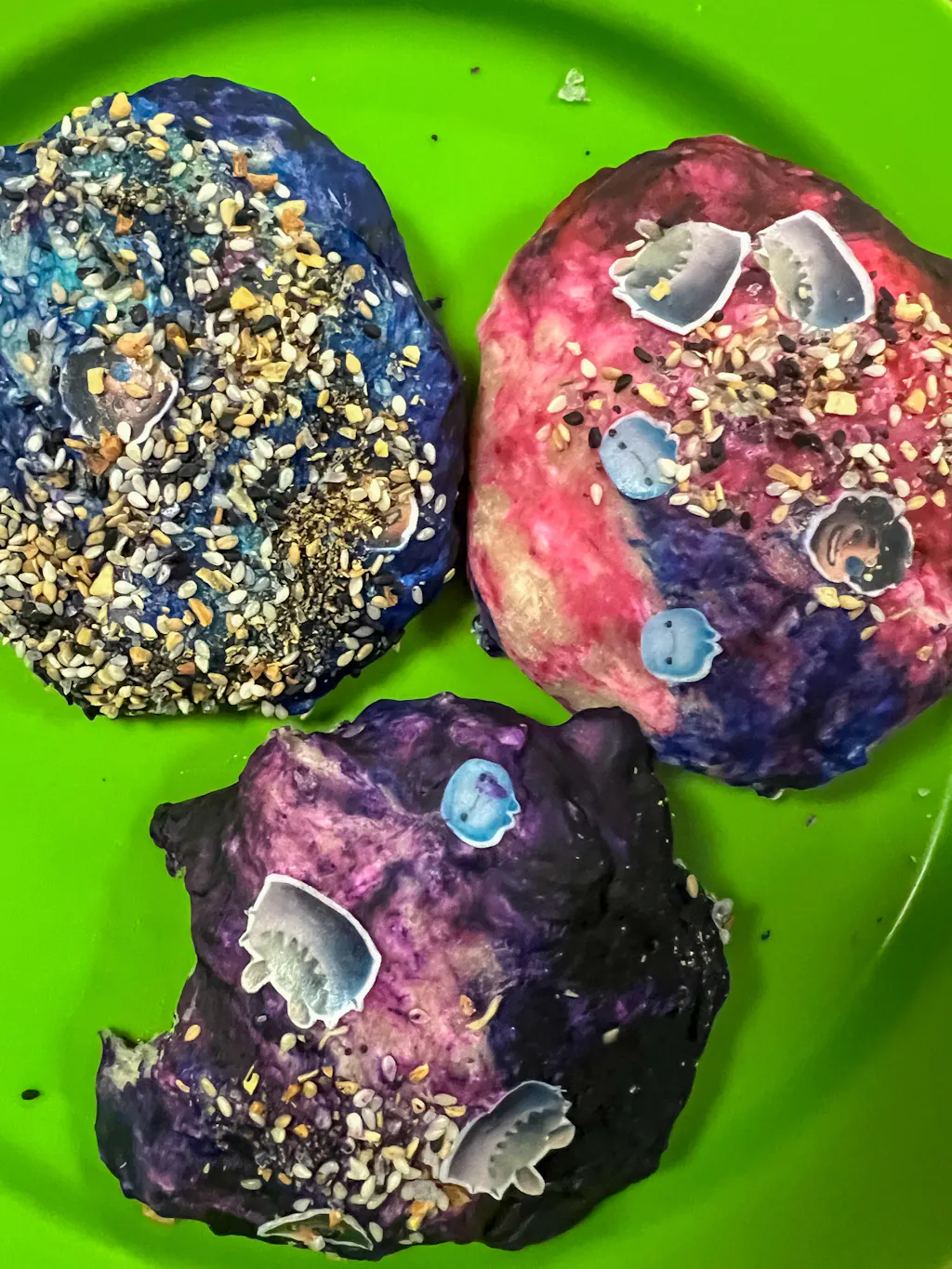
- Our Connection: This age group is perfect for more involved STEM cooking projects. Imagine a preschooler using their well-honed fork skills to sample their own creations! Our kits facilitate family bonding and provide a screen-free educational alternative, making learning a shared adventure. For example, exploring astronomy by creating your own edible solar system with our Galaxy Donut Kit can be a perfect blend of learning and delicious fun.
School-Aged Kids (6+ Years): Advanced Control and Lunchbox Needs
By this age, most school-aged children have excellent utensil control. Their preferences might lean towards forks that look more "grown-up" but are still practical for their needs, especially for packed lunches.
- Characteristics: They can typically handle smaller stainless steel forks that resemble adult flatware but are still proportioned for smaller hands and lunchboxes. Durability and ease of cleaning become even more important for daily school use.
- Foods: A full range of snack foods, including more complex textures.
- Our Connection: Even older kids love the surprise and challenge of our monthly kits! They can use their refined motor skills to engage with more complex recipes and STEM concepts, perhaps even helping younger siblings. A new adventure is delivered to your door every month with free shipping in the US when you Join The Chef's Club, perfect for ongoing educational fun for all ages.
Snack Time Reinvented: Creative Uses for Kids' Forks
The right forks for kids snacks can unlock a world of creative snack possibilities, making healthy eating more appealing and enjoyable. Here are some ideas to inspire your culinary adventures:
- Fruit Skewers and Cubes: Forget boring fruit bowls! Use small forks to spear colorful pieces of melon, grapes (halved for younger children), berries, and soft cheese cubes. These mini skewers are instantly more appealing and easier to eat.
- Veggie Bites: Offer steamed carrot sticks, cucumber slices, bell pepper strips, or cooked broccoli florets that can be easily picked up with a fork. A small dip (hummus, yogurt dip) on the side encourages engagement.
- Mini Sandwiches and Wraps: Cut sandwiches into small shapes (squares, triangles, stars) or make mini pinwheel wraps. A child's fork is perfect for picking up these bite-sized morsels.
- Pancake or Waffle Bites: Cut up pancakes or waffles into small, dippable pieces. Serve with a side of yogurt or fruit compote for a fun snack.
- Yogurt Parfaits with Soft Fruit: Layer yogurt with soft fruits like mashed berries or diced mango. A slightly scooped kid's fork can help them manage both the fruit and a bit of yogurt.
- Edible STEM Experiments: This is where the magic of I'm the Chef Too! truly shines! Imagine creating our Erupting Volcano Cakes Kit. As the "lava" bubbles, children can use their forks to gently explore the texture before tasting their delicious, scientific creation. Or perhaps they're working on our Galaxy Donut Kit, using their fork to carefully sample a planetary donut. These experiences blend discovery with the joy of eating, and the fork becomes an integral part of the scientific exploration.
By presenting snacks in fun, manageable ways, you encourage children to experiment with different foods and take ownership of their eating experience. These moments are not just about nutrition; they're about nurturing a positive relationship with food and fostering a love for learning, which is at the heart of everything we do at I'm the Chef Too!.
Beyond Forks: The Utensil Toolkit for Young Eaters
While our focus today is on forks for kids snacks, it's important to remember that a well-rounded utensil toolkit will support your child's overall self-feeding journey. Each type of utensil helps develop different motor skills and allows for a wider variety of foods.
- Spoons: Essential for scooping softer foods like yogurt, oatmeal, purees, and soups. Look for shallow bowls and ergonomic handles, similar to kids' forks. Using a spoon helps develop wrist rotation and the ability to gauge quantities.
- Safe Knives: As children get older (typically 3-4 years old with supervision), introducing a safe, child-friendly knife can be incredibly empowering. These knives often have serrated edges that are effective for cutting soft foods (like bananas, cooked potatoes, soft cheese, or even spreading butter) but are too dull to cut skin. This teaches valuable life skills and builds confidence.
- Chopsticks (Training): For school-aged children, "training chopsticks" (often connected at the top or with finger loops) can be a fantastic way to further refine fine motor skills and hand-eye coordination. They add an element of fun and cultural exploration to mealtime, perfect for picking up noodles, small veggie pieces, or even our Peppa Pig Muddy Puddle Cookie Pies!
Developing proficiency with a range of utensils not only enhances mealtime independence but also strengthens the fine motor skills crucial for so many aspects of a child's learning and play. This holistic development is something we champion at I'm the Chef Too!, where our "edutainment" experiences are designed to build a wide array of skills through engaging, screen-free activities.
Ready for a new adventure every month? Join The Chef's Club and enjoy free shipping on every box. Our flexible 3, 6, and 12-month pre-paid plans are perfect for gifting or long-term enrichment, ensuring a steady stream of fun, educational, and delicious experiences.
I'm the Chef Too! & The Joy of Culinary Exploration
At I'm the Chef Too!, our core philosophy centers on sparking curiosity and creativity in children by merging the exciting worlds of food, STEM, and the arts. We believe that learning is most impactful when it's tangible, hands-on, and, of course, delicious! Choosing the right forks for kids snacks is just one small piece of a much larger puzzle – the puzzle of fostering a love for learning and empowering children in the kitchen and beyond.
Our unique approach, developed by mothers and educators, takes complex subjects and makes them accessible and fun. When children engage with our kits, they're not just baking; they're experimenting with chemical reactions, exploring astronomical concepts, or even delving into paleontology. And in these moments of discovery, every tool, including their trusty fork, plays a role.
Consider the journey a child takes with one of our kits:
- Measuring Ingredients: This hones early math skills and precision, much like learning to accurately spear a piece of fruit.
- Mixing and Stirring: Develops gross and fine motor skills, building strength and coordination.
- Decorating Edible Creations: Unleashes creativity and provides an artistic outlet, while also refining fine motor control.
- The Best Part – Tasting!: This is where all their hard work culminates. Using a kid-friendly fork to enjoy their self-made treats reinforces their accomplishment and strengthens their positive association with food preparation and eating.
Our kits are more than just a box of ingredients; they are carefully curated "edutainment" experiences designed to facilitate family bonding, provide a screen-free alternative, and build a wide array of skills. We focus on the benefits of the process: fostering a love for learning, building confidence with every successful step, developing key motor and cognitive skills, and creating joyful family memories that last a lifetime.
We don't promise that your child will become a top scientist overnight, but we do guarantee an engaging, educational, and delicious adventure that nurtures their innate curiosity. Every kit is a complete experience, containing pre-measured dry ingredients and specialty supplies, making it convenient for busy families to dive into a new learning opportunity without the hassle of shopping for individual items.
Ready to embark on a delicious learning journey with your family? Browse our complete collection of one-time kits and find the perfect STEM cooking adventure to spark joy and curiosity in your child today!
Making the Choice: Tips for Parents and Educators
With all this information, how do you make the best choice for your child? Here are some practical tips to guide you:
- Observe Your Child's Readiness: There's no single "right age" for a child to use a fork. Watch for signs of readiness, such as showing interest in your utensils, attempting to pick up food with their fingers, or demonstrating good pincer grasp. Start with soft foods and blunted forks.
- Involve Them in the Selection: Let your child have a say in choosing their forks for kids snacks. If they pick a colorful fork or one with a favorite animal, they'll be more excited to use it. This fosters a sense of ownership and can make mealtime more appealing.
- Start Simple, Introduce Variety: Begin with one or two basic, well-designed forks. As your child's skills develop, you can introduce different materials (e.g., from silicone to plastic to stainless steel) or designs.
- Prioritize Safety and Comfort: Always ensure the forks are BPA-free, have blunt tines for younger children, and are comfortable for them to hold. A comfortable, safe fork reduces frustration and encourages positive eating habits.
- Think About Portability: If your child takes snacks to school or daycare, consider durable, easy-to-clean forks that fit well in lunchboxes. Small carrying cases can also be helpful.
- Lead by Example: Children are great imitators. Model proper utensil use and show enthusiasm for healthy eating.
- Embrace the Mess (Initially): Learning to use utensils involves some mess. Be patient, offer encouragement, and remember that every dropped pea is a step in their developmental journey.
- Supervise Always: Even with kid-friendly forks, adult supervision is always necessary, especially for younger children, to ensure safety and provide guidance.
Choosing the right forks for kids snacks is an investment in your child's development, independence, and positive relationship with food. It’s a small change that can lead to big rewards in their culinary journey. Just as our I'm the Chef Too! kits provide everything you need for a complete learning experience, ensuring your child has the right tools for self-feeding sets them up for success at every meal and snack time.
Conclusion
The journey of self-feeding is a significant milestone in a child's development, filled with opportunities for learning, growth, and joyful discovery. As we've explored, the humble fork plays a surprisingly powerful role in this process, transforming simple snack times into moments of skill-building, confidence-boosting, and fun. By carefully selecting the right forks for kids snacks – considering factors like size, material, safety, and engagement – parents and educators can empower children to become independent, enthusiastic eaters.
From strengthening fine motor skills and hand-eye coordination to fostering independence and promoting healthy eating habits, the benefits of thoughtfully chosen kid-friendly utensils are far-reaching. They reduce frustration, enhance safety, and most importantly, make eating a delightful experience. These small tools, just like the hands-on adventures in our kitchen, help lay the foundation for a lifelong love of learning and exploration.
At I'm the Chef Too!, our passion is to ignite this spark of curiosity through unique "edutainment" experiences that blend food, STEM, and the arts. We believe every child deserves the chance to discover, create, and taste the wonders of the world, whether they're mixing ingredients for a delicious science experiment or proudly spearing their favorite fruit with their very own special fork. Every kit we deliver is a testament to our commitment to making learning tangible, fun, and memorable, creating valuable family moments away from screens.
Ready to bring the magic of hands-on learning and delicious discovery into your home? Give the gift of learning that lasts all year, or simply delight your child with new adventures every month.
Join The Chef's Club today and let the culinary STEM adventures begin!
FAQ: Your Questions About Forks for Kids' Snacks Answered
Q1: What age should a child start using a fork?
A1: Most children can start experimenting with a fork around 12 to 18 months, often coinciding with their desire to self-feed. It's less about a specific age and more about observing readiness cues, such as good pincer grasp, an interest in feeding themselves with their fingers, or trying to grab your fork. Start with soft, easy-to-spear foods and very blunt, child-safe forks.
Q2: Is it better to use plastic or stainless steel forks for kids?
A2: Both have their benefits!
- Plastic (BPA-free) forks are great for younger toddlers because they are lightweight, colorful, gentle on gums, and often more affordable. They're also ideal for travel and picnics.
- Stainless steel forks are more durable, hygienic, and can give older children a sense of using "grown-up" utensils. They are long-lasting and don't stain. Many parents use a combination, starting with plastic or silicone and transitioning to stainless steel as their child gains more dexterity and control.
Q3: What features make a fork "kid-friendly" and safe?
A3: A kid-friendly fork should have:
- Appropriate Size: Shorter, thicker, ergonomic handles for easy gripping by small hands.
- Blunt Tines: Rounded or dull tips to prevent accidental pokes, especially for young children.
- Lightweight: Easy for children to lift and maneuver without fatigue.
- Durable Material: Able to withstand drops and frequent washing.
- BPA-Free (for plastic): Ensures no harmful chemicals leach into food.
- Dishwasher Safe: For easy cleanup for parents.
Q4: How can I encourage my child to use a fork?
A4:
- Lead by Example: Let them see you using a fork.
- Offer the Right Tools: Provide a fork that is comfortable, safe, and appealing (e.g., colorful or character-themed).
- Practice with Easy Foods: Start with foods that are simple to spear, like soft fruit chunks (banana, melon), cheese cubes, or cooked pasta.
- Make it Fun: Turn snack time into a playful activity. Consider using bento picks or creating "mini skewers."
- Be Patient: Learning takes time and practice. Expect some mess and offer plenty of encouragement without pressure.
- Involve Them: Let them choose their fork or help prepare the snack.
Q5: Can using the right forks help with picky eating?
A5: Yes, it can! Making meal and snack times more engaging and enjoyable can positively influence a child's willingness to try new foods. A fun, appropriately sized fork empowers children, giving them control and turning eating into an exciting activity rather than a chore. When children feel proud of their ability to feed themselves, they are often more open to exploring different tastes and textures. This aligns with our I'm the Chef Too! philosophy: when learning is fun and engaging, children naturally become more curious and adventurous.
Q6: Where can I find fun and educational cooking activities that complement self-feeding skills?
A6: Look no further than I'm the Chef Too! Our unique culinary STEM kits combine delicious recipes with exciting science and art themes, providing hands-on "edutainment" experiences for children. These activities not only foster creativity and a love for learning but also further develop fine motor skills, independence, and a positive relationship with food, all while creating lasting family memories. Join The Chef's Club to get a new adventure delivered monthly, or explore our one-time kits for instant fun!