Table of Contents
- Introduction
- Why Baking is the Ultimate Kitchen Classroom
- Setting Up Your Space for Success
- The One-Bowl Monster Cookie Adventure
- The Classic Soft Sugar Cookie: A Lesson in Geometry
- Flourless Peanut Butter Thumbprints: Exploration of Surface Area
- Zucchini Oatmeal "Power" Cookies: Botany and Nutrition
- Sensory Science: Why We Use Spices
- Adapting Tasks for Every Age Group
- Managing the Mess Without Losing Your Mind
- Troubleshooting Common Cookie Challenges
- Incorporating Art and Creativity
- The Connection to Nature and Wildlife
- Why Hands-On Learning Sticks
- Turning a Recipe into a Lesson Plan
- Conclusion
- FAQ
Introduction
The kitchen floor is covered in a fine dusting of flour, the toddler is trying to taste the baking soda, and you are wondering if that "simple" afternoon activity was a mistake. We have all been there. Baking with children can feel like a chaotic whirlwind, but it is also one of the most powerful ways to connect with your child while teaching them essential life skills. When we slow down and look at the process, a humble batch of cookies transforms into a laboratory of physics, chemistry, and mathematics.
At I'm the Chef Too!, we believe that the best way to learn is by doing—and preferably by doing something that results in a delicious treat. This guide will provide you with several easy cookie recipes to make with kids that are designed to minimize stress and maximize engagement. We will explore how to turn your kitchen into a classroom where fractions, chemical reactions, and artistic expression come to life through dough and sprinkles. By the end of this article, you will have a toolkit of recipes and strategies to make baking a joyful, educational staple in your home.
For more ideas that combine cooking, creativity, and learning, explore these kid-friendly baking recipes and STEM activities.
Why Baking is the Ultimate Kitchen Classroom
Baking is often called a science, and for good reason. Unlike cooking a savory stew where you can "eyeball" the salt or add an extra splash of broth, baking requires precision. This makes it the perfect vehicle for teaching STEM (Science, Technology, Engineering, and Math) concepts in a way that feels like play rather than a chore. When your child levels off a cup of flour, they are practicing physical science and measurement. When they watch a flat disc of dough puff up in the heat, they are witnessing a chemical reaction in real-time.
Fractions in Action: The Math of the Scoop
Mathematics is rarely more relevant to a child than when it involves dessert. Measuring out ingredients offers a tangible way to understand fractions. If a recipe calls for 3/4 cup of sugar but you only have a 1/4 cup measure, your child has to solve a real-world math problem. They see that three units of the smaller cup equal the larger amount.
For older children, you can take the learning further by asking them to double or halve a recipe. This requires them to multiply or divide fractions, a concept that often feels abstract in a textbook but becomes crystal clear when you need to know exactly how many sticks of butter to pull from the fridge.
Chemistry in the Oven: From Dough to Delight
The oven is essentially a thermal reactor. As the temperature rises, several fascinating scientific processes occur. First, the fats (like butter or coconut oil) melt, which causes the dough to spread. Then, the leavening agents—usually baking soda or baking powder—begin to release carbon dioxide gas. This gas gets trapped in the structure of the dough, creating the lift and fluffiness we love in a soft cookie.
Key Takeaway: Baking teaches kids that following a sequence of steps (the scientific method) leads to a predictable and rewarding outcome.
For another hands-on way to explore cooking chemistry, try these easy at-home kitchen experiments for kids.
Setting Up Your Space for Success
Before you preheat the oven, a little preparation goes a long way in keeping the experience positive. For parents and educators, the goal is to create an environment where the child feels capable and the adult feels calm.
- Pre-measure for the youngest bakers: If you are working with toddlers or preschoolers, having the ingredients already portioned out in small bowls allows them to focus on the "dump and stir" phase, which is excellent for their fine motor development.
- Use the "Big Bowl" rule: Always choose a mixing bowl that is at least twice as large as the recipe requires. This provides a "buffer zone" for enthusiastic stirring and helps keep the flour inside the bowl instead of on your countertops.
- Create a dedicated station: If possible, move the activity to a kitchen table where the child can easily reach the bowl without needing a precarious step stool. This increases safety and allows them to use their full body weight for tasks like kneading or rolling dough.
If your family wants a ready-to-go activity with ingredients and learning materials included, join The Chef's Club for a new STEM cooking adventure delivered every month.
The One-Bowl Monster Cookie Adventure
The Monster Cookie is a classic for a reason. It is forgiving, highly customizable, and can be packed with textures that make for a great sensory experience. This recipe focuses on "binding," which is a key concept in food science.
STEM Connection: Binding Agents and Emulsification
In this recipe, we use peanut butter (or a nut-free alternative) and eggs to hold everything together. Explain to your child that these ingredients act like "glue." Without them, the oats and chocolate chips would just be a pile of crumbs.
Ingredients:
- 1 cup peanut butter (or sunflower butter)
- 1/2 cup honey or maple syrup
- 1 large egg
- 2 cups rolled oats
- 1/2 cup chocolate chips or colorful candies
- Optional: 1/4 cup grated carrots (for a "stealthy" nutrition boost)
Step 1: The Emulsion Mix / Combine the peanut butter, sweetener, and egg in your large bowl. Stir until the mixture is smooth and shiny. This is a great time to show how two different textures—the thick butter and the liquid egg—become one uniform substance.
Step 2: Adding Texture / Pour in the oats and chocolate chips. If you are using grated carrots, fold them in now. Use a sturdy spatula or clean hands to mix until every oat is coated.
Step 3: Engineering the Shape / Scoop rounded tablespoons onto a baking sheet. Ask your child to flatten them slightly. Explain that because these don't have flour, they won't spread as much as traditional cookies, so we have to "engineer" their final shape before they go in the oven.
Step 4: The Heat Cycle / Bake at 350°F for 10-12 minutes. Let them cool completely on the pan to allow the "glue" to set.
The Classic Soft Sugar Cookie: A Lesson in Geometry
Sugar cookies are the ultimate canvas for the arts part of STEAM. They teach patience (because the dough often needs to chill) and geometry through the use of cookie cutters.
STEM Connection: Physical States and Temperature
When making sugar cookies, we often talk about "softened" butter. This is a perfect opportunity to discuss the states of matter. Butter is a solid, but as it warms, it becomes more pliable. If it melts completely, it becomes a liquid. The state of the butter changes the final texture of the cookie.
Ingredients:
- 1/2 cup softened unsalted butter
- 3/4 cup granulated sugar
- 1 egg
- 1 teaspoon vanilla extract
- 2 cups all-purpose flour
- 1/2 teaspoon baking powder
Step 1: Creaming the Sugars / Have your child help beat the butter and sugar together. They can watch the color change from yellow to a pale, fluffy cream. This process incorporates air, which helps the cookies stay light.
Step 2: The Flour Fold / Gradually add the flour and baking powder. This is where the dough becomes thick and heavy. Let the kids feel the weight of the dough as it forms.
Step 3: The Big Chill / Wrap the dough and put it in the fridge for 30 minutes. Ask your child to predict what will happen to the dough. Will it stay soft? Will it get hard? This is a mini-lesson in how cold temperatures affect fats.
Step 4: Geometry with Cutters / Roll the dough out on a floured surface. Use various shapes—circles, stars, hearts. Talk about the names of the shapes and how many sides they have.
Step 5: The Bake / Bake at 375°F for 7-9 minutes. They should be pale, not brown, to keep them soft.
Quick Answer: The easiest cookie for kids is a "one-bowl" recipe that doesn't require a hand mixer or chilling. Recipes like Monster Cookies or Flourless Peanut Butter cookies allow children to be involved in every step without the complexity of traditional pastry techniques.
For additional ideas, browse these easy cookie recipes for kids.
Flourless Peanut Butter Thumbprints: Exploration of Surface Area
This recipe is perfect for educators or parents looking for a gluten-free option that uses only a few pantry staples. It also introduces the concept of "surface area" and "volume" through the creation of the "thumbprint" indentation.
STEM Connection: Volume and Displacement
When your child presses their thumb into the center of the dough ball, they are displacing the dough to create a crater. This crater increases the surface area of the cookie that can hold delicious fillings like jam or chocolate.
Ingredients:
- 1 cup creamy peanut butter
- 1/2 cup sugar
- 1 large egg
- 1/2 teaspoon vanilla extract
- Fruit jam or a chocolate kiss for the center
Step 1: Integration / Stir the peanut butter, sugar, egg, and vanilla in one bowl. The sugar will dissolve slightly into the moisture of the egg and peanut butter, creating a grainy but cohesive dough.
Step 2: Ball Rolling / Have the kids roll the dough into 1-inch balls. This is excellent for developing the small muscles in their hands (fine motor skills).
Step 3: The Thumbprint / Place the balls on a tray and let the children use their thumbs to press a well into the center. Talk about how the dough moves outward when they press downward.
Step 4: The Final Touch / Bake at 350°F for 10 minutes. Immediately after removing from the oven, add the jam or chocolate to the center. The residual heat will soften the chocolate or set the jam.
Zucchini Oatmeal "Power" Cookies: Botany and Nutrition
Many parents look for easy cookie recipes to make with kids that incorporate a bit of nutrition. Using zucchini or carrots introduces children to the idea that vegetables can be versatile. It’s also a great way to talk about how plants store water.
STEM Connection: Plant Biology and Evaporation
Zucchini is mostly water. When you grate it and add it to a cookie, that water evaporates in the oven's heat, creating steam. This steam helps the cookie stay moist and provides a tiny bit of lift.
Ingredients:
- 1 cup grated zucchini (squeezed of excess moisture)
- 1/2 cup melted coconut oil or butter
- 1/2 cup brown sugar
- 1 egg
- 1 1/2 cups oats
- 1 cup whole wheat flour
- 1 teaspoon cinnamon
- 1/2 cup chocolate chips
Step 1: The Grating Phase / Under close supervision, older children can help grate the zucchini. Discuss the structure of the vegetable—the skin, the flesh, and the seeds.
Step 2: The Squeeze / Put the grated zucchini in a clean kitchen towel and let the kids squeeze out the water. This physical demonstration shows just how much liquid is hidden inside a solid-looking vegetable.
Step 3: Mixing and Folding / Mix the wet ingredients first, then stir in the dry. The cinnamon provides a wonderful olfactory (scent) lesson—ask them what the smell reminds them of.
Step 4: Baking / Drop by spoonfuls onto a tray. Bake at 350°F for 12-15 minutes. These cookies are more like "portable cake" and make for a great educational snack.
If you are looking for more wholesome ideas, explore these healthy cookie recipes for kids.
Sensory Science: Why We Use Spices
Baking isn't just about how things look and taste; it’s about how they smell. Ginger cookies or snickerdoodles are perfect for exploring the sense of smell. At I'm the Chef Too!, we often use these sensory cues to help children build stronger memories of their learning adventures.
When you make a chewy ginger cookie, you are using "warm" spices. Ask your child to smell the ginger, the cinnamon, and the molasses. Each one has a distinct chemical compound that our noses identify.
- Ginger: Contains gingerol, which gives it a spicy "kick."
- Molasses: A byproduct of sugar refining, it adds a deep, earthy scent and moisture.
- Cinnamon: Contains cinnamaldehyde, which is one of the most recognizable scents in the world.
By identifying these smells, children are practicing observation—the first step of the scientific method. They are learning to categorize information based on sensory input.
Adapting Tasks for Every Age Group
To keep cookie baking "easy," you need to match the task to the child's developmental stage. This prevents frustration and keeps the "edutainment" value high.
Toddlers (Ages 2-4)
At this age, the focus is on sensory exploration and basic motor skills.
- Dumping: Let them pour the pre-measured dry ingredients into the bowl.
- Stirring: Use a heavy bowl that won't slide around.
- Topping: Letting them add the final sprinkles or chocolate chips.
- Observation: Ask simple questions: "Is the dough sticky or smooth?" "What color is the flour?"
Preschoolers and Kindergarteners (Ages 5-6)
Kids in this age bracket are starting to understand symbols and numbers.
- Counting: Have them count the number of scoops or the number of cookies on the tray.
- Sifting: This is a great tactile activity that teaches them about texture and air.
- Shaping: Rolling dough into balls or using simple cookie cutters.
- Safety: They can start to learn about "hot" and "cold" zones in the kitchen.
Elementary Age (Ages 7-10)
This is the "sweet spot" for STEM integration.
- Measuring: Teach them to use a flat edge to level off a measuring cup.
- Reading: Let them read the recipe steps out loud. This builds literacy and the ability to follow a sequence.
- Timing: Put them in charge of the kitchen timer. This helps with "elapsed time" math problems.
- Whisking and Cracking: They can start learning to crack eggs (into a separate small bowl first!) and whisking vigorously to incorporate air.
For more ways to turn kitchen time into learning time, read about delicious STEM projects in the kitchen.
Managing the Mess Without Losing Your Mind
If the thought of flour on the floor keeps you from baking, try these "managed mess" strategies.
- The Sheet Pan Trick: Perform all "messy" tasks—like filling measuring cups or decorating with sprinkles—inside a large, rimmed baking sheet. The edges of the pan will catch the overflow, making cleanup as easy as rinsing the tray.
- The "Cleaning Break": Build cleaning into the recipe. While the cookies are in the fridge chilling or in the oven baking, that is the designated time for "The Great Kitchen Reset." Making cleanup part of the process teaches children that taking care of their tools is part of being a chef.
- Aprons and Tools: Give them their own apron and perhaps a set of smaller, kid-sized whisks or spatulas. This gives them a sense of ownership and reminds them that they are in "work mode."
Bottom line: Preparation is the antidote to kitchen chaos; by pre-measuring and using large containers, you can focus on the bonding and learning rather than the cleanup.
Families and educators who want more structured, hands-on activities can explore school and group programmes designed to bring cooking STEM into shared learning environments.
Troubleshooting Common Cookie Challenges
Even the best easy cookie recipes to make with kids can sometimes go awry. Use these moments as "Scientific Redirects" rather than failures.
- The dough is too crumbly: This usually means there isn't enough moisture. Add a teaspoon of milk or water. Explain that we are "rehydrating" the dough.
- The cookies are flat and greasy: The butter might have been too soft, or the oven wasn't hot enough. This is a lesson in thermodynamics—the butter melted before the structure of the cookie could "set."
- The cookies are hard as rocks: They might have been overbaked, or there was too much flour. Next time, try the "spoon and level" method for measuring flour instead of scooping directly with the cup, which packs the flour down.
Incorporating Art and Creativity
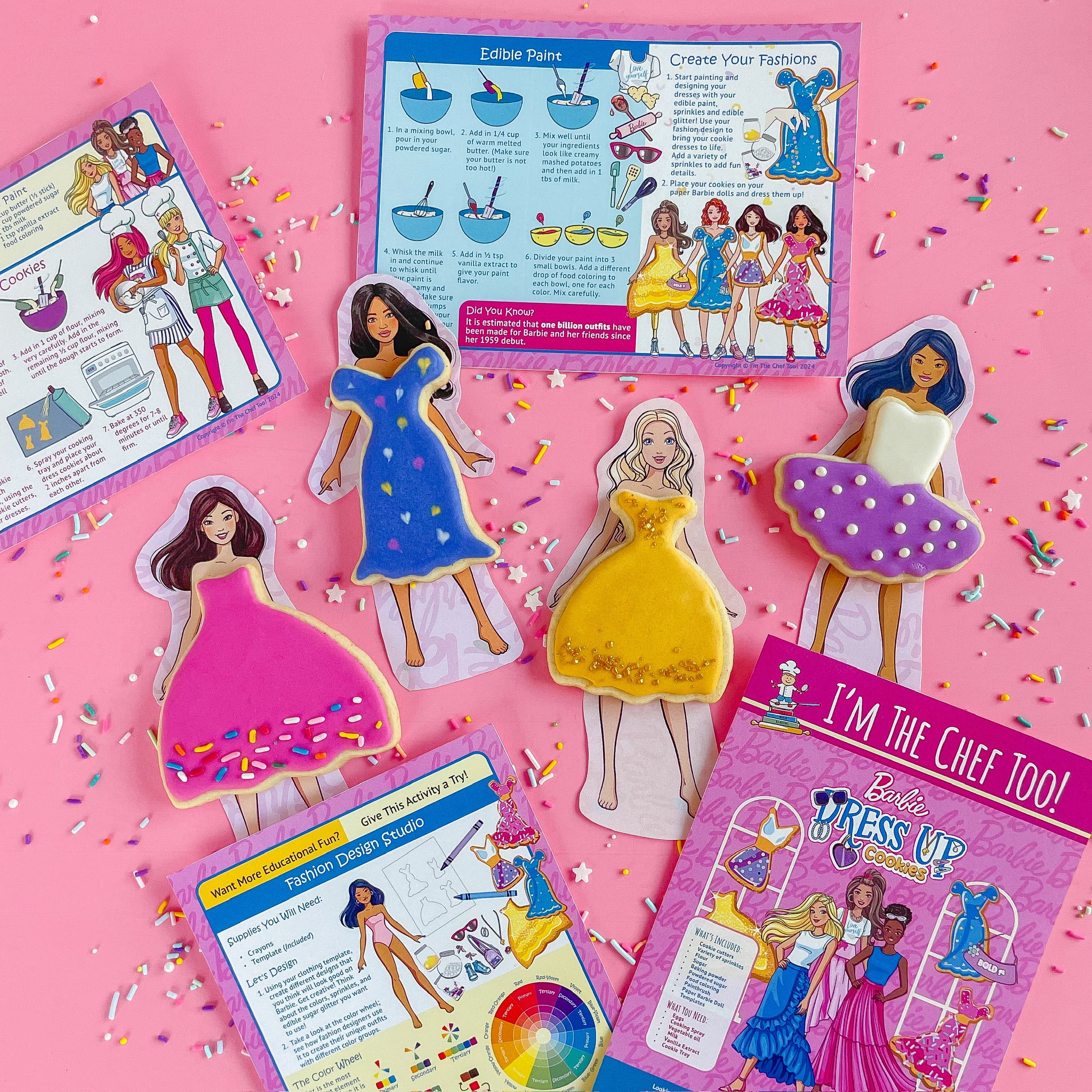
Once the cookies are baked and cooled, the "Art" part of STEM begins. Decorating is where children can express their individuality. Whether it’s painting on a simple glaze with a food-safe brush or creating intricate patterns with colored icing, this phase encourages fine motor control and color theory.
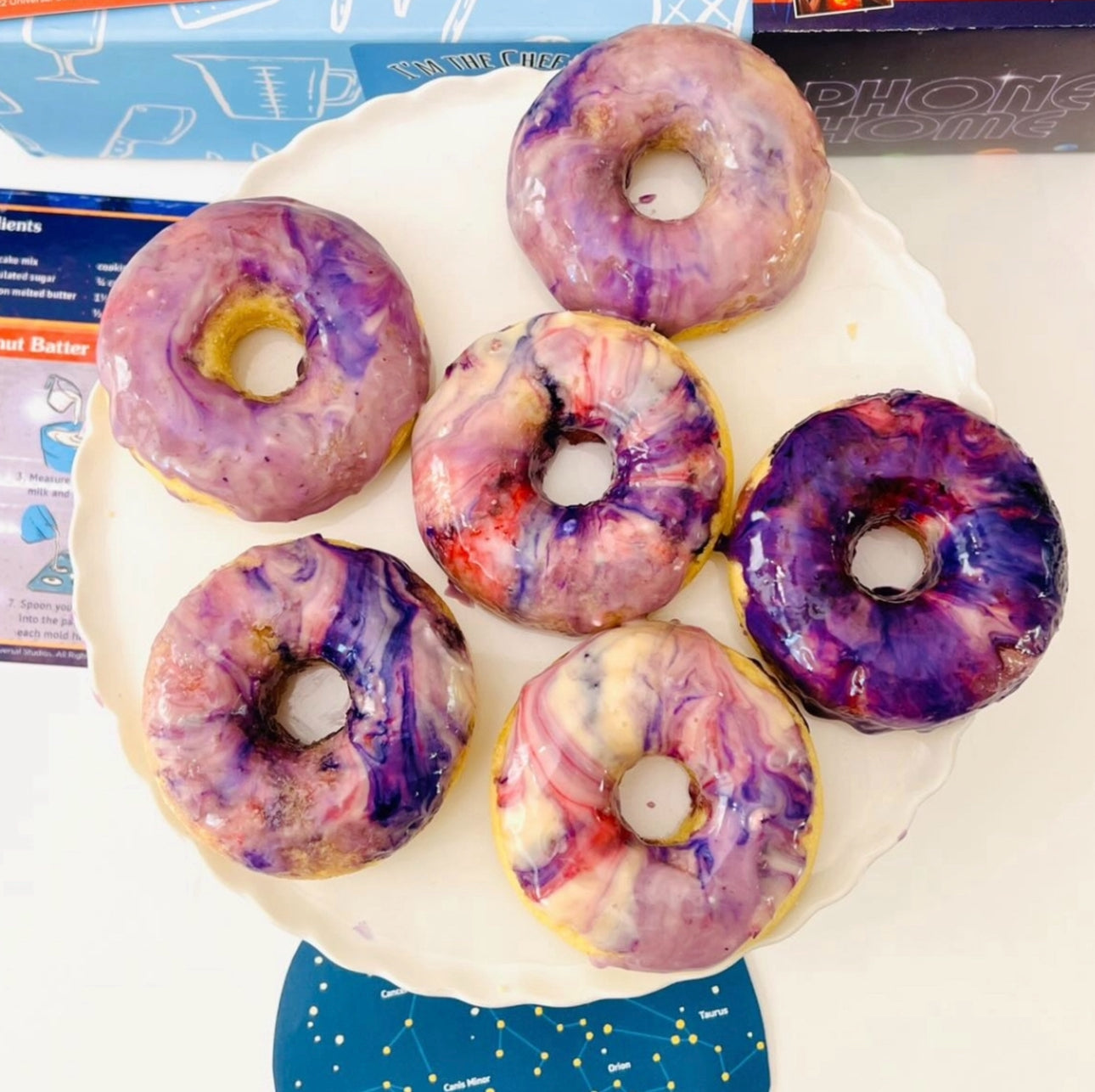
If you are looking for a way to combine space science with art, consider something like our Galaxy Donut Kit. While it’s not a cookie, it uses the same principles of "edutainment" to teach children about the stars and planets through the medium of colorful, "galaxy" glazes. You can apply this same idea to cookies by swirling different colors of icing together to create "nebula" cookies.
For more hands-on ideas that combine baking and creativity, browse our one-time adventure kits.
The Connection to Nature and Wildlife
Baking can also be a springboard for learning about the natural world. If you are making cookies shaped like animals, use that time to discuss habitats and biology. For example, our Wild Turtle Whoopie Pies adventure takes the concept of a cookie-sandwich and turns it into a lesson about marine life. When you make easy cookie recipes to make with kids at home, you can do the same. If you are using a turtle-shaped cutter, talk about why turtles have shells (engineering for protection) and where they live.
Why Hands-On Learning Sticks
Research in educational psychology suggests that children retain information much better when it is tied to a physical activity and a positive emotional experience. This is the heart of why we do what we do. When a child learns about the chemical reaction of baking soda while smelling fresh cookies, that knowledge is "encoded" with a happy memory.
This is also why screen-free activities are so vital. In a world of passive entertainment, baking requires active participation. It requires the child to use their hands, their nose, their eyes, and eventually, their sense of taste. This multi-sensory approach builds "sticky" knowledge that stays with them long after the kitchen is clean.
If you want to keep that hands-on momentum going, subscribe to The Chef's Club for another cooking STEM adventure.
Turning a Recipe into a Lesson Plan
For homeschoolers and educators, a simple cookie recipe can be the basis for an entire afternoon of curriculum-aligned learning.
- Language Arts: Have the child write their own "Review" of the cookie or create a "Marketing Poster" to sell their treats to the family.
- History: Research where chocolate or cinnamon comes from. This leads to lessons on global trade and geography.
- Social-Emotional Learning: Baking for others is a lesson in empathy and kindness. Packaging up a few cookies for a neighbor or a teacher teaches children the joy of giving.
Conclusion
Baking with your children is about so much more than just the final treat. It is about the "aha!" moment when they realize that two half-cups make a whole. It is about the confidence they gain when they successfully crack an egg or roll out a piece of dough. By choosing easy cookie recipes to make with kids, you lower the barrier to entry and make these precious learning moments possible.
At I'm the Chef Too!, our mission is to blend food, STEM, and the arts into unforgettable adventures that spark curiosity. We want every family to feel that they can turn their kitchen into a space of wonder and discovery. Whether you are mixing up a simple bowl of Monster Cookies or embarking on a monthly journey with our Chef's Club subscription, the goal remains the same: to create joyful memories while building a foundation for lifelong learning.
Grab your bowls, gather your young scientists, and start your next kitchen adventure today.
FAQ
What is the best age to start baking with kids?
Children can start helping in the kitchen as soon as they can stand steadily on a stool or sit at the table, usually around age two. At this stage, they can help with simple tasks like pouring pre-measured ingredients or "painting" cookies with a glaze, which helps develop their fine motor skills and sensory awareness.
How do I make cookies if my child has a gluten or dairy allergy?
Many easy cookie recipes can be adapted by using a one-to-one gluten-free flour blend or substituting butter with coconut oil or vegan butter. For example, flourless peanut butter cookies are naturally gluten-free, while recipes using oats can be made gluten-free by ensuring the oats are certified GF. Always check labels for hidden allergens during your kitchen STEM lessons.
How can I make cookie baking more educational for my elementary student?
Turn the kitchen into a lab by asking "What if?" questions, such as "What happens if we leave out the baking powder?" or "Why does the dough get harder in the fridge?" You can also have them practice math by doubling the recipe or using a scale to measure ingredients in grams, which introduces them to the metric system and the concept of mass vs. volume.
How long do homemade cookies stay fresh?
Most homemade cookies will stay fresh in an airtight container at room temperature for 3 to 5 days. For longer storage, you can freeze the baked cookies for up to three months; this is a great way to talk about the science of preservation and how freezing slows down the movement of molecules to prevent spoilage.