Table of Contents
- Introduction
- The World of Food Allergies: What Every Parent Needs to Know
- Essential Strategies for Allergy-Safe Snacking
- Naturally Safe & Delicious: Embracing Whole Foods
- Savory & Satisfying: Packaged and Prepared Allergen-Friendly Snacks
- Sweet Sensations: Allergy-Friendly Desserts and Baked Goods
- Making Learning Delicious: I'm the Chef Too!'s Philosophy
- Stocking Your Allergy-Friendly Pantry
- Empowering Through Knowledge and Creativity
- Conclusion
- FAQ: Your Allergy-Friendly Snack Questions Answered
Introduction
Imagine the sheer delight on a child's face when they bite into a delicious snack, carefree and joyful. Now, imagine that joy tinged with worry for a parent, constantly scanning ingredient labels, asking questions, and planning ahead to ensure that simple snack is also safe. This is the reality for countless families today. With statistics showing that approximately 1 in 13 children experience food allergies – often meaning two children per classroom – navigating the world of children's snacks has become far more complex than just choosing a favorite flavor. It's a journey filled with diligence, creativity, and the unwavering desire to protect our little ones while still letting them experience the simple pleasure of a tasty treat.
The good news? It doesn't have to be overwhelming. This comprehensive guide is crafted to empower parents, caregivers, and educators with the knowledge and practical strategies needed to confidently select and prepare allergy-friendly snacks. We'll delve into understanding common allergens, practical tips for navigating various environments, and a treasure trove of delicious, safe snack ideas, both homemade and pre-packaged. Our goal is to transform snack time from a source of anxiety into an opportunity for exploration, learning, and pure, unadulterated enjoyment for every child. We believe that with the right approach, every child can enjoy nourishing, exciting, and safe snacks, fostering a love for food and discovery from an early age.
The World of Food Allergies: What Every Parent Needs to Know
Understanding food allergies is the first crucial step in creating a safe snacking environment for children. A food allergy is an immune system reaction that occurs shortly after eating a certain food. Even a tiny amount of the allergy-causing food can trigger signs and symptoms such as digestive problems, hives, or swollen airways. In some people, a food allergy can cause severe symptoms or even a life-threatening reaction known as anaphylaxis.
While a child can technically be allergic to any food, the vast majority of food allergies are attributed to a group commonly known as the "Big Nine" allergens. These include:
- Milk: Found in dairy products like yogurt, cheese, butter, and many baked goods.
- Eggs: Present in baked goods, mayonnaise, and many processed foods.
- Peanuts: A common allergen, often found in snack bars, candies, and various cuisines.
- Tree Nuts: This category includes almonds, walnuts, cashews, pistachios, pecans, hazelnuts, and Brazil nuts, often found in baked goods, granolas, and spreads.
- Soy: Common in tofu, edamame, soy sauce, and a filler in many processed foods.
- Wheat: A prevalent grain in bread, pasta, cereals, and many processed snacks.
- Fish: Various types of finned fish can trigger allergies.
- Shellfish: Includes crustaceans like shrimp, crab, and lobster, and mollusks like clams, mussels, and oysters.
- Sesame: Though more recently added to the official list, sesame is increasingly recognized as a significant allergen found in tahini, hummus, bread products, and Asian cuisine.
The rising prevalence of these allergies means that vigilance is no longer just for families with an allergic child; it's a community responsibility. Schools, daycares, and even playdates require careful consideration to prevent accidental exposure and ensure the safety of all children. High-contact areas like cafeterias, shared tables, and even art or science projects involving food-based ingredients can present risks for cross-contamination. It's also important to differentiate between allergens that might be airborne (though truly airborne food allergens are rare and specific, like certain fish proteins in steam) and those that present a risk through skin contact or ingestion of trace amounts. The rule of thumb: assume any contact can pose a risk if not properly managed.
Open communication with your child's school, teachers, and other parents is paramount. Requesting a list of classroom allergies and understanding the school's specific allergy policies will provide invaluable peace of mind and guide your snack choices. Being proactive and informed allows you to contribute to a safer environment for your child and their peers.
Essential Strategies for Allergy-Safe Snacking
Successfully navigating allergy-friendly snacking requires more than just knowing what to avoid; it demands a proactive and strategic approach. By adopting these key practices, parents can significantly reduce risks and increase confidence in their snack choices.
The Art of Label Reading: Your First Line of Defense
This is arguably the most critical skill for any parent dealing with food allergies. Prepared foods often contain hidden ingredients that aren't immediately obvious. Always check the ingredient list meticulously. Look for:
- "Contains" statements: These clearly indicate the presence of major allergens.
- "May contain" or "processed in a facility with" warnings: While these are advisory and not regulated by the FDA, they signal a risk of cross-contamination. Families must decide their comfort level with these warnings.
- Ingredient derivations: Sometimes an allergen might be listed by a less common name (e.g., casein for milk, albumen for egg). If you're unsure, research or contact the manufacturer.
It's also essential to re-read labels regularly, even for trusted products. Manufacturers can change ingredients or processing facilities without much notice, potentially introducing new allergens.
Communication and Advocacy: Being Your Child's Champion
Never hesitate to ask questions. Whether it's the teacher, a party host, or a restaurant server, clear communication is vital.
- School and Daycare: Share your child's allergy action plan, provide safe snacks, and discuss emergency protocols. Ask about food-related activities in advance.
- Playdates and Parties: Inform the host about your child's allergies well before the event. Offer to bring a safe snack for your child (and perhaps extra to share if appropriate and safe for others).
- Public Settings: When dining out or attending events, always inform staff about allergies. Carry allergy cards translated into different languages if traveling.
Homemade vs. Packaged: Controlling Your Ingredients
While convenience is tempting, making snacks at home gives you unparalleled control over every single ingredient. This eliminates concerns about hidden allergens and cross-contamination in manufacturing facilities. When you cook, you know exactly what goes into your child's food, building confidence and peace of mind.
For those seeking regular, exciting, and educational ways to engage children in the kitchen, fostering this crucial understanding while creating delicious, safe treats, The Chef's Club delivers new themed STEM cooking adventures right to your door every month. It’s a convenient way to build culinary confidence and ingredient awareness, empowering children to understand what they eat firsthand.
When opting for pre-packaged snacks, always stick to brands you trust, which are transparent about their allergen policies and manufacturing processes. Specialist allergy-friendly brands often have dedicated facilities and rigorous testing protocols, making them a safer choice.
Preventing Cross-Contamination at Home
Even in your own kitchen, vigilance is key:
- Separate Utensils and Cutting Boards: If you regularly prepare foods with and without allergens, designate specific utensils, cutting boards, and even sponges.
- Clean Surfaces Thoroughly: Wipe down counters, tables, and high-chair trays with soap and water after preparing food.
- Handwashing: Ensure everyone washes their hands before handling food, especially if they’ve been in contact with allergens.
- Dedicated Space: Consider creating a dedicated shelf or bin in the pantry and fridge for your child’s allergy-friendly snacks to minimize confusion.
By implementing these strategies, you create a robust framework for allergy-safe snacking that protects your child and allows them to enjoy their food without constant worry.
Naturally Safe & Delicious: Embracing Whole Foods
When it comes to allergy-friendly snacking, nature truly provides some of the best and safest options. Whole, unprocessed foods are inherently free from the "Big Nine" allergens (unless your child has a rare allergy to a specific fruit or vegetable, which is less common). They are packed with essential nutrients, fiber, and vitamins, making them a win-win for health and safety.
The Vibrant World of Fruits
Fruits are a go-to for their natural sweetness, variety, and ease of preparation.
- Apples and Bananas: These classics are always a hit. Slice apples and pair them with a sunflower or pumpkin seed butter for a protein boost (remember to check seed butter labels for cross-contamination warnings, and ensure school policies allow seed butters). Bananas are perfect on their own, or sliced and frozen for a refreshing treat.
- Berries Galore: Strawberries, blueberries, raspberries, and blackberries are bursting with antioxidants. Serve them fresh, or freeze grapes and berries for a cool, chewy snack that kids adore.
- Citrus Delights: Clementines and oranges are easy to peel and provide a fantastic vitamin C boost.
- Melon Magic: Watermelon, cantaloupe, and honeydew are hydrating and delicious, especially on warmer days. Use small cookie cutters to create fun shapes like stars, hearts, or mini animals from melon slices, turning a simple snack into an engaging experience.
- Dried Fruits: Raisins, dried apricots, mango slices, and fruit leather can be excellent portable options. Always read labels carefully to ensure no added sugars, sulfites, or unexpected allergens (like trace nuts from shared processing lines).
The Wonderful World of Vegetables
While sometimes a harder sell, presentation can make all the difference in getting kids excited about veggies.
- Crunchy Classics: Carrot sticks, cucumber slices, bell pepper strips (various colors!), and celery sticks are fantastic for dipping.
- Cherry Tomatoes and Broccoli Florets: These bite-sized options are easy for little hands.
- Dips with a Difference: Avoid traditional hummus if tahini (sesame) is an allergen; instead, opt for tahini-free homemade hummus, or a dairy-free ranch dip made with alternative milks and herbs. Guacamole or salsa also make great, naturally allergy-friendly dips.
- Veggie Skewers: Thread cherry tomatoes, cucumber chunks, mini bell peppers, and blanched broccoli florets onto small skewers. Kids love food on a stick, and it makes eating vegetables an adventure.
- Freeze-Dried Veggies: Often found in the snack aisle, these offer a crispy texture and intense flavor, making vegetables more appealing for some children. Again, check labels for any added ingredients.
Transforming these whole foods into exciting snacks is part of the fun. At I'm the Chef Too!, we believe in making food an adventure. Even simple tasks like washing fruits and arranging them on a plate become lessons in preparation and healthy eating. This hands-on involvement not only makes snacks more appealing but also helps children understand where their food comes from, building a foundation for making informed dietary choices as they grow.
Savory & Satisfying: Packaged and Prepared Allergen-Friendly Snacks
While whole foods are a fantastic foundation, the reality of busy family life often calls for convenient, pre-packaged options. The good news is that the market for allergy-friendly snacks has expanded significantly, offering numerous safe and delicious choices. However, the golden rule of label reading remains paramount.
Popcorn Perfection
Popcorn is a classic, naturally gluten-free grain that can be a fantastic allergy-friendly snack.
- Homemade is Best: Air-popped popcorn seasoned simply with a pinch of salt is the safest bet, as you control every ingredient.
- Creative Flavorings: For a "cheesy" flavor, try nutritional yeast. A dash of cinnamon and a tiny bit of maple syrup can create a sweet version. Garlic powder or other non-salt spices can add savory depth.
- Pre-Packaged Popcorn: Many brands offer plain or sea salt popcorn that is free from the Big Nine allergens. Always double-check the ingredient list for butter, dairy powders, or other potential allergens. SkinnyPop and Boomchickapop (sea salt varieties) are often cited as safe options, but remember to verify.
Versatile Rice Cakes
Rice cakes are a light, crispy, and wheat-free carbohydrate base that can be customized endlessly.
- Plain or Lightly Salted: These are the safest options.
- Toppings Galore: Spread with sunflower seed butter or pumpkin seed butter (ensure these are made in allergen-controlled facilities). Add slices of banana or apple for a mini "sandwich." Fruit-only jams or preserves also work well, offering a sweet kick.
- Flavor Varieties: Some brands offer flavored rice cakes; always scrutinize these labels for added sugars, dairy, or soy.
Chips and Crisps: Proceed with Caution
While many potato chips are tempting, not all are created equal in the allergy-friendly world.
- Classic Potato Chips: Plain, salted potato chips (like Lay's Classic) are often surprisingly free of major allergens, but always check the label for oils, seasonings, or cross-contamination warnings.
- Vegetable Chips and Kale Chips: These can be great alternatives. However, some brands might contain hidden allergens like cashews (in some kale chips) or cheese powders. Careful label reading is essential.
- Hippeas Puffs: Many varieties are known for being allergy-friendly, offering a cheesy-like flavor without dairy.
Pretzel Power and Jerky Goodness
- Pretzels: Standard pretzels are often free of nuts and dairy, but always verify wheat content if gluten is an allergen. Gluten-free pretzel options are widely available.
- Jerky: Beef or turkey jerky can be a good protein-packed snack. However, many brands use soy sauce (soy), gluten-containing marinades, or other flavorings that might contain allergens. Look for brands specifically marketed as allergy-friendly or those with very simple ingredient lists.
Seed Butters and Allergen-Friendly Spreads
Sunflower seed butter and pumpkin seed butter have become invaluable alternatives to peanut and tree nut butters. Look for brands that are committed to allergen-free production, often processed in dedicated facilities to minimize cross-contamination risk. These are fantastic on rice cakes, celery sticks, or as a dip for fruit.
Looking for a single themed adventure to kickstart your child's journey into understanding ingredients and making delicious treats, perhaps with an allergy-friendly twist? Explore our full library of adventure kits available for a single purchase in our shop and find the perfect culinary creation. Many of our kits can be adapted with careful ingredient substitutions to meet specific dietary needs, making learning and snacking safe and fun.
Sweet Sensations: Allergy-Friendly Desserts and Baked Goods
Every child deserves a sweet treat, and having food allergies shouldn't mean missing out on delicious indulgences. While often requiring a bit more creativity and ingredient swaps, many beloved desserts and baked goods can be made completely allergy-friendly.
Homemade Treats: The Ultimate Control
Baking at home provides the most control over ingredients, allowing you to tailor recipes to your child's specific allergies.
-
Cookies and Muffins: Experiment with alternative flours like gluten-free 1:1 baking blends, almond flour (if tree nuts aren't an issue), oat flour, or rice flour. For egg allergies, applesauce, mashed banana, flax "eggs" (1 tbsp ground flaxseed mixed with 3 tbsp water), or commercial egg replacers work wonderfully. For dairy, use plant-based milks (almond, oat, soy, rice – again, depending on allergies), dairy-free yogurts, or dairy-free butter alternatives.
- Example: Imagine making "Double Chocolate Breakfast Cookies" using a gluten-free flour blend and applesauce instead of eggs. The joy of creating and eating something safe and delicious is immeasurable.
- Brownies and Bars: Rich dark chocolate (ensure it's dairy-free, checking ingredients carefully) can be the base for delightful, allergy-friendly brownies. Sweet potato or black bean purees can add moisture and nutrients while replacing eggs or fats.
- Fruit Purees and Frozen Pops: Applesauce (unsweetened, single-serve cups are great for on-the-go), fruit purees made from berries or mango, and homemade fruit popsicles are naturally sweet and refreshing. Blend fruit until smooth, pour into popsicle molds, and freeze for a simple, dairy-free, and refreshing dessert. Lemon-apricot fruit pops or mixed berry pops are fantastic options.
- Chia Seed Pudding: A simple blend of chia seeds, a plant-based milk, and a touch of maple syrup or fruit creates a creamy, nutritious, and allergen-friendly pudding. Top with fresh berries or a sprinkle of safe granola.
- Fig Bars: Many fig bar brands are naturally free from eggs and dairy, making them a popular choice for a sweet, portable snack. Always check the label.
Store-Bought Sweet Options: Careful Selections
The market for allergy-friendly packaged sweets is growing. Look for:
- Allergy-Friendly Cookies and Baked Goods: Several brands specialize in cookies and snack cakes free from multiple common allergens. Always check their specific allergen statements.
- Dairy-Free Dark Chocolate: Ensure it's certified dairy-free, as cross-contamination can be an issue.
- YumEarth Allergy-Friendly Fruit Snacks: These are often a safe bet for fruit-flavored gummies.
- Allergy-Friendly Candy: For special occasions, many companies offer candies free from the Big Nine. Research trusted brands and read labels meticulously.
At I'm the Chef Too!, our mission is to blend food, STEM, and the arts into one-of-a-kind "edutainment" experiences. This approach empowers children to not only enjoy delicious treats but also understand the science behind them, making them more confident in identifying safe ingredients for their specific needs. Imagine a child learning about chemical reactions as they create a stunning, allergy-friendly dessert, similar to the awe-inspiring fizz in our Erupting Volcano Cakes Kit (with appropriate ingredient substitutions for your family's needs). By understanding how ingredients work, children become empowered to make informed choices.
Imagine the joy and learning that comes with making delicious, safe snacks together every month. Join The Chef's Club and embark on a continuous journey of culinary discovery, delivered right to your home with free shipping in the US. Each box is a complete experience, containing pre-measured dry ingredients and specialty supplies, ready for you to adapt and enjoy.
Making Learning Delicious: I'm the Chef Too!'s Philosophy
At I'm the Chef Too!, we wholeheartedly believe that the kitchen is one of the most dynamic classrooms a child can experience. When it comes to allergy-friendly eating, involving children in the cooking process is not just about making a snack; it's about empowering them with knowledge, skills, and confidence. This hands-on approach is at the very core of our "edutainment" mission.
Our unique blend of food, STEM, and the arts transforms complex subjects into tangible, delicious adventures. For children with food allergies, this engagement takes on an even deeper significance. By actively participating in preparing meals and snacks, they learn:
- Ingredient Awareness: They begin to recognize ingredients, understand their purpose, and identify potential allergens, fostering a lifelong habit of conscious eating.
- Adaptation Skills: They see firsthand how ingredients can be substituted (e.g., using oat milk instead of cow's milk, or a flax egg instead of a chicken egg), demystifying the process and showing that deliciousness doesn't have to be restrictive.
- Self-Advocacy: Knowing what's in their food builds confidence to ask questions and advocate for their needs in social settings.
- Culinary Creativity: They discover the joy of experimenting and creating new flavors, making allergy-friendly eating an exciting journey rather than a chore.
- STEM in Action: From the chemistry of baking soda in a cake to the biology of yeast in bread, and the mathematics of measuring ingredients, cooking is a living laboratory. This hands-on learning makes complex concepts accessible and memorable.
We understand the challenges parents face in providing engaging, screen-free educational alternatives that also accommodate dietary needs. That’s why our kits are thoughtfully developed by mothers and educators, designed to spark curiosity and creativity while facilitating invaluable family bonding. While not all our kits are certified allergen-free, the process of cooking them at home provides the ultimate flexibility for adaptation. Parents can easily swap ingredients with safe alternatives, turning each culinary adventure into a personalized, allergy-friendly learning experience.
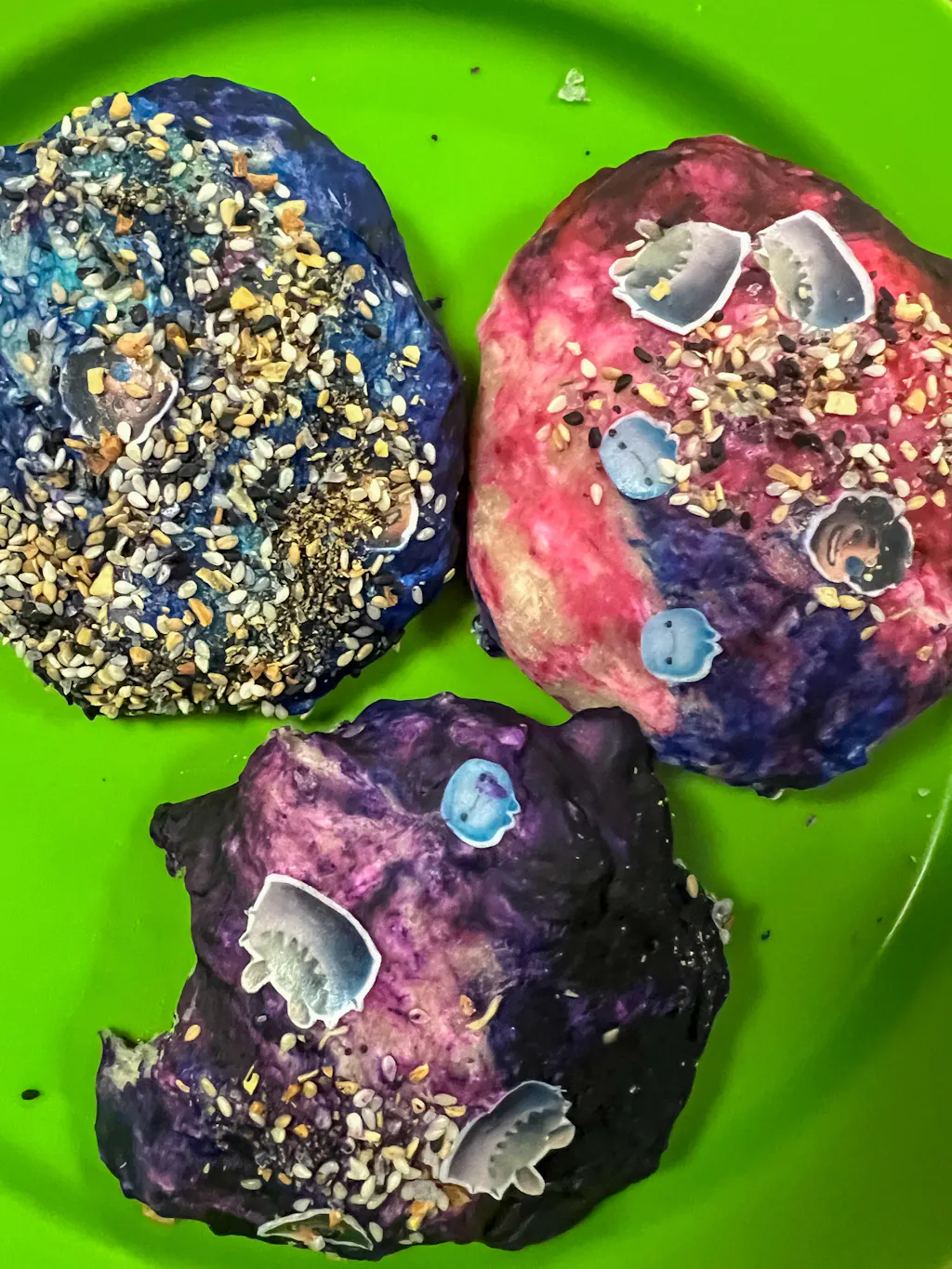
For example, exploring planetary science doesn't have to be limited to textbooks. With our Galaxy Donut Kit, children can create an edible solar system, and parents can easily adapt the recipe for common allergens by swapping milk with a dairy-free alternative or using a gluten-free flour blend. This hands-on adaptation reinforces the learning while ensuring safety. Similarly, uncovering the secrets of paleontology through our Fudgy Fossil Dig Kit can be made allergy-friendly by using specific gluten-free or dairy-free ingredients. The core educational experience remains, enhanced by the ability to customize for individual needs.
For parents and educators seeking to extend these enriching, adaptable experiences to larger groups, classrooms, or homeschool co-ops, we offer flexible programs for schools and groups, available with or without food components. It's an ideal way to bring hands-on STEM and culinary education to a broader audience, accommodating diverse dietary needs and fostering a love for learning in every child.
Stocking Your Allergy-Friendly Pantry
A well-stocked pantry is your secret weapon in the fight against allergy-related snack stress. Having the right ingredients on hand makes spontaneous baking or quick snack assembly a breeze, reducing reliance on potentially risky packaged foods.
Here's a guide to essential staples for an allergy-friendly kitchen:
-
Alternative Flours:
- Gluten-Free 1:1 Baking Blend: A versatile mix that often includes rice flour, potato starch, tapioca flour, and xanthan gum, designed to swap directly into recipes.
- Oat Flour (Certified Gluten-Free): Great for muffins, cookies, and pancakes.
- Rice Flour: Light and versatile, good for thickening and some baked goods.
- Almond Flour (if no tree nut allergy): Adds moisture and protein to baked goods.
-
Dairy-Free Alternatives:
- Plant-Based Milks: Oat milk, almond milk, soy milk, rice milk, or coconut milk (choose based on specific allergies).
- Dairy-Free Yogurt: Coconut, oat, or almond-based yogurts for parfaits or dips.
- Dairy-Free Butter Sticks/Spreads: For baking and general use.
-
Egg Replacers:
- Ground Flaxseed Meal: Mix 1 tbsp with 3 tbsp water to make a "flax egg" for binding.
- Applesauce or Mashed Banana: Excellent for adding moisture and binding in baked goods.
- Commercial Egg Replacers: Powdered options are available for various recipes.
-
Nut-Free Spreads:
- Sunflower Seed Butter: A fantastic alternative to peanut butter for sandwiches, dips, and baking.
- Pumpkin Seed Butter: Another delicious and safe seed butter option.
- Tahini-Free Hummus: For savory dips.
-
Safe Oils:
- Olive Oil, Coconut Oil, Avocado Oil: Versatile for cooking and baking.
-
Gluten-Free Grains:
- Certified Gluten-Free Oats: For oatmeal, granola, and baked goods.
- Rice (brown, white, wild): A staple for meals and snacks.
- Quinoa: A complete protein, great for salads or as a side.
-
Sweeteners:
- Maple Syrup, Honey, Agave Nectar: Natural alternatives to refined sugar.
- Dates/Date Paste: For natural sweetness and binding in energy bites.
-
Leavening Agents:
- Baking Soda and Baking Powder: Essential for many baked goods.
-
Snack-Specific Items:
- Popcorn Kernels: For air-popping at home.
- Rice Cakes: Plain, for versatile topping.
- Gluten-Free Pretzels/Crackers: Always check labels.
- Dried Fruits: Stock up on safe varieties for quick snacks.
Organization for Safety
Once you have your pantry stocked, good organization is key to preventing cross-contamination:
- Designated Shelves/Bins: Create a clearly marked area in your pantry and refrigerator for allergy-friendly items, especially if other family members consume allergens.
- Color-Coded Utensils: Some families use color-coded cutting boards or spatulas for allergy-safe prep.
- Clean Storage Containers: Use airtight containers for homemade snacks to keep them fresh and prevent cross-contact.
By meticulously curating your pantry and maintaining strict organizational habits, you create a culinary haven where delicious, safe snacks are always within reach. Ready to simplify your allergy-friendly snacking journey and infuse it with engaging STEM learning? Join The Chef's Club today and receive a curated kit each month, complete with pre-measured dry ingredients and specialty supplies, designed by mothers and educators for maximum fun and safety.
Empowering Through Knowledge and Creativity
Navigating the world of allergy-friendly snacks for kids might seem daunting at first, but with the right knowledge, strategies, and a sprinkle of creativity, it becomes an empowering journey. We've explored the importance of understanding common allergens, mastering label reading, and communicating effectively with schools and hosts. We've delved into a vibrant array of naturally safe whole foods and highlighted dependable packaged options that can make life easier.
But beyond the practicalities, the true magic lies in the experience. Transforming your kitchen into a hub of discovery, where children actively participate in preparing their own snacks, fosters not just culinary skills, but a deep sense of confidence and ownership over their health. This is the essence of I'm the Chef Too! – blending learning with deliciousness to create "edutainment" that sparks joy and curiosity.
Whether you're whipping up a batch of homemade, allergen-friendly muffins, assembling colorful fruit kebabs, or exploring the science behind a bubbling experiment, every snack can be an opportunity for growth and connection. It's about building a foundation where every child feels included, safe, and excited about the food they eat. It's about teaching them that making smart, safe choices can also be incredibly fun and tasty.
If you’re eager to dive into a specific theme or try out our unique blend of cooking and STEM without a monthly commitment, browse our complete collection of one-time kits and discover a world of delicious learning experiences. Each kit is a doorway to new skills, memorable moments, and a deeper understanding of the science and art of cooking, all adaptable to your family’s allergy-friendly needs.
Conclusion
The journey of providing allergy-friendly snacks for children is a testament to the boundless love and dedication of parents and caregivers. It demands vigilance, creativity, and a willingness to explore new culinary horizons. We've learned that whole foods are often your safest and most nutritious allies, that label reading is a non-negotiable superpower, and that involving children in the cooking process is the most profound way to empower them.
At I'm the Chef Too!, we are committed to supporting families on this journey by providing enriching, screen-free experiences that blend food, STEM, and the arts. Our unique "edutainment" approach fosters curiosity, builds confidence, and creates lasting memories, all while encouraging a deeper understanding of the ingredients we use. We believe that learning about food, its science, and its preparation is key to making informed, safe, and delicious choices, regardless of dietary restrictions.
Don't let the complexities of food allergies dim the joy of snack time or the wonder of culinary exploration. With the right tools and a supportive community, you can transform challenges into opportunities for delicious discovery and meaningful learning.
Embark on a delicious journey where safety meets science and creativity. Join The Chef's Club and let us help you spark curiosity, build confidence, and create unforgettable family memories, one allergy-friendly, STEM-filled snack at a time. Choose from our flexible 3, 6, or 12-month pre-paid plans, perfect for continuous enrichment, and enjoy the convenience of a new adventure delivered to your door every month with free shipping in the US.
FAQ: Your Allergy-Friendly Snack Questions Answered
Q1: How do I read labels effectively for hidden allergens?
A: Go beyond the obvious. Look for the "Contains" statement, which lists the major allergens present. Also, scrutinize the full ingredient list for allergen derivatives (e.g., "whey" or "casein" for milk, "albumen" for egg, "lecithin" for soy). Be wary of "natural flavors" or "spices" if you're unsure of their source. If there's a "May Contain" statement, consider your child's sensitivity level. When in doubt, contact the manufacturer directly via their website or customer service line.
Q2: What if my child has multiple allergies?
A: When dealing with multiple allergies, strict vigilance is even more crucial. Focus on naturally allergen-free whole foods as your primary source of snacks. When buying packaged goods, prioritize brands that specifically cater to "free from" multiple allergens and have clear allergen control processes. Consider investing more time in homemade snacks, as this gives you complete control. Working with a registered dietitian specializing in food allergies can also provide personalized guidance and ensure nutritional adequacy.
Q3: How can I make school celebrations safer for allergic children?
A: Proactive communication is key. Speak with the teacher well in advance about any planned food-based celebrations. Offer to provide an allergy-friendly version of the treat for your child and potentially enough to share with the whole class if approved. Suggest non-food celebration alternatives (e.g., extra recess, a special craft, or a book reading). Encourage handwashing before and after eating, and advocate for clear labeling of all food items brought into the classroom.
Q4: How can I encourage my child to try new allergy-friendly foods?
A: Make it fun and involve them in the process! Kids are often more willing to try foods they've helped prepare. Get them involved in choosing recipes, washing ingredients, or mixing. Present new foods in engaging ways, like creating fun shapes with cookie cutters, arranging colorful platters, or making "food art." Pair new foods with familiar, safe favorites. Remember that it can take multiple exposures for a child to accept a new food, so offer it consistently without pressure.
Q5: Are I'm the Chef Too! kits inherently allergy-friendly?
A: Our kits are designed to be a fun and educational introduction to cooking and STEM, developed by mothers and educators. While our kits come with pre-measured dry ingredients and specialty supplies, they are not certified allergen-free. However, a core benefit of cooking at home with our kits is the ability to easily adapt recipes to fit your family's specific allergy-friendly needs. Parents can substitute common allergens like dairy milk, wheat flour, or eggs with appropriate alternative ingredients (e.g., plant-based milk, gluten-free flour blends, flax eggs). This process of substitution not only ensures safety but also provides a fantastic learning opportunity for children to understand ingredients and how they function in recipes. We focus on empowering families to customize their culinary adventures!