Table of Contents
- Introduction
- Why Cheetah Crafts? Blending Art, Science, and Skill Development
- The Magic of Cheetahs: Fascinating Facts to Inspire Your Craft
- Getting Started: Essential Supplies for Any Cheetah Craft Adventure
- Amazing Cheetah Craft Ideas: Unleash Your Inner Artist
- Beyond the Craft: Enhancing the Learning Experience
- Connecting Crafts to Core Skills: A Deeper Dive
- Making it a Family Affair: Bonding Through Creativity
- When You're Ready for More "Edutainment" Adventures
- Frequently Asked Questions About Cheetah Crafts for Kids
- Conclusion
Imagine your child's eyes lighting up as they discover the world's fastest land animal, the magnificent cheetah. Their sleek bodies, striking spots, and incredible speed capture the imagination like few other creatures can. What if we told you that this fascination could be the gateway to a world of creative learning, skill development, and unforgettable family fun? At I'm the Chef Too!, we believe in blending food, STEM, and the arts into one-of-a-kind "edutainment" experiences, and animal crafts, especially those as captivating as a cheetah craft for kids, are a perfect example of this philosophy in action.
Introduction
Have you ever watched a nature documentary with your child and seen their awe-struck face as a cheetah streaks across the screen, a blur of golden spots and raw power? That innate curiosity about the natural world is a precious spark, one that, with the right encouragement, can ignite a lifelong love for learning. In a world increasingly dominated by screens, finding engaging, hands-on activities that both educate and entertain can feel like a quest in itself. That's where the magic of crafting comes in. This comprehensive guide will take you on an exciting journey, showing you how to harness your child's natural wonder for cheetahs into a variety of fun, educational, and easy-to-make crafts. We'll explore everything from simple cardboard cutouts to interactive puppets, delving into the fascinating facts about these incredible felines along the way. Our goal is to empower you with ideas and inspiration, transforming ordinary afternoons into extraordinary learning adventures, all while nurturing creativity, critical thinking, and fine motor skills. Get ready to unleash your inner artist and scientist with these roaringly fun cheetah craft projects, fostering not just beautiful creations, but also cherished family memories and a deeper appreciation for the animal kingdom.
Why Cheetah Crafts? Blending Art, Science, and Skill Development
Crafting isn't just about making something pretty; it's a powerful tool for learning and development. When children engage in a cheetah craft, they're not merely cutting paper or painting spots; they're embarking on a multidisciplinary adventure. This seemingly simple activity can touch upon several STEM principles (Science, Technology, Engineering, Math) and artistic expression, all while building crucial life skills.
Science in Action: Creating a cheetah craft often begins with learning about the animal itself. This naturally introduces children to biology and ecology. For instance, discussing the cheetah's spots leads to conversations about camouflage and adaptation – how those patterns help them blend into their savanna habitat to hunt effectively. You might talk about their diet, where they live, or their unique physical features like their tear marks or non-retractable claws. These conversations lay foundational knowledge in natural science and ignite curiosity about the broader animal kingdom.
Engineering and Design: Many crafts involve designing and constructing. A cardboard cheetah, for example, requires understanding how pieces fit together, considering stability, and problem-solving if parts don't quite align. Children learn about 3D shapes, spatial reasoning, and the basic principles of structure. They might experiment with different ways to attach a tail or make the cheetah stand upright, unknowingly engaging in engineering design challenges.
Mathematical Concepts: From counting the spots to measuring paper for body parts, mathematical concepts are subtly woven into crafting. Symmetry is often explored when children try to make two legs or eyes match. They might compare sizes (which leg is bigger?), practice geometric shapes (circles for spots, ovals for the head), and even begin to understand fractions if they're dividing a piece of paper.
Artistic Expression and Creativity: This is perhaps the most obvious benefit. Cheetah crafts provide an open canvas for children to express themselves. They choose colors, decide on patterns, and personalize their creations. This fosters imagination, encourages innovation, and helps children develop an aesthetic sense. There's no "right" way to make a cheetah craft; the emphasis is on the creative journey and the unique outcome.
Fine Motor Skills and Hand-Eye Coordination: Activities like cutting, gluing, painting, and drawing are fantastic for developing fine motor skills. These small, precise movements strengthen the muscles in their hands and fingers, which are essential for tasks like writing, buttoning clothes, and using utensils. Hand-eye coordination is also honed as they guide scissors along a line, place glue precisely, or paint within boundaries.
Problem-Solving and Critical Thinking: "How do I make the tail stay on?" "What color should the spots be?" "My cheetah keeps falling over, how can I fix it?" These are all mini-challenges that encourage children to think critically and solve problems. They learn to adapt, experiment, and find solutions, building resilience and confidence in their abilities.
Focus and Patience: Crafting takes time and attention. Children learn to focus on a task, follow instructions (or create their own), and patiently work towards a finished product. This ability to concentrate is invaluable for academic success and everyday life.
At I'm the Chef Too!, we recognize that these hands-on activities are more than just fun; they are powerful learning experiences. Our mission is to spark curiosity and creativity in children, facilitating family bonding, and providing a screen-free educational alternative. We design our kits to teach complex subjects through tangible, hands-on, and delicious cooking adventures, much like a cheetah craft teaches about animals and skills through a tangible, fun creation.
"A child building a cardboard cheetah isn't just creating an animal; they're practicing engineering, exploring biology, and honing their artistic vision – all in one engaging activity. It's the essence of 'edutainment' at its best."
Ready to dive into more engaging activities that blend creativity with core learning? Join The Chef's Club today! for a new adventure delivered to your door every month.
The Magic of Cheetahs: Fascinating Facts to Inspire Your Craft
Before we roll up our sleeves and get crafty, let's dive a little deeper into what makes cheetahs so extraordinary. Sharing these fun facts with your children while they craft can transform a simple art project into an immersive learning experience.
- Lightning Speed: Cheetahs are the undisputed champions of speed on land! They can reach incredible speeds of up to 70 miles per hour (113 kilometers per hour) in just a few seconds. To put that into perspective, they can go from 0 to 60 miles per hour (0 to 97 kilometers per hour) in a mere 3 seconds – faster than most sports cars! This incredible acceleration is what makes them such effective hunters.
- Unique Hunting Strategy: Unlike other big cats who might sneak up on their prey, cheetahs rely on their explosive bursts of speed. They use their exceptional eyesight to spot their target, then engage in a high-speed chase. Their body is built for pursuit, not brute strength.
- Aerodynamic Design: Take a look at your cheetah craft and point out its features. Cheetahs have a slender, lightweight body, long, muscular legs, and a flexible spine, all contributing to their speed. Their large nasal passages allow for efficient oxygen intake during their high-speed sprints. Even their tail acts like a rudder on a boat, helping them steer and maintain balance during sharp turns at top speeds!
- Striking Spots and Tear Marks: The distinctive black spots on a golden-yellow background are not just beautiful; they're incredible camouflage. These spots help them blend into the savanna grasses, making them harder for both prey and predators to see. Another unique feature is the "tear marks" – black stripes that run from the corner of their eyes down to their mouth. Scientists believe these marks help reflect the harsh glare of the sun, much like a football player's eye black, allowing them to see clearly while hunting during the day.
- Social Yet Solitary: While often thought of as solitary, cheetahs have an interesting social structure. Males often form small groups called coalitions, usually consisting of brothers from the same litter. These groups help with hunting and defending territory. Females, however, are typically more solitary, raising their cubs alone.
- A Gentle Roar: Unlike lions and tigers, cheetahs cannot roar. Instead, they make a variety of sounds including purrs, chirps, growls, and hisses. Imagine your crafted cheetah purring contentedly after a "successful hunt" (perhaps a delicious snack you made together!).
By weaving these tidbits into your crafting session, you're not just creating a craft; you're creating an expert in the making, fueling their passion for the animal kingdom and the wonders of nature.
Getting Started: Essential Supplies for Any Cheetah Craft Adventure
One of the beauties of crafting is that you often don't need expensive or specialized materials. Many fantastic cheetah crafts can be made with items you already have around the house. Here's a general list of supplies that will serve you well for most of the projects we'll explore:
- Paper: Construction paper (yellow, orange, brown, black), cardstock (for durability), paper bags, paper plates, toilet paper rolls.
- Cardboard: Scrap cardboard (cereal boxes, shipping boxes – corrugated is great for structural crafts).
- Coloring Tools: Craft paints (yellow, orange, brown, black, white), paintbrushes, markers (black is key for spots!), crayons, colored pencils.
- Cutting Tools: Kid-safe scissors (adult scissors for more intricate cuts, always with supervision).
- Adhesives: School glue, glue sticks, hot glue gun (for adult use or under very close adult supervision for quick, strong bonds).
- Embellishments & Details: Pipe cleaners (yellow, orange, black for tails or whiskers), googly eyes, cotton balls, yarn, glitter (if you dare!), craft foam.
- Templates: Sometimes it's helpful to have a basic cheetah outline or specific parts (like ears, noses) printed out. You can often find free printable templates online, or simply freehand your shapes.
Remember, the goal is creativity and fun, not perfection. Encourage your child to use what they have and think resourcefully!
Amazing Cheetah Craft Ideas: Unleash Your Inner Artist
Now for the fun part! Here are several engaging cheetah craft ideas, ranging in complexity, perfect for various age groups and skill levels. Each offers unique learning opportunities and a chance for fantastic screen-free fun.
1. Cardboard Stand-Up Cheetah: A 3D Safari Adventure
This craft is fantastic for developing spatial reasoning and understanding basic engineering principles. Using recycled cardboard makes it an eco-friendly project too!
What you'll need:
- Scrap cardboard (cereal boxes, shipping boxes – corrugated works best for stability)
- Scissors
- Craft paints (yellow, orange, black, white) and paintbrushes
- Black marker
- Hot glue gun (for adult use) or strong craft glue
- Yellow pipe cleaner (for the tail)
Let's create:
- Draw the Body: On a piece of cardboard, draw an outline of a cheetah body. Think of a long, sleek shape with a distinct head and neck. You can freehand this or find a simple template online to trace.
- Draw the Legs: Draw two U-shaped pieces for the legs. These will interlock with the body to help the cheetah stand. Make sure they are wide enough at the top for stability.
- Paint the Base: Using yellow or a mustard-yellow craft paint, color both sides of the cheetah body and the U-shaped leg pieces. Let one side dry completely before painting the other. This step is a great opportunity to talk about the cheetah's golden coat!
- Add Details: Once the yellow paint is dry, it's time for the iconic cheetah spots! Use a black marker or black paint to add irregular spots all over the body and legs. Don't forget to paint a white stripe on the bottom belly for a realistic touch. Add details to the face: an ear, a nose, a mouth, and those distinctive black tear marks running from the eyes.
- Spot the Tail: Take your yellow pipe cleaner and use the black marker to add a few spots or stripes to it. This will be your cheetah's tail.
- Assemble the Legs: This is where the "engineering" comes in! Carefully cut an incision (a slit) in the middle of each U-shaped leg piece, extending about halfway down. Then, cut a corresponding incision on the underside of the cheetah's body where you want the legs to attach. Slide the legs onto the body by interlocking the slits. Adjust until the cheetah stands stably. This teaches about balance and structural support.
- Attach the Tail: Puncture a small hole in the back of your cheetah body where the tail should go. Insert the pipe cleaner into the hole. If using corrugated cardboard, the wire should pierce nicely. For extra security, an adult can add a small dab of hot glue.
Voila! Your child has created a majestic 3D cheetah ready for imaginary savanna adventures. This craft encourages careful cutting, detailed painting, and basic problem-solving for assembly.
2. Paper Bag Cheetah Puppet: Roaring Story Time Fun
Puppets are fantastic for imaginative play and storytelling, enhancing language development and social skills. This craft turns a simple paper bag into a friendly feline friend.
What you'll need:
- Brown paper bag
- Colored cardstock or construction paper (yellow, orange, black, white)
- Scissors
- Glue stick or school glue
- Black marker
- Cheetah template (optional, but helpful for consistent shapes)
Let's create:
- Prepare the Parts: If using a template, print and cut out the cheetah's face, ears, inner ears, body fur, and tail from the colored paper. If freehanding, cut out two yellow ear shapes, two smaller pink/white inner ear shapes, an oval for the face, a muzzle/nose shape, and a long yellow tail.
-
Assemble the Face:
- Glue the inner ears onto the yellow outer ear shapes.
- Glue the eyes onto the face (you can draw these or use googly eyes).
- Glue the nose/mouth piece in the middle of the face, below the eyes.
- Use a black marker to add black spots around the face and draw the tear marks.
-
Build the Body:
- Cut a yellow piece of paper to fit the main part of the paper bag body.
- Cut out smaller black spots and glue them all over the yellow body piece.
-
Create the Tail:
- Glue a few black stripes or spots along the end of the yellow tail piece with the black marker.
-
Attach to Paper Bag:
- Place the assembled body piece on the main, largest part of the paper bag and glue it in place.
- Glue the tail to the back of the paper bag, letting it hang down.
- Finally, glue the cheetah's head to the flap portion of the brown bag, so when you open the flap, the cheetah's mouth appears to move.
Your new cheetah puppet is now ready to star in its own jungle tales! This craft is wonderful for fine motor skills, following instructions, and sparking imaginative play. You can teach them about where cheetahs live, how they hunt, and so much more as they play with their new puppet.
Looking for even more engaging activities that spark curiosity and creativity? Browse our complete collection of one-time kits to find your next adventure!
3. Cheetah Rock Art: Tiny Tactile Treasures
Transform ordinary rocks into spotted masterpieces! This activity is simple, meditative, and allows for endless creativity with patterns and colors.
What you'll need:
- Smooth, clean rocks of various sizes
- Acrylic craft paints (yellow, orange, black, white)
- Small paintbrushes
- Sealant spray (optional, to protect the paint)
Let's create:
- Clean Your Canvas: Wash and thoroughly dry your rocks.
- Base Coat: Paint your rocks with a base coat of yellow or light orange. You might need two coats for opaque coverage. Let dry completely.
- Add the Spots: Once the base coat is dry, use a small paintbrush and black paint to add cheetah spots. Remember, cheetah spots are not perfectly round; they're irregular, often with a slight tear or elongated shape. You can also add some smaller, solid dots. This is great for practicing different brush strokes and pattern recognition.
- Optional Details: For larger rocks, you could try painting a small cheetah face. For smaller rocks, just spots are perfect. You can even add words or sayings like "Be Wild" or "Speedy" once the spots are dry.
- Seal It (Optional): If you want your cheetah rocks to withstand the elements (for outdoor display) or be handled frequently, an adult can spray them with a clear acrylic sealant.
Cheetah rock art is a fantastic family activity, suitable for all ages. It encourages patience, focus, and a keen eye for detail. They can decorate your yard, be used as paperweights, or given as gifts to cheetah-loving friends.
4. Paper Tube Cheetahs: Roll into Creativity
Recycled toilet paper or paper towel rolls are a crafting goldmine! This project turns them into adorable standing cheetahs.
What you'll need:
- Empty toilet paper or paper towel rolls
- Construction paper (yellow, orange, black)
- Scissors
- Glue stick or school glue
- Black marker
- Googly eyes (optional)
Let's create:
- Cover the Tube: Cut a piece of yellow or orange construction paper to fit around your paper tube. Glue it in place. This will be your cheetah's body.
- Add Spots: Using black construction paper, cut out irregular cheetah spots and glue them onto the tube. Alternatively, use a black marker or black paint to draw them directly onto the yellow paper.
- Head and Ears: Cut out a round or oval head shape from yellow paper. Cut out two ear shapes. Glue small black inner ear pieces to the yellow ears. Attach the ears to the top of the head.
- Face Details: Draw a nose, mouth, and tear marks on the head with a black marker. Glue on googly eyes or draw them.
- Tail: Cut a long, thin strip of yellow paper for the tail. Add black spots or stripes with a marker. Curl the tail slightly by wrapping it around a pencil.
- Assemble: Glue the head to one end of the paper tube. Glue the tail to the back of the tube. You can also cut four small leg shapes from yellow paper and glue them to the bottom, or simply leave the tube as is for a more stylized look. To make it stand like the cardboard cheetah, you could also cut two slits on the bottom of the tube and two U-shaped leg pieces that slide in.
This craft is excellent for practicing cutting, gluing, and decorating, making unique one-of-a-kind cheetahs. Encourage kids to make several in different colors and patterns!
5. Cheetah Bookmarks: Literacy and Conservation
Combine a love for reading with an appreciation for wildlife by creating custom cheetah bookmarks. This is a great way to raise awareness about these magnificent animals.
What you'll need:
- Sturdy cardstock (yellow, orange, or white)
- Scissors
- Craft paints or markers (yellow, black)
- Laminator (optional, for durability)
- Ribbon or yarn (optional)
- Cheetah facts to write on the back
Let's create:
- Cut Bookmark Shapes: Cut rectangular strips from cardstock to your desired bookmark size. You can make them plain rectangles or cut a fun shape for the top, like cheetah ears or a paw print.
- Decorate the Front: Paint or draw a cheetah pattern on the front. Start with a yellow/orange base, then add the characteristic black spots. You can also draw a simplified cheetah face peeking over the top.
- Add Facts to the Back: On the back of the bookmark, write some of the fascinating cheetah facts you learned earlier. This turns the bookmark into a mini educational tool!
- Laminate (Optional): For added durability, especially if gifting, an adult can laminate the bookmarks.
- Punch Hole (Optional): Punch a hole at the top and thread a piece of ribbon or yarn through it for an extra decorative touch.
These bookmarks are perfect for encouraging reading and for sharing interesting facts about cheetahs with friends and family. A great way to spread awareness and learning!
6. Drawing Cheetahs Step-by-Step: The Budding Wildlife Artist
Learning to draw is a fundamental artistic skill that improves observation and precision. Following step-by-step instructions can be incredibly satisfying for children.
What you'll need:
- Paper
- Pencil
- Eraser
- Colored pencils, crayons, or markers (yellow, black, orange)
Let's draw:
- Basic Shapes: Start with simple geometric shapes. Draw an oval for the body and a smaller circle for the head. Connect them with a curved line for the neck.
- Legs and Tail: Sketch four lines for the legs, making sure the front two and back two are somewhat parallel. Add simple paw shapes at the bottom. Draw a long, curved line for the tail, extending it to the ground.
- Refine the Body: Start connecting the basic shapes, curving the lines to create the sleek outline of the cheetah's body. Make the chest and rump slightly wider.
- Head Details: Refine the head shape. Add two small, rounded ears at the top. Draw the muzzle, nose, and mouth.
- Eyes and Tear Marks: Draw the eyes and, importantly, those distinctive black tear marks running from the inner corner of the eyes down to the mouth.
- Add Spots: Once the basic outline is complete, erase any unnecessary guide lines. Now comes the fun part: adding the irregular black spots all over the cheetah's body. Remember to make them varied in size and shape.
- Color It In: Use yellow and orange to color the cheetah's fur. Color the spots black.
Drawing cheetahs helps children develop their observation skills, learn about animal anatomy, and practice their drawing techniques. It's an activity that can be done anywhere, anytime!
7. Cheetah Print Art/Collage: Abstract Spots and Textures
This craft focuses on the iconic cheetah pattern, allowing for artistic exploration and experimentation with different textures.
What you'll need:
- Large sheet of paper or canvas
- Craft paints (yellow, orange, brown, black)
- Sponges, cotton balls, paintbrushes, even fingerprints
- Construction paper scraps (black, brown)
- Glue
Let's create:
- Base Layer: Paint the entire paper or canvas with a yellow or light orange base coat. Let it dry completely.
-
Creating Spots: Now, experiment with different ways to create black spots.
- Sponge Printing: Dip a small piece of sponge into black paint and dab it onto the paper to create irregular, textured spots.
- Finger Painting: Use fingerprints to make spots, then use a small paintbrush to add irregular outlines around some of them.
- Cut-Out Collage: Cut various irregular black shapes from construction paper and glue them onto your yellow background, creating a collage effect.
- Paintbrush Variation: Use different sized paintbrushes to create a variety of spot sizes and shapes.
- Layering (Optional): Once the black spots are dry, you can go back with a lighter brown or even dark orange paint and add some subtle outlines or shadows to give the spots more depth.
This abstract art project is wonderful for encouraging sensory exploration, understanding patterns, and experiencing different art techniques. There's no right or wrong way to create "cheetah print," fostering complete artistic freedom.
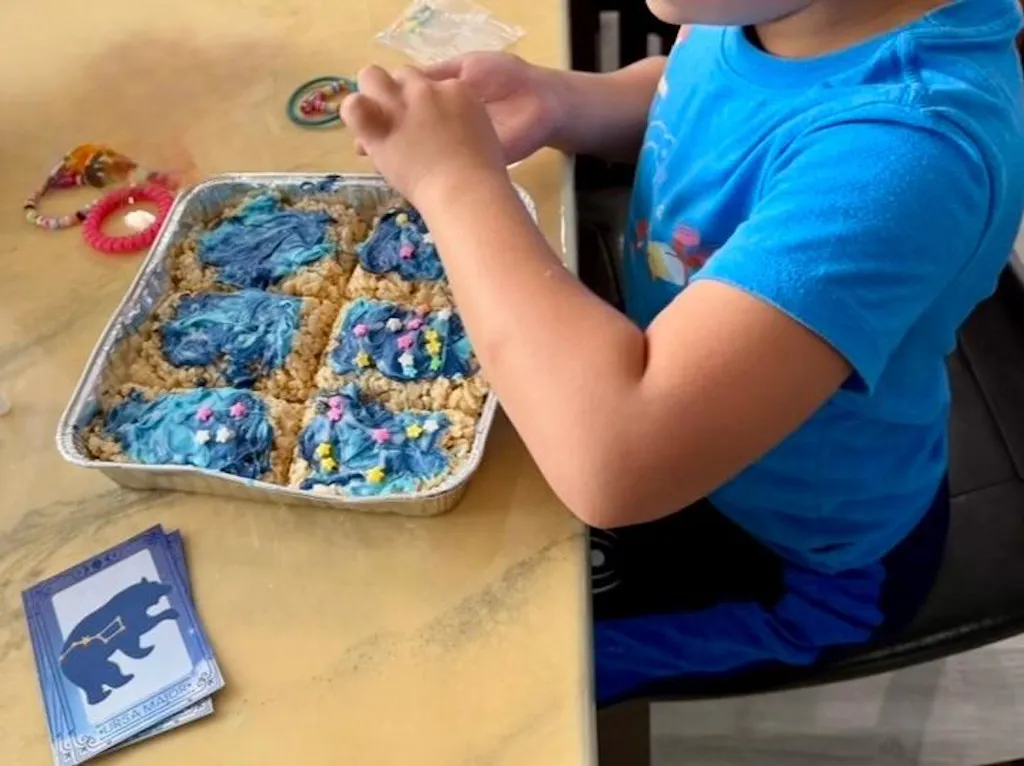
Imagine the wonder as your child creates their own starry sky with our Galaxy Donut Kit, a perfect companion to learning about the vastness of the natural world, just like our cheetah crafts help them explore the animal kingdom.
Beyond the Craft: Enhancing the Learning Experience
Finishing a cheetah craft is just the beginning! These projects open doors to deeper learning and continued engagement. Here's how you can extend the "edutainment" beyond the crafting table:
-
Read Books About Cheetahs: Visit your local library or browse online for children's books about cheetahs, savanna animals, or general wildlife. Reading aloud strengthens vocabulary, comprehension, and a love for stories.
- The Fascinating Animal Book For Kids is a great resource for curious kiddos!
- Giraffes Can’t Dance might not be about cheetahs, but it teaches important lessons about finding your own rhythm and celebrates individual differences, a concept that can be linked to the uniqueness of each animal species.
- Watch Documentaries: Explore age-appropriate nature documentaries (e.g., from National Geographic Kids, BBC Earth) featuring cheetahs in their natural habitat. Seeing them in action brings their speed and grace to life.
- Imaginative Play: Encourage your child to play with their newly crafted cheetah. Set up a "savanna" using blankets, blocks, or other toys. Encourage them to act out stories, mimic cheetah sounds, and role-play hunting or caring for cubs. This fosters creativity, narrative skills, and empathy.
- Visit the Zoo (or a Virtual Zoo): If possible, a trip to the zoo to see real cheetahs is an incredible experience. Observe their movements, markings, and behavior. If a physical visit isn't feasible, many zoos offer virtual tours or live webcams.
- Discuss Conservation: Talk about why cheetahs are endangered and what we can do to protect them and their habitats. This introduces important concepts of environmental responsibility and conservation. Simple actions like recycling or supporting wildlife organizations can be discussed.
- Write a Story: Ask your child to write a short story or draw a comic strip about their cheetah. Where does it live? What adventures does it have? This combines literacy with artistic expression.
By integrating these extension activities, you're not just creating a craft; you're cultivating a holistic learning environment, reinforcing the facts learned, and nurturing a genuine passion for wildlife.
Connecting Crafts to Core Skills: A Deeper Dive
Let's zoom in on how these playful cheetah crafts contribute to your child's developmental milestones, illustrating I'm the Chef Too!'s commitment to meaningful, skill-building experiences.
Cognitive Development
- Categorization and Classification: Learning about cheetahs often involves comparing them to other big cats (lions, tigers). This helps children understand how animals are grouped based on shared characteristics and differences.
- Memory and Recall: Remembering cheetah facts (speed, spots, tear marks) strengthens memory skills.
- Cause and Effect: "If I cut this too short, the tail won't reach." "If I use too much glue, the paper gets wrinkly." These small discoveries teach fundamental cause-and-effect relationships.
- Attention Span: Many crafts require sustained focus, especially when working on intricate details like spots or assembling multiple pieces. This gradual lengthening of attention span is vital for academic readiness.
Language and Communication Skills
- Vocabulary Expansion: Introducing words like "savanna," "camouflage," "predator," "prey," "aerodynamic," and "coalition" enriches their lexicon.
- Descriptive Language: Encouraging children to describe their cheetah ("My cheetah is fast and has bumpy spots!") helps them practice using adjectives and expressive language.
- Storytelling: Using the finished craft as a puppet or character in a story enhances narrative skills, sequential thinking, and imaginative expression.
Social and Emotional Growth
- Self-Esteem and Confidence: Successfully completing a craft, especially one they can proudly display, boosts a child's self-esteem and confidence in their abilities.
- Patience and Perseverance: Some steps might be tricky. Learning to stick with a task, even when challenging, teaches perseverance and delayed gratification.
- Sharing and Cooperation: Crafting together as a family encourages sharing materials, taking turns, and collaborating on a joint project.
- Respect for Nature: Learning about a magnificent animal like the cheetah fosters empathy and respect for wildlife and the environment.
Sensory Development
- Tactile Exploration: Touching different textures of paper, cardboard, paint, and pipe cleaners provides rich sensory input.
- Visual Discrimination: Identifying and reproducing the unique patterns of cheetah spots enhances visual discrimination skills.
- Color Recognition: Working with various colors strengthens their understanding and naming of hues.
This multi-faceted approach to learning is at the heart of what we do at I'm the Chef Too!. We believe that hands-on engagement, whether through crafting or cooking, creates the most impactful and joyful learning experiences. Our unique approach of teaching complex subjects through tangible, hands-on, and delicious cooking adventures, developed by mothers and educators, ensures that every activity is designed to nurture these essential skills.
"Every cheetah spot painted, every cardboard piece glued, is a tiny step in a child's incredible journey of cognitive, motor, and emotional growth. We're not just making crafts; we're building bright futures."
Ready to consistently provide your child with these enriching, skill-building experiences? Explore our monthly "Chef's Club" subscriptions for ongoing educational fun, delivered right to your door with free shipping in the US.
Making it a Family Affair: Bonding Through Creativity
One of the most profound benefits of engaging in cheetah crafts, or any creative activity, is the opportunity for family bonding. In our busy lives, carving out dedicated screen-free time to connect with our children can be a challenge. Crafting offers a perfect solution, creating a shared experience that strengthens relationships and builds lasting memories.
When you sit down to create a cheetah craft together, you're not just supervising; you're participating. You're modeling patience, sharing ideas, and offering encouragement. This shared focus on a creative goal:
- Builds Communication: Children are more likely to talk about their day, their thoughts, and their feelings when engaged in a relaxed, enjoyable activity with a parent.
- Creates Shared Laughter: Mistakes can be funny! Learning to laugh together when something doesn't go quite as planned teaches flexibility and lightheartedness.
- Fosters a Sense of Teamwork: "Can you hold this piece while I glue it?" "Which color do you think would look best here?" These questions encourage collaboration.
- Shows Valued Time: Dedicating your time and attention to a child's project communicates that their interests and creative endeavors are important to you.
- Reduces Stress: For both children and adults, creative activities can be incredibly therapeutic and a wonderful way to unwind and de-stress from daily pressures.
At I'm the Chef Too!, we wholeheartedly embrace the power of family bonding through our "edutainment" experiences. Our kits are designed to be enjoyed together, transforming kitchens into classrooms where parents and children can learn, create, and make delicious memories side by side. Just as you might explore the fascinating world of geology with our Erupting Volcano Cakes kit and watch it bubble over, you can experience the joy of discovery and creation with your child through a cheetah craft.
So, gather your supplies, put on some cheerful music, and get ready to spend some quality time together, creating not just beautiful cheetahs, but also beautiful family moments.
When You're Ready for More "Edutainment" Adventures
We hope these cheetah craft ideas have sparked your imagination and shown you the incredible potential of hands-on, screen-free activities. At I'm the Chef Too!, we are passionate about continuing this journey of discovery and creativity for your family. We know that finding fresh, engaging ideas that seamlessly blend education with fun can be time-consuming for busy parents and educators. That's why we've done the planning for you!
Our unique "edutainment" approach brings the thrill of learning directly into your home. Each month, our team of mothers and educators designs a new adventure that combines culinary arts with exciting STEM and artistic concepts. Imagine baking delicious treats while learning about chemical reactions, exploring cultures through cuisine, or delving into scientific principles with every mix and measurement. Our kits are crafted to spark curiosity, build confidence, and create joyful family memories, all without the need for screens.
Whether you're looking for a delightful way to spend a rainy afternoon or seeking a consistent source of educational enrichment, we have options to suit your needs.
- Convenience Delivered: Every month, a brand-new adventure is delivered right to your door with free shipping in the US. No shopping for obscure ingredients, no endless searching for activity ideas – just pure, pre-measured fun!
- Flexibility for Every Family: Choose from our 3, 6, or 12-month pre-paid plans, perfect for ongoing enrichment or as a thoughtful gift that keeps on giving. Each box is a complete experience, containing pre-measured dry ingredients and specialty supplies, meaning less hassle for you and more quality time for your family.
- A World of Discovery: From exploring ancient civilizations through edible archaeology to journeying through the cosmos with our Galaxy Donut Kit, our kits transform learning into an unforgettable taste adventure.
We believe in fostering a love for learning, building confidence through tangible achievements, developing key skills, and, most importantly, creating joyful family memories. We don't promise guaranteed educational outcomes; instead, we promise a process rich in exploration, creativity, and delicious discovery.
Ready for a new adventure delivered every month? Join The Chef's Club!
Not ready for a subscription just yet? No problem! Explore all our adventure kits available for a single purchase and find the perfect theme to kickstart your child's next "edutainment" journey.
Frequently Asked Questions About Cheetah Crafts for Kids
Here are some common questions parents and educators might have about engaging in cheetah crafts with children:
Q1: What age group are cheetah crafts best suited for? A1: Cheetah crafts can be adapted for a wide range of ages!
- Toddlers (1-3 years): Focus on simple activities like tearing paper for spots, finger painting, or gluing pre-cut shapes. Emphasize sensory exploration and basic color recognition. Adult supervision is crucial for small parts and choking hazards.
- Preschoolers (3-5 years): They can handle simple cutting with kid-safe scissors, more intricate gluing, and basic painting. This age group loves imaginative play with finished puppets or masks.
- School-Aged Kids (5-10 years): They can follow more detailed instructions, engage in step-by-step drawing, and take on crafts with multiple components like the cardboard stand-up cheetah. This is a great age to incorporate facts about cheetahs.
- Tweens/Teens (10+ years): Encourage them to design their own cheetah crafts, explore more complex art techniques (like mixed media collage or detailed drawing), or even research cheetah conservation efforts to incorporate into their project.
Q2: What are the main educational benefits of doing cheetah crafts? A2: Cheetah crafts offer a wealth of educational benefits, encompassing:
- Fine Motor Skills: Cutting, gluing, painting, and drawing all strengthen hand-eye coordination and finger dexterity.
- Cognitive Development: Problem-solving (e.g., how to make a cheetah stand), learning about animal biology and adaptation, pattern recognition, and memory recall of facts.
- Creativity and Artistic Expression: Encouraging imagination, color theory, and unique artistic interpretations.
- Language Skills: Expanding vocabulary (savanna, camouflage), storytelling with finished crafts, and descriptive language.
- Social-Emotional Skills: Building confidence through completion, fostering patience, and encouraging teamwork when crafting together.
Q3: How can I make cheetah crafts more eco-friendly? A3: Absolutely! Many cheetah crafts are inherently eco-friendly by using recycled materials:
- Recycled Materials: Use cardboard from old cereal boxes, shipping boxes, or paper towel/toilet paper rolls. Scrap paper, old newspapers, or magazines (for collage elements) are also great.
- Natural Elements: Collect small twigs for whiskers, leaves for texture, or smooth stones for rock painting.
- Reusable Tools: Wash and reuse paintbrushes, palettes, and glue containers.
- Minimize Waste: Encourage children to use only the amount of glue or paint they need.
Q4: My child gets frustrated easily when crafting. How can I help? A4: Patience is key!
- Simplify the Project: Break down complex steps into smaller, manageable ones. If cutting is too hard, pre-cut some shapes for them.
- Focus on the Process, Not Perfection: Emphasize that it's okay if it doesn't look exactly like the example. The joy is in the making and expressing themselves.
- Offer Choices: Let them choose colors, spot patterns, or which material to use. This gives them a sense of control.
- Work Together: Sit down and craft with them, providing gentle guidance and support without taking over.
- Positive Reinforcement: Praise their effort and enthusiasm, not just the final product. "I love how carefully you're painting those spots!"
- Take Breaks: If frustration sets in, step away for a few minutes and come back to it with fresh eyes.
Q5: What are good ways to integrate cheetah crafts with other learning themes? A5: Cheetah crafts are wonderfully versatile:
- Zoo Animal Unit: Naturally fits into a broader study of zoo animals or African wildlife. Combine with lion, elephant, or zebra crafts.
- Biology/Ecology: Explore habitats, food chains, adaptation, and conservation.
- Patterns and Symmetry: Discuss the irregular patterns of cheetah spots, or the symmetry of the cheetah's body.
- Speed and Motion: Connect to physics concepts by discussing how cheetahs achieve such high speeds.
- Letter C: A fun way to introduce or reinforce the letter "C" for "Cheetah."
Q6: What safety precautions should I take during crafting? A6: Adult supervision is always recommended, especially with young children.
- Scissors: Teach proper, safe use of kid-safe scissors. For sharper cuts, an adult should handle or closely supervise.
- Hot Glue Guns: These should only be used by adults or under very close, direct adult supervision due to the risk of burns.
- Small Parts: Be mindful of small pieces (googly eyes, beads) that could be choking hazards for toddlers.
- Paints and Glues: Ensure craft supplies are non-toxic and child-safe.
- Clean-up: Always clean up promptly to prevent slips from spills and to put away sharp objects.
Conclusion
The roar of a cheetah, though metaphorical in our craft world, symbolizes the excitement and wild wonder that hands-on learning brings to a child's life. From cutting out the unique patterns of their spots to assembling a magnificent cardboard creation, each cheetah craft is more than just an art project; it's a profound journey of discovery. These activities blend the thrill of scientific exploration with the joy of artistic expression, all while sharpening fine motor skills, fostering critical thinking, and, most importantly, creating invaluable moments of family connection.
We hope this deep dive into the world of cheetah crafts has filled you with inspiration and provided you with the tools to embark on countless "edutainment" adventures. At I'm the Chef Too!, our core mission is to empower families to discover, learn, and grow together through unique, screen-free experiences. We believe that by sparking curiosity and creativity in children, we are laying the foundation for a lifelong love of learning.
Don't let the fun stop here! Embrace the convenience, flexibility, and incredible value of continuous learning. Each month, a new, exciting, and delicious "edutainment" adventure can arrive at your doorstep, expertly designed by mothers and educators. Give the gift of learning that lasts all year, transforming your kitchen into a classroom filled with laughter and discovery.
Ready to embark on a journey of ongoing creativity and culinary science? Join The Chef's Club today and enjoy free shipping on every box! Your next adventure awaits!