Table of Contents
- Why Embrace Summer Crafts for Kids?
- The STEM and Arts Connection in Every Craft
- Building Your Essential Summer Craft Supply Stash
- A Treasure Trove of Easy Summer Crafts for Kids at Home
- Integrating Learning Naturally: More Than Just Play
- Tips for a Smooth and Joyful Crafting Session
- Beyond the Craft: What Kids Truly Gain
- Conclusion
- Frequently Asked Questions (FAQ)
Ah, summer! The air is warm, the days are long, and the promise of endless play hangs delightfully in the air. Yet, for many parents, that initial burst of freedom often gives way to the familiar refrain, "I'm bored!" It's a universal truth that even the most imaginative child can hit a creative wall when the structured routines of school fade away. But what if those moments of boredom weren't just lulls, but invitations? Invitations to ignite curiosity, explore new skills, and create cherished memories right within the comfort of your home?
This comprehensive guide is your ultimate companion to transforming ordinary summer days into extraordinary adventures. We'll dive deep into a world of easy summer crafts for kids at home, offering a vibrant palette of activities designed to spark imagination, develop crucial skills, and provide a much-needed screen-free alternative. From simple projects perfect for tiny hands to more involved creations for aspiring artists and engineers, we'll cover a vast array of ideas that are not only fun but also surprisingly educational. Prepare to discover how humble household items and a sprinkle of imagination can lead to hours of engaging, "edutainment" experiences, aligning perfectly with our mission at I'm the Chef Too! to blend food, STEM, and the arts into one-of-a-kind learning adventures.
Why Embrace Summer Crafts for Kids?
The magic of summer crafts extends far beyond simply filling time. These engaging activities offer a rich tapestry of benefits that contribute significantly to a child's development, fostering skills that will serve them long after the sunny days have passed. At I'm the Chef Too!, we believe in sparking curiosity and creativity in children, and hands-on crafts are a cornerstone of this philosophy.
Combatting the "Summer Slide"
One of the most significant advantages of engaging in crafts during the summer is its role in preventing the "summer slide"—the tendency for children to lose some of the academic gains made during the school year. While formal lessons might be on hold, crafts provide an informal, enjoyable way to keep minds active. Whether it's counting beads for a necklace (math), following instructions for a model (reading comprehension, sequencing), or experimenting with colors (art, science), children are subtly reinforcing vital cognitive skills without even realizing they're learning. This continuous engagement helps maintain a strong foundation for when school resumes, ensuring a smoother transition back into the classroom environment.
Nurturing Creativity and Imagination
A blank canvas, a pile of recycled materials, or a simple recipe for edible art—these are the springboards for boundless imagination. Crafts provide children with the freedom to express themselves, to experiment with ideas, and to see where their creativity takes them. There's no single "right" way to make a paper plate jellyfish or decorate a rock magnet. This autonomy in creation is invaluable, teaching children to think outside the box, to innovate, and to trust their own artistic instincts. At I'm the Chef Too!, our kits are designed by mothers and educators precisely to open up these avenues of self-expression, encouraging children to add their unique flair to every delicious creation.
Developing Fine Motor Skills and Hand-Eye Coordination
Many easy summer crafts for kids at home involve intricate movements that are excellent for developing fine motor skills. Cutting with scissors, threading beads, painting small details, molding clay, or carefully assembling components all require precision and control. These activities strengthen the small muscles in the hands and fingers, which are crucial for tasks like writing, drawing, and even tying shoelaces. Simultaneously, children refine their hand-eye coordination as they learn to translate what they see into precise actions with their hands. These physical developments are fundamental building blocks for both academic success and everyday independence.
Fostering Problem-Solving and Critical Thinking
What happens if the glue doesn't hold? How can I make my paper airplane fly further? Which colors should I mix to get the shade I want? Crafts are inherently miniature problem-solving challenges. Children learn to assess materials, troubleshoot difficulties, and adapt their plans. This iterative process of trying, failing, and refining teaches resilience and encourages critical thinking. They learn to break down a project into smaller steps, anticipate potential issues, and come up with creative solutions. This invaluable skill set extends far beyond the craft table, equipping them to tackle real-world challenges with confidence.
Encouraging Family Bonding and Connection
In our busy, screen-dominated world, finding quality, screen-free time to connect as a family can be a challenge. Summer crafts offer the perfect opportunity for shared experiences, laughter, and conversation. Working together on a project, parents and children can collaborate, share ideas, and simply enjoy each other's company. These moments of focused, joyful interaction create lasting memories and strengthen family bonds. We are committed to facilitating family bonding through our unique cooking adventures, where every creation is a shared journey of discovery.
A Screen-Free Educational Alternative
Perhaps one of the most compelling reasons to embrace summer crafts is their power as a screen-free educational alternative. While technology certainly has its place, unplugging allows children to engage with the tactile world, fostering a deeper connection to their environment and their own abilities. Crafts stimulate different parts of the brain than screens do, promoting sensory exploration, spatial reasoning, and direct manipulation of objects. This hands-on engagement is at the core of our "edutainment" philosophy at I'm the Chef Too!, ensuring that learning is always tangible, exciting, and deeply satisfying.
The STEM and Arts Connection in Every Craft
At I'm the Chef Too!, our mission isn't just about delicious treats; it's about showcasing how food, STEM, and the arts are beautifully intertwined. This concept of "edutainment" extends perfectly to the world of summer crafts, where every project, no matter how simple, offers an opportunity to explore scientific principles, engineering challenges, mathematical patterns, and artistic expression. These seemingly disparate fields converge in the joyful act of creation, fostering a holistic understanding of the world.
Science in Action
Many crafts are mini-science experiments waiting to happen. Consider the DIY playdough or putty recipes. The measurements involved are a form of chemistry, exploring how different ingredients (like cornstarch, baking soda, and water) combine and react to create a new substance with unique properties. The mixing and heating demonstrate states of matter and chemical changes. When children create sand art bottles with layers of colored salt, they're not just making pretty designs; they're learning about density and how heavier particles settle beneath lighter ones.
For a delicious dive into chemical reactions, consider how baking soda and vinegar can create a thrilling fizz. This same principle of acidic and basic reactions makes our Erupting Volcano Cakes Kit bubble over with deliciousness right in your kitchen! Exploring such hands-on science makes abstract concepts tangible and exciting. Even a simple suncatcher made of wax paper and crayon shavings demonstrates how heat changes the state of matter (melting crayons) and how light interacts with translucent materials.
Technology Through Tools
While not "digital technology," the tools used in crafting—scissors, glue guns (with adult supervision), paintbrushes, funnels, rulers—introduce children to various forms of technology. They learn how to use these tools effectively and safely to achieve a desired outcome, understanding their purpose and limitations. This practical experience with implements develops a foundational understanding of how tools extend our capabilities, a basic but essential concept in technology.
Engineering Fundamentals
Building a paper bag kite isn't just fun; it's an exercise in aerodynamics and structural engineering. Children experiment with different shapes, sizes, and tail lengths to understand what makes their kite fly. Creating popsicle stick bird feeders or twig boats involves planning, construction, and stability. Kids learn about balance, weight distribution, and how different materials behave when joined together. The process of designing and assembling a cardboard kaleidoscope teaches about light reflection and optical illusions, all while engaging basic structural design principles. These projects encourage children to think like engineers, designing and building solutions to achieve a functional outcome.
Mathematical Patterns and Measurement
From counting beads for a pasta necklace to measuring ingredients for DIY slime, math is an integral part of crafting. Children learn about symmetry when designing a mandala or cutting out shapes. They understand patterns when weaving a rainbow fish or creating a repeating design on a tie-dye shirt. Estimating quantities, comparing sizes, and understanding fractions (half a cup of cornstarch) are all practical applications of mathematical concepts embedded in crafting. These real-world applications make math meaningful and engaging, far removed from rote memorization.
Artistic Expression and Design
The "Art" in STEM is undeniable in crafts. This is where children can unleash their imagination, choosing colors, textures, and forms. Whether they're painting a rock magnet with whimsical faces, creating a vibrant torn-paper ocean scene, or designing a unique pattern on a tie-dye project, they are engaging with principles of color theory, composition, and aesthetics. Crafts encourage children to develop their personal style, to appreciate beauty, and to find joy in self-expression. It’s about more than just making something pretty; it’s about translating internal ideas into external forms, a powerful act of creation.
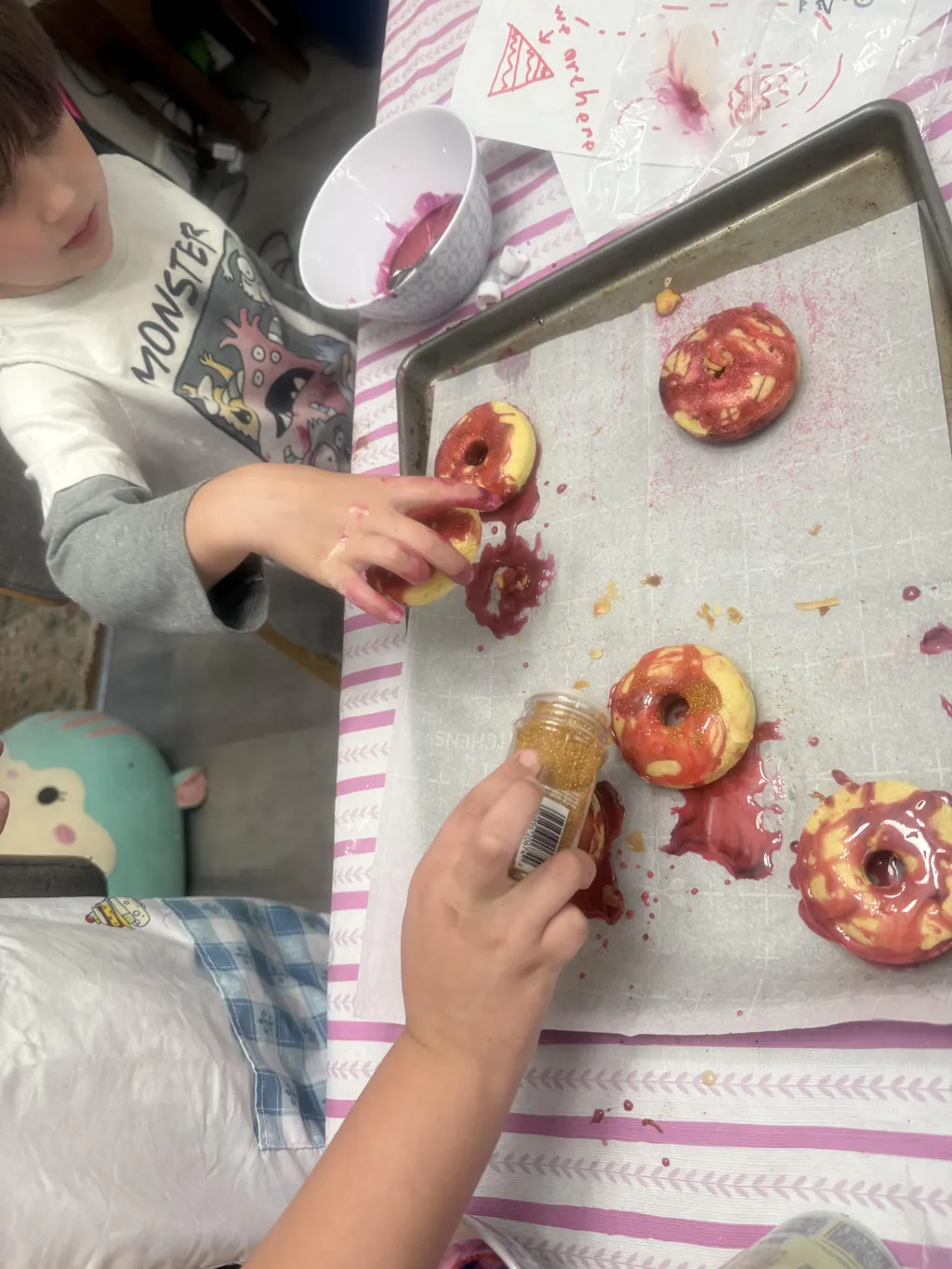
At I'm the Chef Too!, we recognize that these hands-on, tangible experiences are crucial for holistic development. Our educational philosophy is centered on this blend, ensuring that every kit, every activity, and every blog post provides valuable insights into how STEM and the arts enrich each other. For example, our Galaxy Donut Kit invites kids to explore astronomy through edible art, perfectly merging scientific concepts with creative culinary expression. It's about seeing the big picture—how a scientific reaction can be visually stunning, how engineering principles can create beautiful structures, and how artistic design often relies on mathematical precision.
Building Your Essential Summer Craft Supply Stash
One of the beautiful things about easy summer crafts for kids at home is that you often don't need a trip to a specialty store. Many fantastic projects can be made with items you already have around the house, especially recycled materials! Building a well-stocked, yet inexpensive, craft stash can make spontaneous creativity much easier and more accessible. At I'm the Chef Too!, we understand the value of convenience, which is why our kits come with pre-measured dry ingredients and specialty supplies, but for everyday crafting, a few basics go a long way.
Common, Inexpensive Crafting Essentials:
- Paper Power: Construction paper (various colors), printer paper, cardstock, paper plates, paper bags, tissue paper, newspaper.
- Adhesive Allies: School glue (PVA glue), glue sticks, clear tape, masking tape.
- Color Creators: Washable paints (tempera, acrylic for older kids), crayons, markers (washable for younger ones, permanent for specific projects like stress balls or sunglasses with supervision), colored pencils, sidewalk chalk.
- Cutting & Shaping: Kid-safe scissors, playdough (store-bought or DIY), cookie cutters.
- Textile Touches: Yarn scraps, string, pipe cleaners, cotton balls, felt scraps, old socks (for sock worms!).
- Sparkle & Shine: Glitter (biodegradable options are great!), googly eyes, beads (various sizes).
- Natural Wonders: Rocks, pebbles, small sticks, leaves, pinecones, seashells (collected from adventures!).
- Kitchen Cupboard Wonders: Pasta (various shapes for necklaces or mosaics), baking soda, cornstarch, salt, food coloring, aluminum foil.
The Magic of Recycled Materials:
Embracing recycling for crafts is not only eco-friendly but also incredibly stimulating for a child's imagination. Before tossing something, ask yourself, "Could this be a craft?"
- Cardboard Chaos: Empty toilet paper rolls, paper towel rolls, cereal boxes, tissue boxes, delivery boxes. These can become anything from binoculars to dollhouses, robots, or animal figures.
- Plastic Possibilities: Plastic bottles (water bottles, milk jugs), bottle caps, yogurt cups. These are fantastic for building, sensory bottles, or creative sculptures.
- Egg-cellent Ideas: Empty egg cartons are surprisingly versatile for creating animals, flowers, or mini-dioramas.
- Tin Treasures: Altoid tins or other small metal containers can be transformed into mini-storage boxes, travel games, or artistic canvases.
Tips for a Sustainable Stash:
- Designate a Spot: Have a dedicated box, drawer, or shelf for craft supplies. This makes clean-up easier and encourages independence.
- Shop Your Home First: Always check your existing supplies and recycled items before buying new.
- Dollar Store Delights: Many craft basics like glue, googly eyes, and construction paper can be found affordably at dollar stores.
- Bulk Buy Basics: If you use a lot of specific items (like glue or construction paper), consider buying them in larger quantities when they're on sale.
- Nature's Free Gifts: Encourage children to collect interesting natural items on walks—leaves, acorns, smooth stones, feathers. These are free, beautiful, and inspire connection with the outdoors.
Imagine having a new adventure delivered to your door every month, complete with everything you need. That's the magic of The Chef's Club! While we handle the specialty ingredients and curated fun, building your home craft stash provides a wonderful foundation for spontaneous creativity, making summer boredom a thing of the past.
A Treasure Trove of Easy Summer Crafts for Kids at Home
Now, let's dive into the heart of our summer adventure: a bountiful collection of easy crafts for kids at home. We've categorized these ideas to help you find the perfect activity, whether you're looking to connect with nature, explore sensory play, create lasting keepsakes, or simply have fun with everyday items. Each suggestion comes with simple instructions and highlights the wonderful educational benefits tucked within.
Nature-Inspired Adventures
Bringing the outdoors in fosters a love for the environment and offers unique textures and materials.
-
Rock Painting and Magnets:
- Materials: Smooth rocks, acrylic paints, paintbrushes, googly eyes (optional), strong glue, magnets.
- Instructions: Collect smooth rocks. Clean and dry them. Let your child paint designs, animals, or funny faces. Once dry, glue googly eyes and a magnet to the back to create "pet cactus rocks" or fridge art.
- Benefits: Encourages observation, artistic expression, fine motor skills, and provides a tangible connection to nature.
-
Nature Dioramas:
- Materials: Shoebox, natural items (leaves, twigs, pinecones, moss, pebbles, sand), glue, optional: small toys, paint.
- Instructions: Have kids decorate the inside of a shoebox to represent a natural habitat (forest, beach, desert). Then, glue in collected natural items and small toys to create a miniature scene.
- Benefits: Sparks imagination, storytelling, ecological awareness, and enhances composition skills.
-
Twig Boats:
- Materials: Small twigs, leaves, string/yarn, scissors.
- Instructions: Find a sturdy twig for the boat's hull. Use a larger leaf for the sail, poking a small hole in the top and bottom. Thread a thin twig or pipe cleaner through the leaf and into the main twig. Use string to secure if needed. Test them in a puddle or a tub!
- Benefits: Introduces basic engineering concepts (buoyancy, structure), problem-solving, and connects kids to natural materials.
-
Shell Crafts (Salt Dough Necklaces & Tie-Dye Painted Shells):
- Materials (Salt Dough): Flour, salt, water, shells, leather cord.
- Materials (Tie-Dye Shells): Seashells, acrylic paint, water, small containers.
- Instructions (Salt Dough): Mix 1 cup flour, 1/2 cup salt, 1/2 cup water to form dough. Roll out, press shells into it (poke a hole for a necklace), bake at 250°F until hard, then paint.
- Instructions (Tie-Dye): Mix acrylic paint with water in small containers. Dip shells partially or fully, creating swirled patterns. Let dry.
- Benefits: Sensory exploration, fine motor skills, patience, and creating lasting seaside memories.
-
Pressed Flower Art:
- Materials: Fresh flowers/leaves, heavy books, parchment paper, paper, glue.
- Instructions: Carefully arrange flowers between sheets of parchment paper inside heavy books. Wait 1-2 weeks. Once pressed and dried, glue them onto paper to create beautiful designs.
- Benefits: Patience, appreciation for nature's beauty, understanding of preservation, and delicate fine motor skills.
-
Suncatchers (Tissue Paper & Watermelon):
- Materials: Contact paper or clear laminating sheets, colorful tissue paper (cut into shapes), construction paper (for frame), scissors.
- Instructions: Cut two pieces of contact paper. Peel one side and let kids arrange tissue paper shapes on the sticky surface. Place the second sticky sheet on top. Cut into desired shapes (like a watermelon slice for a summer theme) and frame with construction paper.
- Benefits: Color recognition, shape sorting, fine motor skills, understanding of light and translucency.
Sensory & Science Play
These crafts engage multiple senses and introduce basic scientific concepts through delightful experimentation.
-
DIY Playdough & Putty (Glow in the Dark too!):
- Materials: Cornstarch, baking soda, water (for basic dough); for putty, you can make a simple solution with liquid starch and glue; glow paint for glow-in-the-dark.
- Instructions: For an easy stove-top playdough: mix 1/2 cup cornstarch, 1 cup baking soda, 3/4 cup water. Heat on medium, stirring constantly, until it forms a ball (adult supervision). Cool, then knead. Add food coloring or a few drops of glow paint.
- Benefits: Chemistry in action, tactile exploration, sensory input, fine motor strength, imaginative play.
-
Sand Art Bottles (or Colored Salt Jars):
- Materials: Clear bottles/jars, colored sand (or salt + chalk/food coloring), funnel, scoops.
- Instructions: If making colored salt: mix salt with chalk powder or a few drops of food coloring, let dry. Layer different colors into the bottles using a funnel.
- Benefits: Fine motor skills, understanding density and layering, color recognition, calming sensory activity.
-
Stress Balls:
- Materials: Balloons, funnel, sand/rice/flour, permanent markers.
- Instructions: Stretch a balloon. Place a funnel into the neck and carefully pour filling until full. Knot tightly, cut excess. Decorate with markers.
- Benefits: Fine motor skills, sensory feedback, emotional regulation (stress relief), creativity.
-
Sand Slime:
- Materials: Clear glue, liquid starch (or borax solution - adult supervision), fine sand, food coloring.
- Instructions: Mix glue and food coloring. Slowly add liquid starch while stirring until slime forms. Knead in sand.
- Benefits: Chemistry, tactile sensory play, understanding material properties, fine motor strength.
-
Chemical Reactions in the Kitchen:
- While not a traditional craft, culinary creations often involve fascinating chemical reactions. The fizz from baking soda and vinegar is a classic example.
- Our Erupting Volcano Cakes Kit provides a guided, delicious way to explore these bubbling transformations, blending science with baking for a truly unforgettable "edutainment" experience!
Wearable Wonders & Keepsakes
Crafts that kids can wear or keep often become cherished treasures, reminding them of their creative achievements.
-
Pasta Necklaces:
- Materials: Various pasta shapes (rigatoni, penne, ditalini, wagon wheels), string/yarn, washable paint, paintbrushes (optional).
- Instructions: Paint pasta shapes and let dry completely. Thread pasta onto string to create unique patterns and designs. Tie ends to secure.
- Benefits: Fine motor skills, pattern recognition, color sorting, creativity.
-
Washer Necklaces:
- Materials: Metal washers (from hardware store), acrylic paint, glitter, string/cord.
- Instructions: Decorate washers with paint and glitter. Let dry. Thread onto a string or cord to make a personalized necklace.
- Benefits: Fine motor skills, design, personal expression, understanding of basic jewelry making.
-
DIY Sunglasses:
- Materials: Inexpensive plain sunglasses, permanent markers (for older kids), glitter glue, small stickers, jewels, adhesive.
- Instructions: Let kids decorate the frames of the sunglasses as they wish. Allow any glued-on items to dry completely.
- Benefits: Personal style, fine motor skills, creativity, and a practical item to use!
-
Handprint Clay Jewelry Dish:
- Materials: Air-dry clay, rolling pin, knife (adult use), small bowl (as a mold), paint (optional).
- Instructions: Roll out clay. Have child press their hand into it firmly. Carefully cut around the handprint, or simply shape into a small dish using a bowl as a mold. Let dry completely. Paint if desired.
- Benefits: Creates a precious keepsake, sensory experience with clay, fine motor skills.
-
Tie-Dye (T-Shirts, Towels, etc.):
- Materials: White cotton items (t-shirts, socks, towels), rubber bands, fabric dyes, squirt bottles, gloves, plastic bags.
- Instructions: Twist, scrunch, or fold fabric and secure with rubber bands. Mix dyes according to package directions and apply to different sections. Place in a plastic bag and let sit for several hours. Rinse, remove bands, wash.
- Benefits: Color theory, pattern making, understanding chemical reactions (dyeing process), fine motor skills.
Recycled & Upcycled Creations
Transforming "trash" into treasure teaches resourcefulness and environmental consciousness.
-
Egg Carton Creatures (Turtles, Toadstools, etc.):
- Materials: Empty egg cartons, paint, googly eyes, pipe cleaners, construction paper, glue.
- Instructions: Cut out individual egg cups. Paint them to resemble turtle shells, toadstool caps, or other creatures. Add legs from pipe cleaners, paper cutouts, or googly eyes.
- Benefits: Creative problem-solving, recycling, fine motor skills, imaginative play.
-
Cardboard Dollhouse or Kaleidoscope:
- Materials: Various cardboard boxes, scissors, glue/tape, paint, decorative papers. For kaleidoscope: mirror pieces/reflective paper, clear plastic.
- Instructions (Dollhouse): Use larger boxes for rooms, smaller ones for furniture. Cut windows/doors, paint, and decorate.
- Instructions (Kaleidoscope): Use a cardboard tube. Insert mirror pieces inside to form a triangle. Place small translucent objects at one end and a viewing hole at the other.
- Benefits: Engineering, spatial reasoning, creativity, repurposing materials.
-
Bottle Cap Bugs/Magnets:
- Materials: Bottle caps, paint, googly eyes, pipe cleaners, glue, magnets (for magnets).
- Instructions: Paint bottle caps. Glue googly eyes. Add pipe cleaner antennae. For magnets, glue a magnet to the back.
- Benefits: Recycling, fine motor skills, imaginative play, small-scale construction.
-
Duct Tape Zipper Pouches or Backpack Charms:
- Materials: Duct tape (various colors/patterns), scissors, zipper (for pouch).
- Instructions (Pouch): Lay strips of duct tape sticky-side-up, overlapping slightly. Place another layer sticky-side-down to create a fabric. Cut and fold to create a pouch shape, adding a zipper with more tape.
- Instructions (Charm): Cut out shapes from duct tape, stack layers for thickness, add a loop for hanging.
- Benefits: Practical skills, design, fine motor control, creativity, creating useful items.
Paper & Textile Art
Simple materials like paper and fabric can yield stunning and intricate results.
-
Paper Plate Creations (Seashells, Whales, Sunshines):
- Materials: Paper plates, paint, construction paper, scissors, glue, glitter.
- Instructions (Seashells): Fold a paper plate in half, cut a wavy edge. Paint.
- Instructions (Whale): Cut a paper plate into a whale shape, leaving a tail. Paint.
- Instructions (Sunshine): Paint a paper plate yellow. Glue yellow or orange strips of construction paper around the edge for rays.
- Benefits: Shape recognition, cutting skills, painting, imaginative play.
-
Stained-Glass Bunting (Wax Paper & Crayons):
- Materials: Wax paper, crayon shavings, iron (adult supervision), scissors, string.
- Instructions: Place crayon shavings between two sheets of wax paper. Cover with a cloth and iron gently until melted. Cut into shapes (triangles for bunting), punch holes, and string together.
- Benefits: Color mixing, understanding states of matter, fine motor skills, decorative art.
-
Origami & Paper Folding (Lotus Flower, Folded Snake):
- Materials: Origami paper or square paper.
- Instructions: Follow online tutorials for basic origami shapes. A folded paper snake or a simple lotus flower are great starting points.
- Benefits: Following instructions, spatial reasoning, fine motor precision, patience, geometric understanding.
-
Weaving (Simple Loom, Rainbow Fish):
- Materials: Cardboard (for loom), yarn, scissors, paper strips (for rainbow fish).
- Instructions (Loom): Cut notches into cardboard. Wrap yarn vertically. Weave horizontal yarn over and under.
- Instructions (Rainbow Fish): Cut a fish shape. Cut slits across. Weave colored paper strips through the slits.
- Benefits: Fine motor skills, pattern recognition, patience, understanding of textile construction.
-
Paper Bag Kite:
- Materials: Paper bag, string, construction paper (for tail), glue/tape, markers.
- Instructions: Decorate the paper bag. Punch two holes near the opening and attach string. Add a decorative tail made of paper strips.
- Benefits: Basic aerodynamics, engineering, fine motor skills, outdoor play.
Building & Engineering Fun
These crafts encourage structural thinking, balance, and problem-solving through construction.
-
Popsicle Stick Creations (Bird Feeder, Octopus, Farm Critters):
- Materials: Popsicle sticks, glue, paint, googly eyes, pipe cleaners, string.
- Instructions (Bird Feeder): Glue popsicle sticks in layers to create a platform and side walls. Add a string for hanging.
- Instructions (Octopus): Paint a large popsicle stick. Glue smaller sticks for tentacles. Add googly eyes.
- Benefits: Spatial reasoning, geometry, fine motor skills, creativity.
-
Wind Chimes (Metal Washer, Found Objects):
- Materials: Branch or sturdy stick, string/fishing line, various items that make sound (painted metal washers, old keys, beads, small shells).
- Instructions: Attach strings of varying lengths to the branch. Tie different sound-making objects to the end of each string. Hang and enjoy the music.
- Benefits: Understanding sound, creativity, fine motor skills, repurposing.
-
Rainbow Paper Spinner:
- Materials: Cardboard, string, markers, compass (for circles).
- Instructions: Cut two identical circles from cardboard. Punch two holes close to the center. Decorate with rainbow patterns. Thread a loop of string through the holes. Spin by winding the string.
- Benefits: Physics of motion, color theory (color mixing when spinning), fine motor skills.
-
Wire Sculptures:
- Materials: Craft wire (bendable), colorful beads.
- Instructions: Twist and bend wire into various abstract or representational shapes. String beads onto the wire for added color and texture.
- Benefits: Three-dimensional thinking, fine motor control, abstract art, understanding flexibility of materials.
Culinary Creativity: Where Food Meets Fun!
At I'm the Chef Too!, we wholeheartedly believe that the kitchen is one of the most exciting classrooms. Cooking is a fantastic blend of science, math, and art, wrapped up in a delicious package. While this blog focuses on non-edible crafts, we couldn't resist highlighting the ultimate "edutainment" experience: cooking.
- The Joy of Edible Crafts: From decorating cookies to assembling a colorful fruit pizza, edible crafts teach children about ingredients, measurements, and the delightful transformation of food. They engage all five senses and provide immediate, delicious gratification!
- A Unique Learning Blend: Each recipe is a science experiment (how does yeast work? why does cake rise?), a math lesson (measuring, fractions), an engineering challenge (building a gingerbread house), and an artistic endeavor (decorating).
- I'm the Chef Too! Kits: We've designed our kits to make this educational fun accessible and easy. Everything you need is included, with clear instructions that make complex concepts simple. From edible planets in our Galaxy Donut Kit to prehistoric treats, our kits make learning deliciously fun. Explore our full library of adventure kits available for a single purchase in our shop, or find the perfect theme for your little learner by Browse our complete collection of one-time kits.
Ready to consistently blend learning and delicious fun? Join The Chef's Club today and get a new culinary adventure delivered right to your door each month! With pre-measured dry ingredients and specialty supplies, it's the ultimate convenient way to spark curiosity and creativity, facilitate family bonding, and provide a screen-free educational alternative.
Integrating Learning Naturally: More Than Just Play
The true magic of easy summer crafts for kids at home lies in how seamlessly they weave education into entertainment. As parents and educators, we have a unique opportunity to enhance this learning process without turning playtime into a classroom lecture. The goal is to spark curiosity, encourage exploration, and make connections, rather than to test knowledge.
Ask Open-Ended Questions
Instead of telling your child what they're learning, encourage them to discover it themselves by asking open-ended questions:
- "What do you think will happen if we mix these two colors?" (Color theory, prediction, observation)
- "How can we make this structure stronger/more stable?" (Engineering, problem-solving)
- "What patterns do you notice in your design?" (Math, observation)
- "If we use a different material, how might the outcome change?" (Material science, critical thinking)
- "Tell me about your creation. What's its story?" (Language arts, imagination)
These questions invite children to think critically, articulate their ideas, and become active participants in their learning journey.
Point Out Observations and Connections
Gently highlight the scientific, mathematical, or artistic principles at play as they naturally arise during the crafting process.
- "Look how the glue changes from white to clear as it dries! That's a chemical change."
- "Wow, you used so many different shapes in your design – circles, squares, triangles! That's geometry in action."
- "The way you layered the sand shows how some colors might be denser or lighter than others."
- "This feels rough, and this feels smooth. We're exploring different textures, just like an artist does!"
By drawing attention to these details, you're building their vocabulary and helping them make sense of the world around them. Remember, our educational philosophy at I'm the Chef Too! is all about this kind of "edutainment"—making complex subjects tangible and exciting through hands-on discovery.
Embrace Different Learning Styles
Children learn in diverse ways, and crafts are wonderful for appealing to various learning styles:
- Visual Learners: Benefit from seeing examples, demonstrations, and colorful materials.
- Auditory Learners: Enjoy discussions, instructions read aloud, and listening to explanations.
- Kinesthetic/Tactile Learners: Thrive on hands-on manipulation, sensory experiences (like playdough or slime), and physical construction.
- Logical/Mathematical Learners: Will enjoy patterns, sequencing, and problem-solving aspects of crafts.
- Verbal/Linguistic Learners: Can describe their creations, tell stories about them, and discuss their process.
By offering a variety of craft types, you're providing opportunities for every child to engage in a way that resonates with them.
Focus on the "Edutainment" Experience
At its heart, "edutainment" is about making learning enjoyable and memorable. This means:
- Keeping it fun: If it feels like schoolwork, children will disengage. Let their joy and curiosity lead the way.
- Allowing for mistakes: Emphasize that "mistakes" are simply opportunities for new discoveries or different outcomes. This builds resilience and a growth mindset.
- Celebrating effort: Acknowledge their hard work, creativity, and the process they went through, not just the final product.
- Creating a positive atmosphere: Play music, share snacks, and make it a time of connection and laughter.
For ongoing inspiration and expertly designed "edutainment" experiences, consider a Chef's Club subscription. Each box is a new opportunity for discovery, bringing the perfect blend of food, STEM, and the arts right to your home, developed by mothers and educators who understand how to make learning truly engaging.
Tips for a Smooth and Joyful Crafting Session
To ensure your summer crafting adventures are more joyful than chaotic, a little preparation and a relaxed mindset go a long way. At I'm the Chef Too!, we streamline the process with our kits, but for your DIY projects, these tips will help maintain the fun for everyone.
Preparation is Key
- Gather All Materials First: Before you even invite the kids to the table, have everything you need laid out. This avoids interruptions and keeps the momentum going.
- Protect Your Workspace: Lay down old newspapers, a disposable tablecloth, or an old shower curtain. This makes cleanup much easier and allows kids to be less inhibited about making a mess.
- Dress for Success (and Mess): Encourage kids to wear old clothes or an apron. Stains are part of the creative process!
- Pre-Cut Where Needed: For younger children, pre-cutting intricate shapes or preparing difficult components can prevent frustration and allow them to focus on the fun parts.
Embrace the Mess
Crafting inherently involves mess, and that's perfectly okay! Trying to keep everything perfectly clean throughout the process can stifle creativity and turn fun into stress. Let children explore textures, mix colors, and get their hands dirty. The learning and joy gained from sensory exploration far outweigh a little extra cleanup time.
Focus on the Process, Not Just the Product
It’s easy to get caught up in wanting a "perfect" finished craft. However, the real value for children lies in the experience of creating. Emphasize their effort, their choices, and their exploration rather than the aesthetic outcome. A lopsided clay pot or a brightly splattered painting is a testament to their unique creativity and a proud accomplishment for them. Remember, we focus on fostering a love for learning and building confidence, not on achieving professional-level results.
Allow for Child-Led Creativity
While you might have an idea in mind, be open to your child's interpretations. If they want to paint their rock blue instead of green, or use feathers instead of googly eyes, let them! This autonomy fosters independence, problem-solving, and a stronger sense of ownership over their creation. It's about their vision, not yours.
Prioritize Safety (Adult Supervision Always)
This goes without saying, but always ensure adult supervision, especially when using scissors, permanent markers, glue guns, or any heat source (like for melted crayon art or stove-top playdough). Teach proper handling of tools and materials. For younger children, ensure all materials are non-toxic and choking hazards are avoided. Our kits are developed by mothers and educators with safety in mind, ensuring appropriate challenges for different age groups.
Clean-Up Strategies
- Involve the Kids: Make clean-up part of the activity. Assign age-appropriate tasks like putting caps on markers, wiping down the table, or collecting scraps.
- Have Wipes/Damp Cloths Handy: For quick hand or surface clean-ups.
- Batch Cleaning: Sometimes it's easier to let paint dry on brushes and then wash them all at once, or to gather all paper scraps for recycling at the end.
By setting up for success and approaching crafts with a joyful, flexible attitude, you'll create an environment where creativity flourishes and summer memories are beautifully made.
Beyond the Craft: What Kids Truly Gain
As our crafting journey comes to a close, it's important to reflect on the profound, long-term benefits that easy summer crafts for kids at home offer. These aren't just fleeting activities; they're investments in a child's development, shaping their character, skills, and overall well-being. At I'm the Chef Too!, our commitment is to provide enriching "edutainment" experiences, and these benefits resonate deeply with our values.
Confidence and Self-Esteem
Every finished craft, no matter how simple, is a victory. It’s a tangible representation of a child’s effort, creativity, and ability to bring an idea to life. This sense of accomplishment builds immense confidence and self-esteem. When a child proudly displays their handmade pasta necklace or their brightly painted pet cactus rock, they are celebrating their own capabilities. This belief in their ability to create and succeed can translate into other areas of their lives, encouraging them to tackle new challenges with courage.
Patience and Persistence
In our instant-gratification world, crafting teaches invaluable lessons in patience and persistence. Waiting for paint to dry, carefully threading beads, or slowly building a popsicle stick bird feeder requires sustained focus and effort. Children learn that sometimes, the best results come from taking their time and not giving up when a challenge arises. This ability to persevere through a multi-step process is a critical life skill that extends far beyond the craft table.
Problem-Solving Skills
As we've explored, crafts are miniature engineering and design challenges. What do you do when the glue isn't holding? How can you make your paper bag kite fly higher? Why did the colors mix differently than expected? Children are constantly engaging in hands-on problem-solving, learning to experiment, adapt, and innovate. These experiences build their critical thinking muscles, teaching them to approach obstacles with a proactive, creative mindset.
Emotional Expression
Art and crafts provide a powerful outlet for emotional expression. Children can channel their feelings, whether joy, frustration, or calm, into their creations. A vibrant, energetic painting might reflect excitement, while a quiet, detailed weaving project could be a form of focused meditation. This ability to communicate non-verbally through art is vital for emotional development, offering a healthy and constructive way to process inner experiences.
Lasting Memories
Perhaps most importantly, summer crafts create joyful family memories. These shared experiences—the laughter over a silly bottle cap bug, the quiet concentration of a sand art bottle project, the collective pride in a tie-dye shirt—become the cherished stories families tell for years to come. They are the tangible remnants of a summer well-spent, filled with connection, creativity, and discovery. Our purpose at I'm the Chef Too! is to facilitate these very moments, providing opportunities for family bonding that are both educational and deeply memorable. We focus on fostering a love for learning, building confidence, developing key skills, and creating joyful family memories that will last a lifetime.
Conclusion
As the sun sets on another beautiful summer day, we hope this guide has inspired you to fill your home with the joy, wonder, and learning that easy summer crafts for kids at home can bring. From the simplest paper plate creations to more involved scientific explorations, each project is a testament to the boundless imagination of children and the incredible power of hands-on learning.
At I'm the Chef Too!, we are passionate about blending food, STEM, and the arts into unique "edutainment" experiences. We believe in sparking curiosity, fostering creativity, and providing screen-free alternatives that strengthen family bonds and build essential skills. Every craft, whether a DIY project from this list or a carefully curated kit from our collection, offers a chance to explore, discover, and grow. We're committed to delivering tangible, hands-on, and delicious adventures developed by mothers and educators, ensuring that learning is always exciting and accessible.
Don't let summer boredom dim the spark of curiosity in your child. Embrace the mess, celebrate the process, and witness the incredible transformations that happen when creativity is given free rein.
Ready for a new adventure delivered to your door every month? Join The Chef's Club and start your family's next adventure today! Choose from our flexible 3, 6, and 12-month pre-paid plans, perfect for ongoing enrichment or as a thoughtful gift. Each box is a complete experience, containing pre-measured dry ingredients and specialty supplies, all with free shipping in the US. Let's make this summer, and every season, a celebration of learning and delicious fun!
Frequently Asked Questions (FAQ)
Q: What are the best easy summer crafts for toddlers?
A: For toddlers (ages 1-3), focus on simple, sensory, and mess-friendly crafts that don't require intricate fine motor skills. Great options include:
- DIY Playdough: Super soft and safe for little hands to squish and mold.
- Edible Finger Painting: Use yogurt, pureed fruits, or pudding on a tray.
- Sponge Painting: Large sponges dipped in paint for easy gripping.
- Sticker Art: Simply peel and stick large stickers onto paper.
- Water Play with Sponge Sailboats: Simple to make and endless fun in a tub.
- Pasta Necklaces (pre-painted): Toddlers can practice threading large pasta shapes onto thick yarn. Always supervise toddlers closely to prevent choking hazards or ingestion of non-food items.
Q: How can I make crafts more educational?
A: You can enhance the educational value of any craft by:
- Asking Open-Ended Questions: Instead of telling, ask "What do you think will happen if...?" or "Why did you choose that color/shape?"
- Connecting to Concepts: Point out the science (e.g., how glue dries), math (e.g., counting, patterns), or engineering (e.g., how to make something stable) involved.
- Encouraging Storytelling: Ask your child to describe their creation and tell a story about it.
- Researching: Look up a topic related to the craft (e.g., different types of fish after making a fish craft).
- Documenting: Take photos of the process and finished product, and discuss the steps. Our mission at I'm the Chef Too! is to naturally blend food, STEM, and the arts into "edutainment," making learning a delicious and tangible adventure.
Q: What if my child isn't "crafty" or gets frustrated easily?
A: Not every child will naturally gravitate towards crafts, and that's perfectly fine! Here are some tips:
- Focus on Process, Not Product: Emphasize the fun of creating, experimenting, and exploring, rather than a perfect outcome.
- Offer Choices: Let your child pick the craft, the colors, or the materials to give them a sense of control and ownership.
- Start Simple: Begin with very easy, low-pressure crafts that offer quick gratification.
- Make it Playful: Integrate crafts into imaginative play. For example, "Let's make a treasure map for our pirate adventure!"
- Craft Alongside Them: Model enthusiasm and show them that it's about the shared experience, not artistic talent.
- Try Culinary Crafts: Many kids who resist traditional crafts love cooking and baking because of the delicious outcome. Our kits, like the Galaxy Donut Kit, are designed to engage all types of learners.
Q: How do I manage the mess that comes with crafting?
A: Embracing the mess is part of the fun, but managing it makes it more enjoyable for everyone:
- Designate a "Messy Zone": Choose a specific area (kitchen table, outdoor picnic table) for crafts.
- Protect Surfaces: Use old newspapers, a disposable tablecloth, an old shower curtain, or even flattened cardboard boxes.
- Wear Old Clothes/Aprons: Dress children in clothes you don't mind getting paint or glue on.
- Have Cleanup Supplies Ready: Keep wipes, damp cloths, and a trash can nearby for quick cleanups.
- Involve Kids in Cleanup: Teach them to put caps on markers, gather scraps, and wipe down surfaces. Make it part of the routine.
- Use Washable Materials: Opt for washable paints and markers whenever possible.
Q: Where can I find craft supplies cheaply or for free?
A: You don't need to spend a lot to have a well-stocked craft area:
- "Shop" Your Home: Look for recycled items like cardboard boxes, toilet paper rolls, plastic bottles, bottle caps, egg cartons, and old newspapers/magazines.
- Nature's Bounty: Collect rocks, leaves, twigs, pinecones, and seashells on walks.
- Dollar Stores & Discount Retailers: These are great for basic supplies like glue sticks, construction paper, googly eyes, and beads.
- Sales & Coupons: Stock up on items when craft stores have sales.
- Garage Sales/Thrift Stores: Sometimes you can find bundles of yarn, fabric scraps, or craft tools at very low prices.
- I'm the Chef Too! For a convenient, curated experience, our monthly Chef's Club subscription delivers all the specialty supplies and pre-measured ingredients you need right to your door, taking the guesswork out of gathering materials for unique learning adventures.