Table of Contents
- Introduction
- The Magic of Spring for STEM Learning
- Bringing Nature Indoors: Plant & Garden STEM Activities
- Weather Wonders: Atmospheric & Water Cycle STEM
- Animal Adventures: Bug & Biodiversity STEM
- Engineering & Innovation: Creative Builds for Spring
- Fun & Colorful Chemistry: Spring-Themed Reactions
- Integrating Arts and Creativity (STEAM)
- Making STEM Accessible and Engaging at Home
- Our Unique Approach: Blending Food, STEM, & Arts
- Conclusion
- FAQ Section
Have you ever noticed how the world around us seems to burst with energy and new life as winter fades and spring arrives? The air smells fresher, colors return, and tiny green shoots push through the soil. For children, this season isn't just a signal for warmer days; it's an invitation to explore, question, and discover. Yet, in an increasingly digital world, it can be a challenge to peel kids away from screens and connect them with the magic happening right outside their windows, or even in their kitchens.
That's where the power of spring-themed STEM activities comes in! Here at I'm the Chef Too!, we believe that learning should be an adventure, a hands-on exploration that sparks genuine curiosity. Our mission is to blend food, STEM, and the arts into one-of-a-kind "edutainment" experiences, transforming complex subjects into tangible, delicious adventures. This post will delve into a vibrant collection of spring-themed STEM activities that harness the natural wonders of the season to inspire young minds. From the lifecycle of a plant to the dynamics of weather and the marvels of mini-beasts, we'll explore how these engaging projects can foster a love for learning, build essential skills, and create cherished family memories. Get ready to embrace the warmth and wonder of spring with exciting, educational activities that are as fun as they are informative! Ready to bring the magic of learning right to your doorstep? Join The Chef's Club and enjoy a new adventure delivered every month with free shipping in the US on every box.
Introduction
As the days grow longer and nature awakens from its winter slumber, spring offers a unique and fertile ground for exploration and learning. Children, with their innate curiosity, are perfectly poised to observe the myriad changes occurring around them – from budding flowers and chirping birds to the gentle shifts in weather patterns. But how do we channel this natural inclination into structured, yet exciting, educational opportunities? The answer lies in well-designed spring-themed STEM activities.
STEM, an acronym for Science, Technology, Engineering, and Mathematics, is far more than just a collection of academic subjects. It's an interdisciplinary approach to learning that fosters critical thinking, problem-solving, creativity, and collaboration. When we add the "A" for Arts to make it STEAM, we further enrich the experience by encouraging imaginative expression and design. Spring provides a living laboratory for these disciplines, with countless real-world phenomena to observe, experiment with, and understand.
This comprehensive guide aims to equip parents, educators, and caregivers with a wealth of innovative and accessible spring STEM activities. We'll explore hands-on projects that leverage the season's themes – from gardening and weather observation to exploring insects and natural phenomena – all designed to ignite a passion for discovery in children of all ages. Our goal is to make learning an engaging, tangible, and often delicious experience, fostering not just knowledge but also confidence and a lifelong love for exploration. So, let's roll up our sleeves, get a little messy, and dive into the vibrant world of spring STEM!
The Magic of Spring for STEM Learning
Spring is inherently dynamic, a season of profound change and rapid growth. This makes it an unparalleled backdrop for STEM learning, offering countless opportunities to observe scientific principles in action and apply engineering and mathematical concepts to real-world scenarios.
Why Spring is Ideal for STEM
The natural world during spring acts as a living textbook, providing a multitude of phenomena that are ripe for scientific inquiry. Plants are germinating and growing, insects are emerging, birds are nesting, and weather patterns are constantly shifting. These tangible, observable changes make abstract STEM concepts more concrete and relatable for children.
For example, observing a seed sprout isn't just a pretty sight; it's a lesson in biology, chemistry (nutrients), and even engineering (how the root system anchors the plant). Tracking rainfall introduces meteorology and data analysis. Building a bird feeder involves engineering design and understanding animal habitats. The sheer accessibility of these phenomena, often right in your backyard or local park, makes spring an ideal "classroom."
What is STEM (and STEAM)?
At its core, STEM education is about integrating distinct disciplines to solve problems and understand the world.
- Science: The systematic study of the natural and physical world through observation and experimentation. In spring, this could be plant biology, ecology, or meteorology.
- Technology: The application of scientific knowledge for practical purposes. This isn't just about computers; it can be as simple as designing tools to collect water samples or using a magnifying glass to observe insects.
- Engineering: The process of designing, building, and maintaining structures, machines, and other items. Building a miniature greenhouse or a kite are perfect spring engineering challenges.
- Mathematics: The study of numbers, quantities, shapes, and space, and their relationships. Measuring plant growth, charting rainfall, or even counting petals on a flower all involve math.
When we talk about STEAM, we add Arts to this powerful combination. This acknowledges that creativity, design thinking, and imaginative expression are vital components of innovation and problem-solving. A plant cell collage, drawing observations in a nature journal, or designing an aesthetic birdhouse all bring the 'A' into STEM, making learning more holistic and appealing to a wider range of learners.
Benefits of Hands-On Spring STEM Activities
Engaging in these types of activities offers a wealth of benefits that extend far beyond simply acquiring facts:
- Sparks Curiosity: The hands-on nature encourages children to ask "why?" and "how?", fostering an intrinsic motivation to learn. When a child sees a seed grow, they want to understand the conditions that allowed it to happen.
- Develops Critical Thinking & Problem-Solving: Activities like building a rain shelter challenge children to identify problems, brainstorm solutions, test theories, and iterate on their designs. Mistakes aren't failures; they're opportunities to learn and refine.
- Enhances Motor Skills & Coordination: Mixing ingredients, manipulating small parts, or carefully dissecting a flower all improve fine motor skills and hand-eye coordination.
- Fosters Creativity & Innovation: From designing a unique kite to inventing a new way to observe bugs, children are encouraged to think outside the box and express their ideas.
- Promotes Family Bonding: These activities are perfect for collaborative learning, allowing parents and children to explore and discover together, creating shared positive experiences and memories. This aligns perfectly with our belief at I'm the Chef Too! that learning should be a joyful family affair, a screen-free alternative that brings everyone together.
- Builds Confidence: Successfully completing a project, even a small one, gives children a sense of accomplishment and empowers them to tackle new challenges.
- Connects Learning to the Real World: By seeing STEM concepts in action, children understand their relevance beyond a textbook, making learning more meaningful and memorable.
These benefits are at the heart of our mission at I'm the Chef Too! We know that the best learning happens when it's engaging, tangible, and relevant. That’s why we craft our experiences to be exactly that. If you're looking for more ways to ignite your child's passion for discovery, remember that every month, we send a new adventure right to your door. Discover the convenience and excitement of hands-on learning by exploring our Chef's Club subscription options.
Bringing Nature Indoors: Plant & Garden STEM Activities
Spring is synonymous with growth, making plant and garden-themed activities a natural fit for STEM exploration. These projects allow children to witness lifecycles, understand basic botany, and even get their hands dirty – often with delicious results!
Seed Germination & Plant Growth
Watching a tiny seed transform into a thriving plant is nothing short of miraculous, and it offers countless scientific lessons.
- Bean in a Jar Experiment: A classic for a reason! Place a bean seed between a wet paper towel and the inside of a clear jar. Kids can observe daily changes, from root emergence to stem growth. This teaches about germination, the basic needs of plants (water, light, warmth), and the concept of observation over time. For an added layer of experimentation, try setting up two jars – one in the light and one in the dark – to compare growth, illustrating the importance of sunlight.
- Re-Grow Lettuce or Celery: A fun way to explore regeneration and plant anatomy. Place the base of a romaine lettuce or celery stalk in a shallow dish of water. Children can observe new leaves growing from the center, demonstrating a plant's ability to regenerate and utilize water through capillary action. This is a great way to introduce the idea of sustainable practices and reducing waste.
- Sprout Heads: Plant grass or cress seeds on top of a "head" made from a nylon stocking filled with sawdust or soil, adding googly eyes for personality. Water daily and watch the "hair" grow! This simple activity teaches about seed germination, plant growth, and the importance of consistent care. Kids can measure the growth daily and graph their findings, integrating valuable math skills.
Soil Science & pH Testing
The ground beneath our feet is a complex ecosystem, and understanding its composition is fundamental to plant health.
- DIY Soil pH Test: Collect soil samples from different areas (garden, potted plant, park). Using red cabbage juice as a natural indicator (it changes color based on acidity/alkalinity), children can test the pH of their soil samples. This introduces basic chemistry, the concept of pH, and how it affects plant growth. They can then research which plants prefer acidic, neutral, or alkaline soil.
- Build a Wormery: Layer different types of soil (sand, topsoil, compost) in a clear container, add some worms (found in the garden or purchased from a bait shop), and observe how they tunnel and mix the layers over time. This teaches about soil composition, decomposition, and the vital role of earthworms in maintaining healthy soil ecosystems. It’s a fascinating peek into an underground world!
- Composting in a Jar: Create a mini compost bin using a clear jar, layering kitchen scraps (fruit/veg peels, coffee grounds) with soil and leaves. Observe the decomposition process over weeks, discussing how microorganisms break down organic matter to create nutrient-rich soil. This highlights environmental science and the importance of recycling organic waste.
Plant Anatomy & Dissection
Getting up close and personal with plants reveals their intricate structures and functions.
- Flower Dissection: Gently take apart a flower (lilies or gladioli work well) to identify its parts: petals, sepals, pistil, and stamens. Use a magnifying glass for closer inspection. This activity teaches botany, fine motor skills, and observation. Children can draw and label the parts in a nature journal.
- Plant Cell "Collage": Using different colored craft materials (yarn, beads, felt), children can create a visual representation of a plant cell, labeling the nucleus, cell wall, chloroplasts, and vacuole. This combines science with art (STEAM) and helps visualize microscopic structures.
- Seed Dispersal Experiment: Collect various seeds (dandelion puffs, maple "helicopters," burdock burs). Experiment with how they travel through wind (blowing them), water (floating them), or "hitching a ride" (sticking them to fabric). This demonstrates different methods of seed dispersal and the evolutionary adaptations of plants.
Building a Mini Greenhouse/Terrarium
Engineering meets botany in these hands-on construction projects.
- Recycled Bottle Greenhouse: Use a clear plastic soda bottle to create a mini greenhouse. Cut the bottle in half, plant seeds or small seedlings in the bottom, then place the top half back on, creating a humid environment. This teaches about the greenhouse effect, plant needs, and recycling. Children can observe how the enclosed space traps warmth and moisture.
- DIY Terrarium: A slightly more elaborate project, building a terrarium involves layering rocks, charcoal, soil, and small plants in a clear glass container. Children learn about miniature ecosystems, the water cycle within an enclosed environment, and the needs of different plant types. It's a living piece of art and science!
- Plant Transportation Device: Inspired by botany, challenge kids to design and build a device that can safely transport a small sapling or plant home from a nursery or garden. This emphasizes engineering design, problem-solving, and understanding delicate plant structures.
Capillary Action
Understanding how plants draw water is a fascinating scientific principle.
- Walking Water Rainbow: Set up several glasses of water with different food colorings, connected by twisted paper towel strips. Observe how the colored water "walks" from one glass to another, mixing colors as it goes. This vividly demonstrates capillary action, color mixing, and fluid dynamics.
- Celery or Flower Color Change: Place white celery stalks or white flowers (like carnations) in glasses of water dyed with food coloring. Over several hours or a day, observe how the color travels up the stem and into the leaves or petals. This clearly shows how plants absorb water and nutrients through capillary action, a vital process for their survival.
At I'm the Chef Too!, our unique approach to learning mirrors the wonder of these plant and garden STEM activities. Just as children witness the tangible process of growth and transformation in nature, our kits provide hands-on experiences that bring complex subjects to life. Whether it’s watching dough rise (biology!), understanding ingredient reactions (chemistry!), or decorating an edible masterpiece (art!), we believe in teaching through tangible, delicious adventures.
Weather Wonders: Atmospheric & Water Cycle STEM
Spring weather is famously unpredictable, offering a fantastic opportunity to explore meteorology and the forces that shape our planet. From gentle breezes to April showers, there's always something to observe.
Rainfall Tracking & Gauges
How much rain actually falls during those famous spring showers? Learning to measure precipitation introduces data collection and basic meteorology.
- DIY Rain Gauge: Create a simple rain gauge using a clear plastic bottle. Cut off the top, invert it into the base, and use a ruler or permanent marker to mark measurements along the side. Place it outdoors and challenge children to track daily, weekly, or monthly rainfall. This teaches accurate measurement, data recording, and introduces meteorological concepts like precipitation. Graphing the data can further enhance math skills.
- Rain Garden Model: Design a model rain garden in a shallow tray using soil, small plants, and rocks to simulate how rain gardens absorb stormwater runoff. Experiment by pouring water over a sloped surface with and without the "rain garden" to see its effectiveness in preventing flooding and filtering pollutants. This teaches environmental engineering and sustainable practices.
The Water Cycle in Action
Understanding where rain comes from and where it goes is a fundamental science concept.
- Mini Water Cycle in a Bag: Draw a simple landscape on a clear plastic zip-top bag. Add a small amount of water to the bottom, seal it, and tape it to a sunny window. Observe the water evaporating, condensing on the sides, and "raining" back down. This is a visible, hands-on demonstration of the water cycle components: evaporation, condensation, and precipitation. Discuss how the sun's energy powers this cycle.
- Terrarium Water Cycle: As mentioned earlier, a sealed terrarium also beautifully demonstrates a self-contained water cycle over a longer period, showing how water moves through plants, evaporates, condenses, and returns to the soil.
Wind Power & Movement
Windy spring days are perfect for exploring aerodynamics and energy.
- Make an Anemometer: Build a simple anemometer (wind speed meter) using paper cups, straws, and a pushpin. Children can take it outside to measure and compare wind speeds in different locations or at different times of day. This teaches about scientific instrumentation, data collection, and the concept of wind speed.
- Wind Vane: Construct a wind vane with paper, a straw, and a soda bottle or pencil, allowing children to determine wind direction. They can track prevailing winds over time, connecting local observations to broader weather patterns. This introduces compass directions and weather mapping.
- Make and Fly a Kite: Design and build simple kites from paper, string, and lightweight sticks. Experiment with different shapes, sizes, and tail lengths to see how they affect flight. This is a fantastic introduction to aerodynamics, lift, drag, and the engineering design process – all while having outdoor fun!
- Model Wind Turbine: Challenge older children to build a small model wind turbine using recycled materials. Experiment with different blade designs to see which produces the most "energy" (e.g., can lift a small weight or spin a small motor if wired correctly). This introduces renewable energy, engineering design, and efficiency.
Rainbow Optics & Light
After a spring shower, a rainbow is a magical sight, full of physics lessons.
- Colors of a Rainbow Experiment: Create your own rainbows indoors by reflecting sunlight through a prism, a glass of water, or a CD. Discuss how white light is made up of different colors and how refraction separates them. This introduces the physics of light, color spectrum, and optics.
- DIY Spectroscope: Build a simple spectroscope using a cardboard tube and a piece of a diffraction grating (can be found online or in science kits). Use it to look at different light sources (incandescent bulb, fluorescent light, sun) and observe their unique spectral patterns. This takes rainbow exploration a step further into understanding light composition.
The dynamic nature of spring weather, with its visible forces at play, is a fantastic parallel to the "wow" factor of a chemical reaction. Just as we marvel at a rainbow's colors or the intricate dance of the water cycle, our Erupting Volcano Cakes Kit allows kids to experience a thrilling chemical reaction right in their kitchen, watching their cakes bubble over with deliciousness. It's these kinds of tangible, exciting moments that make learning unforgettable!
Animal Adventures: Bug & Biodiversity STEM
Spring marks the return of bustling animal life, from the smallest insects to the busiest birds. These activities offer a chance to explore zoology, ecology, and animal behavior.
Insect Observation & Habitats
The world of insects is vast and fascinating, often right in our own backyards.
- Build a Bug Catcher: Design and construct a simple bug catcher from recycled materials like plastic bottles, mesh, and tape. Go on a bug hunt, carefully observe insects (ants, beetles, ladybugs) inside the catcher, then release them. This teaches respect for living creatures, observation skills, and basic entomology. Kids can document their findings in a nature journal.
- Wormery Revisited: Beyond just soil mixing, observe the specific behaviors of worms – how they move, how they react to light, and how they eat. This provides insight into animal adaptations and their role in the ecosystem.
- Insect Hotel: Construct a "hotel" for solitary bees and other beneficial insects using hollow reeds, bamboo, drilled logs, and other natural materials. Place it in a garden and observe which insects take up residence. This teaches about insect habitats, biodiversity, and the importance of pollinators. It’s a wonderful hands-on way to support local wildlife.
- Ant Farm (DIY or Kit): A clear ant farm allows continuous observation of ant colonies, their tunneling, and social structures. This provides a window into insect behavior and complex social organization.
Bird Behavior & Engineering
Birds are particularly active in spring, building nests and raising young.
- Build a Bird Nest: Challenge children to build a model bird nest using only natural materials (twigs, leaves, mud, grass) that they collect themselves. Discuss how birds use specific materials and techniques to create sturdy, protective homes. For an engineering challenge, see if their nest can safely hold a small toy "egg" dropped from a height.
- Build a Bird Feeder: Design and construct a bird feeder from recycled materials (milk cartons, plastic bottles) or craft supplies. Fill it with birdseed and hang it in a visible location. Observe which birds visit the feeder, what types of seeds they prefer, and how their behavior changes over time. This teaches about local bird species, their diets, and engineering design. It's a great way to encourage observation and appreciation for wildlife.
- Raptor Migration Tracking (Older Kids): Research and track the migration patterns of raptors or other bird species using online resources. Discuss how bird behaviors change with the seasons and how organisms are connected across ecosystems. This introduces data analysis, ecological concepts, and geographic awareness.
Pollinator Gardens & Bee Habitats
Understanding the role of pollinators is crucial for appreciating our ecosystem.
- Plan a Pollinator Garden: Research local pollinator-friendly plants (native wildflowers, herbs) and plan a small garden space. Kids can help prepare the soil, plant seeds or seedlings, and observe the insects (bees, butterflies) that visit their garden. This teaches about botany, ecology, and the vital importance of pollinators for our food supply.
- Bee Hotel Construction: Building a bee hotel (as mentioned in insect habitats) specifically focuses on providing homes for solitary bees, which are essential pollinators. This direct action fosters environmental stewardship.
Life Cycles
Spring is a time of new life, making it perfect for studying life cycles.
- Butterfly Nectar & Feeder: Concoct simple sugar-water nectar at home and set up a butterfly feeder. Observe the butterflies that visit. For an extended project, study the butterfly life cycle (egg, larva, pupa, adult) using a caterpillar kit or by observing local species (if ethically sourced and released).
- Earthworm Life Cycle Activities: Create sensory bins with "magic mud" to represent the soil and use toy worms to explore their life cycle. Alternatively, observe real worms in a wormery and discuss their stages of development and importance to soil health.
Even beloved characters can make learning fun and encourage outdoor exploration! Just as we observe the busy world of bugs and birds, kids can celebrate spring with our Peppa Pig Muddy Puddle Cookie Pies. These delicious, hands-on treats inspire imaginative play and open discussions about the joy of nature and the wonderful things found outside. It's another way we blend engaging themes with tangible learning experiences.
Engineering & Innovation: Creative Builds for Spring
Spring STEM activities are not just about observing; they're about actively creating and solving problems. Engineering challenges encourage children to design, build, test, and refine their ideas, developing critical thinking and resilience.
Designing & Building Kites
Kite flying is a classic spring pastime, but it’s also a powerful lesson in engineering.
- Kite Design Challenge: Provide various lightweight materials (paper, plastic bags, dowels, string) and challenge children to design a kite that can fly for a specified amount of time or reach a certain height. They’ll learn about aerodynamics, weight distribution, and structural integrity. Testing different designs, making adjustments, and understanding why some designs perform better than others is at the heart of the engineering design process.
Solar Ovens
Harnessing the sun's energy is a fascinating concept for young engineers.
- DIY Solar Oven: Construct a simple solar oven from a cardboard box (like a pizza box), aluminum foil, plastic wrap, and black construction paper. Use it to melt s'mores or warm up small treats on a sunny day. This teaches about solar energy, heat transfer, insulation, and sustainable technology. Children learn to optimize their design for maximum heat absorption.
Water Filtration Systems
Understanding how to clean water is a crucial environmental engineering concept.
- Water Filtration Engineering Project: Challenge children to design and build a multi-layered water filtration system using everyday materials like gravel, sand, charcoal, and coffee filters. Provide "dirty" water (water mixed with soil, leaves, and food coloring) and have them test how effectively their system cleans it. This teaches about water purification processes, environmental science, and the engineering principles behind filtration.
Dioramas & Habitats
Creating miniature worlds is a wonderful way to combine art, science, and engineering.
- Animal Habitat Diorama: After researching a specific spring animal (e.g., a bird, rabbit, or frog), challenge children to construct a diorama of its habitat. Add an engineering constraint: the animal must be able to move in and out of its shelter without being touched by hand (e.g., using a pulley system or a hidden lever). This encourages research, spatial reasoning, creative problem-solving, and fine motor skills.
Biomimicry Challenges
Nature is the ultimate engineer. Biomimicry involves drawing inspiration from natural designs to solve human problems.
- Biomimicry Design Lab: Introduce children to examples of biomimicry (e.g., Velcro inspired by burrs, Shinkansen bullet train inspired by kingfisher beaks). Then, challenge them to identify a problem they want to solve and design a device or solution inspired by an animal or plant feature. This fosters innovative thinking, observation of nature, and interdisciplinary problem-solving. A classic example is trying to design a way to stick two things together, inspired by how a gecko's feet cling to surfaces.
- Designing a "Seed Dispersal" Device: After studying various seed dispersal methods, challenge kids to design a device that can carry and disperse small objects (like dried beans) over a distance, mimicking wind, water, or animal dispersal.
These engineering challenges are a fantastic way to engage children in hands-on learning, allowing them to experiment and discover. At I'm the Chef Too!, we wholeheartedly embrace this spirit of exploration and innovation. Our kits are designed to bring this kind of practical, skill-building fun right into your home. Ready to dive into more exciting projects that blend learning with creativity? Browse our complete collection of one-time kits to find the perfect theme for your little learner!
Fun & Colorful Chemistry: Spring-Themed Reactions
Chemistry isn't just for laboratories; it's happening all around us, and spring provides a colorful canvas for simple, safe, and engaging chemical experiments, often with an edible twist!
Magic Rainbow Milk
This vibrant experiment showcases surprising chemical interactions.
- Dancing Colors: Pour milk into a shallow dish, add drops of different food colorings, and then touch the surface with a cotton swab dipped in dish soap. Watch the colors burst and swirl! This demonstrates surface tension, the properties of fat in milk, and how soap disrupts these forces. It’s simple, visually stunning, and prompts questions about molecular interactions.
Lemon Batteries
Electricity from fruit? It's a shocking revelation for young scientists!
- Citrus Power: Using lemons (or other citrus fruits), copper wire (or pennies), and galvanized nails, children can create a simple battery that generates enough electricity to power a small LED light or a low-power clock. This introduces concepts of electrochemistry, circuits, and how chemical reactions can produce electrical energy. It's a tangible way to explore alternative energy sources.
Edible Science: Where Chemistry Meets the Kitchen
This is where I'm the Chef Too! truly shines, bringing chemistry and other STEM principles to life through delicious creations.
- Baking Soda & Vinegar Reactions: A classic that can be disguised as a "volcano" or used to make fizzy drinks. Explore how these two common household ingredients react to produce carbon dioxide gas. In baking, this reaction is what makes cakes and cookies rise – a perfect example of chemistry in action! Our Erupting Volcano Cakes Kit is a prime example of turning this exciting chemical reaction into a tasty educational adventure, showing kids how science is at play in every bite.
- Yeast and Dough: Exploring how yeast (a living organism) consumes sugar and produces carbon dioxide, causing bread dough to rise. This is a biological and chemical process that’s fun to observe and results in delicious fresh bread!
- Phase Changes with Chocolate: Melting chocolate (solid to liquid) and then allowing it to re-solidify demonstrates phase changes due to temperature. Discuss the different states of matter and how heat energy affects them. Our Galaxy Donut Kit involves understanding how glazes set and how mixtures behave, making these concepts visually clear and deliciously fun.
- Creating Emulsions: Making mayonnaise or salad dressing demonstrates how oil and water, which normally separate, can be combined with an emulsifier (like egg yolk or mustard) to create a stable mixture. This teaches about different types of mixtures and the chemistry of cooking.
At I'm the Chef Too!, our mission is to blend food, STEM, and the arts into one-of-a-kind "edutainment" experiences. We are committed to sparking curiosity and creativity in children, facilitating family bonding, and providing a screen-free educational alternative. Our unique approach teaches complex subjects through tangible, hands-on, and delicious cooking adventures developed by mothers and educators. Every month, we deliver a fresh, exciting kit right to your door, complete with pre-measured dry ingredients and specialty supplies, making it easy and convenient for families to explore the wonders of edible science together. Ready for a new adventure every month? Join The Chef's Club and enjoy free shipping on every box!
Integrating Arts and Creativity (STEAM)
The "A" in STEAM stands for Arts, and it's a vital component of holistic learning. Creativity, aesthetic appreciation, and imaginative expression enhance every STEM activity, making learning more engaging and accessible for all children.
Nature Journals & Sketching
The simplest way to integrate art into nature-based STEM is through observation and documentation.
- Spring Nature Journal: Provide children with a notebook or sketchbook and pencils/crayons. Encourage them to observe and draw what they see outdoors: a budding leaf, a chirping bird, a specific flower, or even cloud formations. They can label their drawings, write down observations, and track changes over time. This fosters keen observation skills, scientific illustration, and creative expression.
- Cloud Viewer: Craft a simple cloud viewer by cutting a square hole in a piece of cardboard and using it to frame different cloud types. Children can then draw or write about the clouds they see, learning about different meteorological phenomena.
Collages & Crafts
Art can help visualize abstract scientific concepts and express understanding.
- Plant Cell or Flower Parts Collage: As mentioned earlier, using various craft materials to create a visual representation of biological structures is a fantastic way to combine art and science. The tactile experience reinforces learning.
- Nature Mandalas: Collect natural materials like leaves, petals, small stones, and twigs. Arrange them into intricate mandala patterns. This encourages creativity, pattern recognition, and an appreciation for natural beauty, connecting to mathematical concepts of symmetry and geometry.
Designing Aesthetic Builds
When engineering challenges include an artistic component, children engage more deeply.
- Decorated Birdhouse/Feeder: Beyond just building a functional bird feeder, challenge children to decorate it aesthetically, considering colors and patterns that might attract specific birds or blend into the natural environment.
- Botanical Art Prints: Use collected leaves and flowers to create nature prints using paint or ink. This combines botany with printmaking art, allowing children to create beautiful keepsakes while studying plant forms.
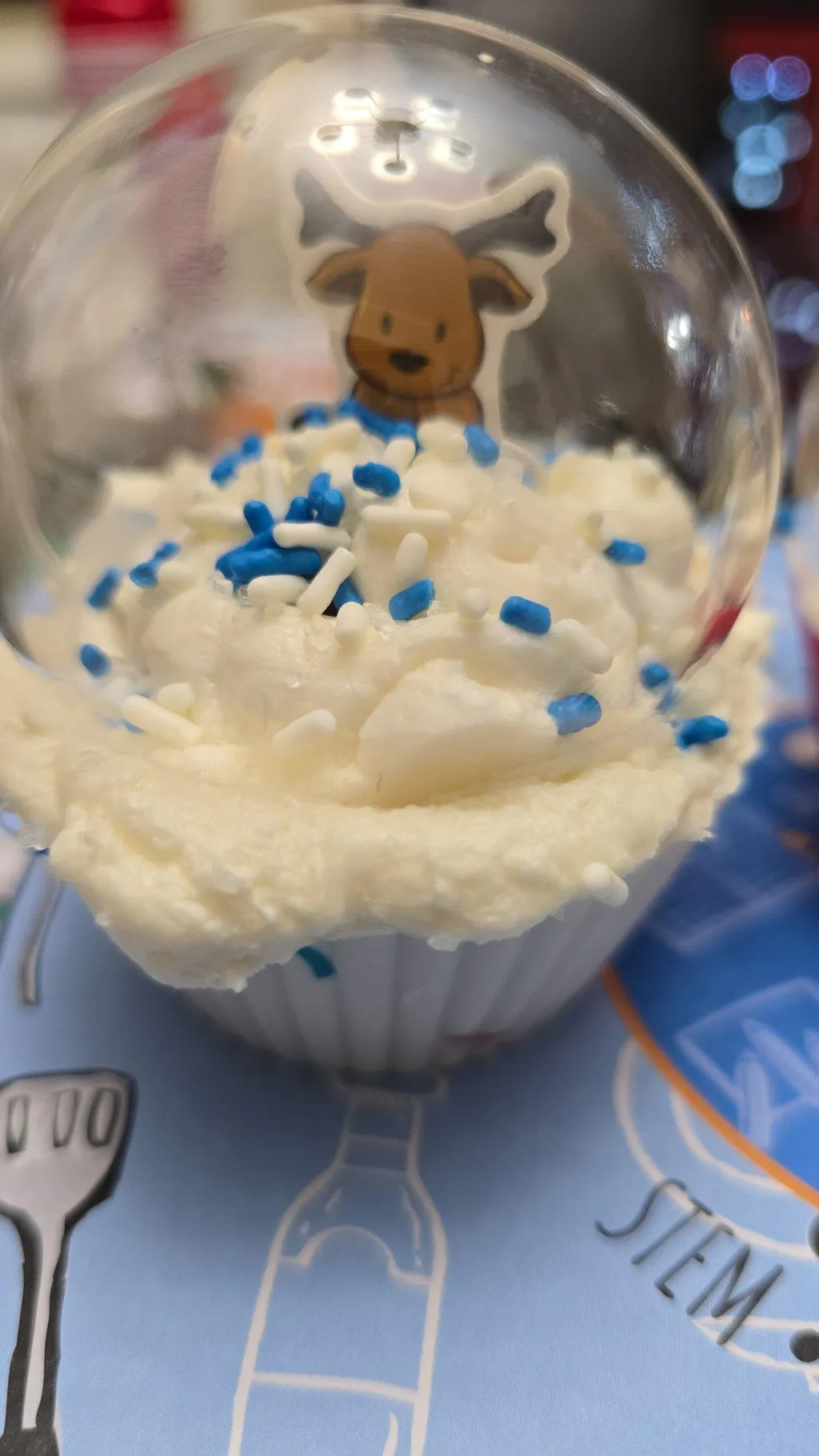
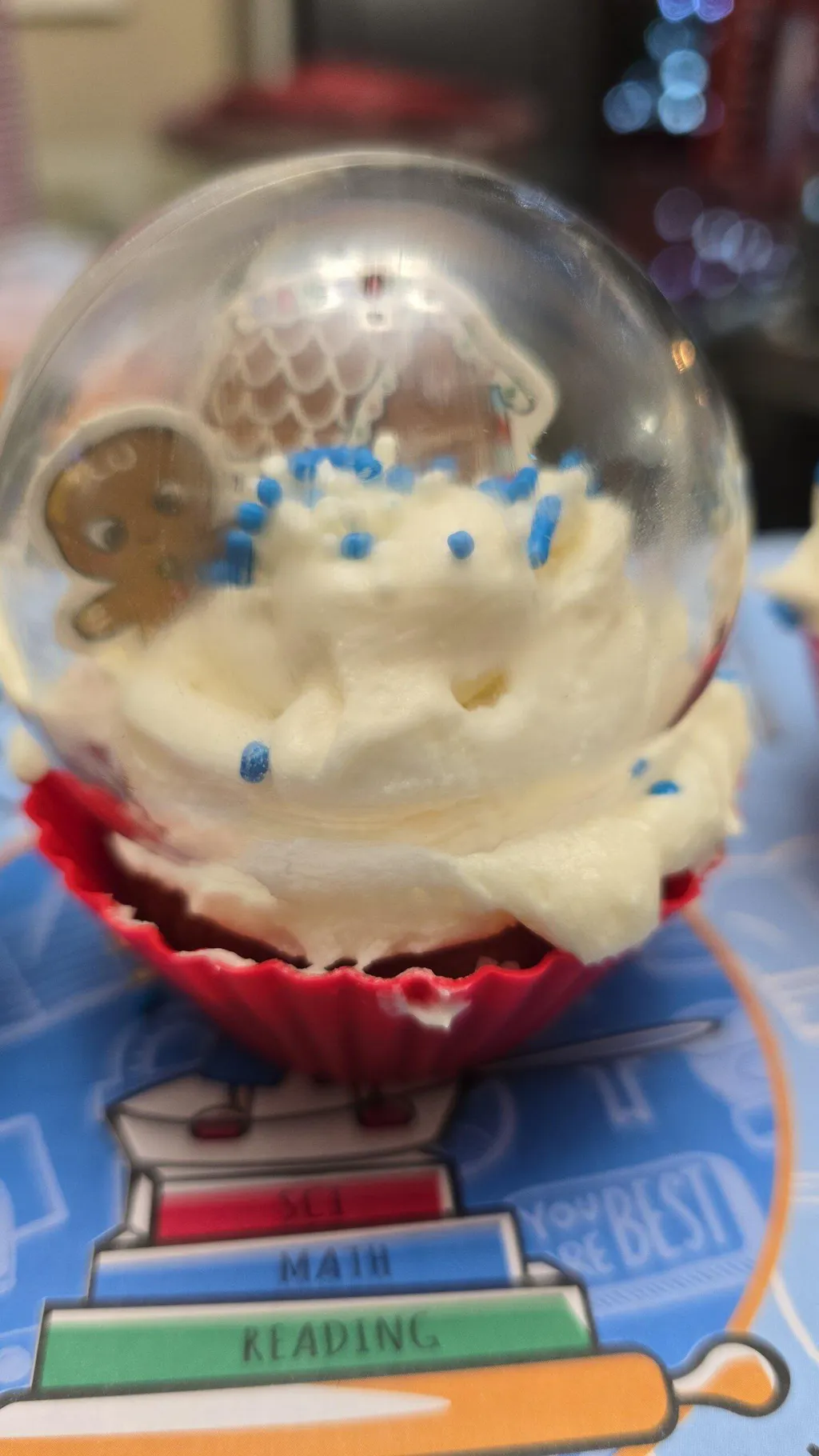
At I'm the Chef Too!, we wholeheartedly embrace the "A" in STEAM. We believe that incorporating creativity and artistic expression not only makes learning more enjoyable but also helps children develop a broader range of skills. From decorating elaborately themed cupcakes that teach about geology or astronomy to designing edible landscapes, our kits are crafted to spark imagination and encourage children to express themselves, transforming scientific concepts into delightful artistic endeavors. We're dedicated to providing these screen-free educational alternatives that spark creativity, facilitate family bonding, and foster a love for learning.
Making STEM Accessible and Engaging at Home
Bringing spring STEM projects to life doesn't require a science lab or expensive equipment. With a little creativity and a willingness to embrace mess, you can create a rich learning environment right at home.
Tips for Parents
- Embrace the Mess: Many of the best hands-on activities involve dirt, water, and sometimes food coloring. Prepare your space, perhaps using a drop cloth or doing activities outdoors, and let kids get messy! It’s part of the fun and learning.
- Ask Open-Ended Questions: Instead of just explaining, ask "What do you think will happen next?" or "Why do you think that changed?" This encourages children to think critically, make predictions, and develop their own hypotheses.
- Follow Their Lead: If your child becomes fascinated by a particular bug or a specific type of flower, lean into that interest. Allow their curiosity to guide the exploration, even if it deviates from your original plan.
- Use Everyday Materials: Many spring STEM activities can be done with items already around your house or easily found in nature. Recycled plastic bottles, cardboard, paper towels, food scraps, and backyard finds are all valuable resources.
- Prioritize Safety & Supervision: Always ensure proper adult supervision for all activities, especially those involving cutting tools, heat, or small parts. Teach children about safe handling of materials and respectful interaction with nature (e.g., releasing bugs gently).
- Document the Learning: Encourage children to keep a simple journal of their observations, drawings, and questions. This reinforces scientific record-keeping and allows them to reflect on their learning journey.
- Celebrate Small Victories: Focus on the process of exploration and discovery, not just the "correct" outcome. Celebrate their effort, their questions, and their attempts, even if an experiment doesn't go exactly as planned. Learning from mistakes is a huge part of STEM.
Creating a "STEM Station" or "Discovery Corner"
Dedicate a small area in your home to STEM exploration. This could be a corner of a room, a shelf, or even a designated box.
- Stock it with Basics: Magnifying glass, measuring tape/ruler, notebooks, pencils, binoculars, gloves, small shovels, clear containers, empty bottles, craft supplies (glue, scissors, tape).
- Rotate Materials: Change out materials seasonally or based on current interests. In spring, include seeds, soil samples, flower press, or bug viewers.
- Add Books: Keep a selection of age-appropriate non-fiction books about plants, animals, weather, and simple science experiments.
The Importance of Play-Based Learning
At I'm the Chef Too!, we know that children learn best through play. Our approach is deeply rooted in this philosophy. When children are playing, they are experimenting, problem-solving, imagining, and developing crucial skills without even realizing it. Spring STEM activities, whether building a bird feeder or making edible volcano cakes, are inherently play-based, offering a joyful and effective pathway to education. We provide these carefully crafted experiences to make it effortless for parents to foster a love for learning in their children, creating memorable, screen-free educational alternatives. We believe in providing value through complete experiences, each box containing pre-measured dry ingredients and specialty supplies, ready for an adventure. Why not make every month an educational party? Join The Chef's Club today for ongoing hands-on fun!
Our Unique Approach: Blending Food, STEM, & Arts
At I'm the Chef Too!, our mission is to redefine "edutainment" by seamlessly blending the exciting worlds of food, STEM, and the arts. We believe that the most effective learning is tangible, engaging, and sparks genuine curiosity. Our unique philosophy is built on several core principles:
- Learning Through Doing (and Tasting!): We transform complex scientific and mathematical concepts into accessible, hands-on cooking adventures. When children mix ingredients, observe chemical reactions in their dough, or measure precisely for a recipe, they're not just following instructions – they're experiencing science, technology, engineering, and math in a delicious, memorable way.
- Sparking Curiosity and Creativity: Each I'm the Chef Too! kit is designed to ignite a child's natural sense of wonder. From creating fantastical edible landscapes to understanding the science behind their favorite treats, we encourage creative expression and imaginative problem-solving through the arts.
- Facilitating Family Bonding: In a world dominated by screens, we offer a refreshing, screen-free alternative that brings families together in the kitchen. Our kits provide a structured yet flexible activity that encourages collaboration, communication, and shared joyful memories, strengthening family connections.
- Developed by Mothers and Educators: Our experiences are thoughtfully crafted by a team with a deep understanding of child development and educational best practices. This ensures that every activity is not only fun but also pedagogically sound, aligning with learning objectives while remaining engaging for children.
- Convenience and Value: We understand the challenges busy families face. That's why our monthly Chef's Club subscription delivers a complete, themed experience right to your door with free shipping in the US. Each box includes pre-measured dry ingredients and specialty supplies, taking the stress out of planning and shopping, so you can focus on the fun of learning and bonding. Our flexible 3, 6, and 12-month pre-paid plans are also perfect for gifting the gift of learning that lasts all year.
- Beyond the Textbook: We aim to move beyond rote memorization, fostering a love for learning that extends into everyday life. By connecting abstract subjects to the concrete act of cooking, children develop confidence, build key life skills, and see the relevance of STEM and art in the world around them.
We're not just sending ingredients; we're delivering an entire experience designed to make education exciting, impactful, and truly delicious.
Conclusion
As we've explored the vibrant world of spring STEM projects for kids, it's clear that this season offers an unparalleled opportunity for hands-on, engaging, and educational fun. From witnessing the miracle of plant growth and understanding the dynamics of weather to exploring the fascinating lives of insects and birds, these activities provide a natural laboratory for discovery. By fostering curiosity, developing critical thinking and problem-solving skills, enhancing creativity, and promoting invaluable family bonding, spring STEM initiatives lay a strong foundation for a lifelong love of learning.
Remember, the goal isn't to create guaranteed scientists overnight, but rather to nurture a child's innate sense of wonder, build their confidence through tangible accomplishments, and create joyful memories that will last a lifetime. Whether you're making a DIY rain gauge, building a bird feeder, or experimenting with edible chemistry in the kitchen, every activity is a step toward inspiring the next generation of innovators and thinkers.
At I'm the Chef Too!, we are passionate about making these "edutainment" experiences accessible and exciting for every child. Our unique blend of food, STEM, and the arts transforms complex subjects into delicious adventures, delivered right to your door. We believe in the power of hands-on learning, and we make it easy for your family to embark on a new educational journey every month.
Ready to cultivate curiosity and creativity in your home this spring and beyond? Join The Chef's Club today and unlock a world of monthly STEM cooking adventures!
FAQ Section
What age are these spring STEM activities suitable for?
Most of the activities listed can be adapted for a wide range of ages, generally from preschool through middle school. Younger children will enjoy the sensory and observational aspects, with more adult guidance, while older children can delve deeper into the scientific principles, data collection, and engineering design challenges independently. Our I'm the Chef Too! kits are typically designed for children aged 4+, with varying levels of complexity to engage different developmental stages.
Do I need special equipment for these projects?
Not at all! Many of these spring STEM projects can be done with common household items, recycled materials, and natural finds from your backyard or local park. Items like plastic bottles, cardboard, paper towels, food coloring, soil, and craft supplies are often all you need. For activities like making a lemon battery or spectroscope, you might need a few specific but inexpensive items, easily found online or at a local hardware/craft store. Our Chef's Club subscription boxes are designed for ultimate convenience, providing pre-measured dry ingredients and specialty supplies so you don't have to hunt for anything.
How can I encourage my child if they get frustrated during a project?
Frustration is a natural part of the learning and problem-solving process in STEM! Encourage your child by:
- Reminding them it's okay to make mistakes: Frame them as learning opportunities.
- Taking a break: Sometimes stepping away and returning with fresh eyes helps.
- Asking guiding questions: "What did you try that didn't work?" "What could you change?" instead of just giving answers.
- Working together: Offer to collaborate, providing support without taking over.
- Focusing on the effort: Praise their perseverance and thinking, not just the outcome.
What if I don't have a big yard or access to a garden?
No problem! Many spring STEM activities can be done indoors or in small spaces.
- Container Gardening: Use pots on a windowsill or balcony for seed germination and plant growth experiments.
- Indoor "Nature Hunts": Observe house plants, create terrariums, or use kitchen scraps for re-growing experiments.
- Park Visits: Utilize local parks for bird watching, bug observation, or collecting natural materials.
- Kitchen Science: Many of our I'm the Chef Too! kits, like the Galaxy Donut Kit, bring exciting scientific principles right into your kitchen, regardless of outdoor space.
How does cooking fit into STEM?
Cooking is an incredible, delicious way to explore STEM!
- Science: Understanding chemical reactions (baking soda/vinegar, yeast), phase changes (melting/freezing), and properties of ingredients.
- Technology: Using kitchen tools and appliances, understanding their function.
- Engineering: Designing recipes, building structures (e.g., decorating a cake), and understanding ingredient proportions.
- Mathematics: Measuring ingredients, calculating ratios, understanding temperatures, and converting units.
- Arts: Decorating, plating, and presenting food beautifully. At I'm the Chef Too!, we specialize in blending these elements into fun, hands-on culinary adventures that teach complex subjects in an engaging, memorable way.
Are I'm the Chef Too! kits safe for kids?
Absolutely! Safety is our top priority. Our kits are developed by mothers and educators who ensure all activities are age-appropriate and designed with safety in mind. We provide clear, easy-to-follow instructions, and implicitly, all cooking and hands-on activities should be done with appropriate adult supervision. Our ingredients are high-quality, and we focus on providing a fun, educational, and safe experience for the whole family.