Table of Contents
- Introduction
- Why Lemonade Crafts are a Zesty Boost for Development
- Integrating STEM with Lemonade Fun: A Sweet Education
- A Gallery of Lemonade Craft Ideas: Sweet Creations for Little Hands
- The STEM Behind the Squeeze: A Deeper Dive into Learning
- Tips for a Zesty Crafting Session: Making the Most of Lemonade Fun
- The I'm the Chef Too! Difference: Zest for Learning, Delivered
- Beyond the Lemonade Stand: Extending the Learning and Fun
- Conclusion
- FAQ
Ever watched a child's eyes light up when they mix two colors to create a brand new shade, or when they witness a fizzy reaction in a simple experiment? That spark of discovery, that innate desire to explore and understand the world around them, is precisely what we aim to nurture at I'm the Chef Too!. We believe that some of the most profound learning happens not from memorizing facts, but from tangible, hands-on experiences – especially when those experiences are delicious! Today, we're diving into the wonderfully versatile world of lemonade crafts for kids. Far from just simple art projects, these activities offer a fantastic opportunity to blend creativity with core STEM (Science, Technology, Engineering, and Math) concepts, all while making memories that are as sweet and refreshing as a glass of homemade lemonade. Get ready to transform everyday materials into extraordinary learning adventures, proving that "edutainment" can be both engaging and incredibly enriching. Our mission is to spark curiosity, facilitate family bonding, and provide screen-free educational alternatives through unique cooking adventures, and lemonade crafts fit right into that philosophy.
Introduction
Imagine a sun-drenched afternoon, the air thick with the promise of summer, and the faint, sweet-tart scent of lemons. For many, lemonade isn't just a drink; it's a symbol of childhood summers, entrepreneurial spirit, and simple pleasures. But what if we told you that the humble lemon and its iconic beverage could be the springboard for a vibrant world of educational crafts and activities? Far beyond just a delicious treat, lemonade-themed projects offer a surprisingly rich tapestry of learning opportunities for children of all ages. From developing crucial fine motor skills to understanding basic scientific principles, these crafts provide a delightful, screen-free alternative to engage young minds.
In this comprehensive guide, we're going to explore a delightful array of lemonade crafts for kids that seamlessly blend artistic expression with core STEM principles. We'll show you how to turn torn paper, paint, and even real lemons into engaging activities that teach chemistry, math, engineering, and art. We'll delve into various craft ideas, offer practical tips for parents and educators, and explain how each activity contributes to a child's holistic development. Our goal is to empower you with ideas that spark curiosity, foster creativity, and create joyful family memories, all while embracing the hands-on learning approach that is at the heart of I'm the Chef Too!'s philosophy.
Why Lemonade Crafts are a Zesty Boost for Development
Lemonade crafts, with their bright colors and refreshing theme, offer much more than just a way to pass a sunny afternoon. They are powerful tools for holistic child development, touching upon various cognitive, physical, and emotional domains. At I'm the Chef Too!, we recognize the incredible value of learning through doing, and lemonade crafts perfectly embody this principle.
Firstly, these crafts are fantastic for fine motor skill development. Activities like tearing paper, squeezing lemons, cutting shapes, or carefully gluing small pieces all require precision and coordination. These are the foundational skills needed for writing, drawing, and even basic self-care tasks. When a child painstakingly tears yellow paper into "lemonade" for a paper craft, they're not just making art; they're strengthening the tiny muscles in their hands and improving their hand-eye coordination.
Secondly, lemonade crafts inherently foster creativity and imaginative play. Children are encouraged to think outside the box – what kind of lemonade will they make? Pink? Sparkling? Will their lemonade stand have a fancy sign? This open-ended exploration allows them to express themselves and develop unique solutions, laying the groundwork for innovative thinking. It’s about the process of creation, not just a perfect end product, which aligns perfectly with our belief in fostering a love for learning rather than dictating specific outcomes.
Thirdly, the theme itself provides ample opportunities for sensory exploration. The bright yellow of lemons, the tart smell, the sticky texture of juice, the feel of torn paper, or the cool sensation of "ice cubes" – these sensory inputs stimulate different parts of the brain and enhance learning. This multi-sensory engagement makes the learning experience richer and more memorable, a cornerstone of our "edutainment" approach where children learn by experiencing with all their senses.
Beyond these foundational benefits, lemonade crafts naturally lead into early STEM concepts. From measuring ingredients for edible lemonade to understanding chemical reactions in a lemon volcano, or even designing a stable lemonade stand, children are introduced to scientific principles, mathematical concepts, and engineering challenges in an accessible and fun way. These experiences lay crucial groundwork, building confidence and a foundational understanding that will serve them well in more complex subjects later on.
Finally, these activities are wonderful for family bonding. Working together on a craft, sharing ideas, and laughing over sticky fingers creates cherished memories and strengthens relationships. In a world increasingly dominated by screens, these hands-on, shared experiences offer a vital screen-free alternative that truly brings families closer. It’s moments like these – of shared discovery and delicious creativity – that truly encapsulate the I'm the Chef Too! experience.
Ready to infuse your home with a little more zest and a lot more learning? Our kits deliver just this kind of engaging, educational fun straight to your door. You can discover more by browsing our diverse range of standalone cooking adventures available for a single purchase.
Integrating STEM with Lemonade Fun: A Sweet Education
At I'm the Chef Too!, we're passionate about showing children how food, STEM, and the arts are wonderfully intertwined. Lemonade crafts provide a perfect microcosm of this philosophy, turning a simple, refreshing theme into a vibrant learning laboratory. Let's break down how these seemingly simple crafts can introduce complex subjects in an accessible, engaging, and delicious way.
Chemistry: The Zest of Reactions
The lemon itself is a natural chemistry experiment waiting to happen.
- Acids and Bases: When children make real lemonade, they're working with citric acid. You can introduce the concept of acids (tart, sour) and how they react with bases (like baking soda). A classic example? The Lemon Volcano. Slice a lemon in half, add a few drops of food coloring, a squeeze of dish soap, and then sprinkle baking soda on top. Watch the fizzing eruption! This simple, exciting visual demonstrates a basic chemical reaction. The Erupting Volcano Cakes Kit from I'm the Chef Too! provides a delicious, hands-on way to explore similar chemical reactions in the kitchen, proving that science can be truly delectable!
- Solutions and Mixtures: Making lemonade involves dissolving sugar in water and mixing in lemon juice. This is an excellent, tangible way to explain what a solution is, how solids can dissolve into liquids, and how different ingredients combine to create a new substance. You can experiment with warm versus cold water to observe how temperature affects dissolution rates.
Math: Measuring, Counting, and Calculating Fun
Math is seamlessly woven into many lemonade crafts, often without children even realizing they're learning.
- Measurement: Baking and cooking-themed lemonade crafts, like making actual lemonade or decorating lemon-shaped cookies, require precise measurement of ingredients. "How many cups of water?" "How many spoonfuls of sugar?" This teaches practical application of fractions, volume, and counting.
- Counting and Sorting: Crafting with paper lemons or "ice cubes" can involve counting how many pieces are needed, sorting them by size or color, and arranging them in patterns.
- Economics and Entrepreneurship: Setting up a pretend lemonade stand involves pricing, calculating change, and understanding profit – basic economic principles in a fun, real-world context. "If a glass costs 50 cents, and they buy two, how much is that?" These are foundational lessons that inspire future innovators.
Engineering: Building and Designing Sweet Structures
Engineering isn't just about bridges and skyscrapers; it's about problem-solving through design and construction.
- Structure and Stability: Designing and building a 3D lemonade stand craft, even a simple one from cardboard, introduces concepts of structural integrity, balance, and how different shapes provide strength. Children learn through trial and error what makes a structure stand firm.
- Materials Science: Exploring different materials for crafts – cardboard for rigidity, paper for flexibility, pipe cleaners for bending – helps children understand the properties of various materials and how they can be used effectively in design.
- Spatial Reasoning: Arranging elements within a craft, like placing torn paper "lemonade" inside a mason jar shape or designing a layout for a poster, develops spatial awareness and planning skills.
Art: Color, Texture, and Creative Expression
Art is the natural partner to STEM, encouraging creativity and aesthetic appreciation.
- Color Theory: Lemonade crafts are inherently vibrant. Children can experiment with mixing yellow and red to make pink lemonade, or yellow and blue to get green "limeade," exploring color mixing and shades.
- Texture: Using different materials like torn paper, sponges for stamping, real lemon slices for printing, or even glitter, introduces children to various textures and how they impact the visual and tactile experience of their art.
- Design and Composition: Whether decorating a paper glass or arranging elements on a lemonade stand sign, children learn about composition, balance, and how to create an appealing visual. This cultivates an eye for aesthetics and strengthens their ability to communicate ideas visually.
At I'm the Chef Too!, we firmly believe that these interdisciplinary connections are key to developing well-rounded, curious, and confident learners. By integrating food, STEM, and the arts, we provide one-of-a-kind "edutainment" experiences that make learning an adventure. Ready for a new adventure every month? Join The Chef's Club today! for ongoing educational fun delivered right to your door with free shipping.
A Gallery of Lemonade Craft Ideas: Sweet Creations for Little Hands
Now that we've explored the rich educational tapestry that lemonade crafts offer, let's dive into a delightful collection of ideas. These crafts range from simple paper projects to delicious edible creations and exciting science experiments, ensuring there's something for every age and interest. Remember, adult supervision is always key to ensuring a safe and enjoyable crafting experience, especially when working with real food or sharp tools.
Paper-Based Lemonade Crafts: Classic Fun with a Zesty Twist
Paper crafts are accessible, require minimal supplies, and are fantastic for developing fine motor skills and creativity.
1. Torn Paper Lemonade Glass
This classic craft is perfect for little hands and encourages tactile exploration. Materials: Blue cardstock (for the glass outline), yellow construction paper (or pink for pink lemonade), white cardstock, school glue, scissors (for adults), paper straws. How to Make:
- Prepare the Glass: Draw or print a large mason jar or glass shape onto blue cardstock.
- Tear the "Lemonade": Encourage children to tear yellow construction paper into small, irregular pieces. This tearing action is excellent for fine motor development.
- Glue It In: Apply glue inside the glass outline and have children layer the torn yellow pieces to fill the "lemonade" area. They can experiment with overlapping to create texture.
- Add "Ice Cubes": Cut small squares from white cardstock for "ice cubes" and glue them on top of the yellow "lemonade."
- Straw Fun: Glue a paper straw to the side of the glass. STEM Connection: Fine motor skills (tearing, gluing), spatial reasoning (filling the shape), color recognition. Extension: Experiment with different shades of yellow for depth, or add glitter for a sparkling effect. What happens if you try tearing with one hand versus two?
2. Lemon Slice Stamping Art
Using real lemons makes this craft a sensory and artistic delight, introducing natural patterns. Materials: Cardboard cut into a glass shape, various colors of washable paint (yellow, pink, green, orange), a lemon cut in half, paintbrushes, paper straws, glue. How to Make:
- Shape the Glass: Cut cardboard into a tall glass shape.
- Paint the Background: Children can paint the cardboard glass in a base color – clear, pink, or even a light blue to suggest glass.
- Lemon Stamps: Dip the cut side of a lemon half into yellow paint. Explain that the lemon acts as a natural stamp.
- Stamp Away: Stamp the lemon onto the painted cardboard inside the glass shape to create "lemon slices." Repeat to fill the glass.
- Finishing Touch: Once dry, glue a paper straw onto the cardboard glass. STEM Connection: Art (color, texture, pattern recognition), sensory exploration (smell of lemon, feel of paint), basic printmaking. Extension: Try cutting lemons into quarters or using limes for different stamp shapes. What happens if you use different pressures when stamping?
3. 3D Lemonade Stand Diorama
This craft moves beyond flat paper, introducing basic engineering and design principles. Materials: Small cardboard box (shoe box works well), construction paper, scissors, glue, markers, small craft sticks, miniature figures or drawings. How to Make:
- Build the Stand: Use the cardboard box as the base. Cut out a front opening for the "counter" and possibly a canopy from another piece of cardboard.
- Decorate: Cover the box with construction paper, paint, or markers to create a vibrant lemonade stand. Children can design signs, price lists, and decorations.
- Add Details: Use craft sticks for supports, tiny paper cups, and drawn or cutout paper lemons. They can even draw little people running the stand or buying lemonade. STEM Connection: Engineering (structural design, stability, spatial planning), math (pricing, counting), art (design, sign-making), imaginative play. Extension: Challenge older kids to design a stand that can "fold up" or be easily transported, introducing more complex engineering concepts.
4. Pop-Up Lemonade Cards
A delightful way to combine crafting with a surprise element. Materials: Cardstock, yellow construction paper, scissors, glue, markers. How to Make:
- Card Base: Fold a piece of cardstock in half to create the card base.
- Pop-Up Mechanism: Inside the fold, make two parallel cuts in the middle of the card. Push the cut section inwards to create a "pop-up" tab.
- Lemonade Elements: Cut out various lemonade-themed shapes – a glass, lemons, ice cubes, a pitcher – from yellow and white construction paper.
- Assemble: Decorate the card and then glue the lemonade shapes onto the pop-up tab so they "pop out" when the card is opened. STEM Connection: Engineering (understanding leverage and movement), spatial reasoning (planning where cuts and elements go), fine motor skills. Extension: Experiment with different pop-up mechanisms, such as V-folds or box structures, for more advanced designs.
Edible & Culinary Lemonade Crafts: Learning You Can Taste!
These crafts are at the heart of what we do at I'm the Chef Too! – blending delicious creations with hands-on learning, emphasizing safety and adult supervision.
5. DIY Lemonade Stand Cookies
Decorating cookies combines artistic expression with basic culinary skills. Materials: Pre-baked sugar cookies (lemon-shaped or round), royal icing (yellow, white, pink), various sprinkles, edible markers. How to Make:
- Icing Prep: Prepare royal icing in small bowls with different colors.
- Decorate: Children can use squeeze bottles or small spoons to ice their cookies as lemonade glasses, lemons, or even miniature lemonade stand signs.
- Add Details: Use sprinkles for "ice cubes" or "bubbles," and edible markers to draw faces on lemons or write "Lemonade 50¢." STEM Connection: Art (color mixing, design, fine motor control for piping), math (counting sprinkles, understanding "half" a cookie), sensory (taste, smell, texture). Extension: For older children, introduce a simple cookie recipe to bake from scratch, delving into measuring ingredients and understanding baking chemistry. This is exactly the kind of "edutainment" we provide in our kits!
6. Edible Lemon "Ice Cubes" (Gelatin Jellies)
A wiggly, wobbly, and delicious way to explore states of matter and food science. Materials: Lemon-flavored gelatin, water, lemon juice (optional), square ice cube trays. How to Make:
- Follow Directions: Carefully follow the gelatin package instructions for dissolving the powder in hot water, then adding cold water. Adult assistance is crucial here.
- Add Zest: For extra tang, add a splash of real lemon juice to the mixture.
- Pour and Chill: Pour the liquid gelatin into square ice cube trays and refrigerate until firm. STEM Connection: Chemistry (dissolution, solidification, understanding gelatin as a polymer), math (measurement of liquids), sensory (texture, taste, smell). Extension: Experiment with different juice concentrations to see how it affects flavor and setting time. What happens if you add less water? More water?
7. Homemade Lemonade: The Ultimate Edible Craft
Making real lemonade is a classic, multi-sensory experience that teaches fundamental kitchen skills and science. Materials: Fresh lemons, sugar, water, pitcher, measuring cups, juicer. How to Make:
- Juice the Lemons: Have children roll the lemons on a counter before cutting them in half (adults only!) and then help squeeze the juice using a juicer. This is great for hand strength.
- Measure and Mix: Guide children in measuring the sugar and water according to a simple recipe. Discuss ratios and how to adjust for sweetness.
- Dissolve: Stir until the sugar dissolves completely. You can talk about what "dissolving" means.
- Taste Test: Allow them to taste and adjust the sweetness or tartness. STEM Connection: Math (measurement, ratios, fractions), chemistry (dissolving, acids), fine motor skills (juicing, stirring), sensory (taste, smell, touch). Extension: Experiment with adding other fruits (strawberries, mint) to create different flavored lemonades. Discuss how these additions change the taste and appearance. This kind of exploration is a core element of our hands-on cooking adventures at I'm the Chef Too!.
Ready for a new adventure every month? Join The Chef's Club today! for ongoing educational fun delivered right to your door with free shipping.
Sensory & Science Lemonade Crafts: Engaging All the Senses
These activities are designed to stimulate curiosity and introduce scientific principles through exciting, hands-on play.
8. Lemon Volcanoes
A fizzy, vibrant experiment that’s always a crowd-pleaser! Materials: 1-2 lemons, baking soda, food coloring, dish soap, small tray or plate. How to Make:
- Prep the Lemon: Cut the bottom off a lemon so it sits flat, then cut off the top. Use a spoon to gently mash the pulp inside, releasing the juice, but keep the rind intact.
- Add Color & Soap: Put a few drops of food coloring into the lemon pulp, then a tiny squirt of dish soap.
- The Eruption: Spoon a generous amount of baking soda into the lemon. Watch the fizzing eruption! You can gently mash the lemon again with a spoon to reactivate it. STEM Connection: Chemistry (acid-base reaction, carbon dioxide gas), sensory (fizzing sound, smell of lemon, visual of colors), scientific observation. Extension: Try different citrus fruits – oranges, limes – to compare the reactions. Does adding more baking soda change anything? How about more lemon juice? Our Erupting Volcano Cakes Kit is a fantastic example of taking this chemistry to the kitchen, where the delicious results reinforce the learning!
9. Lemonade Scented Playdough
A delightful twist on a classic sensory material, engaging smell along with touch. Materials: Flour, salt, cream of tartar, water, cooking oil, yellow food coloring, lemon extract or lemon essential oil. How to Make:
- Mix Dry: Combine flour, salt, and cream of tartar in a pot.
- Add Wet: Add water, oil, food coloring, and lemon extract/oil.
- Cook and Knead: Cook over medium heat, stirring until a dough forms. Once cool, knead until smooth. STEM Connection: Chemistry (how ingredients combine and change properties with heat), sensory (smell, touch, visual), fine motor skills (kneading, shaping). Extension: Encourage children to sculpt miniature lemonade stands, lemons, or glasses with their scented playdough, enhancing imaginative play.
Functional & Entrepreneurial Lemonade Crafts: Learning with Purpose
These crafts teach practical skills and even introduce entrepreneurial concepts in a playful manner.
10. Design Your Own Lemonade Stand
Beyond just crafting, this is a hands-on lesson in design, marketing, and basic business. Materials: Large cardboard boxes, paint, markers, construction paper, fabric scraps, glue, scissors, craft sticks. How to Make:
- Brainstorm Design: Encourage children to sketch out their ideal lemonade stand. What will it look like? What will it be called? What colors?
- Construct: Use cardboard boxes as the main structure. Children can measure and cut (with adult help) openings for a counter, windows, and a roof.
- Decorate & Brand: Paint and decorate the stand. Create eye-catching signs, a menu board with prices, and even "branding" for their unique lemonade.
- Practice Role-Play: Once built, use it for pretend play, practicing selling, counting money, and interacting with customers. STEM Connection: Engineering (structural design, stability, measurement), math (pricing, counting money, making change), art (design, marketing, sign-making), social studies (basic economics, customer service). Extension: Help them create real-world "business plans" – what ingredients will they need? How much will they charge? What's their target customer?
11. Lemon-Themed Bookmarks
A simple yet useful craft that encourages reading. Materials: Cardstock, yellow paint, a lemon cut in half, markers, ribbons, hole punch. How to Make:
- Cut Bookmarks: Cut strips of cardstock into bookmark shapes.
- Lemon Stamp: Use the lemon stamping technique (as described in Craft #2) to decorate the bookmarks with lemon slices.
- Add Details: Once dry, children can add names, funny quotes, or draw other small lemonade elements with markers.
- Ribbon: Punch a hole at the top and tie a ribbon through it. STEM Connection: Art (pattern, design, color), fine motor skills (stamping, cutting, tying), literacy connection (encouraging reading). Extension: Explore different patterns using various fruit stamps (oranges, apples) to see how the designs change.
These diverse lemonade crafts offer a fantastic pathway to learning, fostering a love for discovery in a fun and memorable way. At I'm the Chef Too!, we craft similar experiences into every box, combining food, STEM, and the arts to ignite children's imagination. Not ready to subscribe? Explore our full collection of one-time kits to find the perfect adventure for your child!
The STEM Behind the Squeeze: A Deeper Dive into Learning
At I'm the Chef Too!, our core mission is to make learning an adventure, blending complex subjects with tangible, hands-on, and delicious experiences. Lemonade crafts, as we’ve seen, are a perfect example of how everyday activities can be infused with powerful STEM lessons. Let's delve even deeper into the specific learning outcomes these zesty projects can foster.
When a child embarks on a "torn paper lemonade" craft, they're not just creating a pretty picture. The act of tearing paper helps them understand material properties – how paper behaves when pulled in different directions. Gluing the pieces into a shape develops early concepts of spatial reasoning and pattern recognition. It’s an artistic endeavor, yes, but also a subtle lesson in geometry and physics, all while strengthening those crucial fine motor skills that are foundational for everything from writing to using utensils.
Consider the "lemon slice stamping" craft. Here, children engage directly with biology and botany by observing the cross-section of a lemon – its segments, seeds, and rind. Using the lemon as a stamp introduces printmaking techniques and the concept of transfer in art, while also demonstrating how natural objects can create unique patterns. This moves beyond simple art to a discovery of the natural world and how its elements can be creatively repurposed.
The edible crafts, of course, are where I'm the Chef Too! truly shines. When kids make homemade lemonade, they are performing basic chemistry experiments. They witness sugar dissolving in water (a physical change), understand the concept of a solution, and learn about the acidic nature of lemon juice. If they experiment with adding baking soda, they see a classic acid-base reaction in action, producing carbon dioxide gas – the same gas that makes our Erupting Volcano Cakes Kit bubble over with deliciousness! This direct observation reinforces abstract chemical principles in a memorable, multi-sensory way. Furthermore, the precise measurement of ingredients for any edible craft directly applies mathematical concepts like fractions, volume, and ratios, turning the kitchen into a living math classroom.
Building a 3D lemonade stand or a pop-up card delves into fundamental engineering principles. Children learn about structural integrity, balance, and load-bearing capacity as they design and assemble their creations. They might experiment with different materials (cardboard vs. paper) and discover how certain shapes (triangles for support) offer more stability. This hands-on construction fosters problem-solving skills and encourages iterative design – trying, failing, and refining their approach. It's an early introduction to the design thinking process, an essential skill for future innovators.
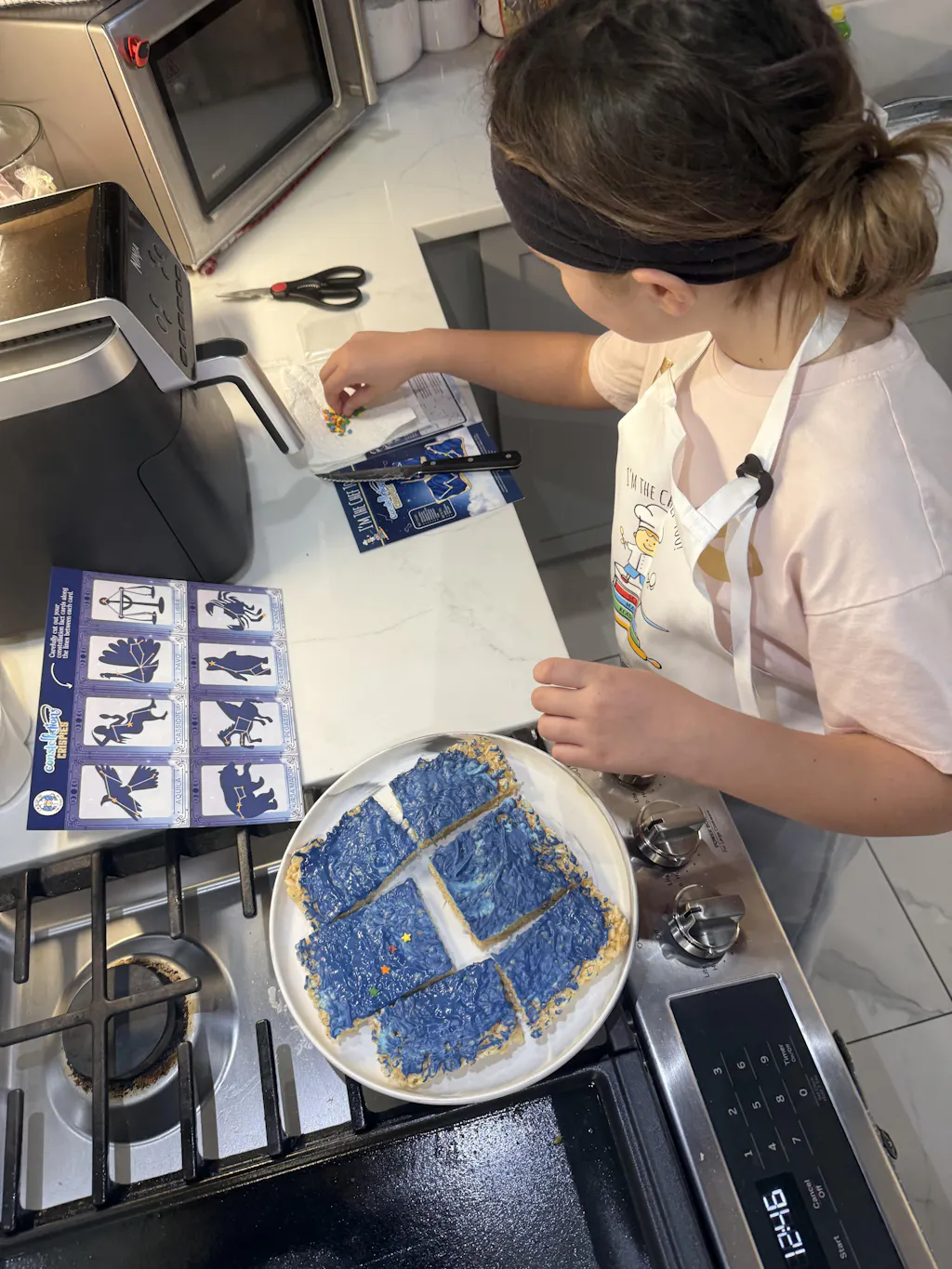
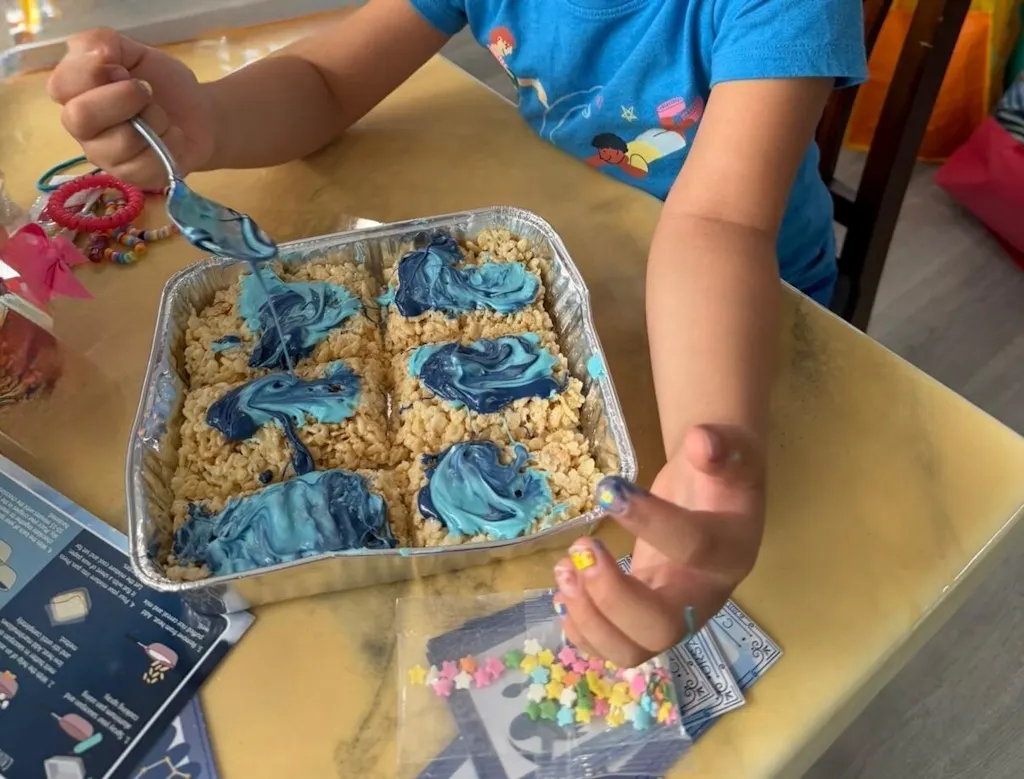
Even a craft like lemonade-scented playdough combines chemistry (how ingredients react to heat and combine) with sensory science, exploring how different scents can evoke memories and stimulate the brain. Our Galaxy Donut Kit, for instance, uses vibrant colors and imaginative themes to engage the senses while teaching about astronomy – another perfect example of blending art and science.
These activities, developed by mothers and educators, are intentionally designed to go beyond superficial engagement. They're about sparking genuine curiosity, encouraging critical thinking, and building confidence in children as they explore, experiment, and create. We believe that by making learning fun and relatable, we empower children to become lifelong learners who aren't afraid to tackle complex subjects. Give the gift of ongoing discovery with a Chef's Club subscription – a new adventure delivered to your door every month!
Tips for a Zesty Crafting Session: Making the Most of Lemonade Fun
To ensure your lemonade crafting adventures are as smooth and enjoyable as possible, here are some practical tips for parents and educators. At I'm the Chef Too!, we understand the delicate balance of structured learning and free-form exploration, and these suggestions aim to help you achieve both.
1. Preparation is Key
- Gather All Supplies First: Before inviting your child to the crafting table, lay out all necessary materials. This prevents interruptions and keeps the creative flow going. Pre-cut any tricky shapes or prepare specific ingredients ahead of time.
- Set Up a "Work Zone": Cover your table with newspaper, a plastic tablecloth, or even an old sheet. This makes cleanup significantly easier, especially for paint or sticky glue.
- Dress for Mess: Have children wear old clothes or an apron. Lemon juice can sometimes lighten fabric, and paint, well, is paint!
2. Tailor to Age and Ability
- Simplify for Toddlers/Preschoolers: Focus on activities that emphasize sensory exploration and large motor skills, like tearing paper, squeezing lemons (with supervision), or basic stamping. Pre-cut shapes for them and let them focus on gluing or painting.
- Challenge for Older Kids: Introduce more complex steps, like designing their own lemonade stand from scratch, following a recipe with multiple measurements, or researching the science behind the reactions. Encourage them to explain their process or findings.
- Adapt as Needed: If a child is struggling, break down the steps further. If they're bored, suggest an extension activity or encourage them to deviate and personalize the craft.
3. Emphasize the Process, Not Just the Product
- Encourage Exploration: The beauty of these crafts lies in the journey of creation and discovery. Celebrate effort, experimentation, and unique ideas, rather than focusing solely on a "perfect" outcome. There are no mistakes, just opportunities for learning!
- Ask Open-Ended Questions: Instead of "What did you make?" try "Tell me about your lemonade!" or "What was your favorite part of creating this?" "What do you think would happen if...?" This encourages critical thinking and verbal expression.
- Let Them Lead (Safely): Within safe boundaries, allow children to make choices about colors, materials, and how they want their craft to look. This fosters independence and a sense of ownership over their learning.
4. Integrate Learning Naturally
- Talk About It: As you craft, point out the STEM connections. "Look how the baking soda fizzes with the lemon juice – that's a chemical reaction!" or "How many lemon slices do we need for each glass? Let's count!"
- Read Related Books: Find children's books about lemons, lemonade stands, or basic science concepts to tie into the theme.
- Connect to Real Life: If you're building a lemonade stand, discuss local businesses, pricing, or even healthy eating.
5. Prioritize Safety
- Adult Supervision is Non-Negotiable: Especially when using scissors, sharp objects (like cutting lemons), or cooking elements (stovetops for playdough, hot water for gelatin).
- Wash Hands: Always encourage hand washing before and after crafts, especially edible ones.
- Food Allergies: Be mindful of any food allergies if incorporating edible elements into your crafts.
By following these tips, you'll create a supportive and exciting environment for your children to explore the wonderful world of lemonade crafts, blending fun with invaluable learning experiences. This nurturing approach to education is something we champion at I'm the Chef Too!, where our kits are designed to spark curiosity and creativity, making complex subjects digestible and enjoyable.
We offer various flexible subscription options to ensure you can continue these enriching experiences. From 3, 6, to 12-month pre-paid plans, our Chef's Club is perfect for gifting or long-term enrichment, delivering a complete "edutainment" experience to your door every month. Discover our subscription plans and join The Chef's Club today!
The I'm the Chef Too! Difference: Zest for Learning, Delivered
At I'm the Chef Too!, our commitment goes beyond just providing materials; it's about delivering an entire "edutainment" experience that truly makes a difference in a child's development. We believe that the most effective learning happens when children are engaged, curious, and having fun, and this philosophy is at the heart of every single kit we create.
What sets us apart? We seamlessly blend food, STEM, and the arts into one-of-a-kind adventures. Our kits aren't just about following a recipe; they are meticulously designed by mothers and educators to teach complex subjects through tangible, hands-on, and delicious cooking explorations. Imagine a child learning about geology by digging for "fudgy fossils" or exploring astronomy by creating an edible solar system. This is the magic we bring to your kitchen table.
We are deeply committed to sparking curiosity and creativity in children. By providing all the pre-measured dry ingredients and specialty supplies needed for each adventure, we remove the hassle for parents, making it easy to say "yes!" to screen-free, educational fun. This convenience allows families to focus on what truly matters: bonding, exploring, and creating lasting memories together. We provide a structured yet flexible framework for learning, ensuring that children gain valuable skills – from fine motor control and scientific reasoning to artistic expression and problem-solving – all while fostering a genuine love for learning.
Our unique approach focuses on the benefits of the process: building confidence, developing key skills, and nurturing a lifelong love for discovery. While we don't promise your child will become a top scientist overnight, we do promise an experience that will ignite their imagination, expand their understanding of the world, and create moments of pure joy. Just as lemonade crafts open doors to multiple learning pathways, our kits open up entire worlds of discovery, proving that education can be flavorful, exciting, and profoundly impactful.
Beyond the Lemonade Stand: Extending the Learning and Fun
The joy and learning doesn't have to stop when the last lemonade craft is finished. These activities can be wonderful springboards for even more exploration and family fun.
- Read & Research: Head to the library and check out books about lemons, citrus fruits, entrepreneurship, or simple science experiments. Learn about the history of lemonade or how citrus trees grow.
- Market Visit: Take a trip to a local farmer's market or grocery store. Let your child pick out different types of lemons or other citrus fruits. Talk about where they come from and how they're used.
- Real Lemonade Stand: If your child loved designing a pretend lemonade stand, consider helping them set up a real one! This offers invaluable lessons in economics, customer service, and community engagement. Remember to check local regulations first.
- Creative Writing: Encourage your child to write a story about their lemonade stand adventure, a poem about lemons, or a "how-to" guide for making their favorite lemonade craft.
- Taste Tests: Host a "lemonade taste test" party! Try different recipes, add various fruit purees, or experiment with sparkling water. Discuss which one is everyone's favorite and why.
- Other Citrus Adventures: Extend the theme to other citrus fruits. How about orange-themed crafts, lime-flavored treats, or grapefruit science experiments? The possibilities are endless!
By extending the learning, you reinforce the skills gained during the crafts and show your child that curiosity can lead to endless discoveries. And when you're ready for another perfectly curated, screen-free learning experience, I'm the Chef Too! is here to help. Our kits bring the adventure directly to your home, making it easy to continue fostering that love for learning, one delicious discovery at a time. Not ready to subscribe? Explore our full collection of one-time kits for a specific themed adventure!
Conclusion
Lemonade crafts for kids are a delightful, multi-faceted gateway to enriching, hands-on learning. From the simple joy of tearing paper to the exciting fizz of a lemon volcano, these activities beautifully intertwine artistic expression with core STEM principles. They develop crucial fine motor skills, spark creativity, foster a love for scientific discovery, and introduce mathematical concepts in a tangible, enjoyable way. More than that, they create precious moments of family bonding, offering a screen-free space for shared laughter, exploration, and the sweet satisfaction of creating something wonderful together.
At I'm the Chef Too!, we wholeheartedly believe in the power of "edutainment" – learning that's so engaging, it feels like play. Our mission is to ignite that spark of curiosity in every child, blending food, STEM, and the arts into unforgettable adventures. We've shown how the humble lemon can be transformed into a powerful teaching tool, proving that complex subjects can be introduced in the most accessible and delicious ways. So, grab some lemons, gather your little chefs, and get ready to squeeze out every drop of learning and fun!
Are you ready to bring this kind of hands-on discovery and delicious "edutainment" into your home every single month? Skip the planning and grocery store trips – our expertly designed kits deliver everything you need right to your door, with free shipping in the US. Join The Chef's Club today and embark on a continuous journey of culinary creativity, scientific exploration, and family fun!
FAQ
Q1: What age group are lemonade crafts best suited for? A1: Lemonade crafts are incredibly versatile and can be adapted for almost any age group! Toddlers and preschoolers will enjoy simple activities like tearing paper or lemon stamping with adult guidance, focusing on sensory exploration and fine motor skills. Elementary school children can handle more complex tasks like following recipes, building 3D stands, or conducting simple science experiments. Older children can dive deeper into the STEM concepts, research, and even design their own unique crafts.
Q2: What are the main educational benefits of lemonade crafts? A2: These crafts offer a wide range of benefits, including:
- Fine Motor Skills: Tearing, cutting, gluing, squeezing, stirring.
- Creativity & Art: Color mixing, design, texture exploration, imaginative play.
- STEM Concepts: Chemistry (acids, bases, solutions, reactions), Math (measurement, counting, pricing, ratios), Engineering (design, structure, stability), Science (observation, experimentation).
- Sensory Exploration: Engaging sight, smell, touch, and taste.
- Problem-Solving: Figuring out how to make things work or look a certain way.
- Family Bonding: Collaborative activity that encourages communication and shared experiences.
Q3: How can I make these crafts less messy? A3: Preparation is key! Lay down newspaper, a plastic tablecloth, or an old sheet. Have wet wipes or paper towels readily available for quick cleanups. Use smocks or old clothes for children. For painting, pour small amounts into shallow dishes to minimize spills. Remember, a little mess is often part of the fun and learning process!
Q4: Can I incorporate real lemons into crafts for kids? A4: Absolutely! Real lemons add a wonderful sensory element (smell, texture) and are fantastic for stamping, making real lemonade, or conducting simple science experiments like lemon volcanoes. Always ensure adult supervision when cutting lemons and be mindful of any potential allergies.
Q5: What if my child isn't interested in a particular craft? A5: Every child has different interests! If a specific craft isn't capturing their attention, don't force it. Instead, offer choices or suggest variations. Maybe they'd prefer making edible lemonade to a paper craft, or they might want to put their own unique spin on an activity. The goal is to spark curiosity, not dictate activity. Focus on the process of engagement and discovery.
Q6: How does I'm the Chef Too! connect to these types of activities? A6: At I'm the Chef Too!, our mission is built around providing precisely this kind of enriching, hands-on "edutainment." We blend food, STEM, and the arts into unique cooking adventures that foster curiosity and creativity. Our kits, developed by mothers and educators, offer pre-measured ingredients and specialty supplies to make learning complex subjects tangible and delicious, much like the lemonade crafts discussed here. We offer a convenient, screen-free way to facilitate family bonding and inspire a love for learning in children.