Table of Contents
- The Unseen Magic: Why Simple Art and Crafts Matter
- Setting Up for Success: Your Simple Craft Station
- A Treasury of Simple Art and Craft Ideas for Kids
- Guiding Your Little Artist: Tips for Parents and Educators
- Beyond the Craft Table: The I'm the Chef Too! Difference
- Conclusion
- Frequently Asked Questions (FAQ)
Ever found yourself staring at a whirlwind of toys, hearing "I'm bored!" from the next room, and wishing for a magical activity that's both fun and genuinely enriching? We've all been there. In a world brimming with screens and endless digital distractions, finding truly engaging, hands-on activities for children can feel like a quest. But what if we told you the answer isn't far-flung or complicated, but often found in the simplest of art and craft ideas, right within your home?
At I'm the Chef Too!, our mission is rooted in this very philosophy: to blend food, STEM, and the arts into one-of-a-kind "edutainment" experiences. We know firsthand, as mothers and educators ourselves, the incredible power of tangible, hands-on activities to spark curiosity and creativity in children. This blog post isn't just a list of things to do; it's an exploration of why simple arts and crafts are fundamental to a child's development, offering a screen-free educational alternative that also facilitates precious family bonding. We'll delve into the myriad benefits, share practical tips for setting up your creative space, and unveil a treasure trove of simple art and craft ideas for kids that promise big smiles and even bigger learning opportunities. Prepare to discover how these delightful projects lay the foundation for critical skills, foster a love for learning, and create joyful memories that truly last a lifetime.
The Unseen Magic: Why Simple Art and Crafts Matter
When a child sits down with a piece of paper, a crayon, and a glimmer of an idea, they're not just "making a mess" or "keeping busy." They're embarking on a profound developmental journey. Simple art and craft ideas for kids are powerful catalysts for growth, nurturing a wide array of skills far beyond just artistic talent. It’s about the entire process, from the first spark of an idea to the final proud display, that truly shapes young minds.
Cognitive Development: Building Brainpower, One Creation at a Time
Crafting is a silent classroom where children learn vital cognitive skills without even realizing it.
- Problem-Solving: Imagine a child trying to make two pieces of paper stick together, or figuring out how to balance a wobbly cardboard tower. These aren't just moments of frustration; they're critical thinking exercises in action. They learn to identify a problem, brainstorm solutions, and test them out. This iterative process of trial and error builds resilience and adaptability.
- Critical Thinking: Children make countless decisions during a craft project: which color to use, what shape to cut, where to place an embellishment. These choices, seemingly small, require them to evaluate options and predict outcomes. "If I use this glue, will it hold?" "If I mix these two colors, what will happen?" Such questions ignite analytical thought.
- Concentration & Focus: In our often-distracted world, the ability to concentrate is a superpower. Craft projects, especially those with multiple steps, naturally encourage sustained attention. Kids learn to focus on a task, block out distractions, and work towards a goal, enhancing their attention span for future academic pursuits.
- Following Instructions: Many craft projects involve a sequence of steps. Following these instructions helps children develop listening skills, sequential thinking, and an understanding of cause and effect. It also teaches them the satisfaction of completing a project by adhering to a plan.
- Creativity & Imagination: This is perhaps the most obvious benefit, but its depth is often underestimated. Crafts provide an open canvas for self-expression. Children can bring their wildest ideas to life, transforming mundane materials into fantastical creations. This freedom to imagine and create fosters innovative thinking, helping them see possibilities where others might only see limitations. It encourages them to think outside the box, to use materials in unconventional ways, and to tell stories through their art.
Fine Motor Skills & Hand-Eye Coordination: The Foundations for Future Success
Think about all the intricate movements involved in crafting:
- Cutting with scissors, gluing small pieces, drawing lines, molding clay, or carefully painting within lines. Each action refines a child's fine motor skills – the coordination of small muscles, especially in the hands and fingers.
- This precision is crucial for everyday tasks like buttoning clothes, tying shoelaces, and handwriting. Good hand-eye coordination developed through crafting also impacts sports, musical instrument playing, and even future careers requiring dexterity. It's truly amazing how a simple craft stick or a blob of playdough can be a powerful tool in developing these essential life skills!
Emotional & Social Growth: Nurturing Well-Rounded Individuals
Crafting isn't just about what kids make; it's about how they feel while making it and what they learn about themselves.
- Patience & Perseverance: Not every craft turns out perfectly on the first try. A button might not stick, a line might be crooked, or the paint might spill. These moments teach children patience and the importance of persevering through challenges. They learn that mistakes are part of the learning process and that trying again often leads to success.
- Self-Esteem & Confidence: There's an undeniable glow of pride when a child holds up a creation they've made themselves. This sense of accomplishment boosts self-esteem and confidence, encouraging them to tackle new challenges. Displaying their art further validates their efforts and creativity.
- Emotional Outlet: Art provides a non-verbal channel for self-expression. Children can convey feelings, thoughts, and experiences through colors, shapes, and textures, which can be particularly therapeutic, especially for those who struggle to articulate their emotions verbally.
- Collaboration & Sharing: When crafting with siblings or friends, children learn vital social skills like sharing materials, taking turns, and collaborating on a joint project. They learn to communicate their ideas and respect the ideas of others, fostering teamwork and empathy.
Connecting to STEM Learning: The Art of Scientific Discovery
One of the most exciting aspects of simple art and craft ideas for kids, and a core principle of I'm the Chef Too!, is their inherent connection to STEM (Science, Technology, Engineering, and Math). We often think of these subjects as separate, but in the world of hands-on creation, they intertwine beautifully.
- Science in Action: Crafts often involve fascinating scientific principles. When children mix colors, they're exploring primary and secondary colors and understanding basic optics. When they see baking soda and vinegar bubble in a homemade volcano, they're witnessing a chemical reaction firsthand. Just like how we blend delicious discoveries with science in our Erupting Volcano Cakes Kit, crafts can reveal scientific wonders. They observe how different materials behave: how paint dries, how glue sticks, or how paper folds. This observational learning is fundamental to scientific inquiry.
- Technology (Tools & Techniques): Understanding how to use tools, from scissors to paintbrushes, is an early introduction to technology. Children learn about their function, safety, and how to apply them to achieve a desired outcome.
- Engineering Principles: Building anything, even a simple paper fort or a robot made from recycled boxes, involves basic engineering. Kids consider structure, stability, balance, and design. They learn about how different shapes fit together and the properties of various materials, experimenting with concepts like weight distribution and leverage.
- Math Made Tangible: Math isn't just about numbers on a page. In crafting, children encounter math constantly. They measure lengths of string, count pom-poms, recognize and create patterns, explore geometric shapes, and understand symmetry. "How many stripes will fit on this paper?" "Which is bigger, this circle or that square?" These are all mathematical investigations.
This seamless integration of learning disciplines is what "edutainment" is all about for us at I'm the Chef Too!. We believe that when learning is hands-on and delicious, it's not just effective, it's unforgettable. Our kits are designed to bring complex subjects to life through tangible, engaging, and tasty adventures, developed by mothers and educators who understand how children learn best.
Ready for a new adventure every month? Don't miss out on the joy of discovery and delicious education delivered right to your doorstep. Join The Chef's Club and enjoy free shipping on every box.
Setting Up for Success: Your Simple Craft Station
You don't need a dedicated art studio or a huge budget to foster a love for crafts. What you need is a little organization, a focus on accessibility, and a commitment to making the creative process enjoyable for everyone involved. Setting up a simple craft station is about empowering your child and making the experience as smooth as possible for you.
The Essentials: Stocking Your Creative Toolkit
Start with basic, versatile supplies that can be used in countless ways. These foundational items are often affordable and readily available:
-
Paper, Paper, Everywhere:
- Construction Paper: A rainbow of colors for cutting, folding, and gluing.
- Printer/Copy Paper: Great for drawing, painting, and basic projects.
- Paper Plates & Bags: Incredibly versatile for masks, animals, puppets, and more.
- Newspaper/Magazines: Perfect for collages, tearing, or protecting surfaces.
-
Drawing & Coloring Tools:
- Crayons: Classic, easy to use, and widely loved.
- Washable Markers: Bright colors and simple cleanup.
- Kid-Safe Paint (Tempera or Watercolor): Allows for bolder strokes and color mixing experiments. Include brushes of various sizes.
-
Cutting & Sticking Essentials:
- Kid-Safe Scissors: Essential for developing fine motor skills and hand strength.
- Glue Sticks: Less messy for paper-to-paper projects.
- Liquid School Glue: Stronger hold for heavier materials or 3D projects.
- Masking Tape/Painter's Tape: Great for quick fixes, creating patterns, or temporary attachments.
-
Recyclable Treasures:
- Cardboard Tubes (toilet paper/paper towel rolls): Think binoculars, rockets, animals, or building blocks.
- Cardboard Boxes (cereal, tissue, delivery boxes): The ultimate blank canvas for robots, houses, cars, or fantastical creatures.
- Plastic Containers (yogurt cups, berry baskets): Can become planters, organizers, or parts of sculptures.
- Fabric Scraps, Yarn, String: Adds texture and opportunities for weaving, tying, or embellishing.
-
Natural Elements (from your backyard!):
- Leaves, Twigs, Small Stones, Pinecones: Free, organic materials that add beautiful texture and connect children to nature.
Organization & Mess Management: Keeping the Fun Flowing (and Cleanup Easy!)
One of the biggest deterrents to crafting can be the thought of the mess. But with a few simple strategies, you can keep things manageable:
- Designated Space: Choose a specific area for crafts – a kitchen table, a corner of a playroom, or even an outdoor spot on a nice day. This helps kids understand boundaries and makes cleanup more focused.
- Protective Coverings: Always lay down newspaper, an old tablecloth, or even an inexpensive shower curtain to protect your surfaces from paint drips and glue spills.
- Easy-Clean Containers: Use clear plastic bins, shoe boxes, or drawer organizers to keep supplies neatly sorted and visible. This makes it easy for kids to find what they need and put things away. For paints, consider squeeze bottles or small, non-spill cups.
- Involve Kids in Cleanup: Make cleanup part of the crafting process. Teach them to wipe down surfaces, put caps back on markers, and sort recyclables. This fosters responsibility and shows them that art comes with tidiness.
- Wet Wipes & Paper Towels: Keep them handy for quick wipe-ups!
Safety First: Crafting with Peace of Mind
Implicit in any kitchen or craft activity is the understanding of adult supervision and safety.
- Adult Supervision: Especially with younger children, always provide supervision, particularly when using scissors, glue, or any small objects that could be choking hazards.
- Age-Appropriate Tools: Ensure scissors are kid-safe and that materials are suitable for your child's developmental stage. Avoid small, loose parts for toddlers who might put them in their mouths.
- Non-Toxic Materials: Always choose paints, glues, and markers labeled as "non-toxic."
By setting up a welcoming, organized, and safe craft station, you're not just providing supplies; you're creating an environment where creativity can truly flourish, making simple art and craft ideas for kids a joyful and stress-free experience for everyone.
A Treasury of Simple Art and Craft Ideas for Kids
Now that we understand the incredible benefits and how to set up for success, let's dive into some fantastic, easy-to-do art and craft ideas. These projects are designed to be adaptable for various ages and use common household or readily available materials, ensuring that creativity is always within reach.
Recycled Wonders: Transforming Trash into Treasure
One of the most sustainable and imaginative ways to craft is by giving new life to items destined for the recycling bin. This category aligns perfectly with our ethos at I'm the Chef Too!, where we encourage resourcefulness and seeing potential in everyday objects. Just as we turn everyday ingredients into extraordinary culinary quests, these crafts transform simple materials into endless play.
-
Toilet Paper Roll Creatures & Tools: Don't toss those empty cardboard tubes!
- Animals: Paint them, add googly eyes, pipe cleaner legs, or paper ears to create a zoo of animals. Think owls, bunnies, or even fantastical beasts.
- Telescopes/Binoculars: Decorate two rolls, glue them together, and attach a string. Perfect for "bird-watching" indoors or stargazing (imaginatively!) at dusk. This is a simple way to help kids explore and notice their surroundings differently.
- Rockets/Cars: Attach cardboard fins or wheels, paint them vibrant colors, and watch them "zoom" into imaginary worlds.
-
Cardboard Box Creations: The humble cardboard box is a blank canvas for grand projects.
- Robots: Cut out shapes for arms, legs, and heads from smaller boxes, decorate with foil, bottle caps, and markers. Discuss basic shapes and how they fit together.
- Cars/Spaceships: Let kids climb inside larger boxes and decorate them into their dream vehicles. This encourages gross motor skills and imaginative role-play.
- Dollhouses/Castles: Cut out windows and doors, add decorative elements with paint or paper. This introduces basic architectural concepts and storytelling. This also teaches kids about shapes, coordination, and problem-solving.
-
Newspaper/Magazine Collage: A wonderful way to explore color, texture, and abstract art.
- Provide old newspapers or magazines, scissors, and glue. Kids can cut or tear out interesting colors, shapes, or images and arrange them into unique compositions. This develops fine motor skills, color recognition, and encourages abstract thinking.
Paper Play: Flat Surfaces, Endless Possibilities
Paper is arguably the most fundamental craft material, offering incredible versatility for countless simple art and craft ideas for kids.
-
Paper Plate Crafts: These round canvases are perfect for a multitude of projects.
- Animals/Masks: Cut out eyeholes, add ears, whiskers, or feathers to transform a plate into a lion, a cat, or a superhero mask.
- Flying Discs: Decorate plates brightly, then enjoy throwing them around.
- Spin Art: Place a few drops of washable paint on a paper plate, then spin it (either manually or by taping it to a salad spinner). The centrifugal force creates mesmerizing, unique patterns. This activity is a playful introduction to basic physics concepts and creates cheerful results kids can be proud of.
- Paper Plate Umbrella: This craft works on fine motor skills thanks to the threading involved. Kids can punch holes around the edge of a plate and thread yarn or string through, creating a colorful umbrella design.
-
Folding & Cutting: These activities enhance precision and geometric understanding.
- Paper Snowflakes: Folding and cutting symmetrical patterns. A classic for a reason!
- Origami Basics: Introduce simple folds to create animals or hats. Even simple folds build spatial reasoning.
- Paper Chains: A colorful way to decorate, practicing cutting, gluing, and pattern repetition.
-
Drawing & Coloring: The simplest form of artistic expression.
- Provide crayons, markers, or colored pencils and let imaginations run wild. Encourage storytelling through pictures, designing imaginary worlds, or creating comic strips.
-
Homemade Cards: A thoughtful way to connect with others while practicing fine motor skills.
- Help children create cards for birthdays, holidays, or just to say "hello" to a loved one. This activity combines creativity with an important lesson in empathy and connection, providing a personal touch to everyday items.
Sensory & Messy Fun (The Good Kind!): Engaging All the Senses
Some of the most engaging simple art and craft ideas for kids embrace the mess, understanding that sensory exploration is a critical part of early learning.
- Homemade Playdough/Clay: Easy to make with kitchen ingredients, playdough is fantastic for fine motor development, tactile exploration, and imaginative sculpting. Kids can mold, flatten, roll, and cut, strengthening hand muscles and expressing creativity. Making your own clay teaches basic math and science while letting creativity shine.
- Finger Painting: A classic for a reason! Lay out large sheets of paper and non-toxic finger paints. Let children explore colors, textures, and free-form expression. It's a fantastic sensory experience and a joyful way to experiment. You can make safe, non-toxic finger paint at home with sugar, water, cornstarch, and food coloring.
- Bubble Painting: A fascinating art and science combo! Mix dish soap, water, and a few drops of non-toxic liquid paint in a shallow dish. Give kids a straw (with supervision to ensure they blow out, not suck in!) to blow bubbles. Then, gently place paper over the bubbles to capture the unique, bubbly prints.
- Salt Painting: A surprisingly beautiful and scientific craft. Draw a design with white glue on cardstock. Sprinkle generously with salt, shaking off the excess. Then, use watercolors or diluted food coloring dropped onto the salt lines. Watch as the color spreads through the salt, demonstrating capillary action.
-
DIY Sidewalk Chalk/Paint: Take the art outdoors!
- Homemade Sidewalk Paint: Mix cornstarch, water, and food coloring for vibrant, washable outdoor paint. Kids can create murals, write their names, or draw giant shapes, perfect for encouraging outdoor play and large-scale creativity. Cleanup is a breeze with water!
- Homemade Sidewalk Chalk: Mix plaster of Paris with water and liquid tempera paint. Pour into molds (like empty toilet paper rolls or silicone molds) and let dry. Kids will love creating their own art tools!
Nature's Art Studio: Bringing the Outdoors In
Connecting children with nature through art is a wonderful way to foster appreciation for the environment and encourage observation skills.
- Leaf Rubbings & Collages: Collect leaves with interesting textures. Place a leaf under a piece of paper and rub a crayon (sideways) over the paper to reveal the leaf's veins and shape. Alternatively, glue collected leaves onto paper to create nature collages, exploring natural patterns and colors.
- Pinecone Animals/Ornaments: Use pinecones as the body for little creatures. Add felt pieces, googly eyes, or small twigs for limbs to create owls, hedgehogs, or fantastical forest dwellers. Decorate them with glitter or paint for seasonal ornaments.
- Rock Painting: Gather smooth, flat rocks. Wash and dry them thoroughly. Then, use acrylic paints to transform them into ladybugs, pet rocks, or abstract designs. Once dry, they can be used as garden markers, paperweights, or gifts.
Edible Art & Culinary Crafts: Where Food Meets Fun!
If your child loves turning simple ingredients into edible masterpieces, they'll adore how we bring cooking, STEM, and art together! At I'm the Chef Too!, we believe learning should be delicious, hands-on, and incredibly fun. These simple art and craft ideas for kids with an edible twist are a fantastic way to introduce culinary skills alongside artistic expression.
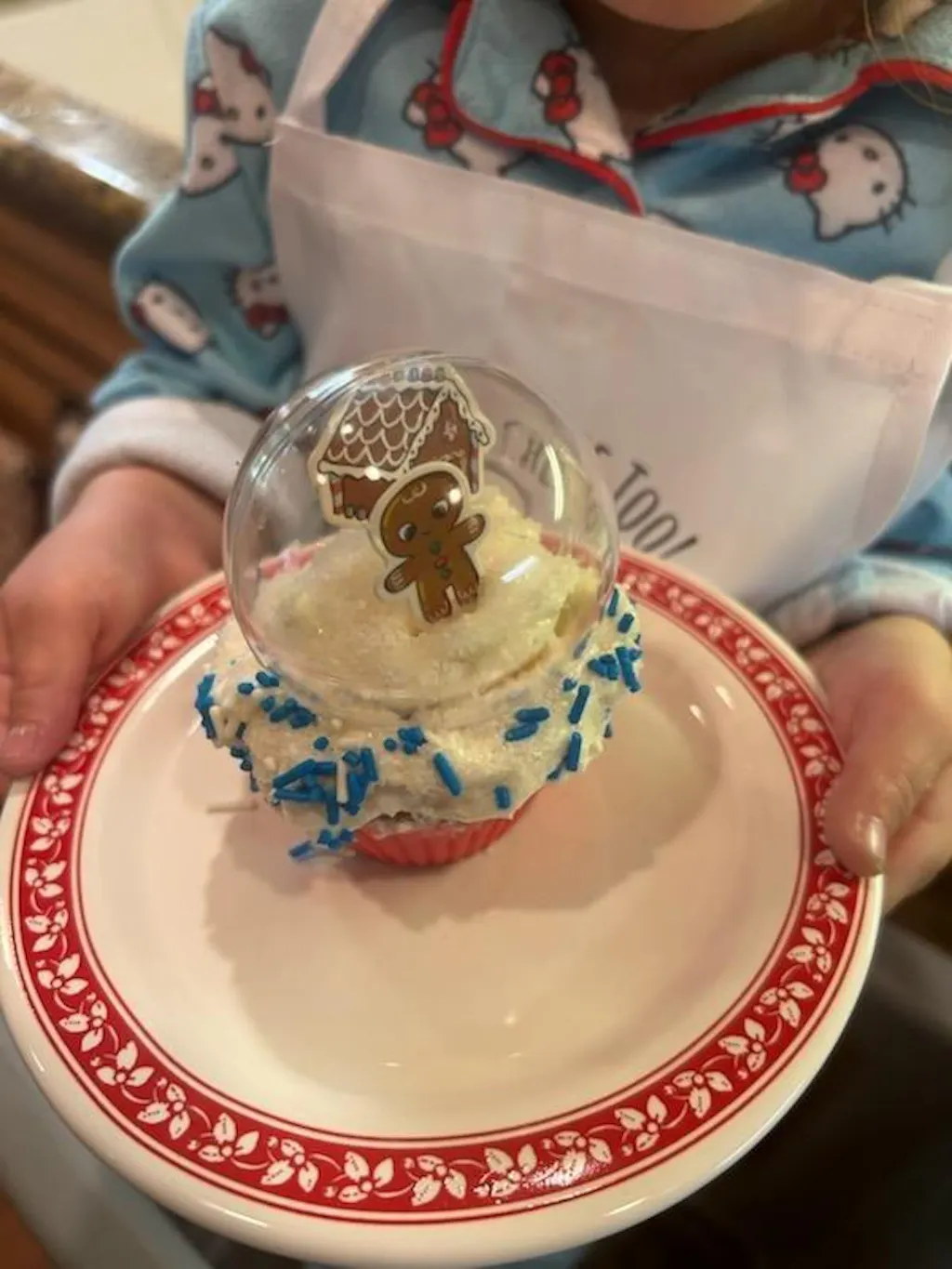
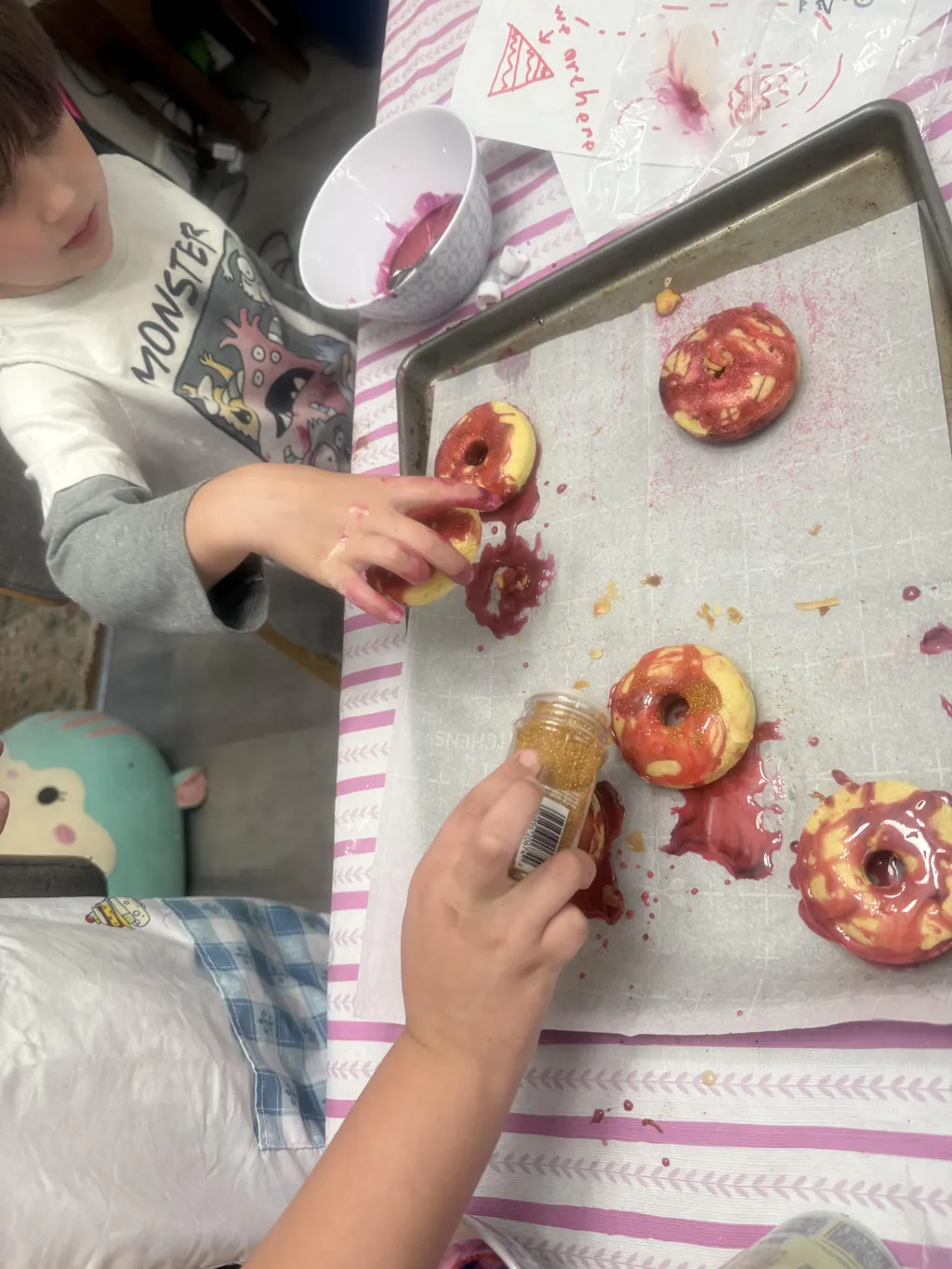
- Decorating Cookies/Cupcakes: This isn't just baking; it's a blank canvas! Provide plain cookies or cupcakes, various frostings, sprinkles, and edible decorations. Kids practice precision, color choices, and fine motor skills as they create their delicious designs.
- Fruit Skewers: A healthy and creative snack! Offer a variety of cut fruit (strawberries, grapes, melon cubes) and blunt skewers. Children can practice pattern making, counting, and color arrangement as they build their tasty towers.
- Sandwich Art: Use cookie cutters to cut bread into fun shapes. Let kids arrange healthy toppings (cheese, cucumber slices, deli meat) into faces, animals, or abstract designs on their sandwiches.
For families who cherish these hands-on, skill-building moments but crave a bit more structure and an explicit link to education, we've got something truly special. At I'm the Chef Too!, our unique approach blends culinary arts with scientific principles and creative expression, offering a curated "edutainment" experience designed by mothers and educators. Imagine exploring astronomy by creating your own edible solar system with our Galaxy Donut Kit, where each planet is a delicious donut! Or delve into geology and witness a delicious chemical reaction firsthand with our Erupting Volcano Cakes Kit. Even beloved characters can make learning fun, like when kids make Peppa Pig Muddy Puddle Cookie Pies and learn about textures and simple baking.
Not ready to subscribe? Explore our full library of adventure kits available for a single purchase in our shop to find the perfect theme for your little learner by browsing our complete collection of one-time kits. Each kit provides pre-measured dry ingredients and specialty supplies, making it convenient for you and exciting for your child.
For ongoing educational fun, consider a subscription! Give the gift of learning that lasts all year with a 12-month subscription to our STEM cooking adventures, or choose from our flexible 3 and 6-month plans. Join The Chef's Club and enjoy a new, exciting "edutainment" experience delivered to your door every month with free shipping in the US!
Guiding Your Little Artist: Tips for Parents and Educators
As adults, our role in children's crafting isn't just to set up the supplies and clean up the mess. It's about cultivating an environment that encourages exploration, celebrates effort, and fosters a lifelong love for learning. Here are some guiding principles to help you facilitate your child's creative journey with simple art and craft ideas for kids.
Focus on the Process, Not the Product
This is perhaps the most crucial tip. In our results-driven world, it's easy to focus on the "perfect" outcome. However, for children, the real magic happens during the making.
- Emphasize Effort and Exploration: Praise their imagination, their persistence, and their willingness to try new things, rather than just the neatness or resemblance of their finished piece. Say things like, "Wow, look at all those interesting colors you used!" or "You really focused on getting those pieces to stick, great effort!"
- Avoid Perfectionism: Let go of the idea that their craft needs to look a certain way. If they want to paint a blue sun or a purple tree, that's their unique creative expression! This fosters confidence and ensures they don't feel discouraged by perceived "mistakes."
Offer Choices, Not Demands
Empowerment comes from making decisions.
- Provide Options: Instead of dictating "We're making a paper plate fish today," offer a few choices: "Would you like to make an animal with this paper plate, or maybe a mask?" Or, "Which colors do you want to use for your painting?"
- Encourage Independence: Once they've chosen a project or materials, step back and let them lead. Be available for help, but resist the urge to take over or "fix" their work.
Encourage Experimentation
The craft table is a laboratory for young scientists and artists.
- Ask Open-Ended Questions: Instead of telling them what to do, ask questions that spark curiosity: "What do you think will happen if we mix these two colors?" "What else could we use to make that stick?" "How could we make this part stronger?"
- Allow for Unexpected Outcomes: Some of the most exciting discoveries happen when things don't go exactly as planned. Embrace these moments as learning opportunities.
Be a Facilitator, Not a Director
Your presence is important, but your direct intervention should be minimal.
- Set the Stage: Provide the materials, a clean workspace, and a welcoming invitation to create.
- Observe and Support: Watch their process, offer encouragement, and only step in when genuinely needed (e.g., for safety or if they explicitly ask for help after trying themselves).
- Craft Alongside Them (Sometimes!): Sometimes, the best way to encourage is to join in. Make your own creation, showing them that it's okay to explore and have fun, and modeling engagement.
Celebrate Efforts
Displaying children's art is a powerful way to boost their self-esteem.
- Create a Gallery: Designate a spot on the fridge, a bulletin board, or a wall in their room to proudly display their creations.
- Talk About Their Art: Ask them to tell you about their creation, their process, or the story behind it. This shows you value their work and thought process, not just the final outcome.
Adapt for Different Ages
Simple art and craft ideas for kids are inherently versatile.
- Simplify for Younger Kids: For toddlers and preschoolers, pre-cut shapes, larger tools, and fewer steps are key. Focus on sensory exploration and gross motor skills.
- Add Complexity for Older Kids: For elementary-aged children, introduce more intricate cutting, detailed drawing, multi-step projects, or research components (e.g., "Let's learn about real robots before we build our own!").
Connect to Real-World Learning
This is where the principles of I'm the Chef Too! truly shine.
- Discuss Science and Math: As they craft, point out the scientific or mathematical concepts in play. "Look how the paint dries differently on the cardboard than on the paper – that's a property of the materials!" "You're making a symmetrical pattern on your paper plate!"
- Integrate Storytelling: Encourage them to create stories around their art, building narrative skills and imagination.
This holistic approach is exactly why we created I'm the Chef Too! – to make learning tangible, delicious, and deeply engaging for every child. Our kits are developed by mothers and educators who understand how to weave educational concepts seamlessly into fun, hands-on activities, making learning an adventure.
Ready to spark their next creative adventure? Explore our full collection of one-time kits to find the perfect blend of culinary fun and STEM learning for your child.
Beyond the Craft Table: The I'm the Chef Too! Difference
While simple art and craft ideas for kids lay an incredible foundation for creativity and skill development, we at I'm the Chef Too! believe in taking that hands-on learning a step further. We've dedicated ourselves to crafting experiences that not only spark joy but also ingeniously weave together the worlds of food, STEM, and the arts. Our mission is to create one-of-a-kind "edutainment" experiences that stand out as a truly unique screen-free educational alternative.
We understand the challenges of finding activities that truly engage children while fostering meaningful learning. That's why our kits are developed by mothers and educators who pour their expertise and passion into every single adventure. We don't just send you ingredients; we send you a complete, themed learning journey, designed to make complex subjects approachable, tangible, and, most importantly, delicious!
Imagine the excitement of your child not only decorating a beautiful cake but also understanding the chemical reactions that make it rise. Or creating an edible solar system while learning about planets and astronomy. This is the I'm the Chef Too! difference: we transform the kitchen into a classroom and an art studio, where curiosity is ignited, creativity is celebrated, and family bonding becomes a cherished part of the learning process.
Our monthly "Chef's Club" subscription makes this educational fun incredibly convenient. Each box is a complete experience, containing pre-measured dry ingredients and specialty supplies, all delivered right to your door with free shipping in the US. No more last-minute trips to the store for obscure ingredients! We offer flexible 3, 6, and 12-month pre-paid plans, perfect for continuous enrichment or as a thoughtful gift that keeps on giving.
Ready for endless learning and delicious fun? Don't miss out on bringing these extraordinary adventures into your home. Join The Chef's Club today and get a new, exciting "edutainment" experience delivered monthly with free US shipping!
Conclusion
The journey through simple art and craft ideas for kids is far more profound than it appears on the surface. We've seen how these seemingly basic activities are vital for nurturing a child's cognitive abilities, fine motor skills, emotional intelligence, and even a foundational understanding of STEM concepts. They are the building blocks of creativity, problem-solving, and self-expression, fostering confidence and joy in every small hand that glues, cuts, or paints.
At I'm the Chef Too!, we share this deep belief in hands-on discovery and the power of tangible learning. Our unique "edutainment" kits extend this philosophy into the delicious world of culinary arts, blending food, STEM, and artistic expression into unforgettable experiences. We are committed to providing screen-free alternatives that spark curiosity, facilitate family bonding, and develop critical skills in a way that is both educational and incredibly fun.
Don't just fill time; enrich it. Let's make learning an exciting, hands-on, and delicious journey together, building skills and memories that will last a lifetime.
Unlock a world of delicious learning and creativity for your child. Subscribe to The Chef's Club and bring the magic of culinary STEM to your home every month, with free shipping in the US!
Frequently Asked Questions (FAQ)
Q: What are the best age groups for simple crafts?
A: Simple crafts are wonderfully adaptable for almost any age! For toddlers (1-3 years), focus on sensory experiences like finger painting, homemade playdough, or tearing paper, with close adult supervision. Preschoolers (3-5 years) can handle basic cutting, gluing, and more structured projects like paper plate animals. Elementary school children (6-10+) can tackle multi-step projects, intricate designs, and incorporate more complex STEM concepts. The key is to adapt the complexity and supervision level to the child's developmental stage.
Q: How do I handle the mess that comes with crafts?
A: Mess is part of the fun and learning! To manage it effectively, designate a specific crafting area, lay down protective coverings (newspaper, an old tablecloth, or even a shower curtain liner), and keep wet wipes and paper towels handy. Involve your children in the cleanup process; teach them to put caps on markers, store supplies, and wipe down surfaces. Making cleanup a routine part of crafting helps foster responsibility and keeps the area ready for the next creative adventure.
Q: What if my child says they "can't do it" or gets frustrated?
A: This is a common hurdle! Remind them that the process is more important than perfection. Encourage persistence by breaking the task into smaller, manageable steps. Offer specific encouragement ("You're really trying hard to make that stick!") rather than generic praise. Sometimes, stepping back and letting them problem-solve or offering a gentle suggestion ("What if we try holding it for a bit longer?") can be more effective than doing it for them. Remember, building confidence is a key part of crafting.
Q: How can I make simple crafts more educational?
A: Simple crafts are inherently educational! You can enhance the learning by:
- Asking open-ended questions: "What do you think will happen if...?" or "Tell me about your creation."
- Connecting to STEM: Discuss color theory (mixing paints), basic engineering (building with cardboard), math (counting supplies, recognizing shapes), or science (observing how glue dries).
- Integrating storytelling: Encourage them to create narratives around their art.
- Researching: For older kids, suggest looking up facts about the animal or object they're crafting.
Our kits at I'm the Chef Too! are specifically designed to seamlessly blend these educational elements with fun, hands-on culinary creations, making learning delicious and engaging.
Q: Do I need expensive supplies for crafting?
A: Absolutely not! Many of the best simple art and craft ideas for kids utilize inexpensive or recycled materials. Think cardboard tubes, old boxes, newspaper, natural elements found outdoors, paper plates, and basic art supplies like crayons, markers, and school glue. The focus is on creativity and resourcefulness, not costly items. Our I'm the Chef Too! kits provide specialty supplies and pre-measured dry ingredients for convenience, but the spirit of hands-on, accessible learning remains the same.
Q: How does I'm the Chef Too! fit with these simple craft ideas?
A: I'm the Chef Too! offers a unique extension of the hands-on, creative, and educational benefits found in simple crafts. While crafts often focus on visual art and fine motor skills, our kits blend these with culinary arts and core STEM principles. We provide fully curated experiences that allow children to explore science (like chemical reactions in baking), math (measuring ingredients), and art (decorating edible creations) in a delicious and engaging way, providing all the necessary, high-quality ingredients and tools right to your door. It's a natural progression for children who love creating and discovering! Explore our full library of adventure kits available for a single purchase in our shop or join The Chef's Club for monthly culinary STEM adventures.