Table of Contents
- Introduction
- What Exactly Are Science Crafts, and Why Do They Matter?
- The Profound Benefits of Engaging Kids in Science Crafts
- Cooking as the Ultimate Science Craft Lab
- Getting Started with Science Crafts: Practical Tips for Parents & Educators
- Beyond the Kitchen: Diverse Science Craft Ideas for Every Child's Interest
- Making Learning a Lifestyle with I'm the Chef Too!
- Conclusion
- FAQ Section
Do you remember that insatiable curiosity from childhood? The endless "why" questions, the fascination with how things work, and the sheer delight of creating something new with your own hands? For many children today, that natural inclination to explore and discover is often channeled towards screens, but what if we could reignite that spark in a tangible, hands-on way? Imagine a world where learning science isn't confined to textbooks but bursts forth in a swirl of color, a delightful fizz, or a delicious aroma right in your kitchen.
Here at I'm the Chef Too!, we believe in the transformative power of blending education with excitement. This post isn't just about fun activities; it's a deep dive into the enchanting world of "science crafts for kids" – where art meets academia, and creativity sparks scientific understanding. We’ll explore what these ingenious activities entail, uncover the myriad benefits they offer for children's development, and provide practical tips for seamlessly integrating them into your family's routine. Get ready to discover how these engaging projects can foster essential skills, strengthen family bonds, and cultivate a lifelong love for learning, especially when intertwined with the magic of hands-on cooking adventures.
Introduction
In a world brimming with digital distractions, the simple, tangible joy of creating something with one's hands can feel like a forgotten art. Yet, children possess an innate drive to understand the world around them, to experiment, and to bring their imaginations to life. This drive is precisely what "science crafts for kids" tap into, offering a powerful antidote to screen time and a gateway to profound learning. Far from being just a casual pastime, these activities are purposeful conduits for discovery, blending the expressive freedom of art with the logical inquiry of science.
Our purpose today is to unravel the profound impact of science crafts. We will journey through their definition, expose the wealth of developmental benefits they offer, and spotlight the kitchen as an extraordinary laboratory where culinary creations become scientific revelations. By the end, you'll not only be equipped with a treasure trove of ideas but also a deeper understanding of how these creative explorations are pivotal in nurturing curious, capable, and confident young minds. The core message is clear: science crafts are not merely activities; they are catalysts for comprehensive growth, making complex subjects accessible, exciting, and, when combined with cooking, utterly delicious.
What Exactly Are Science Crafts, and Why Do They Matter?
At its heart, a "science craft" is a delightful fusion of artistic expression and scientific principle. It’s an activity where children create something beautiful, functional, or decorative, but in doing so, they actively engage with and learn about scientific concepts. Unlike pure science experiments that might focus solely on observation and analysis, science crafts integrate the "making" aspect, allowing children to apply their scientific understanding in a creative, tangible way. They aren't just observing a chemical reaction; they're crafting a fizzy bath bomb that is the reaction. They aren't just reading about density; they're building a layered liquid sculpture that demonstrates density.
This unique blend is incredibly powerful because it appeals to different learning styles and intelligences. For the child who loves to draw, paint, or build, science crafts provide an avenue into STEM subjects that might otherwise seem intimidating. For the budding scientist, crafting adds a dimension of personal expression and application, solidifying theoretical knowledge.
Why do these activities matter so much? Because they go beyond "just fun" to lay crucial foundational skills that are vital for future academic success and life in general. Science crafts encourage:
- Holistic Learning: They naturally integrate elements of Science, Technology, Engineering, Art, and Math (STEAM) without the child even realizing it.
- Engagement and Motivation: When learning is fun and yields a tangible outcome, children are more motivated to participate and retain information.
- Accessibility: They transform abstract scientific concepts into concrete, relatable experiences, making them understandable for even very young children.
- Skill Development: From fine motor skills involved in cutting and gluing to critical thinking in problem-solving, science crafts are rich in developmental opportunities.
At I'm the Chef Too!, our mission is rooted in this very philosophy. We believe in providing one-of-a-kind "edutainment" experiences that seamlessly blend food, STEM, and the arts. Our unique approach transforms the kitchen into a vibrant laboratory, teaching complex subjects through tangible, hands-on, and delicious cooking adventures. We’ve seen firsthand how children light up when they realize they're not just baking cookies, but exploring chemical reactions, or that designing a delicious treat is also an exercise in engineering and artistic expression. Our kits are developed by mothers and educators who understand how to spark curiosity and creativity in children, ensuring every activity is both educational and incredibly engaging.
The Profound Benefits of Engaging Kids in Science Crafts
The benefits of science crafts extend far beyond merely occupying a child's time. These activities are rich ecosystems for growth, nurturing a wide array of developmental skills that are crucial for a child's success in school and life. Let's delve into the specific ways science crafts contribute to a child's holistic development.
Cognitive Development: Building Brainpower One Craft at a Time
Science crafts are fertile ground for cognitive growth, encouraging children to think critically, solve problems, and understand the world through observation and experimentation.
- Critical Thinking and Problem-Solving: Every science craft presents a mini-challenge. "What will happen if I add more water?" "Why isn't this fizzing as much?" Children are encouraged to form hypotheses, observe results, and then adjust their approach. This iterative process is the bedrock of scientific inquiry and problem-solving.
- Curiosity and Exploration: Science crafts naturally ignite a child's innate curiosity. They encourage children to ask "why" and "how," fostering a genuine desire to understand the underlying mechanisms of the world. This inquisitive mindset is a powerful driver for lifelong learning.
- Understanding Cause and Effect: From watching baking soda and vinegar react to creating a vibrant color spectrum, children directly experience cause and effect. They learn that actions have predictable consequences, a fundamental concept in both science and daily life.
- Introduction to Scientific Vocabulary: Without even realizing it, children are exposed to terms like "dissolve," "density," "reaction," "absorption," and "hypothesis" in a meaningful, contextual way. This experiential learning makes abstract vocabulary concrete and memorable.
Motor Skill Enhancement: From Fine to Gross, Hands-On Learning Develops It All
The tactile nature of science crafts is invaluable for developing both fine and gross motor skills, which are essential for everything from writing to playing sports.
- Fine Motor Skills: Activities like measuring ingredients, stirring mixtures, cutting paper, squeezing droppers, decorating intricate patterns, and assembling small components directly strengthen the small muscles in the hands and fingers. These skills are fundamental for tasks like writing, buttoning clothes, and using utensils.
- Hand-Eye Coordination: Following instructions to place an item precisely, pouring liquids without spilling, or drawing lines for a craft all require excellent hand-eye coordination. Science crafts provide numerous opportunities to practice and refine this crucial skill.
Creativity & Innovation: Unleashing the Inner Artist and Inventor
Science and art are often seen as separate disciplines, but science crafts beautifully bridge this gap, fostering creativity and innovative thinking.
- Open-Ended Exploration and Design Thinking: While many science crafts come with instructions, there's always room for personalization and experimentation. Children might choose different colors, alter quantities (under supervision), or add their own decorative elements, engaging in design thinking and creative problem-solving.
- Expressing Scientific Understanding Artistically: Children can interpret and represent scientific concepts through their crafts. A galaxy donut isn't just a treat; it's an edible model of a solar system, a canvas for understanding celestial bodies. This artistic expression deepens their comprehension.
Social & Emotional Growth: Building Resilience and Connection
Beyond academics and motor skills, science crafts also play a significant role in developing crucial social and emotional competencies.
- Patience and Perseverance: Not every experiment goes as planned, and not every craft looks perfect on the first try. Science crafts teach children the importance of patience, the value of troubleshooting, and the resilience needed to keep trying.
- Confidence Building: Successfully completing a craft, understanding a scientific concept, or even just mastering a new skill provides a significant boost to a child's self-esteem. They learn they are capable of understanding complex ideas and creating wonderful things.
- Collaboration and Communication: When done with siblings, friends, or parents, science crafts become collaborative efforts. Children learn to share, take turns, communicate their ideas, and work together towards a common goal.
- Screen-Free Engagement: In an age dominated by digital devices, providing engaging, hands-on, screen-free alternatives is more important than ever. Science crafts offer a wholesome way to learn and play, promoting focused attention and real-world interaction. This is a core value at I'm the Chef Too!, as we are committed to providing screen-free educational alternatives that captivate and educate.
Family Bonding: Creating Memories, One Delicious Discovery at a Time
Perhaps one of the most heartwarming benefits of science crafts is the opportunity they create for meaningful family bonding.
- Shared Experiences and Quality Time: Working on a science craft together provides a dedicated time for parents and children to connect, laugh, and learn. These shared moments build stronger relationships and create lasting memories.
- Adult-Child Mentorship in a Fun Setting: Parents can act as guides, asking probing questions, offering gentle assistance, and celebrating discoveries alongside their children. This shared journey fosters a sense of teamwork and mutual respect.
- Creating Lasting Memories: The joy of a bubbling "volcano," the wonder of growing crystals, or the pride in a perfectly decorated galaxy donut – these are the moments that children will cherish and remember long after the activity is over.
Ready for a new adventure every month that sparks family bonding and scientific discovery? Join The Chef's Club and enjoy free shipping on every box. A new experience delivered right to your door means more quality time and less planning for you!
Cooking as the Ultimate Science Craft Lab
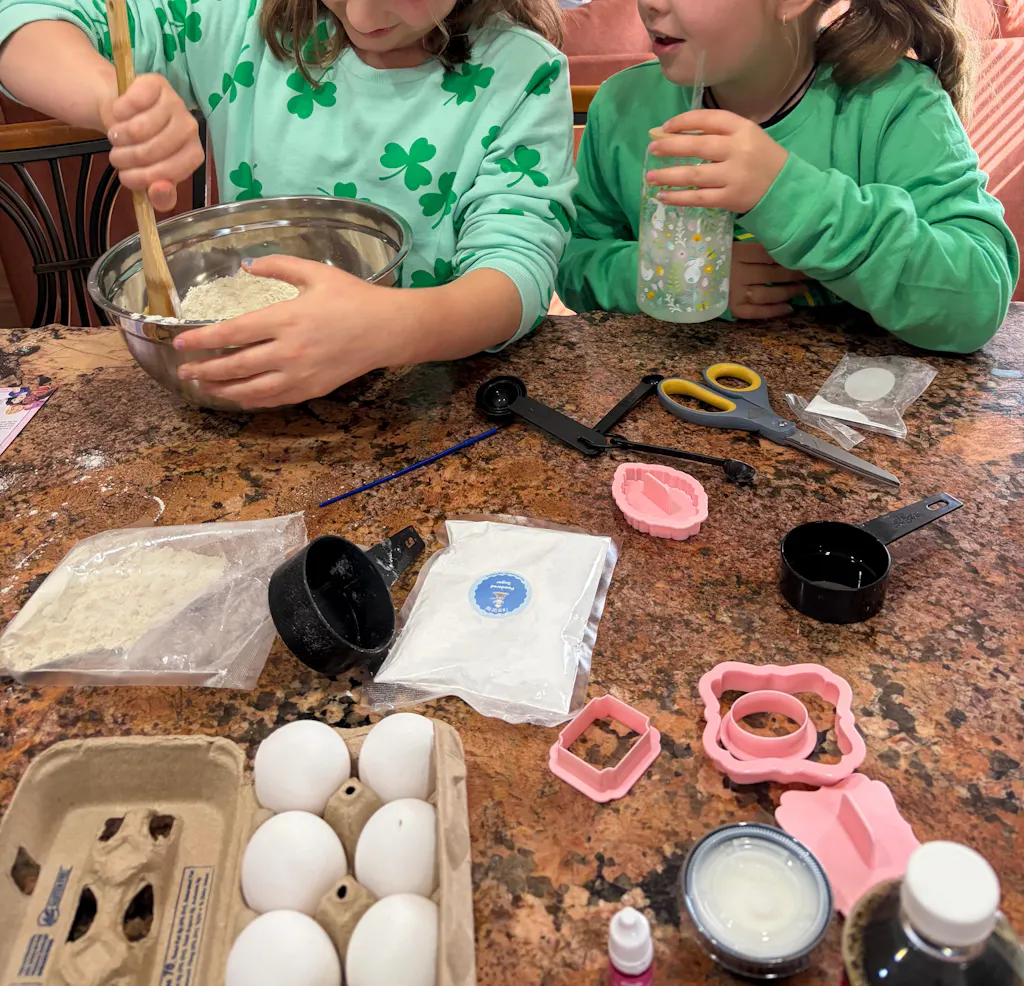
When we talk about science crafts for kids, it’s impossible to overlook the most accessible, engaging, and delicious laboratory of all: the kitchen. Far from being just a place to prepare meals, the kitchen is a dynamic environment where scientific principles are constantly at play, often resulting in edible art! At I'm the Chef Too!, we firmly believe the kitchen is the perfect classroom, offering an unparalleled platform for hands-on "edutainment."
Think about it: every recipe is essentially a scientific formula, and every culinary technique is an application of chemistry, physics, and even biology. When children cook, they are inherently engaging in a series of science crafts, turning raw ingredients into delightful, edible creations while observing fascinating transformations.
Here's how the kitchen naturally becomes a bustling science craft lab:
-
Chemical Reactions Galore:
- Baking Soda and Acid: The classic vinegar volcano finds its culinary counterpart in baking (baking soda + buttermilk or lemon juice) or in our Erupting Volcano Cakes Kit. Kids witness a chemical reaction that makes their cakes bubble over with deliciousness, understanding how gases create fluffiness and rise. This isn't just an experiment; it's a delicious science craft they can eat!
- Yeast Activation: Watching yeast "wake up" in warm water and sugar for bread or pizza dough is a captivating biology lesson on microorganisms at work, producing carbon dioxide that makes dough rise.
- Protein Coagulation: The transformation of raw eggs to firm whites and yolks when heated is a clear demonstration of protein denaturation. Making scrambled eggs is a simple, everyday science craft!
-
Physics in Action:
- States of Matter: Melting butter, freezing ice cream, boiling water – these are all tangible demonstrations of solids, liquids, and gases.
- Heat Transfer: Understanding how ovens bake (convection), how a pan fries (conduction), or how a microwave heats (radiation) introduces fundamental physics concepts.
- Emulsions: Making mayonnaise or vinaigrette teaches about immiscible liquids and how emulsifiers can bring them together.
- Density: Layering different liquids for a colorful drink or observing how oil and water separate in salad dressing are perfect density demonstrations.
- Viscosity: Observing how honey pours slower than water illustrates the concept of viscosity. Making edible slime (like with marshmallows or condensed milk) is a fun way to explore this property creatively.
-
Biology and Beyond:
- Plant Parts: Identifying different fruits, vegetables, and grains introduces botany, discussing which parts of a plant we eat (roots, stems, leaves, fruits, seeds).
- Nutrition: Learning about different food groups and their benefits connects cooking to health and biology.
-
Measurement and Proportions (Math!):
- Every recipe requires precise measurement, fractions, and understanding ratios. This practical application of math makes abstract concepts real and relevant.
What makes cooking the ultimate science craft is the tangible, often delicious, result. Children aren't just performing an experiment; they're creating something they can enjoy, share, and be proud of. This immediate gratification reinforces the learning and makes the experience deeply memorable.
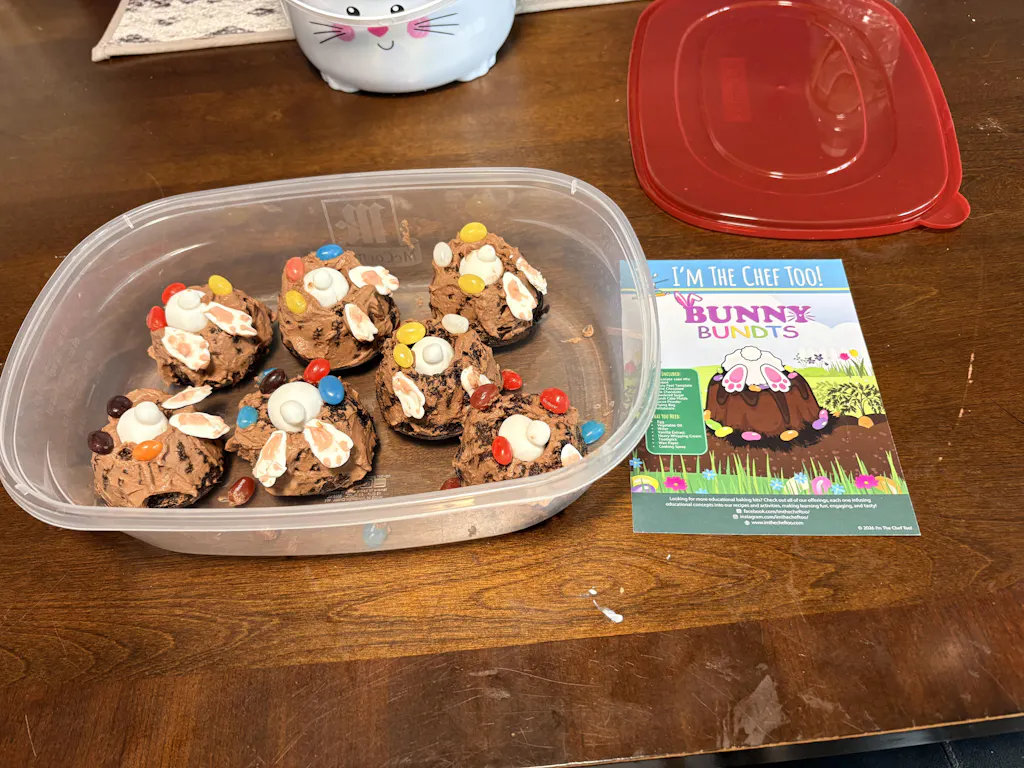
At I'm the Chef Too!, our unique kits are specifically designed to harness this power. We transform ordinary recipes into extraordinary scientific adventures. Our Galaxy Donut Kit, for instance, allows kids to explore astronomy by creating their own edible solar system, learning about planets and galaxies while decorating delicious treats. It's a perfect blend of scientific exploration and artistic creation, all leading to a yummy reward. Our kits, developed by mothers and educators, ensure that complex subjects are broken down into accessible, engaging steps, making learning not just easy but truly enjoyable. We provide pre-measured dry ingredients and specialty supplies, taking the guesswork out of preparation and allowing families to focus on the fun of discovery together.
Getting Started with Science Crafts: Practical Tips for Parents & Educators
Embarking on a journey of science crafts with children doesn't require a specialized lab or advanced degrees. What it does require is enthusiasm, a willingness to get a little messy, and a few practical tips to ensure a safe, engaging, and enriching experience for everyone involved. Here's how to set the stage for success and truly maximize the learning potential of these wonderful activities.
Safety First: Non-Negotiable Guidelines for Fun
Adult supervision is key to any hands-on activity with children, and science crafts are no exception. Always prioritize safety to ensure a positive experience.
- Constant Adult Supervision: Especially with younger children, chemicals, heat, or sharp tools (even child-safe ones) require an adult's watchful eye.
- Age-Appropriate Tools and Materials: Ensure that all tools, ingredients, and craft supplies are suitable for your child's age and developmental stage. Non-toxic, food-grade ingredients are always a good choice, particularly if working in the kitchen.
- Read Instructions Carefully: Whether from an online guide, a book, or one of our I'm the Chef Too! kits, always read through the steps completely before starting. This helps you anticipate potential issues and prepare effectively.
- Discuss Rules: Before starting, establish clear rules about touching ingredients, tasting (if applicable and safe), and handling tools.
Setting Up for Success: Preparation is Key
A little planning goes a long way in making science crafts enjoyable and manageable.
- Designate a "Science Craft" Zone: Choose an area that's easy to clean – a kitchen counter, a table covered with an old tablecloth, or even outdoors. This helps contain the mess and signals to your child that it’s time for a special activity.
- Gather Materials Beforehand: Nothing disrupts the flow or child's excitement like having to hunt for a missing ingredient mid-activity. Lay out all necessary items – bowls, spoons, ingredients, craft supplies – within easy reach before you begin. At I'm the Chef Too!, we make this incredibly easy by providing pre-measured dry ingredients and specialty supplies right in our kits, so you can dive straight into the fun!
- Embrace the Mess (and Prepare for It): Mess is often a byproduct of hands-on exploration. Protect surfaces, have sponges and paper towels ready, and dress children in play clothes. Frame the mess as part of the creative process, not something to be feared.
Encouraging Exploration, Not Just Following Directions: Fostering True Scientists
The goal isn't just to produce a perfect craft, but to cultivate a curious mind. Encourage children to think and explore.
- Ask Open-Ended Questions: Instead of just telling them what will happen, ask: "What do you think will happen if we mix these?" "Why do you think that changed color?" "How could we make it fizz more?" These questions promote critical thinking and active observation.
- Encourage Variations and Experimentation: Once the initial craft is done, suggest altering a variable. "What if we use cold water instead of warm?" "What if we add more baking soda?" This turns a single activity into multiple learning opportunities, teaching the scientific method in a practical way.
- Document Observations: Encourage drawing, writing, or verbalizing observations. Even simple drawings of "before" and "after" can help children process and remember what they've learned. This transforms the craft into a true scientific record.
Adapting for Different Ages: Science Crafts for Every Stage
Science crafts are wonderfully adaptable for children of various ages and developmental stages.
- Toddlers/Preschoolers (Ages 2-5): Focus on sensory exploration, simple cause-and-effect, and basic fine motor skills. Think playdough "recipes," simple color mixing with water, or edible slime. Keep instructions short and concrete.
- Elementary (Ages 6-10): Introduce more complex reactions, basic hypothesis testing, and slightly more intricate craft elements. They can follow multi-step directions and begin to understand why things happen. Our Erupting Volcano Cakes Kit is a fantastic example, combining the excitement of a chemical reaction with the delicious reward of baking.
- Tweens (Ages 11+): Encourage independent research, advanced concepts, and design challenges. They can take on more responsibility, troubleshoot problems, and delve deeper into the scientific principles involved. They might even adapt recipes to create their own unique "science crafts."
Screen-Free Engagement: The Value of Hands-On Learning
In today's digital landscape, the importance of hands-on, screen-free educational alternatives cannot be overstated. Science crafts provide a valuable opportunity for children to:
- Engage with the Real World: Manipulating physical objects and observing real phenomena helps develop a concrete understanding that screens simply can't replicate.
- Develop Focus and Attention Span: Unlike rapidly changing digital content, hands-on activities encourage sustained attention and problem-solving without instant gratification.
- Foster Deeper Connections: Shared crafting experiences build stronger family bonds and create lasting memories, reinforcing our core mission at I'm the Chef Too! to facilitate family bonding.
Looking for a convenient way to bring captivating science crafts into your home every month? Our monthly Chef's Club subscription delivers everything you need for a new, exciting adventure right to your door, complete with free shipping in the US. It’s the perfect solution for busy families seeking consistent, high-quality, screen-free educational fun!
Beyond the Kitchen: Diverse Science Craft Ideas for Every Child's Interest
While we champion the kitchen as an unparalleled science lab, the world of science crafts extends far beyond edible creations. There are countless ways to combine artistic expression with scientific discovery, catering to every child's unique interests. Here, we'll explore various categories of science crafts, providing inspiration and highlighting the scientific concepts children can explore.
Chemistry in Color: The Magic of Molecules and Reactions
Chemistry isn't just about bubbling beakers; it's about the vibrant transformations that happen when substances interact. Many crafts beautifully illustrate chemical principles:
- DIY Crystal Growing: Using simple ingredients like borax, salt, or sugar, children can grow their own dazzling crystals on pipe cleaners, string, or even rocks. This craft introduces concepts like saturation, supersaturation, solutions, and crystallization. As they watch tiny crystals form and grow over time, they're not just making a pretty decoration; they're observing a fundamental chemical process in action. Imagine crafting beautiful crystal snowflakes or a geode-like art piece!
- Rainbow Density Towers: This visually stunning craft involves carefully layering different liquids (like honey, corn syrup, dish soap, water, and oil) in a tall glass. The result is a vibrant, multi-layered "tower" that clearly demonstrates density – how much mass is packed into a given volume. Children learn that liquids with different densities will separate and stack, creating a beautiful piece of liquid art.
-
Fizzing Reactions (Beyond the Volcano): The classic baking soda and vinegar reaction can be integrated into countless crafts.
- Fizzy Paint: Add baking soda to tempera paint, then spray with diluted vinegar for bubbling, textured art. This teaches about acid-base reactions and gas production.
- Bath Bombs: Crafting homemade bath bombs involves mixing baking soda (a base) with citric acid (an acid) and other ingredients. When dropped in water, they react to release carbon dioxide, creating fizz and a relaxing experience. This is a delightful way to create something useful while exploring chemical reactions and solubility. Remember our Erupting Volcano Cakes Kit uses this same principle, making it edible and even more engaging for younger learners!
Physics in Motion: Understanding Forces, Energy, and Mechanics
Physics is the study of how the world works, from the smallest particles to the largest galaxies. Many science crafts bring these concepts to life through movement and construction.
- Balloon Rockets and Cars: By attaching a balloon to a string or a lightweight car, children can create a simple propulsion system. As the air rushes out of the balloon, the rocket or car shoots forward, demonstrating Newton's Third Law of Motion (action and reaction) and the principles of air pressure and thrust. The craft component comes in designing and building the rocket or car itself, experimenting with different materials and shapes for optimal flight or speed.
- Homemade Catapults: Building a simple catapult from craft sticks, rubber bands, and a spoon teaches fundamental engineering and physics principles. Children experiment with levers, force, trajectory, and potential and kinetic energy as they design, build, and launch small objects. They can even make it an art project by decorating their catapult.
- Musical Instruments from Recycled Materials: Crafting a kazoo from a toilet paper roll, a drum from an oatmeal container, or a straw whistle teaches about sound waves, vibration, and pitch. Children can decorate their instruments beautifully, turning a science lesson into a musical performance.
Biology & Nature Arts: Exploring Life, Growth, and Our Environment
The natural world is a boundless source of scientific wonder. Biology-focused science crafts encourage observation, appreciation for nature, and understanding of living systems.
- Sun Prints (Cyanotypes): Using special sun print paper or even construction paper and natural objects, children can create beautiful silhouette images by harnessing the power of the sun. This introduces concepts of light sensitivity, UV radiation, and basic photographic processes, albeit in a simplified, artistic form.
- Nature Collages and Rubbings: Going on a nature walk to collect leaves, flowers, feathers, and bark can lead to stunning collages or rubbings. This activity fosters observation skills, appreciation for biodiversity, and identification of plant parts and textures.
- Life Cycle Crafts: From butterflies emerging from cocoons to tadpoles transforming into frogs, depicting life cycles through layered paper crafts, drawings, or even small dioramas helps children understand metamorphosis and biological processes. They can cut, color, and assemble the stages, creating a visual story of life.
Astronomy & Space Creations: Reaching for the Stars
The mysteries of the cosmos have captivated humans for millennia. Science crafts can make astronomy accessible and exciting for young learners.
- Constellation Viewers/Models: Punching holes in a paper cup or a dark piece of cardstock to represent star patterns, then holding it up to a light source, allows children to create their own constellation viewers. This teaches about star patterns, spatial reasoning, and the vastness of space. They can decorate the exterior of their viewer as creatively as they wish.
- Solar System Mobiles/Models: Creating a hanging mobile with painted foam balls or paper mache planets is a classic science craft. It helps children understand the order, relative size (though often not to scale in crafts), and orbits of the planets in our solar system. This is a wonderful opportunity to blend art and science, making abstract cosmic concepts tangible. Our Galaxy Donut Kit provides an edible, hands-on way to explore astronomy, allowing kids to decorate delicious donuts as planets and celestial bodies. It's a truly out-of-this-world science craft experience!
- Moon Phase Trackers: Crafting a simple wheel that demonstrates the different phases of the moon teaches about lunar cycles and the relationship between the Earth, Moon, and Sun. Children can draw or paint each phase, creating an interactive learning tool.
Each of these categories offers a wealth of possibilities for children to explore scientific concepts through creative hands-on activities. The key is to encourage curiosity, allow for experimentation, and celebrate the process of discovery, no matter the outcome.
Making Learning a Lifestyle with I'm the Chef Too!
At I'm the Chef Too!, our core mission is to make learning an exciting, integrated part of family life, transforming the concept of "edutainment" into a tangible, delicious reality. We pour our hearts into designing kits that perfectly embody the science craft philosophy, ensuring every experience is not just fun, but profoundly educational. We believe in sparking curiosity and creativity in children, facilitating family bonding, and providing a screen-free educational alternative that truly engages.
Here's how our kits are thoughtfully crafted to deliver on this promise and seamlessly integrate learning into your home:
- Convenience at Your Doorstep: We understand that parents are busy. That's why our kits come with pre-measured dry ingredients and specialty supplies, delivered directly to your door with free shipping in the US for our subscribers. This eliminates the stress of grocery shopping and ingredient prep, allowing you to focus entirely on the joyful activity with your child.
- Expertly Designed for Engagement: Each I'm the Chef Too! kit is a complete experience, developed by mothers and educators who understand how children learn best. Our step-by-step instructions are clear, concise, and easy to follow for all skill levels, ensuring that both children and adults can confidently participate in the adventure. We explain the "why" behind the "how," weaving in scientific principles and artistic techniques naturally.
- Blending Food, STEM, and Arts: This unique combination is the heart of our "edutainment" philosophy. We don't just teach science; we teach it through the delicious, multi-sensory experience of cooking and baking. Kids might be exploring chemical reactions while making our Erupting Volcano Cakes Kit, or delving into astronomy as they craft an edible solar system with our Galaxy Donut Kit. These activities make abstract concepts tangible, memorable, and incredibly fun.
- Fostering Essential Life Skills: Beyond the specific science concepts, our kits help children develop a range of vital skills. They build confidence as they successfully complete tasks, enhance fine motor skills through measuring and decorating, encourage problem-solving when they encounter a challenge, and nurture creativity as they personalize their delicious creations.
- The Gift of Consistent Discovery: Whether you're looking for a one-time adventure or a continuous stream of learning, we have options for you. Our subscription plans offer ongoing enrichment, ensuring a new, exciting science craft experience arrives regularly. They are perfect for gifting or for families committed to long-term screen-free engagement.
Our approach isn't about guaranteeing your child will become a top scientist overnight. Instead, it's about fostering a love for learning, building confidence through tangible achievements, developing key skills that last a lifetime, and, most importantly, creating joyful family memories that you'll cherish for years to come. We strive to provide practical, valuable advice and realistic expectations – our kits are tools for discovery, designed to ignite curiosity and make learning an exciting journey.
Ready to bring the magic of science crafts into your home with ease and excitement? Explore our full collection of one-time kits to find the perfect theme for your little learner. Or, for a continuous stream of hands-on educational adventures, give the gift of consistent discovery that lasts all year with a 12-month pre-paid plan to our Chef's Club subscription.
Conclusion
The journey through the world of science crafts for kids reveals a powerful truth: learning is most profound when it's engaging, hands-on, and intertwined with creativity. These ingenious activities do more than just entertain; they are vital engines for cognitive, motor, social-emotional, and creative development, all while fostering invaluable family bonds. From the bubbling delights of chemical reactions in the kitchen to the intricate patterns of crystal growth, science crafts transform abstract concepts into tangible, memorable experiences that spark genuine curiosity and cultivate a lifelong love for learning.
At I'm the Chef Too!, we are passionate about nurturing these moments of discovery. Our mission is to blend food, STEM, and the arts into one-of-a-kind "edutainment" experiences, making complex subjects accessible and exciting for children. We are committed to providing screen-free educational alternatives that spark imagination, build confidence, and create joyful, delicious memories for families.
Don't let another day pass without igniting that scientific spark in your child. Embrace the mess, ask the "why" questions, and delight in the wonder of discovery together. The easiest and most exciting way to bring these incredible adventures into your home is through our carefully curated kits.
Are you ready to embark on a new scientific and culinary adventure every month? Don't miss out on the magic of hands-on learning and family bonding. Join The Chef's Club today and let us deliver a world of discovery, creativity, and delicious science crafts right to your door with free US shipping!
FAQ Section
What age are science crafts appropriate for?
Science crafts are wonderfully versatile and can be adapted for a wide range of ages, from toddlers to teenagers. For toddlers (2-5 years), focus on sensory exploration, simple cause-and-effect (like mixing colors), and basic fine motor skills. Elementary-aged children (6-10 years) can engage in more complex reactions, follow multi-step instructions, and begin to understand the "why" behind the science. Teenagers can tackle more intricate projects, conduct independent research, and even design their own experiments. The key is to adjust the complexity and level of supervision to match the child's developmental stage.
Do I need special supplies for science crafts?
Not necessarily! Many amazing science crafts can be done with common household items you likely already have, such as baking soda, vinegar, dish soap, food coloring, cornstarch, paper, and recycled materials like cardboard tubes and plastic bottles. However, some crafts or more advanced experiments might require specific supplies like borax for crystals, citric acid for bath bombs, or specialty papers. At I'm the Chef Too!, our kits provide all the pre-measured dry ingredients and specialty supplies you need, eliminating the hunt for obscure items and making it super convenient to get started.
How can I make science crafts less messy?
Embracing a little mess is part of the fun of hands-on learning, but there are strategies to keep it contained:
- Designate a "Messy Zone": Work in an area that's easy to clean, like a kitchen counter, a tiled floor, or outdoors.
- Protect Surfaces: Lay down old newspapers, a plastic tablecloth, or a large cutting board.
- Wear Play Clothes: Dress children in clothes you don't mind getting stained. An old adult t-shirt as an apron works wonders.
- Use Trays or Bins: Place all materials and the working craft inside a large tray or shallow bin with raised edges. This helps contain spills and stray ingredients.
- Have Wipes/Towels Ready: Keep a roll of paper towels or a damp cloth nearby for quick cleanups. By planning ahead, you can minimize the stress of the mess and maximize the enjoyment of the activity.
What if my child isn't interested in science?
This is where science crafts truly shine! Often, children who claim not to like "science" are simply intimidated by its formal presentation. Science crafts make learning fun, creative, and relatable, often without them even realizing they're doing science.
- Connect to their interests: If they love art, focus on color-mixing experiments or crystal growing. If they love building, try catapults or balloon rockets.
- Emphasize the "craft" aspect: Start with activities that have a strong creative output, allowing them to express themselves artistically while subtly introducing scientific concepts.
- Make it delicious: Our I'm the Chef Too! kits leverage children's natural love for food, making the kitchen an irresistible "lab" where edible creations naturally teach STEM.
- Keep it playful: Avoid formal lectures. Ask open-ended questions, encourage experimentation, and celebrate every discovery, big or small.
How do I extend the learning from a science craft?
Extending the learning is crucial for deepening understanding and sustaining curiosity:
- Ask "What if?": Encourage children to propose variations to the experiment. "What if we try a different liquid?" "What if we change the amount?"
- Research Together: If a child asks a question you don't know the answer to, research it together online or in books.
- Document and Share: Encourage them to draw, write about, or photograph their process and results. They can then share their "discoveries" with family or friends.
- Visit Related Places: If you made a volcano craft, visit a science museum or watch a documentary about volcanoes. If you made a galaxy model, visit a planetarium.
- Connect to Daily Life: Point out how the science they learned applies to everyday occurrences, like how baking soda makes cakes rise or why oil and water don't mix in salad dressing.
What makes I'm the Chef Too! kits different from other science craft options?
At I'm the Chef Too!, our kits are uniquely designed to offer a truly integrated "edutainment" experience:
- Seamless Blend of Food, STEM, & Arts: We don't just add a craft to science; we weave these elements together into one cohesive, delicious, and educational adventure. The kitchen becomes the classroom, making learning inherently multi-sensory and memorable.
- Developed by Experts: Our kits are created by mothers and educators, ensuring they are age-appropriate, genuinely educational, and incredibly fun.
- Convenience for Parents: We provide pre-measured dry ingredients and specialty supplies, saving you time and stress, so you can focus on bonding and learning with your child.
- Screen-Free Focus: We are dedicated to providing enriching, hands-on alternatives to digital entertainment, fostering real-world engagement and creativity.
- Holistic Development: Our kits are designed to spark curiosity, build confidence, develop fine motor skills, encourage problem-solving, and create joyful family memories, going beyond just teaching scientific facts.