Table of Contents
- Introduction
- The Power of Pigment: Why Painting Matters for Kids
- Beyond the Brush: Diverse Painting Crafts for Every Young Artist
- Setting Up for Success: A Parent's Guide to Painting Fun
- Integrating STEM & Arts into Painting Crafts
- Beyond the Paintbrush: Fostering Lifelong Learning
- Ready for More Hands-On Adventures?
- Conclusion
- FAQ Section
Imagine a world painted in grayscale, devoid of the vibrant hues that bring life, emotion, and joy. Now, imagine a child's world without the opportunity to splash, swirl, and express themselves through color. The thought is almost unsettling, isn't it? For children, painting isn't just an activity; it's a fundamental language, a powerful outlet for boundless imagination, and a critical tool for development. It’s where abstract thoughts take tangible form, where feelings find color, and where little hands learn to control and create.
In this comprehensive guide, we're diving deep into the wonderful world of painting crafts for kids. We’ll explore why these seemingly simple activities are incredibly beneficial for a child’s growth, from fostering creativity and fine motor skills to enhancing cognitive and emotional development. We’ll journey through a kaleidoscope of ideas, moving beyond the traditional paintbrush to discover diverse and exciting ways kids can create with paint. You'll find practical tips on setting up a child-friendly art space, managing the inevitable delightful mess, and integrating valuable STEM and artistic principles into every stroke. Our aim is to equip you, whether you’re a parent, educator, or caregiver, with the inspiration and tools to transform everyday moments into vibrant, educational, and memorable painting adventures. We believe that hands-on exploration, whether it’s with a brush or a mixing spoon, is the key to sparking lifelong curiosity.
This post isn't just about paint on paper; it's about the bigger picture – the cultivation of a curious mind, a confident spirit, and a joyful heart. Painting crafts for kids are powerful catalysts for growth, learning, and unforgettable family bonding.
Introduction
Have you ever watched a child completely absorbed in the act of painting? The furrowed brow of concentration, the decisive swirl of a brush, the excited gasp as colors blend and transform on the page—it’s a captivating display of pure, uninhibited creativity. In an age increasingly dominated by screens, providing children with opportunities for tangible, hands-on expression is more vital than ever. Painting crafts for kids offer just that: a screen-free realm where imagination reigns supreme, and learning happens organically through sensory engagement and joyful experimentation.
At I'm the Chef Too!, our mission resonates deeply with this philosophy. We are dedicated to blending food, STEM, and the arts into one-of-a-kind "edutainment" experiences, all designed to spark curiosity and creativity in children. Just as a child learns scientific principles by baking, they unlock a universe of developmental benefits through painting. Both activities require focus, problem-solving, and a willingness to explore.
This blog post will serve as your ultimate guide to harnessing the power of painting crafts for kids. We'll explore the profound developmental advantages of painting, from refining fine motor skills to fostering emotional expression. We'll then unleash a treasure trove of diverse painting ideas, moving beyond the conventional to include innovative and engaging projects for all ages. You'll also discover practical advice on setting up an inviting art space, managing the delightful chaos of creative expression, and seamlessly integrating STEM and artistic concepts into your child's masterpieces. By the end, you'll be inspired to embrace the glorious mess and immense learning potential that painting brings, discovering how these activities can foster family bonding and provide truly meaningful educational alternatives.
Our journey through the world of kids' painting crafts will reveal that these activities are far more than just a way to pass the time; they are foundational experiences that build confidence, develop critical skills, and create cherished memories, much like the hands-on adventures we craft at I'm the Chef Too!.
The Power of Pigment: Why Painting Matters for Kids
Painting is often seen simply as a fun pastime, a way to keep little hands busy. But delve a little deeper, and you’ll discover that engaging in painting crafts for kids offers a wealth of developmental benefits that span across cognitive, emotional, physical, and social domains. It's a holistic learning experience disguised as colorful play.
Unleashing Creativity & Imagination
Perhaps the most obvious benefit of painting is its ability to ignite and nourish a child's imagination. When children pick up a brush, they are limited only by their own minds. There are no right or wrong answers, no fixed rules to follow, only possibilities. This freedom allows them to explore abstract concepts, invent characters, depict emotions, and create worlds entirely unique to them. This creative freedom is a cornerstone of our philosophy at I'm the Chef Too!, where we encourage children to experiment and express themselves through edible creations, just as they would on a canvas. The act of bringing something new into existence, whether a fantastical landscape or a delicious dessert, builds a sense of accomplishment and fosters innovative thinking that extends far beyond the art table.
Developing Fine Motor Skills & Hand-Eye Coordination
Holding a paintbrush, controlling its movement, squeezing paint bottles, and even mixing colors all require intricate coordination between the small muscles of the hand and the eyes. These fine motor skills are essential for countless tasks later in life, from writing and tying shoes to playing musical instruments and engaging in sports. As children refine their grip, learn to apply varying pressure, and direct the brush precisely, they are strengthening these crucial motor pathways. The delicate control needed for intricate details in painting crafts for kids directly translates to improved dexterity and readiness for academic tasks.
Emotional Expression & Stress Relief
Children, especially younger ones, often lack the vocabulary to articulate complex emotions. Painting provides a non-verbal outlet where they can express joy, frustration, sadness, excitement, and curiosity without needing words. A vibrant splash of red might signify anger, while a serene blue could represent calmness. This ability to externalize feelings can be incredibly therapeutic, helping children process experiences and manage emotions in a healthy way. It offers a safe space for self-expression, fostering emotional intelligence and resilience.
Cognitive Development: Color Recognition, Problem-Solving, Planning
Painting is a powerful cognitive workout. Children learn about cause and effect ("If I mix blue and yellow, I get green!"), explore concepts of light and shadow, and understand spatial relationships as they arrange elements on a page. Color recognition and naming become second nature, and they begin to grasp more complex color theory. Every painting project presents mini-challenges: "How do I make the sky look stormy?" or "Which color should I use for the leaves?" These require critical thinking, planning, and problem-solving, all vital cognitive skills. This blend of creative thinking and practical execution is precisely what we aim for with our cooking STEM kits, where children follow recipes (planning) but also have room for artistic decoration (problem-solving) and scientific discovery.
Sensory Exploration
The tactile experience of paint—its smooth, gooey texture; the vibrant visual appeal of colors; the distinct smell of different mediums—engages multiple senses. This sensory input is crucial for brain development, helping children to better understand and interact with their environment. Finger painting, in particular, offers a rich sensory experience that can be incredibly calming and grounding for many children, connecting them directly with the materials.
Language Development
As children paint, they often narrate their process, describe their colors, and tell stories about their creations. Engaging in conversations with an adult about their artwork ("What colors did you use?" "Tell me about this part?") can significantly boost their vocabulary and descriptive language skills. Encouraging them to articulate their artistic choices deepens their understanding and confidence in communication.
These interwoven benefits underscore why we champion hands-on activities. Just as cooking with us engages the senses and builds skills, so do painting crafts for kids, preparing them not just for school, but for a lifetime of creative thinking and joyful discovery. For ongoing inspiration and novel projects that continue this hands-on learning journey, consider an educational subscription like The Chef's Club, where new adventures are delivered monthly.
Beyond the Brush: Diverse Painting Crafts for Every Young Artist
While a paintbrush and paper are classic starting points, the world of painting crafts for kids is incredibly vast and exciting! Thinking outside the box can spark even more interest and provide varied sensory and learning experiences. Here are some diverse ideas to inspire your next artistic adventure:
Classic Canvas & Easel: Exploring Traditional Mediums
There's something wonderfully satisfying about setting up a proper easel and canvas. This traditional approach helps children understand composition, perspective, and the permanence of their artwork. Encourage them to experiment with different types of brushes (wide, narrow, flat, round) and various paint consistencies. Tempera, acrylic, or even watercolors can be explored. This fosters a sense of being a "real artist" and encourages them to take pride in their work. It's a fantastic foundation for understanding artistic principles.
Finger Painting Fun: Sensory Delight for Younger Children
For toddlers and preschoolers, finger painting is an irresistible invitation to explore! It offers unparalleled sensory input – the cool, squishy feel of paint between fingers, the vibrant colors swirling together. Lay down a large sheet of paper or even use a washable surface like a shower curtain or a tray. This isn't about creating a masterpiece; it's about the pure joy of exploration, mixing, and creating without the barrier of a tool. It's a fantastic way to develop pre-writing skills by strengthening hand muscles and encouraging bilateral coordination.
Nature's Palette: Painting with Leaves, Sticks, Fruits & Veggies
Take your painting adventures outdoors or bring nature inside! Collect leaves, twigs, pinecones, or even rocks. Use these natural items as unconventional brushes or stamping tools. Leaves can create beautiful printed patterns, while sticks can be used to make unique lines and textures. You can even cut fruits and vegetables (like potatoes, bell peppers, or citrus halves) into stamps. This activity connects children with nature, promotes observation skills, and encourages resourcefulness. It's a wonderful way to see art in the everyday world.
Process Art Adventures: Focusing on the Journey, Not the Outcome
Process art emphasizes the experience of creating rather than the finished product. This approach is incredibly liberating for children, removing the pressure to "get it right" and fostering genuine experimentation. Think marble painting (rolling marbles in paint inside a box), pendulum painting (a paint-filled container suspended to swing and drip), or painting with unconventional tools like toy cars, combs, or sponges. Block Quote: "At I'm the Chef Too!, we believe in the magic of the process, just like with painting, where the joy of creation often outweighs the final product. It's about the learning, the laughter, and the memories made along the way."
Edible Art: Where Painting Meets the Kitchen
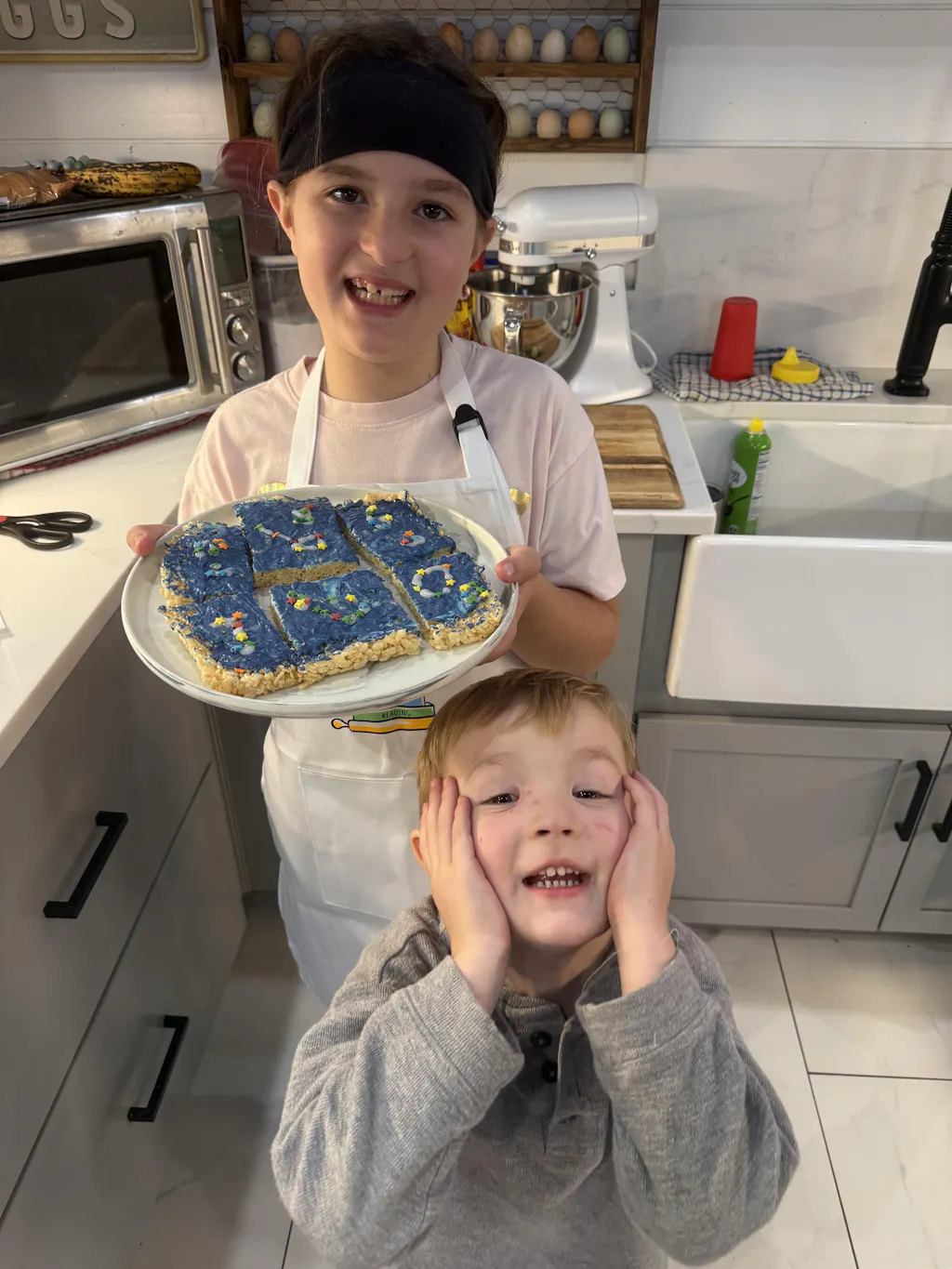
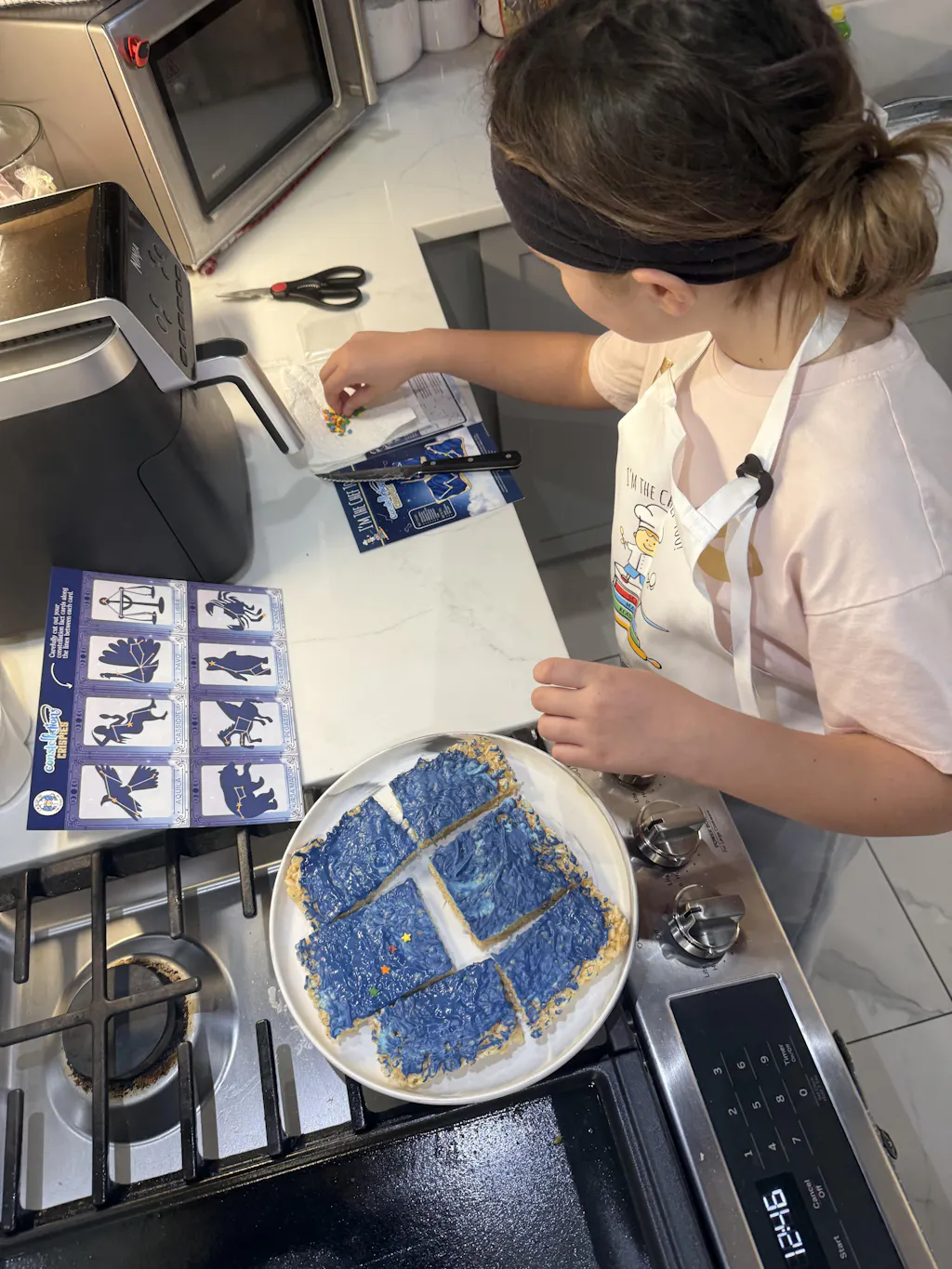
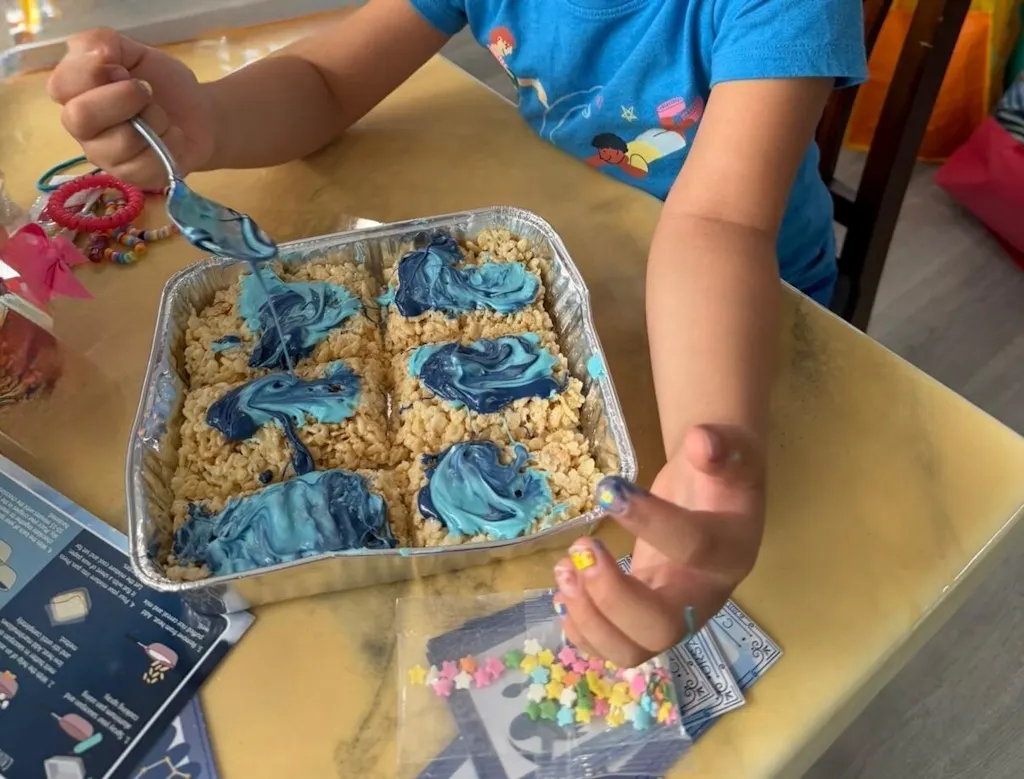
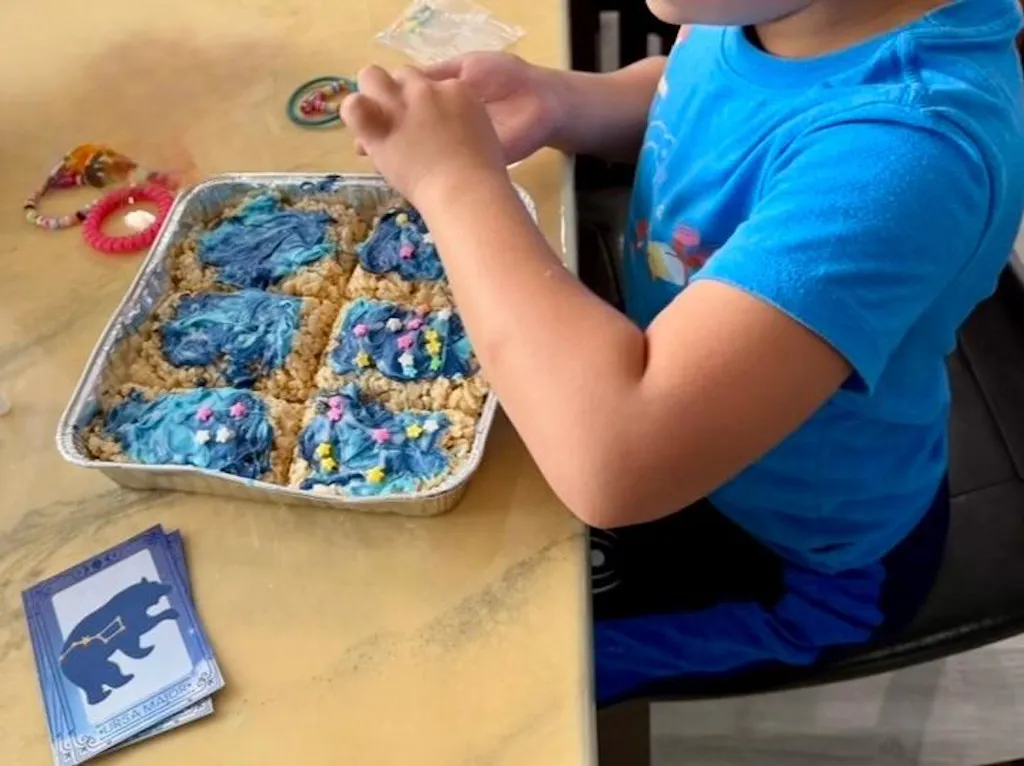
This is where the magic of I'm the Chef Too! truly shines, bringing together the vibrant world of painting with the delicious creativity of cooking. Who says painting is only for paper? Edible art is a fantastic way to engage children's creativity while teaching them about food science and culinary decoration. Using food coloring, edible glitter, gel pastes, and even natural fruit and vegetable juices, kids can "paint" on cookies, cakes, cupcakes, and pastries. This not only makes treats visually appealing but also hones fine motor skills in a deliciously rewarding way.
For instance, our Galaxy Donut Kit isn't just baking; it's a cosmic canvas for edible art! Children get to mix colors and create swirling galaxy patterns right on their delicious donuts, exploring astronomy through a creative culinary lens. Or consider the vibrant designs kids can create on their Peppa Pig Muddy Puddle Cookie Pies – a true blend of culinary and artistic expression, allowing them to decorate beloved characters while learning about baking.
These edible painting crafts for kids demonstrate that learning isn't confined to a classroom; it's an adventure waiting to happen in every corner of your home, especially the kitchen! If you're looking for a specific themed creative outlet, you can always explore our full library of adventure kits available for a single purchase.
Recycled Material Masterpieces: Painting on Cardboard, Plastic Bottles, Egg Cartons
Give new life to everyday recyclables by turning them into unique canvases or sculptural forms. Children can paint on cardboard boxes to create forts or puppet theaters, transform plastic bottles into colorful vases or robots, or decorate egg cartons to become caterpillar crafts. This promotes environmental awareness, encourages resourcefulness, and helps children think three-dimensionally about art. It's a fantastic way to repurpose materials and show kids that creativity doesn't require expensive supplies.
Printmaking Projects: Stamping with Sponges, Potatoes, String
Printmaking is a fascinating way to explore patterns, repetition, and negative space. Cut sponges into various shapes for simple stamping. Carve designs into potato halves (adult assistance needed for carving) to create unique stamps. Wrap string around a block of wood or cardboard, dab it in paint, and press it onto paper for interesting textures. This technique introduces children to basic printmaking concepts and allows for endless creative variations.
Water Painting Wonders: Mess-Free Fun with Water and Brushes
For days when you need a truly mess-free option, water painting is a lifesaver! Provide brushes and a container of water, and let children "paint" on outdoor surfaces like sidewalks, fences, or even dark construction paper. The water creates temporary dark marks that evaporate, offering a fleeting yet delightful creative experience. It’s perfect for younger children still developing control or for anyone who enjoys the process without the cleanup.
By embracing these varied approaches to painting crafts for kids, you open up a world of possibilities for exploration, learning, and self-expression. Each method offers unique sensory and developmental benefits, ensuring that every child can find a way to connect with the magic of color.
Setting Up for Success: A Parent's Guide to Painting Fun
The idea of "painting crafts for kids" often conjures images of vibrant colors… and an equally vibrant mess. While a certain amount of creative chaos is inevitable and even desirable, a little preparation goes a long way in ensuring the experience is enjoyable for everyone involved, especially for the grown-ups who will be overseeing and cleaning up. Setting up effectively means you can relax and truly savor the moments of discovery with your child, rather than constantly worrying about spills and stains.
The Right Environment: Indoors vs. Outdoors
Indoors: Choose an area that is easy to clean, such as a kitchen table with a hard surface floor. Lay down old newspapers, a plastic tablecloth, or even an inexpensive vinyl shower curtain to protect your surfaces. Consider a dedicated "art corner" if space allows, making it clear this is where the magic (and potential mess) happens. Good lighting is also crucial for seeing colors accurately and reducing eye strain.
Outdoors: When the weather permits, taking painting outside is a game-changer for mess management. Driveways, patios, or even large cardboard sheets laid on the grass become expansive canvases. The sun helps paint dry faster, and any spills can often be hosed away. Outdoor painting allows for greater freedom of movement and scale, inviting bigger, bolder strokes and less inhibition.
Essential Supplies: Paints, Brushes, Paper, Smocks, Drying Racks
Having the right tools ready makes the experience smoother and more accessible:
- Paints: Invest in washable, non-toxic paints specifically designed for children. Tempera paints are a popular choice due to their vibrant colors, opacity, and easy cleanup. Watercolors are great for delicate effects and smaller messes, while finger paints are perfect for sensory exploration.
- Brushes: Offer a variety of brush sizes and shapes. Large brushes are easier for small hands to grip and control, while smaller brushes encourage detail work as children grow. You can also experiment with sponges, rollers, cotton swabs, or even natural items like leaves and sticks as alternative "brushes."
- Paper: Stock up on different types of paper: plain white drawing paper, construction paper in various colors, cardboard scraps, or even butcher paper for large-scale projects. The texture and size of the paper can influence the outcome of the painting.
- Smocks/Aprons: Essential for protecting clothing! Old adult shirts, plastic art smocks, or even dedicated children's aprons will save countless outfits from colorful stains.
- Water Containers: Small cups or jars for rinsing brushes. Have a few on hand, as water can quickly get murky.
- Drying Rack/Space: Designate an area where artwork can dry undisturbed. This could be a clothesline with clothespins, a drying rack, or simply a clear spot on a table.
- Wipes/Towels: Keep a roll of paper towels or a damp cloth nearby for quick cleanups.
Age-Appropriate Choices: Adapting Projects for Toddlers, Preschoolers, School-Aged Kids
Tailoring painting crafts for kids to their developmental stage is key to fostering engagement and preventing frustration:
- Toddlers (1-3 years): Focus on sensory experience. Large paper, finger paints, chunky brushes, and washable surfaces are ideal. Supervise closely. Emphasize exploration over a finished product.
- Preschoolers (3-5 years): Introduce more tools like rollers, sponges, and basic stamps. Encourage simple themes or colors. They can begin to understand basic instructions and enjoy creating recognizable shapes.
- School-Aged Kids (5+ years): Offer a wider range of paints (watercolors, acrylics), various brush types, and more complex techniques. They can work on more detailed projects, explore color mixing independently, and even start learning about famous artists or art styles.
Managing the Mess: Tips for Easy Cleanup
Embracing the mess is part of the creative process, but managing it makes the experience less stressful.
- Prep is Paramount: As mentioned, cover surfaces, have smocks ready, and keep cleaning supplies within reach.
- Define Boundaries: Clearly communicate where painting is allowed and where it's not. "Paint stays on the paper!"
- Small Portions: Dispense small amounts of paint into palettes or small containers rather than handing over entire bottles. This minimizes waste and limits potential large spills.
- Clean-up Crew: Involve children in the cleanup process. Even toddlers can help put brushes in the sink or wipe down a surface. This teaches responsibility and reinforces that art time includes cleanup time.
- Washable WONDERS: Stick to washable paints and markers whenever possible. They truly are a parent's best friend.
Block Quote: "We understand that mess is part of the fun in hands-on learning. Just like our cooking adventures, painting can get a little wild, but the learning and joy are always worth it! At I'm the Chef Too!, we encourage children to dive in, get their hands dirty (or sticky!), and fully immerse themselves in the creative process, knowing that every splash and smudge is a step towards discovery."
By following these practical tips, you can create an environment where painting crafts for kids flourish, making art time a celebrated and stress-free part of your family's routine.
Integrating STEM & Arts into Painting Crafts
At I'm the Chef Too!, our core philosophy is to blend food, STEM (Science, Technology, Engineering, and Math), and the arts into captivating "edutainment" experiences. The wonderful news is that painting crafts for kids are inherently multidisciplinary, offering a natural bridge between artistic expression and scientific inquiry. By thoughtfully guiding your child, you can transform a simple painting session into a rich exploration of STEM concepts.
Color Theory: Primary, Secondary, Warm, Cool Colors
This is perhaps the most direct link between painting and science (specifically, physics of light) and math (ratios in mixing).
- Primary Colors: Introduce red, yellow, and blue as the "building blocks" of all other colors.
- Secondary Colors: Experiment with mixing primary colors to create secondary colors (red + yellow = orange; yellow + blue = green; blue + red = purple). This is a fantastic hands-on science experiment!
- Warm & Cool Colors: Discuss how some colors feel warm (reds, oranges, yellows) and others feel cool (blues, greens, purples). How do these colors make them feel? What does a "warm" painting look like versus a "cool" one?
- Tints and Shades: Add white to a color to make a tint (lighter) or black to make a shade (darker). This introduces concepts of value and intensity.
Connection to I'm the Chef Too! philosophy: This is where food science meets art! Just as children observe chemical reactions when baking, they see color transformations when painting. We explore similar principles when creating vibrant glazes or edible dyes in our kits, like the colorful icing on our Erupting Volcano Cakes – it's a visual and scientific delight!
Chemistry of Pigments: How Paints are Made, Different Binders
While you don't need to get into complex organic chemistry, you can introduce basic concepts:
- What is paint? Explain that paint is made of pigment (the color), a binder (what holds the pigment together and makes it stick to the surface), and a solvent (what thins the paint).
- Homemade Paints: Experiment with making simple paints from natural materials like berries, turmeric, or even dirt mixed with a binder like flour paste or cornstarch and water. This is a fascinating way to understand raw materials and chemical properties.
- Texture: Discuss how different paints have different textures and dry differently based on their chemical composition.
Physics of Movement: Exploring Brush Strokes, Splattering, Dripping
Painting is also an exploration of physics!
- Gravity: Observe how paint drips and runs when applied thickly or to a vertical surface. Experiment with drip painting.
- Force and Motion: How does applying more pressure change a brushstroke? What happens when you flick a brush to splatter paint? How does the speed of a brushstroke affect the line it creates?
- Absorption: Discuss how different papers absorb paint differently based on their porosity.
Geometry & Patterns: Creating Shapes, Symmetrical Designs
Math and engineering are woven into many painting crafts for kids:
- Shapes: Encourage children to identify and paint different geometric shapes (circles, squares, triangles).
- Patterns: Create repeating patterns using stamps, stencils, or freehand drawing. This introduces concepts of tessellation and repetition.
- Symmetry: Fold a piece of paper, paint on one side, then press the other side onto it to create a symmetrical image. This is a fun way to explore reflective symmetry.
- Perspective: For older children, introduce basic concepts of perspective to make objects appear closer or further away.
Observation Skills: Painting from Life, Nature Studies
Science is all about observation. Painting can sharpen this critical skill:
- Still Life: Set up a simple still life (a bowl of fruit, a toy) and encourage children to paint what they see, focusing on shapes, colors, and shadows.
- Nature Painting: Go outside and paint a flower, a tree, or even a cloud. This helps children notice details in their environment they might otherwise overlook.
- Self-Portraits: Encourage self-observation by having children paint their own reflection in a mirror.
Art History for Kids: Introducing Famous Artists and Styles
While not strictly STEM, integrating art history enriches the learning experience and broadens cultural understanding, aligning perfectly with the "arts" component of STEM-to-STEAM.
- Explore Masters: Introduce children to famous artists like Van Gogh (starry nights, impasto), Monet (water lilies, impressionism), Picasso (cubism), or Frida Kahlo (self-portraits, vibrant colors).
- Try a Style: After learning about an artist, encourage children to try painting in a similar style, focusing on a particular technique or subject matter. This teaches them about different approaches to art.
By intentionally guiding children to observe, question, and experiment during painting crafts, you transform a simple artistic endeavor into a profound STEAM learning experience. These skills are invaluable, preparing them not just for academic success but for a lifetime of creative problem-solving. Educators and group leaders can also harness this power of hands-on learning; discover how our versatile school and group programs can bring STEM and culinary arts to your classroom or camp.
Beyond the Paintbrush: Fostering Lifelong Learning
The benefits of engaging in painting crafts for kids extend far beyond the immediate joy of creating a colorful image. These activities lay foundational groundwork for lifelong learning, cultivating habits of mind and character traits that serve children well in all aspects of life. At I'm the Chef Too!, we recognize that the greatest gift we can give children is a love for learning and the confidence to explore.
Encouraging Experimentation over Perfection
One of the most crucial lessons painting teaches is that mistakes are simply opportunities for new discoveries. A color mix gone "wrong" might lead to an unexpected, beautiful shade. A spilled paint might inspire a new technique. When we emphasize the process over the perfection of the outcome, we free children from the fear of failure. This fosters resilience, problem-solving skills, and a willingness to take creative risks—traits that are essential in science, entrepreneurship, and everyday life. Our cooking adventures similarly encourage children to experiment with flavors and presentations, understanding that every attempt is a step closer to mastery.
The Role of Adult Guidance: Facilitator, Not Dictator
As adults, our role in painting crafts for kids is less about directing and more about facilitating. Instead of saying, "Paint the sky blue," try asking, "What color do you think the sky is today? What other colors could you use to make it interesting?" Offer suggestions, ask open-ended questions, and provide resources, but allow the child to lead their own creative journey. This empowers them, builds confidence in their own choices, and truly allows their unique artistic voice to emerge. This collaborative spirit is central to our family bonding mission at I'm the Chef Too!, where adults and children work together to create delicious and educational masterpieces.
Connecting Painting to Other Learning Areas
Painting doesn't exist in a vacuum; it can be integrated with nearly any subject.
- Storytelling: Paint a backdrop for a puppet show, illustrate a story a child has written, or create characters for a narrative game.
- Science: Create scientific illustrations of plants, animals, or celestial bodies.
- Geography: Paint maps or landscapes of different regions.
- Math: Explore patterns, tessellations, and symmetry through abstract painting.
- Literacy: Paint letters of the alphabet, illustrate words, or create visual representations of vocabulary terms.
By making these connections, children begin to understand that learning is interconnected and that creativity can enhance comprehension across all disciplines.
Screen-Free Engagement: A Powerful Alternative
In today’s digital world, children are increasingly exposed to screens. While technology has its place, it's vital to provide balanced, screen-free alternatives that engage different parts of the brain and body. Painting crafts for kids offer a profound sensory and tactile experience that screens simply cannot replicate. It requires hands-on manipulation, develops real-world skills, and fosters genuine human connection when shared with family or friends.
Block Quote: "At I'm the Chef Too!, we are dedicated to providing screen-free educational alternatives that spark genuine curiosity and creativity. We believe in the power of tangible experiences, whether it's mixing colors on a canvas or ingredients in a bowl, to truly engage a child's mind and imagination."
By nurturing an environment where painting and other hands-on activities are valued, we are not just fostering budding artists; we are cultivating curious, confident, and capable individuals ready to embrace a lifetime of learning and creative exploration. For a continuous stream of such enriching experiences that encourage this type of engagement, consider a monthly delivery from The Chef's Club.
Ready for More Hands-On Adventures?
If your child thrives on the hands-on exploration that painting crafts provide, imagine the excitement of combining that creativity with the magic of the kitchen! At I'm the Chef Too!, we wholeheartedly believe in the power of tactile, tangible experiences to ignite a passion for learning. Our unique "edutainment" approach blends the best of STEM and the arts, proving that the kitchen can be an incredible laboratory for discovery, much like an art studio.
We channel that same spirit of experimentation, problem-solving, and creative expression into every one of our cooking STEM kits. From understanding chemical reactions that make dough rise to designing edible masterpieces, our kits encourage children to engage all their senses and develop critical thinking skills in a fun, delicious way. Just as a child builds confidence with every brushstroke, they gain valuable life skills and a love for science and math with every recipe.
Are you ready to bring a new dimension of creativity and learning into your home? Discover the joy and convenience of regular hands-on adventures with our monthly subscription service. Join The Chef's Club and enjoy a brand-new adventure delivered directly to your door every month, complete with free shipping in the US. Each box is a complete experience, containing pre-measured dry ingredients and specialty supplies, ready to spark curiosity and creativity without the hassle of grocery shopping. It's the perfect way to ensure a steady stream of screen-free, educational fun.
We understand that flexibility is key for busy families. That's why we offer convenient 3, 6, and 12-month pre-paid plans, perfect for gifting or long-term enrichment. Give the gift of learning that lasts all year, fostering family bonding and creating cherished memories with every delicious creation.
Not quite ready for a subscription, but eager to dip your toes into our world of culinary exploration? We've got you covered! You can always browse our complete collection of one-time kits in our shop. Find the perfect theme for your little learner, from cosmic culinary journeys to prehistoric baking excavations, and experience the I'm the Chef Too! difference firsthand.
And for our educators, homeschool groups, and camp organizers, we haven't forgotten you! Bring the unparalleled excitement of our hands-on STEM adventures to your classroom or group setting. Learn more about our versatile school and group programs, available with or without food components, designed to engage larger groups in collaborative and educational discovery.
Whether it’s through painting crafts or our unique cooking adventures, our commitment at I'm the Chef Too! remains the same: to foster a love for learning, build confidence, and create joyful family memories through engaging, tangible experiences. Let's continue the journey of discovery together!
Conclusion
The world of painting crafts for kids is an incredibly vibrant and vital landscape of learning and growth. Far from being just a casual pastime, painting offers a powerful avenue for children to develop crucial fine motor skills, express complex emotions, sharpen cognitive abilities like problem-solving and color theory, and ignite their boundless creativity and imagination. From the sensory delight of finger painting to the scientific exploration of color mixing and the joyful creation of edible art, every brushstroke (or finger smudge!) is a step on their developmental journey.
We’ve seen how easy it is to set up a creative space, manage the delightful mess, and seamlessly integrate STEM and artistic principles into every project. The true magic lies in the process, in the freedom to experiment without the pressure of perfection, and in the shared moments of discovery that strengthen family bonds. Painting crafts are a wonderful, screen-free alternative that nourishes a child's innate curiosity and provides a powerful outlet for self-expression.
At I'm the Chef Too!, our mission is to extend this philosophy of hands-on, multi-sensory learning into the kitchen, blending food, STEM, and the arts into unique "edutainment" experiences. We believe that whether they're mixing paint or mixing dough, children are building confidence, developing essential skills, and creating memories that last a lifetime.
Ready to infuse your child's learning journey with even more hands-on excitement and delicious discovery? Don't let the adventure stop here. Give the gift of ongoing education and fun. Join The Chef's Club today and watch your child’s curiosity and creativity flourish with a new, exciting STEM cooking kit delivered to your door every month!
FAQ Section
What's the best age to start painting with kids?
Children can start enjoying painting as early as 12-18 months. At this age, the focus is purely on sensory exploration and developing fine motor skills through finger painting or very chunky brushes. Always use non-toxic, washable paints and supervise closely. As they grow, you can introduce more tools and complex ideas.
How do I minimize the mess when doing painting crafts for kids?
Preparation is key! Lay down old sheets, newspapers, or a plastic tablecloth to protect surfaces. Dress your child in an old shirt or a smock. Use small amounts of paint in a palette rather than giving them entire bottles. Consider outdoor painting when possible. Involve children in cleanup to teach responsibility. Investing in truly washable paints also makes a huge difference.
What kind of paint is safest for kids?
Always opt for non-toxic, child-safe paints. Tempera paints are a great choice for general painting as they are vibrant, opaque, and washable. Finger paints are specifically designed for direct skin contact and are perfect for toddlers. Watercolors are also generally safe and easy to clean up. Always check product labels to ensure they are non-toxic and suitable for the child's age group.
My child just wants to mix all the colors into brown. Is that okay?
Absolutely! While it might not create a "pretty" picture in an adult's eyes, mixing colors is a crucial part of sensory exploration and understanding cause and effect. It's a hands-on science experiment for them. Encourage their curiosity by asking, "What do you think will happen if you mix these two colors?" or "What new color did you create?" Focus on the process of discovery, not the aesthetic outcome.
How can I make painting more educational?
Integrate STEM and art concepts naturally. Talk about color theory (primary, secondary, warm, cool colors), discuss shapes and patterns, or experiment with how different forces (splattering, dripping) affect the paint. Use painting to illustrate stories, learn about different cultures, or observe nature. Ask open-ended questions about their choices and discoveries to spark critical thinking.
Can I use household items for painting?
Definitely! This encourages resourcefulness and creativity. Sponges, cotton balls, toy cars (rolling paint), forks, combs, bubble wrap, leaves, and even cut fruits/vegetables can make unique stamps or textures. Recycled materials like cardboard and plastic bottles also make excellent alternative canvases.
How can I store kids' artwork?
You can display favorite pieces on a rotating gallery wall, create a digital archive by taking photos, or compile them into a yearly art book. For physical storage, an art portfolio case or a large flat box under the bed can keep masterpieces safe. Involve your child in choosing which pieces to keep, teaching them about selection and curation.