Table of Contents
- The Irresistible Charm of Fall Crafting: More Than Just Fun
- Gathering Your Autumn Crafting Arsenal: Essential Supplies
- A Cornucopia of Easy Fall Crafts for Kids
- Making Fall Crafting a Success: Tips for Parents and Educators
- The Science Behind Fall Fun: A Deeper Dive
- Harvesting Memories: The Joy of Family Crafting
- Conclusion
- FAQ: Your Fall Crafting Questions Answered
As the vibrant greens of summer begin their spectacular transformation into a mosaic of fiery reds, brilliant oranges, and golden yellows, there’s an undeniable shift in the air. A crispness descends, signaling the arrival of fall – a season brimming with pumpkin patches, apple orchards, cozy sweaters, and the perfect invitation for creativity to bloom indoors. We all want to make the most of these precious moments with our children, steering them away from screens and towards activities that ignite their imaginations and foster real-world skills. But sometimes, the idea of setting up a craft session can feel overwhelming, especially when balancing a busy schedule.
That's where the magic begins. This season, let's embrace the beauty of simplicity and dive into the world of easy fall crafts for kids. This comprehensive guide is designed to empower parents and educators with a treasure trove of accessible, engaging, and educational activities that capture the essence of autumn. We'll explore crafts that not only celebrate the season but also subtly weave in elements of science, technology, engineering, and mathematics (STEM), along with art – creating what we at I'm the Chef Too! lovingly call "edutainment." Our mission is to blend food, STEM, and the arts into one-of-a-kind experiences, sparking curiosity and creativity in children, facilitating family bonding, and providing a screen-free educational alternative. Get ready to transform everyday fall items into opportunities for learning, laughter, and lasting memories, without the stress of complicated setups or elusive materials.
The Irresistible Charm of Fall Crafting: More Than Just Fun
Fall crafts are more than just a way to fill an afternoon; they are powerful tools for development. The very act of creating something with their hands engages multiple senses and skills, offering a holistic learning experience that digital alternatives simply can't replicate. As the leaves change and the air cools, children naturally gravitate towards hands-on exploration, and crafting provides the perfect outlet.
Cultivating Creativity and Imagination
When children engage in crafting, they aren't just following instructions; they're interpreting, adapting, and innovating. Whether it’s deciding which leaf to glue next, choosing colors for a pumpkin painting, or imagining a story for their pinecone creature, their minds are actively involved in creative problem-solving. This process nurtures their imagination, allowing them to transform simple materials into something uniquely their own. It teaches them that there are endless possibilities when they dare to think outside the box.
Developing Fine Motor Skills and Hand-Eye Coordination
From picking up tiny acorns to carefully spreading glue, cutting shapes, or manipulating pipe cleaners, fall crafts are an excellent workout for developing fine motor skills. These small, precise movements strengthen the muscles in their hands and fingers, which are crucial for tasks like writing, buttoning clothes, and using utensils. Simultaneously, coordinating what their eyes see with what their hands do enhances hand-eye coordination, a fundamental skill for countless daily activities and future learning.
Boosting Problem-Solving Abilities
"How can I make this leaf stick without tearing it?" "What happens if I mix these two colors?" "Where should the eyes go on my scarecrow?" These are the spontaneous questions that arise during crafting, and finding answers to them builds critical problem-solving skills. Children learn to experiment, adapt, and persevere, understanding that mistakes are simply opportunities for new solutions. This resilience and analytical thinking are invaluable life skills that extend far beyond the craft table.
Fostering Focus and Concentration
In a world filled with distractions, encouraging sustained attention is more important than ever. Crafting provides a natural environment for children to practice focus. The engaging nature of creating something tangible helps them block out other stimuli and concentrate on the task at hand. This improved attention span is beneficial for academic learning and everyday challenges alike.
Enhancing Sensory Exploration
Fall itself is a feast for the senses: the crunch of fallen leaves, the scent of cinnamon and pumpkin spice, the vibrant colors of autumn foliage. Fall crafts extend this sensory journey. Touching different textures like rough bark, smooth leaves, soft yarn, or gooey glue stimulates tactile senses. The visual appeal of colorful materials and the satisfaction of seeing a project come to life engage visual perception. These multi-sensory experiences deepen learning and memory.
Encouraging Family Bonding and Communication
Setting aside time for crafts creates a wonderful opportunity for families to connect. Parents and children work side-by-side, sharing ideas, helping each other, and simply enjoying each other's company. This shared experience fosters communication, strengthens relationships, and builds a sense of teamwork. It’s a precious screen-free alternative where conversations flow freely, and shared laughter becomes the soundtrack to creativity.
A Natural Bridge to STEM Learning
At I'm the Chef Too!, we believe that learning should be an adventure, and fall crafts provide a perfect gateway to STEM. When kids explore leaf colors, they're engaging with biology and chemistry (photosynthesis!). Building a scarecrow involves engineering principles. Even baking a fall-themed treat introduces them to measurement (math) and chemical reactions (science). Our kits, developed by mothers and educators, ensure every activity is both safe and enriching, seamlessly blending education with delicious fun. If you're ready for more structured, delicious learning, imagine a new culinary adventure delivered to your door every month, sparking curiosity and creativity without you having to plan a thing! That's the magic of The Chef's Club.
Gathering Your Autumn Crafting Arsenal: Essential Supplies
Before we dive into specific craft ideas, let's talk about stocking up. The beauty of easy fall crafts for kids is that many materials can be found right in your backyard or around the house. A little preparation goes a long way in ensuring a smooth and enjoyable crafting session.
Nature's Bounty: Free and Abundant
- Leaves: Collect a variety of shapes, sizes, and colors. Look for ones that are relatively flat and still somewhat pliable.
- Acorns, Pinecones, Twigs: Great for adding texture and dimension.
- Small Rocks/Pebbles: Can be painted or used as weighted bases.
- Pumpkins/Gourds: Mini pumpkins are perfect for decorating; larger ones for carving or painting.
- Apples: For apple stamping, apple sauce making (edible craft!), or even science experiments.
Household Staples: Dig Through Your Drawers
- Paper: Construction paper in fall colors, white paper, cardboard (from old cereal boxes).
- Glue: White school glue, glue sticks, craft glue (for heavier items).
- Scissors: Kid-safe scissors.
- Markers, Crayons, Paint: Washable paints are a lifesaver!
- Yarn/String: Various colors and thicknesses.
- Cotton Balls, Pipe Cleaners, Googly Eyes: For adding character and detail.
- Recycled Materials: Toilet paper rolls, paper towel rolls, egg cartons.
- Food Items: Popcorn kernels, dried beans, pasta, spices (cinnamon sticks, cloves) for sensory bins or edible crafts.
Craft Store Essentials (Optional, but Handy)
- Felt: For more structured crafting like leaf garland or pumpkin cutouts.
- Glitter: Always a favorite, though mess management is key!
- Stickers/Stencils: Fall-themed ones can add a quick decorative touch.
- Playdough: Homemade or store-bought, perfect for sensory play.
Remember, the goal is not to have every single item, but to have a general collection that allows for flexibility and spontaneity. The less you have to buy, the more sustainable and budget-friendly your crafting adventures become.
A Cornucopia of Easy Fall Crafts for Kids
Now, let's get to the fun part! Here’s a collection of easy fall crafts that blend creativity with gentle learning, perfect for a wide range of ages.
1. Leaf-Inspired Creations: Celebrating Nature's Artistry
Leaves are the undisputed stars of autumn, and they offer an endless canvas for creativity.
-
Leaf Rubbings & Prints:
- How-to: Place a leaf vein-side up under a piece of paper. Rub the side of a crayon over the paper, revealing the intricate patterns of the leaf. For prints, paint one side of a leaf, then press it onto paper.
- Educational Twist: Discuss different leaf shapes (oak, maple, birch) and the purpose of veins. This introduces basic botany and observation skills. What makes leaves change color? This is a great springboard into the science of chlorophyll and photosynthesis!
- Why it's great: Simple, requires minimal supplies, and yields beautiful, unique results every time. It’s a wonderful way to appreciate the delicate details of nature.
-
Leaf Animals/Creatures:
- How-to: Gather various shaped and sized leaves. Glue them onto paper to form animal bodies, wings, or tails. Add googly eyes, drawn-on features, or small twigs for legs.
- Educational Twist: Encourage storytelling. What kind of animal is it? Where does it live? What does it eat? This develops narrative skills and imagination. You can even categorize leaves by shape or color before creating.
- Why it's great: Encourages imaginative play and provides an opportunity to use natural elements in a whimsical way.
-
Leaf Garland/Mobile:
- How-to: Collect and press leaves (or use artificial ones). Punch holes in them and string them together with yarn or twine. For a mobile, tie individual leaves or leaf clusters to varying lengths of string and attach them to a stick or a paper plate base.
- Educational Twist: Practice counting, pattern recognition (e.g., red leaf, yellow leaf, orange leaf), and discussing symmetry.
- Why it's great: A lovely decorative piece that kids can proudly display, adding to the festive fall atmosphere.
2. Pumpkin & Gourd Galore: More Than Just Carving
Pumpkins are synonymous with fall, and there are many ways to decorate them that don't involve sharp knives.
-
Painted Pumpkins:
- How-to: Provide mini pumpkins or gourds and washable paints. Let kids unleash their creativity! They can paint faces, abstract designs, or even make fingerprint art.
- Educational Twist: Discuss color mixing, shapes, and patterns. Introduce the concept of a "still life" if they're older.
- Why it's great: Less messy than carving for little ones, allows for endless artistic expression, and the results last longer.
-
No-Carve Decoupage Pumpkins:
- How-to: Tear or cut colorful paper (tissue paper, construction paper, old book pages) into small pieces. Apply a layer of glue to a section of the pumpkin, press paper pieces onto it, then brush another layer of glue over the paper to seal. Repeat until the pumpkin is covered.
- Educational Twist: This is great for fine motor skills and understanding texture and adhesion. You can also talk about the life cycle of a pumpkin.
- Why it's great: A unique, sophisticated look that's incredibly simple for kids to achieve with supervision.
-
Pumpkin Seed Art:
- How-to: Save and clean pumpkin seeds. Dye them with food coloring if desired. Glue them onto paper to create mosaics, patterns, or pictures. They can also be glued onto pumpkins for added texture.
- Educational Twist: Discuss the concept of seeds and how they grow into new plants. Practice counting and sorting the seeds.
- Why it's great: Utilizes a "waste" product from pumpkin carving and offers a tactile, sensory experience.
3. Apple-Themed Adventures: Sweet and Scientific
Apples are another fall favorite, offering both delicious snacks and fantastic crafting opportunities.
-
Apple Stamping:
- How-to: Cut apples in half. Dip the cut side into paint and press onto paper to create apple prints. Use different apple halves for different colors.
- Educational Twist: Discuss fractions ("half an apple"). Talk about the different parts of an apple (skin, flesh, core, seeds). Explore the science of oxidation by leaving an apple half exposed for a while versus one sprinkled with lemon juice.
- Why it's great: Easy, fun, and results in charming, repetitive patterns that are satisfying for kids to create.
-
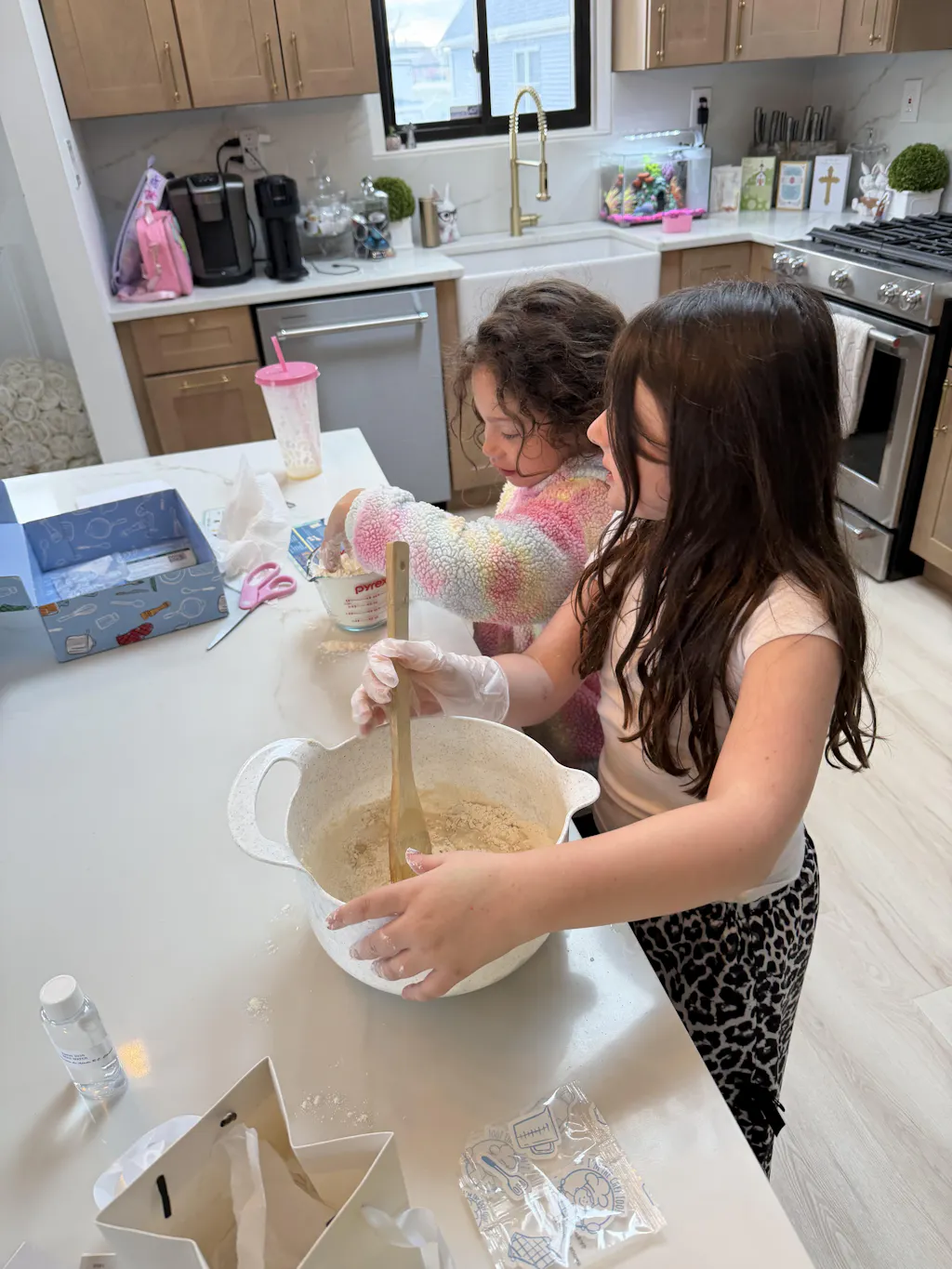
DIY Apple Scented Playdough:
- How-to: Create a simple salt dough recipe (flour, salt, water, cream of tartar, oil). Add red food coloring and a generous amount of cinnamon or apple pie spice.
- Educational Twist: This is a fantastic sensory activity that engages smell and touch. Discuss the ingredients and how they change consistency when mixed. This is a gentle introduction to chemistry and measurement!
- Why it's great: Provides hours of imaginative play with a wonderful fall aroma. The act of making the playdough itself is a fun process.
4. Pinecone Pals & Acorn Art: From Foraged to Fantastic
Nature provides us with so many treasures. Pinecones and acorns are perfect for turning into cute characters.
-
Pinecone Animals:
- How-to: Use pinecones as the body. Glue on felt, googly eyes, pipe cleaners, small pom-poms, or even small leaves to create owls, squirrels, or hedgehogs.
- Educational Twist: Talk about where pinecones come from (trees, forests) and the animals that live in those habitats. Encourage observation of different pinecone shapes and sizes.
- Why it's great: A super creative way to use found objects, encouraging children to see potential in natural items.
-
Acorn Cap Creations:
- How-to: Collect acorn caps and small decorative items like mini pom-poms, beads, or small pieces of felt. Glue them inside the acorn caps to create tiny fairy bowls, gnome hats, or decorative charms.
- Educational Twist: Explore the concept of seeds and nuts, and how they contribute to forest ecosystems. This is a great activity for developing extremely fine motor skills.
- Why it's great: Delights children with miniature creations and helps them appreciate the tiny details of nature.
5. Edible Adventures: The Delicious Side of Fall Crafts
At I'm the Chef Too!, we believe some of the best learning happens in the kitchen. Cooking and baking are essentially delicious science experiments and practical math lessons rolled into one!
-
Pumpkin Spice Playdough (Edible Version):
- How-to: Mix pumpkin puree, peanut butter, honey, and cinnamon until it forms a dough-like consistency. Children can knead it, roll it, and cut out shapes with fall cookie cutters.
- Educational Twist: Measuring ingredients teaches fractions and basic arithmetic. Understanding how different ingredients combine and transform is an introduction to chemistry. Plus, they can taste their creation!
- Why it's great: A safe, taste-safe sensory experience that doubles as a snack.
-
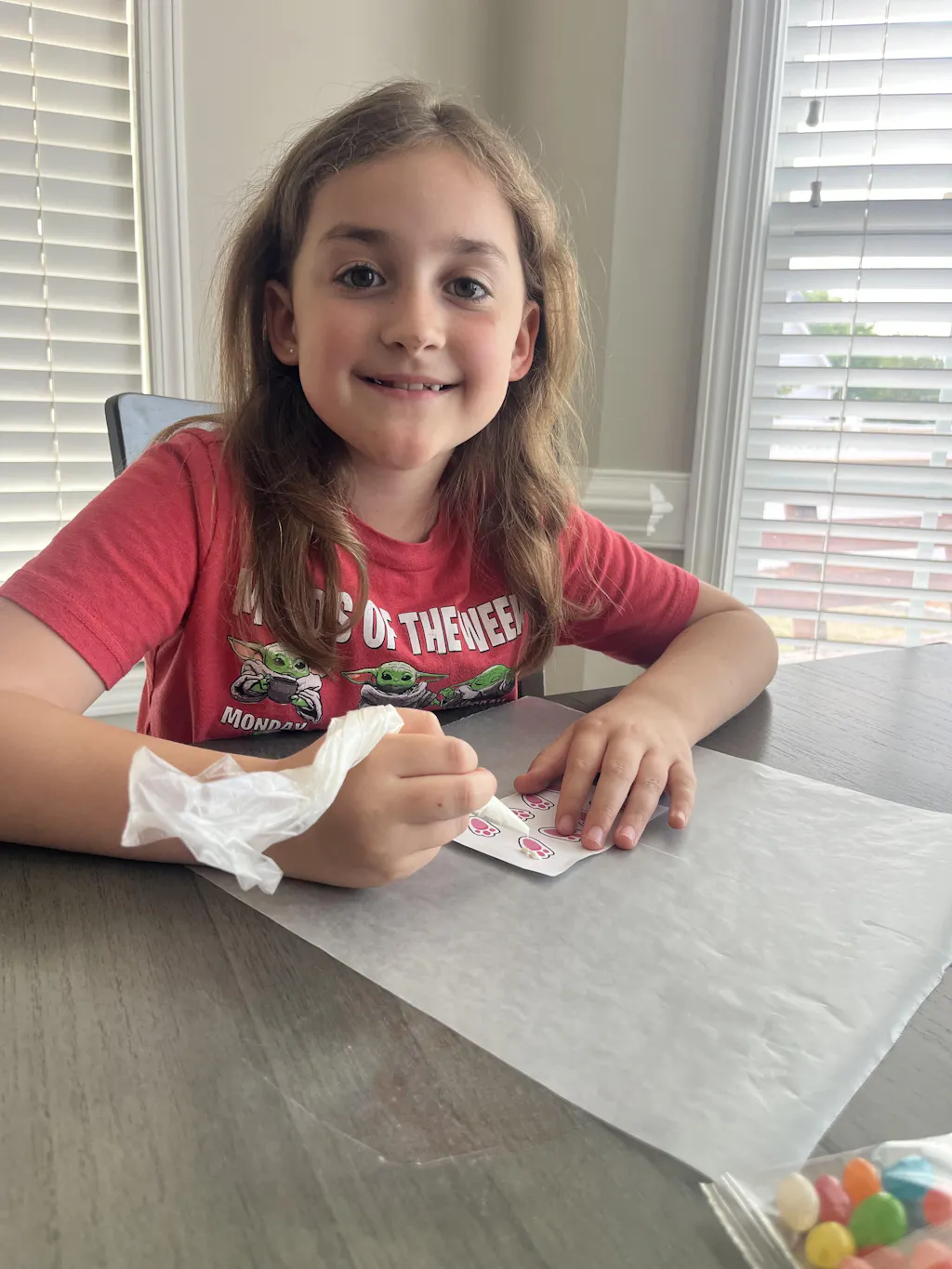
Fall-Themed Cookie Decorating:
- How-to: Bake or buy plain sugar cookies in fall shapes (leaves, pumpkins, apples, ghosts). Provide icing, sprinkles, and candies for decoration.
- Educational Twist: Following a recipe (if baking) reinforces reading and math skills. Decorating develops fine motor skills and creativity. Discuss the science of baking – how heat transforms ingredients.
- Why it's great: A classic, satisfying activity that combines art with a tasty reward. For a similar themed adventure without the fuss, explore our full library of adventure kits available for a single purchase in our shop!
-
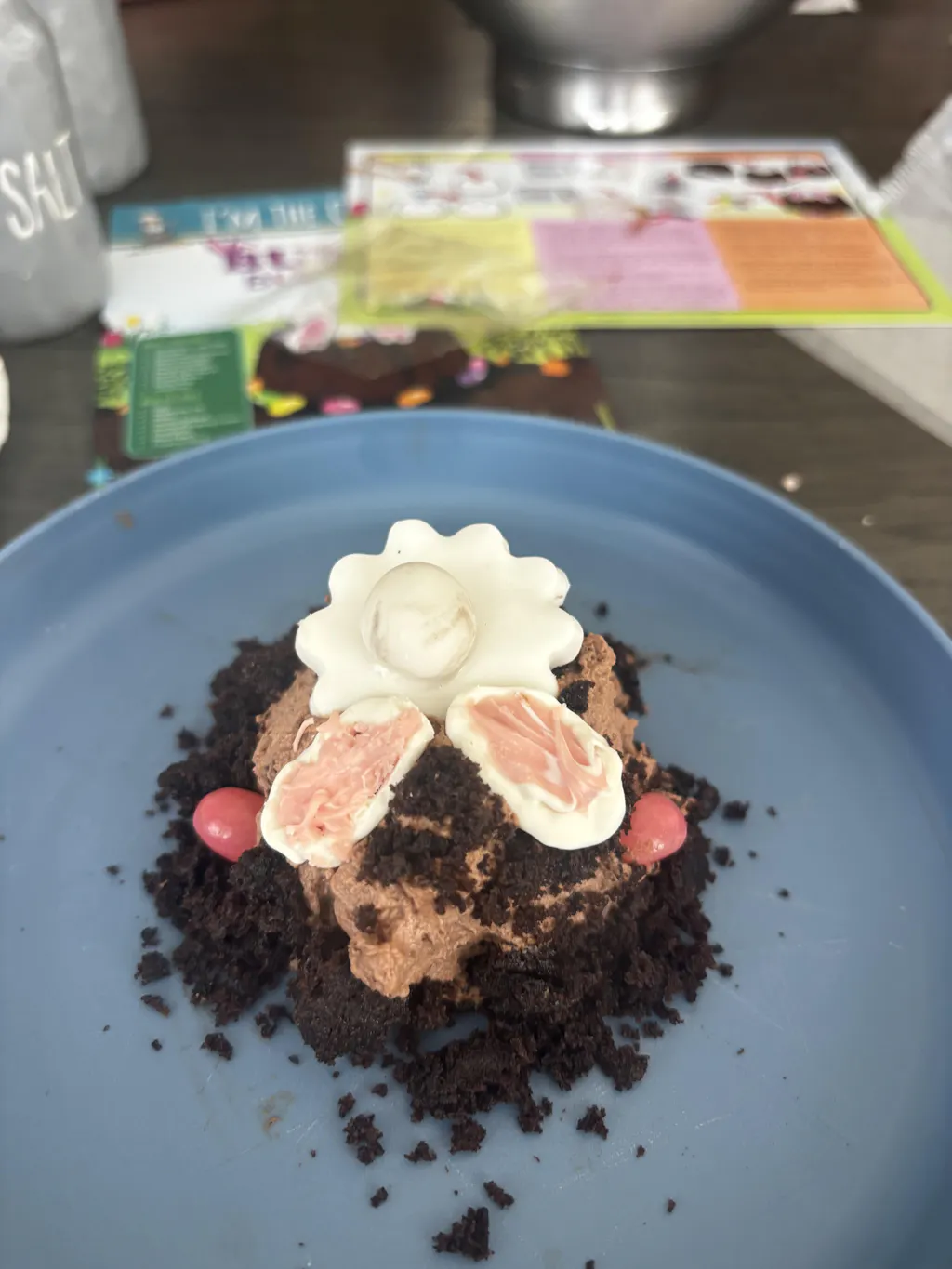
"Dirt" Cups with Fall Foliage:
- How-to: Layer chocolate pudding and crushed Oreos in clear cups. Add gummy worms or edible sugar leaves (store-bought or homemade with fondant) to create a "fall garden" scene.
- Educational Twist: Teaches layering and sequencing. You can discuss ecosystems and the role of "dirt" in nature.
- Why it's great: Super easy, visually appealing, and utterly delicious!
-
Our Edible STEM Adventures: If you love the idea of edible crafts but prefer the convenience of having everything ready to go, our kits are designed just for you! Imagine exploring geology with our Erupting Volcano Cakes that bubble over with deliciousness – a chemical reaction you can taste! Or diving into astronomy by creating your own edible solar system with our Galaxy Donut Kit. These experiences are crafted by mothers and educators to be screen-free, educational, and fun. Ready for more delicious learning adventures? Don't miss out! Join The Chef's Club today and receive a new STEM cooking kit delivered monthly.
6. Cardboard & Recycled Wonders: Sustainable Creativity
Turn everyday household waste into extraordinary art!
-
Toilet Paper Roll Fall Animals/Characters:
- How-to: Paint toilet paper rolls brown, orange, or black. Add felt, construction paper, googly eyes, and pipe cleaners to create owls, scarecrows, or friendly monsters.
- Educational Twist: Teaches about recycling and repurposing materials. Encourages imaginative role-play with the finished characters.
- Why it's great: Inexpensive, accessible, and a fantastic way to teach kids about sustainability.
-
Cereal Box Fall Scene Diorama:
- How-to: Use a small cereal box as the base. Kids can paint the inside, glue in real leaves and twigs, draw fall animals, or create small paper pumpkins to build a mini fall landscape.
- Educational Twist: Develops spatial reasoning and storytelling. Talk about habitats and landscapes.
- Why it's great: A larger-scale project that allows for lots of detail and imaginative world-building.
7. Sensory Bins: A Tactile Feast for Fall
Sensory bins are fantastic for open-ended play, especially for younger children, but older kids enjoy them too!
-
Fall Harvest Sensory Bin:
- How-to: Fill a bin with dried corn kernels, uncooked pasta (various shapes), dried beans, or even real leaves. Add scoops, small cups, plastic fall-themed toys (mini pumpkins, plastic apples), and cinnamon sticks or cloves for scent.
- Educational Twist: Enhances tactile exploration, encourages scooping and pouring (fine motor skills), and fosters imaginative play. You can also hide small letter or number cutouts for a "fall treasure hunt."
- Why it's great: Calming, engaging, and offers endless possibilities for imaginative play without specific end products, focusing purely on the process.
Making Fall Crafting a Success: Tips for Parents and Educators
Crafting with kids, while incredibly rewarding, can sometimes feel daunting. Here are some practical tips to ensure your fall crafting adventures are joyful and stress-free.
Embrace the Mess (Within Reason!)
Crafts and mess often go hand-in-hand. Instead of fighting it, prepare for it. Lay down newspapers, old sheets, or a plastic tablecloth. Dress kids in play clothes. Having a designated "craft zone" that's easy to clean can make a huge difference. Remember, a little mess often means a lot of fun and exploration!
Focus on the Process, Not Just the Product
The true value of crafting lies in the doing, the experimenting, and the learning, not just in the perfectly executed end result. Encourage effort and creativity, even if the final product doesn't look exactly as pictured in an example. Celebrate their unique vision and the joy they found in making it. This fosters confidence and a love for learning, which is a core part of our philosophy at I'm the Chef Too!
Prioritize Safety First
Always supervise children, especially with scissors, glue, or any small parts that could be a choking hazard for younger kids. Ensure good ventilation if using paints or strong-smelling glues. For edible crafts, be mindful of allergies and proper food handling.
Keep it Age-Appropriate
Tailor crafts to your child's developmental stage. Toddlers will love sensory bins and simple tearing/gluing, while preschoolers can handle more intricate cutting and structured projects. Older children might enjoy more detailed designs, independent work, or even coming up with their own craft ideas. The crafts listed above can often be adapted for various ages with different levels of assistance.
Involve Kids in the Gathering and Planning
Part of the fun can be the "hunt" for materials. Take a nature walk to collect leaves and pinecones. Let them help you choose which colors of paper to use. When children feel a sense of ownership over the activity from the beginning, they are more engaged and invested.
Make it an Extension of Learning
Use crafts as a jumping-off point for discussions. "What do you notice about this leaf?" "How do you think we can make this stand up?" "Why does this glue feel sticky?" These simple questions turn a craft session into a rich learning experience, naturally blending STEM and art. If you're looking for curated experiences that make this easy, remember that our Chef's Club subscription delivers complete "edutainment" kits right to your door, making screen-free learning convenient and fun.
Store and Display Creations Proudly
Nothing boosts a child's self-esteem like seeing their artwork displayed. Create a "fall art gallery" on a wall or refrigerator. Frame a particularly special piece. This shows them that their efforts are valued and appreciated, encouraging them to continue exploring their creativity.
The Science Behind Fall Fun: A Deeper Dive
Beyond the immediate joy, many easy fall crafts for kids offer subtle yet significant opportunities to explore scientific principles. At I'm the Chef Too!, we're passionate about making learning tangible and fun, and fall crafts are a perfect example of this.
Photosynthesis and Leaf Color Change (Biology & Chemistry)
When creating leaf rubbings or collages, it’s a perfect moment to discuss why leaves change color.
- Chlorophyll: Explain that leaves are green because of a pigment called chlorophyll, which helps plants make food from sunlight (photosynthesis).
- Autumn’s Magic: As days get shorter and temperatures drop, trees stop making chlorophyll. The green fades, revealing other beautiful pigments (yellows, oranges) that were always there, just hidden. Reds and purples are made when sugars trapped in the leaves break down in bright, cool sunlight.
- Activity: Try a simple leaf chromatography experiment at home to separate pigments. Just place a leaf in a jar with rubbing alcohol, cover it, and let it sit overnight. The next day, you’ll see the different colors separate!
Engineering with Natural Materials (Physics & Engineering)
Building pinecone animals or a twig fort for acorn creatures introduces basic engineering concepts.
- Stability: "How can we make this stand up without falling over?" This question leads to experimenting with wider bases, different attachment points, and balancing weight.
- Adhesion: Children learn about the properties of glue and how it creates a bond between different materials.
- Structure: Understanding how different shapes (like a strong twig vs. a bendy pipe cleaner) contribute to a structure's strength.
The Wonder of Seeds and Growth (Biology)
Pumpkin seed art or planting a dried bean in a wet paper towel connects children to the life cycle of plants.
- Germination: Discuss how a tiny seed contains everything needed to grow a new plant, given the right conditions (water, warmth, light).
- Dispersal: Talk about how different seeds (like maple "helicopters" or burrs) travel to new places to grow, ensuring the survival of the species.
Culinary Chemistry and Math (Food Science & Math)
Any edible fall craft, like making apple sauce or decorating cookies, is a hands-on science and math lesson.
- Measurement: Following a recipe requires precise measurements, introducing fractions, units, and basic arithmetic.
- Transformation: Observe how heat changes ingredients (e.g., flour, eggs, sugar into cookies; apples into soft sauce). This is a real-world example of chemical reactions.
- States of Matter: Turning liquid batter into solid cookies, or solid butter into melted butter, demonstrates changes in states of matter.
By drawing attention to these "hidden" scientific principles, we can transform simple crafts into engaging STEM lessons, fostering a curious and analytical mindset in our children. This is the heart of what we do at I'm the Chef Too! – blending fun with fundamental learning.
Harvesting Memories: The Joy of Family Crafting
Beyond the educational benefits, the most profound impact of engaging in easy fall crafts for kids is the creation of cherished family memories. These are the moments that truly matter, forging strong bonds and leaving lasting impressions.
Imagine a crisp autumn afternoon, a pot of cider simmering, and the whole family gathered around a table piled high with colorful leaves, pinecones, and craft supplies. Laughter fills the air as little hands carefully glue googly eyes onto a pinecone owl, or proudly show off a brightly painted pumpkin. These aren't just crafts; they're tangible expressions of togetherness, creativity, and shared joy.
In our increasingly digital world, these screen-free opportunities for genuine interaction are invaluable. They provide a space for quiet concentration, lively conversation, and collaborative problem-solving. Parents and children become co-creators, learning from each other and appreciating the unique perspective each person brings to the table. These shared experiences build a family culture of creativity and exploration, reinforcing the idea that learning can be an adventure, something we passionately believe in at I'm the Chef Too!.
Whether it's the thrill of discovering the perfect leaf during a nature walk, the satisfaction of completing a project together, or simply the warmth of being present with one another, fall crafts offer a powerful way to slow down, connect, and make the most of this beautiful season. And when you're ready to make these moments even more convenient and delightful, consider exploring our unique subscription boxes, where everything you need for a new STEM cooking adventure arrives right at your door. Join The Chef's Club and start making delicious memories today!
Conclusion
As the vibrant colors of autumn envelop us, the season presents a golden opportunity to engage our children in meaningful, hands-on activities that are both fun and enriching. From the simple beauty of leaf rubbings to the delicious science of edible fall treats, easy fall crafts for kids offer a treasure trove of benefits, nurturing creativity, developing crucial motor skills, fostering problem-solving, and most importantly, strengthening family bonds. These aren't just projects; they are pathways to discovery, a celebration of nature, and a vibrant alternative to screen time.
At I'm the Chef Too!, our mission is to empower children with engaging "edutainment" experiences that seamlessly blend food, STEM, and the arts. We believe in the power of tangible learning, where every stirring spoon, every measured ingredient, and every artful decoration sparks curiosity and builds confidence. By embracing the spirit of fall crafting, you're not just making decorations; you're cultivating a love for learning that lasts a lifetime.
Why wait to ignite that spark? Transform your kitchen into a classroom and your home into a hub of creativity. We invite you to explore our unique approach to learning, developed by mothers and educators, designed to bring joy and discovery to your family. Ready for a new adventure every month? Join The Chef's Club and enjoy free shipping on every box, bringing expertly curated, screen-free educational fun right to your doorstep. Or, if you're looking for a specific theme to kickstart your crafting journey, remember you can always browse our complete collection of one-time kits in our shop. Let's make this autumn a season of discovery, connection, and delicious learning!
FAQ: Your Fall Crafting Questions Answered
Q1: What age group are these easy fall crafts best suited for?
A1: The crafts listed are generally adaptable for a wide range of ages, typically from toddlers (with significant adult supervision and help) to elementary school children. For toddlers and preschoolers, focus on simpler activities like leaf rubbings, sensory bins, or large-motor painting on pumpkins. Older children (6+) can handle more intricate cutting, detailed painting, and can even contribute to the planning process, making the projects more complex and engaging for them. The key is to adapt the complexity and level of assistance to your child's developmental stage.
Q2: How can I minimize the mess that comes with crafting?
A2: Preparation is key! Lay down old newspapers, a plastic tablecloth, or even an old shower curtain on your crafting surface. Have wet wipes or a damp cloth readily available for quick cleanups. Dress children in play clothes or aprons. For painting, use washable paints. For glue, try glue sticks for less mess or use small amounts of liquid glue. Designate a "craft zone" that is easy to wipe down, like the kitchen table or an outdoor patio. Embracing a little mess as part of the creative process also helps!
Q3: What if my child isn't naturally artistic or gets frustrated easily?
A3: It's important to emphasize the process over the product. Reassure your child that there's no "right" or "wrong" way to be creative. Focus on the joy of exploring materials, trying new things, and spending time together. If frustration arises, suggest taking a break, simplifying the task, or offering more assistance. Sometimes, letting them lead entirely, even if the outcome is unconventional, can build confidence. Our I'm the Chef Too! kits are designed to be engaging and achievable, fostering a sense of accomplishment without the pressure of perfection.
Q4: How can I make these crafts more educational or connect them to STEM?
A4: Integrate discussions about the natural world:
- Biology: Talk about where leaves, pinecones, and acorns come from, the life cycle of pumpkins, or the different types of trees.
- Chemistry: Discuss why leaves change color, or how ingredients transform when baking.
- Math: Practice counting leaves, measuring ingredients for edible crafts, or recognizing shapes.
- Engineering: Challenge them to make a pinecone stand up or build a sturdy structure with twigs.
- Observation: Ask open-ended questions like "What do you notice?", "How does this feel?", or "What do you think will happen if...?" These questions encourage critical thinking and scientific inquiry.
Q5: Where can I find affordable craft supplies for fall?
A5: Start with nature! Your backyard, local park, or a nature walk can provide an abundance of free materials like leaves, pinecones, acorns, and small twigs. Look around your home for recycled materials such as toilet paper rolls, cereal boxes, or old buttons. Dollar stores, discount retailers, and even grocery stores often have affordable basic craft supplies like construction paper, glue, and washable paints, especially seasonally. Our I'm the Chef Too! kits solve this entirely by delivering all the pre-measured dry ingredients and specialty supplies right to your door, taking the stress out of sourcing.
Q6: How do I store finished crafts or display them?
A6: For flat crafts like leaf rubbings or paintings, a "fall art gallery" on the refrigerator or a designated wall is perfect. You can also string them together to create a garland. Three-dimensional crafts like pinecone animals or painted pumpkins can be displayed on shelves, windowsills, or as part of a fall centerpiece. Consider taking photos of creations that might not last long (like edible crafts or delicate leaf arrangements) to preserve the memory. Creating a special "memory box" for a few cherished pieces each season is also a wonderful tradition.