Table of Contents
- The Power of Making: Why Creation Crafts Matter
- Types of Creation Crafts: Beyond the Basics
- Integrating STEM and Art into Creation Crafts
- Setting Up Your Creation Craft Space
- Overcoming Common Challenges
- I'm the Chef Too! Your Partner in Creative STEM Adventures
- Conclusion
- FAQ: Your Questions About Creation Crafts Answered
Imagine a blank canvas, a pile of colorful ingredients, or a box of seemingly ordinary recyclables. What do you see? For a child, these are not just materials; they are portals to infinite possibilities, invitations to invent, design, and bring something entirely new into existence. This inherent drive to "create" is a fundamental aspect of childhood, a powerful engine for learning and discovery. But what exactly are "creation crafts," and why are they so vital for our children's development in today's world?
In an era often dominated by screens and passive consumption, providing children with opportunities for active, tangible creation is more important than ever. Creation crafts are not just about making a pretty object; they are about the invaluable journey of imagination, problem-solving, and self-expression that unfolds along the way. They empower children to transform ideas into reality, to experiment with materials, and to see the tangible results of their efforts.
At I'm the Chef Too!, we wholeheartedly believe in the magic that happens when children engage in hands-on activities that blend food, STEM, and the arts. Our mission is to spark this curiosity and creativity, fostering a love for learning that extends far beyond the kitchen. This post will delve into the profound benefits of engaging children in creation crafts, explore a diverse array of exciting ideas, and demonstrate how these activities are powerful vehicles for developing essential skills. We’ll show you how to cultivate an environment where creativity flourishes, and how our unique approach makes learning an adventure, one delicious creation at a time.
The Power of Making: Why Creation Crafts Matter
The simple act of creating, whether it's shaping dough, assembling a structure, or painting a picture, offers a treasure trove of developmental benefits for children. It’s more than just a pastime; it’s a cornerstone of holistic growth.
Fostering Imagination & Creativity
Think about a child given a box and told to "make something." What emerges? A spaceship, a cozy fort, a robot, or even a magical creature! Creation crafts are catalysts for imagination. They encourage children to think outside the box, to visualize what isn't yet there, and to bring their unique ideas to life. This isn't just about artistic flair; it's about developing innovative thinking, a crucial skill for future problem-solving in any field. When children are encouraged to imagine, they learn to generate new ideas, adapt to unexpected outcomes, and truly personalize their learning journey. This open-ended exploration is key to sparking that innate curiosity we cherish at I'm the Chef Too!, where every kit is designed to be a springboard for unique interpretations and creative expression. From a pile of craft sticks to a blank piece of paper, the possibilities are limited only by their burgeoning creativity. This mental exercise in ideation, where children conjure possibilities from disparate parts, hones their ability to see connections and invent solutions in everyday life.
Developing Fine Motor Skills & Hand-Eye Coordination
From carefully pouring ingredients into a bowl, to precisely cutting along a line, or delicately placing a tiny bead, creation crafts are a workout for small hands. These activities refine fine motor skills – the coordination of small muscles in the hands and fingers with the eyes. Improved dexterity is essential not only for writing and drawing but also for everyday tasks like buttoning a shirt or tying shoelaces. As children mix, mold, snip, and glue, they strengthen these muscles and enhance their hand-eye coordination, building a foundation for greater independence and competence. The intricate movements required to apply glue to a small piece of paper, thread a bead onto a string, or precisely snip fabric with scissors contribute significantly to their manual dexterity. This physical engagement is a core component of our hands-on approach, ensuring that learning is truly tangible and supportive of overall physical development.
Boosting Problem-Solving & Critical Thinking
"How do I make this stick?" "What happens if I mix these two colors?" "My cookie dough is too sticky, what should I do?" These are the questions that naturally arise during creation crafts. Children are constantly presented with mini-challenges that require them to think critically and solve problems. They learn to plan, experiment, observe results, and adjust their approach. This iterative process of trial and error teaches resilience and adaptability – skills far more valuable than simply following instructions. It's about empowering them to be little scientists and engineers, understanding cause and effect in a fun, low-stakes environment. Whether it's figuring out how to balance components in a sculpture or troubleshooting why paint isn't adhering correctly, each obstacle becomes an opportunity for cognitive growth. Our Erupting Volcano Cakes Kit, for example, beautifully illustrates a chemical reaction, prompting kids to understand how ingredients interact to create that exciting "eruption" and requiring them to follow steps to achieve a desired, delicious result.
Nurturing Self-Expression & Confidence
Every creation craft is a personal statement. It's an opportunity for children to express their feelings, ideas, and unique perspective without needing words. There’s no right or wrong way to paint a picture or decorate a cookie, which frees them from the pressure of perfection. This freedom allows them to explore their inner world and communicate it through color, texture, and form. The pride a child feels when they hold up their completed project, no matter how simple, is immense. This sense of accomplishment builds self-esteem and confidence, encouraging them to take on new challenges and embrace their individuality. We believe in celebrating every child's unique journey, knowing that each creation is a step toward building a strong, confident self, ready to tackle new challenges in and out of the kitchen.
Introducing STEM Concepts Playfully
One of the most exciting aspects of creation crafts is their natural ability to integrate Science, Technology, Engineering, and Math (STEM) principles without children even realizing they're learning.
- Science: Understanding how ingredients react in baking, observing changes in states of matter (e.g., melting crayons, freezing popsicles), exploring properties of materials like absorbency of paper or viscosity of glue.
- Technology: Using tools like scissors, glue guns (with supervision), or even simple kitchen appliances like a mixer. Understanding how these tools extend their capabilities and simplify tasks.
- Engineering: Designing structures, balancing elements, understanding stability, planning steps to build something that stands, moves, or holds other items.
- Math: Measuring ingredients accurately, recognizing shapes, counting materials, understanding patterns and symmetry in designs, and even estimating quantities. At I'm the Chef Too!, this blend is at the heart of everything we do. Our unique "edutainment" experiences seamlessly weave STEM and the arts into delicious, hands-on cooking adventures. We take complex subjects and make them tangible and fun, proving that learning can be incredibly engaging when it's screen-free and leads to something yummy! It’s about more than just recipes; it's about the principles behind them.
Facilitating Family Bonding
In our busy lives, finding dedicated time for meaningful interaction can be a challenge. Creation crafts offer a perfect opportunity for families to connect, communicate, and create lasting memories together. Working side-by-side on a project encourages teamwork, sharing, and conversation. It’s a chance for parents and children to learn from each other, celebrate successes, and even navigate challenges as a team. These shared experiences are invaluable for strengthening family ties and creating a supportive learning environment at home. These moments become cherished traditions, reinforcing family connections through shared creative endeavors and fostering a sense of togetherness that screen time often fails to provide.
Ready for a new adventure every month that sparks curiosity and creativity while fostering family bonding? Join The Chef's Club and enjoy free shipping on every box, bringing joy and learning directly to your doorstep.
Types of Creation Crafts: Beyond the Basics
When we think of "crafts," simple paper and glue often come to mind. While those are wonderful starting points, the world of creation crafts is vast and diverse, offering endless opportunities for engaging children in imaginative and educational play. Expanding our horizons beyond traditional crafts opens up a universe of learning potential.
Culinary Creations (Food as a Medium)
What better way to engage all the senses than with food? Edible crafts turn the kitchen into a vibrant laboratory and art studio, blending delicious outcomes with invaluable learning.
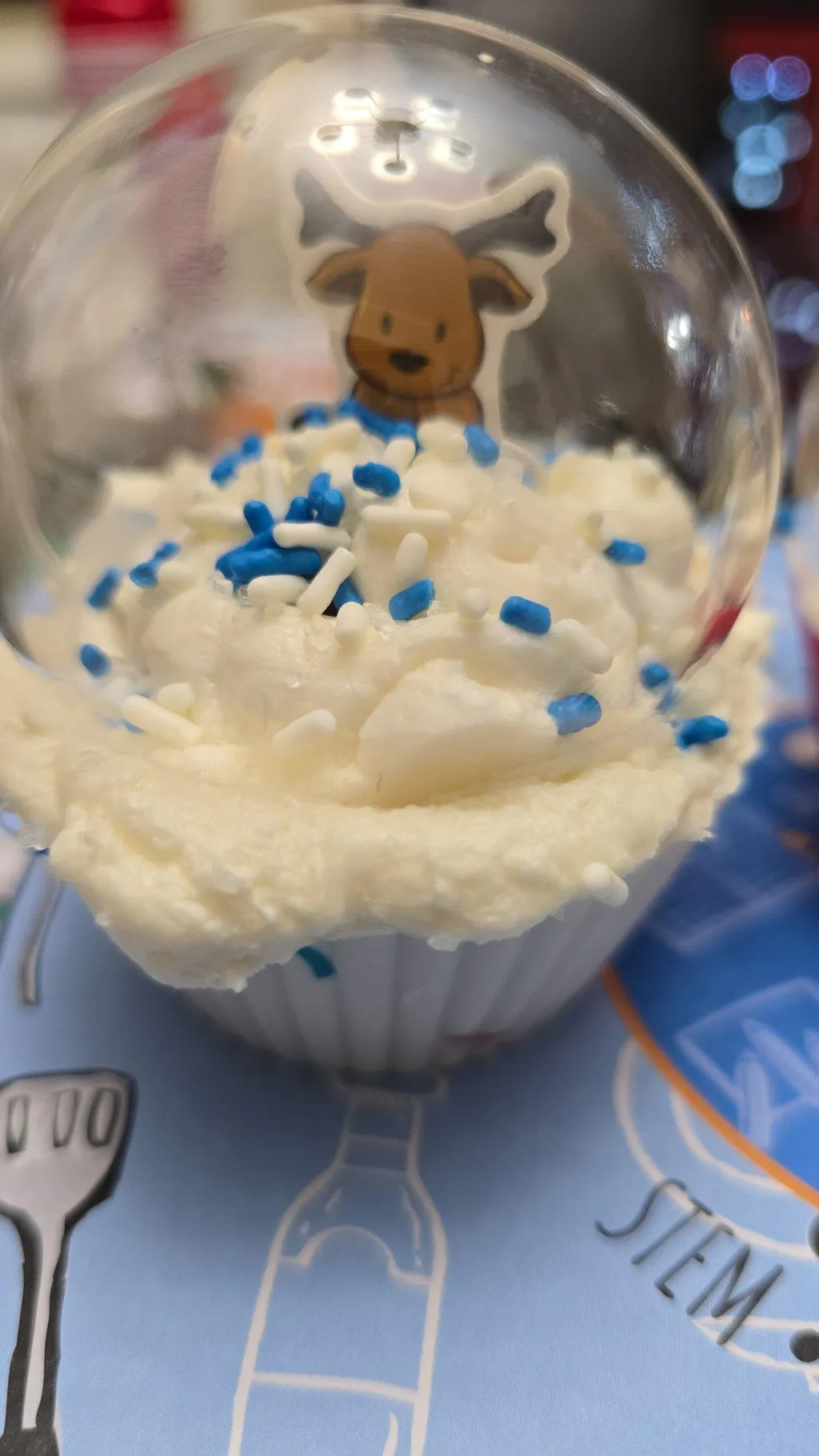
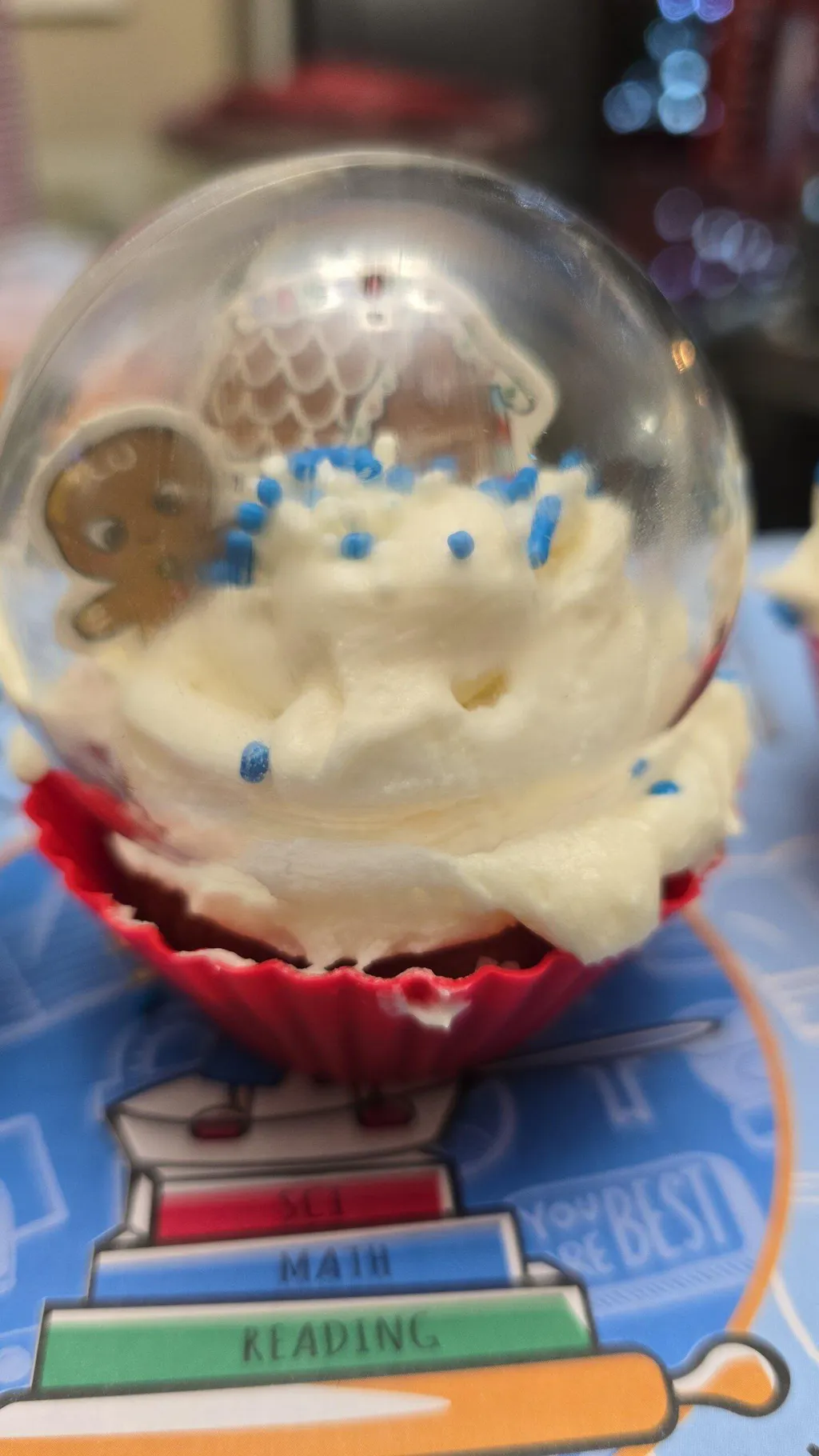
- Edible Art: Decorating cookies, cupcakes, or even designing elaborate edible landscapes with various candies and frostings. Children learn about color mixing, texture, and precision while exercising their artistic flair. Imagine creating a miniature garden on a sheet cake or crafting whimsical characters from fruit slices. These activities not only develop fine motor skills but also encourage an appreciation for presentation and aesthetics in food.
- Scientific Snacks: Baking is a fantastic science experiment in itself! Understanding how yeast makes bread rise, how eggs bind ingredients, or how different leavening agents create unique textures. For a captivating demonstration of chemical reactions, our Erupting Volcano Cakes Kit combines the thrill of a volcano eruption with the joy of baking, making science deliciously tangible. Kids get to witness firsthand the magical transformations that occur with heat and ingredient interactions.
- Engineering Edibles: Building structures with food is a delightful challenge. Think gingerbread houses that require structural integrity, marshmallow and toothpick sculptures that test balance, or even fruit skewers arranged in geometric patterns. These activities introduce basic engineering principles like stability, load-bearing, and design, all with a tasty reward. Children learn to plan their construction and adapt when their initial design doesn't quite hold up.
- Worldly Wonders: Explore different cultures through food! Making pasta from scratch, rolling sushi (even if it's candy sushi!), or creating dishes inspired by global themes. For instance, our Galaxy Donut Kit transforms a baking session into an exciting journey through space, combining culinary skills with astronomical wonder as they decorate celestial bodies. Or, for younger learners who adore popular characters, our Peppa Pig Muddy Puddle Cookie Pies offer a whimsical way to engage in baking and decorating, using a familiar theme to spark their enthusiasm.
At I'm the Chef Too!, our core philosophy revolves around these culinary creations. We believe that by transforming cooking into an engaging "edutainment" experience, children naturally grasp complex STEM concepts while developing artistic skills and building confidence in the kitchen. Each kit is a complete adventure, delivered to your door with pre-measured dry ingredients and specialty supplies, making it easy for families to jump straight into the fun without the hassle of grocery shopping and measuring.
Nature-Inspired Creations
The great outdoors offers an endless supply of free, natural craft materials. Taking a nature walk can transform into a treasure hunt for creative inspiration, connecting children with their environment.
- Leaf Rubbing Art: Collect leaves of various shapes and textures. Place them under paper and rub crayons over them to reveal intricate patterns. This teaches observation, appreciation for natural details, and the concept of texture in art.
- Nature Collages: Gather leaves, twigs, pebbles, flowers, and feathers. Arrange and glue them onto paper or cardboard to create beautiful, organic art pieces. This encourages composition, the use of diverse materials, and an understanding of natural cycles.
- Rock Painting: Simple stones can become canvases for imaginative designs. Paint them as ladybugs, abstract patterns, or hide them in local parks for others to find (often called kindness rocks). This fosters artistic expression, community engagement, and a connection to the natural world.
Recycled Material Creations (Upcycling)
Before tossing that empty cereal box or toilet paper roll, consider its potential! Upcycling transforms "trash" into treasure, teaching children about sustainability, resourcefulness, and the endless possibilities of repurposing.
- Cardboard Box Forts/Vehicles: The classic cardboard box is a blank slate. Children can design and build magnificent forts, race cars, rocket ships, or playhouses, using paint, tape, and their imaginations. This is engineering on a grand scale, encouraging spatial reasoning and structural design.
- Toilet Paper Roll Animals/Characters: Empty rolls can be decorated to create a zoo of animals, a cast of puppet characters, or even miniature buildings. This is fantastic for developing dexterity, storytelling, and imaginative play.
- Plastic Bottle Sculptures: Cut, paint, and combine plastic bottles to create whimsical sculptures, wind chimes, or even functional items like bird feeders. This encourages creative problem-solving, repurposing, and an understanding of material properties.
Sensory Play Creations
Sensory crafts engage multiple senses, providing a rich, tactile experience that is often calming and highly stimulating for development.
- Homemade Slime: A perennial favorite, making slime involves basic chemistry and allows for endless variations in color, texture, and additives (glitter, beads). It’s a wonderful way to explore material properties like viscosity and elasticity, and the joy of a squishy, stretchable creation.
- Playdough/Clay Sculptures: Beyond commercial playdough, making your own often involves measuring and mixing, introducing simple chemistry. Children can then sculpt, roll, and cut, developing fine motor skills, spatial reasoning, and an understanding of three-dimensional forms.
- Sensory Bins: Fill a bin with rice, pasta, beans, or water, and add small objects, scoops, and containers. This is open-ended play that encourages scooping, pouring, and imaginative scenarios, often with themed elements like an "ocean" bin with blue rice and toy fish, promoting tactile exploration and imaginative storytelling.
Storytelling & Character Creations
Bringing stories to life through craft enhances literacy, dramatic play, and imaginative narrative development.
- Puppets: Create hand puppets from paper bags, socks, or felt. Children can then use their puppets to retell favorite stories or invent new narratives, boosting language development, confidence, and dramatic skills.
- Masks: Design and decorate masks using paper plates, cardboard, or craft foam. Whether they’re animal masks, superhero masks, or fantastical creatures, this encourages imaginative role-play and character embodiment.
- Dioramas: Build miniature scenes inside shoe boxes or other containers. These detailed environments allow children to create settings for their stories or illustrate scenes from books, integrating artistic design with narrative construction and scale.
Artistic Creations (Process Art)
Process art emphasizes the journey of creation over the final product. It's about experimenting, exploring, and enjoying the act of making, rather than striving for a perfect outcome.
- Abstract Painting: Provide various paints, brushes, sponges, and even natural objects (leaves, twigs) as tools. Encourage children to explore color mixing, textures, and fluid movements without a specific end goal. This fosters freedom of expression and reduces performance anxiety.
- Marble Art: Use marbles dipped in paint and rolled around inside a box to create unique, swirling patterns. This introduces the concept of motion, cause and effect, and unexpected visual effects, making the process itself the focus.
- Resist Art: Experiment with wax crayons, masking tape, or glue to create patterns on paper. Then paint over the entire surface with watercolors or diluted paint, revealing the "resisted" areas. This teaches about different material properties and how they interact, offering a fascinating visual reveal.
Not ready to subscribe for monthly adventures? Explore our full library of adventure kits available for a single purchase in our shop and find the perfect theme for your little learner, from scientific discoveries to delicious masterpieces!
Integrating STEM and Art into Creation Crafts
At I'm the Chef Too!, we firmly believe that STEM (Science, Technology, Engineering, Math) and Art are not separate disciplines but rather intertwined facets of a holistic learning experience. When children engage in creation crafts, they are naturally integrating these powerful subjects, often without even realizing it. This interdisciplinary approach makes learning more relevant, engaging, and memorable.
Science in Action
Every time a child mixes colors, observes how glue dries, or feels the texture of different materials, they're performing a mini-science experiment. The world around us is a grand laboratory, and crafts provide a safe, accessible way to explore its wonders.
- Chemical Reactions: Baking is a prime example. The transformation of raw ingredients into a fluffy cake or crispy cookie is a chemical marvel. Making homemade playdough involves understanding how flour, salt, water, and cream of tartar combine and change with heat. Observing a chemical reaction that makes our Erupting Volcano Cakes bubble over with deliciousness teaches fundamental scientific principles in the most exciting and delicious way. They witness gas production and volume change right before their eyes!
- States of Matter: Melting crayons to create new multi-colored ones, freezing water for ice painting, or watching paint dry demonstrate changes in states of matter – solids, liquids, and gases – in a tangible context.
- Observation & Hypothesis: "What will happen if I add more water to this paint?" "Which glue will hold these pieces together best?" Children form hypotheses, test them, and observe the outcomes, just like real scientists. This develops critical thinking and a scientific mindset.
Technology as a Tool
While we champion screen-free learning, "technology" in crafts refers to the tools and methods we use to create, extending our capabilities and making tasks easier or more precise.
- Tools & Techniques: Learning to safely use scissors, a hole punch, a paintbrush, or even simple kitchen utensils like whisks and measuring cups. Understanding how these tools function and how to manipulate them effectively is a practical application of technology. This also includes understanding levers, gears, and simple machines in more complex craft toys.
- Problem Solving with Tools: Deciding which tool is best for a specific task – a paint roller for large areas, a fine brush for details, or cookie cutters for perfect shapes. This decision-making process is a form of technological literacy.
Engineering & Design
Designing and building are at the heart of many creation crafts, providing invaluable lessons in engineering principles.
- Structure & Stability: When building with cardboard, blocks, or even food, children learn about gravity, balance, and how to create sturdy structures. "How can I make this tower taller without it falling?" is a fundamental engineering question that requires experimentation and revision.
- Planning & Execution: From sketching an idea to selecting materials and assembling components, children engage in the design process, learning to plan their steps and adapt as needed. Constructing a diorama or a complex paper sculpture requires foresight and iterative design, mirroring real-world engineering projects.
- Problem-Solving: When a creation doesn't stand up as planned, children naturally engineer solutions, reinforcing their ability to troubleshoot, innovate, and think critically under challenge.
Math in the Mix
Math is subtly woven into almost every creation craft, making abstract concepts concrete and understandable through hands-on experience.
- Measurement: Baking inherently involves measuring ingredients, introducing concepts of volume, weight, fractions, and units. Even cutting paper to specific lengths or drawing shapes of certain sizes reinforces measurement.
- Geometry: Recognizing and manipulating shapes in collages, building models, or even cutting cookies. Creating symmetrical patterns or understanding how different shapes fit together to form a larger whole.
- Counting & Sorting: Counting craft sticks, sorting beads by color or size, or tallying items for a project. These basic math skills are foundational.
- Patterns & Sequences: Creating patterns with beads, constructing repeating designs, or following a sequence of steps in a craft. For instance, exploring astronomy by creating your own edible solar system with our Galaxy Donut Kit provides a fantastic way to learn about planetary order, relative sizes, and spatial relationships in a hands-on, delicious manner.
Art as Expression
Art is the soul of creation crafts, providing a powerful outlet for self-expression and aesthetic development, teaching children to see and interpret the world in new ways.
- Color Theory: Experimenting with mixing primary colors to create secondary and tertiary colors. Understanding warm and cool colors, and how colors evoke emotions and create different moods in their creations.
- Texture & Form: Exploring different materials – smooth paper, rough sandpaper, squishy playdough, crunchy cereal. Understanding how to create three-dimensional forms from two-dimensional materials, and how texture adds depth.
- Composition & Design: Arranging elements on a page or within a sculpture to create a visually pleasing or meaningful composition. This teaches visual balance, focal points, and storytelling through arrangement.
- Creativity & Imagination: Art provides a canvas for boundless imagination, encouraging children to invent, interpret, and express their unique perspectives without judgment. Even beloved characters can make learning fun, like when kids make Peppa Pig Muddy Puddle Cookie Pies, combining creative play with basic culinary and decorating skills to bring a beloved character to life.
At I'm the Chef Too!, our mission is to blend these elements into one-of-a-kind "edutainment" experiences. We are committed to sparking curiosity and creativity in children, facilitating family bonding, and providing a screen-free educational alternative. Our unique approach of teaching complex subjects through tangible, hands-on, and delicious cooking adventures, developed by mothers and educators, ensures that every child can explore, learn, and create with joy and confidence.
Give the gift of learning that lasts all year with a 12-month subscription to our STEM cooking adventures. Choose from 3, 6, or 12-month pre-paid plans, perfect for gifting or long-term enrichment. Join The Chef's Club today!
Setting Up Your Creation Craft Space
A dedicated craft space, no matter how small, can signal to a child that this is a place for creativity and exploration. It doesn't need to be elaborate, but it should be functional, inspiring, and safe. A well-organized space encourages independence and invites spontaneous creative sessions.
Dedicated Area vs. Portable Setup
- Dedicated Area: If space allows, a specific corner in a playroom, kitchen, or even a quiet nook can be set up with a child-sized table and chairs, easily accessible shelves for supplies, and perhaps a washable mat or old tablecloth permanently in place. This provides a consistent invitation to create and reinforces the importance of creative time.
- Portable Setup: For smaller homes or those who prefer flexibility, a "craft caddy," rolling cart, or a designated bin filled with essential supplies can be easily brought out and put away. A portable mat or plastic tablecloth can protect surfaces. Flexibility is key! This allows children to choose where and when they want to create, fostering a sense of autonomy.
Essential Supplies
You don't need to break the bank to stock a fantastic craft area. Many items are inexpensive or can be repurposed from around the house, encouraging resourcefulness.
- Basics: Construction paper (various colors), white paper, child-safe scissors, glue sticks, liquid glue, washable markers, crayons, colored pencils.
- Paints: Washable tempera or watercolor paints, brushes of various sizes, sponges, paint smocks or old t-shirts.
- Textural Elements: Cotton balls, pipe cleaners, pompoms, googly eyes, yarn, fabric scraps, felt, buttons, beads (for older children due to choking hazards).
- Naturals: Collected leaves, pebbles, small twigs, pinecones (cleaned and dried).
- Recyclables: Cardboard tubes (toilet paper/paper towel), cereal boxes, egg cartons, plastic bottles, bottle caps, old magazines/newspapers. This teaches valuable lessons about upcycling and reducing waste.
- Kitchen Crafts: A child-safe apron, measuring cups and spoons, mixing bowls, small whisks, spatulas, cookie cutters. Remember, our Chef's Club takes the guesswork out of gathering ingredients by delivering pre-measured dry ingredients and specialty supplies directly to your door, simplifying your setup!
Safety First
Adult supervision is always implicitly understood and paramount for all kitchen and craft activities. Prioritizing safety ensures a worry-free and enjoyable creative experience for everyone.
- Non-Toxic Materials: Ensure all glues, paints, markers, and other craft supplies are clearly labeled "non-toxic." This is especially crucial for younger children who might put things in their mouths.
- Child-Safe Tools: Use scissors appropriate for your child's age and skill level. Supervise the use of any sharper tools or kitchen utensils, teaching proper handling and storage.
- Allergens: When doing food-based crafts, always be mindful of food allergies within your family or group. Communicate clearly about ingredients and consider substitutions if needed.
- Small Parts: For very young children, be aware of choking hazards with small beads, buttons, or other embellishments. Store these items securely out of reach.
Managing Mess and Cleanup
Mess is often a sign of engaged, hands-on learning! Embrace it as part of the creative process, but also prepare for it to make cleanup less daunting.
- Protection: Use old sheets, plastic tablecloths, or newspaper to cover tables and floors. Kids' smocks or old t-shirts can protect clothing from paint and glue.
- Containment: Shallow bins or trays can contain smaller items and help prevent paint spills from spreading, especially for activities like playdough or sensory bins.
- Easy Access to Cleaning Supplies: Keep wipes, paper towels, and a damp cloth handy for quick cleanups. Involve children in the cleanup process – it teaches responsibility, organizational skills, and respect for materials and shared spaces. Making cleanup a part of the activity reinforces a complete cycle of creation and care.
Overcoming Common Challenges
Even with the best intentions, craft time can sometimes present hurdles. Children, and even parents, can encounter moments of frustration or hesitation. Here’s how to navigate them with patience, understanding, and encouragement, ensuring that the creative journey remains positive and productive.
"My child says 'I can't!'" – Focus on Effort, Not Perfection
Children, especially as they get older, can become self-conscious about their artistic abilities or fear making mistakes. This can lead to them shutting down before they even begin.
- Emphasize the Process: Remind them that crafts are about exploring, trying new things, and having fun, not about creating a masterpiece. There's no "right" or "wrong" way to be creative. The learning happens in the doing.
- Offer Encouragement, Not Just Praise: Instead of "That's perfect!" try "I love how you used those colors!" or "Tell me about what you're making." Focus on their effort, their choices, and the unique aspects of their creation, rather than a quantifiable "good" or "bad" outcome.
- Model Imperfection: Share your own creative attempts, flaws and all, to normalize the process of learning and trying new things. Show them that even adults don't always create masterpieces on the first try.
- Simplify: If a project feels overwhelming, break it down into smaller, manageable steps. Or offer simpler alternatives that still allow for creative expression without pressure.
"It's too messy!" – Embrace the Process, Set Boundaries
Mess and creativity often go hand-in-hand, and while the thought of a chaotic cleanup can be daunting for parents, it's often where the most engaged learning happens.
- Pre-Plan for Mess: As discussed in the "Setting Up Your Space" section, cover surfaces, use aprons, and have cleaning supplies ready. Accepting that mess will happen can significantly reduce your stress and allow you to focus on the fun.
- Define the "Mess Zone": Designate specific areas where mess is allowed and areas where it's not. "Paint stays at the kitchen table, playdough stays on the mat." Clearly communicating these boundaries helps children understand expectations.
- Involve in Cleanup: Make cleanup a collaborative effort. "We get messy together, and we clean up together." This teaches responsibility and respect for materials and space, turning cleanup into another shared activity. For kitchen-based crafts, this can mean wiping down counters, putting away ingredients, and washing dishes – valuable life skills!
"I'm not creative!" – Provide Prompts, Examples, Simple Starting Points
Many parents feel intimidated by the idea of leading creative activities if they don't consider themselves "artistic" or feel they lack creative ideas.
- You Don't Need to Be an Artist: Your role is to facilitate, encourage, and enjoy the process with your child, not to demonstrate artistic genius. Your enthusiasm is more important than your artistic skill.
- Offer Open-Ended Prompts: Instead of "Draw a house," try "What kind of house would a dragon live in?" or "Draw something that makes you happy." These prompts encourage imagination without dictating the outcome.
- Provide Inspiration, Not Instructions: Show pictures of different craft ideas, but encourage your child to put their own spin on it. Discuss how different artists approach the same subject.
- Start Simple: Begin with very basic crafts, like finger painting or playdough, where there's less pressure for a specific outcome. Our thoughtfully designed kits, like those available in our main shop collection, provide a clear starting point with all necessary components and straightforward instructions, making it easy for any parent to facilitate a creative and educational activity without needing to be an expert.
"What if they don't like it?" – The Joy Is in the Doing
Sometimes a child starts a craft and quickly loses interest, or they aren't happy with their creation, leading to feelings of inadequacy.
- It's Okay to Quit: Not every project has to be completed. The value is in the engagement, the exploration, and the learning, not necessarily the finished product. If interest wanes, suggest putting it aside and trying something else.
- Focus on the Effort: Acknowledge the time and effort they put in, regardless of the outcome. "You really worked hard on that!" or "I noticed how carefully you mixed those colors."
- Redefine "Success": Success in creation crafts isn't a perfect outcome, but the exploration, the learning, the time spent, and the joy of making. It's about fostering a love for learning and building confidence through the process. Our kits are developed by mothers and educators who understand the importance of making every child feel successful and engaged, regardless of the end result, emphasizing the journey of discovery.
I'm the Chef Too! Your Partner in Creative STEM Adventures
As parents and educators ourselves, we understand the desire to provide children with enriching, engaging, and educational experiences that truly captivate their minds and hearts. That's why, at I'm the Chef Too!, our mission is to seamlessly blend food, STEM, and the arts into one-of-a-kind "edutainment" experiences.
We are passionately committed to sparking curiosity and creativity in children, guiding them to discover the wonders of science, the logic of math, and the beauty of art, all through the irresistible allure of cooking. Our unique approach transforms complex subjects into tangible, hands-on, and utterly delicious cooking adventures. Imagine learning about geology while baking cookies that look like geodes, or exploring chemical reactions through a cake that erupts like a volcano! We provide a screen-free educational alternative that truly engages young minds.
We believe in the power of screen-free educational alternatives that bring families together. Our kits are carefully developed by mothers and educators, ensuring that each activity is not only fun and engaging but also deeply rooted in sound pedagogical principles. We provide everything you need – pre-measured dry ingredients, specialty supplies, and easy-to-follow instructions – to make family bonding and joyful learning accessible and stress-free. Our aim is to empower every child to explore and discover, turning ordinary moments into extraordinary learning opportunities.
While we focus on the invaluable benefits of the process – fostering a love for learning, building confidence, developing key skills, and creating joyful family memories – we want to emphasize that our goal is not to guarantee specific educational outcomes. Rather, it is to provide an environment where children can explore, experiment, and create, cultivating a lifelong passion for discovery. Always remember that kitchen activities should be enjoyed with appropriate adult supervision and a focus on safety, ensuring a fun and secure learning environment.
Are you ready to transform your kitchen into a vibrant hub of creativity, learning, and delicious fun? Whether you're seeking a special one-time adventure or ongoing inspiration, we have something for every budding chef and scientist.
- Not ready to subscribe? Browse our complete collection of one-time kits to find the perfect adventure for your child, from individual baking quests to scientific explorations.
- For continuous "edutainment" delivered right to your door with free shipping in the US, explore our flexible subscription options. Join The Chef's Club and choose from 3, 6, or 12-month pre-paid plans, perfect for gifting or long-term enrichment. Our subscription boxes are designed to bring fresh, exciting challenges every month.
- Consider our 3-month plan as a fantastic way to introduce your child to the world of STEM cooking adventures, or dive into a full year of discovery with our 12-month plan for ongoing learning and fun. Every box is a new opportunity to learn, create, and make memories, building skills and sparking imagination one delicious activity at a time.
Conclusion
The world of creation crafts for kids is a vibrant, limitless landscape where imagination takes tangible form, and learning happens through joyous, hands-on discovery. From the simplest paper collage to an elaborate edible sculpture, each activity offers a profound opportunity for children to develop critical life skills: fostering creativity, honing fine motor abilities, sharpening problem-solving acumen, and nurturing a strong sense of self-expression and confidence. These aren't just crafts; they are powerful vehicles for integrating STEM concepts with artistic exploration, laying a robust foundation for future academic and personal success.
Embracing creation crafts means embracing the process over the product, celebrating effort over perfection, and understanding that a little mess is often the signature of deep engagement. By providing children with the space, materials, and encouragement to create, we empower them to become curious thinkers, innovative problem-solvers, and confident individuals who aren't afraid to bring their unique visions to life.
At I'm the Chef Too!, we are dedicated to making this enriching journey accessible and fun for every family. Our unique "edutainment" kits blend the magic of cooking with the power of STEM and the arts, delivering complete, screen-free adventures right to your door. We believe in fostering a love for learning that lasts a lifetime, creating not just delicious treats, but cherished memories and invaluable skills along the way.
Don't let another day pass without igniting that spark of creation! Transform your kitchen into a classroom of wonder and discovery. Join The Chef's Club today and embark on a delicious adventure that nurtures curiosity, builds confidence, and strengthens family bonds with every monthly box.
FAQ: Your Questions About Creation Crafts Answered
Q1: What age are creation crafts best for?
A: Creation crafts are wonderful for all ages, from toddlers to teenagers! The key is to adapt the complexity and type of craft to your child's developmental stage. For toddlers, focus on sensory play, simple tearing, and large motor movements with supervision. Preschoolers can engage in cutting with child-safe scissors, gluing, and basic painting. Older children can tackle more intricate projects, follow multi-step instructions, and integrate more complex STEM concepts like simple engineering builds or advanced baking techniques. At I'm the Chef Too!, our kits are designed with specific age ranges in mind, typically 4+, ensuring that the activities are both engaging and developmentally appropriate for different skill levels.
Q2: How can I encourage my child to be more creative if they always want to copy what I do?
A: This is very common, especially for younger children who learn through imitation. Start by offering open-ended materials without a specific end goal, like a tray of various recycled items and some glue, and see what they come up with on their own. Instead of demonstrating, try asking open-ended questions: "What do you think this could become?" or "How many ways could we use this item?" You can also create alongside them, but focus on your own unique creation, showing them that there are many different approaches to a project. The emphasis should be on exploration and personal expression, not on achieving a perfect replica. Praise their unique ideas and choices.
Q3: What if my child gets frustrated and gives up easily?
A: Frustration is a natural part of the learning process, particularly when new skills are being developed. When it happens, offer gentle encouragement and break the task into smaller, more manageable steps. If a particular part is too difficult, offer to help or suggest an easier alternative. Remind them that it's okay if something doesn't turn out exactly as planned, and that trying and learning from challenges is what truly matters most. Sometimes, taking a short break and coming back to the craft with fresh eyes can also help. Our I'm the Chef Too! kits are designed to minimize frustration with pre-measured ingredients and clear, illustrated instructions, building confidence through achievable steps and positive reinforcement.
Q4: How do I manage the mess that comes with creation crafts?
A: Preparation is absolutely key to managing craft-related messes! Lay down old newspapers, a plastic tablecloth, or a dedicated craft mat to protect your surfaces. Have your child wear an old t-shirt or a smock to protect their clothes. Keep wet wipes, paper towels, and a damp cloth within easy reach for quick cleanups. Involve your child in the cleanup process, teaching them to put away supplies and wipe down surfaces – it’s an essential part of the craft experience that fosters responsibility and organizational skills! For food-based crafts, using baking sheets or large trays can help contain spills and crumbs.
Q5: Are I'm the Chef Too! kits suitable for children with dietary restrictions?
**A: While our kits include pre-measured dry ingredients, we do not certify them as allergen-free. We recommend always checking the ingredient list provided in each kit for specific allergen information. Many of our kits involve common allergens such as wheat, dairy, and sometimes nuts. We understand the importance of dietary needs and encourage parents to review the ingredients carefully and substitute as necessary for their family’s dietary requirements. The hands-on creation and STEM learning experience remains highly valuable even with ingredient substitutions, allowing for personalized culinary adventures.
Q6: How often should we do creation crafts?
A: There's no fixed rule, and the best frequency depends entirely on your family's schedule and your child's interest and energy levels. Some families enjoy a dedicated craft time once a week, while others prefer spontaneous creative bursts whenever inspiration strikes. Even 15-30 minutes of focused creative play can be incredibly beneficial for a child's development. The most important thing is to make it a joyful, stress-free experience, not another chore on the to-do list. Our monthly Chef's Club subscription offers a convenient way to integrate regular, exciting creation crafts into your routine without the hassle of planning or shopping for supplies, making it easy to fit into busy lives.
Q7: What are the benefits of food-based creation crafts over traditional art crafts?
A: Food-based creation crafts offer several unique benefits that complement traditional art activities. They engage multiple senses more comprehensively (smell, taste, touch, sight), introduce children to cooking, basic nutrition, and kitchen safety, and provide a direct connection between effort and a delicious, tangible reward. They also naturally integrate more direct STEM concepts like chemistry (baking reactions), math (measuring and scaling recipes), and engineering (food construction and presentation). Plus, there's an undeniable joy and pride in eating your own creation! They also provide an excellent gateway for reluctant learners to engage with STEM in a non-intimidating, highly motivating way, as the reward is both educational and delectable.