Table of Contents
- Introduction
- What Are Enrichment Activities and Why Do They Matter?
- The Kitchen as the Ultimate Learning Lab
- Diving into STEM: Science, Technology, Engineering, and Math
- The Power of Artistic Expression
- Academic Enrichment Made Fun
- Physical and Social Enrichment
- Enrichment for Early Childhood (Preschoolers)
- How to Choose the Right Activities for Your Child
- Overcoming Barriers to Enrichment
- The I'm the Chef Too! Philosophy: Edutainment at Home
- Planning Your Enrichment Calendar
- Frequently Asked Questions (FAQs)
- Conclusion
Introduction
Have you ever watched a child’s eyes light up when they finally understand how a circuit works, or seen the pure joy on their face as they pull a perfectly baked treat out of the oven? These moments are the heartbeat of childhood—the "aha!" instances where curiosity transforms into knowledge. Research suggests that children who engage in structured enrichment activities outside of the standard classroom setting often develop stronger problem-solving skills and higher levels of self-confidence. In a world where screens frequently compete for our children's attention, finding meaningful ways to engage their minds and hands has never been more important.
At I'm the Chef Too!, we believe that learning shouldn't be a chore; it should be an adventure. Our mission is to blend food, STEM, and the arts into one-of-a-kind "edutainment" experiences that spark creativity and facilitate deep family bonding. We understand that parents are looking for more than just a way to pass the time—they are looking for high-quality, screen-free educational alternatives that actually stick. Whether you are a homeschool parent looking to supplement your curriculum or a busy professional wanting to make the most of your weekend, finding the right fun enrichment activities for kids is the key to fostering a lifelong love for learning.
In this guide, we will explore a wide variety of enrichment categories—from the wonders of the kitchen to the digital world of coding and the expressive realms of the arts. We will provide practical advice on how to integrate these activities into your daily routine and show you how hands-on learning can build the foundational skills your child needs for the future. Ready for a new adventure every month? Join The Chef's Club and enjoy free shipping on every box.
Our goal is to provide you with a roadmap for enrichment that is manageable, affordable, and, most importantly, incredibly fun. By the end of this post, you'll have a toolkit of ideas to keep your little learners engaged, inspired, and curious about the world around them.
What Are Enrichment Activities and Why Do They Matter?
Enrichment is more than just a buzzword in the education world; it refers to experiences that allow children to extend their learning beyond the basics. While traditional school settings provide the foundational "building blocks" of education, enrichment activities allow kids to take those blocks and build something extraordinary. These activities focus on sharpening skill sets, enhancing well-being, and providing entertainment that doubles as education.
The Benefits for the Developing Mind
When kids participate in enrichment, they aren't just memorizing facts. They are engaging in Social and Emotional Learning (SEL). This process helps children develop healthy identities, manage their emotions, and show empathy for others. For instance, a group project like building a robot or following a complex recipe teaches kids how to collaborate, negotiate, and celebrate collective success.
Furthermore, enrichment fosters resilience. When a science experiment doesn't go as planned or a coding script has a "bug," children learn to troubleshoot and try again. This builds a "growth mindset"—the understanding that intelligence and ability can be developed through hard work and persistence.
Creating Joyful Memories
At I'm the Chef Too!, we place a heavy emphasis on the joy of the process. We believe that when children are having fun, they are more receptive to complex concepts. This "edutainment" approach ensures that kids stay focused and excited. Instead of sitting at a desk with a workbook, they are in the "lab" (also known as the kitchen) making edible masterpieces. This hands-on approach creates lasting memories that reinforce the educational content far better than a lecture ever could.
The Kitchen as the Ultimate Learning Lab
We might be a little biased, but we believe the kitchen is the most versatile classroom in the home. Cooking naturally incorporates every branch of STEM (Science, Technology, Engineering, and Math) while also allowing for artistic expression.
Chemistry You Can Taste
Every time you bake a loaf of bread or a batch of cookies, you are witnessing chemical reactions in real-time. Why does dough rise? Why does sugar turn brown and delicious when heated? These are scientific questions that kids can answer through experience. For example, you can explain the reaction between an acid and a base by watching how vinegar and baking soda interact in a recipe.
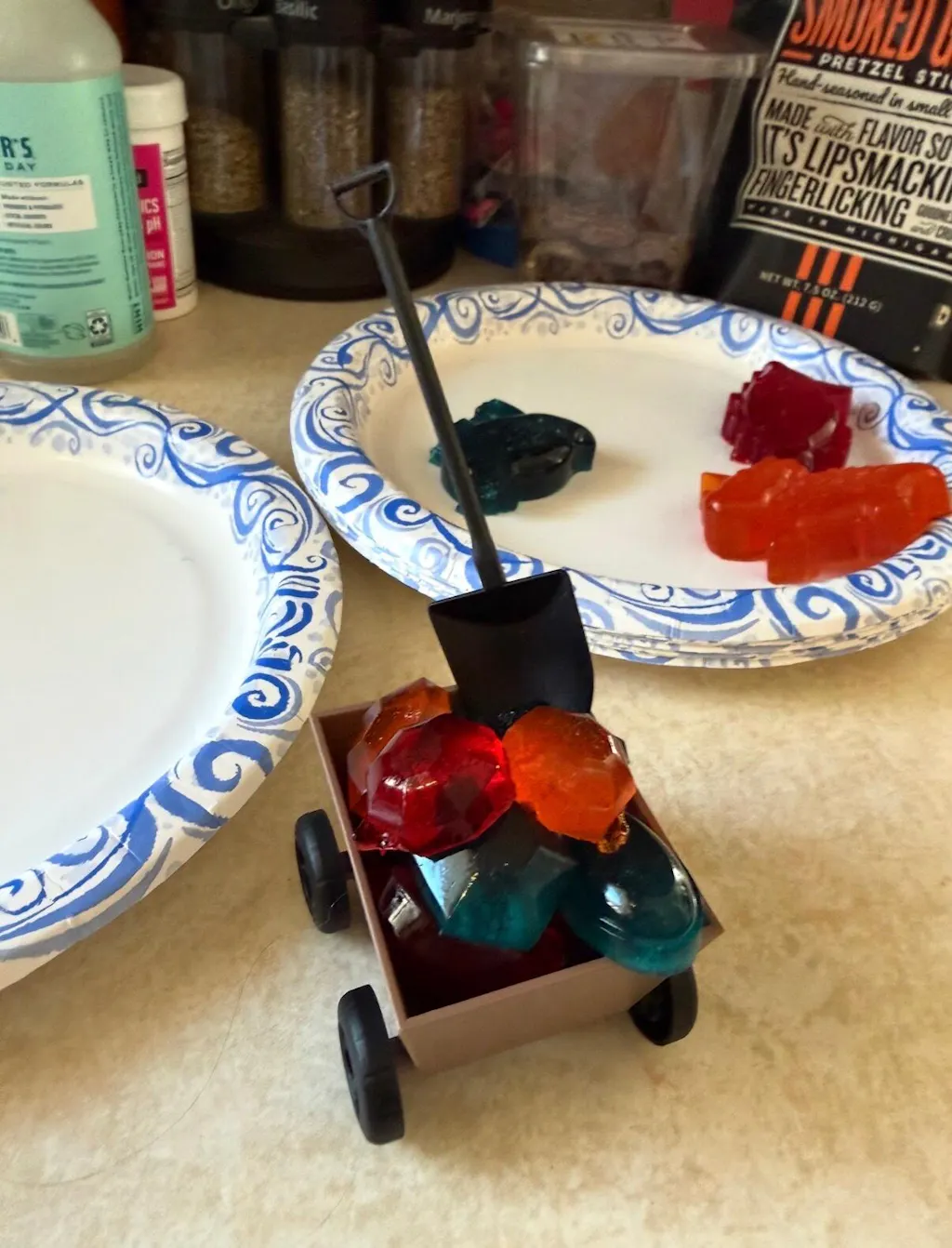
If your child loves geology and explosions, they might enjoy exploring a chemical reaction that makes our Erupting Volcano Cakes bubble over with deliciousness. This activity teaches kids about the earth's layers and volcanic activity while resulting in a tasty chocolate treat.
Math in Action
Fractions are often one of the most difficult concepts for elementary students to grasp. However, when you're told to add 1/2 a cup of flour and then another 1/4 cup, the abstract becomes tangible. Doubling a recipe to feed a larger group is a perfect "real-world" math problem that requires multiplication and addition.
Key Takeaway: Enrichment doesn't have to be a separate "class." By involving your children in daily tasks like cooking, you are naturally "sneaking in" skill-building that makes math and science relatable.
Diving into STEM: Science, Technology, Engineering, and Math
STEM enrichment is essential in the modern era. As technology continues to shape our future, giving children a head start in these fields can foster a sense of confidence and capability.
Coding and Robotics
Coding for kids has evolved from boring lines of text to interactive games and robotic toys. Tools like Scratch or LEGO Robotics allow children to see immediate results from their logic.
- Coding "Toys": Products like Sphero or programmable robot cars allow kids to learn block-based coding.
- Logic Games: Even without a computer, you can teach the fundamentals of coding through board games that require "if-then" logic.
Engineering Challenges
Engineering is all about problem-solving and design. You can create an "Engineering Hour" at home using simple household items.
- Bridge Building: Challenge your child to build a bridge out of toothpicks and marshmallows that can hold the weight of a toy car.
- Egg Drop: Design a protective casing for a raw egg to survive a fall from a second-story window.
- Tinker Trays: Provide a tray filled with nuts, bolts, pipe cleaners, and recycled materials, and let their imagination run wild.
If you’re looking for a curated way to explore these themes without the hassle of gathering supplies, you can find the perfect theme for your little learner by browsing our complete collection of one-time kits.
The Power of Artistic Expression
Artistic enrichment is vital for developing fine motor skills and creative thinking. It allows children to express emotions and ideas that they might not yet have the words for.
Digital Arts and Content Creation
In the age of YouTube and Instagram, many kids are interested in becoming content creators. We can channel this interest into productive enrichment.
- Photography: Teach your child about lighting, composition, and the "rule of thirds." A simple smartphone camera is all they need to start documenting their world.
- Graphic Design: Using free tools like Canva, kids can create posters, digital cards, or logos for their imaginary businesses.
- Video Editing: Encourage them to script, film, and edit a short "how-to" video or a comedy skit. This teaches sequencing, storytelling, and technical software skills.
Traditional Crafts with a Twist
Arts and crafts don't have to be messy to be enriching.
- 3D Modeling: Even if you don't have a 3D printer, kids can learn about 3D space by sculpting with clay or building structures with recycled cardboard.
- Textile Arts: Sewing, knitting, or even tie-dying are excellent for developing patience and manual dexterity.
Academic Enrichment Made Fun
Sometimes, kids need a little extra help with traditional school subjects like reading and math. The key is to make these subjects feel like play rather than work.
Literacy and Reading Enrichment
- Book Clubs: Start a small book club with neighborhood friends or even just within your family. Discuss the characters' motivations and predict what might happen next.
- Creative Writing Prompts: Give your child a "story starter" (e.g., "The cat walked into the room and noticed the door was made of cheese...") and see where their imagination takes them.
- Storytelling Scavenger Hunts: Hide clues around the house that require reading and decoding to find a "treasure."
Astronomy and Earth Science
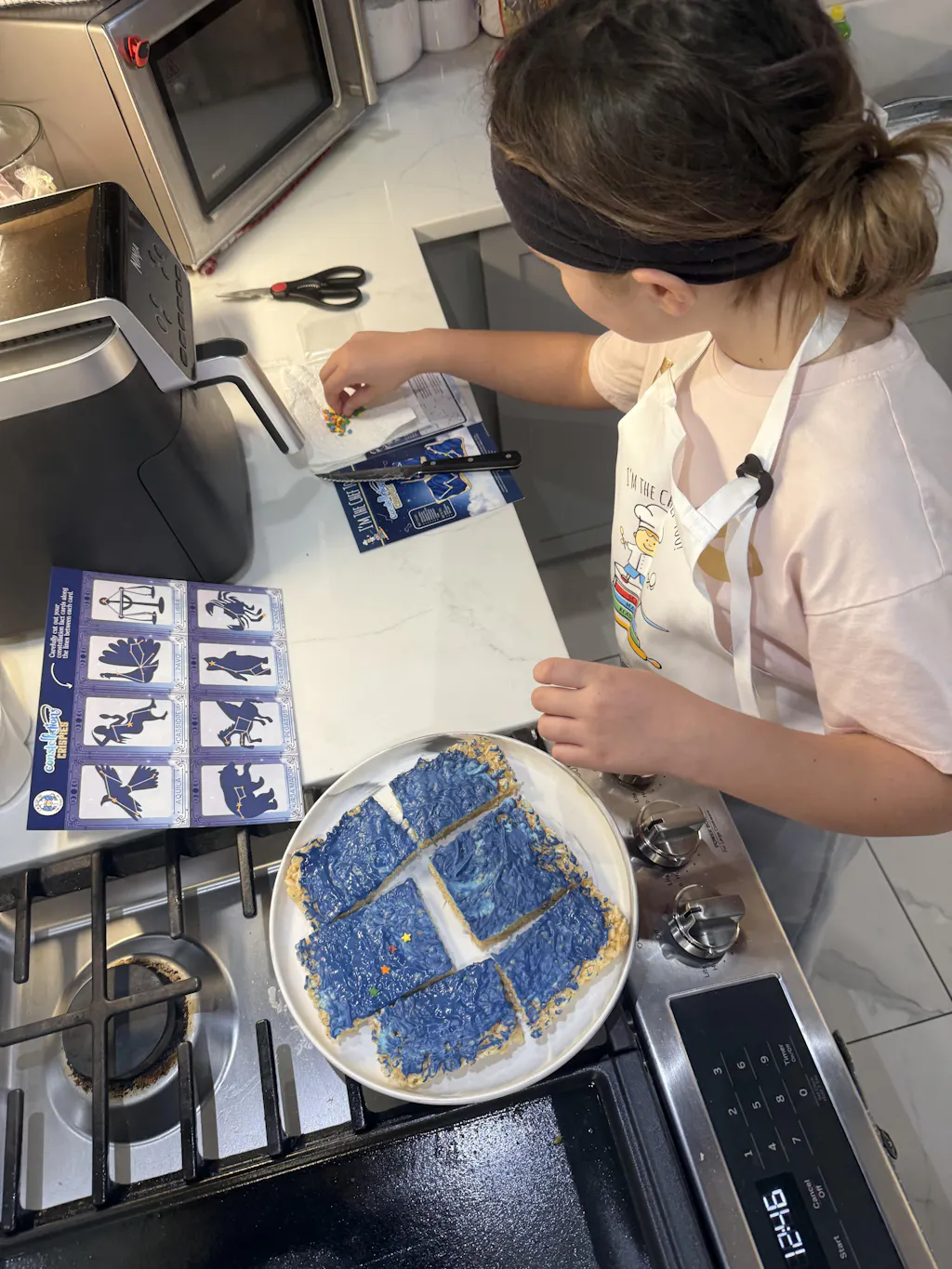
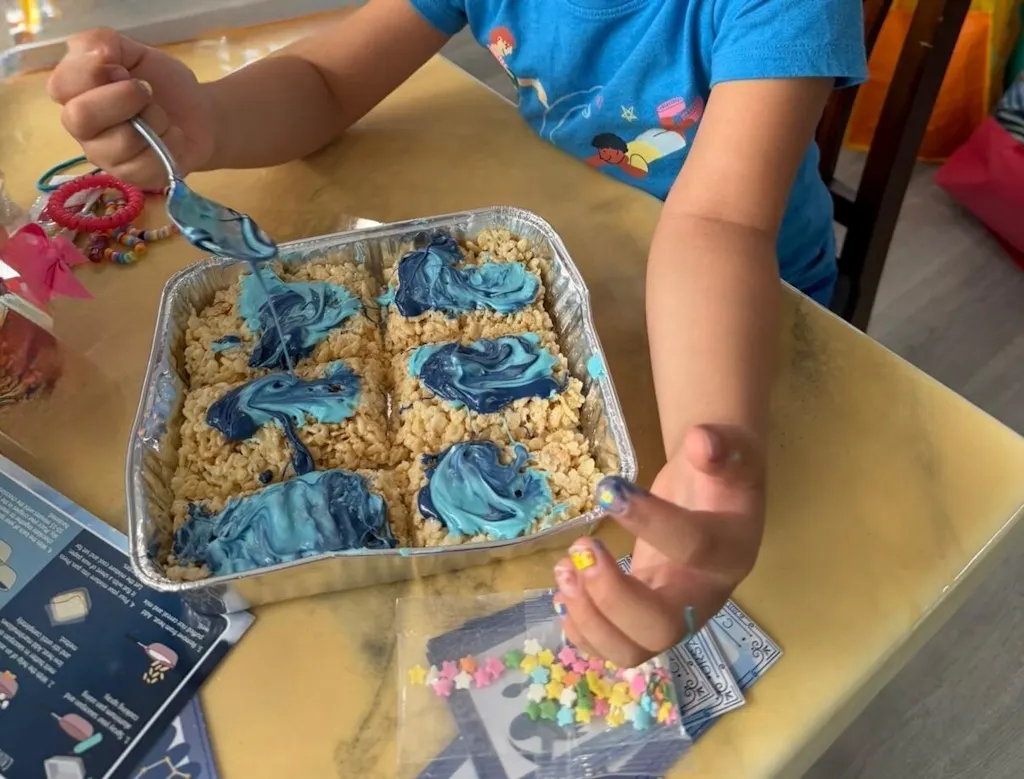
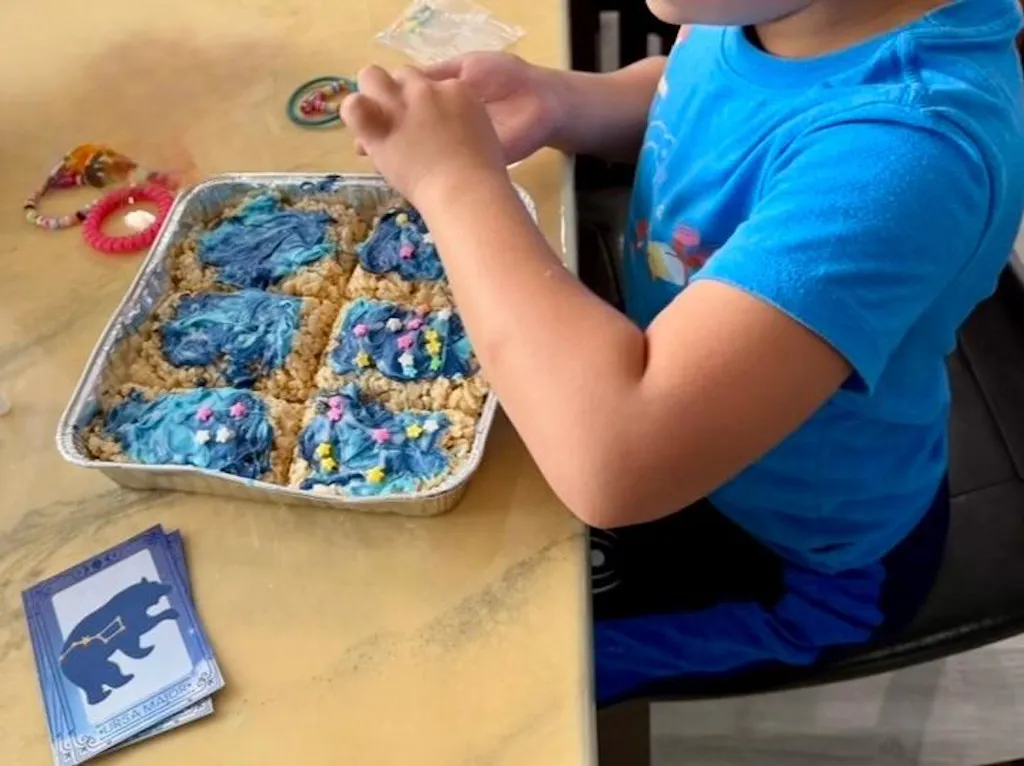
Space is a topic that almost every child finds fascinating. You can explore astronomy by creating your own edible solar system with our Galaxy Donut Kit. By decorating donuts to look like planets and stars, kids learn about the vastness of the universe while practicing their artistic skills.
Physical and Social Enrichment
Enrichment isn't just for the brain; it’s for the body and the heart as well.
Sports and Movement
Physical activity is a crucial part of a child's well-being. Enrichment in this area can include:
- Yoga and Mindfulness: Teaching kids how to breathe and stretch helps with emotional regulation and focus.
- Dance Parties: A simple 15-minute dance party can boost mood and coordination.
- Obstacle Courses: Set up a "ninja warrior" course in the backyard or living room using pillows, hula hoops, and jump ropes.
Community Service and SEL
Encouraging children to look beyond themselves is one of the most enriching experiences they can have.
- Kindness Rocks: Paint stones with uplifting messages and leave them in local parks.
- Donation Drives: Involve your child in sorting through their old toys or clothes to donate to those in need. This teaches empathy and gratitude.
Enrichment for Early Childhood (Preschoolers)
For our youngest learners, enrichment is all about sensory exploration and developing basic motor skills. At this age, everything is new and exciting!
Sensory Bins
Sensory bins are a staple of preschool enrichment. You can fill a bin with dried beans, rice, or water and hide "treasures" inside.
- The "Wash the Dishes" Game: Simply filling a sink with soapy water and plastic cups can keep a toddler engaged for an hour while they learn about volume and pouring.
- Nature Hunts: Go for a walk and collect leaves, acorns, and sticks. Use these items to create a nature collage or to practice counting.
Animal-Themed Learning
Even beloved animals can make learning fun, like when kids make Wild Turtle Whoopie Pies. This activity is perfect for preschoolers as it involves tactile dough play and teaches them about the shells and habitats of our slow-moving friends. Activities like these help develop the "pincer grasp" (essential for writing) through the use of small decorations and kitchen tools.
How to Choose the Right Activities for Your Child
With so many options for fun enrichment activities for kids, it can be overwhelming to know where to start. Here are a few tips to help you choose the best fit for your family:
- Follow Their Lead: What does your child naturally gravitate toward? If they love building with blocks, focus on engineering or robotics. If they love drawing, lean into the arts.
- Look for "Gaps": If your child’s school is heavy on academics but light on art, use enrichment time to balance things out.
- Consider Your Schedule: Enrichment shouldn't add stress to your life. Look for activities that are "ready-to-go." Give the gift of learning that lasts all year with a 12-month subscription to our STEM cooking adventures. This takes the planning off your plate!
- Prioritize Interaction: The best activities are those that allow for conversation and connection. Whether you are solving a puzzle together or baking a cake, the interaction is what makes the experience meaningful.
Overcoming Barriers to Enrichment
We know that time, money, and space can sometimes feel like hurdles. However, enrichment doesn't have to be expensive or require a dedicated "craft room."
Budget-Friendly Ideas
Many of the best activities use items you already have. Empty cardboard boxes can become spaceships, and a bag of flour can become a lesson in chemistry. You don't need fancy equipment to spark curiosity.
Space-Saving Solutions
If you live in a smaller home, look for "all-in-one" kits that contain everything you need and can be easily cleaned up. Our kits are designed with this in mind—providing pre-measured dry ingredients and specialty supplies so you don't have to store half-used bags of obscure ingredients.
Managing Screen Time
It is natural for kids to want to spend time on tablets or gaming consoles. Instead of fighting it, try to transition that "screen time" into "creation time." If they love Minecraft, challenge them to build a replica of your house. If they love watching cooking shows, let them be the "host" of their own kitchen adventure.
The I'm the Chef Too! Philosophy: Edutainment at Home
At I'm the Chef Too!, we are committed to providing a screen-free educational alternative that families actually look forward to. We aren't just selling kits; we are facilitating moments of discovery. Our adventures are developed by mothers and educators who understand the balance between learning and play.
We believe that every child is a scientist, an artist, and a chef. By providing them with the right tools and a little bit of inspiration, we can help them realize their own potential. We avoid making grandiose promises about turning every child into a Nobel Prize winner, but we do promise that our activities will foster a love for learning and build the confidence they need to tackle new challenges.
Our subscription service, The Chef's Club, is designed to make this consistency easy for parents. Ready for a new adventure every month? Join The Chef's Club and enjoy free shipping on every box. We handle the curriculum, the measuring, and the shipping, so you can focus on the fun part: making memories with your kids.
Planning Your Enrichment Calendar
To make enrichment a habit, it helps to have a loose schedule. You don't need to fill every hour, but having a "theme of the week" can be very helpful.
Sample Weekly Enrichment Schedule
- Monday (Math Monday): Play a board game like Monopoly or practice counting with kitchen snacks.
- Tuesday (Tech Tuesday): Spend 30 minutes on a coding app or explore how a household appliance works.
- Wednesday (Writer's Wednesday): Write a letter to a grandparent or start a "nature journal."
- Thursday (Thinker Thursday): Try a science experiment or build a LEGO masterpiece.
- Friday (Foodie Friday): Use one of our adventure kits to bake and learn! Not ready to subscribe? Explore our full library of adventure kits available for a single purchase in our shop.
- Weekend (Wild Card): Go on a hike, visit a museum, or have a family dance-off.
Frequently Asked Questions (FAQs)
What age is best for enrichment activities?
It is never too early to start! Even infants benefit from sensory play (like feeling different textures). Our kits are specifically designed for children aged 4 to 14, with varying levels of complexity to suit different developmental stages.
How much time should we spend on enrichment each day?
There is no "perfect" amount of time. Even 15 to 20 minutes of focused, hands-on play can have a significant impact. The quality of the engagement is far more important than the quantity of time spent.
Do I need to be an expert in STEM or cooking to help my child?
Absolutely not! Our kits come with easy-to-follow, step-by-step instructions. We provide the expertise so that you can enjoy the experience alongside your child. Think of yourself as a co-explorer rather than a teacher.
Can these activities be used for homeschooling?
Yes! Many families use I'm the Chef Too! as a core part of their STEM or elective curriculum. Our kits cover a wide range of topics, including geology, astronomy, biology, and physics, making them a perfect supplement for home-based learning.
What if my child gets frustrated?
Frustration is a natural part of the learning process. If a project isn't going perfectly, take a break. Remind your child that even professional scientists and chefs make mistakes. The goal is the process, not perfection!
Conclusion
Finding fun enrichment activities for kids doesn't have to be a daunting task. Whether you’re exploring the mysteries of the cosmos through a donut, building a robot from spare parts, or simply "washing dishes" in a soapy sink, every hands-on moment is an opportunity for growth. Enrichment is about more than just academic success; it's about nurturing a child's curiosity, building their confidence, and creating a foundation for a joyful, inquisitive life.
At I'm the Chef Too!, we are honored to be a part of your family's educational journey. We know that as a parent, your time is valuable and your child's development is paramount. That's why we've poured our hearts into creating "edutainment" experiences that are as delicious as they are educational. We invite you to step into the kitchen with us and see how much fun learning can be.
Give the gift of learning that lasts all year with a 12-month subscription to our STEM cooking adventures. Join The Chef's Club today and let’s start cooking up some brilliance together!