Table of Contents
- Introduction
- The Power of Hands-On Learning for Preschoolers
- Art vs. Craft: Why Both Matter
- Creative Paper Plate Projects for Preschool Kids
- Fine Motor Skill Development Through Tactile Play
- Bringing STEM to Life in the Kitchen
- Nature-Based Projects: Learning from the Backyard
- Seasonal and Holiday Projects for Preschool Kids
- Developing Language and Literacy Through Projects
- The Importance of Screen-Free Alternatives
- Setting Up Your "Project Space" for Success
- Practical Advice: Managing the Mess and the Mood
- Promoting Collaborative Learning
- Why "Edutainment" is the Future of Preschool Learning
- Project Ideas: From Simple to STEM-Heavy
- Making Memories: The Heart of Every Project
- FAQ: Frequently Asked Questions About Preschool Projects
- Conclusion
Introduction
Have you ever watched a three-year-old’s face light up after they’ve successfully glued two googly eyes onto a paper plate? That moment of pure, unadulterated pride is about so much more than a simple craft; it is the spark of a lifelong love for creation and discovery. At I’m the Chef Too!, we believe that every "mess" made in the kitchen or at the craft table is actually a meaningful milestone in a child's development. But as any parent or educator knows, finding the right balance between "fun" and "educational" can sometimes feel like a project in itself.
The purpose of this guide is to provide you with a robust library of projects for preschool kids that transcend simple boredom-busting. We are going to explore how hands-on activities—ranging from paper plate animals to edible science experiments—help develop fine motor skills, cognitive abilities, and emotional intelligence. Whether you are looking for a screen-free weekend activity or a way to supplement your homeschooling curriculum, these projects are designed to be accessible, engaging, and deeply rewarding for the whole family.
Our mission is to show you that by blending art, STEM (Science, Technology, Engineering, and Math), and the joy of hands-on learning, you can create "edutainment" experiences that stick with your child long after the glue has dried or the snacks have been eaten. We believe that when children are empowered to build, cook, and create, they develop the confidence and curiosity needed to explore the world around them.
The Power of Hands-On Learning for Preschoolers
Preschoolers are like little sponges, soaking up information through their senses. At this age, learning isn't about sitting at a desk with a worksheet; it’s about touching, smelling, seeing, and doing. This is why projects for preschool kids are so vital. When a child engages in a project, they aren't just making an object; they are practicing problem-solving. If a tower of blocks falls, they learn about gravity. If they mix red and blue paint and see purple emerge, they are witnessing a chemical-like reaction in real-time.
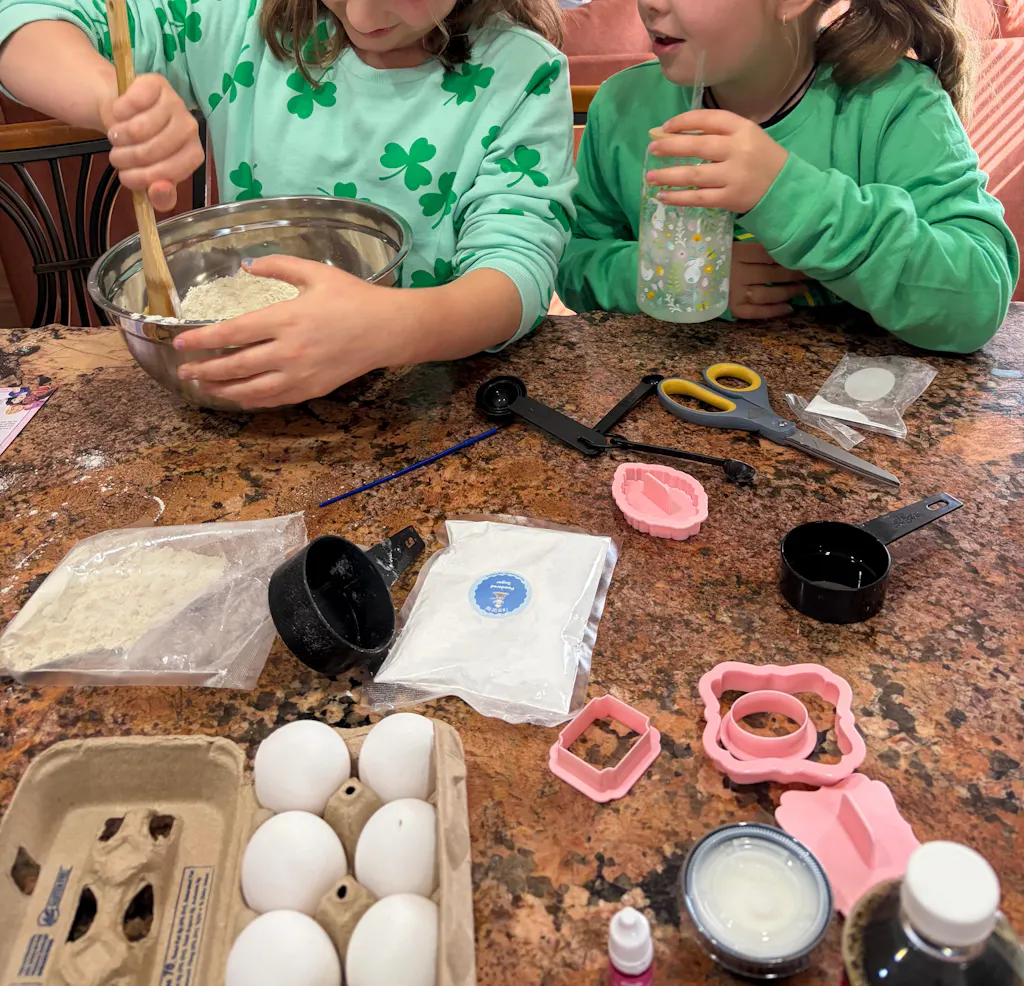
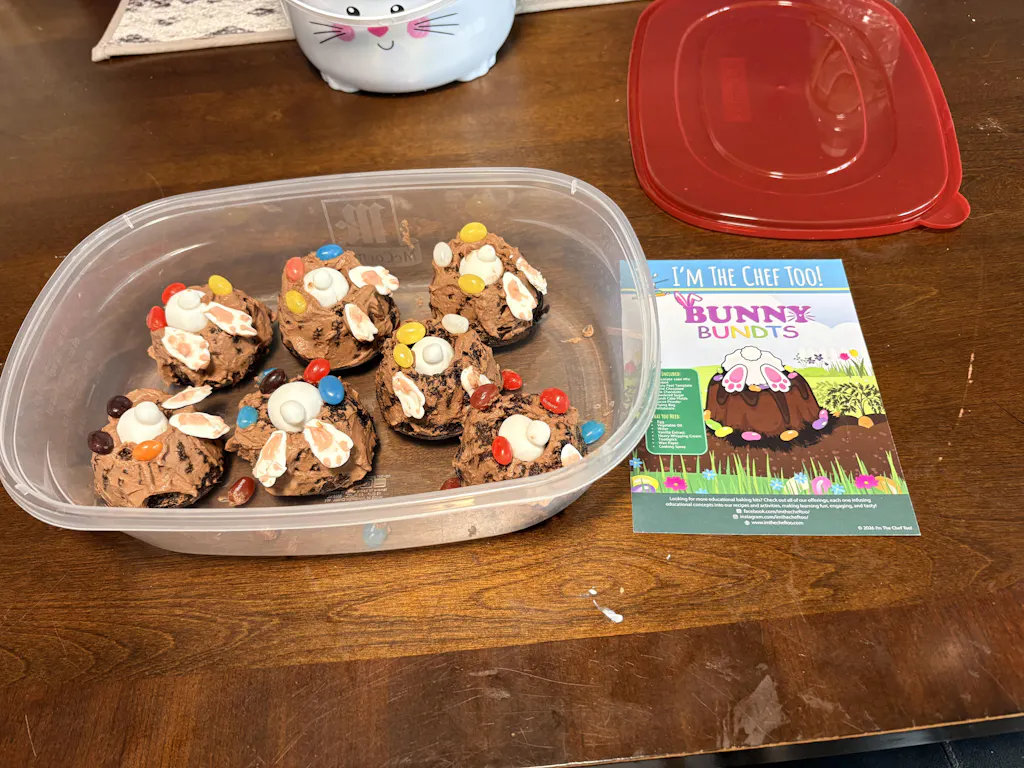
At I'm the Chef Too!, our educational philosophy centers on this tactile experience. We know that children learn complex subjects best when they can touch the components. This is why we created the Chef's Club Subscription. It delivers a new adventure to your door every month, complete with pre-measured dry ingredients and specialty supplies, making it easier than ever to facilitate these high-value learning moments without the stress of planning.
Art vs. Craft: Why Both Matter
There is often a debate in early childhood education about "process art" versus "product-focused crafts." Process art is open-ended—think of a child with a blank canvas and a tray of paints, exploring how the colors move. Product-focused crafts have a specific end goal, like making a paper plate ladybug.
We believe there is a place for both. Process art fosters total creative freedom and emotional expression. Crafts, on the other hand, help preschoolers learn to follow directions, recognize shapes, and develop the fine motor control needed to place specific pieces in specific spots. When you combine these with the magic of the kitchen, you get the best of both worlds. For instance, a child might follow a recipe to bake, which is a structured craft, but then "process paint" their frosting decorations.
To see the wide variety of ways we blend these concepts, you can explore our full library of adventure kits available for a single purchase in our shop.
Creative Paper Plate Projects for Preschool Kids
The humble paper plate is perhaps the most versatile tool in a parent's arsenal. It’s inexpensive, sturdy, and provides a perfect circular canvas for a variety of projects for preschool kids.
1. The Paper Plate Tree Frog
This project is a fantastic way to introduce biology and life cycles.
- What you need: A paper plate, green paint, construction paper (red and orange), and googly eyes.
- The Process: Have your child paint the plate green. Once dry, they can cut out "feet" from the orange paper and a long, curly tongue from the red paper.
- The Learning: Discuss where frogs live and how they use their long tongues to catch flies. This turns a simple craft into a science lesson.
2. Emotions Masks
Social-emotional learning is a cornerstone of the preschool years.
- The Process: Use paper plates to create different faces—happy, sad, angry, surprised.
- The Learning: Use these masks to play a game where your child identifies how they are feeling or acts out a scenario. It helps them build the vocabulary they need to express their internal world.
3. Matisse-Inspired Snails
Introduce your little one to fine art! Using the work of Henri Matisse as inspiration, have your child cut or tear colorful squares of paper and glue them in a spiral on a paper plate to create a "snail shell." This works on spatial awareness and color recognition.
Fine Motor Skill Development Through Tactile Play
Fine motor skills—the coordination of small muscles in the hands and fingers—are essential for future tasks like writing and buttoning a coat. Many projects for preschool kids are specifically designed to strengthen these muscles.
Yarn-Wrapped Cardboard Shapes
Instead of just drawing a heart or a star, cut the shape out of heavy cardboard. Give your child a ball of colorful yarn and show them how to wrap the yarn around and around the shape. This "lacing" motion is excellent for developing the pincer grasp.
Button Letter Craft
Learning the alphabet becomes a tactile experience when you involve buttons. Trace a large letter on a piece of cardstock and have your child glue buttons along the lines. The act of picking up small buttons and placing them precisely helps with hand-eye coordination.
For parents who want to take this tactile learning into the kitchen, our kits often include specialized tools and ingredients that require stirring, pouring, and pinching. If you want a consistent way to build these skills, you can join The Chef's Club and enjoy free shipping on every box, ensuring you always have a new project ready to go.
Bringing STEM to Life in the Kitchen
At I’m the Chef Too!, we specialize in "edutainment" that blends STEM with the culinary arts. The kitchen is essentially a laboratory where chemistry, physics, and math happen every day.
Kitchen Chemistry: Erupting Creations
One of the most popular projects for preschool kids is the classic baking soda and vinegar volcano. We take this a step further by making it edible! Imagine a chemical reaction that makes our Erupting Volcano Cakes Kit bubble over with deliciousness. This project teaches kids about acid-base reactions in a way they can literally taste.
Edible Astronomy
Space is a big concept for small minds, but it becomes much more relatable when you can eat it. You can explore astronomy by creating your own edible solar system with our Galaxy Donut Kit. As kids swirl different colors of glaze together to create nebulae and star clusters, they are learning about the vastness of the universe while practicing color mixing.
Nature-Based Projects: Learning from the Backyard
The outdoors is a giant classroom waiting to be explored. Integrating nature into projects for preschool kids fosters an appreciation for the environment and encourages physical activity.
1. Milk Carton Bird Feeders
Recycle a milk or juice carton by cutting out windows and decorating the outside. Fill it with birdseed and hang it from a tree.
- The Lesson: This teaches children about caring for animals and the importance of recycling. Plus, it provides an ongoing activity as you watch and identify the birds that visit.
2. Nature Paintbrushes
Take a "nature walk" and collect items like pine branches, long grass, or large leaves. Tie these to the end of a stick and use them as paintbrushes. The different textures of the natural materials will create unique patterns on the paper, encouraging children to notice the details in the world around them.
3. Mud "Painting"
If you aren't afraid of a little mess, mud is a wonderful, sensory-rich medium. Mix dirt and water in a bucket and let your child "paint" the sidewalk or a piece of cardboard. It’s a great way to talk about earth science and how water changes the state of materials.
Seasonal and Holiday Projects for Preschool Kids
Holidays provide a wonderful "hook" for learning. They offer a chance to talk about traditions, history, and the changing of the seasons.
Fall: Puffy Paint Pumpkins
Mix equal parts white glue and shaving cream, then add orange food coloring. This creates a "puffy paint" that dries with a thick, 3D texture. Have your child paint a pumpkin shape and feel it once it's dry. It’s a fantastic sensory experience that mimics the textures of autumn.
Winter: Shape Snowflakes
While real snowflakes are complex, you can teach the concept of symmetry using simple shapes. Cut out squares, triangles, and circles from white paper and have your child glue them together to form a snowflake. This reinforces geometry and the idea that no two snowflakes (or projects!) are exactly alike.
Spring: Coffee Filter Flowers
Drip food coloring or washable markers onto coffee filters, then spray them with a little water. Watch as the colors bleed and blend together through capillary action. Once dry, bunch them up and secure them with a pipe cleaner to make a bouquet. This is a beautiful way to discuss how plants "drink" water.
If you are looking for the perfect holiday gift that keeps giving, you can give the gift of learning that lasts all year with a 12-month subscription to our STEM cooking adventures. It’s a wonderful way to ensure that every season is filled with new discoveries.
Developing Language and Literacy Through Projects
You might not immediately associate a craft project with reading and writing, but they are deeply linked. Projects for preschool kids provide the "content" for children to talk about.
1. The "Mail a Hug" Project
In an age of digital communication, there is something special about physical mail. Have your child lie down on a long piece of paper and trace their arms and chest. Cut it out, decorate it, and mail it to a grandparent or friend.
- Literacy Link: Ask your child to dictate a message to the recipient. Writing down their words shows them that print carries meaning—a vital pre-reading skill.
2. Storytelling with Monster Puppets
Turn an old sock into a "monster" with googly eyes and yarn hair. Once the puppet is finished, encourage your child to tell a story about where the monster lives and what it likes to eat. This builds narrative skills and expands their vocabulary.
Even beloved animals can make learning fun, like when kids make Wild Turtle Whoopie Pies. This kit combines baking with animal facts, encouraging children to talk about the natural world while they follow the recipe steps.
The Importance of Screen-Free Alternatives
In a world full of tablets and televisions, hands-on projects for preschool kids offer a necessary break. Screen-free time allows for deeper focus and more meaningful family bonding. When you are working on a project together, you are engaged in "joint attention"—focusing on the same object or task. This is where the best conversations happen.
At I’m the Chef Too!, we are committed to providing these screen-free educational alternatives. We believe that a child’s imagination is more powerful than any app. When they are measuring flour or painting a cardboard telescope, they are active participants in their own learning, rather than passive observers.
Ready for a new adventure every month? Join The Chef's Club and enjoy free shipping on every box, and see how much your child can grow when they step away from the screen and into the world of hands-on "edutainment."
Setting Up Your "Project Space" for Success
To make projects for preschool kids a regular part of your routine, it helps to have a system in place. You don’t need a dedicated craft room; a kitchen table and a small bin of supplies will do!
- The "Yes" Space: Create an area where you aren't constantly worried about the carpet or the walls. A cheap plastic tablecloth can turn any surface into a "safe" zone for painting and gluing.
- Accessibility: Keep child-safe scissors, glue sticks, and crayons in a low drawer or basket where your child can reach them. This encourages independent exploration.
- The Rotation: Just like with toys, you can rotate your craft supplies. One week might be "The Paper Plate Week," and the next might be "The Recycled Cardboard Week."
If the idea of gathering supplies feels overwhelming, remember that the perfect theme for your little learner is just a click away when you browse our complete collection of one-time kits. We do the gathering for you, so you can focus on the fun.
Practical Advice: Managing the Mess and the Mood
Let’s be honest: projects for preschool kids can be messy. And sometimes, a preschooler's attention span is shorter than the time it takes to set up the project! Here are some realistic expectations:
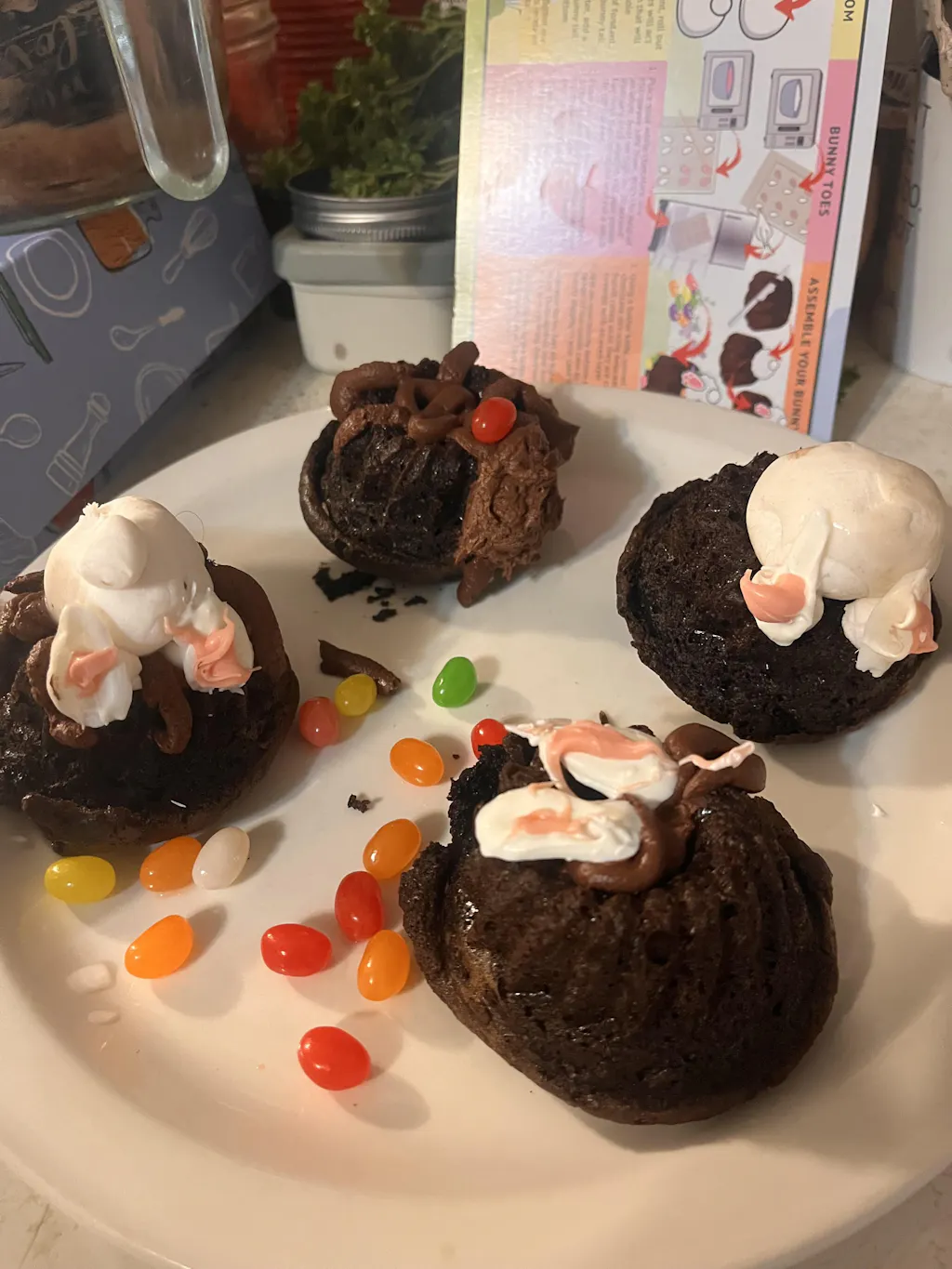
- Embrace the Imperfect: Your child’s project will not look like the one on Pinterest. That’s okay! In fact, it’s better than okay—it’s a sign that they did the work themselves.
- Follow Their Lead: If your child wants to turn the paper plate frog into a space alien, let them. The goal is engagement and creativity, not strict adherence to a model.
- Clean-Up is Part of the Project: Use a song or a timer to make cleaning up part of the fun. Teaching a preschooler to put their caps back on markers is a lesson in responsibility.
- Adult Supervision is Key: While we want to foster independence, all these activities—especially those involving scissors, small buttons, or the kitchen stove—require an adult’s watchful eye. Safety first!
Promoting Collaborative Learning
Projects for preschool kids are also a great way to build social skills. If you are a teacher or a homeschool co-op leader, group projects teach children how to share, take turns, and work toward a common goal.
For example, a "4th of July Mural" where everyone contributes a handprint or a drawing creates a sense of community. Bringing our hands-on STEM adventures to your classroom, camp, or homeschool co-op is a great way to facilitate this. You can learn more about our versatile programs for schools and groups, which are available with or without food components to suit your specific needs.
Why "Edutainment" is the Future of Preschool Learning
The term "edutainment" perfectly describes the I’m the Chef Too! mission. We believe that when education is entertaining, it becomes more effective. A child who learns about the solar system by making Galaxy Donuts isn't just memorizing names of planets; they are building a positive association with science.
This approach fosters a "growth mindset"—the belief that they can learn hard things if they try. When a preschooler successfully follows a recipe or builds a working toy parachute, they are learning that they are capable. This confidence is the most important "product" of any project for preschool kids.
Project Ideas: From Simple to STEM-Heavy
To give you a concrete roadmap, here is a list of projects categorized by their primary learning goal.
Simple Crafts (Focus: Fine Motor & Creativity)
- Paper Bag Jellyfish: Cut strips into the bottom of a brown paper bag to make "tentacles." This is great for practicing scissor skills.
- Silly Student Plant Hair: Glue a photo of your child’s face onto a cup, fill it with soil, and plant grass seeds. As the grass grows, it looks like "hair" that they can "trim" with safety scissors.
Intermediate Projects (Focus: Math & Logic)
- Shape Bulldozer: Use rectangles, circles, and triangles cut from construction paper to build a vehicle. This reinforces shape recognition and spatial reasoning.
- Marshmallow Rainbows: Use different colored marshmallows (or dyed cotton balls) to create the arches of a rainbow. This involves sorting and counting.
Advanced STEM Projects (Focus: Science & Engineering)
- Water Microscope: Use a paper cup, a piece of clear plastic wrap, and a drop of water to create a magnifying lens. This introduces the physics of light.
- Recycled Guitar: Stretch rubber bands of different thicknesses over a shoebox. Plucking the bands teaches kids about sound waves and vibration.
Making Memories: The Heart of Every Project
At the end of the day, the projects for preschool kids that you choose are about more than just skills; they are about memories. Ten years from now, your child won't remember the exact chemical formula for baking soda and vinegar, but they will remember the afternoon they spent with you, laughing as their "volcano cake" erupted on the kitchen counter.
We are dedicated to facilitating these moments of joy. Our kits are developed by mothers and educators who understand both the educational needs of children and the practical needs of parents. We want to take the "work" out of play so that you can focus on what matters most: connecting with your child.
FAQ: Frequently Asked Questions About Preschool Projects
1. What age is best for these projects?
While we focus on the "preschool" range (ages 3 to 5), many of these activities can be adapted for toddlers (with more help) or early elementary students (with more complexity). The key is to adjust the level of independence you give the child.
2. How can I keep my child interested if they have a short attention span?
Break the project into smaller steps. For a paper plate frog, do the painting in the morning and the gluing in the afternoon. Keeping sessions short (15-20 minutes) helps maintain their enthusiasm.
3. I’m not "crafty" or a good cook. Can I still do these?
Absolutely! That is why we created our kits. We provide the instructions, the pre-measured ingredients, and the supplies. You don't need to be an expert; you just need to be present.
4. What are the best supplies to keep on hand for "emergency" project time?
A basic "busy box" should include:
- Paper plates and lunch bags
- Glue sticks and washable school glue
- Construction paper and cardstock
- Googly eyes and pipe cleaners
- Washable markers and finger paints
- Safety scissors
5. How do these projects help with school readiness?
Projects for preschool kids build the "soft skills" teachers look for: the ability to follow multi-step directions, the fine motor strength to hold a pencil, and the curiosity to ask "why" and "how."
Conclusion
Creating projects for preschool kids is one of the most rewarding ways to support your child’s early development. From the fine motor precision required to lace an apple-shaped plate to the scientific curiosity sparked by a galaxy-themed donut, these activities are the building blocks of a bright future. We've explored how "edutainment" blends the best of art, STEM, and hands-on play to create an environment where learning feels like an adventure.
At I'm the Chef Too!, our mission is to spark that curiosity and creativity in every child, facilitating family bonding and providing a high-quality, screen-free educational alternative. We want to help you foster a love for learning that lasts a lifetime, building your child's confidence one delicious and creative project at a time.
Remember, the goal isn't perfection; it's the process of discovery. Whether you are building a cardboard telescope or baking a volcano, you are creating joyful memories and developing key skills that your child will carry with them forever.
Ready to start your next adventure? Give your child a world of discovery delivered straight to your door. Subscribe to The Chef's Club today and enjoy free shipping on every box of STEM-filled fun!