Table of Contents
- What is Citric Acid, Anyway? Your Kitchen's Secret Ingredient
- The Classic Fizz: Citrus Fruit and Baking Soda Reaction
- Beyond the Basic Bubble: Expanding Your Citric Acid Adventures
- The "I'm the Chef Too!" Way: Blending Food, STEM, and Art
- Why Hands-On Chemistry Matters for Kids
- Safety First: A Note for Grown-Ups
- Conclusion
- FAQ Section
Ever watched a child’s eyes light up with pure wonder at a simple chemical reaction? Or perhaps you’ve seen the way a bubbling concoction can transform a quiet afternoon into an explosion of giggles and questions? In our homes, these moments of spontaneous discovery are priceless, offering a fantastic blend of entertainment and education. Parents and educators are constantly on the lookout for enriching, screen-free activities that can captivate young minds and foster a genuine love for learning. And we know, it’s not always easy to find something that truly checks all those boxes.
That’s where the unsung hero of your pantry, citric acid, steps in. Forget complex lab equipment or intimidating formulas; with just a few common kitchen ingredients, you can unlock a world of thrilling chemical reactions right on your countertop. This isn't just about mixing things and watching them fizz; it's about sparking curiosity, encouraging observation, and building foundational STEM skills through tangible, hands-on play.
At I'm the Chef Too!, we believe that the best learning happens when children are fully engaged, using their senses to explore and create. Our mission is to seamlessly blend food, STEM, and the arts into one-of-a-kind "edutainment" experiences that ignite imagination and foster family bonding. That's why we're so excited to delve into the magic of citric acid with you. In this comprehensive guide, we'll explore simple, safe, and wildly fun citric acid experiments for kids that not only entertain but also lay foundational scientific principles. We’ll explain the science behind the bubbles, offer a variety of exciting activities from edible fizz to foamy eruptions, and show you how these kitchen chemistry adventures can transform everyday moments into extraordinary learning opportunities, perfectly aligning with our commitment to sparking curiosity and creativity in children.
What is Citric Acid, Anyway? Your Kitchen's Secret Ingredient
Before we dive into the delightful world of fizz, let's get acquainted with our star ingredient: citric acid. You might not realize it, but citric acid is a superstar in both the natural world and our kitchens. It's a weak organic acid found naturally in most citrus fruits like lemons, limes, oranges, and grapefruits – it’s what gives them their characteristic sour, tart taste! Beyond its natural abundance, food-grade citric acid is also a common ingredient in many processed foods, candies, and beverages, often used as a preservative, a flavoring agent, or to add that tangy kick we love. You might even find it in your canning supplies section at the grocery store.
So, why is this everyday ingredient such a fantastic tool for kids' science experiments? The answer lies in its chemical properties, specifically its ability to react with bases. In the world of chemistry, acids and bases are two fundamental types of chemical compounds that behave in opposite ways. Acids, like citric acid, tend to be sour and can release hydrogen ions when dissolved in water. Bases, on the other hand, often feel slippery and can accept hydrogen ions. When an acid meets a base, a chemical reaction occurs, often producing salt, water, and – in the case of citric acid and baking soda – carbon dioxide gas!
Baking soda, chemically known as sodium bicarbonate, is a common household base. When it comes into contact with an acid like citric acid (or vinegar, another common kitchen acid), a neutralization reaction takes place. This reaction releases carbon dioxide gas, which is the exact gas that creates all those exciting bubbles and fizz that kids find so captivating. Think about the fizz in soda pop – that's also carbon dioxide gas!
What makes citric acid particularly appealing for children's experiments is its safety and accessibility. Unlike some stronger acids used in professional labs, citric acid is food-grade, non-toxic, and readily available, making it a perfect starting point for young scientists. It allows children to engage in impactful chemical reactions using ingredients they can find right in their own homes. This approach aligns perfectly with the I'm the Chef Too! philosophy: we transform everyday ingredients into extraordinary learning tools, making complex subjects approachable, tangible, and fun through the magic of hands-on cooking and creation.
The Classic Fizz: Citrus Fruit and Baking Soda Reaction
Let’s start with the fundamental experiment that showcases the exhilarating magic of citric acid and baking soda – the classic fruit fizz. This is a perfect entry point for young scientists, offering immediate gratification and a clear demonstration of chemical reaction. It's incredibly simple, uses minimal supplies, and promises maximum excitement.
Supplies You'll Need:
Gathering your materials is part of the adventure! Most of these items are likely already in your kitchen, making this an easy activity to set up on a whim.
- Baking Soda (Sodium Bicarbonate): This is our base, readily available in the baking aisle.
- Assorted Citrus Fruits: Lemons, limes, oranges, and grapefruits are all excellent choices. Having a variety allows for comparison, which adds another layer of scientific inquiry!
- Small Bowls, Muffin Tin, or Ice Cube Tray: These are perfect for holding individual portions of baking soda and juice. A muffin tin is especially great for setting up multiple test stations.
- Dropper or Pipette (Optional, but Recommended): While not strictly necessary, a dropper helps develop fine motor skills and allows for more controlled experimentation, making the fizz last longer and more dramatic.
- Small Spoon: For scooping baking soda.
- Cutting Board and Knife: For adult use to prepare the fruit.
Step-by-Step Experiment Guide:
This experiment is designed for exploration and observation, making it suitable for a wide range of ages. Remember, at I'm the Chef Too!, we encourage a playful learning stage where the process is as important as the outcome.
-
Fruit Preparation (Adult-Led): Carefully cut your chosen citrus fruits into manageable wedges or halves. For younger children, you might pre-squeeze some juice into small cups to make it easier.
- Tip for Little Learners: Before you begin squeezing, encourage kids to engage their senses! Have them smell the different fruits, feel their textures, and even peek at the seeds. This is a wonderful opportunity to discuss different parts of the fruit and make simple scientific observations without them even realizing it. Ask, "Which fruit do you think will smell the strongest? Which one feels the heaviest?"
- Juice Collection: Squeeze the juice from each fruit into separate small containers or bowls. If you're using a muffin tin, you can dedicate a few sections to each fruit type. If desired, you can label each container to help track observations, especially for older kids who might want to record their findings.
- Baking Soda Set Up: Place approximately 1/2 to 1 tablespoon of baking soda into the sections of your muffin tin, small bowls, or ice cube tray. If you have 12 sections in your muffin tin and four types of fruit, you might allocate three sections per fruit. This is a great, sneaky way to introduce simple math concepts!
-
Reaction Time!: Now for the exciting part! Using your dropper or pipette (or simply pouring a small amount), add a few drops or a spoonful of one type of fruit juice onto the baking soda in one of the sections.
- Observe Closely: Watch what happens immediately! You should see bubbling, fizzing, and hear a soft hissing sound.
- Repeat and Compare: Move on to the next fruit juice and repeat the process in a different section of baking soda. Continue with all your citrus fruits. Which fruit creates the biggest, most vigorous reaction? Which one has the faintest fizz?
- Scientific Inquiry: Encourage discussion throughout the experiment. Ask open-ended questions like: "What are you seeing? What do you hear? Does the fizz smell like the fruit? Why do you think some fruits fizz more than others?" For older children, this is a perfect opportunity to introduce the concept of making a hypothesis before you start. "Which fruit do you predict will create the most fizz, and why?"
The Science Behind the Fizz (Simplified):
The magic you just witnessed is a classic acid-base chemical reaction. When the citric acid from your citrus fruit (an acid) meets the baking soda (a base), they don't just mix; they transform into something new. The two substances react together to form a new substance: carbon dioxide gas. This gas is what you see and feel as the fizzing, bubbling, and perhaps even a slight cooling sensation.
Think of it like tiny little gas bubbles trapped in the liquid, trying to escape. Just like the bubbles in a soda or sparkling water, these bubbles are carbon dioxide. This simple, visible reaction is a fantastic way to introduce children to the concept of chemical changes – that matter can transform and create new forms, including gases, right before their eyes!
This hands-on exploration mirrors the "edutainment" philosophy we champion at I'm the Chef Too!, where every ingredient sparks a question and every reaction is a discovery. We believe in learning by doing, providing children with tangible experiences that make abstract scientific concepts concrete and fun. Ready for more incredible "edutainment" experiences that blend food, STEM, and the arts? Join The Chef's Club today and enjoy free shipping on every box, delivered right to your door!
Beyond the Basic Bubble: Expanding Your Citric Acid Adventures
Once you’ve mastered the classic fruit fizz, you’ll discover that citric acid is a versatile star, capable of creating a myriad of other engaging experiments. These activities take the foundational understanding of acid-base reactions and apply them in exciting, new ways, often blending science with sensory play, culinary exploration, or even art.
1. The Edible Fizz: A Taste of Chemistry
Who says science can't be delicious? This incredibly simple experiment lets kids experience the fizz sensation directly in their mouths, adding a delightful sensory dimension to learning. It's safe, surprising, and truly memorable.
How to Make It:
- Prepare a Citrus Segment: Take a segment of an orange, clementine, or even a small slice of lemon.
- Dip in Baking Soda: Carefully dip one side of the citrus segment into a small pile of baking soda, ensuring it's coated.
- Take a Bite!: Instruct your child to take a bite of the coated fruit. As they chew, the citric acid in the fruit will react with the baking soda, creating a delightful, harmless fizzing sensation right on their tongue!
The Learning Takeaway:
This edible experiment is a fantastic way to make chemistry personal and immediate. It reinforces the idea that acids and bases are all around us, even in the foods we eat. It's a wonderful demonstration of how safe, food-grade ingredients can create fascinating reactions. Just like how our Peppa Pig Muddy Puddle Cookie Pies kit turns a beloved character into an edible science lesson, this experiment makes chemistry yummy and unforgettable!
2. Super Foamy Eruptions: The Sensory Extravaganza
If your kids love messy play and dramatic reactions, this experiment is a must-try. By adding a bit of dish soap, you can transform the quick fizz of baking soda and citric acid into a long-lasting, voluminous, and incredibly tactile foam eruption. It’s an endothermic reaction, meaning it absorbs heat, so the foam feels wonderfully cold to the touch – an added sensory bonus!
Supplies:
- Baking Soda: Our trusty base.
- Citric Acid Powder (or Lemon Juice): Citric acid powder (available online or in canning sections) creates a more dramatic, longer-lasting foam than lemon juice, but lemon juice still works!
- Clear Hand Soap or Dish Soap: The secret ingredient for super foam!
- Warm Water: Helps dissolve ingredients and initiate the reaction.
- Food Coloring (Optional): For vibrant, colorful eruptions.
- Sensory Bin or Large Container: Crucial for containing the glorious mess.
- Spoons, Scoops, Small Toys: For mixing, playing, and extended imaginative fun.
How To Make It:
- Create the Sudsy Base: In your sensory bin or a large bowl, mix about 1/4 cup of clear hand soap with 3/4 cup of warm water. Stir gently to create some suds. If using food coloring, add a few drops now.
- Add Baking Soda: Stir in about 2 tablespoons of baking soda until mostly dissolved. You'll have a slightly gooey, bubbly mixture.
- The Eruption Catalyst: Now, hand your child a spoon with 2-3 tablespoons of citric acid powder (or an equivalent amount of lemon juice). Instruct them to add it to the sudsy baking soda mixture.
- Stir and Observe: As soon as the citric acid hits the mixture, it will begin to fizz and rapidly create a light, airy, fluffy foam! Encourage your child to keep stirring – the more they stir, the bigger and more dramatic the foam will become. The foam will also feel surprisingly cold!
- Play Time! Once the initial eruption subsides, the foam will remain for a long time, inviting extended sensory play. Kids can dig their hands in, pretend it’s cupcakes, give their toy animals a bath, or create multi-colored foam mountains by adding more food coloring.
The Sensory Play Connection:
This kind of immersive, multi-sensory activity is at the heart of what we do at I'm the Chef Too!. Our kits are designed to engage all senses, fostering creativity, fine motor skills, and a love for learning far beyond the screen. The cold, fluffy, airy foam provides a unique tactile experience, while the vibrant colors stimulate visual engagement. It's a fantastic example of open-ended play, allowing children to direct their own imaginative scenarios, from creating pretend "cupcakes" to building foamy landscapes. This hands-on, screen-free engagement is invaluable for development, encouraging imaginative thinking and independent exploration.
Ready to explore more incredible "edutainment" experiences that blend food, STEM, and the arts? Join The Chef's Club today and enjoy free shipping on every box, delivered right to your door!
3. DIY Fizzy Drinks: Be Your Own Soda Scientist
Imagine the excitement of children creating their very own fizzy drinks! This experiment takes the acid-base reaction into the realm of edible chemistry, allowing kids to understand carbonation firsthand. It's a fantastic way to combine science with a refreshing treat.
Supplies:
- Food-Grade Citric Acid Crystals: Essential for safe consumption.
- Baking Soda (Food-Grade): Ensure it's fresh and meant for consumption.
- Icing Sugar (Powdered Sugar): To sweeten our fizzy mix.
- Water or Juice: Your choice of still beverage to carbonate.
- Small Glasses and Spoons: For mixing and enjoying.
Recipe for Fizz Powder:
- In a small, dry bowl, combine 1 teaspoon of food-grade citric acid crystals with 1 teaspoon of baking soda and 2 teaspoons of icing sugar.
- Mix thoroughly until well combined. This is your "fizz powder." Store any extra in an airtight container for future use.
Experimentation & How To Make It:
- Prepare Your Drink: Pour a still drink (water, juice, or even a flat soda) into a glass.
- Add the Fizz: Add one to two teaspoons of your homemade fizz powder to the bottom of the glass.
- Stir Gently (or Don't!): Watch the magic happen! As the powder dissolves, it will begin to fizz vigorously, carbonating your drink. A gentle stir can help activate it further.
- Taste Test! Enjoy your freshly carbonated beverage!
The Learning Takeaway:
This experiment showcases how we at I'm the Chef Too! transform everyday cooking into a scientific exploration, allowing children to be creators and discoverers in their own kitchen lab. They're not just making a drink; they're understanding the process of carbonation, the interaction between acids and bases, and the role of different ingredients. You can even experiment with different types of juice to see if the level of acidity impacts the fizz (more acidic juices might react slightly with the baking soda even before the citric acid is added, or they might enhance the reaction). For those not quite ready to subscribe to monthly adventures, but eager to dip their toes into the delicious world of STEM cooking, why not explore our full library of adventure kits available for a single purchase in our shop? You’ll find countless ways to turn kitchen time into learning time!
4. Chemical Rockets: Launching Learning
Who doesn’t love a good rocket launch? This classic experiment uses the power of carbon dioxide gas to propel a small canister into the air, offering a dramatic and exciting demonstration of pressure and propulsion.
Supplies:
- Small Plastic Film Canister with a Secure Lid: These are perfect because their lids fit snugly but can pop off under pressure.
- Baking Soda: Our base.
- Citric Acid Powder (or Vinegar): Citric acid powder works very well, or you can substitute with vinegar for a similar effect.
- Water: To activate the reaction.
- Safety Goggles (Recommended): Always a good idea when launching anything!
- Outdoor Space: Essential, as this experiment can be a bit messy and unpredictable.
Launch Sequence:
- Prepare the Launch Pad: Find an open outdoor area, away from people or breakable objects.
- Add Reactants: Place about 1 teaspoon of baking soda into the film canister. Add about 1 teaspoon of citric acid powder on top of the baking soda.
- Add Water & Seal Quickly: Add a few drops of water (around 1/2 teaspoon) to the canister. Immediately and securely snap the lid onto the canister.
- Invert and Stand Back!: Quickly flip the canister upside down onto a flat surface (lid-side down) and stand back a safe distance. Within seconds, the gas pressure will build up and blast the lid (and the canister) into the air!
The Learning Takeaway:
This thrilling experiment demonstrates how chemical reactions can generate gas, and how that gas, when contained, can build pressure and create force. It’s a fantastic, hands-on introduction to concepts in physics and engineering, showing cause and effect in a very tangible way. Exploring propulsion and reactions is a thrilling part of STEM. Our kits, like the Erupting Volcano Cakes Kit, offer similar exciting reactions, blending delicious baking with dynamic science to show kids how gas can create a truly spectacular (and edible!) eruption.
5. Invisible Ink & Secret Messages: The Art of Chemical Revelation
Unleash your inner spy with this engaging experiment that blends chemistry with creativity. Using citric acid as "invisible ink," children can write secret messages that are revealed with a bit of heat, illustrating a chemical change in a truly magical way.
Supplies:
- Lemon Juice (Citric Acid Source) or Citric Acid Solution: Squeeze fresh lemon juice or mix a teaspoon of citric acid powder with a few tablespoons of water.
- Cotton Swab or Small Paintbrush: For writing.
- White Paper: Your secret message canvas.
- Heat Source (Adult Supervision Essential): A warm light bulb, a low-temperature iron (used by an adult), or carefully held over a toaster are options.
Process:
- Write Your Message: Dip the cotton swab or paintbrush into the lemon juice/citric acid solution. Write your secret message or draw a hidden picture on the white paper. The writing will appear almost invisible as it dries.
- Let it Dry: Allow the "ink" to completely dry.
- Reveal the Secret: Once dry, have an adult carefully apply heat to the paper. As the paper warms, the acid in the lemon juice will oxidize and burn slightly before the surrounding paper, causing the secret message to slowly appear in a light brown color!
The Learning Takeaway:
This experiment beautifully connects STEM with arts and crafts, a core part of I'm the Chef Too!'s "edutainment" approach. It teaches children about oxidation, chemical reactions, and how different substances react to heat. The anticipation of the message appearing adds an element of wonder, encouraging patience and observation. It's a subtle yet powerful way to show how chemistry can be both practical and enchanting.
6. pH Color Changes with Red Cabbage Indicator: A Rainbow of Reactions
For a truly visual spectacle, introduce your young scientists to the concept of pH with a natural indicator: red cabbage juice! This experiment uses the vibrant colors of red cabbage to reveal the acidity or alkalinity of different solutions, including those with citric acid.
Supplies:
- Red Cabbage Juice: To make this, simply chop about a quarter of a red cabbage, boil it in water for 10-15 minutes until the water is deep purple, then strain out the cabbage. Let the purple liquid cool.
- Citric Acid Solution: Lemon juice, or 1 teaspoon of citric acid powder mixed with 1/2 cup of water.
- Baking Soda Solution: 1 teaspoon of baking soda mixed with 1/2 cup of water.
- Other Test Liquids (Optional): Vinegar, dish soap solution, clear soda, milk – anything safe for experimentation!
- Small Clear Cups: To hold your test liquids.
- Droppers or Pipettes: For adding the indicator.
Process:
- Prepare Your Solutions: Pour a small amount of citric acid solution into one clear cup, baking soda solution into another, and any other test liquids into separate cups.
- Add the Indicator: Using a dropper, add a few drops of the purple red cabbage juice to each cup.
- Observe Color Changes: Watch as the red cabbage juice transforms! In acidic solutions (like citric acid or vinegar), it will turn various shades of pink or red. In neutral solutions (like plain water), it will stay purple. In basic solutions (like baking soda or dish soap), it will turn green, blue, or even yellow.
The Learning Takeaway:
Understanding indicators and pH scales brings a new dimension to kitchen science. It’s these kinds of profound, yet accessible, lessons that are carefully crafted into every I'm the Chef Too! experience, encouraging kids to explore without limits. This experiment introduces the concept of pH – a measure of how acidic or basic a substance is – in a vivid and memorable way. Children learn that certain substances (indicators) can change color in the presence of acids or bases, providing a visual cue for chemical properties. It hones observation skills, introduces comparative analysis, and sparks questions about the composition of everyday liquids. When you're ready to dive deeper into the world of creative learning, browse our complete collection of one-time kits to find the perfect theme for your little learner!
The "I'm the Chef Too!" Way: Blending Food, STEM, and Art
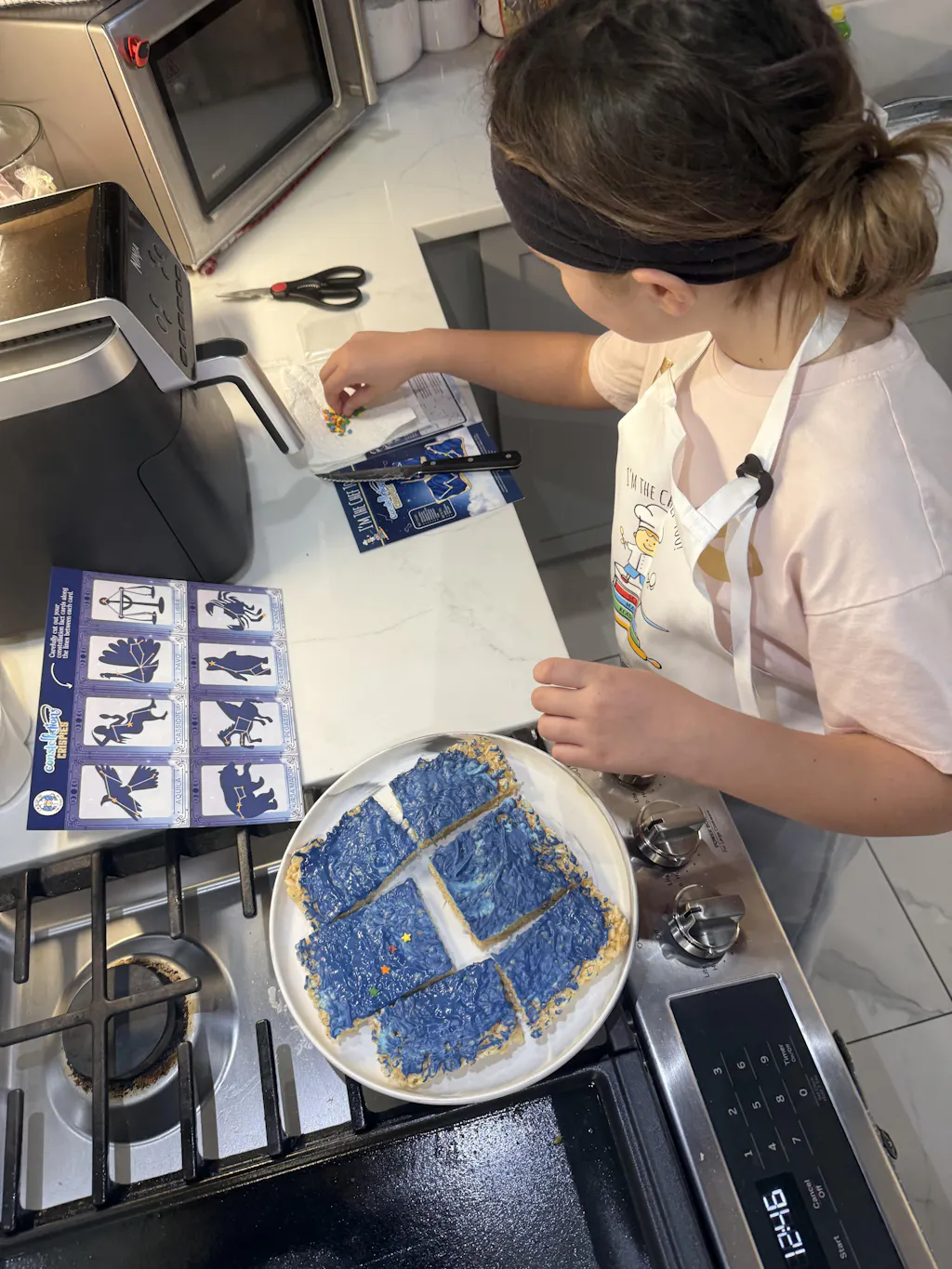
At I'm the Chef Too!, our overarching mission is to transform learning into an exhilarating adventure that engages children on multiple levels. We firmly believe in creating "edutainment" experiences that seamlessly blend the delicious world of food with the fascinating principles of STEM (Science, Technology, Engineering, and Mathematics) and the boundless creativity of the arts. This holistic approach is designed to spark genuine curiosity, foster innovative thinking, and most importantly, create meaningful family bonding moments away from screens.
These citric acid experiments beautifully embody our unique philosophy. They demonstrate how complex scientific subjects, such as chemical reactions and pH balances, can be taught through tangible, hands-on, and utterly delicious cooking adventures. What might seem like intimidating chemistry transforms into a delightful kitchen activity when children are actively squeezing lemons, watching foam erupt, or even tasting their own fizzy creations.
Every I'm the Chef Too! kit is a testament to this approach. Developed by mothers and educators who understand the nuances of child development and effective teaching, our kits are carefully crafted to provide an enriching experience from start to finish. We focus on the journey of discovery, the joy of creation, and the satisfaction of a delicious outcome.
By engaging in activities like these citric acid experiments, children gain a multitude of benefits:
- Fostering a Love for Learning: When learning is fun and relevant, children are naturally drawn to it.
- Building Confidence: Successfully completing an experiment, understanding "why," and creating something tangible builds immense self-esteem.
- Developing Key Skills: From fine motor coordination through squeezing and dropping, to critical thinking and problem-solving as they observe and hypothesize, children are constantly growing.
- Creating Joyful Family Memories: These shared experiences become cherished moments, strengthening family bonds over laughter and discovery.
We want to emphasize that our goal is not to suggest guaranteed educational outcomes like "your child will become a top scientist." Instead, we focus on the invaluable benefits of the process itself: igniting a lifelong love for exploration, empowering children to ask questions, and nurturing their innate creativity. We provide the tools and inspiration for that journey, always framing kitchen activities with an implicit understanding of adult supervision and safety.
Ready to explore more incredible "edutainment" experiences that blend food, STEM, and the arts? Join The Chef's Club today and enjoy free shipping on every box, delivered right to your door! Discover how a new adventure is delivered to your door every month, packed with pre-measured dry ingredients and specialty supplies, making it convenient and exciting for everyone. With flexible 3, 6, and 12-month pre-paid plans, it’s perfect for gifting or long-term enrichment, ensuring a steady stream of hands-on learning and delicious fun.
Why Hands-On Chemistry Matters for Kids
You might be wondering if all this fizzing and bubbling really makes a difference. The answer is a resounding yes! Engaging in hands-on chemistry experiments, even simple ones with citric acid, offers profound developmental benefits for children.
- Develops Critical Thinking and Problem-Solving: When children observe a reaction, they naturally start asking "why?" and "what if?". This encourages them to form hypotheses, test ideas, and think through cause and effect – crucial skills for any future endeavor.
- Encourages Observation and Inquiry: Chemistry is all about observing changes. These experiments teach children to pay attention to details, notice subtle transformations, and articulate what they see, hear, and even feel.
- Boosts Fine Motor Skills: Activities like squeezing fruit, carefully dropping liquids with a pipette, or stirring mixtures require precision and control, significantly enhancing fine motor development and hand-eye coordination.
- Introduces Basic Scientific Concepts: Children learn about acids and bases, chemical reactions, gas production, pressure, and even pH indicators in a way that is engaging and easy to grasp, without the intimidation of a formal classroom setting.
- Fosters a Sense of Accomplishment and Confidence: Successfully completing an experiment, especially one that produces such visible and exciting results, gives children a wonderful sense of achievement and boosts their confidence in their own abilities to explore and learn.
- Provides Quality Screen-Free Family Time: In an increasingly digital world, these hands-on activities offer invaluable opportunities for families to connect, learn, and create together, building lasting memories and strengthening bonds.
- Sparks a Lifelong Love for STEM: By making science fun and accessible from a young age, we plant the seeds for a lifelong curiosity in STEM fields. These are the building blocks of future innovators, and we at I'm the Chef Too! are passionate about providing the tools for that journey.
Safety First: A Note for Grown-Ups
While citric acid experiments are generally safe and conducted with common kitchen ingredients, adult supervision is always paramount. Ensuring a safe and positive learning environment is key to making these adventures truly enjoyable for everyone.
- Always Adult Supervision: Never leave children unattended during experiments. An adult should oversee all steps, especially those involving cutting, heat, or the mixing of ingredients.
- Taste Only Edible Experiments: Clearly differentiate between experiments designed for consumption (like the edible fizz or DIY fizzy drinks, using food-grade ingredients) and those meant purely for observation. Emphasize that not all experiments are for tasting.
- Proper Handling of Heat Sources: For experiments like invisible ink, any use of heat (lamps, irons, toasters) must be performed exclusively by an adult.
- Outdoor Use for Rockets: Chemical rocket experiments should always be conducted outdoors in an open area, away from people, animals, and breakable objects. Eye protection (safety goggles) is recommended for both children and adults.
- General Kitchen Safety: Reinforce basic kitchen safety rules, such as washing hands, cleaning up spills promptly, and being careful with sharp objects (which should always be handled by an adult).
- Allergies: Be mindful of any food allergies children may have, especially with citrus fruits or other food-based ingredients.
- Clean Up: Encourage children to participate in the clean-up process, teaching responsibility and reinforcing that science can be messy but fun!
Conclusion
From the simplest fizz of a lemon wedge meeting baking soda to the dramatic eruptions of foamy concoctions, citric acid experiments for kids offer a wealth of learning, discovery, and unadulterated fun. We've journeyed through the science behind these reactions, explored a variety of engaging activities that blend chemistry with sensory play, culinary delight, and artistic expression, and highlighted the profound benefits of hands-on learning for young minds. These kitchen chemistry adventures not only demystify scientific concepts but also foster essential skills, spark creativity, and most importantly, create invaluable opportunities for families to connect and make cherished memories.
At I'm the Chef Too!, we are dedicated to bringing these kinds of inspiring "edutainment" experiences directly to your home. We believe that learning should be an adventure, blending food, STEM, and the arts into unique, screen-free activities that ignite curiosity in every child. We craft each kit with care, ensuring that complex subjects are approached through tangible, hands-on, and delicious cooking journeys, developed by mothers and educators who understand what truly engages children.
Don't just read about the magic of science; bring it to life in your home with I'm the Chef Too! Imagine a new, exciting, and delicious learning adventure delivered to your door every month. Spark curiosity, foster creativity, and build unforgettable family memories, one delicious experiment at a time. Join The Chef's Club today and embark on a continuous journey of discovery with your children.
FAQ Section
Q: Is citric acid safe for kids to handle and consume in experiments?
A: Yes, food-grade citric acid, which is derived from fruits like lemons and limes, is generally considered safe for kids to handle and consume in small amounts, as long as it's used in designated edible experiments and under adult supervision. Always ensure you are using food-grade baking soda and citric acid, often found in the baking or canning aisle.
Q: Where can I buy citric acid powder?
A: Food-grade citric acid powder is widely available. You can usually find it in the baking section, canning supplies aisle, or spice aisle of most major grocery stores. It's also readily available online through various retailers.
Q: What's the difference between citric acid and vinegar for these types of experiments?
A: Both citric acid (from citrus fruits or powder) and vinegar (acetic acid) are acids that react with baking soda to produce carbon dioxide gas. The primary differences are:
- Strength: Vinegar is generally a stronger acid, often producing a more vigorous, quicker reaction.
- Smell: Citric acid (especially from fresh fruit) has a more pleasant, fruity scent compared to the pungent smell of vinegar, which many find more enjoyable for kids' experiments.
- Edibility: Both are safe in food-grade forms, but citric acid is often preferred for fizzy drinks due to its taste.
Q: How can I make the fizz last longer in experiments?
A: To prolong the fizz, you can:
- Add gradually: Instead of pouring all the acid at once, use a dropper or pipette to add it slowly to the baking soda.
- Use less water initially: A more concentrated solution can sometimes extend the reaction.
- Add soap: For non-edible experiments, adding a few drops of dish soap or hand soap creates a wonderful, long-lasting foam that traps the carbon dioxide bubbles.
- Stirring: For the foamy eruption experiment, continuous stirring actually helps create more foam.
Q: Are these experiments messy?
A: Some citric acid experiments, especially the super foamy eruptions and chemical rockets, can definitely be messy! That's part of the fun! We recommend:
- Using a sensory bin or large tray: This helps contain spills and overflow.
- Working outdoors: Ideal for experiments that might involve splashes or projectiles (like rockets).
- Covering surfaces: Use old towels, newspaper, or a plastic tablecloth.
- Involving kids in cleanup: Turn cleanup into another part of the learning process!
Q: What ages are these experiments suitable for?
A: Citric acid experiments can be adapted for a wide range of ages.
- Toddlers (1-3 years): Focus on simple sensory experiences with adult-prepped ingredients, like smelling fruits or touching cold foam (with close supervision).
- Preschoolers (3-5 years): Enjoy the visual fizz and basic mixing, great for fine motor skills and simple observation.
- Elementary Schoolers (6-10 years): Can actively participate in all steps, make predictions, and understand the basic "why" behind the reactions. They can also follow recipes for edible experiments.
- Older Children (10+ years): Can delve deeper into scientific explanations, compare variables (e.g., different fruits), measure quantities, and explore more complex reactions like pH indicators. Remember, adult supervision is key for all age groups to ensure safety and enhance the learning experience.