Table of Contents
- Introduction: The Magic of Making at Home
- Why Fair Crafts Are More Than Just Fun: Blending STEM, Art, and Family
- Edible Masterpieces: Culinary Crafts Inspired by the Fair
- Upcycled Wonders: Giving New Life to Everyday Items
- Artistic Explorations: Developing Creative Skills Beyond the Brush
- Functional & Playful Fair Crafts: Where Creativity Meets Purpose
- Bringing the Fair Home: Creating Your Own Craft Showcase
- Tips for Parents and Educators: Nurturing Young Makers
- Conclusion: The Lasting Impact of Handmade Memories
- FAQ: Your Questions About Fair Crafts Answered
Has the enchanting aroma of popcorn, the distant cheer of a crowd, or the vibrant display of handmade creations at a local fair ever captivated your imagination? For many of us, the county fair isn't just about thrilling rides and delicious treats; it's a celebration of community spirit and, perhaps most inspiringly, a showcase of incredible creativity in the craft exhibits. Stepping into those halls filled with intricate designs, clever inventions, and colorful artistry can spark a genuine sense of wonder – and often, a powerful urge to get hands-on ourselves.
At I'm the Chef Too!, we believe that learning should always be an adventure, blending the excitement of discovery with the joy of creating something tangible and delicious. Our mission is to transform complex subjects into one-of-a-kind "edutainment" experiences, igniting curiosity and fostering creativity in children. This post isn't just about sharing a list of fun activities; it's about diving deep into the world of fair crafts for kids, exploring how these projects can become powerful tools for skill development, family bonding, and screen-free educational alternatives right in your own home. We'll show you how engaging in fair-inspired crafts can spark curiosity, foster creativity, and provide invaluable learning experiences for children of all ages, transforming ordinary afternoons into extraordinary adventures.
Introduction: The Magic of Making at Home
The county fair has a unique way of bringing out the maker in all of us. From intricate quilts to whimsical sculptures made from recycled materials, these exhibits stand as a testament to imagination and skill. But what if you could capture that spirit of innovation and bring it into your own kitchen or craft space? That's precisely what fair crafts for kids allow us to do!
In this comprehensive guide, we'll explore a delightful array of fair-inspired crafts designed to spark joy, encourage hands-on learning, and provide truly memorable screen-free experiences for your children. We’ll look at everything from edible wonders that blend culinary arts with scientific discovery, to clever upcycled projects that teach resourcefulness, and artistic endeavors that hone fine motor skills and creative expression. Our goal is to empower parents and educators with practical ideas and a deeper understanding of how these simple activities can contribute significantly to a child's development, mirroring I'm the Chef Too!'s commitment to making learning engaging and accessible. Get ready to transform your home into a hub of creativity, where every craft project is an opportunity for discovery and delight.
Why Fair Crafts Are More Than Just Fun: Blending STEM, Art, and Family
At I'm the Chef Too!, we wholeheartedly believe that the most impactful learning happens when children are fully engaged and having fun. Fair crafts perfectly encapsulate this philosophy. They're not just about producing a pretty object; they're about the journey of creation, the problems solved, and the skills acquired along the way. This hands-on approach is at the core of what we do, where we teach complex subjects through tangible, often delicious, cooking adventures developed by mothers and educators.
Consider the profound benefits these simple activities offer:
- Skill Development: Every snip, glue, stir, or shape helps to refine fine motor skills, crucial for everything from handwriting to independent dressing. Planning a project, figuring out how pieces fit together, and troubleshooting when something doesn't go as expected are all powerful lessons in problem-solving and critical thinking. Creativity blossoms as children imagine unique designs, select colors, and bring their visions to life. Patience is nurtured as they work through steps, understanding that great things take time.
- STEM Learning in Disguise: Many fair crafts are stealthy science, technology, engineering, and math lessons. Mixing ingredients for playdough or bath bombs teaches chemistry. Designing a paper bag puppet or a pipe cleaner sculpture involves engineering principles like balance and structure. Measuring ingredients or cutting symmetrical shapes introduces mathematical concepts. This kind of experiential learning makes abstract ideas concrete and understandable.
- Artistic Expression: Crafts provide a wonderful outlet for children to express themselves, explore color theory, experiment with textures, and discover different artistic mediums. There's no "right" or "wrong" in creative expression, only unique interpretations, which builds immense confidence.
- Family Bonding: Crafting together creates a special space for connection. It’s an opportunity for shared laughter, collaborative effort, and meaningful conversations. These are the screen-free moments that become cherished family memories, strengthening relationships and creating a supportive learning environment.
- Screen-Free Engagement: In an increasingly digital world, providing engaging, hands-on alternatives is more important than ever. Fair crafts offer a refreshing break from screens, stimulating different parts of the brain and encouraging active participation in the physical world.
By embracing fair crafts, we’re not just occupying children's time; we're investing in their holistic development, fostering a love for learning, building confidence in their abilities, and creating joyful memories that last a lifetime. Just like our Chef's Club kits deliver a complete "edutainment" experience, these crafts empower children to be inventors, artists, and scientists all at once. Ready for a new adventure every month? Join The Chef's Club and enjoy free shipping on every box, bringing hands-on learning right to your door.
Edible Masterpieces: Culinary Crafts Inspired by the Fair
One of the most delightful aspects of any fair is, of course, the food! And at I'm the Chef Too!, we believe the kitchen is one of the best classrooms. What better way to combine the magic of crafting with the joy of delicious treats than through edible fair crafts? Our unique approach is all about teaching complex subjects through tangible, hands-on, and delicious cooking adventures. These activities don't just result in a tasty snack; they often reveal fascinating scientific principles in action, making the learning utterly irresistible.
Let’s explore some "blue ribbon" worthy edible crafts that bring the fair's culinary creativity right to your home:
Rock Candy STEM: Sweet Science You Can Eat!
Imagine transforming simple sugar and water into beautiful, crystalline delights – just like at the fair! Making rock candy is a fantastic, long-term science experiment that demonstrates crystallization and supersaturation.
- The Science Behind It: Children learn about solutions, saturation points, and how molecules arrange themselves into ordered structures over time. It’s a slow-motion magic trick that requires patience and observation.
-
How to Make It:
- Heat water and dissolve a large amount of sugar until no more sugar can dissolve (a supersaturated solution).
- Carefully pour the hot solution into clean jars.
- Dip wooden skewers or strings into the solution, coating them lightly with sugar crystals, then let them dry. This provides a "seed" for new crystals to grow on.
- Suspend the seeded skewers in the jars, ensuring they don't touch the bottom or sides.
- Watch over several days as sugar crystals slowly grow, transforming the liquid into delicious rock candy. Add food coloring for vibrant fair colors!
- Educational Benefits: Teaches patience, observation, basic chemistry (solutions, crystallization), and even a bit of geology as kids marvel at the formations. Plus, the reward is utterly sweet!
- Chef Too! Connection: This activity perfectly embodies our mission to blend food and STEM. It’s an experiment that culminates in a yummy treat, making the learning unforgettable. For more exciting edible science adventures delivered monthly, why not Join The Chef's Club?
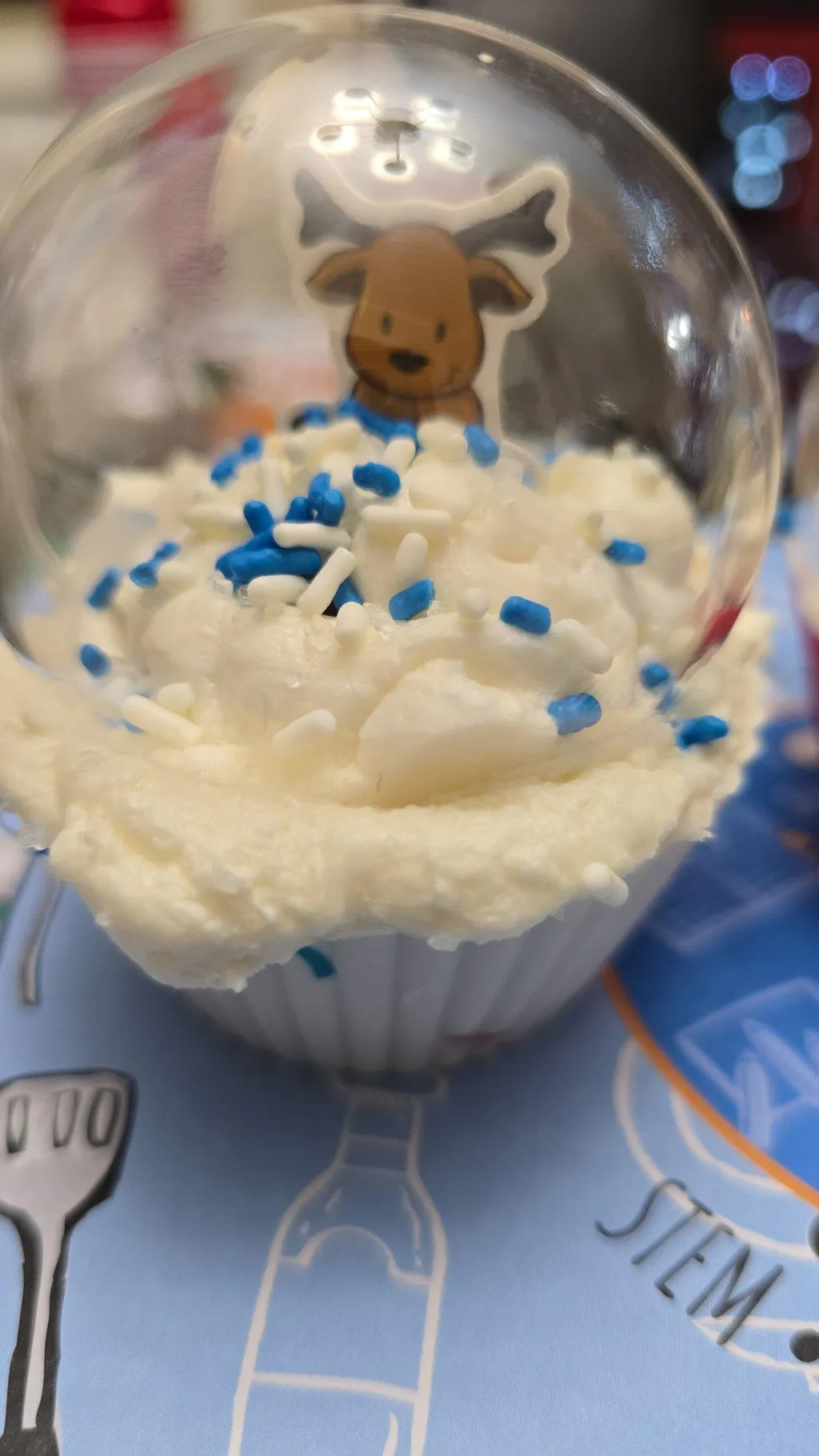
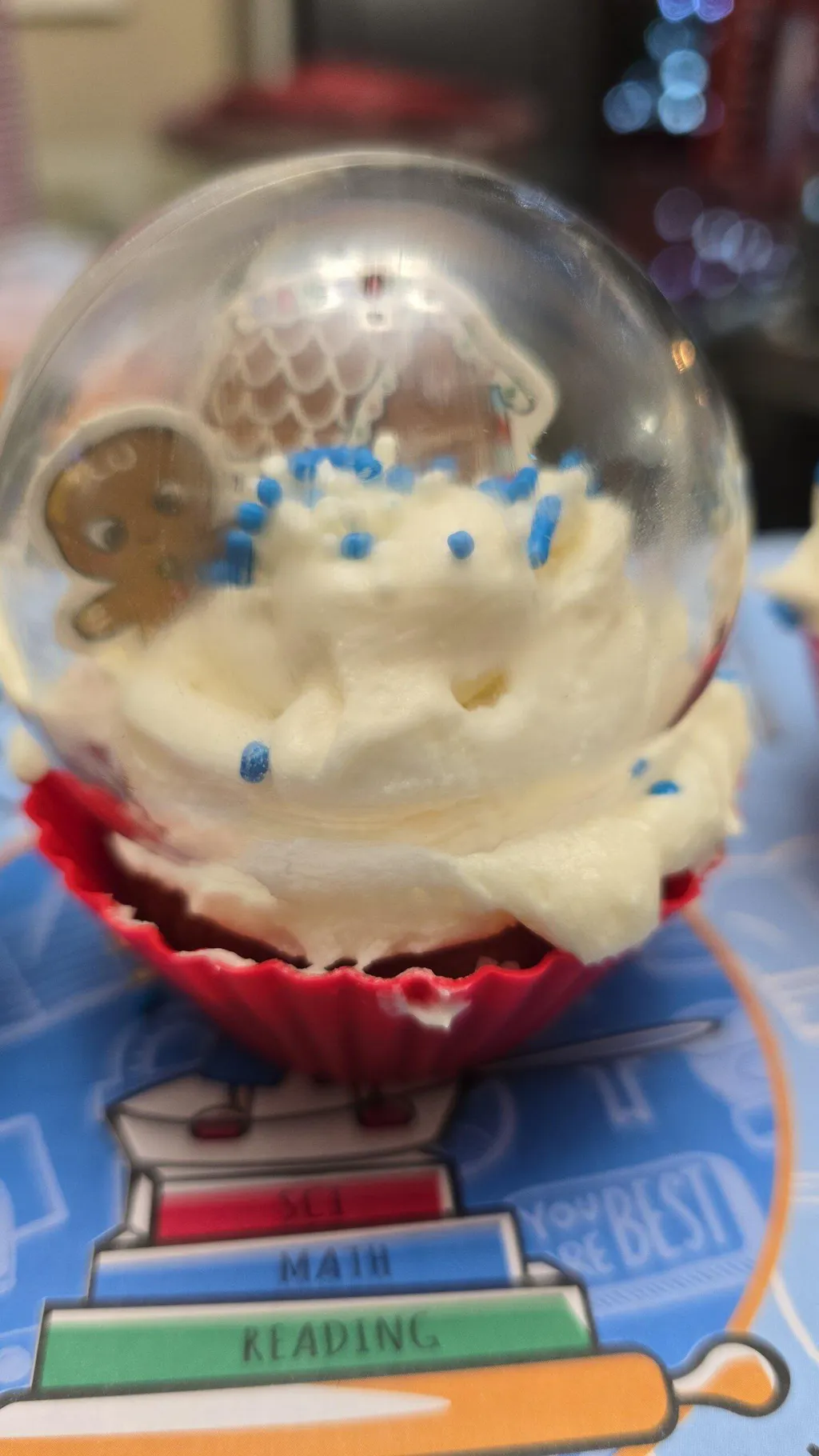
Decorated Cookies & Cupcakes: Artistry on a Plate
The fair often showcases incredible baked goods, not just for taste but for their intricate decoration. Recreating this at home is a fantastic way to develop fine motor skills and artistic flair.
- The Art of Decorating: Children learn about color mixing, piping techniques, and how to create visually appealing designs. It’s a canvas they can eat!
-
How to Make It:
- Bake a batch of simple sugar cookies or cupcakes. (This is a great chance to teach about measuring ingredients – a math skill!).
- Prepare various colors of royal icing or buttercream.
- Provide sprinkles, edible glitter, mini candies, and other decorations.
- Let your child's imagination run wild! They can create fair animals, carousel horses, or even abstract designs.
- Variations & Examples: For a fun, character-themed baking adventure, children can make charming treats like our Peppa Pig Muddy Puddle Cookie Pies, where they learn to decorate with precision and creativity, bringing beloved characters to life through food.
- Educational Benefits: Enhances fine motor control, hand-eye coordination, color recognition, and encourages imaginative design. It also teaches basic baking principles and following instructions.
Mini Funnel Cakes & Soft Pretzels: Mastering Fairground Staples
These iconic fair foods offer wonderful opportunities to learn about baking science.
- The Science of Baking: Working with yeast (for pretzels) introduces the concept of fermentation and gas production, making dough rise. The art of frying (for funnel cakes) teaches about heat transfer and changes in food texture.
-
How to Make It:
- Funnel Cakes: A simple batter of flour, milk, eggs, and vanilla can be drizzled into hot oil using a funnel, then fried until golden and dusted with powdered sugar. Adult supervision is crucial here!
- Soft Pretzels: Making dough from scratch involves mixing, kneading, rising, and shaping. Kids love twisting the dough into pretzel shapes and then dipping them in a baking soda solution before baking for that classic chewy texture.
- Educational Benefits: Practical application of chemistry (yeast activation, leavening), physics (heat transfer in frying), and math (measuring, scaling recipes). It also builds confidence in the kitchen and the satisfaction of making something from scratch.
Caramel Apple Art: Dipping, Decorating, and Deliciousness
A classic fair treat that’s surprisingly fun to customize!
- The Art of Dipping: This is a multi-sensory experience involving textures, temperatures, and vibrant colors.
-
How to Make It:
- Wash and dry apples thoroughly. Insert popsicle sticks firmly into the core.
- Prepare a simple caramel dip (store-bought or homemade). Adult supervision for heating is essential.
- Melt chocolate and gather an array of toppings: sprinkles, chopped nuts, mini candies, crushed cookies.
- Kids can dip their apples in caramel, then chocolate, and then roll or press them into their chosen toppings.
- Educational Benefits: Sensory exploration, fine motor skills, color recognition, and decision-making (which toppings to choose!). It’s also a great way to introduce basic food preparation and kitchen safety.
Edible Science Experiments: Beyond Just Taste
Many of our I'm the Chef Too! kits turn culinary creation into scientific discovery. Think about projects that involve chemical reactions that you can actually eat!
- Volcano Cakes: Remember the excitement of a science fair volcano? Imagine one that’s also a delicious cake! Our Erupting Volcano Cakes kit is a perfect example of blending baking with an exciting chemical reaction, creating a memorable "lava" flow.
- Slime You Can Eat: While traditional slime isn't edible, you can explore gummy candy-making or gelatin-based "slime" for a similar tactile experience with an edible outcome.
- Educational Benefits: Directly demonstrates chemical reactions, states of matter, and other scientific principles in a tangible, exciting way. It demystifies science and shows how it's present in our everyday lives – and our food!
- Why We Love It: At I'm the Chef Too!, we craft these experiences because we know that when learning is delicious, it sticks! These kits provide everything you need to embark on these adventures, making it convenient and fun. Not ready to subscribe? Browse our complete collection of one-time kits to find the perfect edible science experiment for your little chef.
Engaging in these edible fair crafts is a fantastic way to bond with your children, teach them valuable kitchen skills, and subtly introduce them to scientific concepts – all while creating delectable treats reminiscent of a lively fairground!
Upcycled Wonders: Giving New Life to Everyday Items
One of the most impressive categories at any fair craft competition is often the "recycled materials" section. It's truly inspiring to see how ingenuity can transform what others consider trash into treasured works of art. At I'm the Chef Too!, we champion resourcefulness and creativity, and upcycled crafts perfectly align with this value. They teach children to look at everyday objects with fresh eyes, fostering an understanding of sustainability and the endless possibilities of transformation.
Let's dive into how you can bring this inventive spirit of upcycling into your home:
Egg Carton Flowers: Blooming with Creativity
Egg cartons are incredibly versatile and can be easily shaped, painted, and embellished.
- Materials: Empty egg cartons, scissors, paint (acrylic or tempera), paintbrushes, pipe cleaners (for stems), buttons or pompoms (for centers), glue, glitter (optional).
-
How to Make It:
- Cut individual cups from the egg carton. Trim the edges to create petal shapes.
- Paint the inside and outside of the "flower" cups in bright colors. Let dry completely.
- Poke a small hole through the center of each painted cup.
- Thread a pipe cleaner through the hole from the bottom, bending the top end to create a small "hook" to hold a button or pompom as the flower's center. Secure with glue.
- Twist the pipe cleaner stem to create leaves or just leave it straight.
- Variations: Create different flower types by varying the cuts. Group several flowers to make a bouquet. Add glitter for a sparkly fair-worthy display.
- Educational Benefits: Develops fine motor skills (cutting, painting), color recognition, imaginative play, and teaches basic construction and assembly. It also promotes environmental awareness by repurposing materials.
Cardboard Tube Creations: From Rolls to Roles
Paper towel or toilet paper rolls are a goldmine for crafting!
- Beyond Flowers: While some fair exhibits might feature cardboard tube flowers, the possibilities extend far beyond. Think animals, miniature telescopes, building blocks, or even abstract sculptures.
-
How to Make It:
- Gather cardboard tubes, paint, markers, construction paper, googly eyes, yarn, feathers, and glue.
- Children can transform tubes into animals by adding ears, tails, and facial features. A simple cut and fold can create legs.
- For structures, tubes can be cut into various lengths and stacked, glued, or connected with paper fasteners.
- Educational Benefits: Encourages imaginative thinking, spatial reasoning, and introduces basic engineering concepts as children figure out how to stabilize structures or create movable parts. It's a wonderful way to tell stories through crafted characters.
Plastic Lid Murals & Mosaics: Collaborative Art with a Purpose
Inspired by grand group projects seen at fairs, plastic lids can become vibrant elements in a larger piece.
- Collaborative Art: This is excellent for siblings or a small group, mimicking a classroom project.
- Materials: Various sized and colored plastic lids (from milk jugs, yogurt, soda bottles), a large piece of cardboard or poster board, strong adhesive (e.g., hot glue with adult supervision, or strong craft glue), markers.
-
How to Make It:
- Draw an outline of a scene or pattern on the cardboard (e.g., a fair tent, an animal, an abstract design).
- Children arrange the plastic lids within the lines, experimenting with colors and sizes.
- Once the arrangement is finalized, glue the lids securely.
- Educational Benefits: Teaches pattern recognition, color sorting, spatial organization, and encourages collaboration. It highlights the beauty of collective effort and the transformation of discarded items into something new and beautiful.
Mixed Media "Junk" Sculptures: Engineering with Oddments
This category is where true innovation shines, reminiscent of those clever robots made from cans and bolts seen at the fair.
- Encouraging Free-Form Creativity: Provide a box of various "junk" items: bottle caps, corks, nuts, bolts, washers, small plastic containers, bits of wire, fabric scraps, old CDs, wooden blocks.
-
How to Make It:
- Give children a sturdy base (a small wooden block or thick cardboard).
- Challenge them to create a sculpture using as many different materials as possible.
- Discuss how to attach different materials (glue, tape, wire, string). Adult help with hot glue is often best for sturdy construction.
- Educational Benefits: Develops problem-solving skills (how to make this piece stand up? how do I attach these two very different materials?), critical thinking, and encourages creative improvisation. It's a hands-on lesson in structural integrity and artistic composition.
Painted Rocks: Simple, Accessible, and Personal
A timeless craft that allows for individual expression, and a staple at many community fair entries.
- Materials: Smooth, clean rocks of various sizes, acrylic paints, paintbrushes, clear sealant (spray or brush-on).
-
How to Make It:
- Wash and thoroughly dry rocks.
- Paint designs: fair animals, food items (like a "burger rock" as seen at some fairs!), mandalas, inspiring words, or abstract patterns.
- Once dry, apply a sealant to protect the paint, especially if the rocks will be placed outdoors.
- Educational Benefits: Boosts creativity, fine motor skills, color mixing, and offers a calming, meditative activity. It also connects children to nature through rock collecting.
These upcycled crafts are not only a fantastic way to inspire creativity and skill development but also instill valuable lessons about sustainability and making the most of what you have. Every time a child transforms an empty carton into a flower or a bottle cap into an eye for a sculpture, they're learning that imagination is the ultimate renewable resource. Ready for more hands-on fun that sparks joy and learning? Give the gift of learning that lasts all year with a 12-month subscription to our STEM cooking adventures. Join The Chef's Club and get free shipping!
Artistic Explorations: Developing Creative Skills Beyond the Brush
The fair is a feast for the eyes, filled with entries that demonstrate a wide range of artistic techniques. Beyond just painting, there's sculpting, intricate papercraft, and textile arts. These diverse mediums offer unique opportunities for children to develop fine motor skills, patience, and innovative problem-solving, all while unleashing their inner artist. At I'm the Chef Too!, we believe in fostering a broad spectrum of creative expression, understanding that art is integral to "edutainment."
Let's explore some artistic fair crafts that help children discover new ways to make and imagine:
Quilling: The Art of Rolled Paper
Quilling, the art of rolling strips of paper into decorative shapes, might look complex, but it can be simplified for kids, creating stunning results.
- Patience and Precision: This craft is excellent for developing fine motor skills and focused attention.
- Materials: Quilling paper strips (or thin strips of construction paper), quilling tool (or a toothpick with a slit), glue, a sturdy background paper.
-
How to Make It (Simplified):
- Teach children to create tight coils: insert the end of a paper strip into the quilling tool (or the slit of a toothpick) and roll it tightly.
- Carefully slide the coil off the tool and let it expand slightly. Glue the loose end to secure the coil.
- These basic coils can be glued together to form patterns, animals (like the body of a parrot, as seen in fair entries), or abstract designs.
- Educational Benefits: Enhances fine motor dexterity, hand-eye coordination, pattern recognition, and geometric understanding. It also introduces an ancient art form and encourages meticulous work.
Pipe Cleaner Sculptures: Bringing Imagination to Life
From simple animals to elaborate characters, pipe cleaners are surprisingly versatile for three-dimensional art. We've seen incredible pipe cleaner creations at fairs, from friendly lions with sparkly manes to detailed characters like Beast and Belle.
- Form and Structure: This craft helps children understand how to create shape and volume.
- Materials: Assorted pipe cleaners, googly eyes, small pompoms, glue.
-
How to Make It:
- Start with simple forms: twist pipe cleaners together to create basic shapes for bodies, heads, and limbs.
- For more complex figures, layer and wrap pipe cleaners to build volume. Bending and twisting them allows for poseable figures.
- Attach googly eyes and pompoms for noses or decorative elements.
- Educational Benefits: Develops spatial reasoning, understanding of three-dimensional form, and creative problem-solving (how to make a limb bend or an ear stand up). It’s also excellent for imaginative play once the sculptures are complete.
- Chef Too! Connection: Just as our kits encourage kids to build edible structures and decorate with precision, pipe cleaner sculptures tap into similar creative and engineering instincts. The vibrant colors are reminiscent of the exciting designs you can create with our Galaxy Donut Kit, where cosmic colors transform simple donuts into edible planets.
Handprint/Footprint Art: Personalizing the Canvas
A classic for a reason, handprint and footprint art provides a wonderful way to capture a moment in time and create personalized keepsakes. Fairs often feature entries that turn these simple impressions into imaginative scenes or characters.
- Personal Touch & Memory-Making: These crafts become cherished mementos.
- Materials: Washable paints (tempera or acrylic), paper, paintbrushes, markers.
-
How to Make It:
- Apply paint to a child’s hand or foot and press it onto paper.
- Once dry, use markers or paint to transform the print into something else. A footprint can become a dinosaur or a butterfly. A handprint can be a tree, a peacock, or part of a larger landscape.
- Experiment with perspective: use several handprints to create a "path" disappearing into the distance, as seen in some clever fair entries.
- Educational Benefits: Sensory exploration, body awareness, color mixing, and imaginative storytelling. It’s also a beautiful way to track growth and create family memories.
Paper Bag Puppets: Characters for Storytelling
Simple paper bags become the stage for endless imaginative play. Fair entries often include whimsical puppets, and children can create their own cast of characters.
- Igniting Imagination & Narrative Skills: Puppets are fantastic for developing storytelling and dramatic play.
- Materials: Brown or colored paper bags, construction paper, scissors, glue, markers, googly eyes, yarn, fabric scraps.
-
How to Make It:
- The bottom flap of the paper bag forms the mouth of the puppet.
- Decorate the bag with construction paper for clothing, yarn for hair, googly eyes, and markers for facial features. Children can create animals, people, or fantasy creatures. Think of classic duos like Batman and Robin, as seen in some fair crafts, ready for action!
- Once the puppets are complete, encourage children to put on a show, inventing dialogue and plotlines.
- Educational Benefits: Fosters creativity, fine motor skills, storytelling, language development, and social-emotional expression through role-playing.
Suncatchers: Capturing Light and Color
These radiant creations beautifully filter light, adding a touch of magic to any window.
- Light and Transparency: Exploring how different materials interact with light.
- Materials: Clear contact paper or laminating pouches, tissue paper in various colors (cut into small shapes), natural items (thin leaves, flower petals), sequins, glitter.
-
How to Make It:
- Cut two pieces of contact paper or open a laminating pouch.
- Peel the backing off one piece of contact paper (or lay items on one side of the pouch).
- Children arrange tissue paper shapes and other items onto the sticky surface.
- Carefully place the second piece of contact paper (or close the pouch) over the design, sealing it. Trim to shape if desired.
- Educational Benefits: Teaches about color, light, transparency, and composition. It’s a calming activity that yields beautiful, decorative results.
Tie-Dye: Exploring Color & Chemistry
The vibrant, swirling patterns of tie-dye are always a hit, whether on display at a fair or worn by a happy child. This is a craft that beautifully combines art and a dash of chemistry.
- Color Mixing and Chemical Reactions: Understanding how dyes interact with fabric.
- Materials: Plain white cotton fabric items (t-shirts, bandanas, tote bags), rubber bands, tie-dye kit (contains dyes, soda ash, gloves), plastic bags.
-
How to Make It:
- Pre-wash fabric items.
- Twist, fold, or scrunch the fabric and secure it tightly with rubber bands to create patterns.
- Following kit instructions (with adult supervision), prepare dye solutions.
- Apply dyes to different sections of the fabric.
- Place the dyed item in a plastic bag and let it sit for several hours (or overnight) for the dye to set.
- Rinse until the water runs clear, then remove rubber bands and wash in a machine.
- Educational Benefits: Explores color theory (primary, secondary colors, blending), pattern creation, and a simplified introduction to chemical reactions and absorption. The element of surprise when the rubber bands come off is pure joy!
These artistic explorations, from the meticulous detail of quilling to the bold statements of tie-dye, provide rich opportunities for children to experiment with different forms of expression. They learn that art is diverse, accessible, and an incredible way to communicate ideas and emotions. For continuous inspiration and all-inclusive kits designed by mothers and educators, don't miss out! Join The Chef's Club today and receive a new adventure delivered to your door every month with free shipping in the US.
Functional & Playful Fair Crafts: Where Creativity Meets Purpose
The best fair crafts often do more than just sit pretty – they serve a purpose, facilitate play, or even teach rudimentary business skills. This category of crafts merges artistic creativity with practical application, offering children the satisfaction of creating something both beautiful and useful. It also provides a fantastic introduction to the concept of a "Market Day," an activity many schools and community groups host, where children learn about entrepreneurship by creating and "selling" their own handmade goods. At I'm the Chef Too!, we value fostering a love for learning and building confidence, and functional crafts are perfect for this, culminating in a tangible outcome they can use or share.
Let’s delve into fair crafts that combine creativity with a practical or playful twist:
Bookmarks: A Classic for Little Makers
Bookmarks are an enduring favorite, easy for all ages to create, and can be infinitely customized. They’re a perfect "Market Day" item for younger children to craft.
- Customization & Purpose: Encourages reading and personalizes their books.
- Materials: Cardstock or thick paper, markers, colored pencils, stickers, glitter, ribbons, small tassels, glue.
-
How to Make It:
- Cut cardstock into bookmark-sized strips.
- Children can draw, paint, or use stickers to decorate their bookmarks.
- Punch a hole at the top and thread a ribbon or tassel through for an elegant finish.
- For a fair theme, they could draw miniature fair rides, animals, or even edible treats!
- Educational Benefits: Develops fine motor skills, drawing, and design capabilities. It also encourages a love of reading by making reading accessories fun.
Bead Jewelry: Designing Wearable Art
Crafting jewelry is an excellent way to develop fine motor skills, pattern recognition, and a sense of personal style. Fair market stalls often feature unique handmade jewelry, inspiring budding designers.
- Patience & Dexterity: Requires careful handling of small beads and precise stringing.
- Materials: Assorted beads (wooden, plastic, glass – appropriate for age), elastic string, jewelry wire, clasps, crimp beads (for wire), jewelry pliers (for older kids).
-
How to Make It:
- For younger children, start with large beads and elastic string to make simple bracelets or necklaces.
- Older children can experiment with smaller beads, specific patterns, and more advanced techniques like using jewelry wire with crimp beads and clasps for a more polished look.
- Educational Benefits: Enhances fine motor skills, hand-eye coordination, pattern creation, color theory, and encourages careful planning. It also provides a sense of accomplishment in creating a wearable item.
DIY Bouncy Balls: A STEM Playtime Delight
Combining a simple chemical reaction with a playful outcome, making bouncy balls is a fantastic hands-on science craft.
- Chemistry in Action: Introduces concepts of polymers and physical changes.
- Materials: Borax, cornstarch, warm water, school glue (PVA glue), food coloring, measuring spoons/cups, mixing bowls, disposable gloves.
-
How to Make It:
- Mix warm water and borax in one bowl.
- In another bowl, mix glue, cornstarch, and food coloring.
- Slowly combine the borax solution with the glue mixture, stirring until a solid forms.
- Knead the mixture (wearing gloves!) until it becomes less sticky and can be rolled into a ball.
- Allow the ball to dry and harden slightly for maximum bounce.
- Educational Benefits: A direct demonstration of chemical reactions and the formation of polymers. It encourages experimentation, observation, and critical thinking about material properties.
Slime & Bath Bombs: Sensory Fun with Scientific Principles
These highly popular items are perfect for "Market Day" crafts, as kids love making and using them.
- Sensory Exploration & Basic Chemistry: Engaging multiple senses while learning about mixtures and reactions.
- Slime: Making various types of slime (fluffy, glitter, clear) teaches about polymers and non-Newtonian fluids. Kids can experiment with activators and ingredients to change texture.
- Bath Bombs: Combining baking soda and citric acid creates a fizzing reaction when added to water. Kids learn about acid-base reactions, creating delightful, scented bath treats.
- Educational Benefits: Introduces basic chemistry concepts, encourages experimentation with proportions and ingredients, and provides a rich sensory experience that can be calming and engaging. These are excellent items to make and gift, or even set up a mini "shop" at home, teaching basic economic principles. Not ready to subscribe? Discover more exciting "edutainment" options! Browse our complete collection of one-time kits for a wide range of engaging projects.
DIY Games: Crafting for Play and Competition
Many classic fair games can be recreated or inspired by crafts, providing endless fun and teaching basic engineering and physics.
- Pumpkin Bean Bag Toss / Can Knock Down: Kids can decorate cardboard cutouts (like pumpkins or fair animals) or old tin cans to create targets for beanbag or ball tossing games. This involves design, painting, and setting up a simple game.
- Plinko Game: Using a large cardboard box, paper cups, and ping-pong balls, children can construct their own Plinko board, learning about gravity, probability, and simple engineering as they space out the "pegs" (cups).
- Ring Toss Base: Decorate a sturdy base (like a piece of wood or a small cardboard box) with vertical pegs or bottles for a ring toss game. This involves design, measurement, and aiming practice.
- Educational Benefits: Fosters creativity in design, basic engineering and construction skills, hand-eye coordination, and an introduction to simple physics (gravity, trajectory, probability). These crafts often lead directly into active play, promoting physical activity and social interaction.
These functional and playful fair crafts are a wonderful way to show children that creativity isn't just about art; it's about solving problems, making things that work, and even understanding the basics of how things are made and valued. It perfectly aligns with I'm the Chef Too!'s philosophy that hands-on engagement leads to deeper understanding and lasting skills.
Bringing the Fair Home: Creating Your Own Craft Showcase
After all the fun of crafting, why not celebrate your children's hard work and creativity by creating your very own "home fair" or craft showcase? This is a fantastic way to acknowledge their efforts, build confidence, and extend the learning experience. At I'm the Chef Too!, we believe in fostering a love for learning, building confidence, and creating joyful family memories, and a mini craft fair is the perfect culmination of these values.
Encouraging Participation and Display
- Curate an Exhibit: Help your children find a dedicated space in your home (a table, a shelf, or even a designated corner) to display their creations. Encourage them to arrange their crafts thoughtfully, just like at a real fair exhibit.
- Create "Blue Ribbons": Make simple paper ribbons or certificates to "award" to their projects. Focus on categories like "Most Creative," "Best Use of Recycled Materials," "Most Colorful," or "Most Unique Idea," rather than perfection. This positive reinforcement celebrates effort and individuality.
- Invite an Audience: Gather family members, or even a few close friends, for a special "opening" of the craft exhibit. Let your children proudly present their work, explaining what they made and how.
The "Market Day" at Home: A Taste of Entrepreneurship
Inspired by school "Market Days," you can take the home fair concept a step further by introducing basic economic principles.
- Set Up a Shop: If your children have created multiple functional items (like bookmarks, jewelry, bath bombs, or baked goods), help them set up a mini "shop" within their exhibit.
- Pricing & Value: Discuss the "cost" of materials and how to "price" their items. Use play money for transactions. This teaches valuable lessons about supply and demand, earning, and spending.
- Sales & Interaction: Encourage them to "sell" their items to family members, practicing communication and basic math skills. The goal isn't profit, but understanding the process of exchange.
- I'm the Chef Too! Connection: This aligns perfectly with our ethos of blending education with tangible experiences. Just as our kits empower children to create and learn, a home market day empowers them to understand value and exchange in a fun, pressure-free environment.
Beyond the Exhibit: Documenting the Journey
- Photo Album of Creations: Take photos of your children with their finished projects. Create a digital or physical album to look back on their creative journey.
- Storytelling: Encourage children to write short stories or descriptions about their crafts. What inspired them? What was challenging? What did they learn?
By transforming your crafting sessions into a "home fair," you’re not just showcasing finished products; you’re celebrating the entire process of imagination, effort, and learning. It reinforces the idea that every child is an artist, a scientist, and an innovator, capable of creating amazing things. These joyful family memories and confidence-building experiences are what we strive for at I'm the Chef Too!
Tips for Parents and Educators: Nurturing Young Makers
Engaging children in fair crafts and hands-on activities is immensely rewarding, but a little preparation and a supportive approach can make all the difference. As creators of "edutainment" experiences, we at I'm the Chef Too! understand the nuances of facilitating impactful learning. Our kits, developed by mothers and educators, are designed to make this process seamless, but these general tips apply to any creative endeavor.
- Safety First, Always: Before starting any craft, especially those involving heat (like edible crafts) or sharp tools (scissors, skewers), ensure proper adult supervision. Discuss safety rules clearly and demonstrate correct usage of tools. For younger children, pre-cut tricky shapes or pre-measure ingredients.
- Embrace the Mess (and Prepare for It): Creativity often comes with a bit of glorious chaos. Lay down newspaper, old sheets, or plastic tablecloths to protect surfaces. Have wipes or a damp cloth handy. Frame messes as part of the creative process, not a problem.
- Focus on the Process, Not Perfection: The goal isn't to create a flawless masterpiece worthy of a grand prize, but for the child to explore, experiment, and enjoy the act of making. Encourage their unique vision, even if it's different from what you imagined. Phrases like, "Tell me about your choices," or "What was your favorite part?" are more valuable than "That's not quite right." This fosters resilience and intrinsic motivation.
- Adapt to Age & Skill Level: Not all crafts are suitable for all ages. Simplify complex steps for younger children, or provide more challenging variations for older ones. For instance, a 4-year-old might enjoy painting an egg carton flower, while a 10-year-old could design an intricate pipe cleaner sculpture. Our I'm the Chef Too! kits are designed with age-appropriateness in mind, ensuring a just-right challenge.
- Use What You Have: Encourage Resourcefulness: You don't need expensive supplies! Many fair crafts, particularly the upcycled ones, thrive on using everyday household items. Keep a "crafts box" of empty toilet paper rolls, bottle caps, fabric scraps, and cereal boxes. This teaches children to be resourceful and see potential in ordinary objects.
- Inspire, Don't Dictate: Let Children Lead: Offer choices and ideas, but allow children to make their own creative decisions. If they want to paint the sky purple or make a multi-colored dinosaur, embrace it! This ownership fuels their enthusiasm and confidence.
- Extend the Learning: Ask Open-Ended Questions: Engage with your child throughout the process. "What do you think will happen if...?" "Why did you choose that color?" "What challenge did you face and how did you solve it?" These questions encourage critical thinking and verbal expression, deepening the educational impact.
- Consider a Subscription for Ongoing Fun: If you find yourself constantly searching for new ideas or gathering materials, a subscription box like our Chef's Club can be a game-changer. It provides convenience, variety, and ensures a steady stream of "edutainment" adventures. Each box is a complete experience, containing pre-measured dry ingredients and specialty supplies, making it easy to jump right into the fun. Give the gift of learning that lasts all year with a 12-month subscription to our STEM cooking adventures. Join The Chef's Club for screen-free fun delivered right to your door!
- Explore One-Time Kits for Specific Themes: If you're looking for a particular theme or a special gift, our individual kits offer a wide variety of options without the commitment of a subscription. From cosmic treats to prehistoric digs, there's an adventure waiting for every curiosity. Find the perfect theme for your little learner by Browse our complete collection of one-time kits available in our main shop collection.
By implementing these tips, you'll not only create a more enjoyable crafting environment but also maximize the educational and developmental benefits for your children. Remember, the true value lies in the shared experience, the sparks of curiosity, and the joy of creating something new together.
Conclusion: The Lasting Impact of Handmade Memories
From the thrilling rides to the mouth-watering treats, the fair is a kaleidoscope of experiences that capture our hearts and imaginations. But perhaps its most enduring legacy is the inspiration found in its craft halls – a powerful reminder of what we can create with our own hands. As we've explored, bringing the spirit of fair crafts for kids into your home isn't just about making pretty objects; it's about unlocking a world of learning, fostering vital skills, and creating cherished, screen-free memories.
At I'm the Chef Too!, our mission is to blend food, STEM, and the arts into one-of-a-kind "edutainment" experiences that spark curiosity and creativity in children. The joy of a child discovering how rock candy crystals form, the pride in a hand-decorated cupcake, or the triumph of an upcycled sculpture embodies everything we stand for. These hands-on adventures, developed by mothers and educators, teach complex subjects in the most engaging and delicious ways imaginable.
By embracing fair crafts, you're not just filling an afternoon; you're nurturing a love for learning, building unwavering confidence, and developing key skills that will serve your child far beyond the craft table. You're facilitating family bonding and providing a screen-free educational alternative that truly matters.
Ready to embark on a continuous journey of discovery, creativity, and delicious learning? Skip the planning and ingredient shopping, and let us deliver the inspiration directly to your home. Join The Chef's Club today! A new adventure is delivered to your door every month with free shipping in the US, providing everything you need for unforgettable "edutainment" experiences. Give the gift of learning, laughter, and lasting memories – one delicious, educational kit at a time.
FAQ: Your Questions About Fair Crafts Answered
What age are fair crafts suitable for?
Fair crafts are wonderfully versatile and can be adapted for almost any age! For toddlers and preschoolers (ages 2-5), focus on simple activities like large handprint art, painting egg carton flowers, or simple playdough recipes with pre-cut shapes. Elementary school children (ages 6-10) can enjoy more intricate projects like pipe cleaner sculptures, basic quilling, creating bath bombs, or participating in edible science experiments. Older children and pre-teens (ages 11-14) can tackle more complex bead jewelry designs, tie-dye projects, constructing Plinko games, or more detailed baking endeavors. The key is to adapt the complexity and ensure adult supervision is appropriate for the child's age and the tools involved.
How can I make crafts educational?
Every craft offers an educational opportunity! To maximize learning, engage your child in conversation throughout the process. Ask open-ended questions like: "What materials do you think will work best here and why?" (engineering/problem-solving), "How many red pieces did you use?" (math/counting), "What chemical reaction do you observe when we mix these ingredients?" (science), or "What story does your artwork tell?" (language arts/creativity). Discuss the properties of materials, the steps involved, and any challenges faced. Relate the craft to real-world concepts or other subjects they are learning. At I'm the Chef Too!, our kits are specifically designed to blend STEM concepts seamlessly into fun, edible activities, showing how science and math are all around us!
What if my child isn't "good" at art?
There's no such thing as being "good" or "bad" at art, especially for children! The primary goal of crafting with kids is to encourage exploration, creativity, and enjoyment of the process, not to produce a perfect result. Emphasize effort, imagination, and uniqueness over perfection. Avoid comparing their work to others. Praise their choices, their focus, and the joy they found in making. Remind them that every artist, scientist, and chef experiments and learns from trying new things. The confidence gained from engaging in a creative process is far more valuable than the aesthetic outcome.
How can I minimize mess while crafting?
Mess is often part of the fun, but it can certainly be managed! Here are a few tips:
- Designated Craft Zone: Choose an area that's easy to clean, like a kitchen table with a washable surface, or outdoors.
- Surface Protection: Lay down newspaper, an old shower curtain, a plastic tablecloth, or a large craft mat.
- Aprons/Old Clothes: Have children wear an apron or old clothes to protect their attire.
- Organize Materials: Use trays, muffin tins, or small bowls to hold paints, glitter, or small craft items, preventing spills and keeping things contained.
- Easy Cleanup Access: Keep a damp cloth, paper towels, and a small broom/dustpan nearby for quick cleanups.
- "Prep Ahead": For very young children, pre-measure ingredients or pre-cut shapes to reduce mess-making steps.
Where can I find craft materials easily and affordably?
You'd be surprised by how many craft materials you already have!
- Recycling Bin: Empty egg cartons, cardboard tubes, plastic lids, cereal boxes, and aluminum foil are goldmines for upcycled crafts.
- Nature: Rocks, leaves, twigs, pinecones, and shells can be incorporated into many projects.
- Pantry: Flour, salt, sugar, food coloring, and spices are essential for edible crafts and playdough.
- Discount Stores/Dollar Stores: These are great for basic supplies like glue, googly eyes, pipe cleaners, pompoms, and construction paper at a low cost.
- Craft Stores (Sales!): Sign up for email lists from craft stores to get coupons and alerts for sales on specific items like paints, beads, or specialized papers.
- I'm the Chef Too! Kits: For ultimate convenience, our subscription boxes and one-time kits come with almost all the dry ingredients and specialty supplies you need, saving you time and money on sourcing individual items.
How can I keep kids engaged with crafts long-term?
To maintain long-term interest in crafts:
- Offer Variety: Introduce different types of crafts (edible, upcycled, artistic, functional) to keep things fresh.
- Connect to Interests: Tailor crafts to your child's current passions (e.g., if they love dinosaurs, make a dinosaur-themed craft). Our I'm the Chef Too! kits come in exciting themes precisely for this reason!
- Create a Dedicated Space: A craft corner or a box of supplies makes crafting more accessible and inviting.
- Share Their Work: Display their creations proudly, or encourage them to gift their crafts to others.
- Collaborate: Work on a project together, with each person contributing.
- Storytelling: Encourage them to tell stories about their creations or the process.
- Introduce Challenges: "Can you build a house that floats?" or "What's the tallest tower you can make?"
- Regularly Introduce New Ideas: A monthly subscription to our Chef's Club ensures a steady stream of fresh, engaging projects, delivered right to your door with all the specialized supplies, making it easy to keep the creative spark alive.