Table of Contents
- Introduction
- The Power of Creating Together: Why Collaboration Matters
- Planning Your Group Masterpiece: Tips for Success
- Painting and Mural Projects for Big Groups
- Sculptural and 3D Collaborative Art Ideas
- Nature-Inspired and Outdoor Group Art
- Textile and Quilt-Style Paper Projects
- STEM and Art: Where Creativity Meets Science
- Bringing Collaborative Art into the Kitchen
- Managing the Mess: Practical Advice for Adults
- Adapting Projects for Different Ages and Abilities
- The Role of the "Creative Facilitator"
- The Long-Term Benefits of Collaborative Art
- FAQ: Common Questions About Group Art
- Conclusion
Introduction
What happens when you give a group of children a single, giant canvas and a rainbow of paints? At first, there might be a moment of hesitation, but quickly, the air fills with chatter, laughter, and the beautiful chaos of shared creation. Collaborative art projects for kids are about far more than just the final masterpiece hanging on the wall; they are about the invisible threads of connection woven between every participant. When children work together to build something larger than themselves, they learn the vital rhythm of cooperation, the value of diverse perspectives, and the sheer joy of communal achievement.
The purpose of this post is to provide parents, educators, and community leaders with a wealth of inspiration for group art activities that spark curiosity and foster teamwork. We will explore a wide variety of projects, from sprawling outdoor murals to intricate indoor sculptures, and even look at how these creative principles translate into the heart of the home—the kitchen. Whether you are looking for a screen-free weekend activity for a handful of siblings or a large-scale installation for a school hallway, these ideas are designed to be accessible, educational, and, above all, fun.
At I’m the Chef Too!, our mission is to blend food, STEM, and the arts into one-of-a-kind "edutainment" experiences. We believe that hands-on learning is the most effective way to spark a lifelong love for discovery. By engaging in collaborative art, children develop critical social-emotional skills while exploring complex concepts in a tangible way. Through these shared adventures, we aim to facilitate family bonding and provide a meaningful, screen-free educational alternative that nourishes both the mind and the spirit.
The Power of Creating Together: Why Collaboration Matters
In a world that often emphasizes individual achievement, collaborative art projects for kids offer a refreshing shift toward the collective. When children collaborate, they aren't just sharing a box of crayons; they are sharing ideas, negotiating space, and learning to appreciate the unique "artistic voice" of their peers. This process mirrors the real-world teamwork required in scientific labs, professional kitchens, and engineering firms.
Building Social-Emotional Skills
Collaborative art is a playground for social development. Children must practice patience as they wait for a teammate to finish a section of a mural. They develop empathy when they see how their contribution impacts the work of others. Perhaps most importantly, they learn communication. "Can I add some blue here?" or "What if we make the dragon's tail longer?" These small interactions build the foundation for healthy conflict resolution and cooperative problem-solving.
Fostering a Growth Mindset
When a project is collaborative, the pressure of "perfection" often melts away. Children feel more comfortable taking risks because they are part of a team. If one child makes a "mistake," the group can work together to transform it into a new feature of the artwork. This fosters a growth mindset, where challenges are seen as opportunities for creativity rather than roadblocks. At I’m the Chef Too!, we see this same magic happen in the kitchen. When a group of little chefs works together, they realize that even a spilled bag of flour is just a step on the way to a delicious result. Ready for a new adventure every month? Join The Chef's Club and enjoy free shipping on every box.
Planning Your Group Masterpiece: Tips for Success
Before diving into the paint pots, a little preparation goes a long way in ensuring the experience is positive for everyone involved. As educators and mothers, we know that the key to a successful activity is setting clear expectations while leaving plenty of room for creative freedom.
Define the Scope and Theme
Start by deciding on a general theme. This provides a "north star" for the children's creativity without being overly restrictive. Themes like "The Secret Garden," "Under the Sea," or "Our Neighborhood" are broad enough to allow for individual expression while ensuring the final piece feels cohesive.
Prepare the Workspace
Collaborative art can get messy—and that’s okay! If you’re working indoors, cover floors and tables with drop cloths or old newspapers. If the weather permits, taking the project outdoors can add an extra layer of excitement and make cleanup much easier. Ensure every child has access to the materials they need without having to reach over others, which helps prevent accidental spills and frustrations.
Adult Supervision and Safety
While we want children to take the lead, adult supervision is essential, especially when using tools like scissors, glue guns (for older kids), or specialty materials. Think of yourself as a "creative facilitator" rather than a director. Your role is to provide the supplies, ensure safety, and offer encouraging prompts when the group hits a creative lull.
Painting and Mural Projects for Big Groups
Murals are perhaps the most iconic form of collaborative art projects for kids. They offer a large-scale canvas where every child can see their contribution as part of a grander vision.
The "Pass the Canvas" Mural
This is a fantastic activity for building on the ideas of others. Start with several large pieces of poster board or a long roll of butcher paper. Divide the kids into small groups. Give them five minutes to start painting a scene based on your theme. When the timer goes off, everyone rotates to the next station. They must then look at what the previous group started and find a way to add to it or expand the story. This encourages children to look closely at their peers' work and find ways to integrate their own style harmoniously.
Fingerprint Trees and Nature Murals
For younger children, a fingerprint mural is a tactile and rewarding experience. Draw the trunk and branches of a massive tree on a large sheet of paper. Each child dips their finger into various shades of green, yellow, and orange to create the "leaves." You can expand this by having them add "thumbprint" bugs, birds, or flowers. It’s a beautiful way to show how many small actions create a lush, vibrant whole.
Sidewalk Chalk Communities
If you have a large driveway or a safe sidewalk area, a chalk mural is a wonderful temporary project. Assign each child a "city block" and ask them to draw their dream house, a park, or a school. Then, work together to draw the roads, paths, and bridges that connect their individual drawings. This project highlights the concept of community and how we are all interconnected.
Sculptural and 3D Collaborative Art Ideas
Moving into the third dimension adds a layer of engineering and spatial awareness to the artistic process. These projects are excellent for children who love to build and manipulate materials.
The Great Cardboard City
Never underestimate the power of a cardboard box! Collect boxes of all shapes and sizes. In a group setting, children can work in pairs to turn individual boxes into skyscrapers, libraries, fire stations, or even spaceships. Once the individual buildings are decorated with paint, markers, and recycled materials, the group can decide how to arrange them to create a sprawling metropolis. Bring our hands-on STEM adventures to your classroom, camp, or homeschool co-op. Learn more about our versatile programs for schools and groups, available with or without food components.
Collective Clay Totems or Bead Strands
Working with clay is a deeply therapeutic and sensory experience. A fun group project is to have each child create a unique, oversized "bead" out of air-dry clay. They can stamp patterns into the clay, carve designs, or paint them once dry. Once everyone has finished their bead, string them all together on a sturdy rope to create a massive, colorful wall hanging. This sculpture serves as a tangible representation of the group’s unity.
Found Object Assemblage
Go on a nature walk or a "treasure hunt" around the classroom to collect interesting objects—twigs, bottle caps, old buttons, pinecones, and fabric scraps. Provide a large base, like a piece of plywood or heavy cardboard, and ask the children to work together to create an abstract sculpture using these "found" treasures. This encourages kids to see the artistic potential in everyday items, a core tenet of both art and scientific innovation.
Nature-Inspired and Outdoor Group Art
The natural world provides an endless supply of materials and inspiration for collaborative art projects for kids. Outdoor art activities also offer a sense of freedom and scale that is hard to replicate indoors.
Andy Goldsworthy-Inspired Earthworks
British artist Andy Goldsworthy is famous for creating art using only materials found in nature—leaves, stones, ice, and mud. Challenge a group of children to create a "Land Art" piece in a local park or backyard. They might arrange colorful fallen leaves into a giant spiral, stack flat stones into a tower, or create a pattern of sticks on the grass. Because these projects are often temporary, they teach children about the beauty of the process and the changing nature of the environment.
Community Rock Garden
This is a project that can grow over time. Provide smooth river stones and acrylic paint (or paint pens for less mess). Each child paints a stone with a message of kindness, a bright pattern, or a tiny animal. Once dry, find a dedicated spot in a garden or near a walkway to arrange the stones. Invite visitors or other children to add their own stones to the garden, creating a living, breathing piece of community art.
Tree Dressing and Yarn Bombing
(Note: Always ensure this is done in a way that does not harm the trees). Provide long strands of colorful yarn, ribbons, and fabric strips. Children can work together to wrap the trunk or lower branches of a tree in a kaleidoscope of colors. This "yarn bombing" transforms a familiar natural object into a whimsical piece of art and requires children to coordinate their movements as they pass the yarn back and forth around the tree.
Textile and Quilt-Style Paper Projects
Quilting has a long history as a collaborative art form. While traditional sewing might be complex for young children, we can use the "quilt" concept with paper and mixed media to create stunning displays.
The Kindness Quilt
Provide each child with a square of heavy paper. Ask them to decorate their square with a word or image that represents kindness or friendship. They can use collage, drawing, or painting. Once all the squares are complete, tape or glue them together onto a large backing to create a "quilt." This makes a powerful statement in a classroom or home, reminding everyone of the values they share.
Geometric Tessellations
For a project that blends art and math, explore the world of tessellations—patterns made of identical shapes that fit together without gaps. Each child can color a specific geometric shape (like a hexagon or a triangle) using a shared color palette. When the shapes are joined together on a wall, they create a mesmerizing, repetitive pattern that demonstrates how individual parts contribute to a complex, mathematical whole.
"Flying Geese" Freedom Quilts
This is an excellent opportunity to integrate history into art. Teach children about the history of "Freedom Quilts" used during the time of the Underground Railroad. Have the group work together to create a paper mural featuring the "Flying Geese" pattern or other symbols used to communicate directions and messages. This project allows children to explore important historical narratives through a creative and collaborative lens.
STEM and Art: Where Creativity Meets Science
At I’m the Chef Too!, we love the "A" in STEAM (Science, Technology, Engineering, Art, and Math). Collaborative art projects for kids often naturally incorporate scientific principles, whether children realize it or not!
Pendulum Painting
Construct a simple tripod and hang a plastic cup with a small hole in the bottom from the center. Fill the cup with thinned-out paint and let the children take turns swinging the "pendulum" over a large sheet of paper. As the pendulum swings, it creates beautiful, rhythmic patterns governed by the laws of physics and gravity. The group can experiment with different swing strengths and directions to see how the patterns change.
Catapult Art
For a high-energy collaborative project, build small catapults using popsicle sticks and rubber bands. Place a large canvas on the ground and dip small pom-poms or sponges into paint. Children can work in teams to "launch" the paint onto the canvas. This is a fantastic way to discuss force, trajectory, and motion while creating a vibrant, abstract splatter painting. It’s "edutainment" at its finest! If your little ones love the thrill of a chemical reaction, they might also enjoy exploring geology by creating a chemical reaction that makes our Erupting Volcano Cakes bubble over with deliciousness.
Solar System Scale Model
Creating a scale model of the solar system is a classic collaborative project that combines art, astronomy, and math. Assign different planets to small groups of children. They must research their planet's relative size and appearance, then use papier-mâché, paint, and glitter to create a 3D representation. Finally, work as a large group to hang the planets in the correct order across a room. This provides a tangible sense of the vastness of space. You can even explore astronomy by creating your own edible solar system with our Galaxy Donut Kit.
Bringing Collaborative Art into the Kitchen
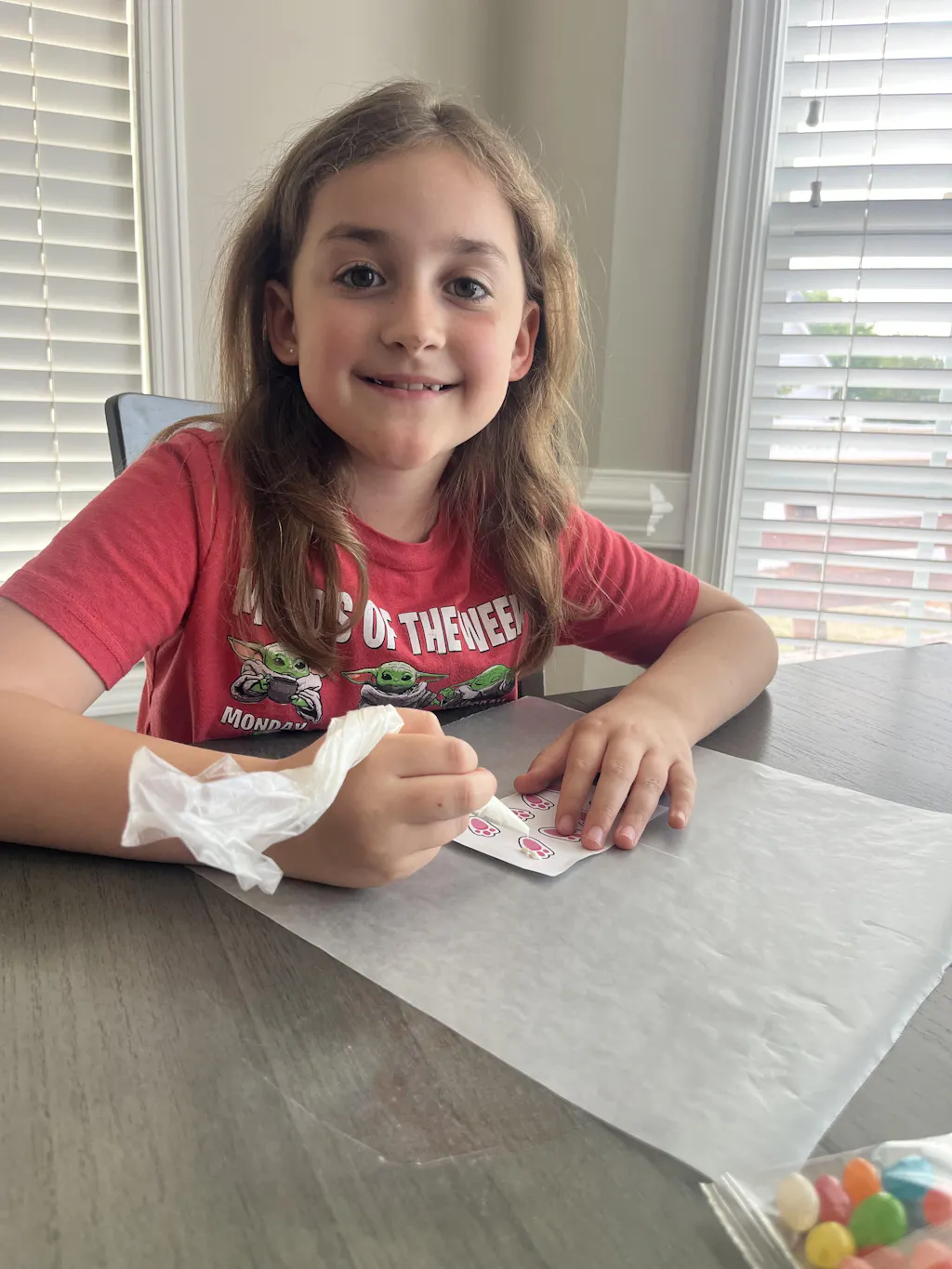
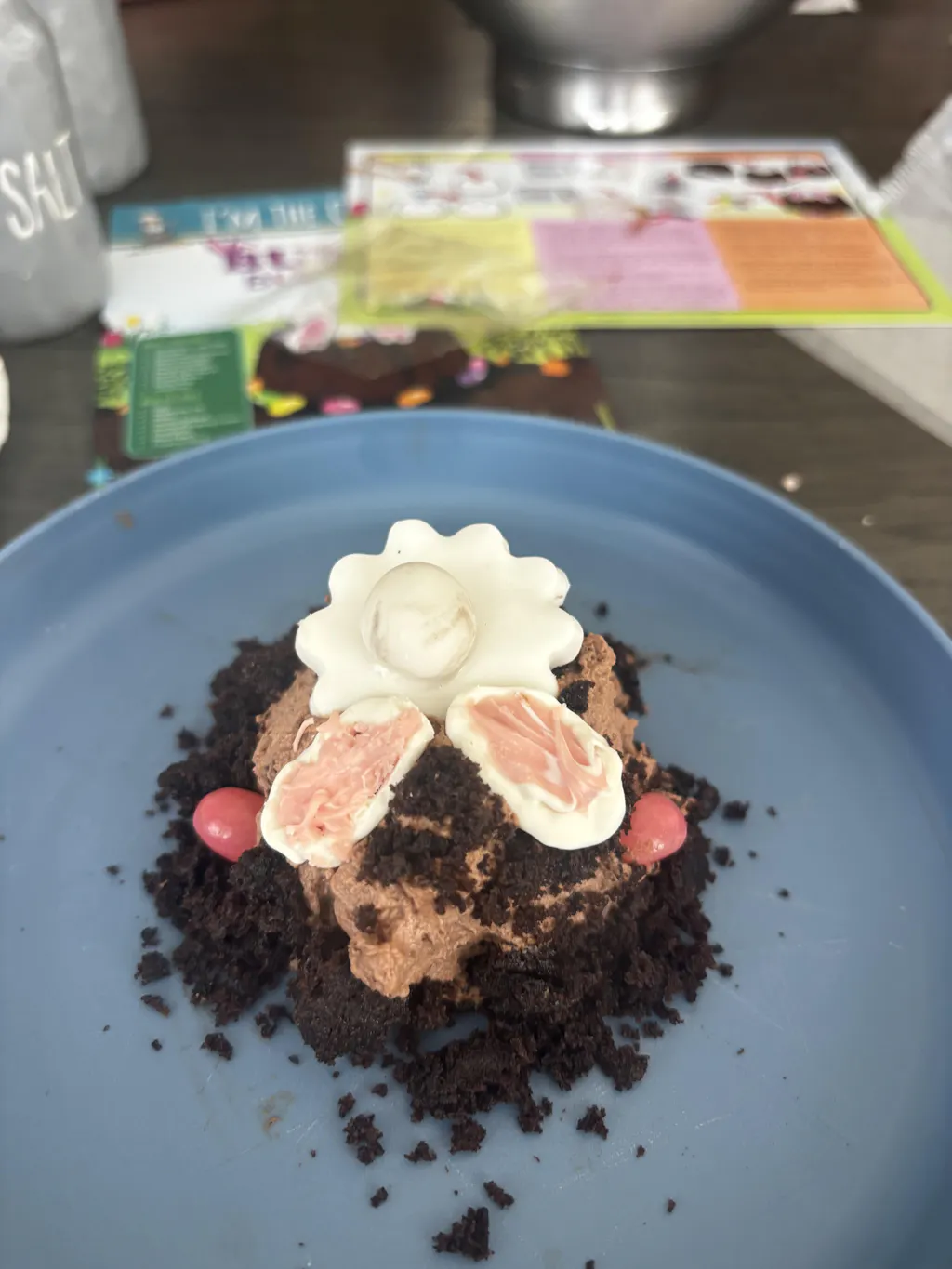
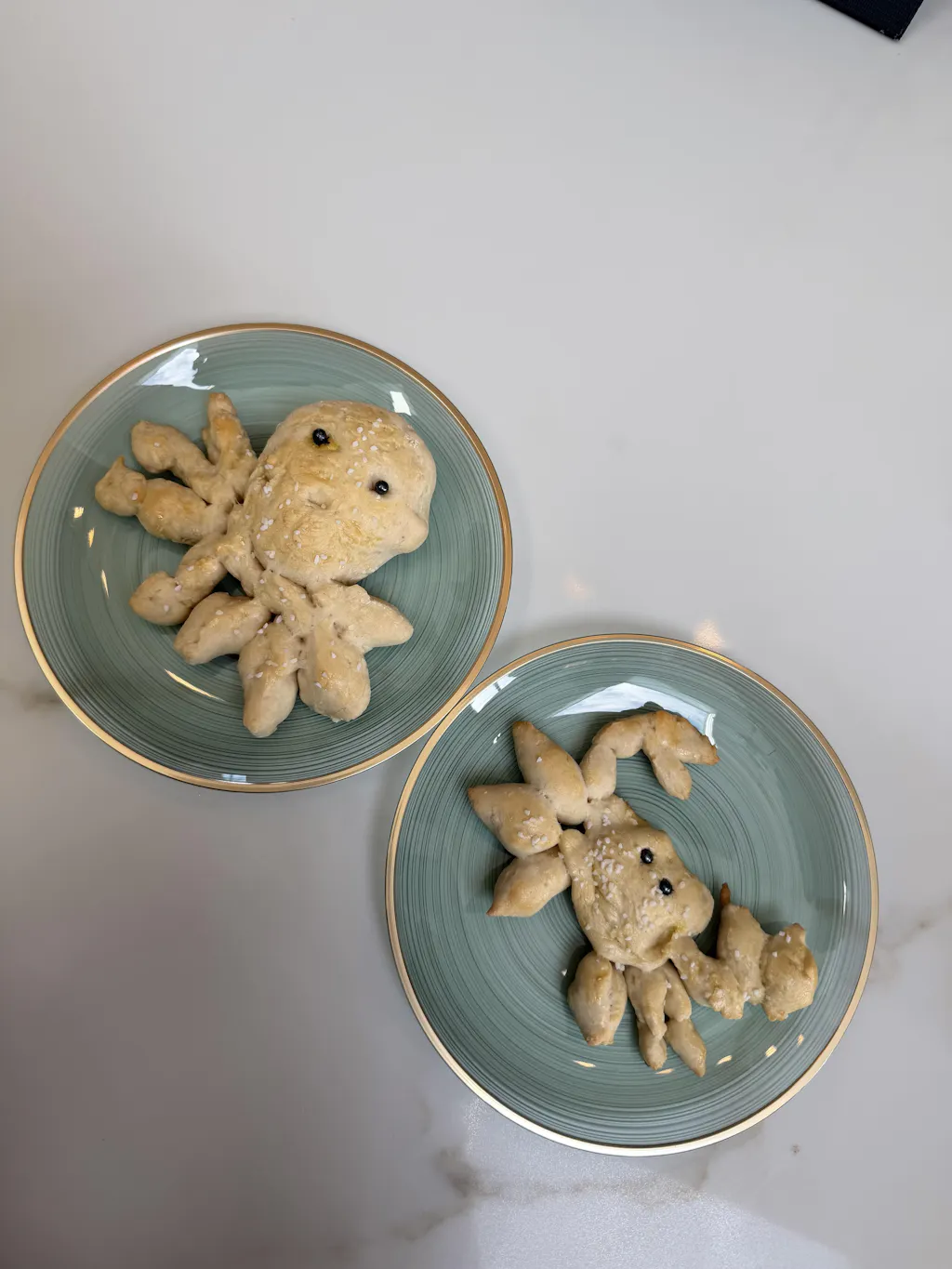
The kitchen is the heart of the home and perhaps the most natural place for collaborative art to happen. Cooking is a multisensory experience that requires teamwork, precision, and a dash of creative flair. At I’m the Chef Too!, we see every recipe as a blank canvas waiting for a group of young artists to make it their own.
The "Build-Your-Own" Edible Mural
Think of a large rectangular pizza crust or a giant sheet cake as your canvas. Provide various colorful toppings—vegetables for the pizza or fruits and sprinkles for the cake—and invite children to work together to create a landscape or a pattern. As they arrange the "art," they are also learning about nutrition, flavors, and the importance of working together toward a delicious goal.
Shared Kitchen Adventures
When children participate in one of our adventures, they aren't just following a recipe; they are embarking on a journey. Imagine a parent looking for a screen-free weekend activity for their 8-year-old who is fascinated by the stars. They could spend the afternoon together, measuring, mixing, and decorating treats that look like nebulae and planets. This hands-on process builds confidence and creates joyful family memories that last far longer than the treats themselves. Give the gift of learning that lasts all year with a 12-month subscription to our STEM cooking adventures.
Learning Through Tangible Experiences
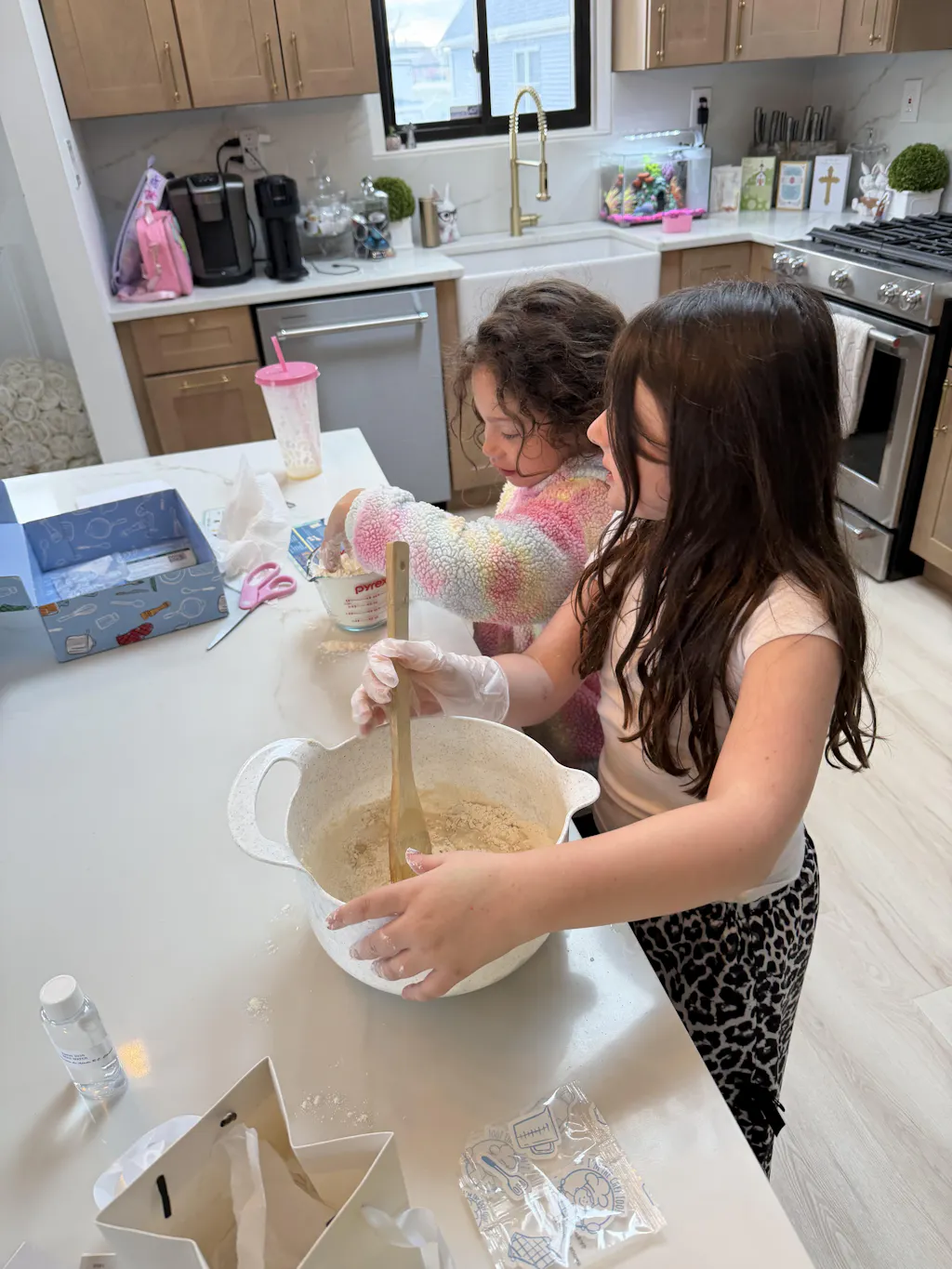
Our kits are developed by mothers and educators who understand that children learn best when they are fully engaged. Whether they are exploring the layers of the earth or the life cycle of a butterfly, they are doing so through the medium of food. This makes complex subjects accessible and fun. By working together in the kitchen, children learn to follow multi-step instructions, practice mathematical measurements, and observe chemical reactions in real-time—all while creating something beautiful and edible.
Managing the Mess: Practical Advice for Adults
We know that "collaborative art" can sometimes sound like code for "big mess." However, with a few proactive strategies, you can keep the chaos contained and the focus on the fun.
The "Clean-As-You-Go" Rule
Incorporate cleaning into the activity itself. Make it a game! "Who can find five blue scraps for the recycling bin?" or "Let's see how fast we can wipe down this station together." Teaching children that cleaning is a natural part of the creative process is a valuable life skill.
Set Boundaries Early
Before the first paint brush is dipped, clearly explain the "zones." "Paint stays on the paper, not the floor." "Water stays in the bucket." Having clear, simple rules helps children feel secure and understand the expectations of the shared space.
Focus on Process Over Product
The most important thing to remember is that the goal is the experience of working together. If the final mural looks a little "abstract" or the cardboard city is a bit wobbly, it doesn't matter. What matters is the conversation that happened while they were building it, the problem they solved together, and the pride they feel in their collective effort. Explore our full library of adventure kits available for a single purchase in our shop for even more creative inspiration.
Adapting Projects for Different Ages and Abilities
One of the beauties of collaborative art is its inherent flexibility. You can easily adjust the complexity of any project to suit the developmental stages of the participants.
For Toddlers and Preschoolers
Focus on sensory-rich, low-structure activities. Finger painting on a large roll of paper, playing with "clean" mud (cornstarch and water), or sticking contact paper to a window and letting them press tissue paper scraps onto it are all wonderful ways for little ones to collaborate. The goal here is simply parallel play and exploring textures together.
For Elementary-Aged Children
This age group thrives on themes and slightly more complex tasks. They can handle projects that require planning, like the cardboard city or the solar system model. They are also beginning to understand the social dynamics of teamwork and can be encouraged to take on specific roles within a group, such as "Lead Architect" or "Color Coordinator."
For Middle and High Schoolers
Older kids can tackle projects with more technical skill and deeper conceptual meaning. They might create a large-scale mosaic using recycled glass or tiles, design a complex "Rube Goldberg" machine that incorporates artistic elements, or work on a community-based mural that addresses a local social issue. Collaborative art for this age group is a powerful tool for self-expression and social engagement. Bring our hands-on STEM adventures to your classroom, camp, or homeschool co-op. Learn more about our versatile programs for schools and groups, available with or without food components.
The Role of the "Creative Facilitator"
As the adult in the room, your energy sets the tone for the entire project. If you approach the activity with enthusiasm and a sense of wonder, the children will too.
"At I’m the Chef Too!, we believe that every child is a natural-born scientist and artist. Our role is simply to provide the tools and the environment that allow those natural talents to flourish."
Encouraging Prompts
If the group seems stuck, try asking open-ended questions:
- "What else do you think lives in this underwater world?"
- "How could we connect these two buildings together?"
- "What colors make you feel happy/energetic/calm?"
- "How can we make this section even more textured?"
Stepping Back
One of the hardest but most important things to do is to step back. Resist the urge to "fix" a child's drawing or straighten a crooked line. The imperfections are what make the collaborative piece authentic and meaningful to the kids who created it.
The Long-Term Benefits of Collaborative Art
The impact of these projects extends far beyond the day they are created. Children who regularly engage in collaborative art often show improved:
- Conflict Resolution Skills: They learn how to navigate disagreements and find compromises.
- Confidence: Seeing their work as part of a successful large-scale project boosts their self-esteem.
- Creative Thinking: They learn that there are many different ways to approach a problem and that "diverse perspectives" lead to richer results.
- Sense of Belonging: Being part of a creative team fosters a deep sense of community and connection.
At I’m the Chef Too!, we are committed to sparking this kind of curiosity and creativity in every child. We know that these "edutainment" experiences are more than just fun; they are building the foundation for a lifetime of learning and discovery. Give the gift of learning that lasts all year with a 12-month subscription to our STEM cooking adventures.
FAQ: Common Questions About Group Art
How do I handle a child who wants to work alone during a group project? It’s perfectly normal for some children to feel overwhelmed by a large group. Offer them a specific "corner" of the project or a separate piece of paper that will later be joined to the main one. This allows them to feel part of the whole while maintaining their personal space.
What are the best materials for a low-budget collaborative mural? Recycled materials are your best friend! Use old cardboard boxes, newspaper, bottle caps, and scrap fabric. A large roll of butcher paper or even the back of old wallpaper can serve as a great canvas.
How long should a collaborative art project take? It depends on the age and interest level of the kids. Some projects might be finished in thirty minutes, while others, like a cardboard city, can be returned to over several days. It’s always better to stop while the kids are still engaged rather than forcing them to finish.
What if the kids can't agree on what to draw? This is a great teaching moment for democracy and compromise! You can have them vote on a theme or suggest a "mash-up" theme that incorporates everyone’s ideas (e.g., "Dinosaurs in Space").
Is collaborative art suitable for children with sensory sensitivities? Absolutely! Just be mindful of the materials. If a child doesn't like the feeling of wet paint, offer them markers or colored pencils. If the room gets too loud, provide a quiet "break zone" where they can work on a smaller piece of the project.
Conclusion
Collaborative art projects for kids are a vibrant testament to the power of teamwork and the limitless nature of a child's imagination. By stepping away from the individual canvas and working together, children learn that their contributions, however small, are essential to the beauty of the whole. These activities foster a love for learning, build confidence, and create joyful memories that resonate long after the paint has dried.
At I'm the Chef Too!, we believe that every moment is an opportunity for an adventure. Whether it's through a massive mural, a cardboard metropolis, or a delicious kitchen creation, we are dedicated to providing children with the "edutainment" experiences they need to thrive. We invite you to join us in our mission to blend food, STEM, and the arts into one-of-a-kind journeys that spark curiosity and facilitate family bonding.
Are you ready to bring a new adventure to your doorstep every month? Subscribe to The Chef's Club today and enjoy the convenience of free shipping on every box. Let’s start creating, learning, and tasting together!