Table of Contents
- The Magic of Egg Crafts: More Than Just Decoration
- Preparing for Egg-cellent Adventures: Essential Supplies & Safety
- A Rainbow of Techniques: Egg Craft Ideas for Every Age
- Learning Through Play: The STEM & Art Connection in Egg Crafts
- Fostering Family Fun & Screen-Free Moments
- Making it Easy: I'm the Chef Too! & Your Crafting Journey
- Conclusion
- FAQ: Your Egg Craft Questions Answered
Remember those quiet Saturday afternoons, when the scent of craft glue filled the air and a rainbow of paper scraps lay scattered across the kitchen table? Or perhaps the excitement of discovering a perfectly decorated Easter egg, a tiny masterpiece waiting to be found? These moments aren't just fond memories; they're the building blocks of childhood, sparking creativity, nurturing curiosity, and forging lasting family bonds.
In a world increasingly dominated by screens, finding engaging, hands-on activities that truly capture a child's imagination can feel like a quest. But what if we told you that one of the most versatile, accessible, and exciting canvases for creativity might already be in your refrigerator? We're talking about eggs! Far from being just a breakfast staple, eggs, both real and craft varieties, offer an incredible foundation for a myriad of imaginative projects. These "egg crafts for kids" go beyond simple decoration; they are gateways to learning, exploration, and delightful sensory experiences.
At I'm the Chef Too!, our mission is to blend food, STEM, and the arts into one-of-a-kind "edutainment" experiences. We believe that the kitchen, much like a craft corner, is a magical laboratory where learning truly comes alive. Our unique approach teaches complex subjects through tangible, hands-on, and often delicious cooking adventures developed by mothers and educators. Just as we use baking to explore chemical reactions and geography, we see the potential in humble eggs to inspire young minds. This post isn't just about decorating; it's a comprehensive guide to unlocking the incredible educational and creative potential of egg crafts, ensuring your children gain valuable skills while having an absolute blast. Get ready to transform ordinary eggs into extraordinary works of art and learning!
The Magic of Egg Crafts: More Than Just Decoration
There's something uniquely captivating about an egg. Its simple, symmetrical shape is a blank canvas, inviting transformation. For children, the act of crafting with eggs, whether they're real shells or paper cut-outs, offers a treasure trove of developmental benefits. It's a journey that moves far beyond simply making something pretty; it delves into the core of how children learn and grow.
Think about the sheer joy on a child's face when they proudly hold up their creation – a glitter-dusted egg, a painted rock shaped like a hatching chick, or a vibrant paper collage. This isn't just about the end product; it's about the entire process. Crafting provides a fantastic opportunity for children to exercise their fine motor skills, which are crucial for tasks like writing and self-care. Cutting paper, manipulating small embellishments, and carefully applying glue all require precision and hand-eye coordination that strengthens those tiny muscles.
But the benefits extend even further into cognitive and emotional development. When a child chooses colors, decides on patterns, or figures out how to make a piece of paper stick just right, they're engaging in problem-solving and critical thinking. They learn about cause and effect ("If I put too much glue, the paper gets soggy!") and develop spatial reasoning. Egg crafts, especially those involving multiple steps, help children follow instructions, build patience, and cultivate a sense of accomplishment.
At I'm the Chef Too!, we wholeheartedly embrace this philosophy of "edutainment." We know that children learn best when they are engaged, curious, and having fun. That's why our culinary STEM kits are designed to spark wonder, turning everyday ingredients into scientific experiments and artistic masterpieces. Similarly, egg crafts provide a wonderful screen-free alternative, encouraging imaginative play and exploration of different materials and textures. It's about fostering a love for learning, building confidence in their abilities, developing key skills, and, most importantly, creating joyful family memories that will be cherished for years to come.
Ready to embark on a new adventure every month, filled with curated experiences that blend learning and deliciousness? Join The Chef's Club and enjoy free shipping on every box. It's the perfect way to keep the hands-on learning going!
Preparing for Egg-cellent Adventures: Essential Supplies & Safety
Before diving into the exciting world of egg crafts, a little preparation goes a long way. Having your supplies ready and understanding some basic safety guidelines will ensure a smooth, enjoyable, and mess-manageable experience for everyone.
Gathering Your Crafting Arsenal
One of the beauties of egg crafts is that many projects can be made with items you likely already have around the house or can easily acquire. Here’s a checklist of common supplies that will serve you well:
-
Eggs (Real or Craft):
- Real Eggs: You can use hard-boiled eggs for immediate decorating (great for younger kids to avoid breakage) or blown-out eggshells for more intricate, lasting crafts. Blowing out eggs involves carefully poking a small hole at each end, then blowing out the contents. This is a task for adults or older children with supervision. Remember to thoroughly rinse and dry blown-out shells.
- Craft Eggs: Foam, plastic, or paper-mâché eggs are fantastic, durable alternatives. They eliminate the fragility of real shells and offer a consistent surface for decoration.
-
Coloring & Decorating Tools:
- Paints: Washable tempera, acrylics (for older kids and more permanent projects), watercolors, and even food coloring dyes are excellent.
- Markers & Crayons: Permanent markers (like Sharpies) work well on plastic eggs. Washable markers are great for paper crafts.
- Brushes & Applicators: A variety of brush sizes, Q-tips, sponges, and even pom-poms (held with clothespins) offer different textures and control.
-
Adhesives:
- School Glue: White PVA glue (like Elmer's) or Mod Podge are versatile for paper, glitter, and fabric.
- Glue Sticks: Ideal for younger children working with paper.
- Hot Glue Gun: For adult use only, or older children with very close supervision, for quick and strong bonds on embellishments.
-
Embellishments & Textures:
- Paper: Construction paper, tissue paper, scrapbook paper, cardstock, paint chips (recycled!), doilies, magazine cut-outs.
- Fabrics & Fibers: Yarn, string, felt, ribbon, pipe cleaners, cotton balls, fabric scraps.
- Natural Elements: Leaves, small flowers, twigs, sand.
- Sparkle & Shine: Glitter, sequins, buttons, beads, googly eyes.
- Found Objects: Pasta (macaroni, small shells), packing peanuts, old cereal boxes, bottle caps, small pebbles.
-
Cutting Tools:
- Kid-Safe Scissors: Essential for developing fine motor skills.
- Hole Punches: Fun for creating shapes.
-
Protective Gear:
- Newspaper or Craft Mat: To protect your work surface.
- Aprons or Old Clothes: To protect clothing from spills and stains.
- Wet Wipes or Damp Cloth: For quick clean-ups.
Prioritizing Safety in the Craft Corner
Safety is paramount, especially when working with younger children. A little mindfulness ensures that creativity flourishes without mishaps.
- Adult Supervision is Key: Most craft activities, particularly those involving small parts, sharp tools, or adhesives, require an adult's watchful eye. For instance, while kids can enjoy coloring or sticking, an adult should handle blowing out eggs, using a hot glue gun, or cutting intricate shapes.
- Non-Toxic Materials: Always choose paints, glues, and markers that are labeled non-toxic, especially for crafts that might come into contact with curious mouths or hands.
- Allergy Awareness: If using real eggs, be mindful of egg allergies among participants. For activities that don't involve eating the craft, blown-out shells can still pose a risk if not handled carefully. Craft eggs offer a fantastic allergy-safe alternative.
- Small Parts Hazard: For toddlers and preschoolers, avoid small beads, buttons, or sequins that could be choking hazards. Opt for larger embellishments or encourage drawing features instead.
- Cleanliness: Wash hands thoroughly before and after crafting, particularly when handling real eggs. Keep your workspace clean to prevent cross-contamination.
By setting up a safe, well-stocked crafting zone, you're not just preparing for a project; you're cultivating an environment where imagination can thrive, mistakes can be learned from, and precious memories are made. Just as we ensure every I'm the Chef Too! kit provides a safe and engaging experience, we encourage you to create a secure space for your egg-cellent adventures.
Speaking of curated experiences, have you explored our wide range of unique kits? You can browse our complete collection of one-time kits to find the perfect blend of STEM and culinary fun for your child.
A Rainbow of Techniques: Egg Craft Ideas for Every Age
Now for the fun part! Eggs offer an incredible springboard for creativity, allowing kids of all ages to explore different artistic techniques and materials. Here’s a deep dive into various egg craft ideas, from simple painting to intricate mixed media, ensuring there’s an "egg-venture" for every little artist.
I. Painting & Dyeing Adventures: A Spectrum of Color
Painting and dyeing eggs are perhaps the most classic ways to transform them, but there are countless techniques to add a unique twist.
-
Classic Egg Dyeing with a Twist:
- Natural Dyes: Explore the science of color by using natural ingredients like beet juice for pink, turmeric for yellow, red cabbage for blue, and onion skins for orange/brown. This is a wonderful opportunity to discuss pigments and chemical reactions, much like the exciting experiments in our Erupting Volcano Cakes kit where kids discover chemical reactions first-hand!
- Shaving Cream Marbling: This sensory-rich technique yields stunning swirled patterns. Spread shaving cream on a tray, drop food coloring onto it, swirl gently with a toothpick, then roll eggs through the colored cream. The result is a vibrant, marbled egg, and the process is irresistibly tactile.
- Rubber Band Resist: Wrap rubber bands around hard-boiled eggs before dyeing them. Once dry, remove the bands to reveal undyed stripes, creating an interesting pattern.
-
Creative Painting Techniques:
- Sponge Painting: Toddlers and preschoolers love this! Cut sponges into small shapes or simply use pieces of a kitchen sponge. Dip them in various paint colors and dab them onto the eggs, creating textured, multi-colored designs. It’s excellent for developing a gentle touch and understanding how different tools create different effects.
- Q-Tip Dot Art: Using Q-tips instead of brushes is fantastic for precise (or adorably imprecise) dot patterns. Children can create polka dots, stripes, or even tiny scenes. This also refines fine motor control and concentration. Turn these into festive greeting cards or a charming garland.
- Scrape Painting: Apply a few dollops of different colored paints onto an egg. Use an old credit card, piece of cardboard, or a craft stick to scrape the paint across the surface, blending colors in abstract, beautiful ways. No two eggs will ever be alike, encouraging experimentation and celebrating uniqueness.
- Fingerprint Art: Dip tiny fingertips into paint to create adorable patterns or even turn fingerprints into little chicks, bunnies, or flowers on the egg's surface. This is a lovely keepsake idea, especially for younger children.
-
Artist-Inspired Eggs: Introduce children to art history in a playful way.
- Pop Art Patterns: Inspired by artists who used bold outlines and repetitive patterns, encourage kids to draw strong lines and fill sections with bright, contrasting colors on egg templates or craft eggs. Discuss how repeating a simple shape can create a dynamic artwork.
- Abstract Shapes: Looking at artists who played with geometric shapes and color fields, kids can paint different colored blocks or intersecting lines on their eggs, exploring how colors interact when placed side-by-side.
-
Unique Textures & Mediums:
- Crystal Easter Eggs: This is where art meets science! Dissolve borax in hot water, suspend an egg (or egg-shaped pipe cleaner) in the solution, and watch crystals grow overnight. This fascinating experiment clearly demonstrates crystallization, providing a sparkling, tactile result perfect for display. It’s a wonderful parallel to understanding how ingredients transform in cooking, just like in our STEM kits.
- Salt Dough Eggs: Mix flour, salt, and water to create a pliable dough. Kids can roll it out, cut egg shapes with cookie cutters, and then decorate them with paint, glitter, or stamps once baked and cooled. These durable ornaments can be cherished for years, making them ideal for handmade gifts.
II. Paper & Mixed Media Creations: Beyond the Shell
Eggs don't always need to be three-dimensional; paper and other craft materials can create equally enchanting egg-themed art.
-
Cut & Paste Egg Collages:
- Tissue Paper Eggs: Cut colorful tissue paper into squares or strips. Apply glue (PVA or Mod Podge) to blown-out eggs or craft eggs, then press the tissue paper onto the surface, overlapping for a stained-glass effect. Once dry, they glow beautifully when light passes through them. This technique is also excellent for covering egg-shaped cardboard cutouts.
- Doily Easter Eggs: Glue lace doilies (or pieces of them) onto paper egg cutouts or directly onto blown-out eggs. Kids can then paint over the doily for a stencil effect or leave it as is for elegant, textured designs.
- Washi Tape Eggs: A clean and easy option! Provide a variety of colorful Washi tapes and let kids tear or cut strips to decorate foam or plastic eggs, or even egg-shaped paper cutouts. It’s great for creating patterns, stripes, or mosaic effects without the mess of paint.
-
3D Paper Eggs & Garlands:
- Woven Paint Chip Easter Eggs/Banner: Collect free paint chips (or use strips of colored cardstock). Cut them into strips and show kids how to weave them together into an egg shape. This is an excellent activity for practicing fine motor skills and introduces basic weaving concepts. The finished eggs can be strung together to make a festive banner.
- Yarn-Wrapped Eggs: Apply glue to a craft egg or blown-out shell, then carefully wrap it with colorful yarn. Kids can choose different colors and textures of yarn to create unique, tactile designs. These are less fragile than painted real eggs and make lovely decorative pieces.
- 3D Paper Eggs: Cut multiple identical egg shapes from cardstock. Fold each in half and glue the halves together along the folds, creating a beautiful 3D effect when opened. Hang them individually or string them into a garland.
- Yarn Easter Egg Garland (Balloon Method): This is a bit messier but incredibly rewarding! Dip yarn in a mixture of glue and water, then wrap it around an inflated balloon (shaped into an egg). Once dry, pop the balloon, and you're left with a beautiful, airy yarn egg. String several together for a stunning garland.
-
Suncatchers:
- Transparent Easter Egg Suncatchers: Using transparency sheets (or laminating pouches), trace an egg shape with a permanent marker. Kids can then color in the egg with bright, translucent markers. Hang them in a window, and the light transforms them into glowing masterpieces.
- Tissue Paper Suncatchers with Contact Paper: Cut an egg shape from black construction paper to create an outline. Place one side of contact paper sticky-side up, arrange colorful tissue paper squares within the black outline, then top with another piece of contact paper to seal. Trim any excess, and you have a vibrant suncatcher.
III. Recycled & Repurposed Egg Crafts: Green & Creative
Giving new life to everyday items teaches resourcefulness and creativity.
- Egg Carton Chicks & Animals: Cut individual egg cups from cardboard egg cartons. Kids can paint them yellow, add googly eyes, felt beaks, and pipe cleaner legs to create adorable hatching chicks. These can be used as candy holders, table decorations, or even finger puppets.
- Tin Foil Easter Egg Art: Draw an egg shape on cardboard. Cover it with aluminum foil, pressing it smoothly. Kids can then use permanent markers to draw intricate designs, coloring the foil to create a vibrant, metallic artwork. This encourages detailed work and explores a unique surface.
- Packing Peanut Sheep Puppets: Collect packing peanuts. Glue them onto a paper plate or cardboard egg shape to create a fluffy sheep's body. Add a cut-out head and legs from cardstock, and attach a craft stick for a simple puppet. This is a fantastic way to repurpose materials and encourage imaginative play.
IV. Beyond the Shell: Egg-Themed Crafts
Sometimes the egg shape itself is the inspiration, even without using an actual egg.
- Easter Egg Photo Craft: Cut egg shapes from cardboard or thick paper. Decorate them with paint, glitter, or stickers. Then, glue a small photo of your child (or a beloved family member) in the center. Add magnetic tape to the back for a fridge magnet keepsake, or string them together for a personalized banner.
- Easter Egg Button Wall Art: Draw a large egg outline on cardstock. Kids can then glue an assortment of colorful buttons within the outline, creating a textured, mosaic-like piece of art. This is great for fine motor skills and color sorting.
- Pasta Easter Eggs: Remember those classic macaroni art projects? This applies the same idea to eggs! Draw an egg shape on cardboard, apply glue, and then let kids arrange various types of pasta (macaroni, ditalini, small shells) to create textured patterns. Once the glue is dry, they can paint the pasta for a colorful finish.
- Pop-Up Easter Egg Cards: Cut out several egg shapes, varying in size. Decorate each one. Attach a craft stick to one, then carefully layer the others behind it on a folded card so that when the stick is pushed up, the egg "hatches" or reveals a hidden message/photo. These are delightful for gifting.
Each of these activities offers a unique blend of creative expression and skill development. We often hear from parents how much they appreciate the thoughtfully designed activities in our kits, which bring subjects like biology, chemistry, and art to life. Similarly, these egg crafts provide hands-on learning in an accessible and exciting way.
Feeling inspired by all these creative possibilities? Join The Chef's Club today for a new adventure delivered monthly with free shipping in the US and continue the journey of discovery and delicious fun with your family!
Learning Through Play: The STEM & Art Connection in Egg Crafts
At I'm the Chef Too!, we firmly believe that learning is an adventure, and that the best lessons are often found in hands-on exploration. Egg crafts are a perfect example of this philosophy in action, seamlessly blending science, technology, engineering, and mathematics (STEM) with artistic expression. This isn't just about making a pretty object; it's about engaging multiple facets of a child's brain and fostering a holistic approach to education.
Science: The Curious World of Eggs
Many egg crafts naturally introduce scientific principles in an accessible way:
- Chemical Reactions & Solutions: When dyeing eggs with food coloring, children witness the absorption of color by the eggshell. Using natural dyes, as mentioned earlier, introduces the concept of pigments extracted from plants. The fascinating crystal egg geodes are a clear demonstration of supersaturated solutions and crystallization, a visual spectacle that's both beautiful and educational. Similarly, our Erupting Volcano Cakes kit brilliantly illustrates exothermic reactions, showing how simple ingredients can create dramatic scientific phenomena!
- States of Matter: Preparing real eggs for crafting, whether boiling them or blowing out their contents, involves understanding the different states of matter. Observing the liquid interior versus the solid shell, or how water changes to steam, offers practical lessons.
- Properties of Materials: Experimenting with different types of paper (tissue, cardstock, contact paper), various glues, paints, and embellishments teaches children about the properties of these materials – which ones are flexible, absorbent, strong, or translucent.
Technology: Tools and Techniques
While "technology" might not immediately come to mind for traditional crafts, it's present in the tools and methods we employ:
- Tool Usage: Learning to safely and effectively use scissors, hole punches, paintbrushes, and even simple applicators like Q-tips develops dexterity and an understanding of how tools extend our capabilities.
- Adhesive Science: Understanding how different glues work – liquid glue for paper, glue sticks for lighter materials, or the principles behind contact paper – introduces practical applications of adhesive technology.
Engineering: Structure and Design
Every craft project is a mini-engineering challenge:
- Structural Integrity: When building a 3D paper egg, children learn about folding, layering, and gluing to create a stable, multi-dimensional structure. Constructing a garland requires understanding how to balance objects and create a continuous chain.
- Design & Planning: Before gluing on buttons or arranging yarn, children often visualize their design, planning the placement of elements. This iterative process of imagining, planning, creating, and refining is fundamental to engineering.
- Problem-Solving: If a paper egg tears, or a woven design doesn't quite work, kids learn to adapt, repair, or redesign, building valuable problem-solving skills.
Arts: Unleashing Creativity
The "Art" in STEM (STEAM) is where egg crafts truly shine:
- Color Theory: Exploring vibrant palettes, contrasting colors, or creating gradients teaches children about color mixing and how different colors evoke different moods.
- Pattern & Design: From simple stripes and polka dots to intricate quilled designs or abstract scrape paintings, children learn about repetition, symmetry, and creating visual interest.
- Texture & Form: Incorporating yarn, felt, pasta, glitter, or even natural elements introduces children to a tactile world, enhancing sensory development and understanding of different surface qualities.
- Self-Expression: Most importantly, art provides a unique avenue for children to express their individuality, emotions, and imagination. There's no "right" way to decorate an egg, fostering confidence in their creative choices.
Mathematics: Shapes, Counting, and More
Math is subtly woven into many crafting activities:
- Geometry: Recognizing and creating egg shapes, circles (for dots), squares (for tissue paper), and triangles (for beaks) reinforces geometric concepts.
- Counting & Sorting: Sorting buttons by color, counting how many strips of paper are needed, or measuring yarn lengths provides practical math skills.
- Symmetry & Patterns: Creating symmetrical designs on eggs, or repeating patterns, helps children understand these mathematical concepts in a visual, tangible way.
Through activities like these, children are not just making crafts; they are engaging in a holistic learning experience that nurtures their curiosity, builds essential skills, and encourages them to see the world as a place of endless discovery. This is the very essence of what we strive for at I'm the Chef Too! – making learning so much fun, they don't even realize how much they're absorbing. For parents and educators seeking these rich, multi-disciplinary experiences, our kits offer a perfectly curated blend.
Whether you're looking for a delightful family activity or an engaging classroom project, you can browse our complete collection of one-time kits to find the perfect adventure that blends STEM, food, and the arts.
Fostering Family Fun & Screen-Free Moments
In an age where screens often captivate children's attention, the quest for meaningful, interactive, and screen-free family activities has become more important than ever. Egg crafts provide a golden opportunity to step away from digital distractions and immerse yourselves in shared creativity, laughter, and conversation. These are the moments that truly build strong family bonds and create a tapestry of cherished memories.
Imagine a rainy afternoon, the perfect setting for a cozy craft session. Instead of everyone retreating to their own devices, the family gathers around a table laden with paints, paper, and those versatile egg canvases. A younger child might be excitedly dabbing a sponge onto an egg, while an older sibling carefully arranges yarn, and a parent offers gentle guidance or works on their own creation alongside them. This shared activity isn't just about making things; it's about being present with one another.
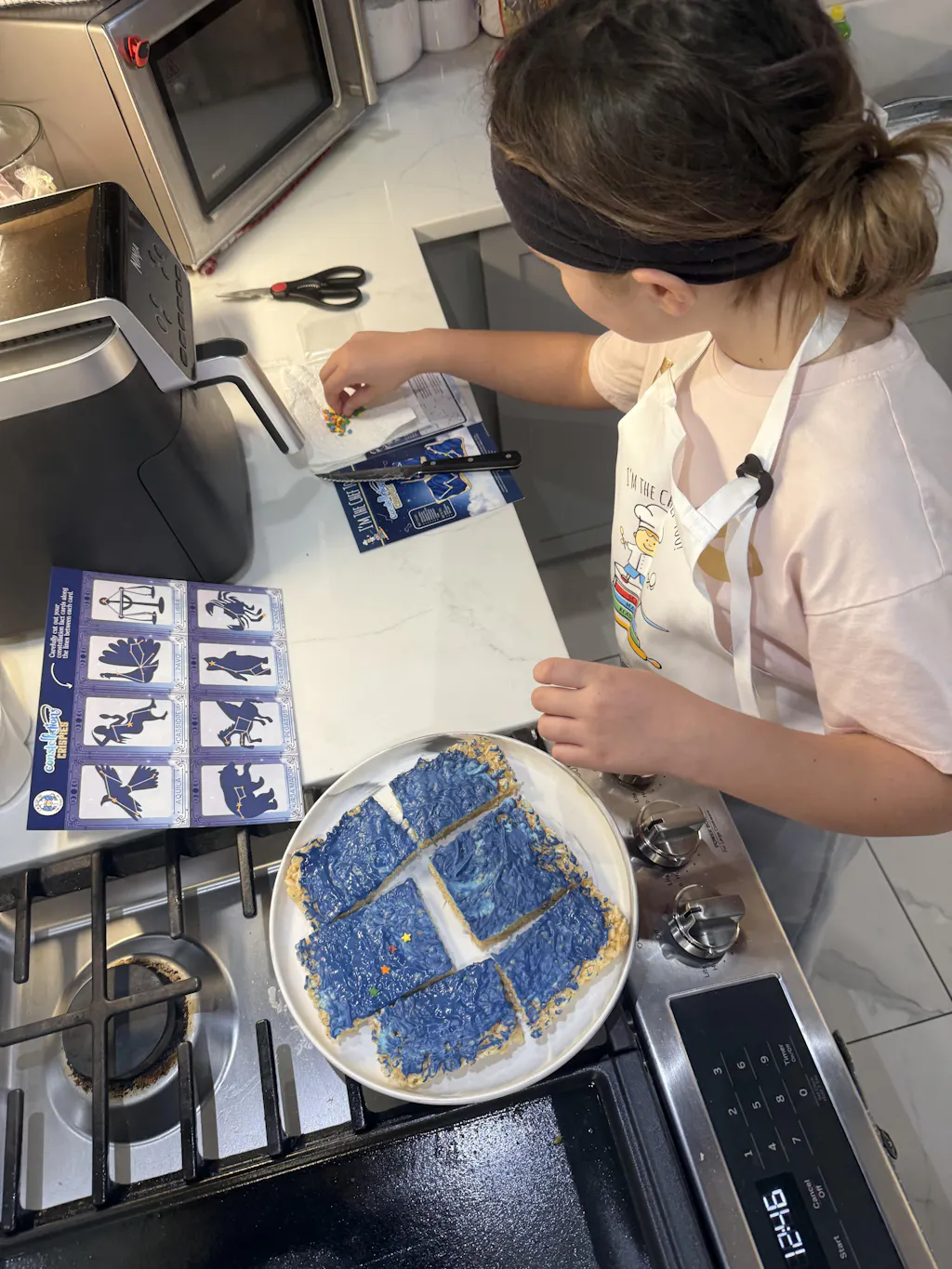
- Communication and Collaboration: Crafting together naturally encourages conversation. Children might ask for help, explain their design ideas, or simply chat about their day. Parents can use this time to listen, offer encouragement, and connect on a deeper level. For instance, while decorating an edible solar system with our Galaxy Donut Kit, families often discuss the planets and their features, transforming baking into a cosmic conversation. Egg crafts similarly open doors for rich dialogue.
- Patience and Persistence: Craft projects, especially those with multiple steps or intricate details, teach children the value of patience and persistence. When a design doesn't turn out quite as expected, parents can guide them through problem-solving, encouraging them to try a different approach rather than giving up. This resilience is a vital life skill.
- Celebrating Individuality: While crafting together, each family member's unique artistic style shines through. There's no need for every egg to look the same. Celebrating these individual expressions fosters self-esteem and reminds children that their ideas are valued.
- Mindfulness and Relaxation: The focused nature of crafting can be incredibly calming and meditative for both children and adults. It provides a quiet space for creativity to flow, reducing stress and offering a much-needed break from the fast pace of modern life.
- Creating Lasting Keepsakes: The handmade treasures created during these sessions become more than just decorations; they are tangible reminders of time spent together. A child's fingerprint egg, a collaborative yarn-wrapped creation, or a whimsical paper-quilled masterpiece becomes a story, a memory, and a symbol of family love.
At I'm the Chef Too!, we recognize the profound importance of these shared experiences. Our kits are specifically designed to be enjoyed as a family, providing everything you need for a delightful and educational adventure, without the stress of planning or grocery shopping. We believe that facilitating these screen-free, hands-on moments is one of the greatest gifts we can offer. Egg crafts, with their endless possibilities, perfectly align with this value, creating opportunities for joy, learning, and connection that will resonate long after the glue has dried.
For educators and group leaders, extending these engaging activities beyond the home can be incredibly impactful. Imagine a classroom buzzing with creativity, or a homeschool co-op exploring the wonders of science through edible experiments. We offer versatile programs for schools and groups, available with or without food components, making it easy to bring our hands-on STEM adventures to any learning environment. Learn more about our versatile programs for schools and groups and inspire a whole new generation of curious minds.
Making it Easy: I'm the Chef Too! & Your Crafting Journey
While the world of egg crafts offers endless possibilities for creativity and learning, we understand that for busy parents and educators, the idea of gathering supplies, finding instructions, and managing the mess can sometimes feel overwhelming. This is precisely where I'm the Chef Too! steps in, simplifying the process and making engaging, educational activities more accessible than ever.
Our mission is to empower families to enjoy quality time together, sparking curiosity and creativity without the usual hurdles. Just as we provide curated, hands-on cooking and STEM adventures, we aim to inspire you to embrace crafting with the same enthusiasm and ease.
Think about the convenience: Imagine having a new, exciting "edutainment" experience delivered right to your door every month. That's the magic of The Chef's Club! Each box is a complete adventure, thoughtfully designed by mothers and educators, containing pre-measured dry ingredients, specialty supplies, and easy-to-follow instructions. This means less time spent shopping and more time creating and learning with your child. The same principles of thoughtful curation and convenience can apply to your egg crafting journey – by having a well-stocked craft drawer and a collection of ideas, you're always ready for an impromptu adventure.
Whether your child is fascinated by chemical reactions, eager to explore the solar system, or simply loves the joy of creating, our kits offer a tangible, screen-free alternative that truly delivers. We focus on fostering a love for learning, building confidence, developing key skills, and creating those precious, joyful family memories – benefits that directly parallel the rich experiences gained from engaging in hands-on egg crafts.
For instance, after a rewarding session of making crystalline eggs that demonstrate fascinating scientific principles, your child might be even more excited to tackle a kit like our Erupting Volcano Cakes. Or, if their artistic flair shines through in their vibrant paper collages, they'll surely delight in creating edible works of art with our Galaxy Donut Kit, exploring astronomy while decorating delicious treats. These experiences build upon each other, creating a continuous journey of discovery.
We understand that not everyone is ready for a monthly subscription right away, which is why we also offer a diverse selection of one-time kits. This allows you to explore our unique blend of food, STEM, and art at your own pace, picking themes that perfectly match your child's current interests. From digging for edible fossils to constructing gingerbread houses, each kit is designed to make learning an unforgettable and delicious adventure.
Our commitment to providing unique, engaging, and educational experiences is at the heart of everything we do. We aim to support parents and educators in nurturing bright, creative, and curious minds, whether through our expertly designed kits or by inspiring activities like the diverse world of egg crafts.
Ready to bring more fun, learning, and deliciousness into your home? Join The Chef's Club today for a new adventure delivered monthly with free shipping in the US. Choose from our flexible 3, 6, and 12-month pre-paid plans, perfect for gifting or long-term enrichment, and unlock a world of hands-on "edutainment" for your family.
Conclusion
From the simplest painted shell to the most intricate woven paper creation, egg crafts offer an extraordinary canvas for children's creativity and a powerful platform for hands-on learning. We've journeyed through a vibrant spectrum of ideas, exploring how these accessible projects can ignite scientific curiosity, refine artistic skills, develop crucial fine motor abilities, and strengthen cognitive functions. More than just a collection of activities, egg crafts are an invitation to slow down, connect with loved ones, and immerse yourselves in the joy of discovery, away from the glow of screens.
At I'm the Chef Too!, our core philosophy centers on blending the magic of food with the wonders of STEM and the beauty of the arts. We believe in providing "edutainment" experiences that not only spark curiosity and creativity but also facilitate invaluable family bonding. These egg crafts perfectly echo our unique approach of teaching complex subjects through tangible, hands-on, and delicious adventures, all developed by dedicated mothers and educators who understand the importance of quality, engaging content.
So, gather your supplies, pick an idea (or let your child lead the way!), and dive into the wonderful world of egg crafts. You're not just making a pretty decoration; you're building confidence, nurturing a love for learning, developing essential skills, and, most importantly, creating joyous memories that will last a lifetime. These moments of shared creation are priceless, fostering a foundation of curiosity and accomplishment that will serve your children well in all their future endeavors.
Ready to keep the adventure going with even more hands-on fun and learning delivered right to your door? Join The Chef's Club today and enjoy a new, exciting kit every month with free shipping in the US. It's the perfect way to infuse your family's routine with delicious discoveries and unforgettable educational experiences!
FAQ: Your Egg Craft Questions Answered
Q1: What are the best types of eggs to use for crafts? A1: You have several options! Hard-boiled eggs are great for immediate decorating, especially with younger kids, as they are less fragile. Blown-out raw eggshells are perfect for crafts that you want to keep long-term, like ornaments, as they won't spoil. Foam, plastic, or paper-mâché craft eggs are durable, reusable, and eliminate the risk of breakage or allergies, offering a consistent surface for all kinds of decorations.
Q2: How do I safely blow out an egg? A2: This is best done by an adult. Carefully poke a small hole at the top and bottom of the raw egg with a pin or thumbtack. Wiggle the pin slightly to enlarge one hole. Use a toothpick or skewer to break the yolk inside. Then, hold the egg over a bowl and blow steadily into the smaller hole until all the contents come out. Rinse the empty shell thoroughly with water and let it air dry completely before crafting.
Q3: What if my child has an egg allergy? Can we still do egg crafts? A3: Absolutely! If there's an egg allergy, it's best to avoid real eggshells altogether, even blown-out ones, to eliminate any potential risk of contact with allergens. Instead, opt for craft eggs made from foam, plastic, or paper-mâché. These are fantastic, durable alternatives that offer the same blank canvas for creativity without the allergy concerns.
Q4: What's the best paint to use for egg crafts with kids? A4: For younger children, washable tempera paints are ideal as they're easy to clean up. Watercolors also work well for a translucent effect. For crafts that you want to be more durable and vibrant, acrylic paints can be used, but they are less washable and usually require adult supervision, especially with clean-up. Always choose non-toxic paints.
Q5: How can I make egg crafts less messy? A5: Preparation is key! Lay down newspaper, a plastic tablecloth, or a dedicated craft mat to protect your work surface. Dress children in old clothes or aprons. Use small amounts of paint and glue, and encourage the use of brushes or Q-tips rather than fingers for applying glue. Have wet wipes or a damp cloth readily available for quick clean-ups. For mess-free options, consider Washi tape crafts, sticker decorating, or drawing with markers on craft eggs.
Q6: What age are egg crafts suitable for? A6: Egg crafts are incredibly versatile and can be adapted for all ages!
- Toddlers (1-3 years): Focus on simple activities like sponge painting with washable paints, sticking large stickers, or manipulating large pieces of tissue paper with glue sticks on paper egg cutouts.
- Preschoolers (3-5 years): They can handle Q-tip painting, simple collages with pre-cut shapes, yarn wrapping (with help), and basic egg carton crafts.
- School-Aged Kids (6+ years): These children can explore more intricate techniques like crystal growing, paper quilling, detailed painting, weaving with paint chips, and complex 3D paper constructions.
Q7: How do I make homemade natural egg dyes? A7: You can create beautiful, eco-friendly dyes using common kitchen ingredients.
- Red/Pink: Beetroot (grated or chopped)
- Yellow/Gold: Turmeric powder (2-3 tablespoons per cup of water)
- Blue: Red cabbage (chopped, boiled until water is deep blue)
- Orange/Brown: Onion skins (from yellow onions)
- Green: Spinach (chopped, boiled) For each, boil the ingredient in water, then strain. Add a tablespoon of white vinegar to the dye liquid to help the color adhere. Soak hard-boiled eggs in the cooled dye for several hours or overnight for deeper colors.
Q8: Can egg crafts be educational? A8: Absolutely! As highlighted in this post, egg crafts are fantastic for "edutainment." They naturally integrate STEM concepts like chemical reactions (dyeing, crystals), engineering (building 3D structures), and math (patterns, symmetry, counting). They also boost fine motor skills, hand-eye coordination, problem-solving abilities, and artistic expression. It's a fun way for kids to learn without even realizing it!