Table of Contents
- Introduction
- Why Crafting is Essential for Kids
- Getting Started: Crafting Essentials for Stress-Free Fun
- A Treasury of Easy Crafts to Do with Kids
- Age-Appropriate Crafting: Tailoring Activities for Every Stage
- Seamlessly Integrating Learning: STEM and Art in Every Project
- Beyond the Craft: What Comes Next?
- Making Craft Time a Family Tradition
- Conclusion
- FAQ Section
Are you constantly searching for engaging, screen-free activities that captivate your children’s imaginations without overwhelming your schedule or your craft cupboard? If you’ve ever found yourself wondering how to transform a quiet afternoon into an exciting adventure, or how to encourage creative expression without a complex setup, you’re in good company. Many parents and educators wrestle with balancing educational value with genuine fun, often feeling the pressure to be constantly innovative. But what if we told you that sparking joy and learning could be as simple as gathering a few everyday items and a sprinkle of curiosity?
This post is dedicated to unveiling a treasure trove of easy crafts to do with kids, designed to inspire, educate, and delight children of all ages. We'll explore why hands-on creative play is more crucial than ever in developing essential skills, from fine motor coordination to critical thinking, and how it fosters deep connections within the family. From simple paper creations to delicious edible experiments, we’ll provide practical tips for stress-free crafting, highlight age-appropriate ideas, and show you how to effortlessly weave STEM (Science, Technology, Engineering, and Math) concepts and artistic expression into every project. Get ready to transform ordinary moments into extraordinary memories, proving that the most profound learning often happens outside the textbook – and sometimes, in the kitchen!
Introduction
In a world increasingly dominated by digital distractions, the simple act of crafting offers a refreshing antidote, drawing children into tangible experiences that stimulate their senses and challenge their minds. Far from being just "busy work," crafting is a powerful catalyst for development, igniting creativity, building confidence, and fostering crucial cognitive and physical skills. It’s an opportunity for children to explore, experiment, and express themselves in ways that screens simply cannot replicate.
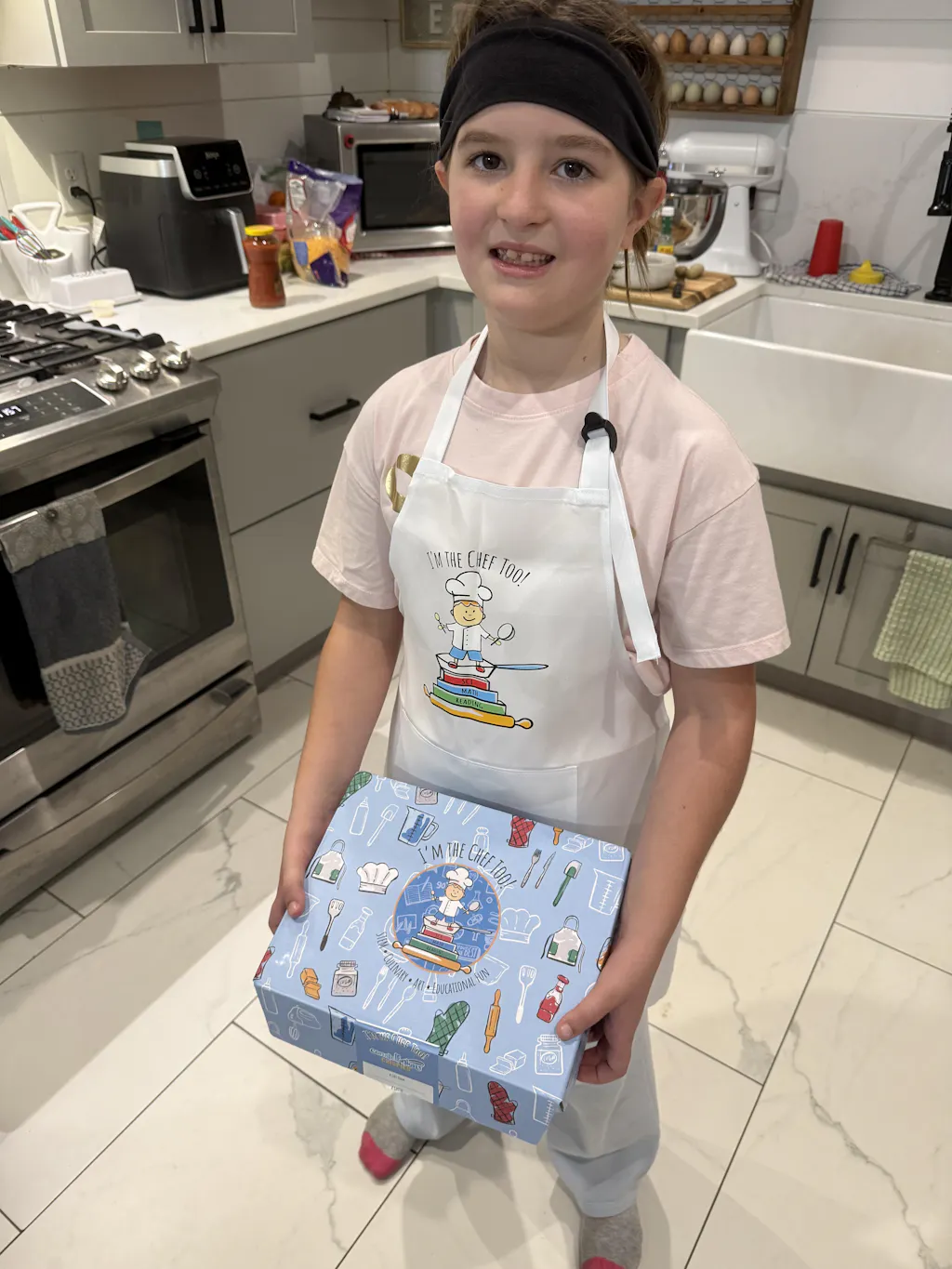
At I'm the Chef Too!, our mission is to seamlessly blend food, STEM, and the arts into one-of-a-kind "edutainment" experiences. We believe that by getting their hands messy, making delicious treats, and engaging with real-world concepts, children unlock their potential and develop a lifelong love for learning. Our kits, developed by mothers and educators, offer a unique approach to teaching complex subjects through tangible, hands-on, and delicious cooking adventures. This blog post aims to extend that philosophy, empowering you to bring that same magic into your home with easy crafts that promise big impact. We'll guide you through setting up a fun, low-stress crafting environment, offer a wealth of creative ideas for every age group, and share how these seemingly simple projects lay the groundwork for significant developmental leaps, proving that enriching education can indeed be both accessible and incredibly fun.
Why Crafting is Essential for Kids
Crafting is so much more than just a pastime; it's a fundamental pathway for children to explore the world, express themselves, and develop a wide array of critical skills. When children engage in hands-on activities, they're not just making something pretty; they're actively learning, growing, and building the foundations for future success.
Beyond Just Fun: The Educational Power of Hands-On Activities
The value of hands-on learning cannot be overstated. When kids manipulate materials, mix colors, or follow a sequence of steps, they are engaging multiple brain regions, strengthening neural pathways, and developing a deeper understanding than passive observation ever could. These experiences provide concrete ways to understand abstract concepts, making learning sticky and enjoyable. It's about empowering children to be active participants in their education, rather than mere recipients.
Nurturing Creativity and Imagination
Crafts are a blank canvas for imagination. From deciding what colors to use to inventing stories about their creations, children are constantly flexing their creative muscles. This process encourages divergent thinking—the ability to think of multiple solutions to a problem—which is a cornerstone of innovation. When a child decides their rock painting is a magical creature rather than just a painted stone, they're developing a unique perspective and confidence in their own ideas. We strive to spark this kind of curiosity and creativity in children with every activity, believing that an imaginative mind is an empowered mind.
Boosting Fine Motor Skills and Coordination
Many easy crafts to do with kids, even the simplest ones, involve actions that are crucial for developing fine motor skills. Cutting with scissors, gluing small pieces, drawing lines, molding clay, or stirring ingredients all require precision and control. These actions strengthen the small muscles in the hands and fingers, which are essential for tasks like writing, buttoning clothes, and using utensils. The hand-eye coordination honed during crafting translates directly into everyday activities, making children more adept and self-sufficient.
Fostering Problem-Solving and Critical Thinking
Crafting inevitably presents challenges: "How can I make this stick?", "What happens if I mix these two colors?", or "How do I make this shape stand up?" Each challenge is an opportunity for problem-solving. Children learn to experiment, hypothesize, and adjust their approach based on outcomes. This iterative process of trial and error teaches resilience and encourages critical thinking, as they analyze what works and what doesn't. These aren't just skills for the craft table; they're life skills that empower children to navigate complexities in all areas of their lives.
Connecting to STEM and the Arts
At I'm the Chef Too!, we wholeheartedly believe in the power of "edutainment," blending food, STEM, and the arts into exciting learning adventures. Many easy crafts to do with kids are inherently interdisciplinary, naturally weaving together concepts from various fields.
- Science comes alive through mixing ingredients for homemade playdough, observing chemical reactions when baking, or understanding properties of materials.
- Technology is explored through using tools like scissors, rulers, or even kitchen gadgets.
- Engineering skills are developed when designing and building structures, like a cardboard fort or a paper bridge.
- Math is everywhere—counting supplies, measuring ingredients, recognizing shapes and patterns.
- And, of course, the Arts are central to expressing ideas through color, texture, and form.
This integrated approach makes learning more relevant and engaging, demonstrating how these subjects are interconnected in the real world. Our unique approach allows kids to explore these concepts in a tangible, hands-on, and delicious way. If you're looking for screen-free educational alternatives that deliver a complete learning experience to your door, consider joining our monthly Chef's Club subscription. It's a fantastic way to spark curiosity and creativity, facilitating family bonding with every box.
Building Confidence and Self-Esteem
There's immense pride in creating something with your own hands. Completing a craft project, no matter how simple, gives children a tangible sense of accomplishment. It’s a powerful affirmation of their abilities: "I made this!" This boost in self-esteem encourages them to take on new challenges and believe in their capacity to learn and achieve. Celebrating their efforts, rather than just the final product, reinforces their self-worth.
Strengthening Family Bonds Through Shared Experiences
Crafting provides a wonderful opportunity for family bonding. Working on a project together encourages communication, collaboration, and shared laughter. It's a chance for parents and children to connect, learn from each other, and create lasting memories. These shared experiences are invaluable, building a strong family unit and fostering an environment where learning is a joyful, collaborative adventure. Whether it's a simple afternoon project or a more involved weekend activity, the time spent together is truly priceless.
Getting Started: Crafting Essentials for Stress-Free Fun
One of the biggest hurdles to engaging in crafts can be the perceived need for elaborate supplies or a perfectly organized craft room. The truth is, many easy crafts to do with kids require very little, and with a bit of preparation, crafting can be a joyful, low-stress experience for everyone.
Stocking Your Craft Corner: Basic Supplies
You don't need to break the bank to have a well-stocked craft corner. Focus on versatile, affordable items that can be used in countless ways. Here’s a basic list to get you started:
- Paper: Construction paper in various colors, white printer paper, cardboard scraps (from delivery boxes!), paper plates.
- Drawing & Coloring: Crayons, washable markers, colored pencils, chalk, watercolors.
- Cutting & Sticking: Kid-safe scissors, glue sticks, liquid school glue, tape (masking tape, clear tape).
- Embellishments: Googly eyes, pipe cleaners, pom-poms, cotton balls, yarn/string.
- Reusables: Toilet paper rolls, paper towel rolls, plastic bottles, egg cartons.
- Nature Finds: Leaves, small rocks, twigs, flowers, pinecones (collected during walks!).
Remember, convenience is key! If you prefer a curated experience with all the necessary dry ingredients and specialty supplies delivered right to your door, explore our full library of adventure kits available for a single purchase in our shop. It’s a perfect way to ensure you have everything you need for a fantastic project without the hassle of shopping.
The Art of Preparation: Setting Up for Success
A little preparation goes a long way in making craft time enjoyable for both you and your child.
- Choose the Right Time: Pick a moment when both you and your child are well-rested and not rushed.
- Gather All Supplies: Before you even call your child over, lay out all the materials you'll need. This avoids interruptions and keeps the flow going.
- Protect Your Workspace: Cover your table with newspaper, an old tablecloth, or a plastic mat. This makes cleanup significantly easier.
- Dress for Mess: Encourage children to wear old clothes that you don't mind getting stained.
- Explain the Project (Briefly): For younger children, a simple introduction is enough. For older kids, you can give more details or let them lead. Remember, the goal is often the process, not a perfect product.
Managing the Mess: Tips for Tidy Crafting
Mess is an inevitable, and often beneficial, part of creative play. Embrace it, but manage it!
- Designated "Messy Zone": If possible, have one area of your home where mess is more acceptable, like a kitchen table or an outdoor patio.
- Wet Wipes & Paper Towels: Keep them within arm's reach for quick cleanups.
- Small Containers: Use muffin tins, old yogurt cups, or small bowls to organize glues, paints, or small embellishments, preventing spills and making items easier to access.
- Involve Kids in Cleanup: Teach children from a young age that cleaning up is part of the crafting process. Even toddlers can help put items in a "dirty" bin or wipe down a surface.
Encouraging Independence (with supervision)
Crafting is a fantastic way to foster autonomy. While adult supervision is always necessary, especially with younger children or sharp objects, try to step back and let your child lead.
- Offer Choices: Instead of dictating, ask, "Which color do you want to use?" or "How do you think we can make this part stick?"
- Focus on the Process: Praise their effort and creativity ("I love how you chose those colors!") rather than just the outcome ("That's a perfect drawing!").
- Allow for Imperfection: Their creations won't always look like the example, and that's perfectly okay. It's their unique artistic expression.
- Provide Scaffolding: Offer just enough help to prevent frustration, but not so much that you take over the project.
Safety First: Essential Crafting Guidelines
Adult supervision is always implicitly understood and paramount when children are engaged in any activity, especially crafts.
- Age-Appropriate Tools: Ensure scissors are kid-safe blunt-tip for younger children. Use non-toxic glues and paints.
- Choking Hazards: Be mindful of small parts (googly eyes, beads, buttons) with children under three years old, or any child who still puts objects in their mouth.
- Sharp Objects: Keep craft knives or sharp tools out of reach of children. If using them, adults should always handle them.
- Allergies: If using food-based crafts, be aware of any food allergies your child or others interacting with the craft might have.
- Ventilation: If using strong-smelling glues or paints, ensure the area is well-ventilated.
By following these simple guidelines, you can create a safe, stimulating, and stress-free environment for endless creative fun.
A Treasury of Easy Crafts to Do with Kids
Now for the fun part! Here's a curated collection of easy crafts to do with kids, categorized to help you find the perfect activity for any mood or moment. Each category offers unique learning opportunities and encourages different skill sets.
Edible Crafts: Learning Through Delicious Creation
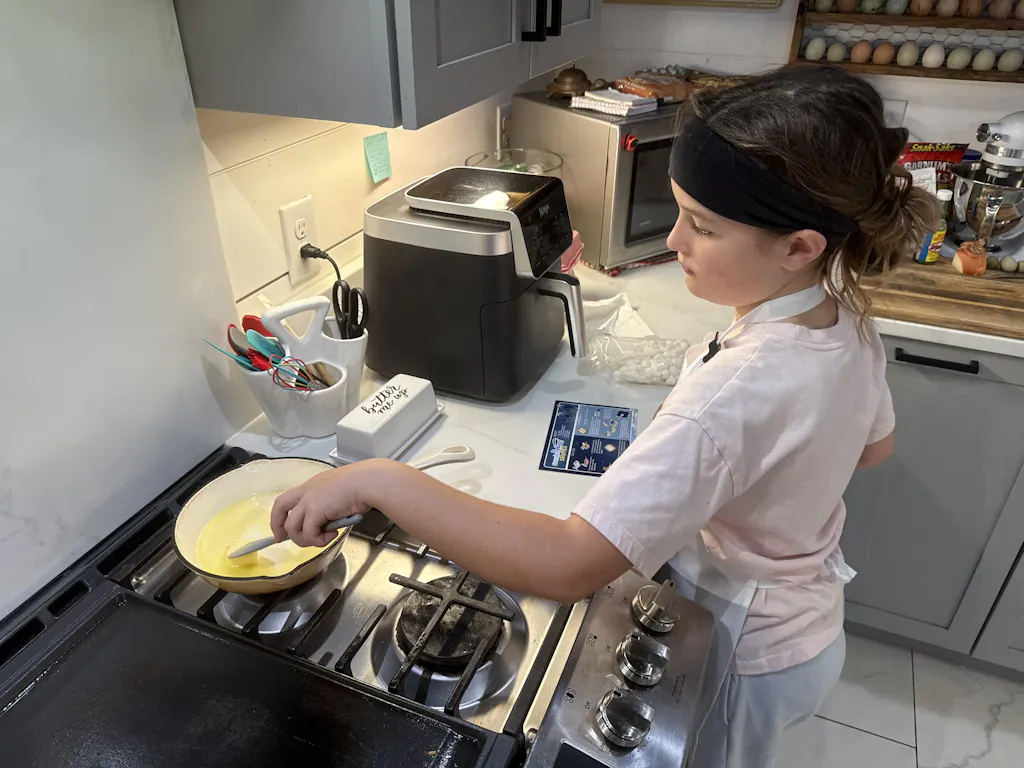
Edible crafts are a fantastic way to engage all the senses, introduce basic chemistry (baking!), and offer an immediate, delicious reward for their efforts. They naturally tie into our mission at I'm the Chef Too! by blending food with STEM and the arts.
Why Edible Crafts?
- Sensory Engagement: Children interact with different textures, smells, and tastes.
- Practical Life Skills: Measuring, mixing, following instructions are all vital.
- STEM in Action: Baking involves chemical reactions, understanding states of matter, and basic physics.
- Immediate Gratification: The joy of eating their creation!
Simple Edible Craft Ideas
- Fruit Skewers: Provide cut-up fruit (berries, melon cubes, grapes) and wooden skewers. Kids can practice patterns, fine motor skills, and healthy eating.
- Cookie Decorating: Bake or buy plain sugar cookies. Offer various icings (pre-made or simple powdered sugar glaze) and sprinkles. It's a fantastic exercise in color recognition, pattern making, and fine motor control.
- Ants on a Log: Celery sticks, peanut butter (or sunbutter), and raisins. A classic for a reason—easy, healthy, and fun. Kids can count the "ants."
- Edible Necklaces: String O-shaped cereal or small pretzels onto yarn (make a knot at one end for safety). Great for fine motor skill development and pattern recognition.
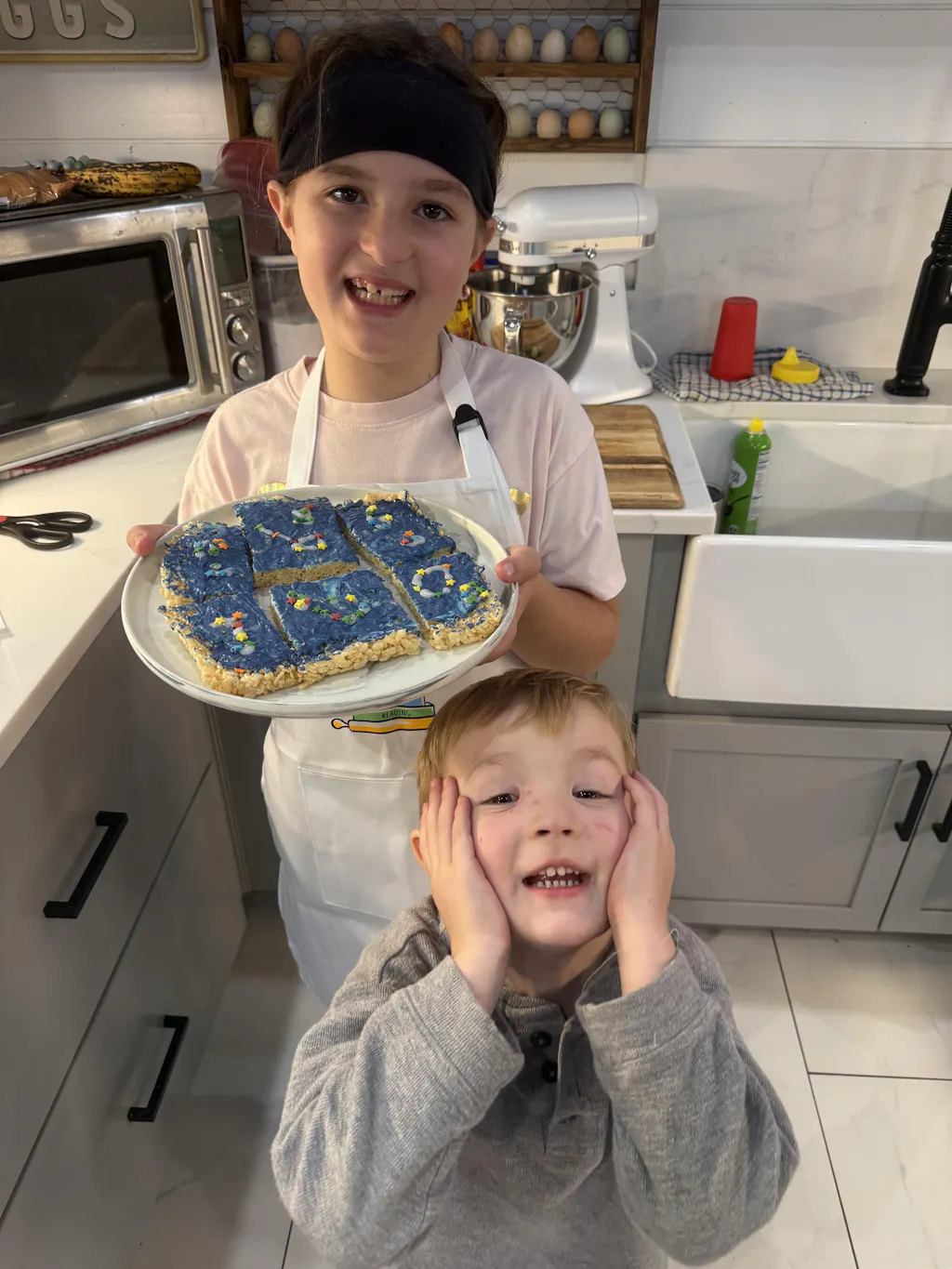
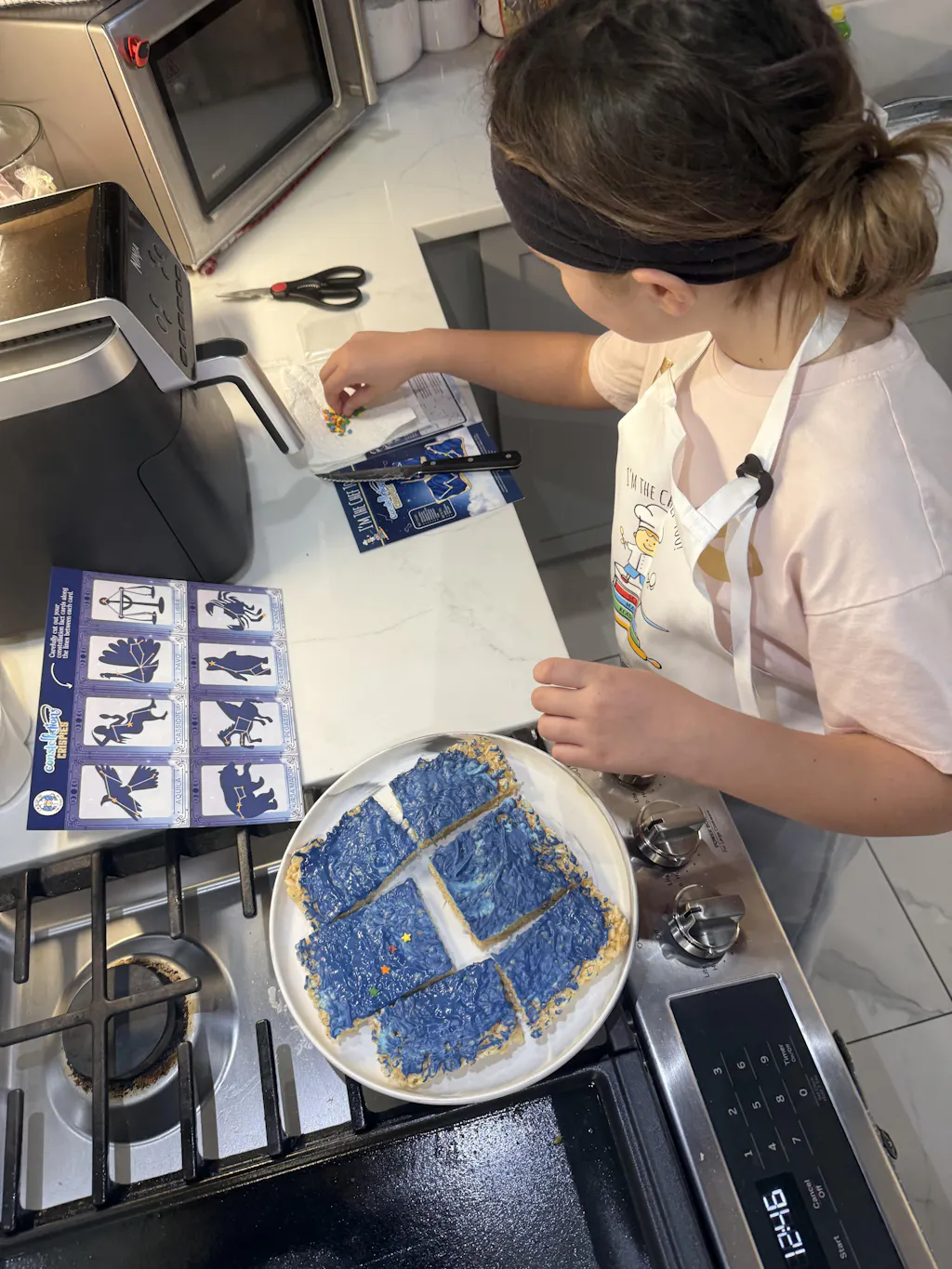
- Rice Krispie Treat Sculptures: Make a batch of Rice Krispie treats. Once cooled enough to handle but still pliable, let kids mold them into shapes or add edible decorations.
Elevating Edible Crafts with STEM
For those moments when you want to take edible crafting to the next level with a pre-planned, educational adventure, I'm the Chef Too! offers incredible options. Our kits are designed by mothers and educators to make complex subjects accessible and exciting.
Imagine exploring geology and chemical reactions by making our Erupting Volcano Cakes. Kids won't just be baking; they'll witness baking soda and vinegar create a delicious, fizzy eruption right in their kitchen! It's an unforgettable way to learn about acids and bases.
Or perhaps your child dreams of the stars? They can explore astronomy by creating their own edible solar system with our Galaxy Donut Kit, learning about planets and space while decorating delicious treats. These kits provide all the pre-measured dry ingredients and specialty supplies, making family bonding and screen-free education effortless.
Even beloved characters can make learning fun, like when kids make Peppa Pig Muddy Puddle Cookie Pies. This simple yet engaging activity brings early childhood concepts to life through delicious play.
Ready for a new adventure delivered to your door every month with free shipping in the US? Our Chef's Club subscription ensures ongoing educational fun with fresh, exciting themes designed to spark curiosity and creativity.
Nature Crafts: Bringing the Outdoors In
Nature provides an endless supply of free, inspiring craft materials. A simple walk can turn into a treasure hunt for art supplies!
Collecting Natural Treasures
Before starting, take a walk in your local park, backyard, or woods. Talk about the textures, colors, and shapes you find. Collect leaves, pebbles, twigs, pinecones, feathers, and flowers. Emphasize respectful collecting – only take what has fallen or is abundant.
Ideas:
- Leaf Rubbings: Place leaves under a piece of paper and rub the side of a crayon over them to reveal intricate patterns. Discuss leaf anatomy and different tree types.
- Rock Painting: Collect smooth rocks, wash them, and then paint them with acrylic paints. Kids can make ladybugs, monsters, mandalas, or hide them in local parks for others to find (Kindness Rocks Project!).
- Nature Collages: Use a piece of cardboard or paper as a base. Apply glue and let children arrange their collected leaves, twigs, and flowers to create a natural masterpiece.
- Twig Sculptures: Use small twigs and a bit of clay or playdough to connect them, building miniature structures, animals, or abstract forms.
- Petal Confetti: Collect fallen petals and use a hole punch to create beautiful, fragrant confetti for imaginary play or to sprinkle on nature art.
Paper Crafts: Versatile & Accessible Fun
Paper is perhaps the most fundamental craft material, readily available and incredibly versatile.
The Simplicity of Paper
Paper crafts are excellent for developing fine motor skills, understanding spatial relationships, and exploring color and form. All you need is paper, scissors, and glue!
Ideas:
- Paper Chains: Cut strips of colored paper and glue them into rings, linking them together. Great for counting, patterns, and decorating.
- Paper Plate Animals: Transform simple paper plates into animals, masks, or hats using paint, construction paper cutouts, and googly eyes.
- Paper Bag Puppets: Decorate paper bags with markers, yarn, fabric scraps, and paper cutouts to create characters for imaginative puppet shows.
- Origami: Even simple origami folds (like a paper boat or a cootie catcher) can introduce children to geometry and precise movements. Look up beginner tutorials for kids.
- Homemade Cards: Encourage kids to make cards for family and friends. It fosters kindness and allows for complete creative freedom with drawing, cutting, and gluing.
- Paper Snowflakes: A classic for a reason! Folding and cutting paper in different ways reveals fascinating symmetrical patterns.
Sensory Crafts: Engaging All the Senses
Sensory play is vital for young children, helping them understand the world around them through touch, sight, smell, and even sound.
The Importance of Sensory Play
These activities aid in cognitive development, fine motor skills, language development, and problem-solving, all while providing a calming or stimulating experience.
Ideas:
- Homemade Playdough: Mix flour, salt, water, cream of tartar, oil, and food coloring. Kids can help with the mixing, kneading, and then hours of molding fun. Talk about textures and how the ingredients transform.
- Slime: A perennial favorite! There are many safe, non-toxic recipes using glue, borax solution (or liquid starch/contact lens solution). Explain the chemical reaction as they mix. Always supervise slime making and play.
- Sensory Bins: Fill a bin with dried rice, beans, pasta, or sand. Add scoops, small toys, measuring cups, and natural elements. Kids can explore textures, practice pouring and scooping, and engage in imaginative play.
- Textured Collages: Provide a variety of materials with different textures: cotton balls, sandpaper, fabric scraps, yarn, aluminum foil, feathers. Let kids glue them onto paper to create a tactile masterpiece.
- Shaving Cream Art: Spray shaving cream onto a tray, spread it out, and add drops of food coloring. Kids can swirl the colors with a stick or finger, creating beautiful marbled patterns. Then press a piece of paper onto it to transfer the design.
Recycled Crafts: Upcycling for Creativity
Teaching kids to reuse and repurpose materials is a fantastic way to introduce environmental awareness and spark ingenuity. "Waste" becomes a resource!
Turning Trash into Treasure
Look at your recycling bin with new eyes. Cardboard boxes, toilet paper rolls, plastic bottles, and egg cartons can all be transformed into amazing creations.
Ideas:
- Cardboard Box Creations: The ultimate open-ended craft. A large box can become a car, a house, a robot, a puppet theater, or a fort. Provide paint, markers, tape, and scissors, and let their imaginations run wild.
- Toilet Paper Roll Animals/Characters: Cut, paint, and decorate empty toilet paper rolls to create an entire cast of characters, from animals to superheroes. Add pipe cleaners for arms or legs, or paper cutouts for features.
- Plastic Bottle Rockets: Decorate plastic bottles with paper fins and nose cones. These can be launched with simple air pumps for a fun science experiment (adult supervision essential for bottle rockets).
- Egg Carton Critters/Flowers: Cut up egg cartons to create individual "cups" that can be painted and transformed into caterpillars, flowers, or other creatures.
- Newspaper Art: Use old newspapers for papier-mâché, tearing, or cutting out shapes for collages. Discuss recycling and how old paper can be transformed.
Process Art: Focusing on the Journey, Not Just the Product
Process art emphasizes the experience of creating over the finished piece. It's about exploration, experimentation, and discovery, without the pressure of a perfect outcome.
What is Process Art?
Unlike product-oriented crafts where the goal is a recognizable item (like a painted rock ladybug), process art allows children complete freedom to experiment with materials and techniques. The focus is on the actions, textures, colors, and sensations involved in the art-making itself. This approach truly nurtures creativity and helps build confidence without the stress of "getting it right."
Ideas:
- Finger Painting: Provide large sheets of paper and washable finger paints. Let kids explore colors, textures, and movements with their hands. It's wonderfully tactile and liberating.
- Splatter Painting: (Best done outdoors!) Dip brushes in watered-down paint and let kids flick, tap, or throw paint onto a large canvas or sheet on the ground. Cover surrounding areas to protect from paint.
- Open-Ended Collage: Lay out a diverse collection of materials—paper scraps, fabric bits, yarn, natural items, magazine cutouts—with glue. Allow children to arrange and attach them however they wish, without a specific image in mind.
- Scribble Drawing: Give children large paper and a variety of drawing tools (crayons, markers, pastels) and encourage them to just make marks, lines, and shapes without any specific intention. Discuss the patterns and feelings evoked.
- Marble Painting: Place a piece of paper inside a shallow box. Dip marbles in paint, then drop them into the box and gently tilt the box to roll the marbles across the paper, creating unique lines and patterns.
These easy crafts to do with kids are just a starting point. The real magic happens when you give children the freedom to experiment and make them their own. Remember, the goal is not perfection, but participation and joyful discovery! And for those times you want all the fun without any of the planning, don't forget to explore our comprehensive collection of one-time kits, designed to bring unique, educational adventures right to your home.
Age-Appropriate Crafting: Tailoring Activities for Every Stage
Understanding your child's developmental stage is key to selecting easy crafts to do with kids that will be engaging, appropriately challenging, and safe. What delights a toddler might frustrate an older child, and vice versa.
Toddlers (1-3 years): Simple, Sensory, Safe
For toddlers, the focus should be on sensory exploration, cause-and-effect, and developing very basic motor skills. Safety is paramount, as everything goes in the mouth!
- Key Skills: Gross motor, early fine motor (palmar grasp), sensory exploration, basic cause-and-effect.
-
Craft Ideas:
- Edible Finger Painting: Use yogurt, pureed fruits/vegetables, or even pudding as "paint" on a highchair tray or large paper. Completely safe for tasting!
- Water Play: A basin of water with sponges, measuring cups, and plastic toys. Simple yet incredibly engaging.
- Large Block Stacking: Building towers and knocking them down.
- Sticker Peeling and Sticking: Use large, easy-to-peel stickers on paper.
- Playdough Exploration: Allow them to squish, roll, and poke store-bought or homemade playdough (ensure it's taste-safe if they're still mouthing objects).
- Tips: Keep sessions short. Supervise closely. Use large, non-toxic materials. Focus on the experience, not the product.
Preschoolers (3-5 years): Developing Skills, Imaginative Play
Preschoolers are gaining more control over their fine motor skills, developing longer attention spans, and engaging in rich imaginative play.
- Key Skills: Fine motor control (pincer grasp), scissor skills (blunt-tip), color recognition, shape recognition, imaginative storytelling, following simple instructions.
-
Craft Ideas:
- Simple Collages: Provide pre-cut shapes, fabric scraps, leaves, and a glue stick.
- Paper Plate Animals/Masks: Paint and decorate paper plates to make familiar creatures.
- Building with Recycled Materials: Cardboard boxes become forts, paper towel rolls become telescopes.
- Basic Painting: Easel painting with washable paints, sponge painting.
- Playdough Creations: Encourage making specific shapes or "foods."
- Tips: Offer clear, simple instructions. Encourage them to talk about what they are making. Allow for messy exploration. Introduce basic tools like kid-safe scissors.
Early Elementary (5-8 years): Following Instructions, Introducing Concepts
Children in early elementary school are refining their fine motor skills, becoming more capable of following multi-step instructions, and beginning to grasp more complex concepts.
- Key Skills: Advanced fine motor, independent cutting, drawing, and gluing, understanding sequence, basic STEM concepts, expressing emotions through art, problem-solving.
-
Craft Ideas:
- Origami: Simple folds like paper cranes or boxes.
- Nature Weaving: Weave natural items into a cardboard loom.
- Salt Dough Ornaments: Make dough, cut shapes, bake, and then paint.
- Science-Based Crafts: Making slime, simple edible experiments like the Erupting Volcano Cakes (adult supervision for baking), or creating edible constellations with our Galaxy Donut Kit.
- Drawing Challenges: "Draw a monster with 5 eyes and 3 tails."
- Friendship Bracelets: Simple braiding or knotting techniques.
- Tips: Introduce crafts with a clear goal but allow for personalization. Encourage reading and following visual instructions. Connect crafts to school subjects or topics of interest (e.g., dinosaurs, space, animals). Our monthly Chef's Club subscription is perfect for this age group, delivering exciting, themed projects that blend learning with delicious fun.
Upper Elementary (8-12 years): More Complex Projects, Independence, STEM Focus
This age group thrives on more complex projects that offer a sense of accomplishment, opportunities for independent work, and deeper dives into STEM concepts.
- Key Skills: Planning, executing multi-step projects, detailed fine motor work, advanced problem-solving, understanding scientific principles, design thinking, patience.
-
Craft Ideas:
- Model Building: From cardboard, craft sticks, or even specific model kits.
- Sewing/Embroidery: Basic hand sewing to create pouches, simple stuffed animals, or decorate fabric.
- Coding Crafts: Projects that combine art with basic coding concepts (e.g., using circuits to light up a paper creation).
- Advanced Edible Art: Baking and decorating more intricate cookies or cakes, learning about specific culinary techniques. Our kits, like the ones that teach about planets through delicious treats, are ideal for this age.
- DIY Board Games: Design and create their own game board, pieces, and rules.
- Origami Challenges: More complex folds and multi-piece creations.
- Tips: Offer open-ended challenges with fewer step-by-step instructions. Provide access to reference books or online tutorials. Encourage them to research ideas and experiment with different techniques. Discuss the scientific or engineering principles behind their creations.
By tailoring activities to your child's stage, you ensure that crafting remains a source of joy and growth, rather than frustration.
Seamlessly Integrating Learning: STEM and Art in Every Project
At I'm the Chef Too!, our core philosophy revolves around the idea that learning should be an integrated, immersive experience. We understand that the most effective education happens when subjects aren't siloed but rather woven together into a rich tapestry of discovery. This is why we blend food, STEM, and the arts into every single one of our "edutainment" adventures. You can easily apply this philosophy to any of the easy crafts to do with kids that you choose for your family.
The I'm the Chef Too! Philosophy in Action
Our unique approach, developed by mothers and educators, ensures that children don't just complete a craft; they engage with underlying scientific principles, engineering challenges, mathematical concepts, and artistic expression. For instance, making a simple edible treat becomes a lesson in chemistry, measuring, and design. This holistic method sparks genuine curiosity and creativity, providing a screen-free educational alternative that's both meaningful and memorable.
Connecting Science: Chemical Reactions, States of Matter, Botany
Every craft holds scientific potential.
- Chemical Reactions: When making homemade playdough, discuss how the different ingredients combine and change properties. Baking offers countless examples, from yeast making dough rise to ingredients transforming under heat. (Like the exciting fizz in our Erupting Volcano Cakes!)
- States of Matter: Observe water turning into ice (solids), then melting (liquids). Discuss how slime is a non-Newtonian fluid.
- Botany: When doing nature crafts, talk about how leaves get their color, why certain plants have different textures, or how seeds grow.
Exploring Technology: Tools and Techniques
"Technology" isn't just about screens. It's about tools and processes that make tasks easier or enable new creations.
- Simple Tools: Discuss how scissors, glue guns (adult use only!), rulers, and even kitchen utensils are technological aids.
- Techniques: Learning different painting techniques, folding methods in origami, or how to braid yarn are all forms of mastering "crafting technology."
- Digital Integration (Optional): Older kids might use a tablet to research craft ideas, watch tutorials, or even design elements for their craft digitally before printing.
Engineering Challenges: Design and Build
Engineering is all about designing and building solutions to problems.
- Structural Integrity: When building with cardboard boxes or craft sticks, ask: "How can we make this tower stronger?" "How will this bridge hold weight?"
- Problem-Solving: If a craft isn't working as planned, encourage children to troubleshoot and redesign. This is pure engineering thinking!
- Measuring and Cutting: Precision in these areas is crucial for successful construction, whether it's for a paper airplane or a model car.
Mathematical Concepts: Measuring, Counting, Patterns
Math is woven into nearly every craft.
- Counting: Counting out pom-poms, beads, or paper strips.
- Measuring: Measuring yarn, cutting paper to specific lengths, or using measuring cups in edible crafts.
- Shapes and Geometry: Identifying squares, circles, and triangles in materials. Creating symmetrical patterns (like paper snowflakes) or understanding how different shapes fit together.
- Patterns: Creating repeating patterns with colors, shapes, or objects in a collage or an edible necklace.
Artistic Expression: Color, Texture, Form
The arts are the heart of crafting, allowing for personal expression and aesthetic appreciation.
- Color Theory: Discuss how colors make them feel, how colors combine, or creating warm and cool color palettes.
- Texture: Explore the tactile differences between sandpaper, cotton balls, smooth stones, and rough bark. How do these textures add to their art?
- Form and Space: How do 2D shapes become 3D forms? How do they arrange elements on their paper to fill space effectively?
- Storytelling: Encourage children to tell stories about their creations, giving them meaning and context.
By consciously pointing out these connections, you elevate easy crafts to do with kids from mere playtime to rich learning experiences. You’re not just making a paper plate animal; you’re engaging in a multi-disciplinary project that touches on biology, engineering, and artistic design, fostering a love for learning that lasts a lifetime.
Beyond the Craft: What Comes Next?
The experience of crafting doesn't end when the glue dries or the edible treat is devoured. There are valuable steps you can take to extend the learning and enjoyment, reinforcing the benefits of their creative endeavors.
Displaying Their Masterpieces
Showing off their work validates your child's efforts and boosts their confidence.
- Art Gallery Wall: Dedicate a space on a wall or refrigerator to display their creations. Rotate the art regularly.
- Special Shelf: Have a designated shelf where finished 3D crafts can live for a while.
- Gift-Giving: Encourage them to give their creations as gifts. This teaches generosity and the joy of making something special for someone else.
- Photography: Take photos of their work. This is especially useful for ephemeral crafts like sand art or snow sculptures, preserving the memory.
Sharing the Story: Encouraging Communication
The story behind the craft is often as important as the craft itself.
- Ask Open-Ended Questions: Instead of "What is it?", try "Tell me about your creation," or "What was your favorite part of making this?"
- Encourage Narrative: "Who lives in that cardboard house?" "What adventures will your monster have?" This builds language skills and imagination.
- Listen Actively: Give them your full attention as they describe their process and ideas. This shows you value their thoughts and efforts.
Reflecting and Learning
Taking a moment to reflect on the process can deepen the learning experience.
- What Did You Learn? "What new thing did you discover about colors today?" "Was there anything tricky? How did you solve it?"
- What Would You Do Differently? "If you made this again, what changes would you make?" This fosters critical thinking and encourages iterative improvement.
- Connect to Real Life: "Where else do you see patterns like the one you made?" "How is building this similar to how a builder constructs a house?"
Making Craft Time a Family Tradition
In our busy lives, carving out dedicated time for family activities can feel challenging. Yet, establishing craft time as a regular family tradition offers immeasurable benefits, creating cherished memories and fostering strong bonds. At I'm the Chef Too!, facilitating family bonding is at the heart of what we do. We believe that by creating together, families not only share laughter and learning but also build a foundation of connection that withstands the demands of modern life.
Imagine Saturday mornings spent concocting edible masterpieces, or a rainy afternoon transformed into an art studio. These are the moments that truly matter, providing a screen-free educational alternative where everyone participates and learns. Whether you're all working on a collaborative project or each pursuing individual creative endeavors side-by-side, the shared experience is invaluable. It teaches children the importance of dedicated time with loved ones, the joy of creating something tangible, and the satisfaction of a job well done.
To make it a lasting tradition, keep it flexible, fun, and low-pressure. Some weeks it might be an elaborate baking project; other times, just simple drawing. The consistency of the time, however, signals its importance. For those seeking a convenient, enriching way to make craft and cooking time a monthly family tradition, our Chef's Club subscription is the perfect solution. Each box arrives with a complete adventure, taking the guesswork out of planning and allowing you to focus on what truly matters: making memories and sparking creativity together.
Conclusion
Embarking on a journey of easy crafts to do with kids is far more than just filling an afternoon; it’s an investment in your child's holistic development, fostering creativity, honing essential motor skills, and nurturing a curious mind. From the simplest paper creations to delicious edible experiments, each project offers a unique opportunity for learning, problem-solving, and self-expression. We've seen how these hands-on activities, whether a quick nature collage or a more involved STEM cooking adventure, lay critical foundations for academic success and personal growth.
At I'm the Chef Too!, our mission is rooted in the belief that blending food, STEM, and the arts creates truly unforgettable "edutainment" experiences. We are dedicated to sparking curiosity and creativity, facilitating precious family bonding, and providing a screen-free educational alternative that's both meaningful and delicious. By embracing the power of tangible, hands-on learning, we empower children to become confident explorers of their world, one exciting project at a time.
So, gather your supplies, open your minds to the wonders of creation, and prepare for countless moments of joy, discovery, and connection. The journey of crafting is a gift that keeps on giving, building skills, boosting confidence, and weaving a rich tapestry of family memories.
Ready to embark on a new adventure every month, delivered right to your door? Join the thousands of families already enjoying the magic of I'm the Chef Too! Our Chef's Club subscription is the ultimate way to ensure a steady stream of engaging, educational, and delicious experiences for your children. Choose from flexible 3, 6, and 12-month pre-paid plans, perfect for gifting or long-term enrichment. Each box is a complete experience, containing pre-measured dry ingredients and specialty supplies, all with free shipping in the US. Spark curiosity, foster creativity, and make learning an unforgettable family tradition today.
Join The Chef's Club and Start Your Adventure!
FAQ Section
Q1: How do I get my child interested in crafts if they usually prefer screens? A1: Start small and make it appealing. Instead of a long, complex project, try a 10-minute "invitation to create" with just a few materials. Connect the craft to their interests – if they love superheroes, make a superhero mask. Edible crafts are often a great gateway, as the delicious reward is a strong motivator. Our I'm the Chef Too! kits are specifically designed to be engaging and fun, blending interests like space or dinosaurs with delicious cooking, offering a fantastic screen-free alternative.
Q2: What are the best easy crafts for toddlers and very young children? A2: For toddlers (ages 1-3), focus on sensory exploration and very simple actions. Edible finger painting with yogurt or pudding, playing with homemade playdough, water play with sponges and cups, or simply peeling and sticking large stickers are fantastic. Always ensure all materials are non-toxic and supervise closely, as items often go into their mouths.
Q3: How can I make crafting less messy? A3: Preparation is key! Lay down newspaper, an old tablecloth, or a plastic mat before you start. Use small containers (like muffin tins) for glue, paint, and small embellishments to prevent spills. Keep wet wipes and paper towels within arm's reach. And crucially, involve your child in the cleanup process from a young age – it teaches responsibility and makes it less daunting for you.
Q4: Do I need expensive supplies for crafting with kids? A4: Absolutely not! Many wonderful, easy crafts to do with kids can be made with items you already have at home or collected from nature. Think recycled materials like cardboard boxes, toilet paper rolls, and egg cartons. Basic supplies like paper, crayons, kid-safe scissors, and glue are usually enough. For a completely hassle-free experience with all specialty ingredients and supplies, you can explore our full collection of one-time kits.
Q5: How can I connect crafts to STEM learning? A5: Many crafts inherently involve STEM! When mixing ingredients for playdough or baking, you're doing chemistry. Building structures with recycled materials is engineering. Counting pieces or measuring ingredients is math. Observing how colors mix is science. Always ask open-ended questions like "What do you think will happen if...?" or "How can we make this stronger?" Our I'm the Chef Too! kits are specifically designed to integrate STEM with delicious cooking, like making Galaxy Donut Kit to learn about astronomy or Erupting Volcano Cakes for chemical reactions.
Q6: What if my child doesn't want to follow the instructions for a craft? A6: That's perfectly fine! Encourage process art, where the focus is on exploration and experimentation rather than a perfect end product. Give them the materials and let them create whatever they wish. This fosters independent thinking and creativity. You can gently guide, but avoid dictating. The goal is engagement and enjoyment, not conformity.
Q7: How often should we do crafts? A7: The frequency depends on your family's schedule and interest. Even 15-30 minutes of dedicated craft time once or twice a week can make a huge difference. The key is consistency and making it a positive, enjoyable experience rather than a chore. Our monthly Chef's Club subscription offers a convenient way to integrate a high-quality, screen-free educational adventure into your routine every month.