Table of Contents
- Introduction
- Why Christmas Crafts Are a Winter Wonderland of Learning for Preschoolers
- Setting the Stage: Essential Tips for Stress-Free Christmas Crafting
- Stocking Your Creative Pantry: Essential Craft Materials for Holiday Fun
- Our Favorite Christmas Crafts for Preschool Kids: A World of Creative Exploration
- Beyond the Crafts: Integrating Learning and Fun Year-Round
- Conclusion
- FAQ: Your Christmas Crafting Questions Answered
Imagine a quiet, frosty morning. The scent of pine needles fills the air, carols hum softly in the background, and your little one’s eyes sparkle with anticipation. What better way to capture that magical Christmas spirit than by diving into a world of vibrant colors, intriguing textures, and boundless creativity with some delightful crafts? Christmas isn't just about presents; it's about making memories, sparking joy, and nurturing tiny minds through hands-on exploration. For preschoolers, this festive season offers a golden opportunity to develop essential skills while creating treasured keepsakes that will warm hearts for years to come.
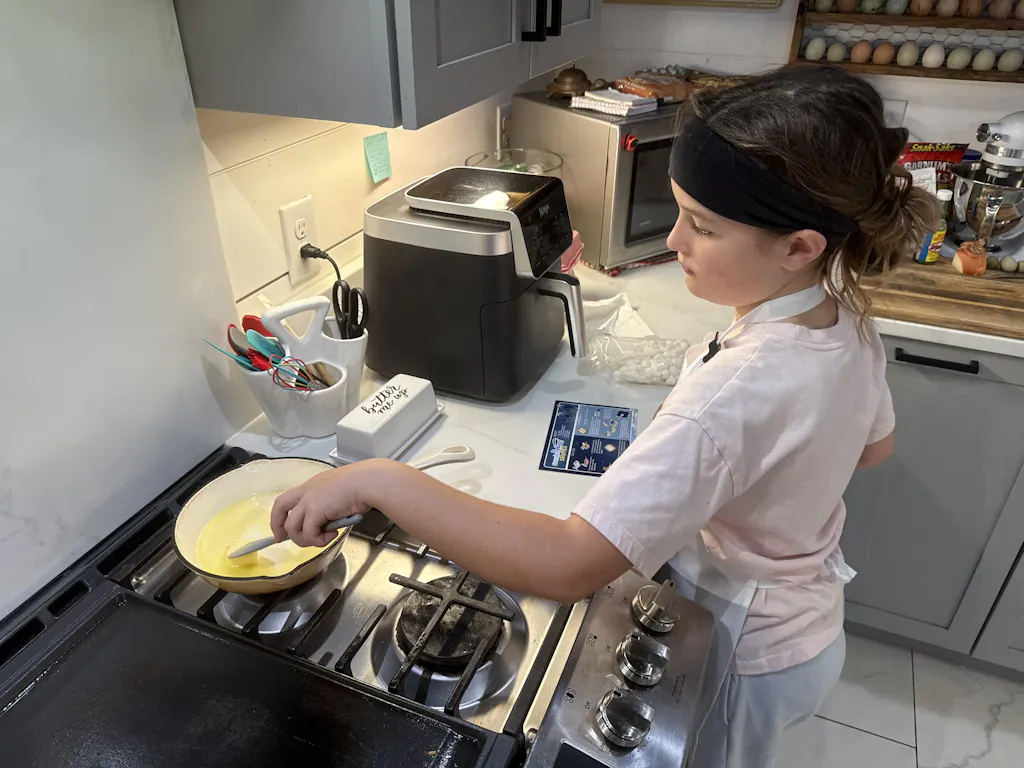
At I'm the Chef Too!, we believe that learning should always be an adventure, blending the magic of food, the wonder of STEM, and the beauty of the arts into one-of-a-kind "edutainment" experiences. Our mission, crafted by mothers and educators, is to ignite curiosity and creativity in children, foster beautiful family bonding moments, and offer a truly engaging, screen-free educational alternative. Just as we use delicious cooking adventures to teach complex subjects, Christmas crafts provide a tangible, joyful pathway for preschoolers to discover, create, and grow. This comprehensive guide will take you through a wonderland of easy and engaging Christmas craft ideas specifically designed for preschoolers, highlighting the incredible developmental benefits of each activity, offering practical tips for parents and educators, and ensuring your holiday season is filled with laughter, learning, and love. Get ready to transform everyday materials into festive masterpieces and create memories that will last a lifetime!
Introduction
As the days grow shorter and the festive lights begin to twinkle, there's an undeniable magic that fills the air around Christmas. For young children, this season is a kaleidoscope of new sensations, exciting traditions, and boundless wonder. While the allure of presents is certainly strong, the true enchantment of Christmas often lies in the shared experiences and the simple act of creation. What if we told you that amidst the holiday hustle, you could easily transform ordinary moments into extraordinary learning opportunities, all while making beautiful, personalized decorations and gifts?
This blog post is your ultimate guide to embracing the holiday spirit through a delightful array of Christmas crafts perfectly suited for preschool-aged children. We understand that finding activities that are both engaging and developmentally appropriate can be a challenge, which is why we've curated a collection of ideas that are not only fun but also packed with educational benefits. From strengthening fine motor skills and encouraging creative expression to fostering cognitive development and building confidence, these crafts offer a holistic learning experience. We'll delve into everything from simple paper projects and sensory-rich creations to edible delights, just like the hands-on adventures we champion here at I'm the Chef Too!. Our goal is to empower you with inspiration and practical advice, ensuring that your preschooler's Christmas is filled with discovery, artistic achievement, and heartwarming family connections. Let’s sprinkle some holiday magic and get crafting!
Why Christmas Crafts Are a Winter Wonderland of Learning for Preschoolers
Engaging in crafts isn't just about making something pretty; it's a powerful avenue for holistic child development. For preschoolers, whose brains are rapidly forming connections and exploring the world around them, Christmas crafts offer a festive, hands-on laboratory for learning. These activities align perfectly with our philosophy at I'm the Chef Too!, where we believe that tangible, immersive experiences are the best teachers.
Nurturing Fine Motor Skills and Hand-Eye Coordination
Think about the tiny tasks involved in crafting: grasping a crayon, cutting a paper shape, gluing a pom-pom, or carefully placing a button. Each of these actions is a mini-workout for small hands, strengthening the muscles in the fingers, hands, and wrists. This fine motor development is crucial for future skills like writing, dressing themselves, and even using utensils. When a preschooler threads yarn through a paper plate or molds salt dough, they are refining their pincer grasp and improving their dexterity. Hand-eye coordination is also significantly boosted as they learn to guide their hands to perform specific actions with precision. This is very similar to how children develop precision in our cooking kits when they're measuring ingredients or decorating their edible creations.
Sparking Creativity and Imagination
The blank canvas of a craft project is an invitation to explore endless possibilities. There’s no "right" way to decorate a gingerbread man cutout or design a Christmas tree. Preschoolers are encouraged to think outside the box, experiment with colors, textures, and shapes, and bring their unique visions to life. This freedom of expression is vital for fostering imagination and originality. When we empower children to create something entirely their own, we're not just building confidence, we're also teaching them to embrace their individual artistic voice. Just as our cooking STEM kits encourage kids to imagine a galaxy of flavors or excavate edible fossils, Christmas crafts provide a low-stakes environment for imaginative play.
Boosting Cognitive Development
Crafts involve more than just physical actions; they engage the brain in various cognitive processes. Children learn to follow instructions (even simple ones), problem-solve (e.g., "How do I make this stick?"), identify shapes and colors, and understand cause and effect (e.g., "If I add too much glue, it gets messy"). They also begin to understand concepts like symmetry, patterns, and spatial awareness. Counting buttons, sorting beads by color, or discussing the steps of a project all contribute to early math and logic skills. These foundational cognitive abilities are key components of the "complex subjects" we aim to make accessible and fun through our I'm the Chef Too! experiences.
Fostering Emotional Expression and Confidence
Creating something from scratch, especially a gift or a decoration, provides an immense sense of accomplishment. Preschoolers beam with pride when they see their artwork displayed or share it with loved ones. This positive reinforcement builds self-esteem and encourages them to take on new challenges. Crafts also offer a healthy outlet for emotional expression, allowing children to channel their energy and feelings into a productive and joyful activity. The process, rather than just the outcome, becomes a journey of self-discovery and resilience.
Encouraging Language and Social Skills
Crafting often happens in a shared space, whether it’s at home with family or in a classroom setting. This naturally encourages conversation, negotiation, and cooperation. Children can describe their creations, ask for help, share materials, and learn to appreciate the work of others. Discussing colors, shapes, and the steps of a craft also expands their vocabulary and reinforces descriptive language. These social interactions are invaluable for developing empathy and communication skills, making craft time a wonderfully collaborative experience that strengthens family bonds – a core value here at I'm the Chef Too!.
Ready to bring more fun, learning, and connection into your family's routine? Don't let the holiday season be the only time for these enriching activities! Join The Chef's Club today and have a new adventure delivered to your door every month with free shipping! It's the perfect way to keep the "edutainment" going all year round.
Setting the Stage: Essential Tips for Stress-Free Christmas Crafting
Before you dive into the glitter and glue, a little preparation goes a long way in ensuring a smooth, enjoyable, and mess-manageable crafting session. Remember, the goal is fun and learning, not perfection!
1. Preparation is Key
- Gather Materials First: Nothing derails a crafting session faster than having to search for a missing item mid-project. Lay out all necessary materials (paper, glue, scissors, paint, decorative items) before inviting your little crafters to the table.
- Set Up Your Workspace: Cover your table with a disposable tablecloth, old newspapers, or a large craft mat. Have wet wipes or a damp cloth readily available for quick clean-ups.
- Dress for Success (or Mess!): Outfit your preschoolers (and yourselves!) in old clothes or smocks. Assume that paint, glue, or glitter will end up on clothing, and embrace it as part of the creative process.
2. Prioritize Safety
- Child-Friendly Tools: Always use blunt-tip scissors designed for children. Opt for non-toxic, washable paints and glues.
- Supervision is a Must: Never leave young children unsupervised with craft materials, especially small items that could be a choking hazard or sharp tools.
- Age Appropriateness: Choose crafts that match your preschooler's developmental stage. Simple tasks prevent frustration and ensure a positive experience. If they're not ready for intricate cutting, focus on gluing, painting, or tearing.
3. Embrace the Process, Not Just the Product
- Lower Expectations: A preschooler's craft often won't look like the perfectly curated image you saw online, and that's absolutely wonderful! The value lies in their effort, exploration, and unique interpretation.
- Focus on the Journey: Encourage experimentation. Ask open-ended questions like, "What do you think will happen if you mix these colors?" or "How does that texture feel?" The learning happens in the doing and the discovering.
- Let Them Lead: Offer choices and allow your child to make decisions about colors, materials, and placement. This fosters autonomy and a sense of ownership over their creation.
4. Manage the Mess (Gracefully)
- Small Portions: Dispense paint, glue, and glitter in small amounts to minimize waste and major spills. You can always add more!
- Designated Drying Area: Have a clear space where finished projects can dry undisturbed.
- Involve Them in Cleanup: Teach them responsibility by having them help put away supplies or wipe down surfaces (even if it's just with a damp cloth). Make it part of the routine.
By keeping these tips in mind, you're not just preparing for a craft session; you're creating a nurturing environment where your preschooler can truly thrive, learn, and express themselves. These moments of shared creation are priceless, building those beautiful family bonds that are so central to our mission at I'm the Chef Too!.
Stocking Your Creative Pantry: Essential Craft Materials for Holiday Fun
You don't need a fancy craft store to gather amazing supplies for Christmas. Many wonderful materials are likely already in your home or can be found affordably. Thinking of your craft cabinet like a "creative pantry" for "edutainment" activities, just like we pack our cooking kits with exciting ingredients, can make the process even more fun!
The Basics (Your Go-To Staples)
-
Paper, Paper, Everywhere!
- Construction Paper: A rainbow of colors is perfect for cutting, tearing, folding, and gluing. Red, green, white, and brown are essential for Christmas themes.
- White Paper/Cardstock: Great for drawing, painting, or as a sturdy base for collages. Cardstock adds durability for ornaments or cards.
- Paper Plates: Versatile for wreaths, masks, or even simple tree shapes.
- Tissue Paper: Adds lovely translucent color and texture for stained-glass effects or crinkled accents.
- Aluminum Foil: Shiny, crinkly, and fun for futuristic ornaments or adding metallic sparkle.
-
Adhesives & Tools
- Washable School Glue/Glue Sticks: A must-have! Glue sticks are great for paper, while liquid glue is better for heavier embellishments.
- Child-Safe Scissors: Blunt-tip scissors are crucial for little hands to practice cutting skills safely.
- Paint Brushes & Sponges: Various sizes and textures encourage different painting techniques. Sponges are great for stamping!
- Washable Tempera or Acrylic Paints: Non-toxic and vibrant. Acrylics offer more intense colors but can be harder to wash out if not caught quickly.
- Crayons, Markers, & Colored Pencils: For drawing, coloring, and adding details.
-
Embellishments & Textures
- Cotton Balls: Perfect for snow, Santa's beard, or soft clouds.
- Pompoms: Available in many colors and sizes, they're wonderful for ornaments, eyes, or general decoration.
- Googly Eyes: Instantly bring characters to life on any craft!
- Buttons: A fantastic way to add texture, color, and practice sorting/counting.
- Glitter/Glitter Glue: A little sparkle goes a long way, especially at Christmas! Glitter glue offers less mess.
- Pipe Cleaners/Chenille Stems: Bendable, twistable, and great for antlers, halos, or structural elements.
- Yarn/Ribbon: For hanging ornaments, adding decorative loops, or practicing threading.
Recycled Wonders (Turning Trash into Treasure)
- Toilet Paper/Paper Towel Rolls: The ultimate craft cylinder! Great for reindeer, angels, crackers, or tree trunks.
- Cardboard (Cereal Boxes, Shipping Boxes): Sturdy and free! Excellent for cutting out larger shapes like Christmas trees, gingerbread houses, or ornament bases.
- Bottle Caps: Small, round, and can be painted or used as wheels for a Christmas train.
- Newspaper/Magazines: For collages, papier-mâché, or simply protecting your workspace.
Nature's Bounty (Bringing the Outdoors In)
- Pinecones: Instant mini Christmas trees! Perfect for painting, glittering, and decorating with small poms or beads.
- Twigs/Small Branches: Can form rustic stars, reindeer antlers, or a natural base for ornaments.
- Leaves: If collected and dried, they can be painted or incorporated into natural collages.
- Acorns: Tiny treasures that can be painted or glued for added texture.
Having a well-stocked "creative pantry" means you're always ready for a spontaneous crafting moment. It also teaches children about resourcefulness and finding beauty in everyday objects, a valuable lesson in our philosophy of hands-on discovery.
Feeling inspired by the idea of creating something new every month without the hassle of shopping for ingredients? Explore our Chef's Club subscription for ongoing "edutainment" and delicious STEM adventures, delivered right to your door with free US shipping!
Our Favorite Christmas Crafts for Preschool Kids: A World of Creative Exploration
Now for the fun part! Here’s a curated collection of engaging, easy, and developmentally beneficial Christmas crafts that your preschoolers will adore. Each category offers unique ways to learn and express.
1. Edible Crafts: Where Learning Tastes Delicious
At I'm the Chef Too!, we wholeheartedly believe in the power of edible "edutainment." When kids get to create something delicious, their engagement skyrockets, and the sensory experience deepens the learning. Christmas offers so many wonderful opportunities for edible crafts that combine artistry with a tasty reward.
-
Decorate-Your-Own Christmas Cookies: Bake or buy plain sugar cookies (stars, trees, gingerbread shapes). Set up a decorating station with small bowls of icing (various colors), sprinkles, mini chocolate chips, and edible glitter.
- Why it's great: This activity is a powerhouse for fine motor skills (squeezing icing bags or spreading with a small knife), color recognition, pattern making, and creative expression. The instant gratification of eating their art is a huge motivator!
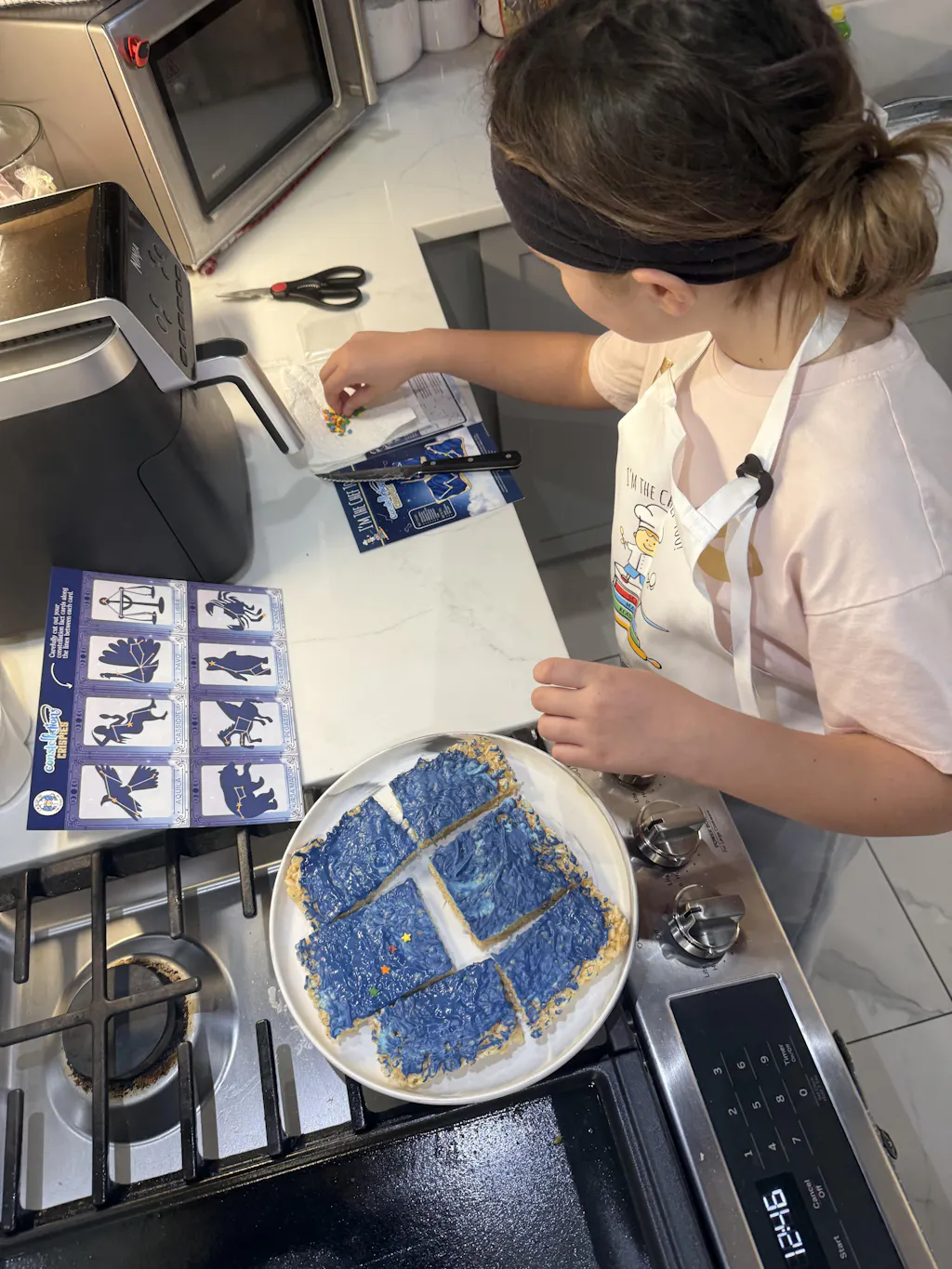
- I'm the Chef Too! Connection: This aligns perfectly with our mission! Just like creating beautiful (and tasty!) cookies, our kits transform complex ideas into delicious, hands-on experiences. For example, exploring astronomy by creating your own edible solar system with our Galaxy Donut Kit teaches scientific concepts in an engaging, edible format.
-
Mini Gingerbread House Decorating: Instead of a full-sized, intimidating gingerbread house, use graham crackers or pre-baked gingerbread squares for walls. Provide royal icing (acts as "glue") and small candies like gumdrops, mini M&Ms, and peppermints.
- Why it's great: Excellent for spatial reasoning, problem-solving (how to make walls stand up!), fine motor control, and creativity. It’s a scaled-down version that’s less frustrating and equally rewarding.
-
Reindeer Pretzel Rods: Dip pretzel rods into melted chocolate, then let kids add pretzel twists for antlers, googly eyes, and a red candy for Rudolph’s nose before the chocolate sets.
- Why it's great: Simple dipping and decorating help with precision and focus. It’s quick, easy, and the result is adorable and delicious. Even beloved characters can make learning fun, like when kids create delicious treats with our Peppa Pig Muddy Puddle Cookie Pies. This shows how food can be a gateway to imaginative play and skill development.
2. Dazzling Ornament Crafts: Personalizing the Tree
Creating ornaments is a cherished Christmas tradition that offers lasting keepsakes and wonderful opportunities for fine motor and creative development.
-
Salt Dough Ornaments: Mix flour, salt, and water to make a simple dough. Kids can roll it out, use cookie cutters (Christmas shapes!), poke a hole for hanging, and then bake or air-dry. Once hardened, they can paint and decorate them.
- Why it's great: Sensory exploration (feeling the dough), gross motor (rolling), fine motor (cutting, decorating), and a wonderful keepsake.
-
Pinecone Tree Ornaments: Gather pinecones (a nature walk can be an adventure in itself!). Kids can paint them green or white, then glue small pompoms, beads, or glitter onto the "branches." Add a loop of yarn or pipe cleaner for hanging.
- Why it's great: Connects with nature, explores textures, fine motor for decorating, and simple assembly.
-
Yarn-Wrapped Ornaments: Cut out simple cardboard shapes (stars, circles, trees). Apply glue, then let preschoolers wrap them with colorful yarn. They can add buttons or sequins for extra sparkle.
- Why it's great: Excellent for developing fine motor skills and hand-eye coordination as they meticulously wrap the yarn. Teaches patience and creates beautiful patterns.
-
Clear Ball Ornaments with Fillers: Provide clear plastic fillable ornaments. Offer various small, non-choking hazard items like small pompoms, glitter, dried pasta, small beads, or even a piece of paper with a photo. Kids can carefully fill them.
- Why it's great: Focuses on careful manipulation, sorting, and understanding capacity. The result is a personalized, beautiful ornament.
3. Heartfelt Gift Crafts: Creations from the Heart
Homemade gifts carry a special meaning, teaching children about generosity and the joy of giving.
-
Handprint/Footprint Keepsake Mugs: Use ceramic paint on a plain white mug. Paint your child's hand (or foot!) and press it onto the mug to create a Christmas tree (green handprint) or a snowman (white footprint). Once dry, add details with a thin brush or oil-based marker and bake according to paint instructions.
- Why it's great: A deeply personal keepsake, sensory experience with paint, and develops body awareness.
-
Potato Print Christmas Cards: Cut potatoes in half and carve simple shapes (star, circle, tree) into the cut surface. Kids dip the potato "stamp" into paint and press onto cardstock to create unique holiday cards. Add details with markers.
- Why it's great: Introduces printmaking, develops hand strength, and encourages pattern making and creative storytelling.
-
"My Favorite Things" Collage Frame: Provide a plain picture frame or cut out a frame shape from cardboard. Let your child decorate it with small pictures cut from magazines, drawings, buttons, or small toys related to their favorite things. Frame a photo of them for a truly personal gift.
- Why it's great: Encourages self-expression, classification, and develops collage skills and aesthetic choices.
4. Engaging Paper Crafts: Versatility and Imagination
Paper is a foundational craft material, offering endless possibilities for preschoolers.
-
Paper Plate Wreaths: Cut out the center of a paper plate to create a ring. Kids can paint it green, then glue on torn pieces of red and green construction paper, pompoms, or small buttons. Add a bow at the top!
- Why it's great: Teaches about circles, promotes tearing skills (great for finger strength!), and allows for creative decoration.
-
Paper Strip Christmas Trees: Cut green paper into various lengths of strips. Kids can glue these strips onto a background paper, arranging them from longest to shortest to form a triangle Christmas tree shape. Add a yellow star sticker on top.
- Why it's great: Introduces concepts of size and order, spatial arrangement, and strengthens gluing skills.
-
Cotton Ball Snowmen: Draw or print a snowman outline on blue paper. Kids glue cotton balls onto the snowman body, then add googly eyes, an orange paper triangle for a nose, and draw on buttons and arms.
- Why it's great: Sensory exploration (soft cotton), practice with glue, and facial feature recognition.
-
Reindeer Paper Craft: Cut out a reindeer head shape from brown paper. Kids can dip their fingers in brown paint and make "antler prints" coming from the head. Add googly eyes and a red pompom nose.
- Why it's great: Finger painting is fantastic for sensory input and fine motor control. It’s also a fun way to create unique patterns for antlers.
5. Sensory & Textured Crafts: Engaging All the Senses
These crafts go beyond visual appeal, offering rich tactile experiences that are vital for early learning.
-
Cinnamon Scented Playdough: Make homemade playdough and add cinnamon, nutmeg, or other Christmas spices. Kids can roll, cut, and mold festive shapes.
- Why it's great: Multi-sensory experience (smell, touch), strengthens hand muscles through kneading, and encourages imaginative play. This is a fantastic example of blending sensory exploration with the joy of holiday themes, much like our cooking kits activate multiple senses during the learning process.
-
Pasta Noodle Christmas Trees: Paint various pasta shapes (bow-ties, rotini, penne) green. Once dry, kids can glue them onto a cardboard Christmas tree outline to create a textured, 3D effect. Add small painted pasta "ornaments."
- Why it's great: Fine motor (gluing small pieces), sorting, color recognition, and creating interesting textures.
-
"Snow Globe" Shaker Cards: Use a clear plastic lid (from yogurt or sour cream containers) as the "globe." Kids can decorate a piece of cardstock with a winter scene (snowman, tree). Glue the plastic lid over the scene, adding a sprinkle of glitter or small sequins inside before sealing for a shaker effect.
- Why it's great: Introduces transparency, cause and effect (shaking creates movement), and encourages detailed decorating.
6. Nature-Inspired Crafts: Connecting with the World Around Us
Bringing elements from the outdoors into your crafting provides a wonderful connection to nature, even in winter.
-
Twig Stars/Snowflakes: Gather small, flexible twigs. Help kids arrange them into star or snowflake shapes, then secure with yarn or glue. They can paint them white or silver and add glitter.
- Why it's great: Connects with natural materials, develops spatial reasoning, and fine motor skills for wrapping/gluing.
-
Dried Orange Slice Ornaments: Slice oranges thinly and bake them on low heat until dry and hard (adult prep). Kids can decorate the dried slices with non-toxic markers, glitter, or attach cinnamon sticks for extra scent. Thread a ribbon through for hanging.
- Why it's great: Multi-sensory (smell, touch, sight), introduces concepts of dehydration and transformation, and creates beautiful, rustic ornaments.
This diverse selection of Christmas crafts offers something for every preschooler, ensuring a holiday season filled with joy, learning, and treasured memories. Remember, the journey of creation is just as important, if not more, than the final product.
Looking for even more hands-on fun for your little one? Browse our complete collection of one-time kits in our shop to find the perfect adventure that sparks their curiosity!
Beyond the Crafts: Integrating Learning and Fun Year-Round
While Christmas crafts are a fantastic way to engage preschoolers during the holidays, the principles of hands-on, creative, and educational play are valuable all year long. At I'm the Chef Too!, we're dedicated to bringing these "edutainment" experiences to families consistently, offering a screen-free alternative that truly nurtures a love for learning.
Consider how the skills developed through these Christmas crafts—fine motor control, problem-solving, creativity, and following instructions—are foundational for so many other areas of life and learning. When a child learns to carefully place a sequin on an ornament, they are building the same precision needed for measuring ingredients in a recipe. When they experiment with colors to paint a snowman, they're developing an artistic eye that can translate into designing a delicious treat.
Our unique approach at I'm the Chef Too! takes these foundational skills and applies them in an exciting, edible context. We believe that by teaching complex subjects through tangible, hands-on cooking adventures, we create deeper understanding and lasting memories. For instance, understanding a chemical reaction is a core STEM concept that can feel abstract. But when children observe the fizzing and bubbling that makes our Erupting Volcano Cakes truly special, they're experiencing science firsthand in a memorable and delicious way. This active engagement makes learning stick.
We are committed to sparking curiosity and creativity in children, facilitating family bonding, and providing educational alternatives that are genuinely fun. The joy a child experiences when creating a Christmas ornament is mirrored when they successfully bake a delicious dessert they made themselves, learning about fractions or chemical reactions along the way. These aren't just one-off activities; they're opportunities to instill a lifelong love of learning and discovery.
Imagine the delight of your child anticipating a new adventure delivered to your door every month. No more searching for craft ideas, gathering obscure ingredients, or wondering if an activity is truly educational. Our monthly "Chef's Club" subscription simplifies this for you, providing a complete "edutainment" experience with pre-measured dry ingredients and specialty supplies, all with free shipping in the US. It's the ultimate convenience for busy families who want to provide consistent, high-quality, screen-free learning. Whether you choose a 3, 6, or 12-month pre-paid plan, you're not just subscribing to a box; you're investing in curiosity, creativity, and countless family bonding moments.
Ready to extend the magic of hands-on learning beyond the holidays? Join The Chef's Club today and embark on a new adventure every month! Or, if you're looking for a specific theme, browse our full library of adventure kits available for a single purchase in our shop. There's always a new delicious discovery waiting!
Conclusion
As the snowflakes fall and the spirit of Christmas fills our homes, there's no greater gift we can give our preschoolers than the joy of shared creation and discovery. Through the simple act of making Christmas crafts, we're not just decorating our homes or creating keepsakes; we're nurturing developing minds, strengthening tiny hands, and building cherished family memories that will last a lifetime. These festive activities, from edible delights to sparkling ornaments, are rich with opportunities for fine motor development, cognitive growth, imaginative play, and emotional expression.
At I'm the Chef Too!, our core belief is that learning should always be an exciting, hands-on adventure. We strive to blend food, STEM, and the arts into unique "edutainment" experiences that spark curiosity and creativity, much like the vibrant world of Christmas crafting. We've seen firsthand how tangible, delicious projects can demystify complex subjects and bring families closer together, away from screens and into a world of shared exploration.
As you reflect on the laughter, concentration, and pride that fill your home during these holiday craft sessions, remember that the magic of hands-on learning doesn't have to end with the season. We are dedicated to providing consistent, joyful learning opportunities that extend the benefits of creative engagement throughout the year.
Why wait for another holiday to spark that incredible curiosity and build those precious family bonds? Give the gift of learning that lasts all year with a subscription to our STEM cooking adventures. Join The Chef's Club today and let us deliver a new, exciting "edutainment" experience directly to your door every month, complete with free shipping in the US! It's the perfect way to keep the spirit of discovery alive, one delicious and educational adventure at a time.
FAQ: Your Christmas Crafting Questions Answered
Q1: What are the best Christmas crafts for a 2-year-old?
For 2-year-olds, focus on crafts that are primarily sensory, involve simple actions, and don't require much fine motor precision or long attention spans. Good options include:
- Cotton Ball Snowmen: Gluing cotton balls onto a snowman outline.
- Fingerprint Lights: Dipping fingers in paint to make "lights" on a drawn string.
- Simple Sticker Decorating: Providing large stickers (stars, circles) to place on paper trees or ornaments.
- Playdough with Christmas Cutters: Using scented playdough with festive cookie cutters.
- Tearing Paper Collages: Tearing red and green paper and gluing them onto a shape. Always supervise closely and ensure materials are non-toxic and not choking hazards.
Q2: How can I make Christmas crafts educational for preschoolers?
Every craft offers educational value! To maximize it:
- Discuss colors, shapes, and sizes: "Which shape should we use for the roof? What color is this pom-pom?"
- Count items: "How many buttons did you put on your snowman?"
- Practice following instructions: Break down tasks into small, manageable steps.
- Ask open-ended questions: "Tell me about your reindeer. What do you like most about your tree?"
- Incorporate sensory exploration: Talk about how materials feel, smell, and look.
- Connect to STEM concepts: Discuss why glue sticks or how paint changes colors. Our cooking kits, like the Erupting Volcano Cakes, are designed to make STEM concepts like chemical reactions tangible and exciting for kids!
Q3: What basic materials should I have on hand for Christmas crafts?
A well-stocked craft cabinet makes spontaneous crafting easy! Essential materials include:
- Construction paper (red, green, white, brown)
- Child-safe scissors
- Washable school glue and glue sticks
- Washable paints (tempera or acrylic) and brushes
- Cotton balls
- Pompoms
- Googly eyes
- Glitter or glitter glue
- Yarn or ribbon
- Recycled items like toilet paper rolls and cardboard. These basics allow for a wide range of creative projects without needing a trip to the store every time.
Q4: How do I manage the mess with glitter and paint?
Mess is part of the fun! To manage it:
- Designate a craft area: Cover the table with a disposable tablecloth, newspaper, or an old sheet.
- Use smocks or old clothes: Dress everyone in attire that can get messy.
- Portion materials: Dispense small amounts of paint or glitter into separate containers to limit spills.
- Have cleanup supplies ready: Keep wet wipes, paper towels, and a damp cloth nearby for immediate spills.
- Involve kids in cleanup: Teach them responsibility by having them help put away supplies and wipe surfaces.
Q5: Can these crafts also be given as gifts?
Absolutely! Handmade gifts are incredibly special and cherished. Many of the crafts mentioned, such as handprint/footprint mugs, salt dough ornaments, potato print cards, or personalized picture frames, make wonderful and heartfelt gifts for grandparents, teachers, or family friends. They teach children the joy of giving and create lasting memories for the recipients.
Q6: How can I keep my preschooler engaged if they lose interest quickly?
Preschoolers have varying attention spans. If interest wanes:
- Keep it short: Aim for 15-20 minute sessions. You can always come back to a project later.
- Offer choices: Let them choose colors, materials, or which step to do next to give them a sense of control.
- Change the activity: If one craft isn't working, switch to another or take a break.
- Focus on the process: Remind them it's okay if it's not "perfect" and celebrate their effort.
- Connect to their interests: If they love dinosaurs, maybe they can make a dinosaur Christmas tree! (Though we recommend exploring our Galaxy Donut Kit for a cosmic twist on edible creations, or checking out our range of one-time kits for more specific themes year-round!)
Q7: What if my child doesn't want to follow the instructions?
That's a sign of a blossoming creative spirit! Encourage their independent thinking within safe boundaries:
- Offer gentle guidance, not strict rules: Suggest, "Maybe we could try putting the star on top?" rather than "You must put the star on top."
- Provide examples, not mandates: Show them your example, but emphasize that their creation is unique.
- Let them experiment: If they want to use all purple for a Christmas tree, let them! It's their artwork.
- Celebrate their uniqueness: Praise their original ideas and choices. The goal is to foster creativity, not conformity.
Q8: How can I continue these "edutainment" experiences after Christmas?
The fun and learning don't have to stop! At I'm the Chef Too!, we make it easy to continue hands-on, educational adventures year-round.
- Monthly Subscription: Our Chef's Club subscription delivers a new themed cooking STEM kit to your door every month, packed with pre-measured dry ingredients and specialty supplies. It’s perfect for ongoing family bonding and screen-free learning.
- One-Time Kits: Explore our wide range of individual kits if you want to try a specific theme or aren't ready for a subscription.
- DIY Projects: Continue to seek out simple crafts and cooking projects that align with your child’s interests, always keeping safety and developmental appropriateness in mind.