Table of Contents
- Introduction
- Why Gratitude Matters: More Than Just "Thank You"
- The Power of Hands-On Learning: Crafts and Connection
- Getting Started with Gratitude Crafts: Essential Supplies and Mindset
- A Treasury of Gratitude Crafts for Kids
- Integrating Gratitude into Daily Life Beyond Crafts
- The I'm the Chef Too! Difference: Blending Learning and Laughter
- Making It a Family Affair: Bonding Through Gratitude
- Conclusion
- FAQ
Ever wonder if there's a secret ingredient to a happier, more resilient child? It might not be a secret at all, but rather a practice as old as time: gratitude. In a world brimming with digital distractions and constant desires, teaching children the profound power of appreciation can feel like an uphill battle. But what if we told you there’s a vibrant, hands-on, and incredibly fun way to instill this vital quality? We’re talking about gratitude crafts for kids – activities that transform simple materials into powerful lessons in thankfulness, creativity, and connection.
Introduction
Imagine a child, eyes sparkling, proudly presenting a handmade creation, not just for its aesthetic appeal, but because each brushstroke or glued embellishment represents something they genuinely appreciate. This isn't just a craft; it's an opportunity for deep emotional growth. Research consistently shows that practicing gratitude leads to increased happiness, empathy, resilience, and even better academic performance in children. It helps them shift focus from what they lack to the abundance surrounding them, fostering a positive outlook that can last a lifetime.
At I'm the Chef Too!, we believe in the magic of hands-on learning, especially when it sparks curiosity and creativity. Our mission is to blend food, STEM, and the arts into one-of-a-kind "edutainment" experiences, proving that complex subjects can be taught through tangible, delicious cooking adventures. This same philosophy applies beautifully to the realm of emotional development. This blog post will dive deep into why gratitude is so crucial for children, explore a treasure trove of engaging gratitude crafts for kids, and show you how these activities, particularly those involving the joy of cooking, can become cherished family traditions. Prepare to discover how nurturing thankfulness can be one of the most rewarding adventures you embark on with your little ones, fostering a love for learning and building confidence along the way.
Why Gratitude Matters: More Than Just "Thank You"
When we talk about gratitude, we often think of the simple act of saying "thank you." While politeness is certainly a wonderful start, true gratitude runs much deeper. It's a conscious recognition and appreciation for the good things in one's life, big or small. For children, cultivating this internal sense of thankfulness offers a wealth of developmental benefits that extend far beyond polite manners.
Children who regularly practice gratitude tend to exhibit higher levels of positive emotions like joy and optimism. They learn to savor positive experiences, making them feel happier and more content. This isn't just a fleeting mood; it contributes to their overall emotional well-being and can act as a buffer against negative feelings. Instead of dwelling on disappointments, a grateful child can more easily identify and appreciate the silver linings.
Beyond individual happiness, gratitude is a cornerstone of social-emotional learning (SEL). It fosters empathy, helping children recognize the kindness and effort of others. When a child truly appreciates something another person has done for them, it builds a bridge of understanding and connection. This, in turn, strengthens relationships, encouraging generosity and compassion. They learn to see the world through a broader lens, understanding that they are part of a community where kindness is exchanged.
Gratitude also plays a significant role in building resilience. Life inevitably throws curveballs, and children who possess a grateful outlook are better equipped to navigate challenges. They can find reasons for hope, even amidst difficulties, and appreciate the support they receive during tough times. This capacity to bounce back is invaluable, empowering them to face future obstacles with greater strength and optimism. Moreover, studies suggest that grateful children often have fewer behavioral problems, perform better academically, and even experience better sleep. It’s a foundational skill that impacts virtually every aspect of a child's growth and development.
Incorporating gratitude into children's lives isn't just about teaching them a concept; it's about nurturing a positive habit that will serve them well throughout their entire lives. Whether it's through simple daily reflections or engaging group activities, the investment in teaching gratitude yields immeasurable returns. For educators and group leaders looking to weave these powerful lessons into their curriculum, our programs for schools and groups offer versatile, hands-on activities that can perfectly complement your SEL initiatives. You can explore options with or without food components, tailoring the experience to your specific needs. Learn more about our versatile programs for schools and groups.
The Power of Hands-On Learning: Crafts and Connection
In an increasingly digital world, the value of tangible, hands-on experiences cannot be overstated. When children engage in crafts, they aren't just making something pretty; they are actively stimulating multiple areas of their brain and developing crucial skills. This tactile engagement is particularly powerful when teaching abstract concepts like gratitude.
Crafting engages the senses in a profound way. Children feel the texture of paper, the stickiness of glue, the smoothness of paint, and the scent of various materials. This multi-sensory input helps information stick in their minds more effectively than simply hearing or reading about it. It taps into different learning styles, ensuring that every child has an avenue to connect with the lesson. From developing fine motor skills as they cut and paste, to problem-solving as they figure out how to attach elements, crafts provide a rich landscape for cognitive growth.
Beyond the physical and cognitive benefits, crafting offers a unique pathway for emotional expression. Children, especially younger ones, may not always have the vocabulary to articulate complex feelings. Through art, they can visually represent their thoughts and emotions, making abstract concepts like thankfulness more concrete and understandable. A child might draw a picture of their family, decorate a rock with symbols of nature, or write a heartfelt message on a card, all as expressions of gratitude. This creative outlet empowers them to communicate in a meaningful way, building confidence in their ability to express themselves.
At I'm the Chef Too!, we wholeheartedly embrace this philosophy of hands-on, multi-sensory learning. Our unique "edutainment" approach seamlessly blends food, STEM, and the arts, proving that learning can be an incredibly delicious and engaging adventure. We believe that when children are actively involved in the creation process—whether it's baking a cake that demonstrates chemical reactions or designing a cosmic dessert to learn about astronomy—they are not only absorbing academic concepts but also developing critical thinking, creativity, and a sense of accomplishment. Our kits are designed by mothers and educators who understand how children learn best, providing a screen-free educational alternative that sparks curiosity and creativity. The joy of creating something with their own hands, especially when it’s an edible masterpiece, naturally fosters a sense of pride and gratitude for the experience itself.
Getting Started with Gratitude Crafts: Essential Supplies and Mindset
Embarking on a gratitude craft journey doesn't require a special art studio or expensive materials. In fact, some of the most meaningful creations come from the simplest items you likely already have around the house or can easily gather. The key is to create an inviting environment and approach the activity with a positive, encouraging mindset.
Basic Craft Supplies to Have on Hand:
- Paper: Construction paper, printer paper, cardstock, colorful scrapbook paper.
- Drawing & Coloring Tools: Crayons, markers, colored pencils, watercolors.
- Adhesives: Glue sticks, liquid glue, tape.
- Cutting Tools: Kid-safe scissors.
- Embellishments: Glitter, stickers, googly eyes, yarn, pipe cleaners, pom-poms.
- Natural Elements: Leaves, small twigs, pebbles, shells, dried flowers (collected from a nature walk!).
- Recycled Materials: Cardboard tubes (toilet paper/paper towel), cereal boxes, plastic bottles, old magazines for collages.
- Containers: Empty jars (peanut butter, jam), shoeboxes, small paper bags.
Having a dedicated "craft drawer" or box makes it easy for kids to access materials when inspiration strikes. This promotes independence and encourages spontaneous creativity.
Creating a Positive Crafting Environment:
- Patience, Not Perfection: The most important rule of crafting with kids is to let go of the idea of perfection. The goal isn't a flawless masterpiece; it's the process of creation, expression, and conversation. Encourage effort and unique ideas, rather than focusing on whether it looks "right."
- Embrace the Mess: Crafts can get messy, and that's often where the real fun happens! Lay down newspaper or an old tablecloth to protect surfaces. Have wipes or a damp cloth ready for quick clean-ups.
- Facilitate, Don't Dictate: Offer guidance and suggestions, but allow your child to take the lead. Ask open-ended questions like, "What are you thinking of making?" or "What colors would best show how thankful you are for...?" instead of giving strict instructions.
- Connect and Converse: Use crafting time as an opportunity for meaningful conversations. While working on a gratitude craft, talk about what you're thankful for, share stories, and listen to your child's thoughts. This shared experience deepens the bond and reinforces the lesson.
- Safety First: Always supervise children, especially with scissors or other tools. Choose age-appropriate materials and ensure proper ventilation if using glues or paints with strong odors.
Remember, the true value of these activities lies in the shared experience and the conversations they spark. They are not just about making an object, but about building character and creating lasting memories. If you're looking for an exciting array of themed activities that foster creativity and skill-building without the hassle of gathering individual supplies, be sure to explore our full library of adventure kits available for a single purchase in our shop. Browse our complete collection of one-time kits and find the perfect theme for your little learner!
A Treasury of Gratitude Crafts for Kids
Now, let's dive into some specific, engaging gratitude crafts for kids that you can try at home or in a group setting. Each idea offers a unique way to express thankfulness and can be adapted for various ages and skill levels.
Gratitude Jars/Boxes
Description: This classic craft is a wonderful way to collect and visualize all the good things in your lives. Children decorate an empty jar or shoebox, turning it into their personal "gratitude container." Throughout the week or month, they write down or draw things they are grateful for on small slips of paper and place them inside. Materials: An empty glass jar (ensure child-safe with supervision) or shoebox, construction paper, markers, stickers, glitter, fabric scraps, glue, small slips of paper. How to Make It:
- Decorate the Container: Let your child go wild decorating their jar or box. They can paint it, glue on colorful papers, draw pictures, or add embellishments. The outside should reflect joy and appreciation.
- Write or Draw Gratitude: Explain the concept of the gratitude jar. Each day or whenever they feel inspired, encourage them to think of one thing they are grateful for. Write it down on a slip of paper (younger children can draw a picture) and place it in the jar.
- Read and Reflect: On a designated day (e.g., Thanksgiving, New Year's, or once a month), open the jar and read aloud all the notes. This is a powerful moment to reflect on the abundance in your lives. Variations:
- Themed Jars: Create a "Nature Gratitude Jar" (for things in nature), a "Family Gratitude Jar" (for family members and shared experiences), or a "Friendship Gratitude Jar."
- Gratitude Rocks: Instead of paper slips, decorate small, smooth rocks with words or symbols of gratitude and place them in a decorative bowl or jar. I'm the Chef Too! Connection: Just like our cooking kits involve gathering and combining specific ingredients to create a delicious outcome, a gratitude jar involves collecting individual moments of appreciation to create a powerful collective feeling of thankfulness. Each slip of paper is a precious "ingredient" in the recipe for happiness!
Gratitude Trees
Description: A beautiful visual representation of gratitude, this craft involves creating a tree where each leaf symbolizes something a child is thankful for. It’s perfect for autumn but can be adapted year-round. Materials: A small branch (found during a nature walk), construction paper in various colors (greens, yellows, oranges, reds for autumn), string or yarn, hole punch, markers, a vase or sturdy base. How to Make It:
- Find a Branch: Go on a nature walk to find a sturdy branch with smaller twigs. This step is a mini-adventure in itself!
- Cut Leaf Shapes: Help your child cut out leaf shapes from the construction paper. They can trace real leaves or draw their own.
- Write Gratitude: On each leaf, write or draw something the child is grateful for. Encourage them to be specific: "my comfy bed," "playing with my dog," "grandma's stories."
- Attach Leaves: Punch a small hole in each leaf and use string or yarn to tie them onto the branches. Place the finished "gratitude tree" in a vase or pot where it can be admired. Variations:
- Handprint Leaves: Trace your child's hands on colored paper to make the leaves.
- Seasonal Themes: Use spring colors and flower shapes for a "Spring Gratitude Bush," or snowflakes for a "Winter Gratitude Branch." I'm the Chef Too! Connection: Building a gratitude tree is much like assembling one of our delicious culinary creations. Each leaf, carefully thought out and attached, contributes to a beautiful and meaningful whole, just as each step in our recipes leads to a wonderful, edible result.
"Thank You" Card & Letter Writing Stations
Description: This craft encourages direct expression of gratitude to others. Set up a station with supplies for children to create personalized thank you cards or letters for family members, friends, teachers, or community helpers. Materials: Cardstock, various papers, markers, crayons, stickers, glitter, rubber stamps, envelopes. How to Make It:
- Set Up the Station: Arrange all materials neatly on a table. Provide examples of simple "thank you" messages or prompts.
- Identify Recipients: Help your child think of someone they'd like to thank and why. It could be for a specific gift, an act of kindness, or just for being a wonderful person.
- Create and Write: Encourage them to decorate the card/letter with drawings and colors. For older kids, guide them in writing a few sentences expressing specific appreciation. For younger ones, they can draw a picture and you can help them write "Thank you for..."
- Deliver with Joy: The best part is delivering the card! Whether it’s in person, by mail, or left on a doorstep, the act of giving and seeing the recipient's reaction reinforces the positive feeling of gratitude. I'm the Chef Too! Connection: Creating a handmade card for someone is a thoughtful gesture, much like baking a delicious treat for a loved one. Both acts are expressions of care and appreciation, using creativity to bring joy to others. Imagine pairing these cards with some scrumptious treats from our kits! This whole experience can be a wonderful way to teach gratitude as an ongoing part of life, and what better way to ensure ongoing learning and fun than with new adventures delivered to your door every month? Ready for a new adventure every month? Join The Chef's Club and enjoy free shipping on every box.
Gratitude Journals/Scrapbooks
Description: A more personal and ongoing gratitude practice, journals or scrapbooks allow children to regularly document their thankful thoughts through writing, drawing, and collecting mementos. Materials: A blank notebook or a simple binder with paper, markers, crayons, glue stick, old magazines, photos, small mementos (ticket stubs, pressed flowers). How to Make It:
- Decorate the Cover: Help your child personalize the cover of their journal or scrapbook. This makes it their special place for thankful reflections.
-
Daily/Weekly Reflections: Encourage a routine of either daily or weekly entries. They can write or draw about:
- Three good things that happened today.
- Someone who helped them or made them smile.
- Their favorite thing about a particular season or day.
- Things they see in nature that they appreciate.
- Add Visuals: Suggest cutting out pictures from magazines that represent things they're grateful for, drawing their own illustrations, or gluing in small photos or mementos that evoke happy memories. Variations:
- Gratitude Photo Album: Print out photos of happy family moments and glue them into a small album, with captions explaining why each moment was special.
- Theme Pages: Dedicate specific pages to "Gratitude for Animals," "Gratitude for Food," or "Gratitude for Books." I'm the Chef Too! Connection: A gratitude journal is a way to document a journey of appreciation, much like a recipe book documents culinary adventures. Both capture unique experiences and offer a tangible way to revisit cherished moments. Our STEM cooking kits provide endless opportunities for these kinds of memorable experiences.
Gratitude Stones/Rocks
Description: This simple yet powerful craft involves finding smooth stones and decorating them with words or symbols of gratitude. These stones can be kept as reminders, given as gifts, or hidden in public places for others to find and enjoy. Materials: Smooth, flat stones (collected from outside or purchased), acrylic paints, paintbrushes, clear sealant spray (optional, for durability). How to Make It:
- Collect and Clean Stones: Go on a rock-hunting adventure! Wash and dry the stones thoroughly.
- Paint and Decorate: Use acrylic paints to decorate the stones. Children can paint simple symbols (hearts, sun, flowers), words like "grateful," "thankful," or "joy," or abstract designs.
- Seal (Optional): Once dry, an adult can spray the stones with a clear sealant to protect the paint, especially if they will be placed outdoors.
- Share or Display: Keep the stones in a special bowl, give them to loved ones as tokens of appreciation, or "hide" them in parks for others to discover, spreading positivity in your community. I'm the Chef Too! Connection: Transforming simple, natural materials like stones into beautiful, meaningful objects is a testament to creativity, much like how our cooking kits guide children in transforming basic ingredients into magnificent, edible creations. It's about seeing potential and bringing it to life with intention.
"Acts of Kindness" Chains/Paper Links
Description: This craft not only fosters gratitude for kindness received but also encourages children to perform and recognize acts of kindness themselves. Each link in a paper chain represents an act of kindness or something they are grateful for. Materials: Construction paper in various colors, scissors, glue stick or stapler, markers. How to Make It:
- Cut Paper Strips: Help your child cut strips of paper (about 1 inch wide and 8-10 inches long).
- Write/Draw Kindness/Gratitude: On each strip, have them write down an act of kindness they performed, an act of kindness someone showed them, or something they are simply grateful for.
- Form the Chain: Take the first strip, form it into a loop, and glue or staple the ends together. For the next strip, thread it through the first loop, then form its own loop and secure. Continue adding links, creating a growing chain of positivity.
- Display: Hang the chain in a prominent place as a visual reminder of all the good things and kind actions. Variations:
- Gratitude Garland: Instead of a chain, string the paper strips together to create a garland.
- Kindness Challenge: Set a goal to add a certain number of links each week. I'm the Chef Too! Connection: Just like a paper chain builds up link by link to form a complete and beautiful whole, our cooking adventures are a series of steps that build upon each other, resulting in a delicious masterpiece. Each "link" in the process contributes to the success and joy of the final outcome. This step-by-step approach to learning and creation is central to our philosophy.
Gratitude Collages
Description: A highly visual and creative way to express gratitude, collages allow children to combine various images and materials to represent everything they are thankful for. Materials: Large sheet of paper or cardboard, old magazines, newspapers, printed photos, drawings, fabric scraps, natural elements (leaves, flowers), glue, scissors, markers. How to Make It:
- Gather Images: Have your child cut out pictures from magazines, newspapers, or print images from the internet that represent things they are grateful for (e.g., family, pets, food, nature, toys, activities).
- Draw and Write: Encourage them to draw their own pictures or write words of gratitude directly onto the paper.
- Arrange and Glue: Let your child arrange all the collected images and materials onto their large sheet of paper. Once they are happy with the layout, glue everything down securely.
- Discuss: Talk about the finished collage. Ask them why they chose certain images and what each one represents in terms of gratitude. Variations:
- Digital Collage: For older children, they might enjoy creating a digital gratitude collage using simple photo editing apps.
- Theme Collages: Focus on specific themes like "Gratitude for My Community" or "Gratitude for the Planet." I'm the Chef Too! Connection: Creating a gratitude collage is much like the artistic process involved in decorating one of our culinary creations. It's about combining diverse elements – colors, textures, and shapes – to produce a visually appealing and meaningful whole. It's an exploration of how different components can come together harmoniously to tell a story or express an emotion.
Edible Gratitude Crafts: Where Food Meets Thankfulness
At I'm the Chef Too!, we know that the kitchen is a magical place where learning truly comes alive. What better way to express and teach gratitude than through the universal language of food? Cooking and baking inherently involve acts of care, creativity, and often, giving. When children prepare food, they are engaging in a hands-on activity that culminates in something delicious they can share, which is a powerful act of gratitude in itself.
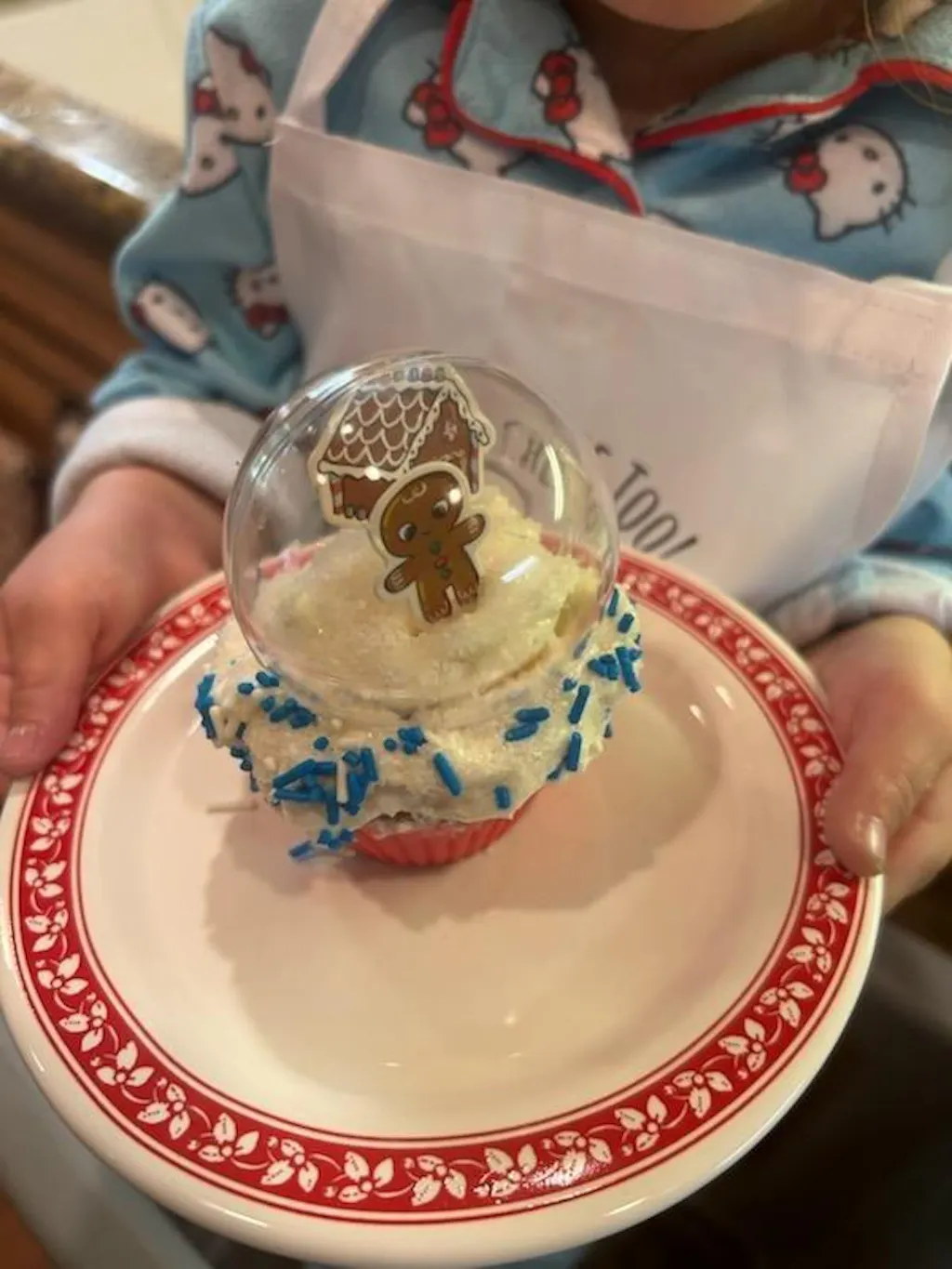
Imagine the joy of decorating cookies with messages of thanks, or creating cupcakes topped with edible expressions of appreciation. This merges the sensory delight of baking with the emotional lesson of gratitude, creating an unforgettable experience.
- Gratitude Cookies: Bake simple sugar cookies or gingerbread shapes. Once cooled, provide icing (various colors), sprinkles, and edible markers. Encourage kids to decorate the cookies with words like "Thank You," "Grateful," "Kindness," or draw symbols of things they appreciate (hearts, happy faces, suns). These can then be shared with family, friends, or community helpers as edible tokens of appreciation.
- Thankful "Food Art": Use fresh fruits and vegetables to create edible gratitude pictures. For example, arrange fruit slices on a plate to form a "thankful tree" or a happy face, and talk about being grateful for healthy food.
- Baking for Others: The simple act of baking a cake or a batch of muffins specifically to share with a neighbor, a grandparent, or a teacher is a profound lesson in selfless giving and gratitude. It teaches children the joy of preparing something with love and seeing the happiness it brings to others.
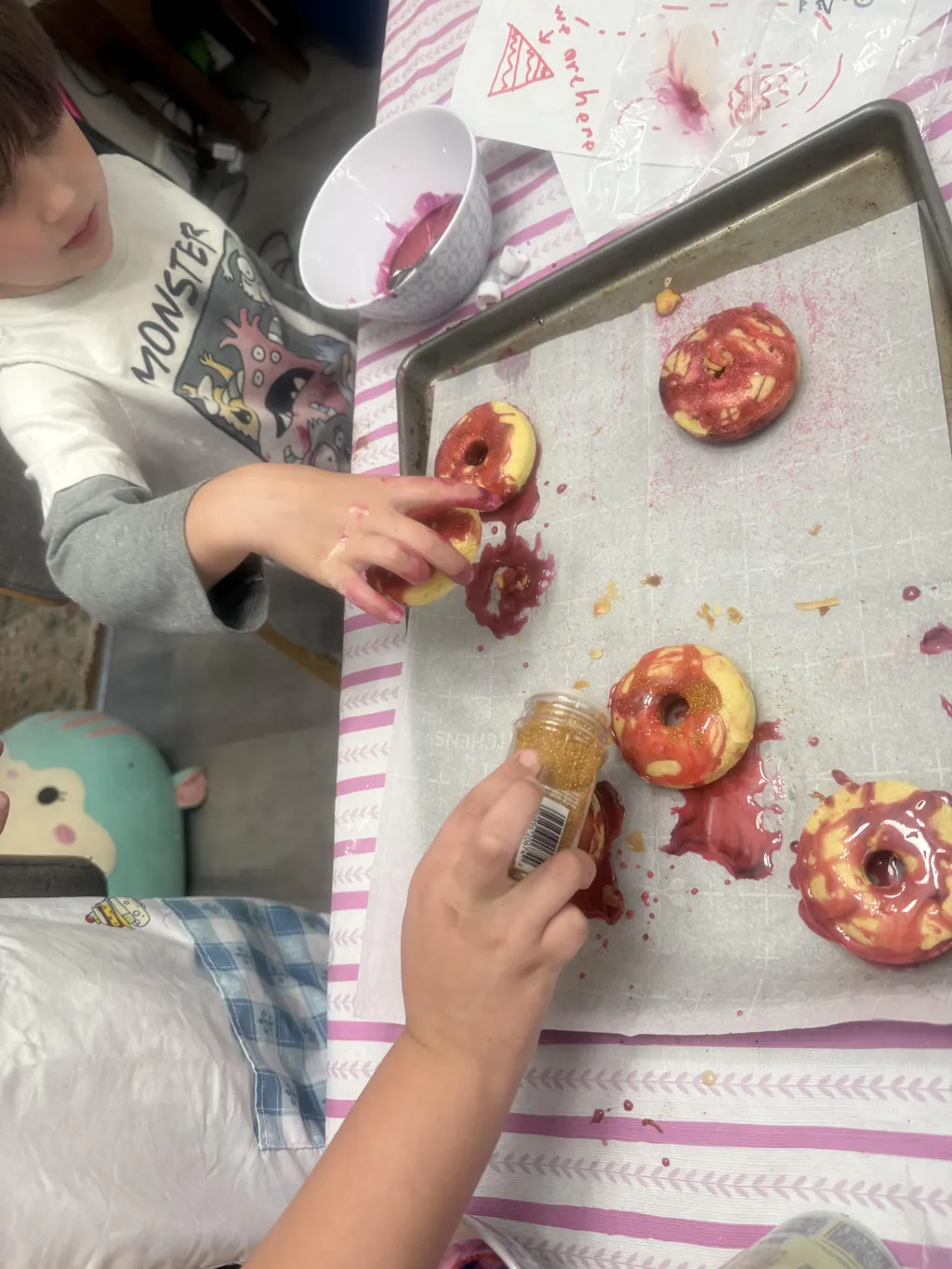
Our kits are perfectly suited for these kinds of "edible gratitude" activities. For instance, our Peppa Pig Muddy Puddle Cookie Pies can spark conversations about being grateful for playtime and friends, or how about using our Galaxy Donut Kit to create a starry scene while discussing gratitude for the wonders of the universe and the joy of discovery? Each of our kits is designed not just to teach STEM concepts but also to foster creativity, family bonding, and an appreciation for the process of creation. It's a fantastic way to blend education with heartfelt expression, creating delicious memories along the way.
These culinary adventures naturally encourage conversations about where our food comes from, the people who prepare it, and the simple pleasure of sharing. This organic approach to teaching gratitude through cooking perfectly aligns with our mission to make learning fun, engaging, and deeply meaningful. For families eager to regularly infuse their homes with these unique "edutainment" experiences, our monthly subscription is the perfect solution. Give the gift of learning that lasts all year with a 12-month subscription to our STEM cooking adventures. Join The Chef's Club today!
Integrating Gratitude into Daily Life Beyond Crafts
While gratitude crafts for kids are fantastic starting points, the ultimate goal is to weave the practice of thankfulness into the fabric of daily life. Crafts serve as excellent catalysts, but ongoing reinforcement helps cement gratitude as a core value.
Here are some simple ways to make gratitude a daily habit:
- Gratitude at Mealtime: Before digging in, take a moment to express thanks for the food on your plate, the people who prepared it, and the company you share. It doesn't have to be a formal prayer; a simple "I'm thankful for this delicious meal and our family" can suffice.
- Bedtime Reflections: As part of the bedtime routine, ask your child to name three things they were grateful for that day. This helps them end the day on a positive note and reflect on the good experiences.
- Modeling Grateful Behavior: Children are excellent imitators. Let them see and hear your gratitude. Thank others genuinely in front of them, express appreciation for everyday things, and verbally acknowledge acts of kindness.
- Family Gratitude Challenges: Introduce fun challenges, like a "Gratitude Scavenger Hunt" where everyone looks for five things to be grateful for in the house, or a "Thank You Note Week" where everyone writes one thank you note each day.
- Thankful Conversations: Point out moments of gratitude spontaneously. "Isn't it wonderful that the sun is shining today?" or "I'm so glad we have cozy blankets on a cold night like this."
- Community Appreciation: Extend gratitude beyond the family unit. Talk about the mail carrier, the librarian, the firefighters, or the people who keep the grocery store stocked. Consider small gestures of appreciation for these community helpers.
By integrating these practices, you create a home environment where gratitude is not just an activity but a way of being. This holistic approach ensures that the lessons learned during craft time translate into real-world behavior and a deeper appreciation for life. For larger groups, such as classrooms, scout troops, or homeschool co-ops, integrating these types of practices on a broader scale can have a profound impact. Our school and group programs are designed to bring engaging, hands-on learning experiences, including opportunities to reflect on gratitude, to your educational setting. Learn more about our versatile programs for schools and groups, available with or without food components.
The I'm the Chef Too! Difference: Blending Learning and Laughter
At I'm the Chef Too!, we are more than just a provider of cooking kits; we are passionate advocates for fostering curiosity, creativity, and connection in children. Our mission to blend food, STEM, and the arts into one-of-a-kind "edutainment" experiences perfectly aligns with the principles of hands-on learning and emotional development that gratitude crafts champion.
We understand that modern families are often seeking meaningful, screen-free educational alternatives that truly engage children. That's why our kits are meticulously developed by mothers and educators who bring both pedagogical expertise and a deep understanding of child development to every single adventure. We don't just provide recipes; we provide carefully curated experiences that turn the kitchen into a vibrant laboratory and art studio.
Our approach focuses on the process as much as the delicious outcome. We encourage exploration, experimentation, and joyful discovery. When a child learns about chemical reactions by watching our Erupting Volcano Cakes bubble over, or grasps fractions while measuring ingredients for a delicious treat, they are not only absorbing academic concepts but also building confidence, developing critical thinking skills, and experiencing the sheer delight of creating something with their own hands. These are the moments that spark a love for learning and create lasting family memories.
We purposely avoid overpromising guaranteed educational outcomes like "your child will become a top scientist." Instead, we focus on the genuine benefits of the process: fostering curiosity, encouraging creative problem-solving, enhancing fine motor skills, facilitating family bonding, and providing a positive, enriching environment. This emphasis on the journey, on shared laughter, and on the tangible accomplishment of a finished (and delicious!) project naturally cultivates a sense of satisfaction and, yes, gratitude for the experience itself.
Our kits are a complete experience, containing pre-measured dry ingredients and specialty supplies, making it convenient for busy families to jump right into the fun. Not ready to subscribe? No problem! Explore our full library of adventure kits available for a single purchase in our shop. Browse our complete collection of one-time kits and find the perfect theme for your little learner!
Making It a Family Affair: Bonding Through Gratitude
One of the most beautiful aspects of gratitude crafts and the broader practice of thankfulness is their capacity to strengthen family bonds. When families engage in these activities together, they are not just teaching or learning a concept; they are creating shared experiences and building a foundation of connection.
The kitchen, in particular, is a natural hub for family bonding. The act of cooking together, even if it's just from one of our kits, provides uninterrupted time for communication, laughter, and teamwork. As you mix ingredients, decorate creations, or share the delicious results, you’re naturally sharing stories, discussing your day, and expressing appreciation for one another. These are the moments when memories are truly forged—the kind of warm, fuzzy memories that children will cherish for years to come.
Gratitude crafts offer a similar opportunity. Sitting side-by-side, coloring leaves for a gratitude tree, or writing thank you notes, opens doors for conversations about what each family member values. It allows parents to model vulnerability and appreciation, sharing their own thankful thoughts, and creating a safe space for children to do the same. This open communication fosters a deeper understanding and empathy within the family unit.
By making gratitude a family affair, you're not just raising grateful children; you're cultivating a grateful family culture. This shared emphasis on appreciation can lead to a more positive home environment, fewer complaints, and a greater overall sense of contentment and togetherness. It's a powerful tool for strengthening connections and reinforcing the idea that even in a busy world, there's always something to be thankful for, and someone special to share it with. If your family is ready to embark on a regular journey of creative, educational, and delicious bonding experiences, we invite you to explore our monthly subscription options. A new adventure is delivered to your door every month with free shipping in the US! Join The Chef's Club today.
Conclusion
Nurturing gratitude in children is one of the most valuable gifts we can give them. It's an investment in their happiness, resilience, and capacity for empathy that will serve them throughout their lives. Gratitude crafts for kids provide a vibrant, hands-on, and incredibly effective way to introduce and reinforce this vital quality. From decorating gratitude jars to creating edible thank you treats, these activities transform abstract concepts into tangible expressions of appreciation, fostering creativity, fine motor skills, and meaningful conversations.
At I'm the Chef Too!, we believe that learning should be an adventure—a delicious journey filled with discovery, creativity, and connection. Our unique blend of food, STEM, and arts provides the perfect platform for these kinds of enriching experiences, allowing families to bond over exciting projects and cultivate not just knowledge, but also invaluable life skills and emotional intelligence. We are committed to sparking curiosity and creativity in children, facilitating family bonding, and providing a screen-free educational alternative that makes learning joyful and memorable.
The impact of teaching gratitude extends far beyond polite manners; it builds happier, more empathetic, and more resilient individuals. By incorporating gratitude crafts and practices into your family's routine, you're not just filling time; you're building character, fostering positivity, and creating cherished memories that will last a lifetime.
Ready to embark on a journey of discovery, creativity, and delicious learning with your children? Make every month an adventure in "edutainment" and family bonding. Join The Chef's Club today and let us deliver new, exciting experiences right to your door!
FAQ
Q1: What are gratitude crafts for kids?
A1: Gratitude crafts for kids are hands-on artistic activities designed to help children recognize, express, and appreciate the positive things in their lives. These crafts provide a tangible way for kids to reflect on what they are thankful for, fostering empathy, happiness, and resilience. Examples include gratitude jars, thank you cards, and gratitude trees.
Q2: Why is it important to teach children gratitude?
A2: Teaching children gratitude helps them develop a positive outlook, increased happiness, and greater resilience. It strengthens their social-emotional skills, fostering empathy and better relationships. Grateful children tend to be more optimistic, less materialistic, and can navigate challenges more effectively, contributing to their overall well-being.
Q3: What age group are gratitude crafts suitable for?
A3: Gratitude crafts can be adapted for children of all ages, from toddlers to teenagers. Younger children can focus on drawing and simple expressions, while older children can write more detailed reflections or engage in more complex craft techniques. The key is to tailor the activity to their developmental stage and interests.
Q4: What are some simple gratitude craft ideas for preschoolers?
A4: For preschoolers, focus on simple, sensory-rich activities. Ideas include:
- Gratitude Handprints: Trace their hands on paper and talk about what they're thankful for with each finger.
- Gratitude Collages: Provide old magazines and let them cut out pictures of things they love (family, pets, food) to glue onto a large paper.
- Decorating Gratitude Rocks: Paint smooth stones with bright colors and simple happy symbols.
- "Thank You" Drawings: Encourage them to draw pictures for someone they want to thank.
Q5: How can I integrate I'm the Chef Too! kits with gratitude practices?
A5: Our I'm the Chef Too! kits are perfect for fostering gratitude! The act of cooking and baking together inherently involves care and often results in something delicious to share, which is a wonderful act of gratitude. You can:
- Bake for Others: Use a kit to bake treats for neighbors, teachers, or community helpers as a "thank you."
- Discuss Ingredients: Talk about being grateful for the ingredients, where they come from, and the science behind the recipe.
- Share the Experience: Express gratitude for the shared family time and the joy of creating something together.
- Edible Gratitude Messages: Decorate cookies or cakes from our kits with words or symbols of gratitude using icing and edible markers. This blends food, STEM, and arts into unique "edutainment" experiences that also teach heartfelt appreciation. Ready for new adventures monthly? Join The Chef's Club and enjoy free shipping on every box.
Q6: Do I need special supplies for gratitude crafts?
A6: Not at all! Many gratitude crafts can be made with basic household items like paper, markers, glue, scissors, and recycled materials like jars or cardboard. Natural elements found outdoors, such as leaves, twigs, and stones, can also be incorporated. The focus is on the message, not expensive materials.
Q7: How often should we do gratitude crafts or activities?
A7: Consistency is key, but it doesn't have to be daily. You might choose to do a gratitude craft weekly, monthly, or during special times like holidays (Thanksgiving, New Year's) or birthdays. Integrating gratitude discussions into daily routines, like mealtime or bedtime reflections, helps maintain the practice consistently.
Q8: What if my child isn't enthusiastic about gratitude crafts?
A8: Try to make it fun and low-pressure. Offer choices of activities, involve their interests (e.g., if they love dinosaurs, find a way to incorporate that into a gratitude craft theme), and focus on the process rather than a perfect outcome. If one craft doesn't resonate, try another. Remember, the goal is to spark curiosity and connection, not force an activity. Our cooking kits are a great way to engage even reluctant learners with delicious, hands-on fun! Explore our full library of adventure kits available for a single purchase in our shop.
Q9: Can gratitude crafts be used in a classroom or group setting?
A9: Absolutely! Gratitude crafts are excellent for classrooms, homeschool co-ops, summer camps, and other group settings. They promote social-emotional learning, teamwork, and positive peer interactions. Consider larger projects like a "Classroom Gratitude Tree" where each child adds a leaf. Our versatile programs for schools and groups offer engaging, hands-on STEM and cooking activities that can be tailored for educational environments, available with or without food components. Learn more about our programs for schools and groups.