Table of Contents
- Why Handmade Gifts Are More Than Just Presents: The Power of Creation
- Choosing the Perfect Craft: Tailoring the Fun to Your Little Maker
- Our Favorite Categories of Kids Craft Gift Ideas (with an Educational Twist)
- Beyond the Craft: Presenting with Pride
- Making It a Family Affair: Tips for Parents and Educators
- Addressing Common Concerns & Questions
- Conclusion
- FAQ Section
Remember the sheer delight of receiving a lopsided, hand-painted clay pot or a slightly sticky, glitter-adorned card from a child? It wasn’t just the item itself; it was the story behind it, the tiny hands that painstakingly labored, the concentration etched on a small face, and the immense love poured into every imperfection. Those gifts, more than any store-bought toy, hold a special place in our hearts because they are a tangible expression of creativity, effort, and affection. In a world increasingly dominated by screens and mass-produced goods, fostering this tradition of handmade giving offers our children something truly invaluable: an opportunity to create, to learn, and to connect on a deeply personal level.
This blog post isn't just a list of ideas; it's a celebration of the profound benefits that crafting gifts provides for children, their families, and the lucky recipients. We'll explore why encouraging kids to make gifts is so beneficial, how to choose the perfect project, and dive into a treasure trove of engaging, educational craft gift ideas suitable for every occasion and skill level. Our goal is to inspire you to embark on these creative journeys, turning simple materials into unforgettable tokens of love, while subtly weaving in the magic of hands-on learning that we champion here at I'm the Chef Too! Get ready to discover how these delightful projects become powerful tools for fostering creativity, building essential skills, and creating cherished family memories, ensuring the joy of giving truly starts with making.
Why Handmade Gifts Are More Than Just Presents: The Power of Creation
At I'm the Chef Too!, we believe that learning should be an adventure, a hands-on exploration that sparks curiosity and ignites a lifelong love for discovery. This philosophy is perfectly embodied in the act of children creating handmade gifts. It’s far more than just producing a physical object; it’s a holistic developmental experience that taps into multiple facets of a child's growth. When kids roll up their sleeves and dive into a craft project, they are engaging in a beautiful blend of art, science, and practical application – an "edutainment" experience, as we like to call it.
Skill Development Through Play
Crafting is a powerhouse for developing crucial skills. From the moment they pick up a pair of child-safe scissors to the careful placement of a bead, children are honing their fine motor skills and hand-eye coordination. These aren't just isolated movements; they're the building blocks for writing, drawing, and countless daily tasks. As they follow instructions, measure ingredients for an edible treat, or plan the steps for assembling a decorative item, kids are actively developing their problem-solving abilities and sequential thinking. They learn about cause and effect, how different materials interact, and the importance of patience and perseverance when a project doesn't go exactly as planned. These tangible, hands-on experiences are precisely what our unique kits aim to deliver, teaching complex subjects through delicious cooking adventures.
Unleashing Creativity and Imagination
Perhaps the most obvious benefit of crafting is the boundless opportunity it provides for creativity and imagination. There's no right or wrong way to decorate a frame or mix colors for a painting. Children are encouraged to experiment, to express their unique vision, and to truly make something their own. This freedom of expression is vital for developing independent thought and a sense of self. They learn to think outside the box, adapting ideas and materials to suit their artistic impulses. It's a joyful journey of discovery where the process is just as important, if not more, than the final product.
Emotional and Social Growth
Creating a gift for someone else fosters a deep sense of empathy and generosity. Children learn to think about the recipient's preferences, what would make them happy, and how their effort translates into a tangible expression of love. The pride they feel when presenting a handmade gift, seeing the recipient's joy, is a powerful boost to their self-esteem and confidence. It teaches them the value of thoughtfulness and the immense satisfaction that comes from giving. These shared moments of creation and giving also strengthen family bonds, as parents and children work together, laugh together, and create lasting memories.
A Refreshing Screen-Free Engagement
In an age where screens often captivate children's attention for hours, handmade gifts offer a much-needed screen-free alternative. Crafting provides a wholesome, engaging activity that encourages focus, mindfulness, and interaction with the physical world. It allows imaginations to flourish without digital distractions, promoting a calmer, more concentrated form of play. Our mission at I'm the Chef Too! is precisely this: to provide screen-free educational alternatives that captivate young minds and provide meaningful engagement away from digital devices.
The act of making a gift transforms into a powerful lesson in itself. It's a testament to the belief that learning doesn't just happen in a classroom or from a textbook; it happens when we engage our hands, minds, and hearts in creative pursuits. If you're looking for a hassle-free way to bring these learning adventures home every month, look no further than The Chef's Club. Imagine the joy of a new adventure delivered to your door, sparking curiosity and creativity with every box.
Choosing the Perfect Craft: Tailoring the Fun to Your Little Maker
Selecting the right craft project is key to ensuring a positive and enriching experience for your child. It's about finding that sweet spot where their interests, age, and skill level align with the available time and resources. Remember, the goal isn't perfection, but participation, learning, and enjoyment.
Consider Age & Skill Level
This is perhaps the most critical factor. A craft that's too simple might bore an older child, while one that's too complex can lead to frustration for a younger one.
- Toddlers & Preschoolers (Ages 2-5): Focus on sensory experiences, large movements, simple gluing, painting with fingers or large brushes, stamping, and basic mixing. Supervision is paramount. Ideas include simple handprint art, decorating pre-cut shapes, or stirring ingredients for a no-bake treat.
- Early Elementary (Ages 6-8): They can handle more detailed cutting, gluing, simple sewing (with supervision), following multi-step instructions, and basic measuring. This age is fantastic for exploring different materials and techniques. They might enjoy making bath bombs, decorating cookies, or assembling simple beaded jewelry.
- Upper Elementary & Pre-Teens (Ages 9-12+): These children are ready for more intricate projects, independent work, and understanding scientific principles behind the crafts. Think about more complex baking recipes, basic electronics (e.g., simple circuits for light-up cards), or detailed art projects like tie-dyeing or clay sculpting.
Spark Their Interests
What makes your child light up? Are they obsessed with dinosaurs, fascinated by space, or do they love all things sparkly? Tapping into their passions transforms a "task" into an exciting adventure.
- The Budding Scientist: They might love crafts that involve chemical reactions, like making fizzy bath bombs or exploring the science of baking. Imagine their excitement as they learn about exothermic reactions while creating an Erupting Volcano Cakes kit that bubbles over with deliciousness – a perfect blend of chemistry and culinary fun!
- The Aspiring Artist: Provide a wide array of colors, textures, and mediums. Painting, drawing, sculpting, and collage projects will captivate them.
- The Mini Chef: Edible crafts are a natural fit! Baking cookies, decorating cupcakes, or concocting homemade spice mixes offers hands-on culinary education. Or, they can explore the vastness of space by creating an edible solar system with our Galaxy Donut Kit, where learning about planets is as fun as decorating.
- The Nature Lover: Crafts using natural materials like leaves, twigs, or stones can be very engaging.
- The Storyteller: Encourage them to create gifts that inspire stories, like personalized puppets or themed playsets.
Available Time & Resources
Before starting, consider how much time you have and what materials are readily available.
- Quick Crafts: Great for an afternoon activity or when time is limited. Often use basic household items.
- Multi-Day Projects: Allow for drying times, more intricate steps, or waiting for materials to set. These teach patience and sustained effort.
- Materials at Hand: Can you use recycled items, pantry staples, or supplies you already have? This reduces cost and promotes resourcefulness. Sometimes, the beauty lies in simplicity and using what’s around you. However, for truly unique "edutainment" experiences that blend food, STEM, and the arts, our kits provide all the pre-measured dry ingredients and specialty supplies, delivered right to your door.
Recipient in Mind
Encourage your child to think about who the gift is for. What are their interests? What colors do they like? This adds another layer of thoughtfulness and personalization to the crafting process. A grandparent might cherish a handprint ornament, while a friend might love a personalized bookmark. This exercise in empathy teaches children to consider others' perspectives and tailor their creations accordingly.
By thoughtfully considering these factors, you can set the stage for a successful and enjoyable crafting experience, leading to gifts that are not only treasured but also represent valuable learning opportunities. For those special occasions or to explore a specific interest, you can always Browse our complete collection of one-time kits and find the perfect themed adventure!
Our Favorite Categories of Kids Craft Gift Ideas (with an Educational Twist)
Let's dive into some specific categories of handmade gifts that kids can create, highlighting the unique educational opportunities each offers. At I'm the Chef Too!, we believe every activity can be a learning moment, and these crafts are no exception.
1. Edible Masterpieces: Gifts from the Kitchen
There's something incredibly satisfying about creating a delicious treat from scratch and then sharing it with loved ones. Edible gifts are not just tasty; they are a fantastic gateway to understanding foundational STEM concepts.
-
Why they're great:
- Chemistry in Action: Baking involves fascinating chemical reactions (leavening agents, browning). Kids see ingredients transform before their eyes.
- Math Skills: Measuring ingredients accurately teaches fractions, volume, and counting. Following a recipe develops sequential thinking.
- Sensory Experience: Touching, smelling, tasting – engaging all the senses in the creative process.
- Practical Life Skills: Learning about kitchen safety, hygiene, and following instructions.
- Delayed Gratification: Waiting for dough to chill or cakes to bake teaches patience.
- The Joy of Sharing: An immediate reward in seeing others enjoy their creation.
-
Ideas for Edible Gifts:
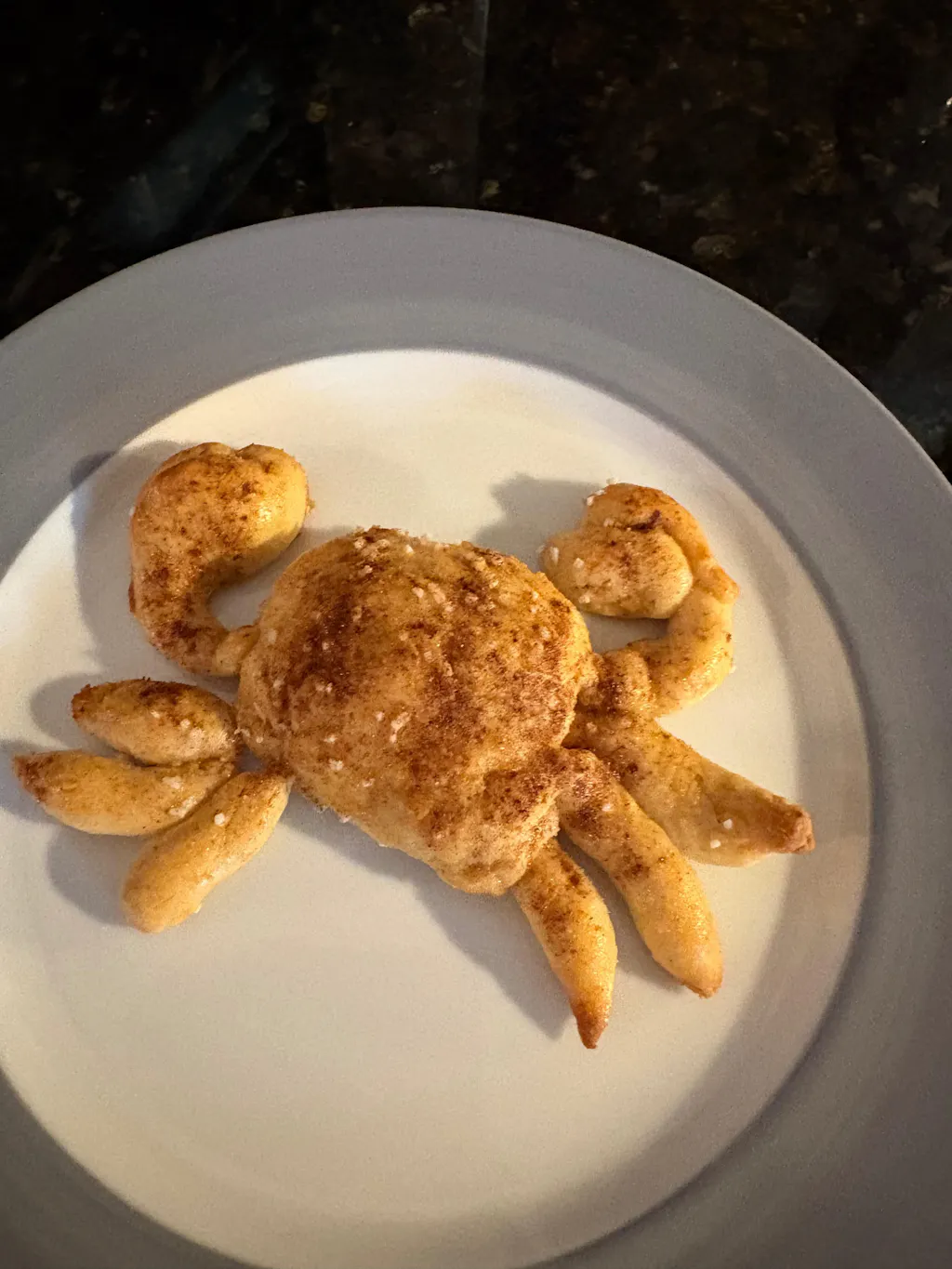
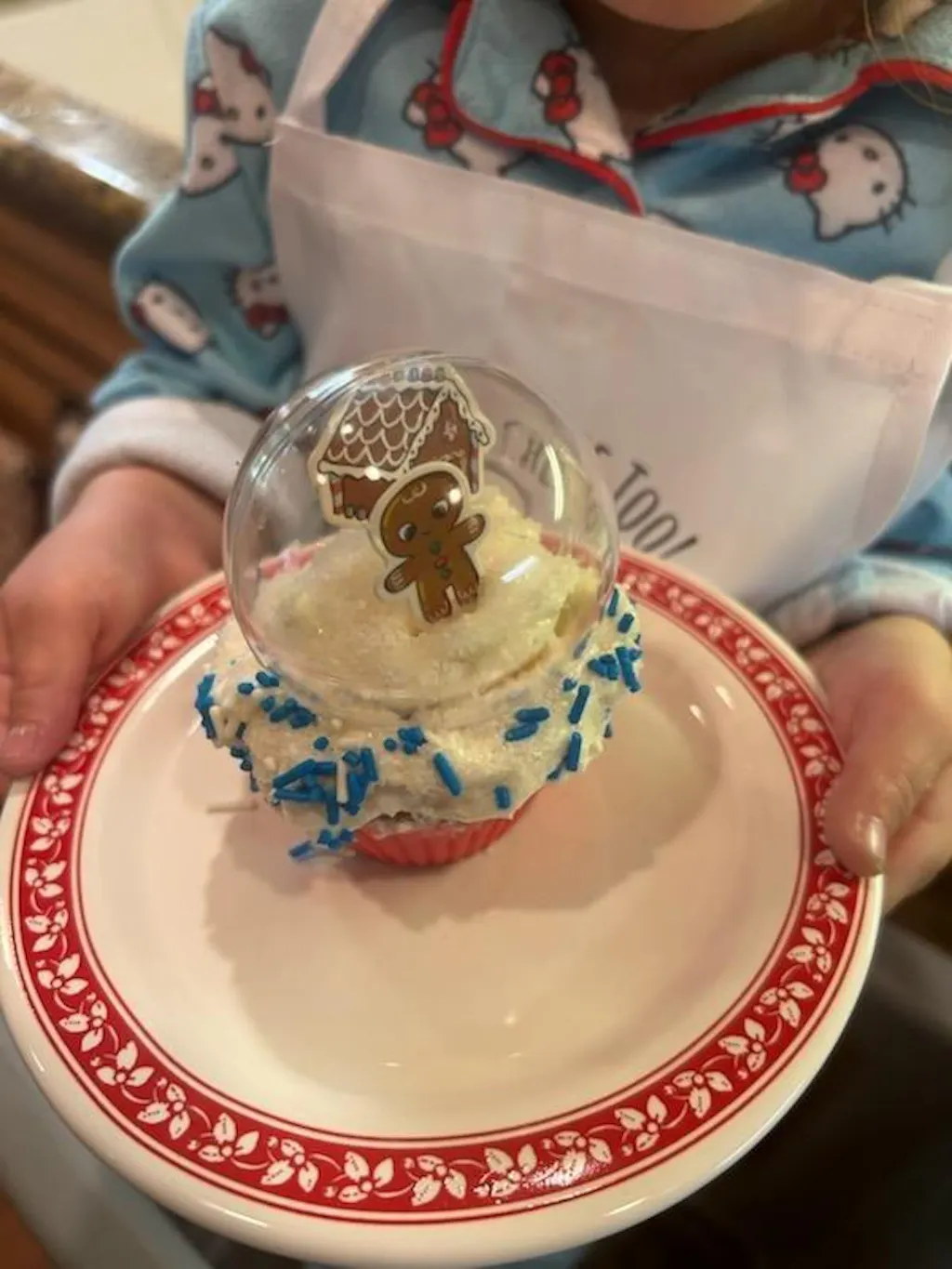
- Decorated Cookies or Cupcakes: Simple sugar cookies or cupcakes become blank canvases for artistic expression with frosting, sprinkles, and edible glitter. This is where basic design principles meet culinary art.
- Homemade Hot Chocolate Mix in a Jar: Layering cocoa powder, sugar, chocolate chips, and mini marshmallows creates a beautiful visual and a delightful gift. Kids learn about layering, density (subtly!), and precise measurement.
- Trail Mix or Granola: Mixing various nuts, seeds, dried fruits, and grains allows for creative freedom and an introduction to nutrition and healthy eating.
- Fruit Preserves or Jams (with adult supervision for cooking): For older kids, this is a more advanced chemistry lesson in preserving food, understanding pectin, and sterilization.
- Spice Blends or Herb Mixes: Mixing different dried herbs and spices for a rub or seasoning blend introduces them to different cultures and flavor profiles.
- Edible Science Kits: Think about making rock candy (crystallization!) or even the fantastic adventure of creating an edible solar system. With our Galaxy Donut Kit, kids don't just decorate; they learn about the planets as they craft delicious, space-themed treats! It’s a wonderful way to blend astronomy with baking.
This category is at the heart of what we do at I'm the Chef Too! We believe cooking is an incredible educational tool. It's why we blend food, STEM, and the arts into one-of-a-kind "edutainment" experiences. If your child loves to get hands-on in the kitchen and you're looking for new, exciting, and educational culinary adventures delivered to your door, consider joining The Chef's Club. Each box is a complete experience, sparking curiosity and creativity with pre-measured dry ingredients and specialty supplies.
2. Science You Can Use: Bath & Body Creations
These aren't just luxurious gifts; they are mini chemistry experiments waiting to happen! Kids will be fascinated by how simple ingredients combine to create something entirely new and functional.
-
Why they're great:
- Introduction to Chemistry: Understanding acids, bases, and reactions (like the fizzing of bath bombs).
- Ingredient Awareness: Learning about different oils, salts, and natural additives and their properties.
- Measurement & Precision: Critical for ensuring the recipe works correctly.
- Sensory Exploration: Experimenting with scents, colors, and textures.
- Formulating & Experimenting: Understanding how changing ratios affects the final product.
-
Ideas for Bath & Body Gifts:
- Fizzy Bath Bombs: A classic for a reason! Combining baking soda (a base), citric acid, and a liquid (like witch hazel or water) creates a delightful chemical reaction. Kids can add essential oils for scent and food coloring for visual appeal. It’s a guaranteed "wow" moment.
- Sugar or Salt Scrubs: Simple to make by combining sugar or salt with a carrier oil (coconut, almond, olive) and essential oils. Kids learn about exfoliation and moisturizing.
- Lotion Bars: Melting beeswax, shea butter, and coconut oil, then pouring into molds. This teaches about emulsions and different melting points.
- Homemade Soaps (using melt-and-pour bases): Kids can safely melt pre-made soap bases, add colorants, scents, and small toys before pouring into molds. It's a great lesson in solidification and layering.
These creations highlight how everyday products are born from scientific principles. It’s a fantastic way to introduce STEM concepts in a tangible, exciting way. For more such engaging, hands-on activities that blend science and fun, check out our selection of one-time kits in our shop!
3. Artful Adornments: Wearable & Decorative Gifts
From personalized jewelry to vibrant home decor, these crafts allow children to explore aesthetic principles and design, creating beautiful items that can be worn or displayed with pride.
-
Why they're great:
- Design Principles: Understanding color theory, patterns, balance, and texture.
- Fine Motor Skills: Beading, weaving, painting small details, cutting.
- Self-Expression: Creating unique pieces that reflect their artistic vision.
- Material Exploration: Working with different fabrics, beads, paints, and fibers.
- Problem-Solving: Figuring out how to connect pieces, how colors will look together.
-
Ideas for Wearable & Decorative Gifts:
- Beaded Jewelry: Bracelets, necklaces, or keychains using various beads (wooden, glass, plastic) and stringing techniques. This is excellent for pattern recognition and fine motor control.
- Tie-Dyed Scarves or T-Shirts: A vibrant chemistry lesson in color absorption and fabric resistance. Kids love the surprise of unfolding their creations!
- Painted Canvas Bags or T-Shirts: Using fabric paints, stencils, or freehand designs to personalize everyday items.
- Clay Pendants or Magnets: Using air-dry clay or polymer clay to sculpt shapes, then painting and sealing them.
- Upcycled Denim Patches: Decorating scraps of denim with fabric markers, embroidery, or iron-on patches to create unique adornments for clothes or bags.
These projects teach children that art isn't just about drawing on paper; it's about transforming everyday objects into beautiful, personal statements. It’s a wonderful way to foster a love for aesthetics and practical design.
4. Keepsake Creations: Handprint & Personalized Treasures
These gifts are steeped in sentimentality, capturing a moment in time and offering a deeply personal connection between the giver and the receiver. They are perfect for parents, grandparents, and other close family members.
-
Why they're great:
- Emotional Connection: Creates a lasting memory and a tangible reminder of a child's early years.
- Simple Yet Profound: Even the youngest children can participate in creating these meaningful gifts.
- Self-Expression: Personalizing items with their unique touch.
- Capturing Growth: A snapshot of their tiny hands or footprints.
-
Ideas for Keepsake Gifts:
- Handprint/Footprint Art: On canvas, ceramic plates, or even salt dough ornaments. These are timeless and cherished.
- Personalized Mugs or Plates: Using ceramic paint markers, children can draw or write messages on plain mugs or plates, which are then baked to set the design.
- Decorated Photo Frames: Plain wooden or cardboard frames become unique pieces when painted, glued with small trinkets, or embellished with a child's artwork.
- Custom Storybooks or Notebooks: Blank notebooks can be decorated with drawings, collages, or even a short story written or dictated by the child.
- Hand-Shaped Ring Dishes: Using oven-bake clay, children can press their hand into a flatten piece of clay to create a unique dish for jewelry or small treasures.
These gifts are about preserving precious memories and celebrating the unique bond shared with loved ones. They become cherished heirlooms, showcasing not only the child's creativity but also their growth.
5. Practical & Playful: Gifts for the Home
These gifts combine creativity with utility, teaching children that art can also serve a purpose in daily life. From decorative items that enhance a living space to organizational tools, these crafts encourage design thinking and repurposing.
-
Why they're great:
- Design Thinking: Understanding how objects function and how design impacts usability.
- Problem-Solving: Figuring out how to construct something sturdy or how to best arrange elements.
- Resourcefulness: Often involves repurposing materials, teaching about sustainability.
- Spatial Awareness: Working with three-dimensional objects and thinking about how they will fit into a space.
- Understanding Utility: Realizing that their creations can be useful in everyday life.
-
Ideas for Practical & Playful Gifts:
- Coasters: Decorate plain tiles with paint, permanent markers (Sharpie art coasters), or even decoupage with old comic book pages or artwork. Seal them for durability. This involves geometry and surface design.
- Decorated Mason Jars: Transform plain glass jars with paint, glitter, or tissue paper collage. They can be used as pencil holders, coin banks, or decorative vases. This teaches about repurposing and aesthetics.
- DIY Pen Holders: Cardboard tubes, tin cans, or wooden blocks can be decorated and assembled into functional desk organizers. This involves basic engineering and construction.
- Handmade Cards: A set of uniquely designed cards for various occasions (birthdays, thank you, holidays) is always appreciated. This hones drawing, writing, and message crafting skills.
- Refrigerator Magnets: Decorate small wooden blocks, bottle caps, or flattened polymer clay shapes, then glue magnets to the back. These are fun, quick, and always useful!
- Decorative Trivets or Pot Holders: For older children, simple weaving or sewing projects can create functional kitchen items, introducing textile arts and practical skills.
These projects teach children that creativity isn't confined to a canvas; it can infuse everyday objects with personality and purpose. They'll love seeing their creations used around the house! If you're looking for new ideas and the convenience of curated projects, remember that a new adventure is delivered to your door every month with free shipping in the US when you Join The Chef's Club.
Beyond the Craft: Presenting with Pride
The journey of a handmade gift doesn't end when the glue dries or the oven timer dings. The presentation of the gift is just as important as its creation. It's an opportunity for children to add another layer of thoughtfulness and pride to their hard work.
Packaging Matters
Even the simplest handmade gift can be elevated with thoughtful packaging. Encourage your child to participate in this final step:
- Handmade Cards: A personalized card, perhaps with a drawing or a heartfelt message written by the child (or dictated for younger ones), adds immense value.
- Simple Ribbons & Twine: Tying a rustic piece of twine or a colorful ribbon around a package can make it feel special.
- Decorated Gift Tags: Children can create their own gift tags, drawing pictures or writing the recipient's name, which reinforces ownership and purpose.
- Upcycled Boxes & Bags: Decorate plain paper bags or cardboard boxes with paint, stamps, or stickers. This teaches resourcefulness and adds a personal touch.
- Tissue Paper & Filler: Crinkled tissue paper or shredded paper adds a celebratory feel and protects fragile items.
The Story Behind the Gift
When presenting the gift, encourage your child to share a little bit about their creative process. "I mixed these colors to make your favorite shade of blue," or "It was tricky to measure all the ingredients, but I did it!" This verbalization helps them connect their effort to the outcome and allows the recipient to appreciate the gift even more deeply. It’s an exercise in communication and storytelling, enhancing the gift's meaning.
The Joy of Giving
Ultimately, the act of creating and giving a handmade gift is about fostering a deep sense of joy and generosity. Shift the focus from receiving presents to the satisfaction of making someone else happy. This teaches children the profound value of contributing to others' happiness and the warmth that comes from a selfless act. It’s a powerful lesson that resonates far beyond any material value.
Making It a Family Affair: Tips for Parents and Educators
Guiding children through craft projects can be one of the most rewarding experiences, fostering creativity, learning, and connection. However, it also comes with its unique set of challenges. Here at I'm the Chef Too!, our kits are developed by mothers and educators, so we understand the delicate balance of offering guidance without stifling creativity, and managing mess while maximizing fun.
Embrace the Mess: It's Part of the Creative Process
Let's face it: crafting with kids can be messy. Paint spills, glitter gets everywhere, and flour often finds its way onto the floor. But this mess is often a sign of active engagement and experimentation!
- Prepare Your Space: Lay down newspaper, old sheets, or a craft mat.
- Dress for Success: Wear old clothes or aprons.
- Containment: Use trays or large plastic bins for activities like playdough or bead sorting.
- Perspective: Remember, the cleanup is temporary, but the memories and skills developed are lasting.
Focus on the Process, Not Perfection
It's easy to get caught up in how the final product "should" look. Resist the urge to step in and "fix" your child's creation.
- Celebrate Effort: Praise their concentration, their choices of color, their problem-solving.
- Encourage Experimentation: Let them try new things, even if it means the outcome is unexpected. This is how true learning happens.
- Their Vision, Not Yours: The beauty of a child-made gift lies in its unique, imperfect charm. It’s a genuine reflection of their age and abilities.
Provide Guidance, Not Control
Your role is to facilitate, inspire, and support, not to dictate every step.
- Offer Choices: "Do you want to use glitter or beads?" or "Which color would make this pop?"
- Ask Open-Ended Questions: "What do you think will happen if...?" or "How could we make this stronger?" This encourages critical thinking.
- Demonstrate Techniques: Show them how to hold a paintbrush, knead dough, or use a glue stick, then let them try.
- Step Back: Give them space to explore and create independently. Intervention should be for safety or to overcome genuine frustration.
Safety First: Adult Supervision and Age-Appropriate Tools
Always prioritize safety, especially when working with younger children or in the kitchen.
- Supervision: Never leave young children unsupervised with craft materials, particularly small items that could be choking hazards or sharp tools.
- Tools: Provide child-safe scissors, blunt needles, and non-toxic paints. When cooking, ensure knives are used by adults or older, supervised children.
- Ingredients: Be mindful of allergies, both for the child crafting and the recipient of edible gifts. Read labels carefully.
Our approach at I'm the Chef Too! is built on these principles. We craft kits designed by mothers and educators, ensuring that every cooking and crafting adventure is not only engaging and educational but also structured for safety and ease of use. This way, parents can relax and enjoy the bonding experience, knowing that the materials are appropriate and the activity is thoughtfully designed to foster learning without unnecessary stress. By blending food, STEM, and the arts, we provide screen-free educational alternatives that truly make learning fun and accessible for the whole family. Give the gift of learning that lasts all year with a 12-month subscription to our STEM cooking adventures – a perfect solution for continuous inspiration and family fun! Join The Chef's Club today!
Addressing Common Concerns & Questions
Even with the best intentions, parents and educators often have practical questions about incorporating craft gift ideas into their routine. Let's tackle some common concerns.
"My child says they're not creative!" How can I encourage them?
Many children, especially as they get older, develop a fear of not being "good enough" at art.
- Shift the Focus: Emphasize the process of creating and the joy of making, rather than the "prettiness" of the final product. Say things like, "I love how you experimented with those colors!"
- Offer Choices: Provide a variety of materials and let them choose what excites them. Sometimes the freedom to choose is all they need.
- Start Simple: Begin with projects that have guaranteed success, like decorating pre-cut shapes or using stamps.
- Work Together: Join in the activity! Model enjoyment and experimentation yourself, showing that it's okay for things not to be perfect.
- No Comparisons: Avoid comparing their work to siblings' or other children's. Celebrate their unique style.
"What if the gift doesn't turn out perfect?" Will the recipient still appreciate it?
Absolutely! The charm of a child-made gift is its imperfection.
- The Intent Matters: Recipients cherish the effort, thought, and love that went into the gift, far more than its flawless execution.
- Tell the Story: Encourage your child to explain what they made and why. This adds a layer of personal meaning.
- Frame It as a Keepsake: These gifts are often treasured precisely because they are a snapshot of a child's artistic stage and personality.
"It's too messy!" How can I manage the chaos?
Mess is often a sign of hands-on learning! But it can be managed.
- Dedicated Space: Designate a "craft zone" (e.g., kitchen table, garage workbench) where mess is acceptable.
- Preparation is Key: Gather all materials before starting. Have cleaning supplies (wipes, sponges, a small dustpan) on standby.
- Limit Materials: Sometimes less is more. Introduce one or two new materials at a time.
- Containment: Use cookie sheets, plastic trays, or large cardboard boxes to keep messes contained to a smaller area.
- Immediate Cleanup: Institute a "clean as you go" or "5-minute tidy-up" rule at the end of each session.
"Are expensive materials necessary? I'm on a budget!"
Not at all! Many fantastic craft gifts can be made with inexpensive or recycled materials.
- Repurpose & Recycle: Save cardboard tubes, plastic bottles, old newspapers, fabric scraps, bottle caps, and egg cartons.
- Pantry Staples: Flour, salt, food coloring, spices, pasta, rice, and beans are excellent for many projects (e.g., salt dough, sensory bottles, collages).
- Nature's Bounty: Leaves, twigs, pinecones, stones, and sand offer endless possibilities for free, natural crafts.
- Dollar Stores/Craft Store Sales: Keep an eye out for sales on basic supplies like glue sticks, construction paper, and paint.
- I'm the Chef Too! Value: While our kits are premium experiences, they offer incredible value by providing all the specialized, pre-measured ingredients and supplies, saving you time and the hassle of sourcing multiple items. It's an all-in-one solution for engaging, educational fun.
"How can I find new and inspiring ideas consistently?"
The internet is a vast resource, but sifting through ideas can be overwhelming.
- Our Blog: We regularly publish new ideas and insights for parents and educators.
- Themed Resources: Look for ideas based on seasons, holidays, or specific educational topics (e.g., "space crafts," "dinosaur crafts").
- Children's Books: Many picture books inspire creative activities.
- Library Resources: Libraries often have craft books and even offer craft programs.
- Monthly Subscription Kits: For truly unique, hassle-free, and educational craft and cooking adventures, a subscription like The Chef's Club is unparalleled. Each month, a new themed box arrives with everything you need, blending food, STEM, and the arts into one magical experience, ensuring fresh inspiration and engaging learning for your child without you having to plan a thing.
Conclusion
The act of children creating handmade gifts is a truly profound endeavor, extending far beyond the simple exchange of presents. It's a rich tapestry of learning, growth, and connection, weaving together threads of creativity, problem-solving, emotional intelligence, and invaluable screen-free engagement. From the tactile exploration of a child's first attempt at a handprint keepsake to the intricate measurements for a batch of edible science cookies, every project fosters essential skills and builds confidence. These gifts, born from tiny hands and overflowing with love, become cherished mementos, speaking volumes about the effort, thoughtfulness, and unique spark of the young maker.
At I'm the Chef Too!, our mission is dedicated to championing these very experiences. We believe in blending the wonders of food, STEM, and the arts into one-of-a-kind "edutainment" adventures. Our kits, thoughtfully developed by mothers and educators, are designed to spark curiosity, ignite creativity, and facilitate meaningful family bonding through tangible, hands-on, and delicious cooking journeys. We strive to make these enriching experiences accessible and enjoyable, transforming complex subjects into delightful discoveries.
So, let's empower our children to embrace the joy of creation, to transform simple materials into extraordinary gifts, and to experience the immense satisfaction of giving something truly personal. The memories made in the process will be just as precious as the gifts themselves.
Ready to embark on a continuous journey of creativity, learning, and delicious fun with your child? Make every month an adventure in "edutainment." Join The Chef's Club today! Discover the convenience of a new, themed STEM cooking kit delivered directly to your door with free shipping in the US, complete with pre-measured dry ingredients and specialty supplies. Give the gift of ongoing discovery, sparking their culinary curiosity and scientific wonder with I'm the Chef Too!
FAQ Section
Q: What age group are these craft gift ideas best for?
A: The ideas shared span a wide range of ages, from toddlers (with significant adult supervision for simple handprint crafts or stirring no-bake treats) to pre-teens (who can handle more complex baking, detailed art projects, or basic chemistry experiments like bath bombs). The key is to select projects that match your child's developmental stage, interests, and skill level. Always prioritize age-appropriate tools and activities.
Q: How can I minimize the mess when crafting with kids?
A: Preparation is your best friend! Lay down newspaper, old tablecloths, or a designated craft mat. Use trays or large plastic containers to contain materials like glitter, beads, or dough. Dress children in old clothes or aprons. Also, consider "wet-free" crafts like drawing, collage with glue sticks, or some types of edible gifts (e.g., layered mixes in a jar). Having cleaning supplies readily available for quick wipe-ups helps a lot.
Q: Are handmade gifts really appreciated by recipients, or do they prefer store-bought items?
A: Handmade gifts are almost universally cherished, especially by close family members like parents, grandparents, and aunts/uncles. They carry immense sentimental value because they represent time, effort, and love poured in by the child. Most recipients appreciate the personal touch and the unique charm of a child's creation far more than something generic from a store. It's a tangible memory and a symbol of affection.
Q: Where can I find materials for these craft gifts without spending a fortune?
A: You don't need expensive supplies! Many crafts can be made with items found around the house:
- Recycled Materials: Cardboard boxes, paper towel rolls, plastic bottles, egg cartons, old fabric scraps.
- Pantry Staples: Flour, salt, sugar, food coloring, spices, pasta, rice, coffee grounds.
- Nature's Finds: Leaves, pebbles, sticks, pinecones (after cleaning).
- Budget-Friendly Stores: Dollar stores, discount retailers, and craft store sales are great for basic supplies like glue, paint, and paper. For a curated, hassle-free experience with all specialized ingredients and supplies included, our I'm the Chef Too! kits offer excellent value.
Q: How can I make crafting less stressful for myself as a parent?
A: The goal is to enjoy the process, not just the outcome.
- Manage Expectations: Accept that things might get messy and the final product won't be "perfect."
- Prepare Ahead: Gather all materials beforehand to avoid interruptions.
- Choose the Right Time: Pick a moment when you're not rushed or stressed.
- Simplify: Start with simpler projects. You don't need elaborate crafts for a meaningful experience.
- Delegate: Let older children help with prep or cleanup.
- Embrace the Help: Remember, our I'm the Chef Too! kits are designed to take the stress out of planning and sourcing, delivering engaging "edutainment" directly to your home, so you can focus purely on bonding and fun.