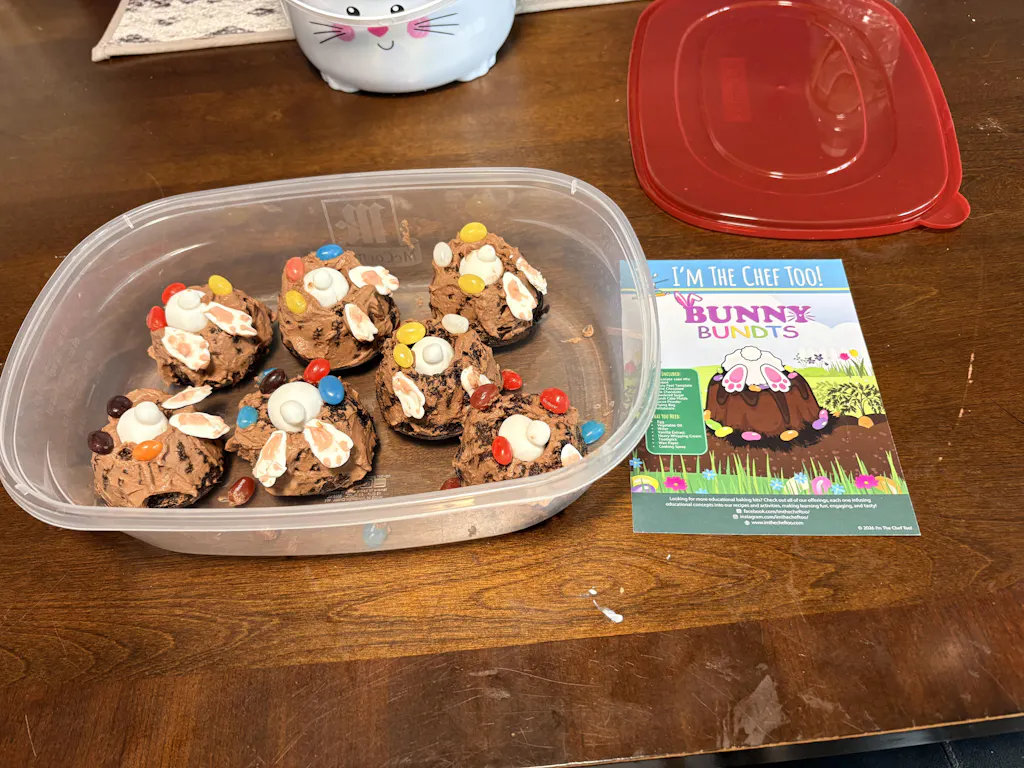
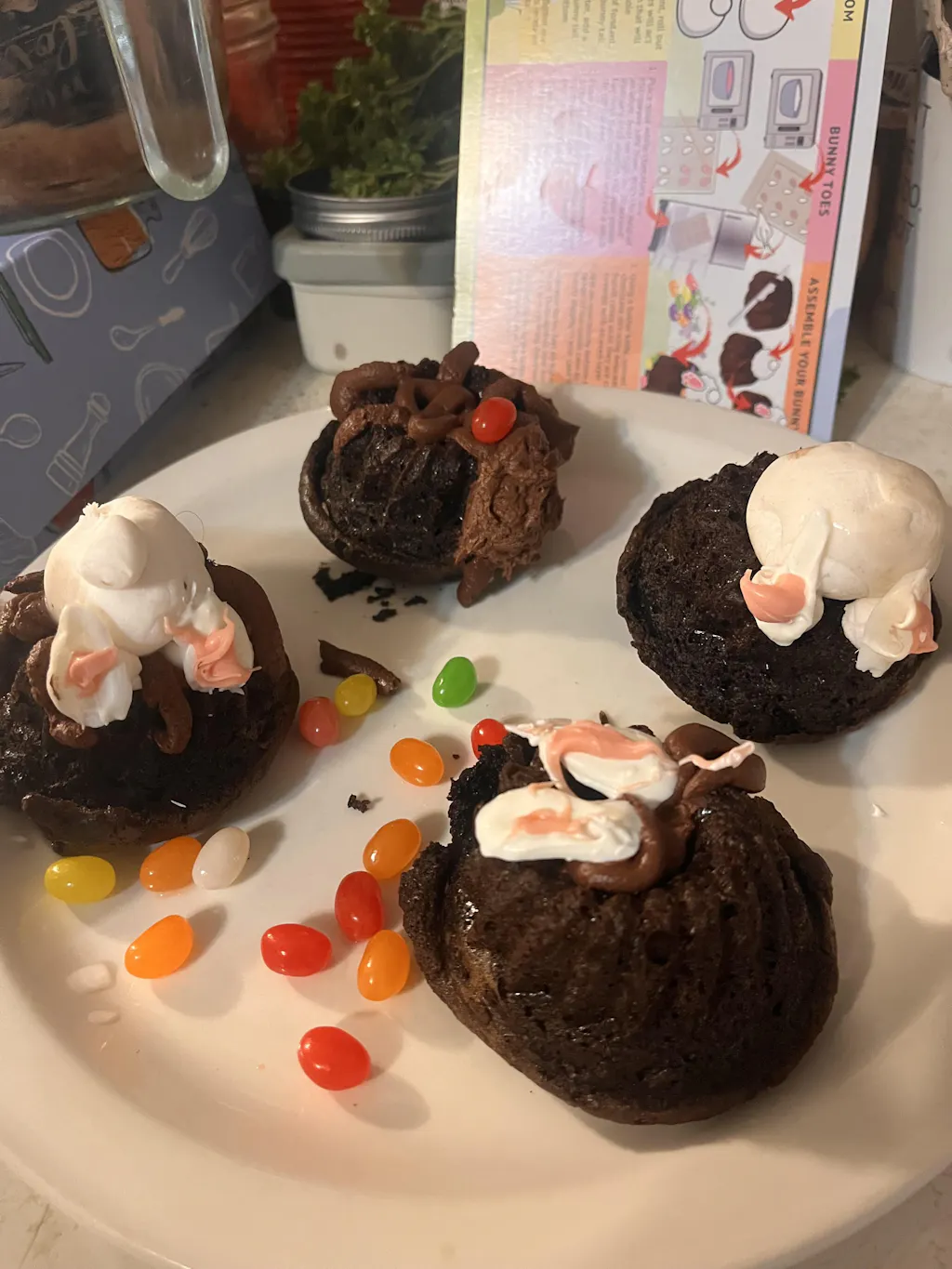
Table of Contents
- Introduction
- Why Crafts for 3-Year-Olds Are Essential: Building Blocks for Bright Futures
- Safety First: Tips for Crafting with Little Ones
- The Magic of Sensory Play: Messy Fun for Developing Minds
- Simple Materials, Big Imaginations: Everyday Items for Endless Creativity
- Beyond the Basics: Introducing Foundational Skills Through Play
- Cooking Up Learning: How Edible Crafts Spark STEM Curiosity
- Making it a Family Affair: Bonding Through Creativity
- Overcoming Challenges: Tips for Parents and Educators
- The I'm the Chef Too! Difference: Our Approach to Learning
- Conclusion
- FAQ Section
Introduction
Have you ever watched a three-year-old completely absorbed in a task, their brow furrowed in concentration as they mix colors, squish dough, or carefully place a sticker? It's a truly magical sight, a window into a rapidly developing mind at play. At this age, children are sponges, eager to explore the world around them with all their senses. Yet, in our increasingly digital world, finding engaging, screen-free activities that truly captivate their curiosity can sometimes feel like a challenge. The good news? You don't need a professional art studio or a degree in early childhood education to spark that creative flame.
This blog post is your ultimate guide to unlocking a world of artistic wonder for your little ones, specifically focusing on crafts perfect for children from three years old and up. We’ll delve into why these hands-on activities are so vital for their development, explore a treasure trove of exciting craft ideas using everyday materials, and show you how to seamlessly blend fun with foundational learning. From boosting fine motor skills and encouraging imaginative play to fostering early STEM concepts, we’ll cover everything you need to transform your home into a vibrant hub of creativity. Get ready to discover how simple crafts can lead to big learning, joyful family bonding, and unforgettable memories.
Why Crafts for 3-Year-Olds Are Essential: Building Blocks for Bright Futures
Three years old marks a phenomenal stage in a child's development. Their curiosity is boundless, their imagination is taking flight, and their desire to interact with the world around them is stronger than ever. Engaging them in crafts isn't just about keeping them busy; it's about laying crucial groundwork for cognitive, physical, and emotional growth. At I'm the Chef Too!, we firmly believe that blending food, STEM, and the arts into one-of-a-kind "edutainment" experiences is a powerful way to spark this curiosity and creativity. Our approach, developed by mothers and educators, underscores the importance of hands-on, tangible learning – and crafts are a perfect example of this philosophy in action.
Let's explore the incredible benefits that crafts offer to children from three years old:
Developing Fine Motor Skills and Hand-Eye Coordination
Think about the actions involved in many crafts: grasping a crayon, tearing paper, squeezing glue, manipulating playdough, or threading beads. Each of these requires the precise coordination of small muscles in the hands and fingers, alongside careful hand-eye coordination. These are the very skills that children will later rely on for writing, using scissors, buttoning clothes, and countless other daily tasks. The more opportunities they have to practice these movements in a fun, pressure-free environment, the more adept and confident they become. For example, simple activities like sticking foam pads onto a mosaic or rolling out dough in preparation for edible creations significantly enhance dexterity.
Boosting Cognitive Development and Problem-Solving
Crafts are inherently problem-solving activities. A child might ask, "How do I make this stick?" or "What color should I use here?" or "How can I make my dragon breathe fire?" These questions, no matter how small, engage their minds in critical thinking. They learn about cause and effect (e.g., too much water makes paint runny), spatial relationships (fitting pieces together), and planning (deciding what to do next). Exploring materials like salt dough or oobleck introduces them to basic chemistry concepts in a very tactile way, observing how substances change properties. These early experiences foster a love for discovery and experimentation, which is at the heart of STEM education.
Nurturing Creativity and Imagination
Perhaps the most obvious benefit, crafts provide an open canvas for imagination. There's no right or wrong way to create a paper plate animal or a handprint monster. Children are free to express themselves, to tell stories through their art, and to bring their unique visions to life. This freedom of expression is vital for emotional development, allowing them to process thoughts and feelings in a constructive way. When we encourage them to explore, experiment, and embrace their individuality, we're building their confidence and sense of self-worth.
Expanding Vocabulary and Communication Skills
As children engage in crafts, they naturally interact with adults and peers. They describe what they're doing, ask for help, identify colors and shapes, and explain their artistic choices. This rich dialogue expands their vocabulary and improves their ability to articulate ideas. Discussions about textures ("This paint is bumpy!"), colors ("Let's mix blue and yellow!"), and actions ("I'm squishing the dough") provide real-world context for language acquisition, making learning both natural and memorable.
Fostering Emotional Regulation and Patience
Crafts can be wonderfully calming and meditative. The focus required to complete a project helps children develop their attention spans and learn patience, especially when waiting for glue to dry or colors to mix. It's also an opportunity to experience the satisfaction of completing a task, which builds resilience and self-esteem. The process, rather than just the final product, is where the true magic lies – understanding that effort and persistence lead to rewarding outcomes.
Encouraging Family Bonding and Connection
Sharing a crafting session is a powerful way to connect with your child. It’s dedicated, screen-free time where you can laugh, create, and explore together. These shared experiences become cherished family memories, building stronger bonds and a sense of togetherness. Imagine making edible treats together, like creating your own fantastical creatures with our Galaxy Donut Kit, where you're not just crafting, but also baking, decorating, and learning about the solar system! This shared joy is a cornerstone of our mission at I'm the Chef Too!, providing enriching activities that bring families closer.
Safety First: Tips for Crafting with Little Ones
Before diving into the wonderful world of crafts, prioritizing safety is paramount, especially with children as young as three. Their natural curiosity often means everything goes into their mouths, and their motor skills are still developing. With a few simple precautions, you can create a safe and enjoyable crafting environment.
Choose Age-Appropriate Materials
Always select non-toxic, child-safe craft supplies. Look for labels like "AP Certified Non-Toxic" on paints, glues, and markers. Avoid small pieces that could be choking hazards, especially if your child is still prone to mouthing objects. This means no tiny beads, glitter, or very small embellishments unless you are actively supervising every single second. Many of the ideas we'll discuss use larger, safer alternatives.
Constant Supervision is Key
Even with age-appropriate materials, young children require close supervision during craft time. This isn't just about safety; it's also about engagement. Sitting with your child, talking about what they're doing, and offering assistance when needed enhances the experience for both of you.
Prepare Your Workspace
Lay down old newspapers, a plastic tablecloth, or a washable mat to protect your surfaces from spills and messes. Have wet cloths or paper towels readily available for quick clean-up. Dress your child in old clothes or an apron that can get messy. Embracing the mess is part of the fun, but preparedness makes it less stressful for everyone!
Emphasize "No Eating" (Unless Edible!)
Clearly explain to your child that craft supplies are not food, even if they smell appealing. However, this rule changes wonderfully when you introduce edible crafts! Our I'm the Chef Too! kits are designed precisely for this, blending delicious recipes with educational themes, so the end product is not only a creative masterpiece but also a tasty treat. For example, exploring geology by creating your own Erupting Volcano Cakes means the bubbling over isn't just a chemical reaction, it's a delicious one!
The Magic of Sensory Play: Messy Fun for Developing Minds
Sensory play is a cornerstone of early childhood development, allowing children to explore and learn about the world through touch, sight, smell, and even taste (when safe!). Many of the most engaging crafts for 3-year-olds fall under this delightful category, providing rich tactile experiences that build foundational skills.
Homemade Playdough & Salt Dough: Squish, Roll, Create!
Playdough is a classic for a reason. Its soft, pliable texture makes it incredibly satisfying for little hands to manipulate. Making your own playdough is a simple activity in itself and ensures it's safe if it accidentally makes its way to their mouth. Children can practice:
- Fine motor skills: Rolling, pinching, squeezing, and cutting with child-safe tools.
- Shape recognition: Using cookie cutters or forming basic shapes.
- Imaginative play: Creating food, animals, or abstract sculptures.
Salt dough offers a slightly different texture and the added bonus of being able to bake and preserve creations. Made from just flour, salt, and water, it’s an incredibly versatile medium. Imagine creating ornaments or keepsakes, like a glittery handprint ornament. This transforms a temporary play activity into a lasting treasure, perfect for gifting to loved ones. The process of mixing, kneading, and shaping provides excellent sensory input and strengthens those little hand muscles.
Rainbow Rice & Kinetic Sand: A World of Texture
Rainbow rice is a visual and tactile delight. Simply dyed with food coloring, it’s a safe, engaging sensory bin filler. Children can scoop, pour, and hide small objects, developing measurement concepts and object permanence. The rustling sound and vibrant colors add to the multi-sensory experience.
Kinetic sand offers a unique, moldable texture that holds its shape yet crumbles easily. It’s less messy than traditional sand but provides a similar sensory experience. Children can build structures, create imprints, and even practice "writing" letters or shapes in the sand, boosting pre-writing skills while having fun.
Puffy Paint & Oobleck: Exploring States of Matter
Puffy paint is easy to make and creates fantastic, raised textures on paper. Using shaving foam and glue, it’s a wonderfully tactile medium that kids adore. They can paint with their fingers, sponges, or brushes, creating art that truly pops off the page. This activity introduces them to different paint consistencies and encourages experimental strokes.
Oobleck, a non-Newtonian fluid made from cornstarch and water, is a scientific marvel in a bowl! It acts like a solid when pressure is applied but flows like a liquid when released. This unique substance sparks immense curiosity, encouraging children to experiment with force and observe how materials can change. Adding food coloring makes it even more captivating. It's a fantastic, simple science experiment disguised as play.
Bubble Painting & Finger Painting: Process Art at its Best
Bubble painting is pure magic. Mixing paint, dish soap, and water, children blow bubbles through a straw onto paper, creating whimsical, abstract patterns. It’s an exciting process art activity that focuses on the experience of creating rather than a perfect end product, helping to develop oral motor skills and breath control.
Finger painting is a rite of passage for every young artist. It allows for direct, uninhibited interaction with color and texture. Spread out a large sheet of paper and let them swirl, dab, and mix with their hands. This builds hand-eye coordination and provides a wonderful outlet for self-expression, preparing them for holding pens and pencils later on.
Simple Materials, Big Imaginations: Everyday Items for Endless Creativity
You don’t need a specialized art store to embark on amazing craft adventures. Many of the most engaging and educational crafts can be made using items you already have around the house, fostering resourcefulness and creativity.
Pipe Cleaner Crafts: Twist, Bend, Connect!
Pipe cleaners are incredibly versatile and perfect for little hands. Their fuzzy texture and bendable nature make them ideal for developing fine motor skills and encouraging imaginative construction. Children can twist them into animals, letters, shapes, or abstract sculptures. Pair them with beads (larger, child-safe ones) for threading practice, or use them to create colorful antennae for homemade creatures. They’re fantastic for building strength in little fingers as they bend and shape the material.
Paper Plate & Egg Carton Crafts: Repurposing Fun
Paper plates are a blank canvas for countless crafts. Transform them into animal faces (lions, frogs, bears), masks, suncatchers, or even flying saucers. Adding googly eyes, yarn, or torn paper strips allows for endless variations. For example, a simple bumblebee made from a paper plate can introduce concepts of insects and colors, while cutting and gluing helps develop dexterity.
Egg cartons are another fantastic material for repurposing. Cut them into individual cups to make flowers, miniature boats, or even caterpillar segments. Painting and decorating these found objects teaches children about transforming everyday items into something new and exciting. Imagine creating a bouquet of egg carton flowers to give to a grandparent – it's a craft that fosters creativity and thoughtfulness.
Toilet Roll Crafts: From Waste to Whimsy
Don't toss those empty toilet paper rolls! They are incredibly useful for crafting. With a little paint and imagination, they can become anything from animals (like a fire-breathing dragon with tissue paper flames) to binoculars, castles, or even handprint puppets. This promotes recycling and encourages children to see potential in everyday "waste" items. It’s also great for practicing cutting and gluing skills.
Nature Collaging & Flower Printing: Connecting with the Outdoors
Take your crafting outdoors! A nature walk can become a treasure hunt for craft supplies. Collect leaves, small twigs, petals, and pebbles. Back inside, children can use these natural elements to create beautiful collages, exploring different textures, shapes, and colors from the natural world. This activity connects them to their environment and encourages observation.
Flower printing is another simple yet captivating outdoor craft. Gather some sturdy flowers or leaves and use them as natural stamps. Children can dip them in paint and press them onto paper, observing the unique patterns each plant creates. This introduces them to botanical forms and the concept of imprints, turning nature into their art studio.
Beyond the Basics: Introducing Foundational Skills Through Play
As children grow and their fine motor skills advance, crafts can become powerful tools for introducing more complex concepts and reinforcing early learning.
Handprint & Footprint Art: Memory Makers
Beyond being adorable keepsakes, handprint and footprint art offers developmental benefits. The act of spreading paint on a hand or foot, then pressing it firmly onto paper, provides unique sensory input and helps with body awareness. Children love seeing how their own body parts transform into animals (like a footprint reindeer Christmas card) or flowers, fostering a sense of wonder and connection to their own physical self. These creations are also wonderful gifts that celebrate special moments and milestones.
Stamps & Colouring Pages: Pre-Writing and Artistic Expression
Stamps are fantastic for young children, offering a controlled way to create images without the precision required for drawing. They can practice patterns, color recognition, and storytelling. Making homemade stamps out of sponges or even old erasers can be an additional craft in itself, introducing the concept of printmaking.
Colouring pages, while seemingly simple, are excellent for developing pencil grip, learning to stay within lines, and understanding color relationships. They provide a low-pressure way for children to engage with art and express their preferences. Our free printable coloring pages are great for a calm afternoon activity, allowing both adults and toddlers to enjoy together.
Paper Crowns & Superhero Masks: Pretend Play and Self-Expression
Crafts that lead to dress-up or pretend play are incredibly enriching. Creating a royal paper crown or a fierce superhero mask empowers children to embody different roles, boosting their confidence and storytelling abilities. They learn to follow simple instructions, decorate, and personalize items, transforming themselves into their favorite characters. This type of craft directly fuels imaginative play, a critical component of healthy development.
Jewelry Making & Threading: Precision and Patterns
Simple jewelry making with large wooden beads or even pasta noodles is an excellent activity for honing fine motor skills, hand-eye coordination, and pattern recognition. Threading beads onto pipe cleaners or string requires concentration and dexterity, building the muscles needed for more intricate tasks. Children learn about sequences, colors, and shapes as they design their own wearable art. This also encourages patience and a sense of accomplishment.
Paper Weaving: Dexterity and Design
Introducing paper weaving with colorful strips of paper teaches children about over-under patterns, spatial reasoning, and develops their dexterity. Kits with pre-cut strips and simple designs, like rainbow fish, can make this accessible for 3-year-olds. It’s a step up from basic cutting and gluing, encouraging more complex manipulation of materials.
Lettering Projects: Early Introduction to Writing
Even at three, simple lettering projects can be introduced to help with early literacy skills. Creating a monogram with paint, stickers, or even natural materials can make letters tangible and fun. This focuses on the shape and form of letters, preparing them for more formal writing instruction down the line. It's about recognizing and interacting with letters in a creative context, rather than memorizing them.
Cooking Up Learning: How Edible Crafts Spark STEM Curiosity
What if crafting could be even more delicious? At I'm the Chef Too!, we believe that the kitchen is one of the best classrooms. Our unique approach blends food, STEM, and the arts into one-of-a-kind "edutainment" experiences, proving that complex subjects can be taught through tangible, hands-on, and utterly delicious cooking adventures. Edible crafts are the perfect bridge between creative play and practical learning, especially for children from three years old.
Connecting Cooking to Crafts: Tangible Learning, Multi-Sensory Engagement
When children participate in edible crafts, they are engaging multiple senses:
- Touch: Measuring, mixing, kneading dough, spreading frosting.
- Sight: Observing colors, textures, and transformations.
- Smell: Enjoying the aromas of ingredients baking.
- Taste: The ultimate reward for their efforts!
This multi-sensory engagement deepens learning and makes concepts more memorable. They learn about ingredients, simple chemical reactions (like baking soda reacting with vinegar), measurement, and even basic physics (how heat changes food). It's a completely different and equally valuable form of "messy play" that often yields a scrumptious outcome!
I'm the Chef Too! Edible Adventures: Where Learning Tastes Good
Our mission at I'm the Chef Too! is to spark curiosity and creativity in children, facilitate family bonding, and provide a screen-free educational alternative. We achieve this by turning recipes into exciting adventures. Imagine your child learning about geology not from a textbook, but by creating a fizzy, delicious reaction that makes our Erupting Volcano Cakes bubble over with deliciousness. Or exploring astronomy by creating your own edible solar system with our Galaxy Donut Kit, where each donut is a planet they can decorate and then enjoy. Even beloved characters can make learning fun, like when kids make Peppa Pig Muddy Puddle Cookie Pies, learning about simple baking while playing with their favorite show.
These aren't just recipes; they are carefully crafted learning experiences developed by mothers and educators. Each kit comes with pre-measured dry ingredients and specialty supplies, making it incredibly convenient for parents. You can simply open the box and embark on a learning journey together, without the hassle of grocery shopping or hunting for obscure ingredients.
Ready for a new adventure every month, delivered right to your door with free shipping in the US? Join The Chef's Club today! Our monthly subscription box makes it easy to keep the learning and fun going all year long, providing a steady stream of creative "edutainment" for your little chefs.
Making it a Family Affair: Bonding Through Creativity
Craft time isn't just for kids; it's a fantastic opportunity for the whole family to come together. In our busy lives, dedicated screen-free moments for connection are more precious than ever. When you sit down to craft with your child, you're not just supervising; you're participating, modeling creativity, and creating shared memories.
- Shared Laughter: There's nothing quite like the joy of making something silly or beautiful together.
- Collaborative Spirit: Older siblings can help younger ones, fostering teamwork and patience.
- Communication: Crafting provides natural conversation starters, allowing children to talk about their creations, their day, or whatever is on their minds.
- Stress Relief: For adults and children alike, engaging in a creative, hands-on activity can be wonderfully calming and a great way to de-stress.
Imagine dedicating an afternoon to creating edible art with one of our kits. While you're whipping up a delectable treat, you're also discussing the science behind baking, the history of a culture, or even basic math concepts like fractions. This is the essence of what we champion at I'm the Chef Too! – activities that nurture both intellect and emotional connections.
Not ready for a monthly commitment but want to try an adventure? Explore our full library of adventure kits available for a single purchase in our shop! Find the perfect theme to spark your child's interest and kickstart your family's crafting journey.
Overcoming Challenges: Tips for Parents and Educators
Even with the best intentions, crafting with 3-year-olds can sometimes feel overwhelming. Here are some practical tips to navigate common challenges and make the experience enjoyable for everyone.
Managing the Mess
- Embrace it: Accept that messes will happen. It’s part of the creative process and the sensory exploration.
- Protect surfaces: Use old towels, newspapers, or a plastic tablecloth.
- Wear old clothes: Or invest in a child's apron.
- Easy clean-up station: Keep wipes, paper towels, and a shallow bin of water nearby for quick hand cleaning.
- Outdoor adventures: Take messier crafts outside when weather permits!
Encouraging Process Over Product
- Focus on the doing: Praise effort, exploration, and imagination rather than just the final outcome. Instead of "That's a beautiful drawing," try "I love how you used so many different colors!" or "Tell me about your amazing creation!"
- Let them lead: Resist the urge to "fix" their art or make it look perfect. Their unique expression is the goal.
- Provide open-ended materials: Offer a variety of supplies and let them decide how to use them.
Adapting for Different Skill Levels
- Pre-prep for younger ones: Cut paper shapes, open glue bottles, or set up paint palettes in advance to minimize frustration.
- Offer choices: Let them choose colors, materials, or the subject of their craft to give them a sense of control.
- Simplify or elaborate: For simpler tasks, focus on one step at a time. For those ready for more, suggest adding details or trying new techniques.
- Know when to stop: Short attention spans are normal. If a child loses interest, it’s perfectly fine to stop and try again another day. The goal is positive association with creativity, not forced completion.
The I'm the Chef Too! Difference: Our Approach to Learning
At I'm the Chef Too!, we are passionate about providing meaningful, engaging, and delicious educational experiences for children. Our unique approach is built on a few core beliefs:
- Hands-on Learning is Best: We know that children learn by doing. Our kits transform abstract concepts into tangible, edible adventures that they can see, touch, smell, and taste. This makes learning stick!
- Blending Disciplines for Holistic Growth: We don't just teach cooking; we integrate science, technology, engineering, art, and math (STEM & Arts) into every recipe. Each box is a complete "edutainment" experience designed to broaden their understanding of the world.
- Sparking Curiosity, Not Just Memorization: We aim to ignite a lifelong love for learning by sparking children's natural curiosity and encouraging them to ask "why?" and "how?" This process-oriented approach builds confidence and encourages critical thinking.
- Screen-Free Connection: In an increasingly digital world, we offer a refreshing alternative that encourages real-world interaction, creativity, and family bonding away from screens.
- Developed by Experts, Approved by Families: Our kits are thoughtfully designed by mothers and educators who understand child development and the needs of busy families. We ensure that our activities are not only educational but also incredibly fun and easy to do together.
We are committed to making educational fun accessible and convenient for every family. With our monthly Chef's Club subscription, you receive a new themed adventure delivered directly to your door with free shipping in the US. Each box includes pre-measured dry ingredients and specialty supplies, taking the guesswork out of planning. It’s the gift of learning that lasts all year, perfect for fostering ongoing curiosity and creativity.
Do you lead a classroom, a homeschool group, or a camp? Our hands-on STEM adventures are perfect for group settings! Learn more about our versatile programs for schools and groups, available with or without food components, here. We can help you bring engaging, educational experiences to a larger audience.
Conclusion
The world of crafts for children from three years old is a vibrant tapestry of learning, creativity, and connection. From the simplest sensory play like squishing homemade playdough to more intricate edible adventures that blend science with deliciousness, every activity offers a unique opportunity for growth. We’ve seen how these hands-on experiences are crucial for developing fine motor skills, boosting cognitive abilities, nurturing imagination, expanding vocabulary, and fostering emotional regulation. More than anything, they create precious, screen-free moments of family bonding that build lasting memories and a shared love for discovery.
At I'm the Chef Too!, our mission is to make these enriching experiences accessible and exciting. We believe that learning should be fun, tangible, and delicious, and our unique "edutainment" kits are designed to do just that. We provide the tools and inspiration for children to explore STEM and the arts through the magic of cooking, sparking curiosity and creativity with every box.
Don't let another day pass without igniting that spark! Whether you're exploring the wonders of edible geology with our volcano cakes or venturing into space with galaxy donuts, the adventure awaits.
Ready to embark on a journey of discovery and create delicious memories with your little ones? Join The Chef's Club today and receive a new, exciting, educational, and delicious STEM cooking adventure delivered right to your door every month. Give the gift of learning that lasts all year and watch your child’s creativity and confidence flourish!
FAQ Section
Q1: How do I get my 3-year-old to focus on a craft activity? A1: Three-year-olds have naturally short attention spans. The key is to keep activities brief (10-15 minutes), highly engaging, and to follow their lead. If they lose interest, it's okay to stop and try another time. Offer choices to give them a sense of control, and focus on the process of creating rather than the pressure of completing a perfect product. Remember, praise their effort and creativity, not just the outcome.
Q2: What are the safest craft materials for a 3-year-old? A2: Always opt for non-toxic, child-safe materials. Look for labels like "AP Certified Non-Toxic" on paints, glues, and markers. Avoid small items that could be choking hazards. Large buttons, chunky beads, pipe cleaners (supervised), large pom-poms, playdough, salt dough, paper, child-safe scissors, and washable paints are generally good choices. When in doubt, lean towards larger, edible, or natural materials where appropriate.
Q3: My child makes a huge mess with crafts. How can I manage it? A3: Mess is a natural and beneficial part of sensory exploration for young children! To manage it:
- Prepare your workspace: Lay down old newspapers, a plastic tablecloth, or a washable mat.
- Dress for mess: Put your child in old clothes or an art apron.
- Define the space: Try using a tray or a large box lid to contain materials.
- Have cleaning supplies ready: Keep wet cloths, paper towels, and a small bin for waste nearby for quick clean-up.
- Take it outside: For particularly messy activities, craft outdoors if the weather permits. Embracing the mess, within reason, allows for greater freedom in play and learning.
Q4: How can I make crafts educational for my toddler? A4: Many crafts are inherently educational! You can enhance the learning by:
- Talking through the process: Describe colors, shapes, textures, and actions ("You're squeezing the glue!").
- Asking open-ended questions: "What do you think will happen if...?" or "Tell me about what you're making."
- Integrating basic concepts: Count items, identify shapes, discuss primary/secondary colors, or talk about simple science concepts (like how paint dries or dough transforms).
- Connecting to real-world knowledge: If making an animal, talk about where that animal lives or what sounds it makes. Our I'm the Chef Too! kits are specifically designed to blend STEM and arts into delicious adventures, making learning tangible and fun.
Q5: What if my child isn't interested in traditional drawing or painting? A5: That's perfectly normal! Creativity takes many forms. Try different types of crafts that appeal to various senses and skills:
- Sensory bins: Filled with rainbow rice, kinetic sand, or oobleck.
- Building activities: With pipe cleaners, blocks, or found objects.
- Edible crafts: Like those from I'm the Chef Too! that involve mixing, baking, and decorating.
- Nature crafts: Collaging with leaves and twigs.
- Process art: Where the focus is on the experience of creating rather than a specific outcome, like bubble painting or finger painting. The goal is exposure and enjoyment, not mastery of a specific art form at this age.
Q6: Are there craft kits available for children from 3 years old? A6: Absolutely! Many companies, including I'm the Chef Too!, offer age-appropriate craft kits. Our kits are specially designed for children from three years old and up, blending cooking with STEM and art. They come with pre-measured dry ingredients and specialty supplies, making them super convenient and engaging. You can explore a wide variety of themes through our complete collection of one-time kits, or for ongoing adventures, consider joining The Chef's Club for a new delivery every month.