Table of Contents
- Introduction
- The Power of Beach Themed Art Projects for Kids
- Seashell Masterpieces: Turning Nature into Art
- Sand Art and Sculptures: Engineering with Earth
- Upcycled Ocean Creatures: Crafting with a Conscience
- Wearable Beach Art and Keepsakes
- Culinary Canvas: Beach Art in the Kitchen
- Interactive and Sensory Beach Art
- Nature-Based Art: Sun Prints and Rock Painting
- Organizing Your Beach Art Day: Tips for Parents
- The Educational Value of Beach Art
- Bringing the Beach to the Classroom
- Frequently Asked Questions (FAQs)
- Summary of Beach Art Adventures
- Conclusion
Introduction
Have you ever watched a child’s face light up as they discover a perfectly smooth pebble or a spiraling shell tucked into the shoreline? There is something truly magical about the beach that captures the imagination of children and adults alike. Whether it is the rhythmic sound of the waves, the squish of wet sand between toes, or the endless blue horizon, the coast is a giant, natural laboratory and art studio just waiting to be explored. At I’m the Chef Too!, we believe that these moments of wonder are the perfect spark for learning. We know that when children are curious, they are ready to absorb complex concepts through hands-on play.
The purpose of this blog is to provide you with a treasure trove of beach themed art projects for kids that do more than just pass the time; they foster creativity, develop fine motor skills, and introduce basic STEM (Science, Technology, Engineering, and Math) concepts in a way that feels like pure fun. We will explore everything from seashell masterpieces and sand-based sculptures to upcycled ocean creatures and even some "edible art" that you can create in your kitchen. Our goal is to help you turn a simple summer day into a memorable "edutainment" experience that keeps the kids engaged and screen-free.
By blending the beauty of the coast with the curiosity of a young scientist and the vision of a little artist, we can create meaningful memories that last far longer than a summer tan. These activities are designed to be accessible, using many materials you likely already have at home or can easily find on your next trip to the shore. Our main message is simple: art and science are all around us, and with a little bit of inspiration, any child can transform a few beach finds into a masterpiece of discovery.
The Power of Beach Themed Art Projects for Kids
When we think about beach themed art projects for kids, we aren't just thinking about glue and glitter. We are thinking about the way a child learns to observe the world. Why are some shells flat while others are spiraled? How does sand hold its shape when it’s wet but crumble when it’s dry? These are the types of questions that naturally arise during art time. At I’m the Chef Too!, our mission is to blend food, STEM, and the arts into one-of-a-kind experiences. We believe that the kitchen and the craft table are both incredible places for "edutainment"—where education meets entertainment.
Art projects inspired by the sea allow children to practice "nature journaling" and observation. When they sit down to paint a crab or mold a sandcastle, they are looking closely at patterns, textures, and colors. This focus is a foundational skill for both artists and scientists. Plus, engaging in these activities as a family facilitates bonding and provides a much-needed break from digital devices. Ready for a new adventure every month? Join The Chef's Club and enjoy free shipping on every box to keep that creative momentum going all year long.
Seashell Masterpieces: Turning Nature into Art
Seashells are perhaps the most iconic beach find. Each one is a tiny piece of architecture, built by a sea creature for protection. Turning these into art is a wonderful way to honor the beauty of the ocean.
Painted Seashells
One of the simplest and most rewarding beach themed art projects for kids is seashell painting. If you have a collection from a recent vacation, wash them thoroughly to remove salt and sand. Using tempera paints, acrylics, or even mess-free paint sticks, kids can transform dull shells into vibrant treasures.
- STEM Connection: Discuss the different types of shells. Are they bivalves (two shells joined) or gastropods (one spiraled shell)?
- Artistic Tip: Try "dot art" by using the end of a paintbrush to create patterns, or use metallic markers to highlight the natural ridges of the shell.
Melted Crayon Shells
This project is a fantastic lesson in states of matter. By placing small bits of crayon inside a warmed shell, children can watch the solid wax turn into a liquid.
- How to do it: Warm clean shells in an oven at a low temperature (adult supervision is a must!). While the shell is still warm, let the children press crayons against the inside. The wax will melt and swirl, creating a beautiful marbled effect.
- Observation: Ask the kids what happens as the shell cools down. This is a perfect example of a physical change!
Seashell Candles
For older children, making candles inside large shells like scallops or clams is a wonderful way to create a functional piece of art.
- The Process: Melt soy wax flakes in a double boiler. Place a small wick with a metal base in the center of the shell. Carefully pour the wax in and let it set.
- Safety First: Always handle hot wax with care and ensure an adult is present for the melting and pouring process.
Sand Art and Sculptures: Engineering with Earth
Sand is a fascinating medium. It’s essentially tiny bits of rock and shell, and it behaves differently depending on how much water is added.
Homemade Sand Clay
If you want the look of sand but the permanence of a sculpture, sand clay is the answer. This is one of those beach themed art projects for kids that feels like a magic trick.
- The Recipe: Combine 1 ½ cups of sand, 1 ½ cups of cornstarch, 2 cups of baking soda, and 1 ½ cups of water in a saucepan.
- The Science: Stir the mixture over medium heat until it thickens into a dough. This is a great chance to talk about how different ingredients react when heat is applied. Once cooled, kids can mold it into sandcastles, starfish, or even "fossils" by pressing shells into the surface.
- The Finish: Bake the creations at 200°F for two hours to harden them.
Sand Casting on the Shore
If you are actually at the beach, you can use the shore itself as your mold.
- The Activity: Dig a shape into the damp sand (like a fish or a star). Decorate the bottom of the hole with shells and pebbles (remember, the bottom will become the front!). Mix plaster of Paris and pour it into the hole. After it sets, you can "excavate" your art.
- Comparison: A parent looking for a screen-free weekend activity for their child who loves exploration might see the similarities between this and our more culinary-focused adventures. Give the gift of learning that lasts all year with a 12-month subscription to our STEM cooking adventures to explore even more hands-on projects.
Upcycled Ocean Creatures: Crafting with a Conscience
Teaching children about the ocean also means teaching them about conservation. Using "trash" to make "treasure" is a powerful lesson in sustainability.
Cardboard Tube Tropical Fish
Don't throw away those toilet paper or paper towel rolls! With some paint, construction paper, and googly eyes, they can become a school of vibrant tropical fish.
- Creative Twist: Flatten one end of the tube and staple it to create a tail shape. Cut out fins and attach them to the sides. This helps children think about 3D shapes and how to transform a cylinder into a biological form.
Egg Carton Whales and Crabs
Egg cartons are incredibly versatile for beach themed art projects for kids.
- Whale: Cut out one "cup" from the carton, paint it blue, and add a pipe cleaner "spout" coming out of the top.
- Crab: Paint the cup red and attach pipe cleaner legs and googly eyes.
- STEM Discussion: Talk about the different ways these animals move. Why does a whale need a blowhole? Why does a crab walk sideways?
Medicine Cup Jellyfish
Small plastic cups can be turned into whimsical, floating jellyfish.
- The Build: Use a needle (adult help!) to poke a hole in the bottom of a small plastic cup. Thread some yarn or embroidery floss through to act as the hanger. Glue colorful ribbons or strips of tissue paper to the inside of the cup to represent tentacles.
- Physics in Action: When you hang these near a window, the breeze makes the "tentacles" dance, mimicking the movement of a jellyfish in the ocean currents.
Wearable Beach Art and Keepsakes
Kids love to wear their creations! It builds confidence and gives them a sense of pride in their work.
Seashell Hairpins and Jewelry
Small, delicate shells can be turned into beautiful accessories. Using a strong adhesive (with adult supervision), kids can attach shells to plain hairpins or glue them onto cord to make necklaces.
- Artistic Choice: Should the shells stay natural, or should we add a bit of "mermaid magic" with some glitter or pearlized paint?
Handprint Crab T-Shirts
This is a classic keepsakes project. By painting a child's hands red and pressing them onto a plain white t-shirt (with the palms together and fingers pointing out), you create a perfect crab shape. Add some fabric marker eyes and a "sandy" bottom.
- Memories: This is a wonderful way to track how much your little "chef" or "artist" has grown each summer.
Culinary Canvas: Beach Art in the Kitchen
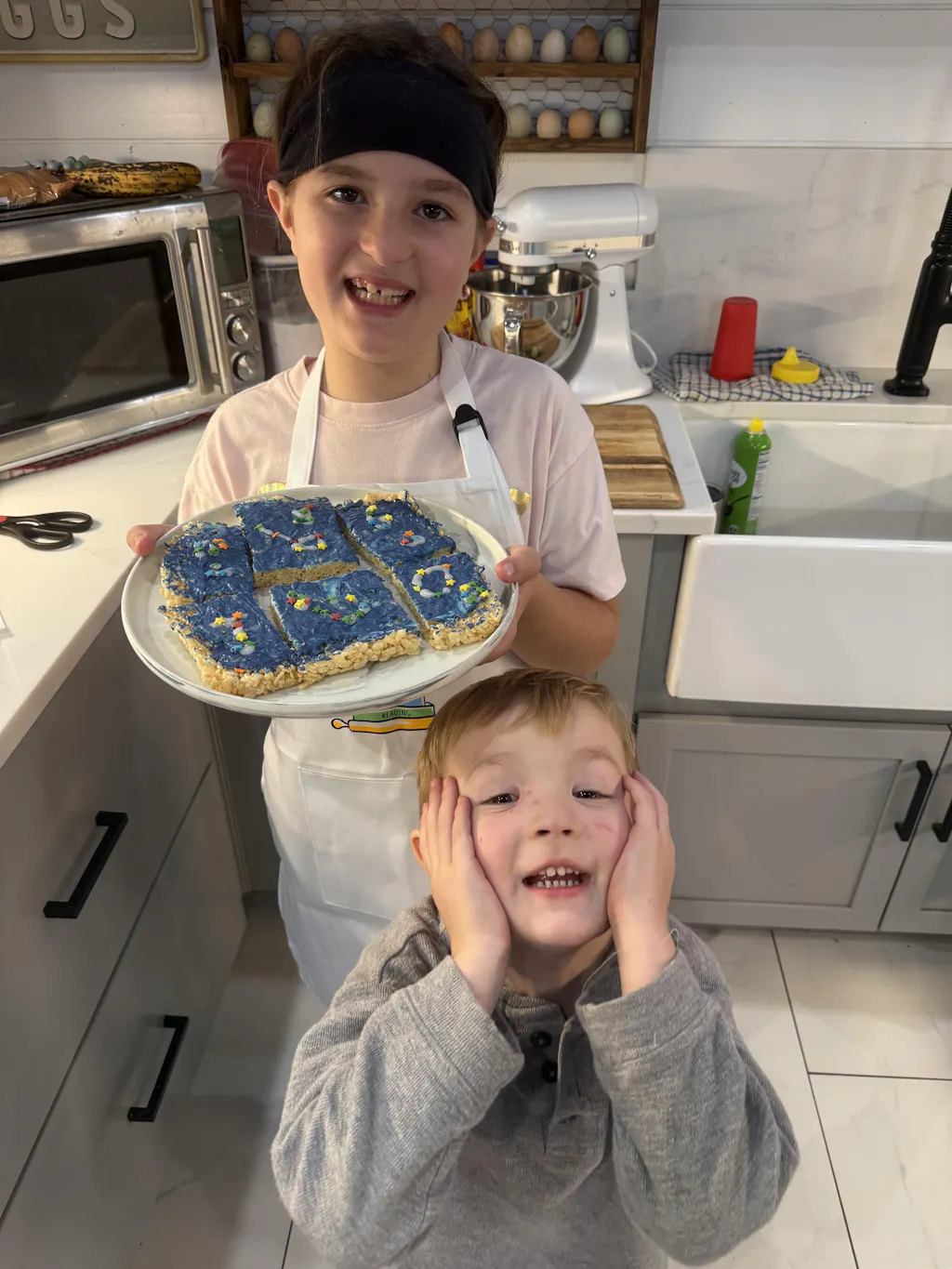
At I’m the Chef Too!, we know that the kitchen is the ultimate workshop. Mixing, measuring, and decorating are all forms of art and science combined. You can easily extend the beach theme into your snacks and meals.
Starfish Cookies and Edible Sand
Baking is a delicious way to learn about chemistry. Why does the dough rise? How does the texture change in the oven?
- The Art: Use a star-shaped cutter to make cookies, then decorate them with orange icing and small sprinkles to mimic the texture of a real starfish.
- The "Sand": Crushed graham crackers make the perfect edible sand to serve your treats on.
- Contextual Learning: Just as we might explore astronomy by creating your own edible solar system with our Galaxy Donut Kit, we can use the beach as a theme for culinary exploration.
Erupting Beach Volcanoes
If you want to bring a little geology into your beach day, you can discuss how some islands are formed by underwater volcanoes.
- Activity: Create a "beach" on a tray using sand or graham cracker crumbs. Place a small cup in the center. Use the classic baking soda and vinegar reaction (with a drop of red food coloring) to create a "lava" flow.
- Product Spotlight: This is very similar to the chemical reaction that makes our Erupting Volcano Cakes bubble over with deliciousness. It's a fantastic way to bridge the gap between a craft project and a tasty STEM lesson.
Interactive and Sensory Beach Art
Sensory play is vital for younger children, helping them develop their senses and understand the world through touch and sight.
Sea in a Bottle (Sensory Bottle)
This is a calming and beautiful project.
- Materials: A clear plastic bottle, water, blue food coloring, baby oil (or cooking oil), glitter, and small shells or plastic sea creatures.
- The Science: Fill the bottle halfway with water and food coloring, then top it off with oil. Because oil and water have different densities and don't mix, the "waves" created when you tilt the bottle look incredibly realistic.
- STEM Moment: This is a perfect opportunity to talk about "hydrophobic" and "hydrophilic" substances in a way a child can actually see.
Beach Mandalas
A mandala is a circular design that represents harmony and balance. Making one on the beach is a peaceful, temporary art form.
- How to create: Start with a central object (like a large stone). Create concentric circles around it using different colors of pebbles, shells, and seaweed.
- The Lesson: This teaches children about symmetry and patterns. It also introduces the concept of "ephemeral art"—art that isn't meant to last forever, just like the tide coming in to wash away a sandcastle.
Nature-Based Art: Sun Prints and Rock Painting
Sometimes the best tools for art are provided by the sun and the earth itself.
Sun Prints (Cyanotypes)
This project uses the power of UV light. You can buy special sun print paper at most craft stores.
- The Process: Place flat beach finds (like seaweed, flat shells, or feathers) onto the paper and leave it in the bright sun for a few minutes.
- The Result: When you rinse the paper in water, the areas covered by the objects stay white while the rest turns a deep blue. It creates a beautiful, ghostly image of the ocean's treasures.
- STEM Connection: This is a direct lesson on how light energy can cause a chemical change in certain materials.
Ocean-Themed Rock Painting
Rocks are the perfect canvas. They are durable, free, and come in all sorts of interesting shapes.
- Idea: Find a round, flat rock and paint it like a turtle. Even beloved animals can make learning fun, like when kids make Wild Turtle Whoopie Pies. The same love for these creatures can be expressed through a simple rock painting project.
- Community Art: Some families like to paint "kindness rocks" with beach scenes or encouraging words and leave them along the shore for others to find.
Organizing Your Beach Art Day: Tips for Parents
We know that "messy" can sometimes feel overwhelming for parents. However, with a little planning, beach themed art projects for kids can be stress-free and enjoyable for everyone.
- Adult Supervision: Always ensure that an adult is present, especially when using tools like hot glue guns, needles, or ovens. Safety is the foundation of any good learning experience.
- Define the Space: If you are at home, set up a "messy zone" with a drop cloth or old newspapers. If you are at the beach, the sand is your drop cloth!
- Pre-Measure and Prep: Just like in our cooking kits, having your materials ready to go makes the process much smoother. Find the perfect theme for your little learner by browsing our complete collection of one-time kits to see how we simplify complex activities into easy-to-follow steps.
- Focus on the Process, Not the Result: It doesn't matter if the painted crab looks "perfect." What matters is that the child enjoyed the squish of the paint, learned about the crab's legs, and felt proud of what they made. We are fostering a love for learning, not just making decorations.
- Clean as You Go: Teach kids that part of being an artist or a scientist (or a chef!) is taking care of your tools and your environment.
The Educational Value of Beach Art
Why do we put so much emphasis on these activities? Because we know that hands-on learning is the most effective way for children to retain information. When a child creates a "sea in a bottle," they aren't just looking at a picture of density; they are feeling it in their hands.
Building Confidence
Completing a project from start to finish gives children a massive boost in self-esteem. They see that their ideas can become reality. This confidence translates into other areas of their lives, from the classroom to the kitchen.
Developing Fine Motor Skills
Cutting, gluing, painting, and molding all require precise hand movements. These activities strengthen the small muscles in the hands, which is essential for writing and other everyday tasks.
Facilitating Family Bonding
In our busy lives, finding a screen-free way to connect is invaluable. Working on beach themed art projects for kids allows parents and children to talk, laugh, and create together. These are the "joyful family memories" that we strive to help you create at I’m the Chef Too!.
Ready for a new adventure every month? Join The Chef's Club and enjoy free shipping on every box to ensure you always have a planned, educational activity ready for your next family weekend.
Bringing the Beach to the Classroom
If you are an educator or a homeschool co-op leader, beach themed art projects for kids are a fantastic way to wrap up a school year or kick off a summer program. The ocean is a multidisciplinary subject that covers biology, geography, physics, and art.
- Group Projects: Create a giant "ocean mural" on a long roll of paper where every student contributes an upcycled sea creature or a painted shell.
- Science Fairs: Use the sand casting or sun print activities as the basis for a science experiment. What happens if we use different types of paper? What if the plaster is mixed with more or less water?
- Versatile Learning: Bring our hands-on STEM adventures to your classroom, camp, or homeschool co-op. Learn more about our versatile programs for schools and groups, available with or without food components.
Frequently Asked Questions (FAQs)
What if I don't live near a beach?
You don't need a real shoreline to enjoy beach themed art projects for kids! Most craft stores sell bags of seashells, sand, and even driftwood. You can also use materials like blue tissue paper for water and brown sugar or crushed cereal for sand in your indoor projects.
How do I clean seashells before using them for crafts?
It's important to remove any salt, sand, or organic material. Soak the shells in a mixture of 50% water and 50% bleach for a few hours. This will clean them and help remove any lingering "ocean smell." Rinse them thoroughly with fresh water and let them dry completely before painting or gluing.
Are these projects suitable for toddlers?
Many of them are! Projects like "sea in a bottle," finger-painting shells, and playing with sand clay are excellent for toddlers. Just ensure that all materials are non-toxic and that small objects (like tiny beads or shells) are used only under close supervision to avoid choking hazards.
How can I make these projects more "STEM-focused"?
The key is to ask "why" and "how." When you're making sand clay, ask why it changes from a liquid to a solid. When you're painting shells, look up the name of the creature that used to live in it. At I’m the Chef Too!, we love these "teachable moments." Give the gift of learning that lasts all year with a 12-month subscription to our STEM cooking adventures to see how we weave these questions into every kit.
What is the best way to store these art projects?
Many beach crafts, like sandcastles or mandalas, are temporary. Taking a high-quality photo of the creation is a great way to "store" the memory without cluttering your home. For permanent items like painted shells or t-shirts, a dedicated "memory box" or a display shelf in the child's room works perfectly.
Summary of Beach Art Adventures
We have covered a lot of ground—from the depths of the ocean to the warmth of your kitchen. Here are the key takeaways:
- Nature is a Teacher: The beach provides endless inspiration for both art and science.
- Upcycling Matters: Using cardboard tubes and egg cartons teaches children about sustainability while they create.
- STEM is Everywhere: Every art project has a scientific or mathematical component, from states of matter to symmetry.
- Hands-On is Best: Children learn and retain more when they can touch, mold, and build their creations.
- Family First: These activities are primarily about spending quality time together and sparking a lifelong love for learning.
Not ready to subscribe? Explore our full library of adventure kits available for a single purchase in our shop. Whether you are exploring the deep sea or the far reaches of space, we have a kit that will capture your child's imagination.
Conclusion
The sun may eventually set on your beach day, but the lessons learned and the memories made during these beach themed art projects for kids will stay with your family for a long time. By encouraging your children to look closely at the world around them—whether it's the texture of a shell or the way a recipe comes together—you are helping them become curious, creative thinkers.
At I’m the Chef Too!, we are committed to providing you with the tools to make these "edutainment" experiences easy and accessible. We want to help you move away from the screen and back to the table, where real learning happens. We believe that every child is an artist, a scientist, and a chef, just waiting for the right adventure to begin.
Are you ready to turn every month into a new discovery? Don't let the learning stop when the summer ends. Ready for a new adventure every month? Join The Chef's Club and enjoy free shipping on every box. Our kits are developed by educators and mothers who know exactly how to blend fun with meaningful education. Join our community today and start creating delicious, educational memories that your children will cherish forever. Let's make learning the highlight of your month!