Table of Contents
- Introduction
- The Philosophy of STEAM: Why Art and Science Belong Together
- Chemistry-Based Art: Reactions and Solutions
- Physics and Motion: The Art of Energy
- Biology and Nature: Observing Life Through Art
- Electricity and Light: The Spark of Creativity
- Geology and Earth Science: Building Worlds
- Astronomy: Art That Is Out of This World
- Setting Up for Success: Tips for Parents and Educators
- The I'm the Chef Too! Difference
- Practical Advice for different Age Groups
- Summary of Key Takeaways
- Frequently Asked Questions
- Conclusion
Introduction
Have you ever watched a child’s face light up when they realize they can "paint" with magnets or create a bubbling rainbow in a jar? It is a magical moment where the logical world of science meets the expressive world of art. Many people think of these two subjects as opposites—one driven by rigid data and the other by free-flowing emotion—but in reality, they are two sides of the same coin. Both scientists and artists spend their lives observing the world, asking "why" and "how," and experimenting until they discover something new.
At I’m the Chef Too!, we believe that when you combine these disciplines, you create a powerful learning experience that we like to call "edutainment." Our mission is to blend food, STEM, and the arts into one-of-a-kind experiences that spark creativity and facilitate deep family bonding. By engaging in art science projects for kids, children aren't just memorizing facts from a textbook; they are feeling the textures, seeing the chemical reactions, and tasting the results of their discoveries.
In this blog post, we will explore the fascinating world where STEAM (Science, Technology, Engineering, Art, and Math) comes to life. We will cover a wide variety of activities, from chemistry-based masterpieces to physics-driven sculptures, providing you with a roadmap for screen-free educational fun. Whether you are a parent looking for a weekend activity or an educator seeking to liven up your curriculum, this guide will show you how to foster a love for learning through hands-on creation. Our goal is to help you build confidence in your little learners and create joyful memories that last far longer than the projects themselves.
The Philosophy of STEAM: Why Art and Science Belong Together
The term STEM has been a buzzword in education for years, but the addition of the "A" for Art transforms it into STEAM. Why is this addition so vital? Because art provides the creative framework that allows scientific concepts to become tangible. When kids participate in art science projects for kids, they are using both the left and right sides of their brains simultaneously. They are analyzing patterns (logic) while choosing color palettes (creativity).
At I’m the Chef Too!, our educational philosophy is rooted in this balance. We understand that a child is more likely to remember the concept of a chemical reaction if they’ve seen it happen within the context of a beautiful, bubbling cake they decorated themselves. We focus on the process rather than just the outcome. It’s about building a foundation of curiosity. When a project doesn't go exactly as planned, it’s not a "failure"—it’s a data point for the next experiment.
Ready for a new adventure every month? Join The Chef's Club and enjoy free shipping on every box.
By encouraging kids to think like both artists and scientists, we are helping them develop critical problem-solving skills. They learn to observe, predict, test, and reflect. These are life skills that extend far beyond the kitchen or the classroom.
Chemistry-Based Art: Reactions and Solutions
Chemistry is perhaps the most "artistic" of the sciences. It involves mixing substances to create something entirely new, which is exactly what artists do with pigments.
1. Chromatography Butterflies
Chromatography is the process of separating a mixture into its individual components. You can show kids this concept using simple coffee filters and washable markers.
- The Science: Capillary action draws water up the filter, carrying the ink with it. Because different ink pigments move at different speeds, they separate into a rainbow of colors.
- The Art: Once the filters dry, pinch them in the middle with a pipe cleaner to create beautiful, multicolored butterflies.
2. Fizzy Process Art
This activity combines the classic vinegar-and-baking-soda reaction with watercolor techniques.
- The Science: When the acetic acid (vinegar) meets the sodium bicarbonate (baking soda), it creates carbon dioxide gas, causing the "fizz."
- The Art: Sprinkle baking soda over a piece of thick paper. Let your child drop colored vinegar onto the paper using pipettes. As the bubbles subside, they leave behind unique, textured patterns of color.
3. Salt and Watercolor Landscapes
Salt is a hygroscopic substance, meaning it absorbs water from its surroundings.
- The Science: When you sprinkle salt onto wet watercolor paint, the salt crystals pull the water (and the pigment) toward them, creating starry, crystalline patterns.
- The Art: Kids can paint a night sky or an underwater scene, then sprinkle salt to add "stars" or "bubbles." It’s a fantastic way to teach them about absorption while they create a masterpiece.
4. Milk Plastic Sculptures (Casein)
Did you know you can turn milk into a moldable plastic?
- The Science: Adding vinegar to warm milk causes the protein (casein) to clump together, forming a natural polymer.
- The Art: Once the casein is strained and patted dry, it feels like clay. Kids can mold it into beads or small figurines, which will harden over a few days.
If your child loves seeing how ingredients change form, they might enjoy our Erupting Volcano Cakes kit. It’s a perfect example of a chemical reaction that makes learning bubble over with deliciousness!
Physics and Motion: The Art of Energy
Physics often feels like a series of invisible forces—gravity, friction, and inertia. Art science projects for kids make these forces visible.
5. Pendulum Painting
This is a high-energy activity that demonstrates gravity and momentum.
- The Science: A pendulum swings back and forth due to the force of gravity. Its path is a visual representation of kinetic and potential energy.
- The Art: Suspend a plastic cup with a small hole in the bottom from a tripod or a doorway. Fill it with thinned paint and let it swing over a large piece of paper. The resulting geometric "spirograph" designs are breathtaking.
6. Spin Art with Centripetal Force
You don't need a fancy machine to explore centripetal force; an old salad spinner or even a bicycle wheel will do.
- The Science: As the object spins, the paint is pushed outward from the center, demonstrating how motion affects liquid distribution.
- The Art: Place a paper circle inside a salad spinner, drop in some paint, and spin! The result is a burst of color that looks like a supernova.
7. Magnet Painting
Magnets provide a wonderful way to explore "action at a distance."
- The Science: Magnetic fields can move metal objects through solid barriers like paper or plastic.
- The Art: Place a piece of paper on a shallow tray and put a few drops of paint on it. Drop a metal nut or a paperclip into the paint. Using a magnet wand underneath the tray, have your child "drive" the metal piece through the paint to create abstract lines and shapes.
Find the perfect theme for your little learner by browsing our complete collection of one-time kits.
Biology and Nature: Observing Life Through Art
Connecting with the natural world is a core part of our mission. Nature is the ultimate artist, and by observing it closely, kids can learn about biology, ecology, and anatomy.
8. Leaf Rubbing Anatomy
This classic activity is more than just a craft; it's a lesson in plant biology.
- The Science: The "lines" you see in a leaf rubbing are the veins (xylem and phloem) that transport water and nutrients throughout the plant.
- The Art: Place various leaves under a sheet of paper and rub firmly with the side of a crayon. The intricate network of veins appears like magic, allowing kids to compare different species.
9. Solar Prints (Cyanotypes)
Use the power of the sun to create art while teaching about UV light.
- The Science: Sun-sensitive paper undergoes a chemical change when exposed to ultraviolet rays. Areas blocked by objects (like leaves or flowers) remain white while the rest turns blue.
- The Art: Kids can arrange natural treasures on the paper to create "shadow" compositions. It’s a beautiful way to discuss how the sun provides energy to our planet.
10. Edible Life Cycles
Sometimes, the best way to learn about biology is to eat it!
- The Science: Many animals, like frogs or butterflies, go through metamorphosis. Understanding these stages is key to biological literacy.
- The Art: Using various food items (like marshmallows for eggs, gummy worms for larvae, and pretzels for cocoons), kids can "sculpt" the stages of a life cycle.
Even beloved animals can make learning fun. For instance, kids can explore the world of reptiles while they make Wild Turtle Whoopie Pies. This hands-on experience turns a biology lesson into a delicious treat.
Electricity and Light: The Spark of Creativity
Modern art often utilizes technology, and teaching kids the basics of circuits and light refraction can lead to some truly illuminating projects.
11. Salty Circuits
This is a brilliant way to introduce the concept of conductivity.
- The Science: Saltwater is a great conductor of electricity. By creating a "paint" of glue and salt, you create a path for electrons to flow.
- The Art: Create a design with white glue, cover it in salt, and then drop watercolor paint onto it (the paint travels along the salt lines via capillary action!). Once dry, you can use a small battery and an LED light to "bridge" the gaps in the salt lines, making the artwork glow.
12. "Magic" Refraction Drawings
Light refraction can make things appear or disappear, which feels like a magic trick to a child.
- The Science: When light passes from air into water, it slows down and bends. This can change the way we perceive images.
- The Art: Draw a small picture on a piece of paper and place it under a clear glass. When the glass is empty, you see the drawing. When you fill the glass with water, the image "disappears" or shifts depending on the angle. Kids can create "hidden message" art using this principle.
13. DIY Kaleidoscopes
Engineering and optics come together in this favorite project.
- The Science: Mirrors reflect light at specific angles to create symmetrical patterns.
- The Art: Using cardboard tubes, reflective Mylar, and colorful beads, kids can build their own optical toys. This encourages them to think about symmetry and geometry in art.
Geology and Earth Science: Building Worlds
Earth science projects allow kids to think on a grand scale—from the tectonic plates beneath our feet to the crystals growing in the crust.
14. Borax Crystal Sculptures
Growing crystals is a lesson in supersaturated solutions and molecular structures.
- The Science: As a hot borax solution cools, the water molecules move closer together, forcing the borax out of the solution to form solid, geometric crystals.
- The Art: Kids can bend pipe cleaners into shapes (like stars, hearts, or snowflakes). When suspended in the solution overnight, the shapes become encrusted in glittering "diamonds."
15. Sedimentary Rock Sand Art
Layering isn't just for jars of colorful sand; it's how the Earth records history.
- The Science: Sedimentary rocks form over millions of years as layers of silt and organic matter are pressed together.
- The Art: Use colored sands or even different types of cereal and spices to create "geological" layers in a clear jar. You can even hide a small "fossil" (like a plastic dinosaur or a dry bean) in one of the layers.
Case Study: The Fossil-Loving 7-Year-Old Imagine a parent looking for a screen-free weekend activity for their 7-year-old who loves dinosaurs. They might choose to do a "Fossil Dig" at home. They could mix up a batch of salt dough (Geology/Chemistry), press plastic dinosaurs into it to create imprints (Biology/Anatomy), and then "age" the fossils with coffee grounds for a realistic look (Art). This tactile experience teaches the child how fossils are formed while allowing them to engage in imaginative play.
Astronomy: Art That Is Out of This World
The vastness of space is hard to comprehend, but art science projects for kids can bring the stars down to Earth.
16. Galaxy Bleach Art
This is a great project for older children (with adult supervision) to learn about oxidation.
- The Science: Bleach removes color from fabric through a chemical process called oxidation.
- The Art: Using a spray bottle with a weak bleach solution, kids can spray a dark t-shirt. The bleach creates "star clouds" and nebulae patterns. They can then add "planets" with fabric markers.
17. Scale Model Solar Systems
Understanding the relative sizes and distances of planets is a fundamental part of astronomy.
- The Science: Each planet has unique characteristics—Jupiter’s gas clouds, Saturn’s rings, Mars’ red dust.
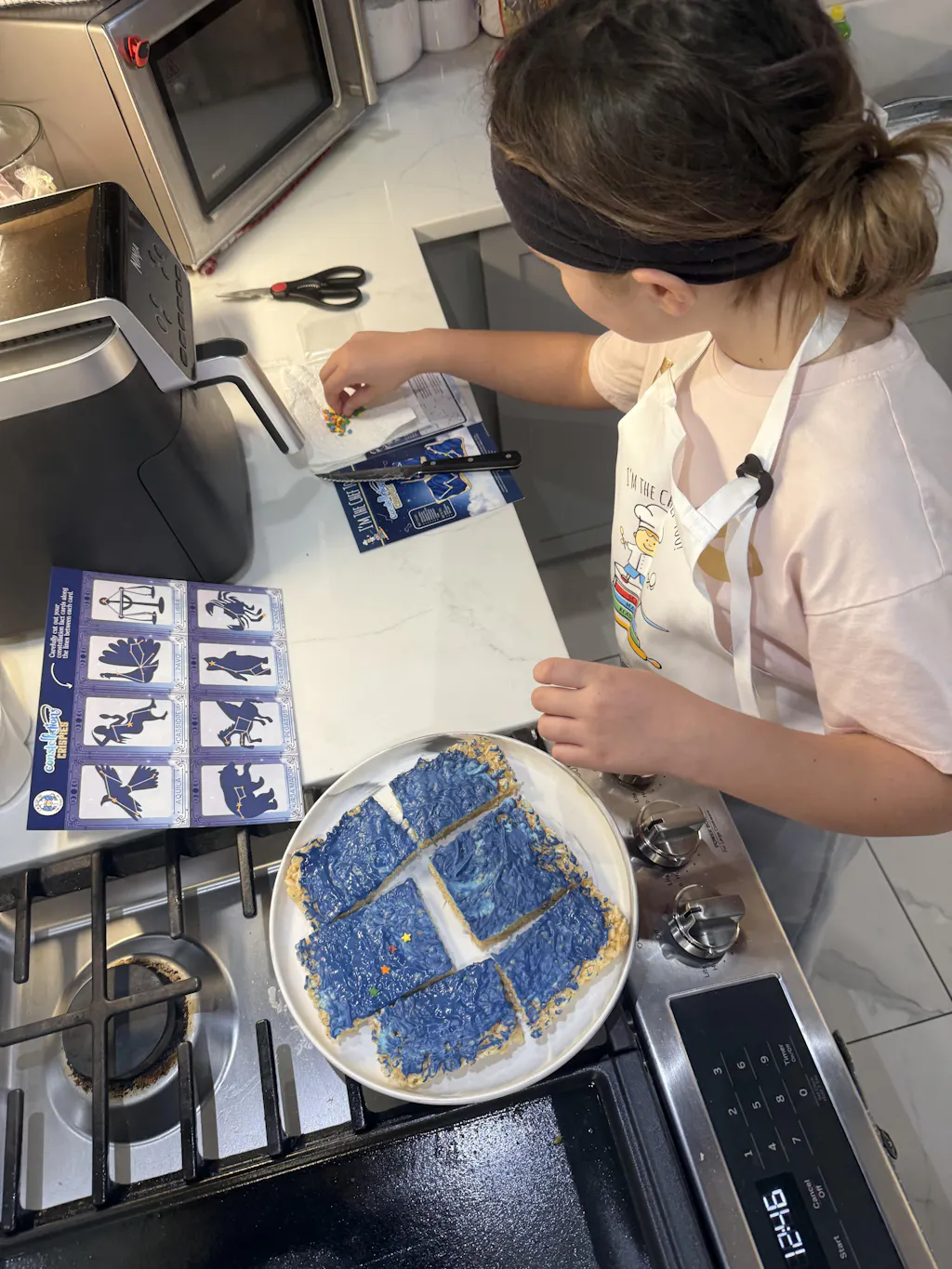
- The Art: Using various sizes of foam balls, clay, or even different types of fruit, kids can create a scale model. Explore astronomy further by creating your own edible solar system with our Galaxy Donut Kit.
Setting Up for Success: Tips for Parents and Educators
Bringing art science projects for kids into your home or classroom doesn't have to be stressful. We want to ensure that these experiences are joyful for both the children and the adults involved.
1. Create a "Lab-Studio" Space
Designate a specific area for these activities. A kitchen table covered in a plastic tablecloth or a dedicated craft corner works perfectly. Having a "mess-friendly" zone reduces stress and allows kids to experiment freely.
2. The Power of the Science Art Journal
Encourage your child to keep a journal. They can draw a picture of what they think will happen (hypothesis), record what they saw (observation), and glue in a photo or a piece of the final artwork. This mirrors the scientific method in an accessible way.
3. Adult Supervision and Safety
While we strive to make our activities safe, adult supervision is essential. Whether you’re working with vinegar and baking soda or handling "specialty supplies" from one of our kits, having an adult present ensures that the focus remains on learning and safety.
4. Focus on the "Why"
As you work, ask open-ended questions. "Why do you think the color is spreading?" "What would happen if we used more salt?" This sparks curiosity and helps kids develop their own theories.
Ready for a new adventure every month? Join The Chef's Club and enjoy free shipping on every box.
The I'm the Chef Too! Difference
At I’m the Chef Too!, we understand that parents are busy. That’s why we’ve designed our kits to be a complete experience delivered right to your door. We take the "homework" out of planning art science projects for kids by providing pre-measured dry ingredients and specialty supplies.
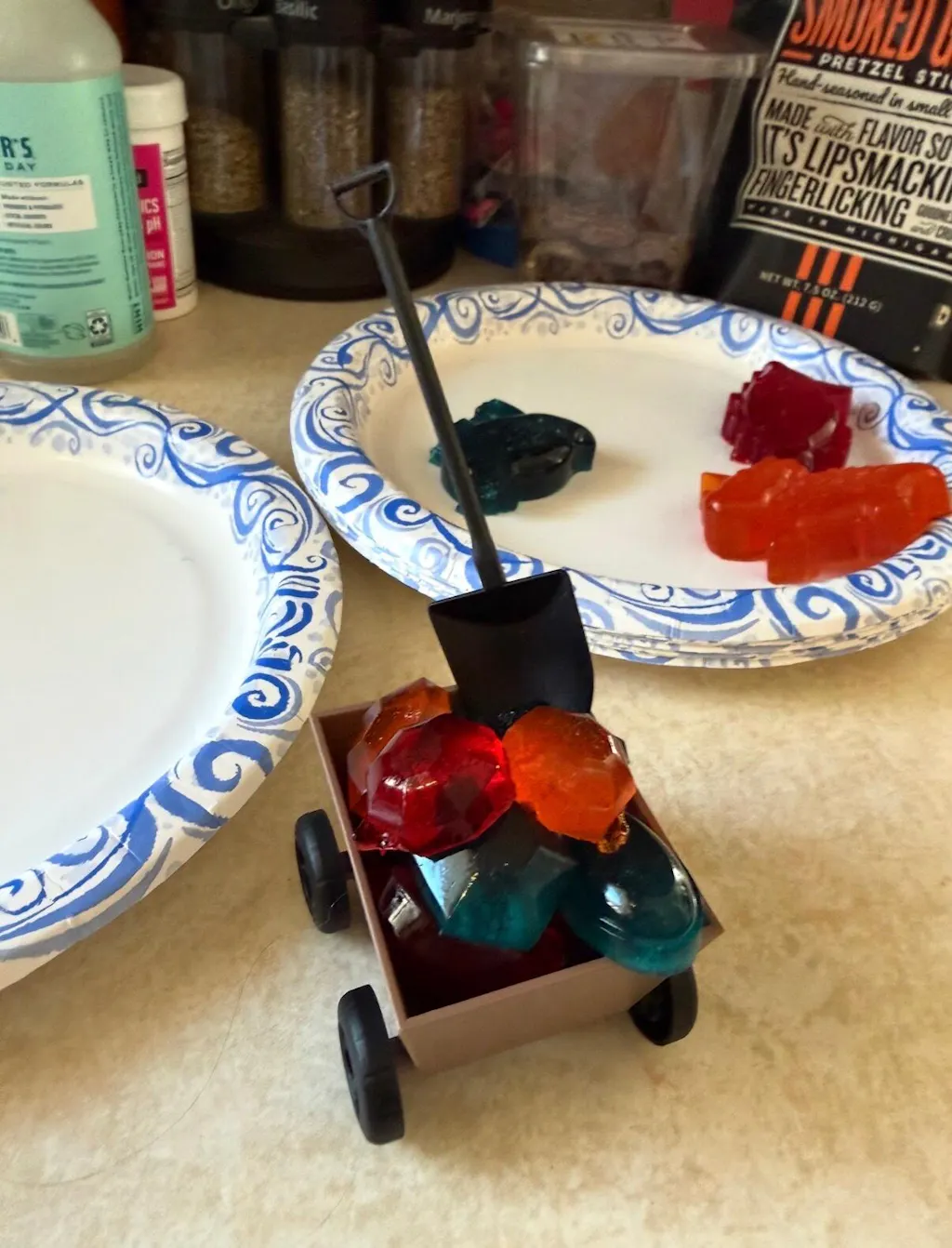
Our kits are developed by a team of mothers and educators who understand how children learn best. We don't just give you a recipe; we give you a themed adventure. Whether you are building a "Cinderella Carriage" to learn about wheels and axles or making "Erupting Volcano Cakes" to study geology, you are providing your child with a tangible, hands-on, and delicious way to learn.
We are committed to providing screen-free alternatives that get kids off the couch and into the kitchen. Our activities are designed to foster a love for learning that builds confidence. When a child successfully creates a "Galaxy Donut," they aren't just eating a treat; they are celebrating their ability to follow directions, understand a concept, and create something beautiful.
Practical Advice for different Age Groups
One of the beautiful things about art science projects for kids is their versatility. You can adapt the same basic concept for a toddler or a teenager.
For Toddlers and Preschoolers (Ages 3-5)
Focus on sensory exploration and fine motor skills. Activities like "Salt Painting" or "Mixing Colors in Water" are perfect. At this age, the goal is to introduce the idea that "I can change things." Use simple language: "Look, the water turned green!"
For Elementary-Aged Children (Ages 6-10)
This is the "Golden Age" of curiosity. They want to know the "how" behind everything. This is a great time for more complex projects like "Chromatography" or "Baking Soda Volcanoes." Encourage them to start using their Science Art Journals to record their predictions.
For Middle and High Schoolers (Ages 11+)
Older kids can handle projects that require more precision and safety equipment. Explore "Conductive Paint Circuits," "Oxidation Art," or "Supersaturated Solutions." They can dive deeper into the actual chemical formulas or physics equations behind the art.
Summary of Key Takeaways
Integrating art and science is one of the most effective ways to engage a child's natural curiosity. By participating in art science projects for kids, your family can:
- Build Confidence: Watching a project come to life gives children a sense of accomplishment.
- Develop Key Skills: These activities reinforce problem-solving, critical thinking, and fine motor skills.
- Foster a Love for Learning: When science is fun and artistic, it becomes a subject children look forward to exploring.
- Create Memories: These hands-on adventures provide a unique opportunity for family bonding without the distraction of screens.
At I’m the Chef Too!, we are proud to be your partner in this educational journey. We believe that every child is a scientist and an artist at heart, and our kits are designed to let those qualities shine.
Frequently Asked Questions
What are the best art science projects for kids to do at home?
The best projects are those that use everyday household items. Chromatography with coffee filters, baking soda volcanoes, and salt-watercolor paintings are all excellent, low-cost starters. For a more structured and themed experience, our kits provide everything you need in one box.
How does art help with science learning?
Art makes abstract scientific concepts tangible. For example, it’s easier to understand "capillary action" when you see it happening as a colorful dye travels up a paper towel. Art also encourages the "Inquiry" phase of science—asking questions and experimenting with possibilities.
Are these projects safe for young children?
Most art science projects for kids are very safe, but they should always be done with adult supervision. We recommend using non-toxic materials (like food-grade ingredients) whenever possible, especially for younger learners who might be tempted to taste their "experiments."
Do I need special equipment for STEAM projects?
Not necessarily! Many projects use items like jars, spoons, salt, and vinegar. However, for more advanced projects like circuitry or specific geological models, specialty supplies are helpful. Our subscription boxes include these specialized items so you don't have to hunt for them.
How can I make science interesting for a child who only loves art?
Focus on the aesthetics! If a child loves color, show them how chemistry can create new hues. If they love building, show them how engineering makes their sculptures more stable. By leading with their passion, you can seamlessly integrate scientific learning.
Conclusion
Science and art are not two separate worlds; they are two different lenses through which we view the same beautiful, complex universe. By encouraging our children to engage in art science projects for kids, we are giving them the tools to be thinkers, creators, and innovators. We are moving beyond the "sit and listen" model of education and into a world of "do and discover."
At I’m the Chef Too!, we are honored to be a part of your child's growth. We hope this guide has inspired you to clear off the kitchen table, grab some supplies, and start an adventure. Whether you're growing crystals, painting with magnets, or baking a galaxy, you're doing more than just a project—you're building a foundation for a lifetime of curiosity.