Table of Contents
- Introduction
- Beyond Store-Bought: Why a Craft Advent Calendar?
- Planning Your Craft Advent Calendar Adventure
- Daily Delights: Craft Ideas for Every Day
- Making it Educational: STEM & Art in Every Craft
- Safety First: Tips for Crafting with Kids
- The I'm the Chef Too! Difference: Convenience and Creativity Delivered
- Beyond December: Extending the Learning and Fun
- Conclusion
- FAQ
Imagine this: The crisp morning air, the scent of pine, and the excited chatter of children as they eagerly race to discover what new adventure awaits them behind a tiny door or within a special pouch. For many, the advent calendar is a cherished holiday tradition, a daily sprinkle of joy leading up to the most magical day of the year. But what if that daily delight wasn't just a chocolate or a small toy, but an opportunity for creativity, discovery, and connection?
This holiday season, we invite you to embark on a truly special journey: creating a craft advent calendar for kids. Beyond the momentary thrill of a store-bought item, a DIY craft advent calendar offers a month-long celebration of imagination, hands-on learning, and unforgettable family memories. It’s an innovative way to nurture burgeoning skills, from fine motor coordination to problem-solving, all while fostering a love for learning in a screen-free, engaging environment.
At I'm the Chef Too!, we believe in blending food, STEM, and the arts into one-of-a-kind "edutainment" experiences. Our mission is to spark curiosity and creativity in children, facilitate family bonding, and provide alternatives that engage young minds. A craft advent calendar perfectly embodies this philosophy, transforming each day into a mini project that builds anticipation and skills. This post will guide you through the exciting process of designing, planning, and filling your very own craft advent calendar, ensuring a December filled with purpose, delight, and delicious, educational fun. Get ready to craft more than just ornaments; get ready to craft cherished family traditions.
Introduction
The holiday season often feels like a whirlwind of activities, shopping lists, and endless preparations. Amidst the hustle and bustle, it’s easy to lose sight of the simple, joyful moments that truly make this time of year special for families. How often do we find ourselves looking for ways to slow down, connect with our children, and infuse meaning into our daily routines, especially when the allure of screens seems ever-present? The answer, for many of us, lies in intentionally crafted experiences that bring us closer and ignite a spark of discovery.
Enter the craft advent calendar for kids: a magnificent, personalized antidote to the holiday rush and digital distractions. It’s not just about counting down to Christmas; it's about transforming each day into an intentional opportunity for creative exploration and skill development. Instead of passively receiving a treat, children become active participants in daily projects, fostering a sense of accomplishment and anticipation. This unique approach turns the ordinary into the extraordinary, offering a daily dose of "edutainment" that blends the festive spirit with tangible learning.
Throughout this comprehensive guide, we'll dive deep into the world of DIY craft advent calendars. We'll explore the profound benefits of choosing this path over traditional options, from enhancing fine motor skills and critical thinking to strengthening family bonds. You’ll learn how to design a calendar that perfectly suits your child's age and interests, discover a treasure trove of imaginative craft ideas—including delightful edible projects that are right up our alley here at I'm the Chef Too!—and uncover strategies to weave in crucial STEM and art concepts naturally. We’ll also share practical tips for sourcing materials, ensuring safety, and making the entire process manageable and joyful. By the end, you'll be inspired and equipped to create a memorable, educational, and fun-filled craft advent calendar that will become a cherished tradition in your home for years to come, proving that the greatest gifts are often handmade and shared.
Beyond Store-Bought: Why a Craft Advent Calendar?
When December rolls around, the shelves are bursting with every imaginable type of advent calendar, from tiny chocolates to popular toy brands. While these can offer fleeting moments of excitement, a craft advent calendar for kids offers something far more enduring and profound. It’s an investment in experiences, skills, and memories that truly embody the spirit of the season.
The Magic of Anticipation
One of the most enchanting aspects of any advent calendar is the building anticipation. Each day, children eagerly await the reveal, a tiny reward for their patience. With a craft advent calendar, this anticipation is amplified by the promise of a creative project. It’s not just what they're getting, but what they get to do. This active engagement transforms the countdown into a daily adventure, fostering excitement that goes beyond simple consumption. Children look forward to the process of creation, not just the outcome, making each day a mini celebration of their ingenuity.
Screen-Free Engagement and Focused Fun
In an age dominated by screens, finding engaging, hands-on activities that capture a child's attention can feel like a quest. A craft advent calendar is a powerful tool in this endeavor. Each daily craft pulls children away from digital devices and into a world of tangible materials, textures, and processes. It encourages focused concentration, problem-solving, and patience as they work through each step. This dedicated screen-free time is invaluable, allowing children to immerse themselves fully in a creative task, developing a deeper connection to their work and to the present moment. It's exactly the kind of intentional, hands-on learning that we champion at I'm the Chef Too!, where our mission is to provide screen-free educational alternatives that truly engage young minds.
Skill Development: A Daily Dose of Learning
Every craft, no matter how simple, is an opportunity for skill development. A craft advent calendar transforms this into a daily, incremental learning experience.
- Fine Motor Skills: Cutting, gluing, painting, threading beads, molding dough—these activities are all fantastic for developing the small muscles in hands and fingers, essential for writing, dressing, and countless other daily tasks.
- Creativity and Imagination: With each blank canvas or pile of materials, children are challenged to think creatively, express themselves, and imagine new possibilities. There’s no single "right" way to create, fostering a sense of artistic freedom.
- Problem-Solving: What happens if the glue doesn't stick? How can I make this piece fit? Crafting inherently involves mini problem-solving challenges, encouraging children to think critically and adapt.
- Following Instructions: Many crafts require following a sequence of steps, a crucial skill for academic success and everyday life.
- Patience and Persistence: Some crafts take time and effort. An advent calendar encourages children to stick with a project, celebrate small victories, and learn the value of perseverance.
- Early STEM Concepts: Without even realizing it, kids are exploring science (how colors mix, properties of materials), engineering (building structures), and math (counting, measuring, patterns) with almost every craft. This foundational understanding sets the stage for future learning in a fun, accessible way.
Family Bonding and Tradition Building
Perhaps one of the most heartwarming benefits of a craft advent calendar is the opportunity for family bonding. Each daily craft can become a shared activity, a moment to sit together, chat, and create side-by-side. Parents can offer guidance, celebrate successes, and simply enjoy the process with their children. These shared experiences become precious memories, strengthening family connections during a season that often emphasizes material gifts.
Furthermore, a DIY advent calendar lays the groundwork for unique family traditions. Year after year, children will remember the special crafts they made, the laughter shared, and the anticipation of opening that day's envelope. Imagine decorating your Christmas tree with handmade ornaments created over several Decembers, each telling a story of growth and shared joy. This is the essence of what we believe in at I'm the Chef Too!: facilitating family bonding through unique, hands-on activities that foster a love for learning and create lasting memories.
Planning Your Craft Advent Calendar Adventure
Creating a craft advent calendar for kids is a joyful undertaking, but a little planning goes a long way in making the experience smooth and stress-free. Let's break down how to design a calendar that sparks curiosity and creativity while fitting perfectly into your family's holiday rhythm.
Defining Your Calendar Style: The Vessel for Daily Delights
Before you gather your craft supplies, consider how you want to present your daily activities. The "vessel" for each day's craft can be a craft project in itself!
- Pocket Calendars: Sew or glue small fabric or felt pockets onto a large piece of cloth, numbered 1 through 25. Each pocket holds a small craft kit or a clue to where the day's activity is hidden.
- Small Boxes or Envelopes: Purchase or make 25 small boxes or envelopes. You can decorate them with numbers and hang them from a branch, string them along a mantelpiece, or arrange them on a shelf. This is great for slightly bulkier craft components.
- Hanging Ornaments: Create 25 miniature felt pouches, paper cones, or decorated wooden tags. Attach a ribbon loop to each, and hang them on a decorative branch or a mini Christmas tree. Inside, place a tiny craft or a rolled-up instruction scroll.
- Paper Bags: Simple brown paper lunch bags can be decorated with numbers, stickers, or stamps. Folded down and clipped, they make charming, rustic craft holders.
- Upcycled Containers: Get creative with small tins, toilet paper rolls (decorated to look like crackers), or even cleaned-out yogurt cups, all transformed into festive daily compartments.
Choosing a Theme: Unifying Your Creative Journey
While a mix-and-match approach can be fun, a theme can add cohesion and an extra layer of magic to your craft advent calendar.
- Traditional Christmas: Focus on classic holiday imagery like snowflakes, Santa, reindeer, elves, and Christmas trees. Crafts could include making handmade ornaments, decorating gingerbread shapes, or creating festive cards.
- Winter Wonderland: Embrace the broader winter season with crafts like snow globes, polar bear masks, "ice" crystal decorations, or paper igloos.
- Character-Based: If your child adores a specific character or show, build the theme around them. For instance, a "Peppa Pig's Winter Adventures" theme could involve making mud puddle cookie pies (a nod to our Peppa Pig Muddy Puddle Cookie Pies kit concept!) or crafting themed accessories. This makes learning extra exciting and relatable!
- STEM Focus: Lean into the educational aspect with a science, technology, engineering, and math theme. Each day could feature a mini experiment or a building challenge. Think edible science projects, simple circuits, or constructing small machines. For example, a day dedicated to chemistry could involve making "erupting" bath bombs, inspired by the fizzing fun of our Erupting Volcano Cakes.
- Around the World Christmas: Explore different holiday traditions and crafts from various cultures. This offers a wonderful opportunity for multicultural learning.
Age-Appropriate Craft Ideas: Tailoring the Fun
The key to a successful craft advent calendar for kids is matching the complexity of the crafts to your child's developmental stage.
-
Toddlers (Ages 2-4): Focus on sensory experiences and very simple tasks.
- Ideas: Large sticker activities, play-doh (homemade or store-bought), finger painting, gluing pre-cut shapes, tearing paper for collages, simple stringing of large beads, pipe cleaner bending.
- I'm the Chef Too! Connection: Even young ones can help mix ingredients for simple edible crafts, developing early motor skills and sensory awareness.
-
Preschoolers (Ages 4-6): Introduce more structure and fine motor challenges.
- Ideas: Cutting with safety scissors (pre-drawn lines), simple sewing cards (large holes), decorating pre-baked cookies, making simple paper chains, creating felt ornaments with self-adhesive pieces, painting small wooden figures.
- I'm the Chef Too! Connection: Our kits are designed with engaging, multi-step activities that develop these skills, and many craft concepts can be adapted for a daily mini-project.
-
Elementary School (Ages 6-9): They can handle more complex instructions and enjoy seeing tangible results.
- Ideas: Crafting paper snowflakes, creating salt dough ornaments, simple weaving projects, making slime, building mini Lego creations, designing greeting cards, creating small origami animals, baking simple cookies from scratch.
- I'm the Chef Too! Connection: This age group thrives on the kind of hands-on, educational cooking and crafting experiences we offer. Imagine a day making edible constellations, taking inspiration from our popular Galaxy Donut Kit concepts!
-
Pre-Teens (Ages 10-12+): They appreciate more intricate projects and the opportunity to personalize their creations.
- Ideas: Advanced origami, friendship bracelets, DIY bath bombs, simple knitting or crocheting, basic jewelry making, intricate drawing challenges, simple robotics kits (mini motors), designing and printing their own holiday stickers.
- I'm the Chef Too! Connection: The STEM elements in our kits resonate strongly with this age group, offering challenging yet achievable projects that deepen their understanding of science and engineering principles.
Sourcing Materials: A Treasure Hunt for Creativity
One of the joys of a DIY craft advent calendar is the opportunity to be resourceful.
- Shop Your Home First: Look for upcycled materials like toilet paper rolls, cardboard, old magazines, fabric scraps, buttons, and natural elements (pinecones, leaves).
- Craft Stores: These are a goldmine for basic supplies like felt, construction paper, glue, paint, beads, pipe cleaners, and pre-cut shapes. Stock up during sales!
- Dollar Stores/Discount Retailers: Excellent for finding small, inexpensive items that can be part of a daily craft, such as mini canvases, small foam shapes, or sticker sheets.
- I'm the Chef Too! Kits: For seamless, educational "edutainment," consider our comprehensive kits. While designed as a full experience, individual components or concepts can be broken down for daily advent fun. For example, a single day could focus on creating the "galaxy" glaze from our Galaxy Donut Kit, saving the full baking experience for another time. Our kits provide pre-measured dry ingredients and specialty supplies, taking the stress out of sourcing. Ready for a new adventure every month? Join The Chef's Club and enjoy free shipping on every box, making it even easier to infuse your crafting with culinary science!
Setting Up Your Calendar Structure: Making it Your Own
Once you have your vessel and theme, it's time to assemble the physical calendar.
- The Christmas Tree Calendar: Draw a large Christmas tree outline on brown kraft paper or a large canvas. Each day, children can tape or glue a handmade ornament (created from the day's craft) onto the tree, filling it up by Christmas Day.
- Garland Display: Hang a long piece of twine or ribbon. Attach the daily boxes, envelopes, or pouches using clothespins. This creates a festive garland that grows with each passing day.
- Wall Pockets/Boards: Create a large fabric or cork board with 25 pockets or hooks. Each day, a new craft piece can be revealed from its pocket or hung on its designated hook.
- A "North Pole" Scene: For a more elaborate setup, create a miniature village or North Pole scene. Each day, a new craft object (e.g., a tiny felt Santa, a mini snowman, a paper present) is added to the scene, building a charming display over the month.
Remember, the goal is to make it manageable and fun for you too! Don't feel pressured to create a masterpiece. The beauty of a craft advent calendar lies in its personal touch and the shared experience of creation.
Daily Delights: Craft Ideas for Every Day
Now for the fun part: filling your craft advent calendar with engaging, educational, and delicious activities! Here, we’ll dive into a variety of ideas, with a special emphasis on how I'm the Chef Too! principles of blending food, STEM, and art can inspire truly unique daily crafts.
Edible Crafts: Where Learning Meets Deliciousness
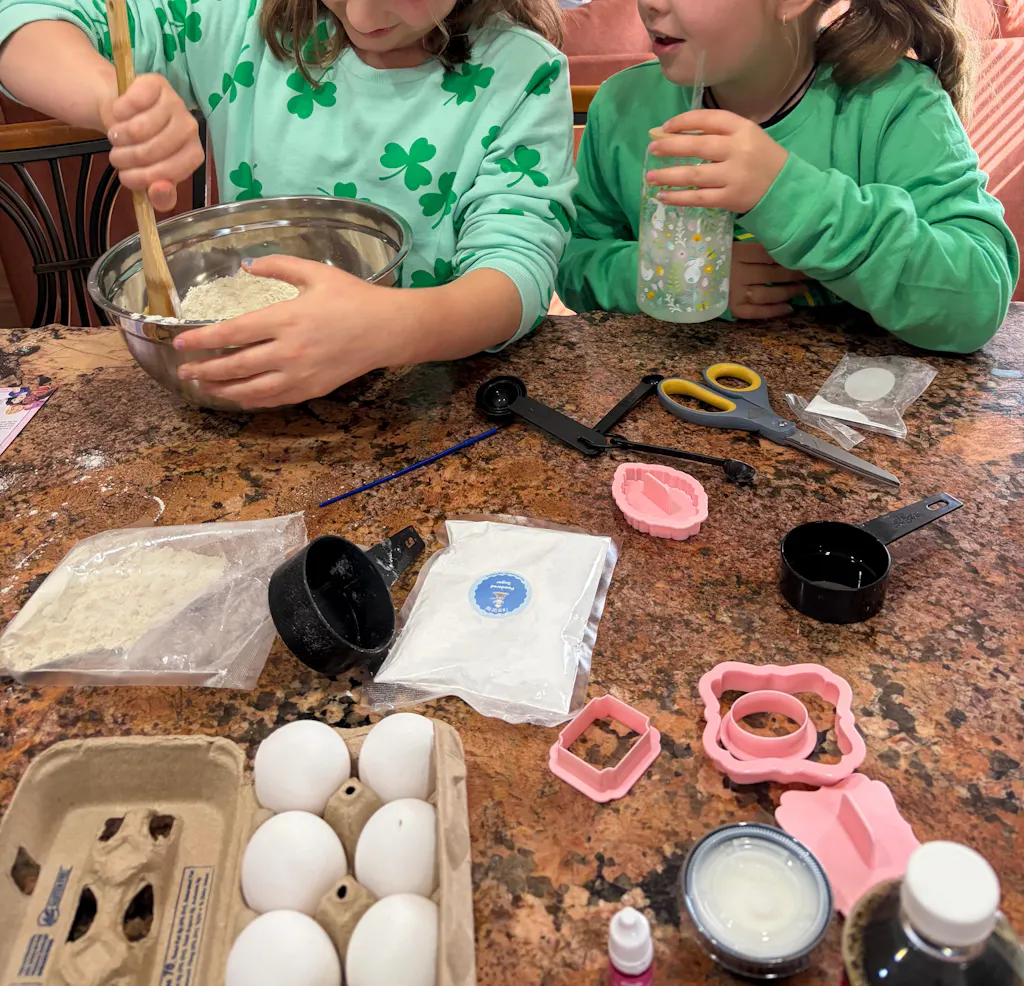
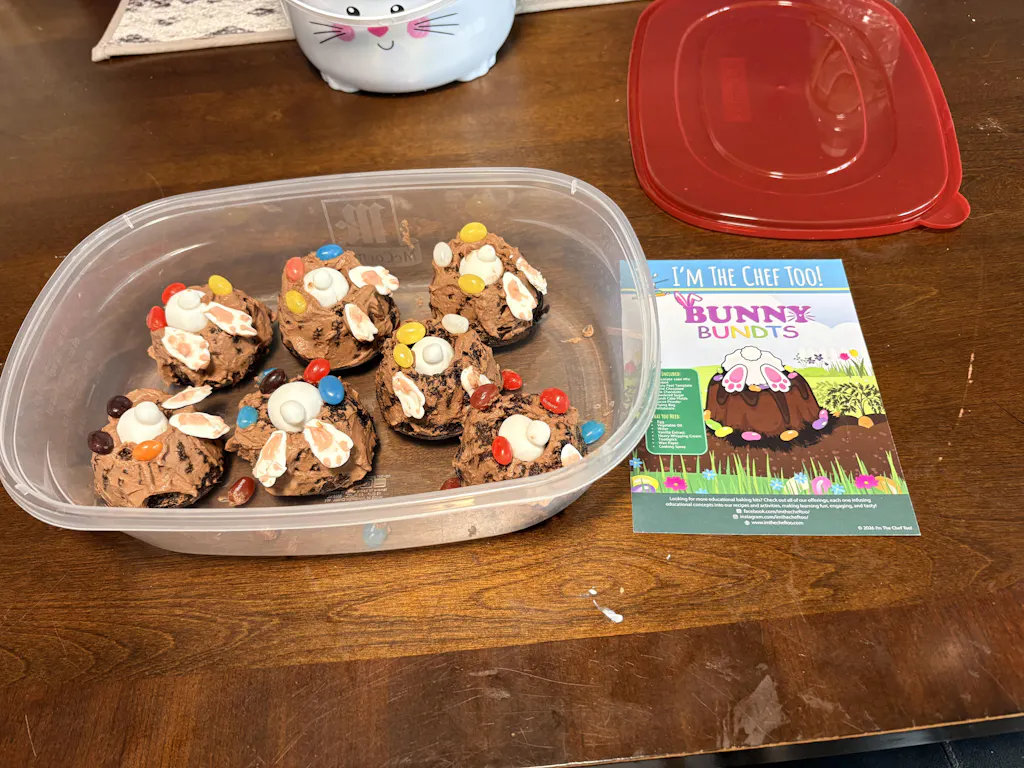
At I'm the Chef Too!, we believe that the kitchen is a fantastic laboratory for learning. Edible crafts are perfect for an advent calendar, offering a tangible (and tasty!) reward. They teach measuring, mixing, and the magic of chemical reactions.
- Decorate Mini Cookies/Cupcakes: Each day, provide one or two plain cookies or a mini cupcake, along with a small portion of frosting, sprinkles, or edible glitter. Kids can practice their decorating skills. You could even include a different decorating tool each day (e.g., a small piping bag, a brush for edible paint).
- Edible Ornaments: Use a simple gingerbread or sugar cookie recipe (pre-bake for younger kids, or make the dough ahead of time). Each day, provide dough to cut out a shape, bake, and then decorate. Or, for a no-bake option, use wafer cookies, frosting, and candies to build mini edible houses or trees.
- No-Bake Treat Assembly: Portion out ingredients for simple no-bake treats like chocolate truffles (cocoa powder, condensed milk, sprinkles), rice krispie treats (marshmallows, cereal, butter), or energy balls (oats, nut butter, honey). Kids can mix and roll their daily treat.
- "Snowball" Truffles: Provide coconut flakes, cream cheese, and powdered sugar. Mix, roll, and enjoy! This is a simple sensory experience that yields a delicious result.
- Mini Pizza Making: Offer a small pre-baked pizza crust (or half an English muffin), a spoonful of sauce, and a sprinkle of cheese and one topping. A quick toaster oven or microwave session turns it into a daily mini-meal.
- Galaxy Donut Glaze: Take inspiration from our Galaxy Donut Kit and offer a small batch of glaze and some edible glitter or star sprinkles. Kids can decorate a plain donut or cookie, exploring color mixing and food artistry. This is an excellent way to introduce the fun of culinary science in a small, manageable daily activity.
DIY Ornament Crafts: Decorate Your Tree (and Home) with Memories
These crafts result in a keepsake that can adorn your tree or home, creating a visual reminder of the advent journey.
- Felt Ornaments: Provide pre-cut felt shapes (stars, trees, gingerbread men) and a small baggie of self-adhesive felt stickers, googly eyes, and maybe a jingle bell. No sewing or glue needed for younger kids! Older kids can learn a simple whip stitch to join two felt pieces.
- Salt Dough Ornaments: Mix up a batch of salt dough (flour, salt, water). Each day, give a small portion for kids to roll out, cut with cookie cutters, and poke a hole for hanging. Bake, then paint them the next day.
-
Paper Crafts:
- Paper Chains: Pre-cut strips of colored paper and a glue stick. Children can link a few each day to create a long chain.
- Snowflakes: Fold and cut paper to create intricate snowflake designs.
- 3D Paper Ornaments: Provide templates for simple 3D shapes like stars, diamonds, or spheres that can be cut, folded, and glued.
- Nature Ornaments: Collect pinecones, leaves, or dried orange slices. Each day, provide materials to decorate them, such as glitter, paint, small pom-poms, or ribbons.
- Popsicle Stick Crafts: Simple shapes like stars, frames, or mini trees can be glued together, painted, and decorated.
- Beaded Ornaments: Provide pipe cleaners and a handful of colorful beads. Kids can string beads onto the pipe cleaners and then shape them into candy canes, stars, or wreaths.
STEM-Focused Crafts: Unlocking the Scientist and Engineer Within
At I'm the Chef Too!, our core mission is to blend food, STEM, and the arts into one-of-a-kind "edutainment" experiences. A craft advent calendar is an ideal platform for daily STEM exploration, making complex subjects tangible and exciting.
- Mini Volcano Eruptions: Inspired by our popular Erupting Volcano Cakes, a daily activity could involve a small cup, baking soda, and a dropper of vinegar with food coloring. Watch the fizzing reaction—a simple introduction to chemistry! Discuss acids and bases.
- DIY Slime/Playdough: Provide ingredients for a small batch of homemade slime or playdough. This teaches about material science, measurement, and chemical reactions (polymerization for slime).
- Building Challenges: Offer a small collection of specific materials (e.g., toothpicks and marshmallows, LEGO bricks, craft sticks, paper clips) and a daily challenge: "Build the tallest tower," "Create a bridge that spans this gap," or "Design a vehicle." This encourages engineering principles and problem-solving.
- Simple Circuits: For older kids, a daily advent pocket could contain a small LED light, a coin battery, and a paper clip or copper tape. Challenge them to make the light turn on, introducing basic electrical circuits.
- Crystal Growing: A simple borax crystal experiment (dissolve borax in hot water, hang a pipe cleaner shape in it overnight) could be broken into two days: Day 1, set up; Day 2, observe and remove crystals.
- Magnetic Exploration: A small magnet and a collection of various household items (paper clips, coins, fabric, wood) for kids to test which ones are magnetic. Discuss magnetic forces.
- Edible Astronomy: Following the theme of our Galaxy Donut Kit, a day could involve using different sized candies or fruits to represent planets, learning their order and relative sizes. Or, making "constellations" with mini marshmallows and toothpicks.
Art & Sensory Crafts: Encouraging Self-Expression and Exploration
These crafts are all about the process, allowing children to express themselves freely and engage their senses.
- Mini Canvas Painting: Provide small canvases (2x2 or 3x3 inches) and a few colors of paint. Each day, a new mini masterpiece can be created.
- Drawing Prompts: Offer a blank piece of paper and a specific drawing prompt: "Draw a friendly snowman," "Design Santa's new sleigh," "Illustrate your favorite holiday tradition."
- Sensory Bin Additions: If you have a larger sensory bin (rice, beans, shredded paper), each day could reveal a new small item to add, like mini pom-poms, jingle bells, small plastic animals, or cookie cutters.
- Collage Art: Provide a selection of old magazines, fabric scraps, glitter, and glue. Encourage free-form collage creation.
- Sticker Scenes: A blank card or background image (e.g., a snowy landscape) and a sheet of themed stickers (animals, characters, holiday items) to create a scene.
- Clay/Modeling Dough Sculpting: Provide a small amount of clay or modeling dough and a festive challenge, like sculpting a tiny Santa, a reindeer, or a Christmas tree.
Activity-Based Advent Days: Beyond the Craft
Not every day needs a physical craft. Mix in some activity-based prompts to add variety and ensure memorable experiences.
- Read a Christmas Story: Place a small, wrapped holiday book in the advent calendar, or simply a note: "Read a festive book together."
- Family Game Night: A prompt to play a favorite board game or card game.
- Watch a Holiday Movie: A note suggesting a cozy evening with a classic holiday film.
- Bake Something Together: This can be a more involved baking project, perhaps using one of our full I'm the Chef Too! kits! For instance, a day could be designated to make the Peppa Pig Muddy Puddle Cookie Pies for a truly delightful and character-filled baking adventure. This combines learning with a beloved character and a delicious outcome.
- Write a Letter to Santa: Provide paper and crayons.
- Make Hot Chocolate: A small packet of hot chocolate mix and a note for a cozy warm drink.
- Go Look at Christmas Lights: A prompt for an evening stroll or drive to admire festive decorations.
- Perform an Act of Kindness: "Draw a picture for a neighbor," "Help set the table," or "Donate an old toy."
- Sing Christmas Carols: A simple note encouraging a family sing-along.
By mixing and matching these ideas, you can create a truly unique and engaging craft advent calendar for kids that will keep them excited and learning all December long. Not ready to subscribe? Explore our full library of adventure kits available for a single purchase in our shop to find more inspiration and hands-on fun!
Making it Educational: STEM & Art in Every Craft
At I'm the Chef Too!, we firmly believe that education should be an adventure. Our mission is to seamlessly blend food, STEM (Science, Technology, Engineering, and Math), and the arts into unique, "edutainment" experiences. A craft advent calendar for kids is a perfect canvas for this philosophy, turning each daily activity into a subtle yet impactful learning opportunity. Every snip, glue, mix, or mold can be a lesson in disguise.
Science: The Why and How of the World
Crafts offer countless chances to explore fundamental scientific principles.
- Chemical Reactions: When making edible crafts, like cookies or cakes, discuss how ingredients change when mixed and heated. Why does baking soda make things rise (like in our Erupting Volcano Cakes)? How does chocolate melt and solidify? Slime making is a fantastic way to observe polymers in action.
- States of Matter: Observe water freezing into ice for winter crafts, or how paint dries from a liquid to a solid. Discuss melting points when working with chocolate or wax.
- Properties of Materials: Why does glue stick? What makes paper tear differently than fabric? Which materials are waterproof? These observations foster an understanding of material science.
- Color Theory: When mixing paints or frosting, discuss primary and secondary colors, and how adding white or black changes a hue.
Technology: Tools and Innovation
While not always immediately obvious, technology plays a role in many crafts, from the simple to the complex.
- Tool Use: Learning to safely use scissors, glue guns (with supervision), rulers, or even kitchen mixers introduces children to basic technological tools and their functions.
- Design Tools: Using templates for paper crafts or cookie cutters for edible creations teaches about design and precision. For older kids, exploring digital design tools to create patterns for their crafts introduces basic graphic design concepts.
- Simple Machines: If building with craft sticks or LEGOs, discuss levers, pulleys, or wheels that might be incorporated.
- Digital Exploration: Researching craft ideas online (with parental guidance) introduces safe internet usage and information gathering.
Engineering: Building, Designing, and Problem-Solving
Engineering is all about designing and building solutions, and crafts are miniature engineering projects.
- Structures and Stability: When building a paper house, a popsicle stick bridge, or a playdough sculpture, children instinctively experiment with balance, support, and structural integrity. What makes something stand up? How can it be made stronger?
- Measurement and Precision: Cutting exact lengths of paper or ribbon, or fitting pieces together, hones spatial reasoning and precision.
- Design Process: Every craft follows a mini design process: planning what to make, selecting materials, constructing, and refining. When a design doesn't quite work, children learn to troubleshoot and iterate.
- Trial and Error: Engineering thrives on experimentation. Kids learn that it's okay for things not to work perfectly the first time and that adjustments lead to better outcomes.
Math: Numbers, Shapes, and Patterns
Math is woven into the fabric of nearly every craft activity.
- Counting: Counting beads, pre-cut shapes, or scoops of ingredients.
- Measurement: Measuring flour for salt dough, water for slime, or cutting paper to specific dimensions.
- Geometry: Identifying shapes (circles, squares, triangles) in materials and creations. Discussing symmetry when folding paper snowflakes or arranging patterns.
- Patterns and Sequences: Creating repetitive patterns with beads, stickers, or colors. Following step-by-step instructions introduces sequencing.
- Fractions: When dividing dough or sharing materials, children implicitly grasp concepts of halves, quarters, etc.
Art: Creativity, Expression, and Aesthetic Appreciation
The "A" in STEM is essential. Art provides a vital outlet for self-expression and plays a crucial role in holistic development.
- Color Theory: Experimenting with mixing paints, choosing complementary colors, or creating gradients.
- Design Principles: Understanding concepts like balance, contrast, texture, and form. How do different materials feel and look together?
- Fine Motor Skills: Developing dexterity and hand-eye coordination through cutting, drawing, painting, and gluing.
- Self-Expression: Providing an outlet for children to communicate ideas, emotions, and their unique perspectives without words.
- Aesthetic Appreciation: Learning to appreciate beauty, creativity, and craftsmanship in their own work and the work of others.
At I'm the Chef Too!, we craft these learning opportunities into every kit. Our approach, developed by mothers and educators, ensures that children are not just having fun, but also building a strong foundation in complex subjects through tangible, hands-on, and delicious cooking adventures. This is how we spark curiosity, foster a love for learning, and build confidence, ensuring that every experience is truly "edutainment." If you’re looking for complete, ready-to-go experiences that perfectly blend these elements, our kits are an ideal choice. Bring our hands-on STEM adventures to your classroom, camp, or homeschool co-op. Learn more about our versatile programs for schools and groups, available with or without food components.
Safety First: Tips for Crafting with Kids
While crafting is immensely rewarding, ensuring a safe environment is paramount, especially when little hands are involved. Here are essential tips to keep your craft advent calendar activities fun and accident-free.
- Adult Supervision is Key: Never leave young children unattended during crafting activities, especially those involving scissors, glue, heat, or small parts. Even for older children, having an adult nearby to assist and guide is always a good idea. We always frame kitchen activities with an implicit understanding of adult supervision and safety.
-
Age-Appropriate Tools and Materials:
- Scissors: Use blunt-tip safety scissors for toddlers and preschoolers. As children develop better motor skills, they can transition to pointed-tip scissors, always under supervision.
- Glue: Opt for non-toxic, washable craft glue for most projects. If using a hot glue gun for older children, choose a low-temperature mini glue gun and provide strict instructions and direct supervision.
- Paints: Ensure all paints are non-toxic and clearly labeled as child-safe.
- Small Parts: Be mindful of choking hazards, especially for children under three. Avoid small beads, buttons, or loose embellishments if younger siblings are present or if your child tends to put things in their mouth. Always check product labels for age recommendations.
- Read Labels and Instructions: Before starting any craft, take a moment to read the instructions for materials, especially if they are new to you. This includes safety warnings, proper usage, and cleanup procedures.
- Designate a Crafting Space: Choose an area that can get messy and is easy to clean. Cover surfaces with old newspapers, a plastic tablecloth, or a craft mat. This protects your furniture and makes cleanup much easier, which can be part of the fun!
- Proper Ventilation: If using spray paints, strong adhesives, or markers with strong fumes, ensure the area is well-ventilated, ideally outdoors or in a room with open windows.
- Clean Hands and Surfaces: Before and after edible crafts, ensure everyone washes their hands thoroughly. Keep work surfaces clean to prevent contamination.
- Allergy Awareness: If incorporating edible crafts, be acutely aware of any food allergies or sensitivities in your household or among friends if sharing. Always double-check ingredient labels.
- Teach Safe Practices: Educate children on how to use tools properly (e.g., how to hold scissors, not to put craft materials in their mouths). Explain why certain safety rules are in place, so they understand the importance.
- Emergency Preparedness: Keep a first-aid kit handy for minor cuts or scrapes. Know how to handle common crafting mishaps like glue on skin or paint in eyes.
By prioritizing safety, you create a nurturing environment where children can explore, experiment, and express themselves creatively without worry. These guidelines ensure that your craft advent calendar journey is not only enriching but also secure for everyone involved.
The I'm the Chef Too! Difference: Convenience and Creativity Delivered
Creating a craft advent calendar for kids from scratch can be a wonderfully rewarding experience, but it also requires significant time for planning, sourcing, and preparation. That's where I'm the Chef Too! steps in, offering a seamless, stress-free path to sparking curiosity and creativity in your child, perfectly aligning with the spirit of an engaging, educational advent.
At I'm the Chef Too!, our mission is deeply rooted in blending food, STEM, and the arts into one-of-a-kind "edutainment" experiences. We are committed to fostering a love for learning through tangible, hands-on, and delicious cooking adventures. Imagine transforming complex subjects into exciting, edible projects that arrive right at your doorstep, eliminating the need for endless trips to the craft store or grocery aisle.
Our kits, developed by mothers and educators, embody the very essence of what makes a craft advent calendar so special:
- Screen-Free Educational Alternatives: Just like a craft advent calendar, our kits pull children away from digital distractions and immerse them in active, engaging learning. Each box is a complete experience, designed to captivate young minds and hands.
- Sparking Curiosity and Creativity: We don't just provide ingredients; we provide a journey. Whether it's the chemistry behind our Erupting Volcano Cakes or the artistic expression in decorating our celestial treats, every kit is crafted to ignite imagination.
- Facilitating Family Bonding: Our kits are designed for families to create together. They provide a natural opportunity to gather in the kitchen, share laughter, and make lasting memories, much like the shared experience of daily advent crafts.
- Teaching Complex Subjects Through Tangible Adventures: We take intricate STEM concepts and translate them into accessible, delicious cooking projects. Children learn about geology by making volcano cakes, astronomy by creating edible solar systems with our Galaxy Donut Kit, or even character-based learning by making fun treats like the Peppa Pig Muddy Puddle Cookie Pies. These hands-on activities make learning concrete and memorable.
While you might not be ready for a full kit every day of December, the concepts within our kits can inspire daily mini-crafts, as detailed in the sections above. For those days when you want a complete, mess-free, and perfectly curated experience, our kits are ready to deliver.
The ultimate convenience and continuous learning experience comes with our Chef's Club Subscription. Imagine a new adventure delivered to your door every month, complete with pre-measured dry ingredients and specialty supplies. No more last-minute dashes to the store, no more guessing what to do next. Just pure, unadulterated "edutainment" and family fun, with free shipping in the US.
Ready for a new adventure every month? Join The Chef's Club and enjoy free shipping on every box. Our flexible 3, 6, and 12-month pre-paid plans are perfect for gifting or long-term enrichment, ensuring a year-round journey of discovery.
Not ready to subscribe just yet? No problem! You can still explore the magic. Browse our complete collection of one-time kits to find the perfect theme for your little learner or to simply try out one of our unique adventures. Whether it's for a special occasion, a rainy day, or just because, our single kits offer all the fun and learning in one convenient package.
For educators, homeschool groups, or those looking to inspire larger groups of children, our programs extend beyond individual family adventures. Bring our hands-on STEM adventures to your classroom, camp, or homeschool co-op. Learn more about our versatile programs for schools and groups, available with or without food components. We make it easy to scale our unique blend of education and entertainment to suit various needs.
At I'm the Chef Too!, we're not just selling kits; we're providing opportunities for growth, discovery, and joyful memories. We believe in fostering a love for learning that extends far beyond the kitchen, building confidence and developing key skills that last a lifetime. Choose I'm the Chef Too! and discover how truly delicious and educational "edutainment" can be.
Beyond December: Extending the Learning and Fun
The magic of a craft advent calendar for kids doesn't have to end on December 25th. The principles of daily creativity, hands-on learning, and family bonding can be integrated into your family life all year round. The skills children develop and the love for discovery they cultivate through an advent calendar are valuable assets that can enrich countless other experiences.
- Other Holiday Countdowns: Why limit the fun to Christmas? Imagine a "Countdown to Spring" calendar with nature-themed crafts, a "Summer Adventure" calendar with outdoor activities, or a "Birthday Week" calendar with personalized crafts leading up to a special day. The framework of daily surprises and activities is incredibly versatile.
- "Just Because" Moments: You don't need a special occasion to infuse daily life with creativity. Keep a "surprise jar" filled with small craft prompts or activity ideas. Pull one out on a rainy afternoon, a slow weekend, or whenever inspiration strikes. This reinforces the idea that learning and fun aren't just for holidays; they're for everyday life.
-
Continual Skill Building: The fine motor skills, problem-solving abilities, and creative thinking nurtured during advent are not fleeting. Encourage their continuous development through:
- Regular Craft Sessions: Set aside a dedicated "craft time" once a week or month.
- Kitchen Adventures: Continue to explore culinary STEM with cooking and baking, transforming everyday meals into learning opportunities. Our kits from I'm the Chef Too! are perfect for this, offering a consistent stream of new skills and delicious outcomes. Join The Chef's Club to keep the "edutainment" coming all year long!
- Creative Play: Provide open-ended materials like blocks, LEGOs, art supplies, and sensory bins, allowing children to direct their own creative play and problem-solving.
- Documenting the Journey: Encourage children to keep a "creative journal" where they can sketch ideas, glue small craft samples, or write about their projects. This not only reinforces literacy skills but also creates a beautiful keepsake of their artistic journey. Photos of their completed advent crafts can be compiled into a yearly album, becoming a cherished family heirloom.
- Sharing and Gifting: Many of the crafts made during advent can be gifted to friends, family, or even nursing home residents. This teaches generosity, the joy of giving, and the value of handmade gifts. Children learn that their creations can bring happiness to others.
- Connecting with Nature: Use seasonal natural elements in crafts throughout the year. Leaves and acorns in autumn, flowers in spring, shells in summer. This fosters an appreciation for the environment and an understanding of seasonal changes.
By extending the principles of the craft advent calendar into other aspects of life, you cultivate an environment where creativity, learning, and family connection are celebrated continuously. It’s a powerful way to keep the magic of discovery alive, building a lifelong love for hands-on exploration and shared experiences.
Conclusion
As we wrap up our deep dive into the enchanting world of craft advent calendars for kids, one thing becomes abundantly clear: this isn't just about counting down to a holiday. It's about consciously creating moments of joy, discovery, and connection that truly matter. By choosing to craft an advent calendar, you're not just offering daily treats; you're offering daily opportunities for your child to learn, grow, and express themselves in a screen-free, engaging environment.
We've explored how a craft advent calendar transcends the ordinary, fostering essential skills from fine motor dexterity to critical thinking, all while nurturing creativity and strengthening family bonds. From edible crafts that turn the kitchen into a delicious laboratory to STEM-focused projects that demystify complex concepts, each day becomes a miniature "edutainment" adventure. Remember, the true magic lies not in perfection, but in the shared laughter, the concentrated effort, and the pride in a handmade creation.
At I'm the Chef Too!, our entire philosophy is built upon these very principles. We believe in sparking curiosity and creativity by blending food, STEM, and the arts into unique, hands-on experiences developed by mothers and educators. Our kits take the guesswork out of planning, providing pre-measured ingredients and specialty supplies so you can focus on what truly matters: making memories with your child.
Don't let the pursuit of daily "edutainment" end with December. Keep the spirit of discovery alive all year long! Ready to embark on a continuous journey of learning and delicious fun?
Join The Chef's Club today! A new, exciting kit is delivered to your door every month with free shipping in the US, offering a convenient, flexible, and invaluable screen-free alternative that promises endless "edutainment" and cherished family moments. Give the gift of learning that lasts all year with a 12-month subscription to our STEM cooking adventures!
FAQ
Q1: What age group is a craft advent calendar best for?
A1: Craft advent calendars can be adapted for children of all ages, from toddlers to pre-teens. The key is to select age-appropriate crafts. For toddlers (2-4), focus on sensory activities and large, easy-to-handle materials. Preschoolers (4-6) can handle simple cutting and gluing. Elementary school kids (6-9) enjoy more structured projects and basic STEM crafts. Pre-teens (10-12+) can tackle more intricate designs and advanced science experiments. Always supervise younger children and adapt activities to their skill level.
Q2: How long does it take to create a DIY craft advent calendar?
A2: The initial setup and planning can take a few hours or spread out over a few days, depending on how elaborate you want to be. This includes deciding on your calendar structure, choosing 25 craft ideas, and gathering materials. Once planned, the daily execution of each craft usually takes 15-45 minutes, making it a manageable addition to daily routines. Our I'm the Chef Too! kits can significantly cut down on prep time for individual activities, as they come with pre-measured ingredients and supplies.
Q3: What if I'm not very crafty myself? Can I still make a good one?
A3: Absolutely! You don't need to be an experienced crafter to create a wonderful advent calendar. Focus on simple, process-oriented crafts rather than elaborate outcomes. Many of the ideas discussed in this post are very beginner-friendly. The joy comes from the shared experience and effort, not from perfection. For added convenience and foolproof fun, consider incorporating ready-to-go activities or our I'm the Chef Too! kits for specific days. Explore our full library of adventure kits available for a single purchase in our shop for easy, pre-planned "edutainment."
Q4: How can I make sure the crafts are educational?
A4: Every hands-on activity, especially crafting and cooking, inherently involves learning. To emphasize the educational aspect, point out the STEM (Science, Technology, Engineering, Math) and Art elements as you go. For example, discuss why glue sticks (science), how different shapes fit together (math/engineering), or how colors mix (art/science). Our I'm the Chef Too! kits are specifically designed to blend food, STEM, and the arts, making learning fun and accessible. Whether it's the chemical reaction in our Erupting Volcano Cakes or the edible astronomy of our Galaxy Donut Kit, we make educational connections seamless and delicious.
Q5: What are some tips for keeping the calendar organized and mess-free?
A5:
- Prep Ahead: Pre-cut materials, portion out ingredients, and organize each day's supplies into individual bags or small boxes.
- Designated Space: Designate a specific area for crafting, covered with a mat or old newspapers.
- Easy Cleanup: Have wet wipes, paper towels, and a small trash can readily available.
- Simple Crafts: Choose crafts that don't require too many steps or messy materials for quick daily activities.
- I'm the Chef Too! Kits: Our kits come with pre-measured dry ingredients and specialty supplies, significantly reducing mess and prep time, making your craft advent calendar journey much smoother.
Q6: Can I include non-craft activities in my advent calendar?
A6: Absolutely! Mixing in non-craft activities adds wonderful variety and deepens the experience. Ideas include "Read a Christmas book together," "Have a family game night," "Watch a holiday movie," "Go look at Christmas lights," or "Bake cookies together" (using one of our Peppa Pig Muddy Puddle Cookie Pies kits for a fun character-themed baking day!). This balances active crafting with cozy family time.
Q7: Are I'm the Chef Too! kits suitable for group activities or classrooms?
A7: Yes! Our hands-on STEM adventures are perfect for sparking curiosity and creativity in group settings. We offer versatile programs for schools, camps, and homeschool co-ops, available with or without food components, to suit different needs and requirements. Learn more by visiting our page for schools and groups. They're a fantastic way to bring "edutainment" to a larger audience.