Table of Contents
- Introduction
- The Unseen Classroom: Why Crafting Matters for Young Minds
- Transforming the Trivial: The Unique Appeal of Bed Crafts
- Building Dreams, One Craft at a Time: Miniature Bed Crafts
- Personalizing the Realm: Bedroom Decor Bed Crafts
- Crafting Comfort: Bedtime Routine & Storytelling Crafts
- Edible Dreamscapes: Kitchen Bed Crafts
- The Science and Art Behind the Comfort: Deep Dive into STEM & Arts in Bed Crafts
- Safety First: Guiding Your Little Crafter
- Bringing the Magic Home with I'm the Chef Too!
- Conclusion
- FAQ Section
Have you ever noticed how a child’s bedroom isn’t just a place to sleep? It’s a castle, a spaceship, a secret garden, or a bustling city, all rolled into one. It’s where dreams are built, stories are told, and imaginations soar. But what if we could make this magical space even more captivating, even more personal, and even more educational, all through the joy of hands-on creativity? At I'm the Chef Too!, we believe in blending food, STEM, and the arts into one-of-a-kind "edutainment" experiences, and that philosophy extends beautifully into the world of crafting, especially when it comes to "bed craft for kids."
This post is dedicated to exploring a treasure trove of creative, educational, and incredibly fun bed craft ideas that go far beyond simple decorating. We’ll dive into how crafting projects, centered around your child's personal space, can ignite curiosity, foster essential developmental skills, and create cherished family memories. From engineering miniature beds for beloved toys to designing edible constellations for a sweet bedtime treat, we’ll show you how "bed craft for kids" can become a powerful tool for learning and imaginative play, proving that learning truly can be delicious and delightful.
Introduction
Imagine the sheer delight on your child's face as they proudly showcase a project they’ve created – not just any project, but something that transforms their very own bedroom into a more enchanting, personalized realm. This isn’t just about making things; it’s about making connections, developing skills, and nurturing a deep love for discovery. For parents and educators seeking meaningful, screen-free alternatives that blend education with entertainment, the world of "bed craft for kids" offers an incredible, often overlooked, opportunity. These aren't just crafts; they are gateways to learning, exploration, and self-expression, all within the comfort and familiarity of your child's most personal space.
Our mission at I'm the Chef Too! is to spark curiosity and creativity in children, facilitating family bonding, and providing a screen-free educational alternative. We believe that when children engage with their hands and minds, especially in a familiar setting like their bedroom, the learning is more profound and enjoyable. Through "bed craft for kids," we can teach complex subjects like engineering, art, and even basic science principles in a tangible, hands-on way, fostering confidence and a lifelong love for learning. This guide will provide a comprehensive look at how these cozy creations can become powerful educational tools, nurturing growth, imagination, and unforgettable moments together.
The Unseen Classroom: Why Crafting Matters for Young Minds
Crafting often gets pigeonholed as merely a "fun activity," but it is, in reality, a dynamic and multifaceted learning environment. For young minds, every snip, glue, and brushstroke is a step in cognitive, motor, and emotional development. When children engage in hands-on projects, they're not just making something pretty; they're building the very foundations of critical thinking and creativity.
Think about the STEM skills embedded in a simple craft project. A child trying to make a sturdy base for a miniature bed is grappling with engineering principles: stability, balance, and material strength. When they measure fabric for a tiny blanket, they're practicing math. Deciding which colors to use for a dream catcher involves art theory and design thinking. These are not abstract lessons; they are real-world applications happening right before their eyes, making complex concepts accessible and exciting. This is precisely the kind of learning that our cooking STEM kits at I'm the Chef Too! are designed to deliver – where kids learn through doing, experimenting, and, of course, tasting!
Beyond STEM, crafting nurtures artistic expression, allowing children to communicate ideas and emotions without words. It builds fine motor skills, crucial for handwriting and daily tasks, and enhances problem-solving abilities as they navigate challenges like "how do I make this stick?" or "what if this doesn't fit?" The sense of accomplishment after completing a project boosts self-esteem and resilience. And when these crafts are shared, whether with family or friends, they become catalysts for language development and social interaction.
Most importantly, crafting offers a unique platform for family connection. Working together on a "bed craft for kids" project provides invaluable quality time, fostering communication, patience, and shared joy. It's a screen-free oasis where imagination takes center stage, and the simple act of creating side-by-side strengthens bonds in a way few other activities can. This aligns perfectly with our philosophy at I'm the Chef Too!, where our kits are developed by mothers and educators who understand the profound impact of these shared, hands-on experiences.
Transforming the Trivial: The Unique Appeal of Bed Crafts
Why focus specifically on "bed craft for kids"? A child's bedroom is their sanctuary, a reflection of their personality, and often the epicenter of their imaginative play. Crafts related to this space hold a special significance because they directly impact their personal environment. This connection to a familiar and beloved space amplifies engagement and provides a unique canvas for creativity.
When a child contributes to the decor or functionality of their own room, it instills a powerful sense of ownership and pride. That pillow they decorated isn't just a pillow; it's their design, their vision brought to life. That miniature bed they built for their favorite teddy bear isn't just a toy; it's a testament to their engineering prowess. This personal investment makes the learning process more meaningful and memorable.
Bed crafts also naturally foster imaginative play. A decorated headboard can become the backdrop for countless adventures. A homemade dream catcher might inspire stories about night skies and friendly creatures. Crafting encourages children to think about how their surroundings can be transformed and adapted for play, storytelling, and comfort. It gives them agency over their environment, empowering them to shape their world, one cozy creation at a time. This direct link between creation and application makes bed crafts a uniquely engaging and impactful category of activities for children.
Building Dreams, One Craft at a Time: Miniature Bed Crafts
Let’s start small, quite literally, by building miniature beds! These projects are fantastic for introducing foundational STEM concepts like engineering, proportion, and material science, all while nurturing creativity and fine motor skills.
Dollhouse Beds: Tiny Engineering Wonders
Creating dollhouse beds offers a delightful opportunity for children to step into the role of architect and builder. They learn about structural integrity, how different materials behave, and the importance of precise measurements.
- Cardboard Box Beds: A simple shoebox or cereal box can be transformed into a cozy bed. Children can design and cut out a headboard and footboard, glue them into place, and then decorate the exterior with paint, fabric scraps, or patterned paper. This teaches basic construction, reinforces shapes, and allows for artistic expression. They'll consider how to make the bed stable and what features a bed needs.
- Popsicle Stick Beds: For a slightly more challenging project, popsicle sticks can be glued together to form a miniature bed frame. This introduces concepts of interlocking structures and requires careful alignment. Children can experiment with different patterns for the headboard, exploring geometry and design. As they build, they’re engaging in spatial reasoning and problem-solving, trying to figure out the best way to assemble the sticks for maximum stability.
- STEM Connection: These projects are miniature lessons in structural engineering. Children learn about support, weight distribution, and the properties of materials. They discover that a wider base provides more stability, or that certain glues work better on different surfaces. It’s hands-on physics and design, all wrapped up in a fun, imaginative play accessory.
Pet Beds (Mini): Comfort for Cuddly Companions
Why should only dolls have fancy beds? Stuffed animals deserve comfort too! Making mini pet beds allows children to apply design thinking with a focus on comfort and purpose.
- Shoebox Beds: Similar to dollhouse beds, a shoebox can become a plush resting spot for a beloved plushie. The focus here shifts to lining the box with soft materials like cotton balls, felt, or small fabric scraps, teaching about texture and sensory comfort. Children can design patterns for blankets and pillows, practicing cutting and gluing.
- Fabric Scraps and Stuffing: Using old t-shirts, socks, or fabric remnants, children can create simple, no-sew beds by cutting fabric into squares or circles and stuffing them with cotton or more fabric scraps. Tying the edges or using fabric glue introduces different construction methods and material manipulation.
- STEM Connection: This activity encourages children to think about functionality and material properties. What makes something soft? How much stuffing is needed for a comfortable pillow? They’re implicitly exploring material science and ergonomics for their furry friends.
DIY Bedding for Miniatures: Textile Art and Design
No bed is complete without bedding! This is where art and fine motor skills truly shine.
- Felt Blankets and Tiny Pillows: Felt is a wonderful, forgiving material for little hands because it doesn't fray. Children can cut felt into rectangles for blankets and smaller squares, stuffing them with cotton for pillows. Decorating with fabric markers, glitter glue, or small sequins adds a touch of personal flair.
- No-Sew Fabric Creations: Even without sewing, children can make intricate bedding. Using fabric glue, they can layer different patterns, create ruffles with strips of fabric, or add decorative elements. This teaches about patterns, textures, and color coordination.
- Art Connection: These projects dive deep into textile art and design. Children learn about color theory, pattern repetition, and the aesthetic impact of different textures. They develop fine motor skills through cutting, gluing, and manipulating small pieces of fabric, all while bringing their imaginative vision to life.
For families looking to explore a wide array of hands-on activities that spark this kind of creative and educational thinking, we invite you to Browse our complete collection of one-time kits. These kits provide all the specialty supplies and inspiration needed for a fantastic crafting or cooking adventure!
Personalizing the Realm: Bedroom Decor Bed Crafts
Beyond the bed itself, transforming the surrounding space with handmade decor empowers children to truly make their room their own. These projects often blend art, cultural learning, and even basic science concepts.
Dream Catchers: Weaving Stories and Science
Dream catchers are beautiful, culturally significant crafts that encourage fine motor skills, pattern recognition, and an appreciation for art and tradition.
- Materials: Start with a hoop (embroidery hoops, bent wire, or even sturdy cardboard circles), yarn, beads, feathers, and ribbons.
- Process: Children can wrap the hoop with yarn, then weave a "web" across the center. Adding beads to the web and feathers/ribbons to the bottom allows for endless personalization.
- Art Connection: This craft is a masterclass in patterns, symmetry, and color choice. Children learn about radial symmetry as they weave the web, and they practice fine motor control as they thread beads and tie knots. Discussing the cultural significance of dream catchers can also introduce children to diverse traditions and storytelling.
- STEM Connection: While primarily artistic, there's a subtle engineering aspect in creating a stable web and balancing the decorations. It’s also a good way to discuss tension and how different materials behave.
Glow-in-the-Dark Constellation Ceilings: Stargazing from Bed
Bring the magic of the night sky indoors with glow-in-the-dark ceiling crafts. This project is not only visually stunning but also a fantastic introduction to astronomy.
- Materials: Glow-in-the-dark stars (stickers or paint), a constellation map, and possibly a black light.
- Process: Children can either place pre-made glow-in-the-dark stickers on their ceiling to mimic constellations or, with non-toxic glow paint, stencil or freehand draw stars and constellations. Using a constellation map (easily found online) helps them learn about actual star patterns like the Big Dipper or Orion.
- STEM Connection: This is a direct link to astronomy and light science. Children learn about stars, constellations, and how light energy is stored and emitted by phosphorescent materials. It can spark conversations about space, planets, and the vastness of the universe.
- Example: Imagine creating an edible solar system with our Galaxy Donut Kit alongside this activity! It’s the perfect blend of culinary art and astronomical learning.
DIY Headboard Art: A Giant Canvas for Self-Expression
A headboard is a prominent feature in any bedroom, making it a perfect canvas for a large-scale art project.
- Materials: A large piece of sturdy cardboard or thin plywood, non-toxic paints, fabric scraps, collage materials, or even markers.
- Process: Children can paint a mural, create a collage of their favorite things, or design abstract patterns. Attaching it securely behind their bed instantly transforms the room. Themes could be anything from a whimsical forest to a superhero city skyline.
- Art Connection: This craft allows for immense personal expression. Children learn about composition, color palettes, and working on a larger scale. It’s an empowering way for them to literally "design their dreams."
Decorated Pillowcases & Duvet Covers: Wearable (and Sleepable) Art
Personalizing bedding brings comfort and creativity together.
- Materials: Plain white or light-colored pillowcases/duvet covers, fabric markers, fabric paint, stencils, or iron-on transfers.
- Process: Children can draw their favorite characters, animals, abstract patterns, or even write inspiring messages on their bedding. Using stencils can help create intricate designs, while fabric markers allow for freehand drawing.
- Art Connection: This activity introduces children to textile design and different mediums for fabric art. They learn how to plan a design that will be seen from various angles and how to work with a new "canvas." It’s a wonderful way to infuse their personality into their sleep space.
Ready to bring even more engaging, screen-free educational fun into your home? At I'm the Chef Too!, we make learning an adventure. Join The Chef's Club today and receive a new, delicious STEM cooking kit delivered to your door every month with free shipping in the US. It’s convenience, flexibility, and value all rolled into one delightful package, perfect for sparking ongoing curiosity!
Crafting Comfort: Bedtime Routine & Storytelling Crafts
Bedtime can sometimes be a challenge, but crafts can transform it into a cherished ritual. These projects help children feel more in control, foster emotional regulation, and encourage storytelling.
"Monster Spray" Bottles: Creativity Meets Calming Routines
A decorated "monster spray" bottle can be a powerful tool for banishing bedtime fears.
- Materials: An empty spray bottle, labels, markers, glitter, stickers, and water (optional: a drop of calming essential oil like lavender).
- Process: Children can decorate the bottle and create a custom label – "Monster Be Gone Spray," "Dream Dust Elixir," etc. Filling it with water gives them a tangible tool to spray away any imaginary monsters, empowering them and easing anxieties.
- Art & Emotional Connection: This craft blends art with emotional intelligence. Children get to be creative with their labels and bottle design, while simultaneously learning a coping mechanism for fear. It’s a wonderful way to give them a sense of agency and comfort.
Story Cubes/Dice: Sparking Bedtime Tales
Story cubes are fantastic for inspiring imaginative narratives, making bedtime storytelling a collaborative and exciting adventure.
- Materials: Wooden blocks or cardboard cubes, markers, stickers, or printed images.
- Process: On each face of the cube, draw or stick a different image (e.g., a star, a castle, an animal, a magic wand, a boat, a monster). Roll the cubes, and then children can create a story incorporating the images that land face up.
- Language & STEM Connection: This promotes language development, narrative structure, and creative thinking. If you use multiple cubes, it even introduces a playful element of probability – what combination will we get tonight? It's a fantastic way to develop literacy skills and imaginative world-building.
Reading Nook Enhancements: Inviting Literary Adventures
Making the reading area around the bed more inviting encourages a love for books and quiet time.
- Materials: Cardstock, markers, glitter, ribbon for bookmarks; fairy lights, small paper lanterns for ambiance.
- Process: Children can design personalized bookmarks featuring their favorite characters or inspirational quotes. Adding a string of battery-operated fairy lights around the headboard or a small homemade paper lantern can create a magical, cozy reading nook.
- Art & Literacy Connection: These crafts directly support literacy by making reading an attractive and special activity. Children engage with design principles for their bookmarks and learn about light and ambiance when creating their reading nook.
For an activity that truly blends culinary art with scientific discovery, check out our Galaxy Donut Kit. It's a stellar way to explore astronomy while creating delicious treats, perfect for a themed bedtime snack!
Edible Dreamscapes: Kitchen Bed Crafts
At I'm the Chef Too!, we truly believe that the kitchen is one of the best classrooms. "Bed craft for kids" can extend into the culinary realm, transforming delicious treats into imaginative, sleep-themed creations that teach baking science, nutrition, and creative presentation.
Pillow-Shaped Cookies/Cakes: Geometry and Baking Science
Creating edible pillows is a fun way to explore shapes and basic baking principles.
- Materials: Sugar cookie dough or cake batter, square cookie cutters, marshmallow cream, or white frosting.
- Process: Children can cut out square cookies or bake a square cake that can then be cut into smaller "pillow" shapes. Decorating them with white frosting or marshmallow cream makes them look soft and fluffy. They can add edible glitter or sprinkles for a touch of dreamland magic.
- STEM Connection: This activity engages children in measurement (for ingredients), geometry (square shapes), and chemistry (the baking process – how ingredients react to heat). They learn about the transformation of raw ingredients into a delicious baked good.
"Starry Night" Treats: Edible Constellations and Galaxy Themes
Drawing inspiration from the night sky, these treats combine art with a dash of astronomy.
- Materials: Fruit pizzas (using a large cookie or pastry as a base, cream cheese frosting, and various fruits), blue/purple frosting, edible stars/sprinkles.
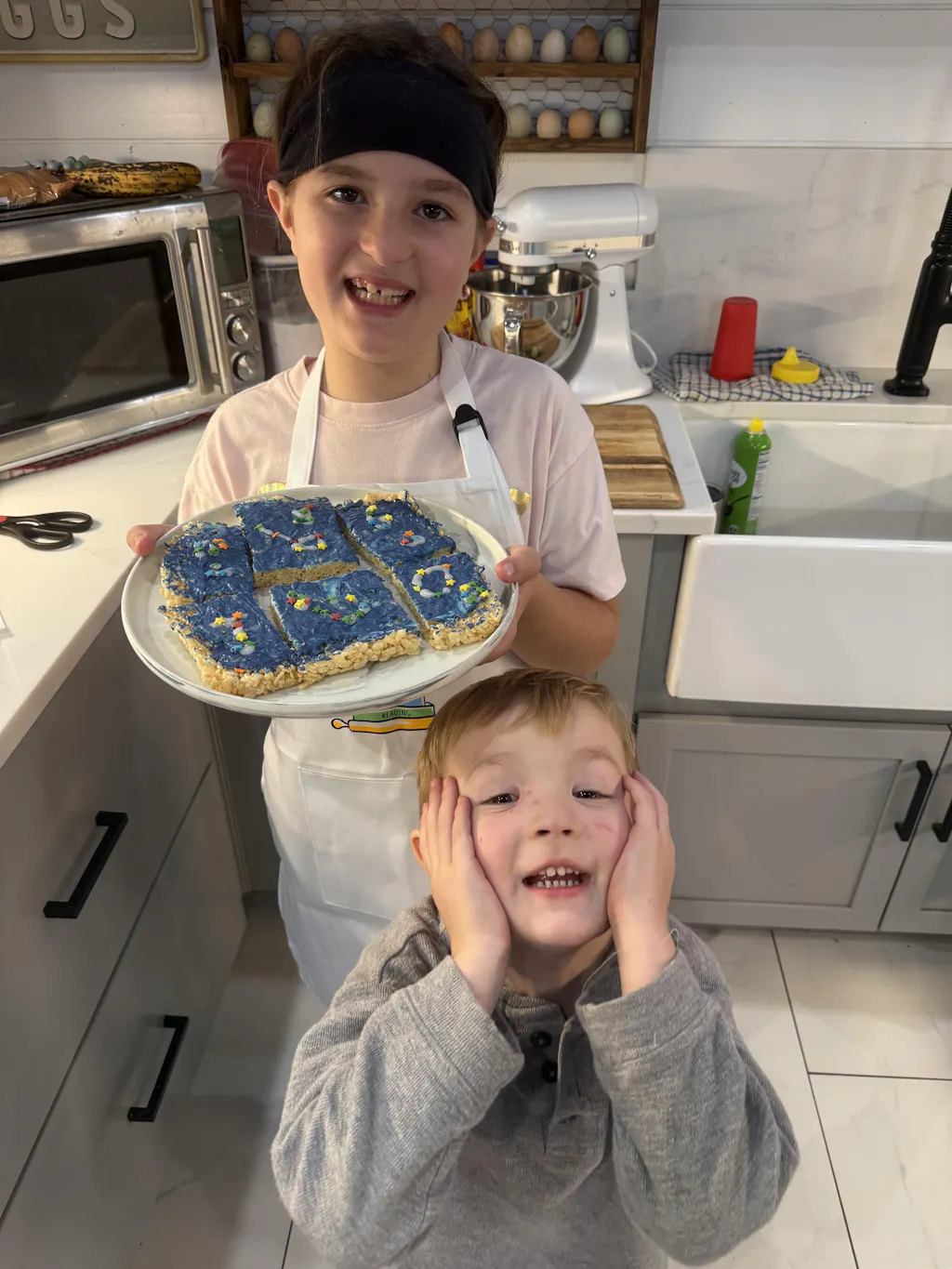
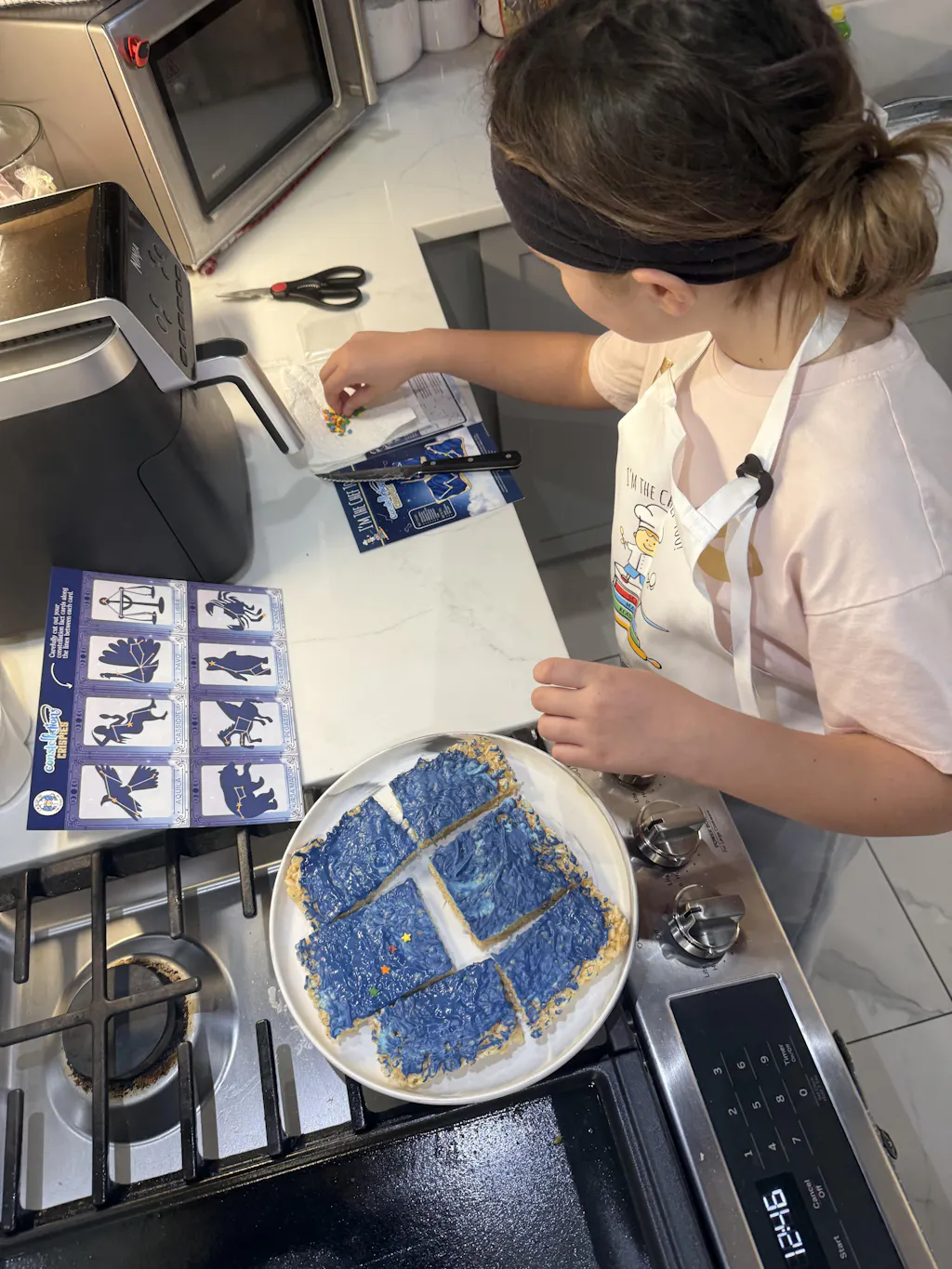
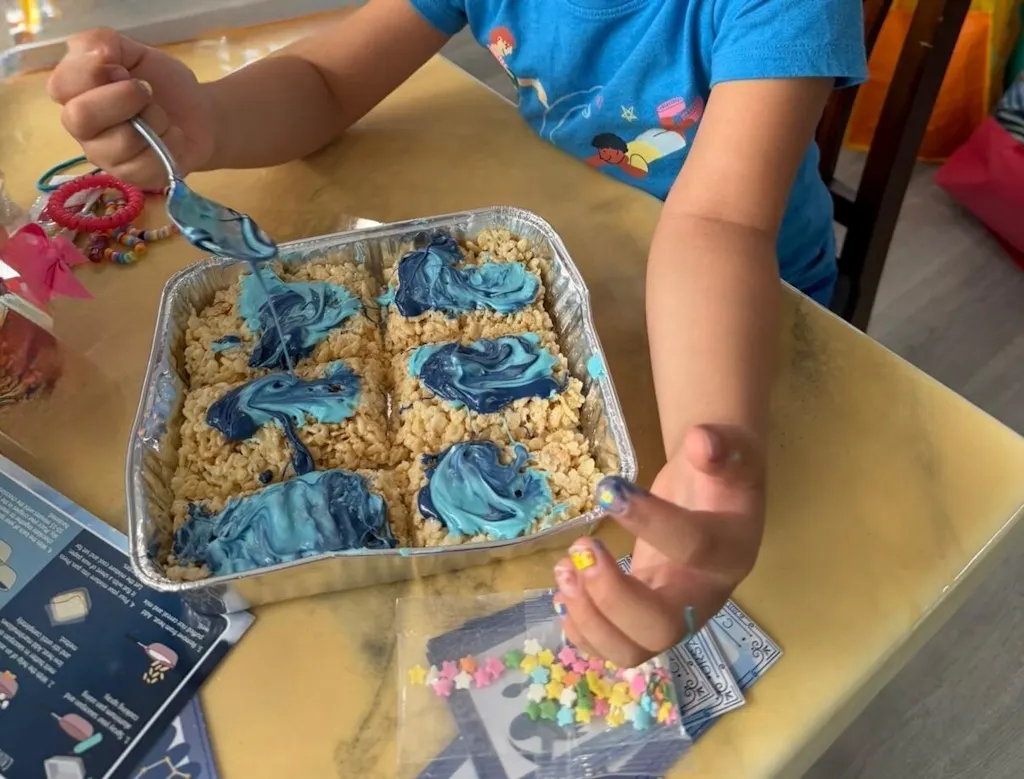
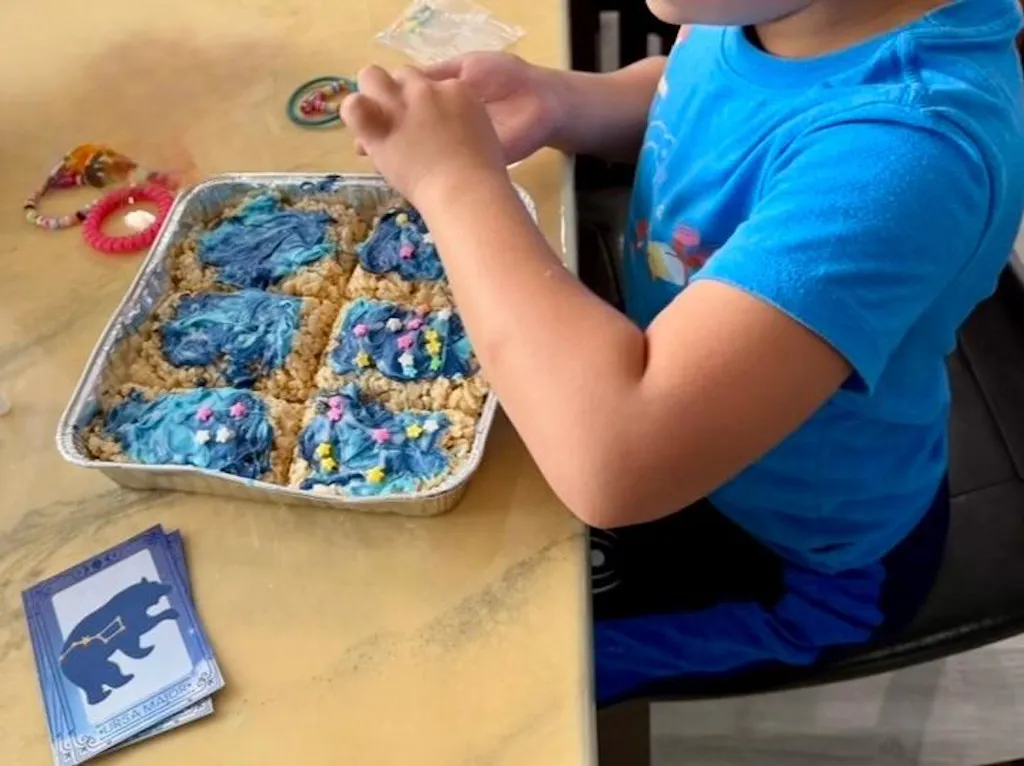
- Process: Children can spread a "night sky" base of blue or purple frosting on cupcakes, cookies, or mini tarts. Then, they can arrange star-shaped fruit (like pineapple or melon cut with a small cookie cutter), blueberries, or edible star sprinkles to create their own constellations or a galaxy effect.
- STEM Connection: This is a fantastic opportunity to discuss astronomy, constellations, and the colors of the night sky. It’s also about food science – understanding different ingredients and how they contribute to taste and texture. Our Galaxy Donut Kit is another perfect example of how we bring these astronomical adventures to life in the kitchen, allowing kids to explore the wonders of space through edible art.
"Bedtime Snack" Mini Pizzas: Culinary Skills and Nutrition
Making themed mini pizzas can be a delightful and practical "bed craft" that teaches culinary skills and basic nutrition.
- Materials: English muffins, pizza sauce, mozzarella cheese, and various "bedtime friendly" veggie toppings (e.g., thinly sliced zucchini for a "blanket," mushroom slices for "pillows").
- Process: Children can assemble their mini pizzas, arranging toppings creatively to resemble a bed scene. This encourages them to try new vegetables and understand basic meal preparation.
- STEM Connection: This activity involves basic culinary science (how ingredients combine and cook), measurement (of toppings), and nutrition education (understanding healthy food choices). It's also a great way to talk about heat transfer and safety in the kitchen.
At I'm the Chef Too!, we are committed to sparking curiosity and creativity in children by teaching complex subjects through tangible, hands-on, and delicious cooking adventures. Our kits, developed by mothers and educators, offer the perfect blend of learning and fun, ensuring that every cooking experience is also an "edutainment" experience. To discover a world of culinary STEM adventures that foster family bonding and provide a screen-free educational alternative, why not Join The Chef's Club? A new adventure is delivered right to your door every month with free shipping in the US!
The Science and Art Behind the Comfort: Deep Dive into STEM & Arts in Bed Crafts
The beauty of "bed craft for kids" lies in its incredible versatility as an educational tool. Far from being just simple play, these activities are rich with opportunities to explore core concepts across Science, Technology, Engineering, Arts, and Mathematics (STEAM).
Engineering & Design
Every time a child plans how to construct a miniature bed, designs a stable headboard, or figures out how to attach embellishments to a dream catcher, they are engaging in engineering and design thinking.
- Structure and Stability: What materials will hold up best? How can I make this doll bed sturdy enough for my favorite doll? These questions lead to hands-on experimentation with different glues, joints, and supports, teaching basic physics principles about force and balance.
- Material Selection: Children learn that cardboard is good for a base but fabric is better for softness. They experiment with the properties of different materials—how well they cut, glue, or bend.
- Problem-Solving: When a piece doesn't fit or a structure wobbles, children are challenged to identify the problem and brainstorm solutions, fostering critical thinking and resilience.
Math
Math isn't just about numbers; it's about patterns, shapes, and measurements, all of which are abundant in bed crafts.
- Measurement: Cutting fabric for a blanket, drawing a symmetrical design for a pillowcase, or fitting popsicle sticks for a bed frame all require measuring and understanding dimensions.
- Scaling: When creating miniature furniture, children implicitly learn about scaling—how to make something smaller while maintaining its proportions.
- Geometry: Identifying shapes (squares for pillows, circles for dream catcher hoops), understanding angles, and recognizing symmetry in patterns are all fundamental geometric concepts reinforced through crafting.
Chemistry & Physics
Even seemingly simple crafts can touch upon these sciences.
- Light Properties: Creating glow-in-the-dark constellations directly involves understanding phosphorescence—how certain materials absorb light and then slowly release it. This is an exciting introduction to light energy.
- Material Reactions: The way glue adheres to different surfaces, how paint dries, or how baking ingredients change when heated are all examples of chemical and physical reactions that children observe firsthand.
Art & Aesthetics
The "A" in STEAM (or "Arts") is undeniably central to "bed craft for kids."
- Color Theory: Choosing colors for a pillowcase, a dream catcher, or a painted headboard teaches children about warm and cool colors, complementary colors, and how different hues evoke emotions.
- Texture and Composition: Experimenting with fuzzy felt, smooth paper, rough twine, and various embellishments allows children to explore texture and how different materials feel and look together. They learn about composition as they arrange elements to create a visually pleasing design.
- Personal Expression: Crafting provides an unparalleled outlet for children to express their individuality, tastes, and emotions, building confidence and a sense of unique identity.
Fine Motor Skills & Hand-Eye Coordination
From wielding scissors to carefully placing tiny beads, bed crafts are excellent for developing fine motor skills and hand-eye coordination, which are crucial for a wide range of academic and life tasks.
Language & Literacy
Following instructions, describing their creations, telling stories inspired by their crafts, or even reading labels on materials all contribute to language and literacy development.
By engaging in "bed craft for kids," children are not just occupied; they are actively learning, exploring, and building a robust set of skills that will serve them well in all aspects of life. It’s exactly why at I'm the Chef Too!, we develop experiences that seamlessly weave these learning opportunities into every fun, delicious adventure. For instance, creating our Erupting Volcano Cakes Kit is a chemical reaction that makes cakes bubble over with deliciousness – an explosion of STEM and fun! Similarly, making Peppa Pig Muddy Puddle Cookie Pies allows kids to explore simple chemistry while enjoying beloved characters. These experiences are crafted to be both entertaining and deeply educational.
Safety First: Guiding Your Little Crafter
While "bed craft for kids" is incredibly rewarding, ensuring a safe crafting environment is paramount. Here are some essential guidelines for parents and educators:
- Adult Supervision is Key: Always supervise young children, especially when using scissors, glue guns (low-temp ones are best for kids), or other tools. Even seemingly safe materials can pose a choking hazard for very young children.
- Choose Non-Toxic Materials: Ensure all paints, glues, markers, and other supplies are labeled "non-toxic" and are age-appropriate. This is especially important for edible crafts or anything that might end up near a child's mouth.
- Age-Appropriate Tools: Provide scissors designed for children with blunt tips. Introduce craft knives or hot glue guns only with careful, direct supervision and when children are old enough to understand the risks and handle them responsibly.
- Ventilation: If using spray paints, strong glues, or materials with fumes, ensure the crafting area is well-ventilated.
- Clean-Up Crew: Establish a routine for cleaning up after crafts. This teaches responsibility, keeps the space safe, and prevents accidental ingestion of materials.
- Allergy Awareness: For edible crafts, always be mindful of food allergies. Check ingredient labels and adapt recipes as needed.
Our commitment at I'm the Chef Too! always places safety at the forefront. Our kits are designed with age-appropriateness in mind, ensuring a fun and secure experience for every child and family.
Bringing the Magic Home with I'm the Chef Too!
At I'm the Chef Too!, our core mission is to blend food, STEM, and the arts into one-of-a-kind "edutainment" experiences that ignite a spark of curiosity and creativity in children. We firmly believe that learning should be an adventure—a hands-on, tangible, and often delicious journey that fosters confidence and a lifelong love for discovery.
The world of "bed craft for kids" perfectly aligns with our philosophy. Just as we use baking to explore chemical reactions, engineering, and artistic design, these crafts transform everyday materials into powerful learning tools. Our unique approach means that while children are having fun designing a miniature bed or crafting a starry night scene, they are also implicitly learning about structural integrity, color theory, fine motor skills, and problem-solving—the very essence of STEM and artistic development.
We are committed to facilitating family bonding by providing engaging, screen-free educational alternatives. Our kits, thoughtfully developed by mothers and educators, offer a convenient way to bring these enriching experiences directly into your home. Each I'm the Chef Too! box is a complete adventure, containing pre-measured dry ingredients and specialty supplies, ensuring that you have everything you need for a hassle-free and truly delightful activity.
Whether you're crafting a cozy corner for imaginative play or baking up a storm with our culinary STEM kits, the goal is the same: to create joyful memories, build essential skills, and encourage a love for learning that lasts a lifetime. We don't promise your child will become a top scientist overnight, but we do promise a process that fosters curiosity, builds confidence, and enriches family time.
Ready to embark on a new adventure every month? Join The Chef's Club and enjoy free shipping on every box. Choose from our flexible 3, 6, and 12-month pre-paid plans, perfect for gifting or long-term enrichment. It's the easiest way to ensure a steady stream of exciting, educational, and delicious activities. Not ready to subscribe? That's perfectly fine! You can always explore our full library of adventure kits available for a single purchase in our shop and pick the perfect theme for your little learner.
Conclusion
"Bed craft for kids" offers far more than just decorative additions to a child's room; it provides a rich tapestry of learning opportunities woven into the fabric of play. From the intricate engineering of a miniature dollhouse bed to the astronomical artistry of a glow-in-the-dark constellation ceiling, these crafts engage young minds across a spectrum of STEM and artistic disciplines. They cultivate fine motor skills, foster problem-solving abilities, ignite imaginative storytelling, and build a strong sense of personal accomplishment and ownership over their space. Most importantly, they create precious moments of family bonding, moving children away from screens and into hands-on, collaborative adventures.
At I'm the Chef Too!, we champion this kind of holistic learning—where curiosity is sparked, creativity is nurtured, and education is delivered through joy and discovery. Our mission is to transform everyday activities into extraordinary learning experiences, and "bed craft for kids" stands as a wonderful testament to that philosophy. By encouraging children to create, design, and explore within their own comforting environments, we empower them to become confident learners and imaginative thinkers.
So, let's turn bedrooms into personalized classrooms and craft tables into laboratories of fun! Embrace the endless possibilities that "bed craft for kids" brings to your home. And for ongoing, screen-free educational fun that blends food, STEM, and the arts, look no further than our expertly designed kits. Give the gift of learning that lasts all year and fuels endless curiosity. Join The Chef's Club today and let the adventures begin!
FAQ Section
What age are bed crafts suitable for?
Bed crafts can be adapted for a wide range of ages, from toddlers to pre-teens.
- Toddlers (1-3 years): Focus on very simple, supervised activities like sticking large pre-cut shapes onto a pillowcase, finger painting on cardboard headboards (with washable paint), or stuffing fabric scraps into a shoebox "pet bed." Safety is key, avoiding small parts.
- Preschoolers (3-5 years): They can enjoy more involved projects like gluing popsicle sticks for miniature beds, weaving simple dream catchers with thick yarn, or decorating "monster spray" bottles.
- School-Aged Children (5-10 years): This age group can handle more complex tasks, including basic sewing (with supervision), detailed painting, creating constellation ceilings, and designing more elaborate dollhouse furniture or edible crafts.
- Pre-Teens (10+ years): They can tackle more intricate designs, learn about scaling, engage in detailed textile art for bedding, or even plan and execute larger room decor projects with minimal supervision.
What are some easy bed crafts for toddlers?
For toddlers, simplicity and safety are paramount. Easy ideas include:
- Decorated Pillowcase: Provide a plain pillowcase and large, chunky, washable fabric markers. Let them scribble and draw freely.
- Texture Board Headboard: Glue different textured fabric scraps (felt, cotton, rough burlap, silky ribbon) onto a sturdy piece of cardboard that can be placed behind their bed. Focus on sensory exploration.
- Shoebox Pet Bed: Decorate an empty shoebox with stickers, large pieces of colored paper, and soft fabric scraps. They can then place a favorite stuffed animal inside.
- Monster Repellent Shaker: Fill a small, clear, sealable container with glitter and water (and maybe a few toy eyes). They can shake it to "scare away" monsters.
How do bed crafts help with STEM learning?
Bed crafts naturally integrate STEM (Science, Technology, Engineering, Math) concepts in a hands-on, relatable way:
- Science: Observing how different materials behave (e.g., glue drying, glow-in-the-dark properties), understanding light and space (constellations).
- Technology: Using tools like scissors, glue guns, or even understanding how a battery-operated string of fairy lights works.
- Engineering: Designing stable miniature beds, figuring out how to attach a headboard, constructing dream catchers with tension and balance.
- Math: Measuring materials, understanding proportions (e.g., for dollhouse furniture), recognizing geometric shapes, and practicing symmetry. These activities make abstract STEM principles tangible and exciting, sparking curiosity and a love for discovery.
Do I need special materials for bed crafts?
Absolutely not! Many engaging bed crafts can be made using everyday household items and inexpensive craft supplies. Think "upcycling" and using what you already have:
- Cardboard: Old cereal boxes, shoeboxes, moving boxes.
- Fabric Scraps: Old t-shirts, worn-out towels, leftover fabric pieces from sewing projects.
- Paper: Construction paper, magazines for collages, old drawings.
- Natural Materials: Twigs, leaves, pinecones (cleaned) for rustic decor.
- Craft Staples: Popsicle sticks, yarn, pipe cleaners, beads, non-toxic glue, child-safe scissors, markers, paints. Of course, you can purchase specialty items like glow-in-the-dark paint or specific fabric markers for certain projects, but many ideas thrive on creativity with limited resources.
How can I make bed crafts educational beyond just STEM?
Beyond STEM, bed crafts offer a wealth of educational benefits:
- Language & Literacy: Discussing the craft project, following verbal or written instructions, telling stories inspired by a decorated item, or labeling parts of their creation.
- Art & Aesthetics: Exploring color theory, texture, composition, and developing an appreciation for different artistic styles.
- Fine Motor Skills: Cutting, gluing, painting, weaving, and manipulating small objects enhance dexterity and hand-eye coordination.
- Problem-Solving: Children learn to identify challenges (e.g., "my bed keeps falling over") and devise creative solutions.
- Emotional Development: Expressing emotions through art, building confidence through accomplishment, and managing frustration when a project doesn't go as planned.
- Cultural Awareness: Researching the origins of crafts like dream catchers can introduce children to diverse cultures and traditions.
- Responsibility: Caring for their crafted items and helping with cleanup fosters a sense of responsibility. By engaging in "bed craft for kids," you're not just making decorations; you're nurturing a well-rounded, curious, and confident learner.