Table of Contents
- Introduction
- The Developmental Power of Hands-On Play
- Integrating STEM into Toddler Crafts
- Choosing the Right Kit for Every Age
- The I'm the Chef Too! Difference: Why Cooking is the Ultimate Craft
- Case Study: A Weekend of Discovery
- What to Look for in a Quality Toddler Craft Kit
- The Science of Messy Play
- Fostering Independence through Structured Activities
- Educational Environments: Kits for Groups and Schools
- Creating a "Crafting Corner" at Home
- Setting Realistic Expectations
- The Role of Art in Early Literacy
- FAQs About Toddler Craft Kits
- Conclusion
Introduction
Did you know that a toddler’s brain creates up to one million new neural connections every single second? During these formative years, every texture they touch, every color they see, and every shape they mold acts as a building block for their future cognitive and emotional development. As parents and educators, we are always looking for ways to nourish that rapid growth without resorting to glowing screens. This is where the magic of a toddler craft kit comes into play. These kits are more than just boxes of glitter and glue; they are gateways to discovery, problem-solving, and joy.
In this post, we will dive deep into the world of creative play for young children. We’ll explore why hands-on activities are essential for development, how to choose the right materials for different age groups, and how to seamlessly blend the arts with STEM (Science, Technology, Engineering, and Math). Our goal is to provide you with a comprehensive resource for fostering a love of learning in your little ones. Whether you are a seasoned "pro-crafter" or a parent who feels a bit intimidated by the thought of a glitter explosion in the kitchen, we’re here to show you that educational play can be simple, clean, and incredibly rewarding.
At I'm the Chef Too!, we believe that the best way to learn is to get your hands dirty—or "floury," as the case may be. We are dedicated to blending food, STEM, and the arts into one-of-a-kind "edutainment" experiences that spark curiosity and creativity. By the end of this guide, you’ll understand how to select the perfect activities for your child and why a structured approach to crafting can create lasting family memories while building foundational skills.
The Developmental Power of Hands-On Play
When a child reaches for a chunky crayon or tries to peel a sticker, they aren't just making art. They are engaging in a complex neurological workout. The use of a toddler craft kit facilitates several key areas of development that are crucial during the first few years of life.
Fine Motor Skill Refinement
Fine motor skills involve the coordination of small muscles in the hands and fingers. These skills are necessary for everything from buttoning a shirt to writing with a pencil later in life. When toddlers engage with craft kits—picking up small beads (with supervision!), squishing modeling dough, or using safety scissors—they are strengthening these muscles.
Consider the "pincer grasp," which is the ability to pick up something between the thumb and forefinger. Many crafts, such as placing small pieces of tissue paper onto a sticky surface, specifically target this milestone. Developing these physical abilities early on builds a child's confidence, making them feel more capable of navigating their physical world.
Cognitive Growth and Problem Solving
Crafting is essentially a series of problems waiting to be solved. "How do I make this ear stay on the paper monster?" or "What happens if I mix blue and yellow paint?" These are the types of questions that drive cognitive development.
When children follow the simple instructions found in our curated kits, they learn about sequencing and cause-and-effect. They begin to understand that step A must happen before step B to reach the desired outcome. This logical progression is a fundamental part of early math and science. If you’re looking to start this journey with a focused project, you can explore our full library of adventure kits available for a single purchase in our shop to find a theme that resonates with your child's current interests.
Emotional Regulation and Patience
We all know that toddlers aren't exactly famous for their patience. However, crafting provides a safe environment to practice this skill. Waiting for glue to dry or taking the time to color within a specific area helps children learn to manage frustration. When they finally see the finished product, the sense of accomplishment they feel is a powerful boost to their self-esteem.
"The process of creating is often more important than the final product. For a toddler, the act of squishing, pulling, and sticking is a triumph of exploration over expectation."
Integrating STEM into Toddler Crafts
At I'm the Chef Too!, our mission is to show that STEM isn't just for high schoolers in lab coats. It starts in the kitchen and at the craft table. By choosing a toddler craft kit that has an educational edge, you are introducing your child to the wonders of the world around them.
Science through Sensory Exploration
For a toddler, science is sensory. It’s about how things feel, smell, and change. When a child explores astronomy by creating their own edible solar system with our Galaxy Donut Kit, they aren't just decorating a treat; they are learning about patterns, colors, and the vastness of space in a way they can touch and taste. This hands-on approach makes abstract concepts tangible.
Math in Every Motion
Counting the number of legs on a paper spider or measuring a half-cup of flour for a recipe are early math experiences. These activities help children develop "number sense," which is the understanding of what numbers actually represent. Craft kits often include pre-measured components, but the act of assembling them requires an understanding of spatial relationships—another key math skill.
Engineering and Art (The STEAM Approach)
Engineering is about building and designing. When a toddler stacks blocks or glues craft sticks together to make a house, they are acting as little engineers. By adding "Art" to STEM, we get STEAM, a holistic approach that ensures children use both the analytical and creative sides of their brains. This balanced development is at the heart of everything we do.
For those ready to dive into a consistent routine of discovery, our monthly service is a fantastic option. Ready for a new adventure every month? Join The Chef's Club and enjoy free shipping on every box.
Choosing the Right Kit for Every Age
Not all kits are created equal. A toddler craft kit designed for an 18-month-old will look very different from one designed for a four-year-old. Here is a breakdown of what to look for based on your child's developmental stage.
The Explorer: 12 to 24 Months
At this age, it’s all about the "process." Don’t expect a finished masterpiece. Look for kits that offer:
- Finger Paints: These allow for tactile exploration without the need for complex tool manipulation.
- Chunky Crayons: Easier for small hands to grip.
- Large Stickers: Great for practicing the pincer grasp.
- Non-Toxic Materials: Because, let's face it, everything goes in the mouth at this stage.
The Creator: 2 to 3 Years
This age group is starting to gain more control over their movements. They enjoy:
- Dough and Clay: Perfect for building hand strength.
- Contact Paper Art: No glue required! Just stick items directly onto the sticky paper.
- Simple Mosaics: Using large, colorful pieces to fill in a shape.
- Water-Based Painting: Mess-free options where "ink" only appears on special paper.
The Builder: 3 to 4 Years
By now, children can follow multi-step directions and are interested in "real" projects. This is the perfect time to introduce "edutainment" kits that result in something they can play with or eat.
- Role-Play Crafts: Making masks or puppets.
- Basic Construction: Kits that involve simple assembly.
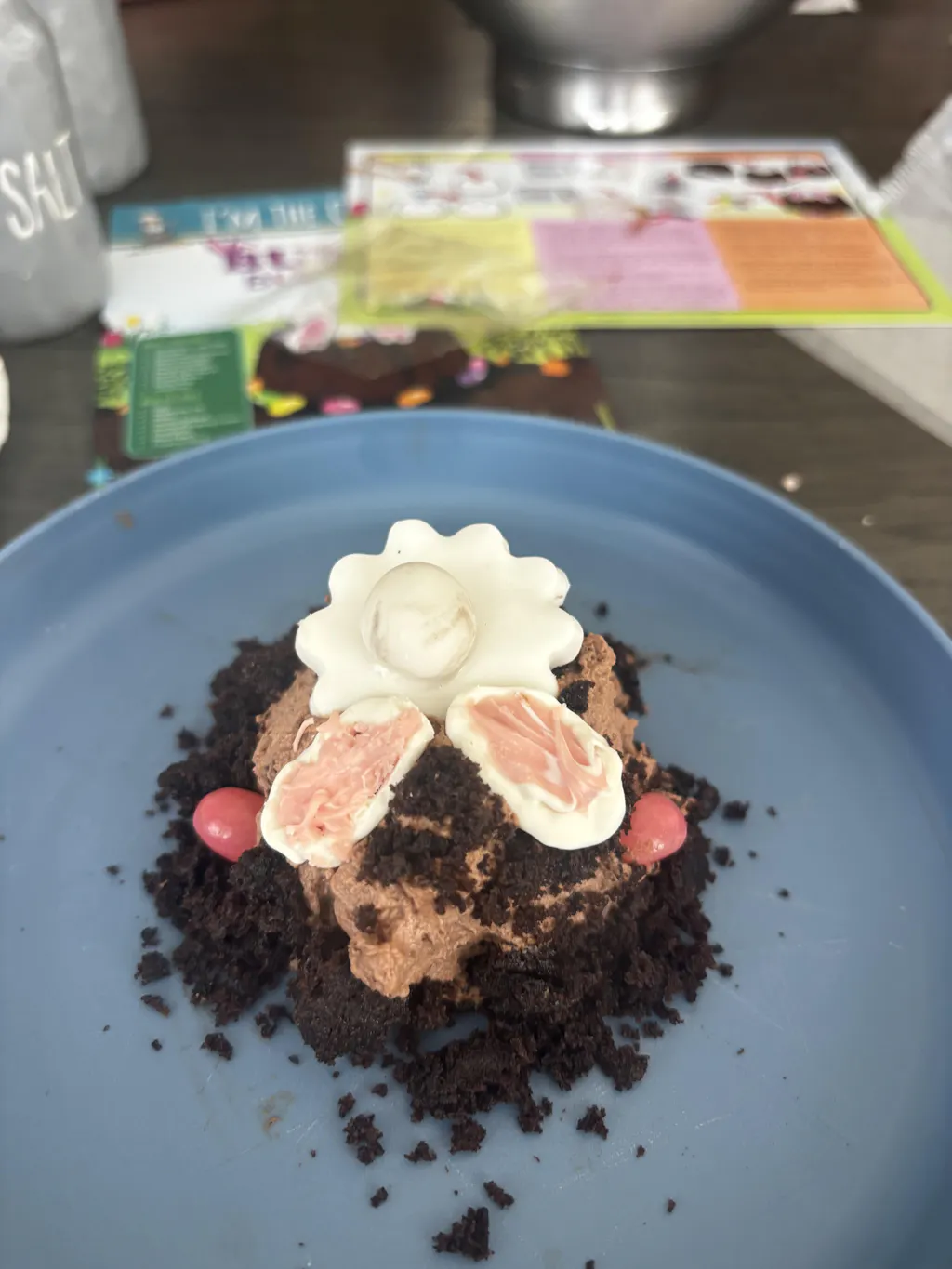
- Culinary Crafts: This is the sweet spot for our adventures! Kids love to see a chemical reaction that makes our Erupting Volcano Cakes Kit bubble over with deliciousness. It’s art, it’s science, and it’s a snack all in one.
The I'm the Chef Too! Difference: Why Cooking is the Ultimate Craft
While traditional paper-and-glue kits are wonderful, we believe that the kitchen is the best classroom. Cooking is the ultimate toddler craft kit because it engages all five senses and results in a tangible (and tasty!) reward.
Our kits are developed by mothers and educators who understand that children learn best when they are having fun. We don't just give you a recipe; we give you a story, a science lesson, and a creative project.
Screen-Free Bonding
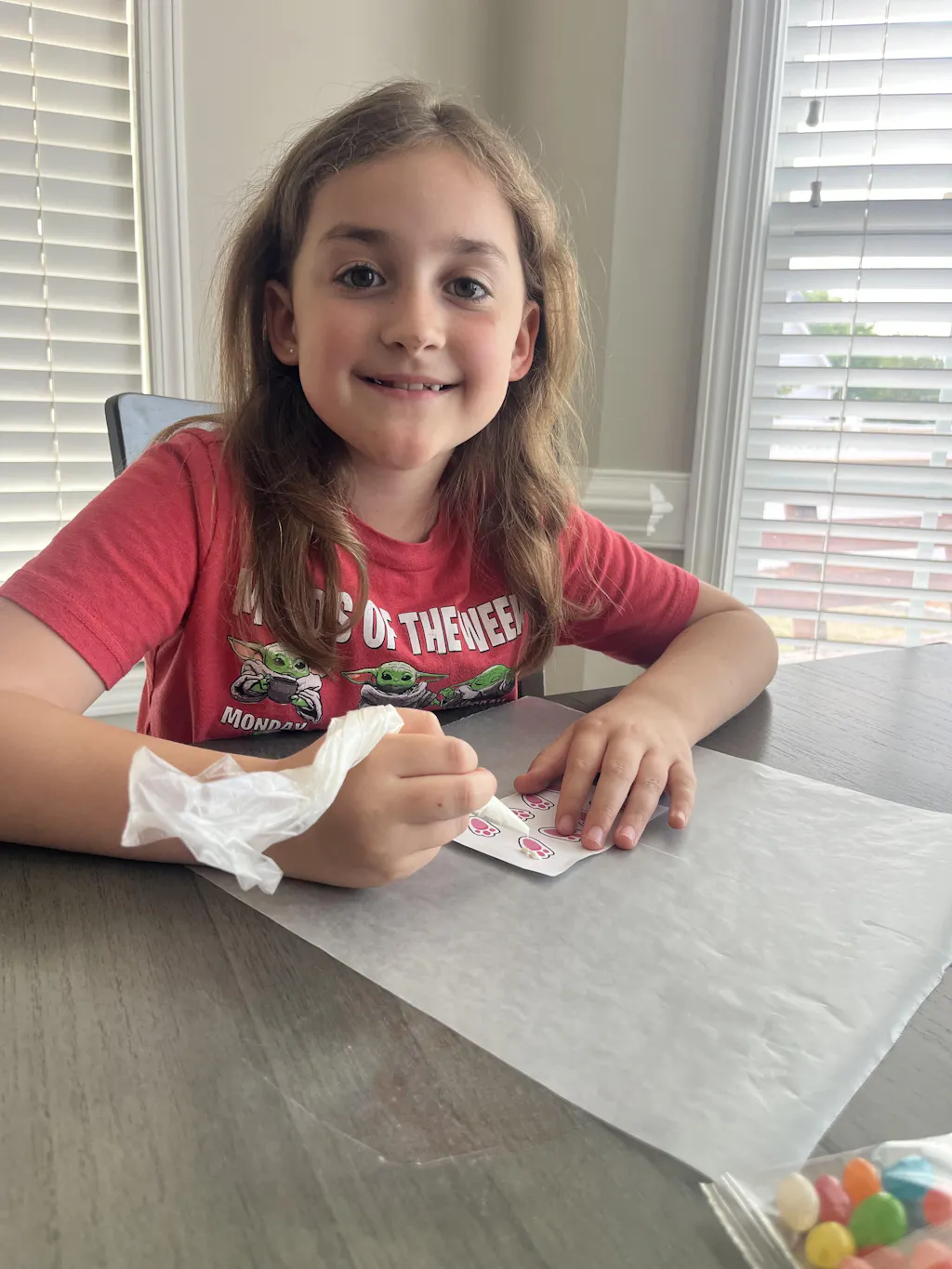
In a world filled with tablets and smartphones, finding a screen-free alternative that actually holds a toddler's attention can be a challenge. Our kits provide a focused activity that requires adult supervision, which naturally facilitates family bonding. You aren't just watching your child play; you are working together to create something amazing.
Building Confidence and Lifeskills
When a child helps stir the batter or chooses the colors for their galaxy donuts, they feel a sense of ownership. This builds confidence that extends far beyond the kitchen. They begin to see themselves as "helpers" and "makers." Plus, they are learning basic lifeskills—like following directions and kitchen safety—that will serve them for years to come.
To keep the momentum going and ensure you always have a high-quality activity ready for a rainy day, consider a long-term plan. Give the gift of learning that lasts all year with a 12-month subscription to our STEM cooking adventures.
Case Study: A Weekend of Discovery
Imagine a parent, Sarah, looking for a way to engage her three-year-old son, Leo, on a Saturday afternoon. Leo is obsessed with animals and loves anything messy. Sarah decides to skip the usual cartoon marathon and instead pulls out a kit.
They spend the afternoon learning about biology and habitats while making Wild Turtle Whoopie Pies. As they assemble the treats, Sarah talks to Leo about how turtles move and what they eat. Leo gets to practice his fine motor skills by piping the filling and placing the "shell."
The result? Sarah didn't have to spend hours scouring the internet for ideas or running to the store for obscure ingredients. Leo learned something new, practiced his hand-eye coordination, and had a delicious treat to share with the family. This is the power of a well-designed toddler craft kit. It takes the stress out of planning and puts the focus back on the joy of discovery.
What to Look for in a Quality Toddler Craft Kit
With so many options on the market, it can be overwhelming to choose. Here are the criteria we recommend using to ensure you’re getting the most value for your time and money.
1. Safety First
This is non-negotiable. Ensure all materials are non-toxic and sized appropriately to avoid choking hazards. At I'm the Chef Too!, safety is our priority, and we always frame our activities with the understanding of adult supervision.
2. Convenience
As a busy parent, the last thing you want is a kit that requires you to buy five additional items. Look for kits that are "all-inclusive." Our kits come with pre-measured dry ingredients and specialty supplies, so you can start the fun immediately.
3. Educational Value
Does the kit spark a question? Does it teach a skill? A great toddler craft kit should do more than just keep a child busy; it should ignite their curiosity. Whether it's learning about geology through volcano cakes or biology through animal-themed treats, the educational component is what transforms a simple craft into a meaningful experience.
4. Replayability or Lasting Impact
While some crafts are one-and-done, the best ones leave a lasting impression. This might be in the form of a new skill learned, a toy created, or a memory shared. If you find your child loves a particular theme, you can find the perfect theme for your little learner by browsing our complete collection of one-time kits.
The Science of Messy Play
Many parents shy away from certain crafts because of the "mess factor." However, "messy play" is actually a vital part of early childhood education. It’s often referred to as sensory play, and it’s essential for brain development.
Why Mess Matters
When a toddler squishes dough or splashes in water, they are sending a huge amount of information to their brain. This tactile input helps develop the vestibular system (balance and spatial orientation) and the proprioceptive system (awareness of the body in space).
Managing the Mess
You don't have to let your house be destroyed to enjoy a toddler craft kit. Here are a few tips:
- The Tray Method: Use a large plastic tray or a baking sheet to contain the activity.
- Outdoor Sessions: If the weather is nice, take the craft table outside.
- Preparation: Have wet wipes and a towel ready before you start.
- Involvement: Teach your toddler that cleaning up is part of the "craft." Even a two-year-old can help put caps back on markers or wipe a table.
By embracing the mess, you are telling your child that their exploration is more important than a pristine floor. This fosters a sense of freedom and creativity that is essential for a healthy love of learning.
Fostering Independence through Structured Activities
As toddlers grow, they crave independence. You’ve likely heard the phrase, "I do it myself!" more times than you can count. A structured toddler craft kit provides the perfect framework for this emerging independence.
Because the kits are designed with their age group in mind, the tasks are achievable. When a child successfully completes a step on their own, it builds their "self-efficacy"—the belief in their own ability to succeed. This is a foundational trait for future academic and personal success.
Our subscription boxes are designed to grow with your child, offering new challenges that match their developing skills. A new adventure is delivered to your door every month with free shipping in the US, ensuring that the "I do it myself" spirit is always met with a fun and educational challenge.
Educational Environments: Kits for Groups and Schools
While many parents use these kits at home, they are also incredible tools for educators. Whether it’s a preschool classroom, a homeschool co-op, or a summer camp, a toddler craft kit can serve as a centerpiece for a group lesson.
Using kits in a group setting teaches social skills like sharing, taking turns, and collaborating on a project. It also allows educators to provide a high-quality, hands-on STEM experience without the stress of sourcing individual materials for 20 children. Bring our hands-on STEM adventures to your classroom, camp, or homeschool co-op. Learn more about our versatile programs for schools and groups, available with or without food components.
Creating a "Crafting Corner" at Home
To make the most of your crafting adventures, we recommend setting up a small space dedicated to creativity. This doesn't require a whole room; a corner of the kitchen or a small table in the playroom works perfectly.
Essential Supplies for Your Crafting Corner
While a toddler craft kit will provide the specifics, having these basics on hand is always helpful:
- Washable Markers and Crayons: For quick drawing sessions.
- Safety Scissors: For children 3+ to practice cutting.
- Glue Sticks: Less messy than liquid glue for little hands.
- A "Masterpiece Gallery": A string with clothespins or a section of the fridge where you display their work. Showing off their art tells them that their work is valued.
Having a dedicated space makes it easier to say "yes" to creativity. When the materials are accessible, crafting becomes a natural part of your child's daily routine rather than a rare, stressful event.
Setting Realistic Expectations
It’s important to remember that every child develops at their own pace. Some two-year-olds might have the focus to sit for twenty minutes, while others might be done after five. That’s okay! The goal isn't to create a perfect product or to ensure your child becomes a top scientist overnight.
The goal is the process. It’s about the laughter when the flour puffs up, the concentration on their face when they’re placing a sticker, and the pride they feel when they show you what they’ve made. We are here to facilitate joyful family memories and to foster a lifelong love for learning. By lowering the pressure and focusing on the fun, you create an environment where your child can truly thrive.
For long-term enrichment that adapts to your child's pace, consider our flexible plans. We offer 3, 6, and 12-month pre-paid plans, perfect for gifting or long-term enrichment.
The Role of Art in Early Literacy
You might be surprised to learn that a toddler craft kit can actually help with reading and writing skills. This is because art and literacy are both systems of representation. When a child draws a circle and says, "This is a sun," they are learning that a symbol can represent a real-world object—the same principle behind letters and words.
Furthermore, the "left-to-right" progression used in many craft instructions mimics the way we read. By following steps in order, children are building the foundational habits needed for literacy. They are learning to interpret visual information and translate it into action, a high-level cognitive skill.
FAQs About Toddler Craft Kits
Q: Are craft kits safe for toddlers who still put things in their mouths? A: Safety is paramount. Always check the age recommendations on any kit. For children under three, look for kits specifically labeled for their age group, which use non-toxic, oversized materials. Supervision is always required to ensure safety.
Q: How can I make crafting less messy? A: Use a dedicated tray, lay down a disposable tablecloth, or move the activity outside. Also, choosing "low-mess" kits, like sticker-based projects or "mess-free" markers, can help.
Q: My child has a short attention span. Will they enjoy a craft kit? A: Absolutely! The key is to choose kits with short, engaging steps. Many toddlers prefer "process art" where there is no specific end goal, allowing them to stop whenever they lose interest.
Q: Can these kits really teach STEM to a three-year-old? A: Yes, but in a way that’s appropriate for their age. At this stage, STEM is about observation and exploration. Seeing how colors mix or how a liquid turns into a solid is a scientific observation.
Q: What if the finished craft doesn't look like the picture on the box? A: That’s perfectly fine! In fact, it’s often better. It shows that your child used their own creativity. The value is in the time spent together and the skills practiced, not the perfection of the final product.
Conclusion
In the journey of early childhood, every moment is an opportunity for growth. A toddler craft kit is a powerful tool in your parenting or teaching toolkit, offering a perfect blend of fun, fine motor development, and early STEM education. By providing your child with hands-on, screen-free "edutainment," you are sparking a curiosity that will stay with them for a lifetime.
At I'm the Chef Too!, we are honored to be a part of your family’s creative journey. Whether you’re exploring the stars with donuts, erupting chocolate volcanoes, or crafting sweet treats shaped like your favorite animals, you are building more than just crafts—you are building confidence and memories.
Ready to make learning the highlight of your month? Join a community of parents and educators who believe in the power of hands-on discovery. Ready for a new adventure every month? Join The Chef's Club and enjoy free shipping on every box. If you're looking for a one-time gift or a specific theme, don't forget to explore our full library of adventure kits available for a single purchase in our shop. Let's start cooking up some brilliance together!