Table of Contents
- Introduction
- The Developmental Power of Water Play
- High-Energy Backyard Water Games
- STEM-Focused Water Adventures
- Creative and Artistic Water Play
- Collaborative and Team-Based Water Games
- Refreshing Water Activities for Younger Children
- Bridging the Gap: From Backyard Water Play to the Kitchen
- Safety Tips for Outdoor Water Play
- Why Choose I’m the Chef Too! for Your Child’s Learning Journey?
- Case Study: From Puddles to Planets
- Frequently Asked Questions (FAQs)
- Conclusion
Introduction
Have you ever noticed how the simple turn of a garden hose can transform a sluggish, humid afternoon into a neighborhood-wide adventure? There is a certain magic in water—it sparkles in the sunlight, splashes with a satisfying sound, and provides instant relief from the summer heat. As parents and educators, we often find ourselves searching for that perfect balance between keeping our children entertained and ensuring they are learning something meaningful. At I’m the Chef Too!, we believe that the best kind of learning happens when kids are too busy having fun to realize they are gaining new skills. We call this "edutainment," a unique blend of STEM, the arts, and hands-on experiences that spark curiosity and creativity.
The purpose of this blog post is to provide you with an exhaustive list of fun outdoor water activities for kids that go beyond the basic sprinkler. We will explore everything from high-energy backyard games to quiet, artistic sensory bins and fascinating water-based science experiments. Whether you have a toddler just discovering the joy of a puddle or an elementary-aged child ready to engineer a backyard river, there is something here for every family. Our mission is to facilitate family bonding and provide screen-free educational alternatives that create joyful memories.
By the end of this guide, you will have a comprehensive toolkit of ideas to keep your children cool, engaged, and curious all summer long. We believe that by engaging with the natural world through water play, children develop a foundational love for learning that lasts a lifetime.
The Developmental Power of Water Play
Before we dive into the activities, it is worth exploring why water play is such a staple in our educational philosophy. Water is a versatile, open-ended medium. It doesn’t come with a set of instructions, which allows children to lead the way with their own imaginations.
Physical Development and Motor Skills
When children engage in fun outdoor water activities for kids, they are constantly moving. Carrying a heavy bucket of water builds core strength and balance. Squeezing a sponge or using a dropper to move water from one container to another refines fine motor skills and hand-eye coordination. These are the same skills they will later use for writing, drawing, and, of course, measuring out ingredients for a delicious recipe.
Cognitive and STEM Learning
Water is a natural laboratory. When a child watches a heavy rock sink while a light leaf floats, they are learning about density and buoyancy. When they build a dam in a tinfoil river, they are exploring fluid dynamics and engineering. At I’m the Chef Too!, we love these tangible moments because they mirror the scientific processes we use in the kitchen. Ready for a new adventure every month? Join The Chef's Club and enjoy free shipping on every box.
Social and Emotional Growth
Water play often becomes a collaborative effort. Whether it’s a team-based water bucket race or a shared sensory bin, children must learn to communicate, share tools, and work toward a common goal. It’s also incredibly therapeutic. The sensory experience of water can help a frustrated child reset their mood and find a sense of calm.
High-Energy Backyard Water Games
When the energy levels are high and the temperature is rising, these games are the perfect way to burn off steam while staying cool.
1. The Ultimate DIY Slip n’ Slide
You don’t need an expensive store-bought slide to have a blast. You can create a fantastic sliding experience using a long, heavy-duty plastic tarp or even a series of plastic tablecloths pinned securely to the grass with tent stakes. Add a little bit of eco-friendly dish soap and a constant stream of water from the hose to make it extra slippery.
The Science Hint: Explain to your kids that the soap and water reduce friction, allowing them to glide further and faster. It’s a great physics lesson in disguise!
2. Sprinkler Twister
Take the classic game of Twister and move it to the lawn. Set up the mat and place a moving sprinkler nearby. The challenge isn't just reaching "left hand blue"—it's doing it while the mat is slippery and you're being sprayed with water. This activity is excellent for building gross motor skills and providing a lot of laughter.
3. Water Balloon Dodgeball
Traditional dodgeball can be a bit intense, but replace the ball with a water balloon, and it becomes a refreshing splash fest. If you get hit, you aren't just "out"—you're cooled off! To make this more sustainable, you can use "sponge bombs" (strips of sponges tied together with a rubber band) which can be dunked in a bucket and reused over and over.
4. Drip, Drip, Drop
Think of this as the "wet" version of Duck, Duck, Goose. Instead of tapping heads, the "it" person walks around the circle with a soaking wet sponge or a cup of water. They drip a little bit on each person’s head until they decide who to "drop" the whole cup on. That person then chases them around the circle.
5. Water Bottle Flip Challenge: The Splash Edition
The bottle flip challenge has been a viral sensation for years, but you can make it a fun outdoor water activity for kids by doing it over a target or on a slippery table. Fill plastic bottles to different levels and have the kids try to flip them so they land upright.
Educational Angle: This is a fantastic way to talk about the center of gravity. Ask your kids why a bottle that is 1/3 full flips better than one that is completely full.
STEM-Focused Water Adventures
At I’m the Chef Too!, we are passionate about bringing STEM to life through hands-on activities. These water-based science projects are designed to spark that "wow" moment in your child.
6. Ice Excavation: The Frozen Treasure Hunt
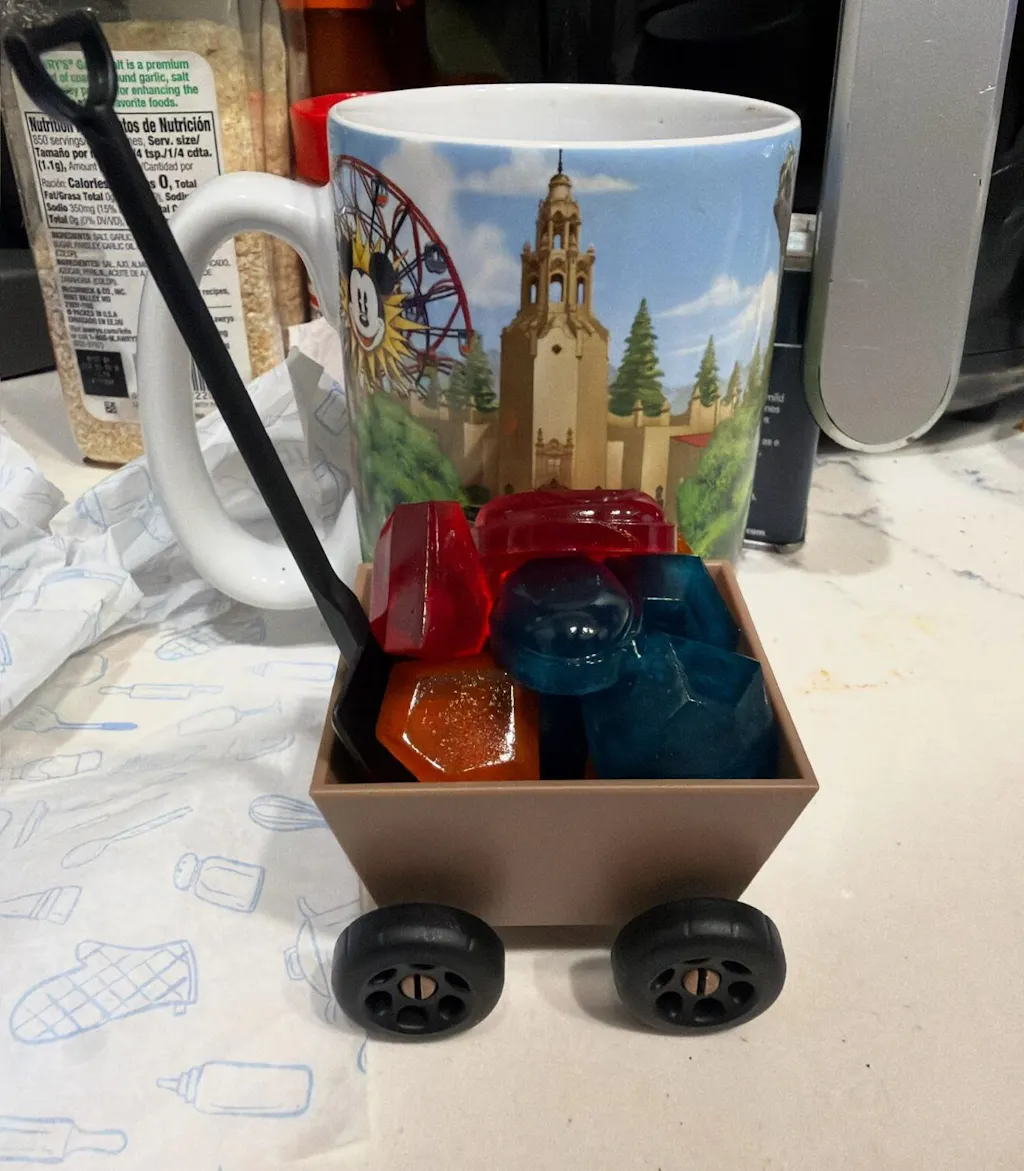
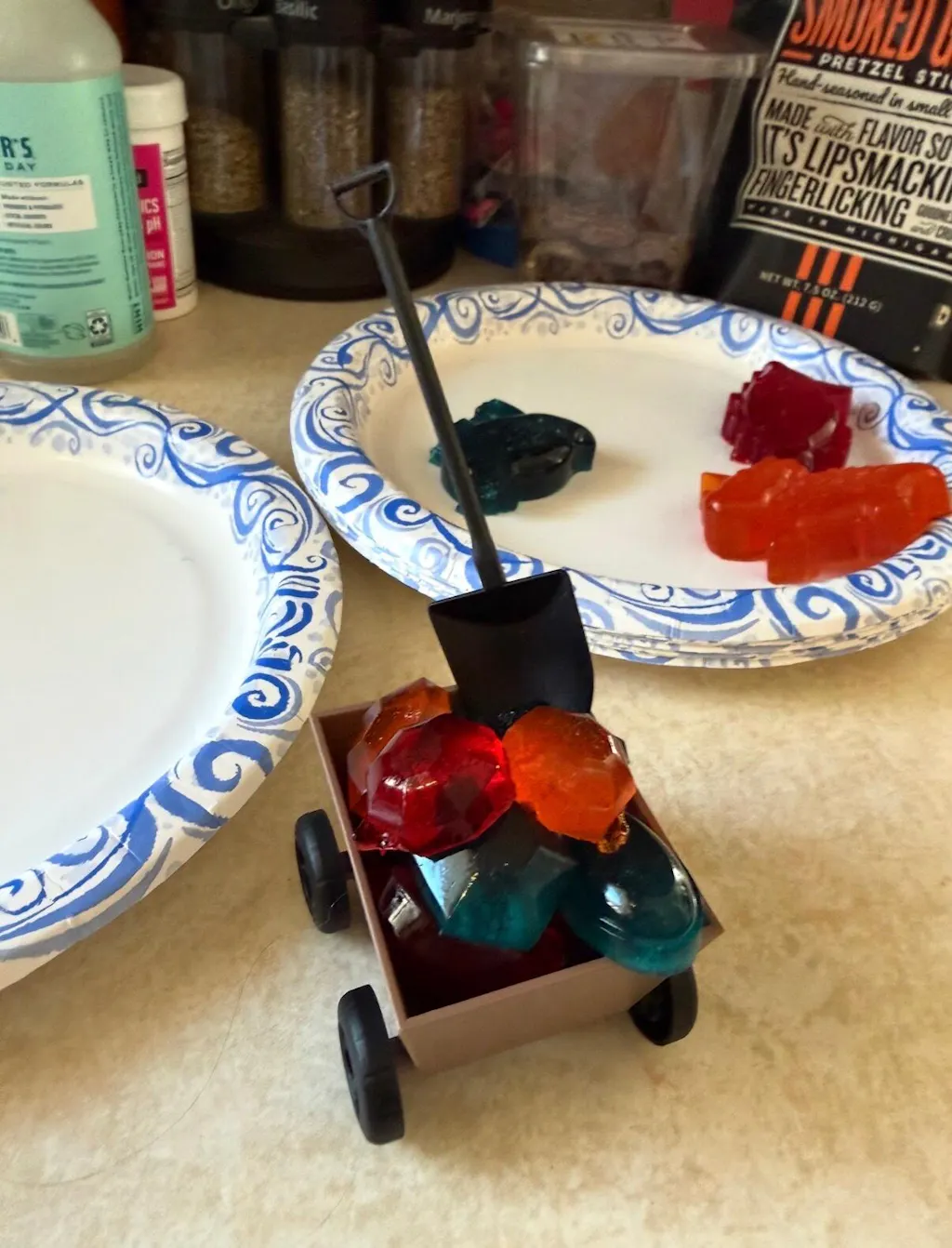
This is a favorite among our young "paleontologists." Freeze small plastic toys, like dinosaurs or colorful gems, inside a large container of water. Once it’s a solid block of ice, give your child tools like a small spray bottle of warm water, a magnifying glass, and a toy hammer.
Pro Tip: This activity mirrors the excitement kids feel with our kits. For example, a parent looking for a screen-free weekend activity for their 7-year-old who loves geology could try our Erupting Volcano Cakes Kit to see a different kind of "excavation" and chemical reaction!
7. The Tinfoil River Engineering Project
Using a long roll of tinfoil, help your child create a winding river on a slight slope in your yard. Fold up the edges of the foil to keep the water in. Use a hose at the top to create a gentle "stream." Children can then build dams using rocks and sticks, or create small boats out of corks or leaves to see how the current carries them.
8. Sink or Float Science Lab
This is a classic for a reason. Gather a variety of household and natural objects: a penny, a cork, a plastic toy, a leaf, a rock, and a piece of fruit. Before dropping each item into a bin of water, ask your child to make a hypothesis: "Do you think this will sink or float?"
Deepening the Learning: Introduce the concept of density. Even a large piece of wood might float while a tiny metal paperclip sinks. Exploring these properties helps children understand the world around them in a tangible way.
9. Squirt Bottle Alphabet Art
Fill squirt bottles with water and let your kids "write" on the driveway or sidewalk. For younger children, you can draw large letters in chalk and have them "erase" the letters by squirting them with water. This builds the hand strength needed for writing while reinforcing letter recognition.
10. Solar Water Evaporation Station
On a very hot day, have your child paint a picture on the pavement using just water and a paintbrush. Then, set a timer. How long does it take for the "art" to disappear? Use this as a way to talk about the water cycle and how the sun’s energy turns liquid water into invisible gas (water vapor).
Creative and Artistic Water Play
Water isn't just for splashing; it’s also a wonderful tool for the arts. These activities allow children to explore colors, textures, and aesthetics in a mess-free way.
11. Pint-Sized Picasso: Sidewalk Water Painting
Sometimes the simplest activities are the most engaging. Give your child a bucket of water and a variety of house-painting brushes. They can "paint" the entire side of the house, the fence, or the driveway. The best part? There is zero cleanup, and they can start all over again as soon as the water evaporates.
12. Metallic Water Table
Add a few drops of food coloring and a sprinkle of edible luster dust or metallic liquid watercolors to a water table. The way the metallic pigments swirl and dance in the water is mesmerizing. Provide whisks and spoons so they can create "potions" and watch the light reflect off the shimmering surface.
13. Flower Sensory Bin
Gather some old flowers that are slightly past their prime or pick some wildflowers and clover from the yard. Fill a bin with water and let the petals float. This is a beautiful, calming sensory experience. Children can practice their "chef skills" by "chopping" the petals with safety scissors or mashing them with a mortar and pestle to create "perfume."
14. Nature’s Soup
Give your child a large pot and a big spoon. Encourage them to go on a "scavenger hunt" in the backyard for ingredients like pinecones, acorns, grass clippings, and pebbles. They can mix these into their water pot to create a "Nature Soup." This encourages imaginative play and helps them connect with the environment.
15. Ice Cube Painting
Freeze water with different colors of food coloring in an ice tray. Once frozen, take the colored cubes outside and use them to draw on large sheets of paper or the sidewalk. As the ice melts, the colors blend together, creating a beautiful watercolor effect. It’s a great way to teach color mixing—watch what happens when a yellow cube and a blue cube melt into the same puddle!
Collaborative and Team-Based Water Games
Building social skills is a key part of our educational philosophy. These games require communication, cooperation, and a healthy dose of team spirit.
16. The Water Bucket Relay
Divide the kids into two teams. Each team has a full bucket of water at the start line and an empty bucket at the finish line. One by one, kids must fill a small cup, run to the finish line, dump it in, and run back to pass the cup to the next teammate. The first team to fill their bucket to a designated line wins!
17. Over-Under Water Pass
Have the kids stand in a line. The first person has a full cup of water. They must pass it over their head to the person behind them. That person then passes it between their legs to the next person. This continues down the line until the last person pours what’s left of the water into a bucket. It’s a hilarious way to work on coordination and teamwork.
18. Sponge Bulls-Eye
Draw a large target with point values on the driveway using chalk. Soak large sponges in a bucket of water. Each child takes a turn throwing the sponge at the target. The wet mark left behind shows where they hit, making it easy to tally up points. This is a fun way to sneak in some mental math practice as they add up their scores!
19. Water Limbo
This is a classic with a twist! Use a steady stream of water from a hose as the "limbo bar." One person holds the hose, and the others try to dance under the stream without getting hit by the water. As the "bar" gets lower, the challenge gets wetter!
20. Fill the Bucket on the Head
In this game, one child sits on the ground with a plastic bucket held on top of their head. Their teammates must stand a few feet away and try to toss water-soaked sponges or pour cups of water into the bucket. It requires a lot of focus and communication between the "catcher" and the "tossers."
Find the perfect theme for your little learner by browsing our complete collection of one-time kits.
Refreshing Water Activities for Younger Children
For toddlers and preschoolers, water play is often about the simple joy of cause and effect. These activities are designed for smaller hands and shorter attention spans.
21. The Toy Washy-Washy Station
Toddlers love to mimic adults. Fill a plastic bin with soapy water and another with clean water. Gather their waterproof toys—cars, plastic animals, or building blocks—and give them sponges and old toothbrushes. They will spend ages scrubbing their toys clean and "rinsing" them off.
Bonus for Parents: You end up with a set of sparkling clean toys at the end of the day!
22. Backyard Bubble Bath
Who says bubble baths are only for the tub? Fill a small kiddie pool with a few inches of water and a generous amount of bubble solution. Add some whisks, slotted spoons, and bubble wands. The sensory experience of the foam and bubbles in the fresh air is a wonderful change of pace for little ones.
23. Pouring Station
Simple but effective! Provide a variety of containers in different shapes and sizes—measuring cups, pitchers, funnels, and bowls. Let your child pour water from one to another. This is a foundational activity for understanding volume and capacity, which are essential concepts in both math and cooking.
24. Frozen Under the Sea Bin
Freeze some plastic fish or sea creatures in a thin layer of blue-tinted water at the bottom of a container. Once frozen, add more water and some "seaweed" (green ribbons or plastic plants). As the ice at the bottom melts, the sea creatures "wake up" and join the play.
25. Squirt Bottle "Firefighter"
Give your toddler a squirt bottle and tell them they are a firefighter. They can "put out fires" by squirting water on designated spots (like chalk drawings of flames) on the fence or the sidewalk. This is great for building the muscles in their hands.
Bridging the Gap: From Backyard Water Play to the Kitchen
At I’m the Chef Too!, we see the kitchen as the heart of the home, but the backyard is where the raw materials of curiosity are often found. Many of these fun outdoor water activities for kids can lead naturally into a discussion about food and cooking.
26. The Blind Taste Test (Hydration Edition)
Staying hydrated is crucial during outdoor play. You can turn this into a fun game! Prepare several cups of water infused with different natural flavors: lemon, lime, cucumber, strawberry, or mint. Blindfold your kids and see if they can identify the "secret ingredient." This helps develop their palate and teaches them about natural flavor infusions.
27. Making "Sun Tea"
This is a beautiful way to show how the sun’s energy can change things. Fill a clear glass jar with water and add a few tea bags (herbal teas like hibiscus or peach are great for kids). Set the jar in a sunny spot in the yard for several hours. As the water warms, the tea will infuse. Serve it over ice for a refreshing post-play treat.
28. Edible Ice Excavation
Instead of freezing toys, try freezing pieces of fruit like berries or grapes into large ice cubes. Kids can "excavate" the fruit and eat it as it melts. This is a healthy, cooling snack that keeps them occupied and hydrated.
29. Culinary Engineering with Ice
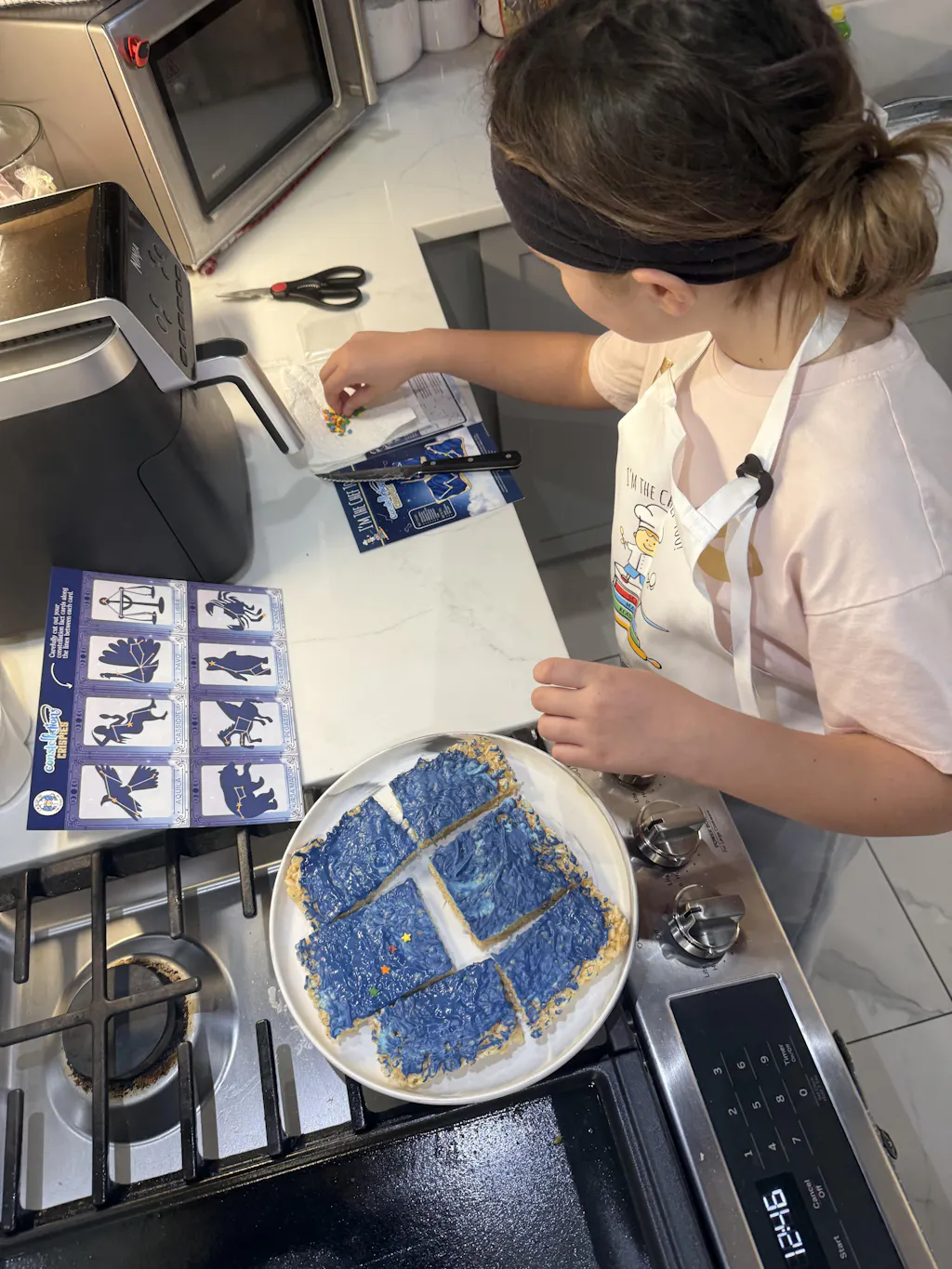
If your child enjoyed building with blocks in the water, they might love exploring astronomy by creating their own edible solar system with our Galaxy Donut Kit. Just as they learned about how water changes states from liquid to solid, they can learn how ingredients come together to create something entirely new and delicious!
Safety Tips for Outdoor Water Play
While fun is the priority, safety is the foundation of every activity we recommend. Always ensure that an adult is supervising water play, regardless of how shallow the water is.
- Sun Protection: Remember to apply sunscreen frequently, as water can wash it away and the reflection of the sun on the water's surface can increase the risk of burns.
- Hydration: Even though they are playing with water, they need to be drinking it, too! Take regular breaks for water and snacks.
- Slip Hazards: Wet grass and pavement can be very slippery. Encourage "walking feet" around the water area to prevent falls.
- Water Conservation: While we want to have fun, it's also a great opportunity to teach children about being mindful of our resources. Use a nozzle on the hose that can be turned off easily, and try to reuse the water from your bins to water the garden when playtime is over.
Why Choose I’m the Chef Too! for Your Child’s Learning Journey?
We know that parents today are looking for more than just a way to pass the time. You want activities that are meaningful, educational, and fun. Our mission is to blend food, STEM, and the arts into one-of-a-kind "edutainment" experiences. Every kit we design is developed by mothers and educators who understand exactly how children learn and what keeps them engaged.
By participating in activities like these fun outdoor water activities for kids, you are fostering a love for learning and building confidence in your child. Whether it's through a monthly subscription or a one-time kit, our goal is to help you create joyful family memories that will last a lifetime. Give the gift of learning that lasts all year with a 12-month subscription to our STEM cooking adventures.
Case Study: From Puddles to Planets
Imagine a parent, Sarah, whose 6-year-old son, Leo, is obsessed with how things work. One Saturday, Sarah sets up the "Tinfoil River" in their backyard. Leo spends two hours building dams and watching how the water flow changes. He asks, "Mom, why does the water move faster when the foil is steeper?"
Sarah uses this curiosity as a springboard. That evening, they work together on their I'm the Chef Too! kit. Leo sees that the same principles of flow, temperature, and states of matter apply to making treats. This seamless transition from outdoor play to "kitchen science" reinforces Leo's learning and makes him feel like a real scientist. This is the power of a holistic, hands-on approach to education.
Frequently Asked Questions (FAQs)
What are some water activities that don't require a lot of space?
If you have a small patio or balcony, sensory bins are your best friend. A "Pouring Station" or a "Toy Washy-Washy" bin takes up very little room but provides a lot of engagement. You can also use squirt bottles to "paint" on a small section of a wall or floor.
How can I make water play more educational for older children?
For older kids, focus on the "why." Introduce concepts like surface tension (can they get a needle to float on the surface of the water?), displacement (how much does the water level rise when they put a heavy toy in a full bucket?), or siphoning (can they move water from a high bucket to a lower one using just a tube?).
Is water play safe for toddlers who still put things in their mouths?
Yes, as long as you use "taste-safe" materials. Use plain water instead of soapy water, and if you are adding color, use food-grade coloring. Avoid small toys that could be choking hazards; instead, use large kitchen tools like plastic measuring cups and big spoons.
What should I do if my child is afraid of being sprayed with water?
Never force a child to participate in water activities that make them uncomfortable. Start with "quiet" water play like a sensory bin or painting with water. Let them control the water source, like a spray bottle, so they feel in charge of the experience.
How do I clean up after a big day of water play?
The beauty of water play is that most of it "cleans itself" through evaporation! For toys and bins, give them a quick dry with a towel to prevent mildew and store them in a mesh bag so they can air dry completely.
Conclusion
Summer is a season of discovery, and there is no better way to explore the world than through fun outdoor water activities for kids. From the high-energy thrills of a DIY slip n’ slide to the focused, quiet engineering of a tinfoil river, these activities provide a wealth of opportunities for children to grow physically, cognitively, and socially.
At I’m the Chef Too!, we are committed to sparking that sense of wonder in every child. We believe that by blending the arts, STEM, and the joy of hands-on creation, we can help children develop a lifelong passion for learning. Our adventures are designed to be tangible, delicious, and—most importantly—fun for the whole family.
Whether you are looking to beat the heat or find a screen-free alternative for a weekend afternoon, we hope this guide has inspired you to grab the hose, fill up the buckets, and dive into a summer of "edutainment." Even beloved animals can make learning fun, like when kids make Wild Turtle Whoopie Pies after a day of playing in their own backyard "pond."
Ready to keep the adventure going all year long? Ready for a new adventure every month? Join The Chef's Club and enjoy free shipping on every box. We can't wait to see what you and your little chefs create next!