Table of Contents
- Introduction
- The Educational Power of Arctic Animal Crafts
- A Treasury of Arctic Animal Crafts for Kids
- Integrating I'm the Chef Too! into Your Arctic Adventures
- Tips for a Successful Arctic Crafting Session
- Beyond the Craft Table: Extending Arctic Learning
- Conclusion
- FAQ: Your Arctic Crafting Questions Answered
Imagine a world shimmering with ice and snow, where majestic polar bears roam, playful penguins waddle, and resilient arctic foxes adapt to incredible challenges. This is the Arctic, a place of wonder that captures the imagination of children and adults alike. As the colder months draw us indoors, there's no better time to embark on a creative journey to this magical realm. Far from being just a way to pass the time, engaging in arctic animal crafts for kids can transform a quiet afternoon into an exhilarating expedition into science, art, and imaginative play.
At I'm the Chef Too!, our mission is to blend the joy of cooking with the excitement of STEM and the beauty of the arts. We believe in "edutainment"—experiences that are both profoundly educational and incredibly fun. Through hands-on, tangible, and often delicious cooking adventures developed by mothers and educators, we spark curiosity, foster creativity, and build lasting family memories. The world of arctic animals provides a perfect backdrop for this blend, offering countless opportunities to explore biology, geography, engineering, and art, all while creating something wonderful together. This post is your comprehensive guide to bringing the Arctic into your home with engaging crafts that educate, entertain, and inspire, offering screen-free alternatives that truly make learning a delightful journey.
Introduction
Have you ever wondered how a polar bear stays warm in freezing temperatures, or how an arctic fox changes its coat with the seasons? The animal kingdom is full of incredible adaptations, and the creatures of the Arctic are truly marvels of nature. For children, the mystery and resilience of these polar inhabitants offer a captivating entry point into understanding the natural world, climate, and basic scientific principles. But how do we make these complex subjects accessible and exciting for young minds? The answer lies in the magic of hands-on activities: arctic animals crafts for kids.
This blog post will dive deep into a treasure trove of creative projects centered around arctic animals. We'll explore why crafting is more than just fun – it's a powerful tool for developing fine motor skills, fostering creativity, boosting confidence, and introducing core STEM concepts in an engaging way. From simple paper plate projects to elaborate sensory bins and edible experiments, we'll guide you through a variety of crafts suitable for different ages and skill levels. Our aim is to provide practical, valuable advice and realistic expectations for these activities, ensuring that you and your children create joyful memories and foster a love for learning. Get ready to transform everyday materials into arctic masterpieces, sparking curiosity and building essential skills, one craft at a time.
The Educational Power of Arctic Animal Crafts
Crafting might seem like pure play, but for children, it's a fundamental pathway to learning and development. When kids engage in arctic animal crafts, they're not just cutting and gluing; they're problem-solving, exploring textures, understanding shapes, and even absorbing scientific concepts without even realizing it. These activities provide a screen-free educational alternative that aligns perfectly with our philosophy at I'm the Chef Too!
Developing Essential Skills
- Fine Motor Skills: Holding scissors, manipulating small pieces of tissue paper, carefully placing googly eyes—these actions are crucial for strengthening the small muscles in hands and fingers, which are vital for writing, drawing, and even self-care tasks.
- Creativity and Imagination: There's no single "right" way to make a craft. Children are encouraged to express themselves, choose colors, add their unique touches, and imagine the stories behind their arctic creations. This fosters innovative thinking and divergent problem-solving.
- Cognitive Development: Following instructions, sequencing steps, understanding cause and effect (e.g., "if I put glue here, this will stick") are all cognitive exercises embedded within crafting. Children learn about shapes, colors, and spatial reasoning.
- Language and Communication: Describing their crafts, asking questions, and discussing the animals they are creating helps expand vocabulary and improve communication skills. Parents and educators can use crafts as a springboard for conversations about habitats, animal behaviors, and adaptations.
- Confidence and Self-Esteem: Completing a craft, especially one they can proudly display, gives children a tangible sense of accomplishment. This boost in confidence encourages them to tackle new challenges and embrace learning.
Unpacking STEM Through Play
The Arctic is a natural laboratory for STEM education. Crafting around arctic animals allows us to introduce complex subjects in an accessible, hands-on manner.
- Science (Biology & Ecology): What do polar bears eat? Where do penguins live? Why do arctic foxes have such thick fur? Crafts provide an opportunity to discuss animal adaptations, food chains, ecosystems, and the impact of climate change in a age-appropriate context. Creating a "blubber glove" can demonstrate insulation, for instance.
- Technology (Tools & Design): Using scissors, glue, rulers, and other craft tools introduces children to simple technologies and how they function. Designing a craft involves planning and executing a vision.
- Engineering (Construction & Problem-Solving): Building a 3D paper polar bear or constructing a moving penguin puppet requires basic engineering principles. Children learn about structure, balance, and how different materials can be assembled to achieve a desired outcome.
- Mathematics (Measurement & Geometry): Measuring paper, counting craft sticks, identifying shapes (circles for suncatchers, rectangles for body parts) naturally integrates mathematical concepts into the activity.
At I'm the Chef Too!, we see these connections every day in our unique approach. Just as our cooking kits teach chemistry through baking and geometry through slicing, arctic animal crafts offer a tangible way to explore the world around us. It's about making learning an adventure, one that can be shared and savored by the entire family. Ready for a new adventure every month? Join The Chef's Club and enjoy free shipping on every box, bringing these exciting "edutainment" experiences right to your door.
A Treasury of Arctic Animal Crafts for Kids
Let's dive into some fantastic arctic animal crafts that are not only fun but also packed with educational value. We'll categorize them by material and focus, providing plenty of ideas to spark your family's creativity. Remember, adult supervision is always key to ensure safety and to maximize the learning potential of each activity.
1. Paper Plate and Paper Crafts: Versatile and Accessible
Paper is perhaps the most versatile crafting material, readily available and perfect for a wide range of arctic animal crafts. These projects are excellent for developing cutting skills, hand-eye coordination, and imaginative play.
Rocking Paper Plate Penguins
- Concept: Explore balance and motion while creating an adorable penguin.
- Materials: White paper plates, black and orange construction paper, googly eyes, glue, scissors, markers.
- How-To Idea: Cut a paper plate in half. Decorate one half as the penguin's body (black sides, white belly). Add paper wings, feet, and a beak. Fold the bottom edge slightly inwards to create a rocking base.
- STEM Link: Discuss the center of gravity and how the rounded base allows for rocking motion. What makes it stable? What happens if you add weight?
- I'm the Chef Too! Connection: Just like we learn about states of matter by baking, kids can learn about physics through simple engineering like this rocking mechanism.
Handprint Arctic Animals
- Concept: Personalize crafts with a child's unique handprint, creating lasting keepsakes.
- Materials: White, blue, or grey paint, various colors of construction paper, markers, googly eyes.
-
How-To Idea: Paint your child's hand (or foot!) and press it onto paper. Once dry, transform the prints:
- Polar Bear: White handprint, add ears, nose, and eyes.
- Arctic Fox: White or grey handprint, add pointy ears, a snout, and a bushy tail with markers.
- Penguin: Black handprint (thumb as head, fingers as body), add white belly, orange feet, and beak.
- Walrus: Brown handprint, add two long paper tusks, round snout.
- STEM Link: Discuss animal anatomy and unique features. What makes each animal distinct? How do their body parts help them survive?
- Value: These crafts not only teach about animals but also create cherished family artifacts. They're a beautiful way to mark growth and celebrate creativity.
Paper Bag Puppets: Storytelling Fun
- Concept: Craft characters for imaginative play and storytelling.
- Materials: Brown or white paper bags, construction paper, markers, yarn, googly eyes, glue.
-
How-To Idea: Use a paper bag as the body. The fold of the bag becomes the mouth. Decorate with paper cutouts for ears, fur, snouts, etc.
- Snowy Owl: White paper bag, large paper eyes, feathered wings, small triangular beak.
- Polar Bear: White paper bag, round ears, black nose.
- Walrus: Brown paper bag, long paper tusks, whiskers made from yarn.
- STEM Link: Encourage children to research facts about these animals and then incorporate them into puppet shows. This blends biology with literacy and dramatic play.
- I'm the Chef Too! Connection: Storytelling is a powerful learning tool. We encourage kids to imagine where their edible creations come from, just as they might imagine a puppet's adventure. Looking for more diverse creative outlets? Explore our full library of adventure kits available for a single purchase in our shop. Browse our complete collection of one-time kits and find your next "edutainment" experience.
2. Sensory and Texture Crafts: Engaging Multiple Senses
Sensory play is vital for young children, helping them to explore the world through touch, sight, and even smell. These crafts offer rich tactile experiences.
Puffy Paint Polar Bears
- Concept: Create 3D, textured art that feels like soft fur.
- Materials: Shaving cream, white glue, paper plate or thick cardstock, black construction paper for features, googly eyes.
- How-To Idea: Mix equal parts shaving cream and white glue to create puffy paint. Spoon or spread this mixture onto paper to form a polar bear shape. Once dry, it will be wonderfully soft and puffy. Add paper ears, a nose, and googly eyes.
- STEM Link: This is a simple chemistry experiment! Discuss how the ingredients combine to create a new texture. What causes the "puffiness"? How does it change as it dries?
- Benefit: Engaging with different textures helps children develop sensory processing skills and encourages imaginative play.
Arctic Animal Suncatchers
- Concept: Explore light, color, and transparency to create beautiful window decorations.
- Materials: Contact paper (sticky-back plastic), tissue paper squares/confetti, free printable arctic animal silhouettes (polar bear, arctic fox, walrus), scissors, ribbon, glue.
- How-To Idea: Cut out an arctic animal silhouette. Place it on one piece of contact paper. Cover the surrounding area with colorful tissue paper squares. Place a second piece of contact paper over the top to seal everything in. Trim around the edges and add a ribbon for hanging.
- STEM Link: Discuss how light passes through translucent materials and how colors blend. Talk about the sun's energy and how different materials react to light. This can also lead to discussions about the vastness of the Arctic sky, perhaps even relating to broader concepts of space and exploration, much like creating an edible solar system with our Galaxy Donut Kit that introduces astronomy through delicious fun!
- I'm the Chef Too! Connection: Art and science intertwine beautifully. Just as specific ingredients react in cooking, different materials interact with light to create a visual effect.
Arctic Sensory Snow Bin
- Concept: A contained world for imaginative play and sensory exploration.
- Materials: A large plastic bin, shredded white paper or cotton balls (for snow), small arctic animal figurines, blue fabric scraps (for water), small pinecones or twigs, scoops, cups.
- How-To Idea: Fill the bin with your "snow." Arrange the fabric for water. Add the animal figurines and natural elements. Let children explore, create stories, and engage in free play.
- STEM Link: This is a fantastic way to create a miniature ecosystem. Discuss habitats, animal behaviors, and even conservation. Children can learn about the different layers of the Arctic environment and how animals navigate it.
- Benefit: Encourages open-ended play, language development, and allows children to process their understanding of the Arctic environment in a tangible way.
3. Upcycled and Nature-Based Crafts: Creativity with a Conscience
Using recycled materials not only teaches children about sustainability but also challenges them to think creatively about transforming everyday objects. Incorporating natural elements connects them to the outdoors, even while crafting inside.
Egg Carton Penguins
- Concept: Transform a mundane item into an adorable animal.
- Materials: Cardboard egg carton cups, black and white paint, orange felt or construction paper, googly eyes, glue.
- How-To Idea: Cut out individual egg carton cups. Paint the outside black and the inside white to create the penguin's body. Once dry, glue on googly eyes, a small orange felt triangle for a beak, and orange felt feet.
- STEM Link: Discuss sustainability and repurposing materials. How can we reduce waste? What other items can be upcycled?
- Value: This activity teaches resourcefulness and shows children that beauty and fun can be found in unexpected places.
Toilet Paper Roll Arctic Animals
- Concept: Simple, inexpensive, and endlessly adaptable.
- Materials: Empty toilet paper rolls, paint or construction paper, markers, glue, scissors, googly eyes.
-
How-To Idea: Paint or cover the toilet paper roll in the appropriate color (white for polar bear, grey/white for arctic fox, black for penguin). Add features using paper cutouts, markers, or googly eyes.
- Polar Bear: Add round ears to the top, a black nose, and eyes.
- Penguin: Cut out paper wings and feet, glue them on.
- Walrus: Add paper tusks and a snout.
- STEM Link: Children practice basic engineering by creating 3D forms from a 2D cylinder. They learn about structural stability and how to attach different components.
- I'm the Chef Too! Connection: Just like we encourage children to build and create with food, these crafts emphasize hands-on construction and imagination.
Pinecone Snowy Owls
- Concept: Blending natural elements with craft supplies to create charming decorations.
- Materials: Pinecones, white paint, cotton balls or white felt, googly eyes, orange felt or paper for beak, glue.
- How-To Idea: Gently paint the tips of the pinecone scales white to simulate snow. Glue cotton balls or white felt for the owl's "face" at the top. Add googly eyes and an orange beak.
- STEM Link: Discuss the natural habitat of owls and how they camouflage. Talk about the different parts of a pinecone and how they are part of a plant's reproductive cycle.
- Benefit: Connects children with nature, even indoors, and encourages observation of natural textures and forms.
Integrating I'm the Chef Too! into Your Arctic Adventures
While our specialty lies in blending food, STEM, and the arts into unique cooking kits, the spirit of I'm the Chef Too! perfectly complements these arctic animal crafts. Our mission is all about sparking curiosity and creativity, facilitating family bonding, and providing screen-free educational alternatives that truly engage young minds.
Think of how the "science" of mixing colors for your arctic fox craft is akin to the chemical reactions happening when baking. Or how planning the construction of a paper plate penguin mirrors the careful sequencing involved in following a recipe. These are all part of the broad spectrum of skills we aim to develop in children.
We understand that finding engaging, educational activities that fit into a busy family schedule can be a challenge. That's why we've made it our goal to deliver convenience and quality right to your door. With The Chef's Club, a new adventure is delivered every month with free shipping in the US. It's an easy way to ensure a steady supply of enriching, hands-on activities that continue the learning journey beyond arctic animals.
Beyond Crafts: Edible Arctic Adventures
While the core of this post focuses on traditional crafts, imagine extending the arctic theme into the kitchen – a place where I'm the Chef Too! truly shines!
- "Blubber" Cupcakes: Bake vanilla cupcakes (representing snow). Top with white frosting and blue sprinkles. Discuss how blubber keeps arctic animals warm, and enjoy a delicious treat.
- Polar Bear Pancakes: Make pancakes. Use whipped cream for fur, blueberries for eyes, and a chocolate chip for a nose. A fun breakfast that encourages discussions about animal features.
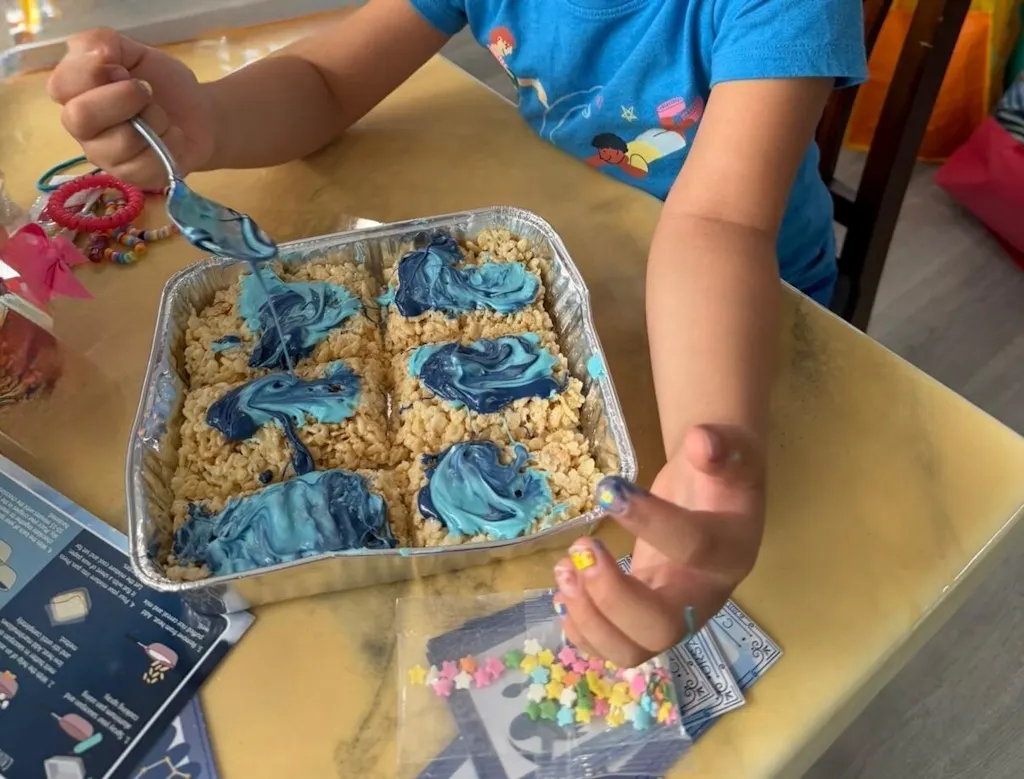
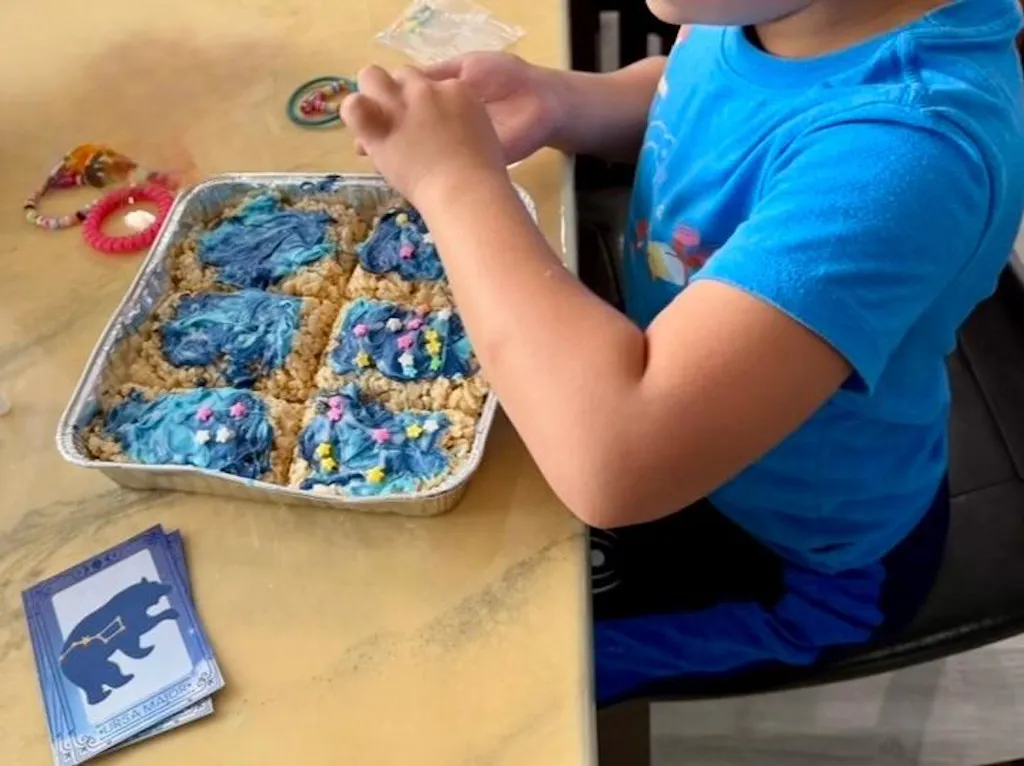
- "Iceberg" Rice Krispie Treats: Make classic Rice Krispie treats, pressing them into jagged "iceberg" shapes. You can even add a drop of blue food coloring to some to mimic icy water.
These edible adventures further exemplify how our unique approach of teaching complex subjects through tangible, hands-on, and delicious cooking makes learning an unforgettable experience.
Tips for a Successful Arctic Crafting Session
To make your arctic animal crafting sessions as enjoyable and educational as possible, keep these tips in mind:
- Prepare Your Space: Lay down newspaper or a washable tablecloth. Gather all materials beforehand to avoid interruptions. Having everything within reach makes the process smoother for everyone.
- Embrace the Mess: Crafts can get messy, and that's part of the fun! Remind yourself that a little mess often means a lot of learning and creativity. Have wipes or a damp cloth ready.
- Focus on the Process, Not Just the Product: Encourage experimentation and creative choices. It's less about creating a perfect replica and more about the joy of making, learning new skills, and spending quality time together.
- Adapt to Age and Skill Level: For younger children, pre-cut shapes or provide larger, easier-to-handle materials. For older kids, introduce more complex steps, encourage independent design, or research deeper scientific facts.
- Read Books Together: Pair your crafts with picture books or non-fiction books about arctic animals. This reinforces learning, builds vocabulary, and sparks imagination before and after crafting.
- Talk About It: Engage your child in conversation throughout the activity. Ask open-ended questions: "What do you notice about this animal?" "Why do you think it lives in the snow?" "What materials did you choose and why?"
- Display Their Art: Proudly display your children's arctic animal creations. This validates their efforts and boosts their self-esteem, showing them that their work is valued.
- Safety First: Always supervise children, especially with scissors, glue, or small components. Ensure all materials are non-toxic and age-appropriate.
By creating a positive and supportive environment, you're not just making crafts; you're nurturing a curious, confident, and creative learner. And if you're looking for more ways to spark that curiosity and creativity, remember the convenience and enrichment of The Chef's Club. Our monthly kits provide everything you need for unique, educational "edutainment" experiences, blending food, STEM, and the arts seamlessly.
Beyond the Craft Table: Extending Arctic Learning
The learning doesn't have to stop when the glue dries. Arctic animal crafts can be the launchpad for even deeper exploration.
- Role-Playing and Imaginative Play: Once the puppets are made or the sensory bin is set up, encourage children to create stories and scenarios. What adventures do their arctic animals embark on?
- "Arctic Exploration" Day: Dedicate a whole day to the Arctic. Start with crafts, then move to reading books, watching documentaries (if screen time is appropriate), and perhaps even preparing an arctic-themed snack (like the edible ideas mentioned earlier).
- Map Skills: Locate the Arctic region on a globe or map. Discuss the different countries that border the Arctic Ocean. Introduce concepts like the North Pole.
- Environmental Awareness: For older children, discuss the challenges facing arctic animals and their habitat, such as climate change and pollution. This can foster empathy and a sense of responsibility.
- Science Experiments: Expand on the "blubber glove" concept to demonstrate insulation. Fill one glove with shortening (blubber), another with air, and dip both into ice water to compare the feeling. This tangible experiment vividly illustrates a complex biological adaptation. This kind of hands-on science, where kids can see and feel the results, is what we strive for in all our kits, like the exciting chemical reaction that makes our Erupting Volcano Cakes bubble over with deliciousness.
These extensions show how a simple craft can blossom into a rich, multidisciplinary learning experience, making complex subjects relatable and fun.
Conclusion
The frosty, fascinating world of arctic animals offers a captivating canvas for children's creativity and an incredible classroom for STEM learning. Engaging in arctic animal crafts for kids provides more than just a fun way to spend an afternoon; it's an investment in your child's development, fostering fine motor skills, sparking imagination, building confidence, and introducing fundamental scientific concepts in an exciting, hands-on way. From fluffy polar bears to waddling penguins, each project becomes a tangible exploration of biology, engineering, and art.
At I'm the Chef Too!, we wholeheartedly believe in the power of "edutainment"—where learning is disguised as play, and complex subjects become accessible through tangible, delicious, and deeply engaging experiences. Our mission is to blend food, STEM, and the arts into one-of-a-kind adventures that foster family bonding and provide meaningful screen-free alternatives. These arctic animal crafts perfectly embody that spirit, transforming simple materials into masterpieces of imagination and education.
So, gather your supplies, bundle up your little learners, and embark on a creative journey to the icy wonders of the Arctic. Watch as their eyes light up with discovery and their hands bring these incredible creatures to life. Remember, every snip, every dab of glue, and every colorful piece of paper contributes to building a lifelong love for learning.
Ready to continue the adventure with even more exciting, educational experiences delivered right to your door? Join The Chef's Club today! Choose from our flexible 3, 6, and 12-month pre-paid plans, perfect for gifting or ensuring a year-round supply of our unique STEM cooking kits. Each box is a complete experience, brimming with pre-measured dry ingredients and specialty supplies, designed by mothers and educators to spark curiosity and creativity. Give the gift of learning that lasts all year, and let's make delicious memories together!
FAQ: Your Arctic Crafting Questions Answered
Q1: What age group are arctic animal crafts best suited for?
A1: Arctic animal crafts can be adapted for a wide range of ages, from toddlers to elementary school children. For toddlers and preschoolers (ages 2-5), focus on simple activities like handprint crafts, large paper collages, or sensory bins with supervision. Older children (ages 6-10+) can engage in more complex projects involving cutting, detailed gluing, or researching animal facts. The key is to adapt the complexity of the craft and the level of adult involvement to your child's developmental stage.
Q2: How can I make these crafts less messy?
A2: While some mess is inevitable and often part of the fun in crafting, you can minimize it with a few strategies:
- Designated Craft Area: Use a specific table covered with a plastic tablecloth, old newspaper, or a craft mat.
- Aprons: Have children wear smocks or old T-shirts to protect their clothes.
- Containment: Use shallow bins or trays to hold materials like glue, paint, or small pieces of paper. Sensory bins, by their nature, are already contained!
- Pre-Poured Supplies: Portion out glue, paint, or glitter into small, individual containers to prevent spills.
- Easy Cleanup: Keep wet wipes, paper towels, and a damp cloth handy for immediate cleanup.
Q3: What are the most common and affordable materials needed for arctic animal crafts?
A3: You likely have many of these at home already! Essential materials include:
- Paper (construction paper, white printer paper, paper plates, paper bags)
- Scissors (child-safe)
- Glue (stick glue, liquid white glue)
- Markers, crayons, or colored pencils
- Paint (tempera or washable craft paint)
- Googly eyes (optional, but always a hit!)
- Recycled items (toilet paper rolls, egg cartons, plastic bottles)
- Natural elements (pinecones, twigs, leaves) Beyond these, you can add cotton balls, yarn, tissue paper, felt scraps, or glitter for extra texture and sparkle.
Q4: How can I incorporate STEM learning more deeply into these crafts?
A4: To deepen the STEM connection:
- Ask "Why" and "How": Instead of just saying "this is a polar bear," ask, "Why do you think polar bears have white fur?" or "How does blubber help them?"
- Experiment with Materials: "What happens if we use sticky tape instead of glue?" or "Which material do you think is best for making fur, cotton balls or yarn?"
- Research Together: Before starting a craft, look up pictures or watch short videos of the arctic animal. Discuss its habitat, diet, and unique adaptations.
- Problem-Solve: If a part of the craft isn't working, encourage your child to think of solutions rather than just fixing it for them.
- Connect to Real-World Science: Discuss concepts like camouflage, insulation, ecosystems, or even basic physics when building structures. Our I'm the Chef Too! kits always come with educational booklets that explain the STEM behind the fun, encouraging this kind of deeper learning. For example, our Erupting Volcano Cakes kit vividly demonstrates chemical reactions in a delicious way!
Q5: My child gets frustrated easily with crafts. How can I keep them engaged?
A5: Crafting should be enjoyable, not stressful. If your child gets frustrated:
- Simplify: Break down complex steps. Pre-cut shapes for younger children or choose simpler projects.
- Offer Choices: Let them choose colors, materials, or which animal to make. Giving them agency boosts engagement.
- Praise Effort, Not Just the Outcome: Focus on their perseverance and creativity, not whether the craft looks "perfect."
- Work Together: Join in the crafting. Sometimes, seeing you participate and enjoy the process helps.
- Take Breaks: If frustration sets in, step away for a bit and come back later, or switch to a different, less demanding activity.
- Focus on the Story: Encourage them to tell a story about their animal. Sometimes, the imaginative play around the craft is more important than the craft itself.
Q6: How do I choose the right arctic animal craft for my child?
A6: Consider your child's interests, developmental stage, and attention span.
- Interests: Does your child love penguins? Start there!
- Developmental Stage: For toddlers, simple gluing, painting, and tearing paper are great. For preschoolers, basic cutting and assembly. For elementary kids, more detailed cutting, multi-step projects, and independent work.
- Attention Span: Choose shorter, quicker crafts for shorter attention spans. For longer attention spans, multi-day projects like building a sensory bin or a series of animal puppets can work well.
- Available Materials: What do you already have at home? Start with easily accessible supplies. No matter which craft you choose, remember that the goal is to have fun, learn together, and create wonderful memories. For continuous inspiration and all-inclusive kits that bring STEM, food, and art together, don't forget to check out our exciting options. Browse our complete collection of one-time kits to find the perfect adventure for your child!