Table of Contents
- Introduction
- The Power of Outdoor Play and STEM
- Backyard Exploration: Science in Your Own Space
- Active Games for Physical Literacy
- Water Play: Cool Science for Hot Days
- Creative Arts in the Wild
- Evening and Nighttime Exploration
- Exploring the Neighborhood and Local Parks
- STEM Adventures on the Move: Hiking with Kids
- Seasonal Outdoor Activities: Fun All Year Round
- Making the Most of Screen-Free Time
- Creating Joyful Family Memories
- Detailed Activity Guide: The "Nature Explorer" Kit
- Case Study: A Saturday of Edutainment
- Encouraging Screen-Free Learning
- Safety First: A Note for Parents
- Conclusion
- Frequently Asked Questions
Introduction
Have you ever noticed how the air seems to change the moment your children step out the front door? Their voices find a new range, their curiosity sharpens, and suddenly, a simple stick becomes a magic wand or a prehistoric tool. There is a specific kind of magic that happens when children trade four walls for the infinite ceiling of the sky. At I'm the Chef Too!, we believe that the world is the most vibrant classroom ever created. While we love the focused learning that happens around the kitchen island, we know that pairing that indoor creativity with the wild, messy, and wonderful world of the outdoors creates a well-rounded "edutainment" experience that sticks with children for a lifetime.
The purpose of this blog post is to provide you with a treasure trove of inspiration to get your family moving, exploring, and learning in the fresh air. We will cover everything from simple backyard games to sophisticated nature-based STEM experiments, ensuring that whether you have five minutes or a whole weekend, you have a plan for engagement. We aren't just looking for ways to "burn off energy"—though that is a great perk! We are looking to foster a deep-seated love for discovery that bridges the gap between the kitchen, the garden, and the great beyond.
By the end of this article, you will have a comprehensive toolkit of outdoor fun activities for kids that encourage screen-free play, facilitate family bonding, and turn every afternoon into a brand-new adventure. Our main message is simple: getting outside isn't just a break from learning; it is one of the most powerful ways to learn.
The Power of Outdoor Play and STEM
Before we dive into our list of activities, it is worth exploring why being outside is so vital for our little learners. At I'm the Chef Too!, our mission is to blend food, STEM, and the arts into one-of-a-kind experiences. The outdoors provides the perfect laboratory for this blend. When a child watches a bee pollinate a flower, they are seeing biology in action. When they build a dam in a stream, they are practicing civil engineering.
Outdoor play isn't just about physical health—though the benefits for motor skills and vitamin D levels are undeniable. It is about "soft skills" like risk assessment, problem-solving, and creative thinking. When children are given the space to roam, they develop a sense of autonomy that is hard to replicate in a structured indoor environment.
Key Takeaway: Outdoor activities foster a "growth mindset" by presenting children with natural challenges—like a tree that’s tricky to climb or a rain puddle that needs a bridge—which require persistence and creativity to overcome.
Ready for a new adventure every month? Join The Chef's Club and enjoy free shipping on every box, bringing that spirit of discovery right to your doorstep even when the weather keeps you closer to home.
Backyard Exploration: Science in Your Own Space
You don't need to travel to a national park to find wonder. Your own backyard or local green space is teeming with life and scientific principles waiting to be discovered.
1. The Great Worm Search
Digging for worms is a rite of passage. It teaches children about decomposition and the health of the soil. Provide them with a small trowel and a "worm observatory" (a clear jar with damp soil). After observing how they move, remind the kids that worms are the "garden's chefs," breaking down nutrients to help plants grow.
2. Bug Hotel Construction
Using natural materials like hollow reeds, sticks, and pinecones, help your child build a "hotel" for beneficial insects. This is a fantastic engineering challenge. They have to figure out how to stack materials so they don't fall and ensure there are enough nooks and crannies for their guests.
3. Leaf Rubbing Art
Place a leaf under a piece of paper and rub a crayon over the top. This activity reveals the intricate vein systems of different plants. It’s a beautiful way to combine the arts with botany. You can then use a field guide to identify which tree the leaf came from.
4. Shadow Tracing
On a sunny day, place a piece of paper on the ground and set a toy or a plant on the edge. Have your child trace the shadow. Come back an hour later and see how the shadow has moved. This is a simple, visual way to teach the earth’s rotation and the movement of the sun.
5. DIY Bird Feeders
Coat a pinecone in peanut butter (or a seed butter) and roll it in birdseed. Hanging these in the yard provides a great opportunity for birdwatching and learning about local fauna.
6. Soil Layer Inspection
Find a spot where you have permission to dig a small hole, about a foot deep. Have your child inspect the different layers. Is the top darker? Is it sandy or clay-like? This is a hands-on geology lesson happening right under their feet.
If your child finds themselves fascinated by the layers of the earth, they might love exploring geology through a culinary lens. For example, you can explore the power of the earth with a chemical reaction that makes our Erupting Volcano Cakes bubble over with deliciousness.
Active Games for Physical Literacy
Sometimes, kids just need to move. These games are classic for a reason—they build coordination, teamwork, and quick thinking.
7. Obstacle Course Designers
Instead of building a course for them, let the kids be the architects. Use pool noodles, hula hoops, and patio furniture. Ask them to include a "balance station," a "crawl station," and a "jump station." This empowers them to think about physical limits and creative sequences.
8. Spud
This classic game requires only a ball and a group of friends. It teaches listening skills and spatial awareness. When the "it" person yells "SPUD," everyone must freeze. The "it" person then has to calculate the distance and try to tag someone with the ball.
9. Red Light, Green Light
A staple for younger children, this game is excellent for developing "executive function"—the ability to stop an action even when you are excited. It’s a foundational skill for both the classroom and the kitchen!
10. Capture the Flag
For older children or larger groups, this is the ultimate game of strategy. It requires teamwork, scouting, and a fair bit of running. It’s a great way to spend a long afternoon at the park.
11. Hula Hoop Catch
Roll a hula hoop across the grass and have the children try to run through it or catch it before it falls. This builds incredible hand-eye coordination and timing.
12. Nature Scavenger Hunt
Create a list of items based on textures and colors rather than specific names. For example: "Find something fuzzy," "Find something the color of a sunset," or "Find something perfectly round." This encourages children to look closer at the world around them.
Water Play: Cool Science for Hot Days
Water is a fascinating medium for play. It’s tactile, it changes state, and it provides endless entertainment.
13. "Will It Float?" Experiment
Gather various items from the yard—rocks, sticks, leaves, toy cars—and a large bucket of water. Have your child make a hypothesis (a "scientific guess") about whether each item will sink or float before testing it.
14. Sponge Toss Design
On a hot day, wet sponges are a great alternative to water balloons. They are reusable and less messy. Have the kids use the wet sponges to "paint" designs on a brick wall or the driveway. As the sun evaporates the water, the art disappears, leading to a great conversation about the water cycle.
15. DIY Water Table
You don't need an expensive store-bought table. A few plastic bins at different heights, some funnels, and some old measuring cups are all you need. Kids can spend hours exploring flow, volume, and displacement.
16. Ice Excavation
Freeze some small plastic dinosaurs or "treasures" in a large block of ice. Give your children small tools (like a spoon or a spray bottle with warm water) and let them "excavate" the items. This is a wonderful way to teach about states of matter and patience.
Speaking of excavation, if you have a 7-year-old who loves dinosaurs and wants a screen-free weekend activity, they could try our Fudgy Fossil Dig kit, which lets them play paleontologist with a delicious reward at the end. Find the perfect theme for your little learner by browsing our complete collection of one-time kits.
Creative Arts in the Wild
Bringing art supplies outside changes the perspective of the artist. The light is different, the inspiration is everywhere, and the "cleanup" is often much easier!
17. Mud Kitchen
This is perhaps the ultimate outdoor activity. A mud kitchen—complete with old pots, pans, and spoons—allows children to "cook" using dirt, water, petals, and stones. While they aren't making edible treats like our Wild Turtle Whoopie Pies, they are practicing the same sensory and motor skills used in real baking.
18. Nature Mandalas
A mandala is a circular design. Encourage your children to collect colorful items—yellow dandelions, green leaves, brown acorns—and arrange them in a circular pattern on the ground. This activity is incredibly calming and helps children appreciate the symmetry found in nature.
19. Rock Painting
Find smooth stones and turn them into "story stones." Paint characters or symbols on them, and then use the stones to tell a story. This bridges the gap between the arts and literacy.
20. Sun Prints
Using special light-sensitive paper (available at many craft stores), children can place objects on the paper and leave it in the sun. The sun "develops" the paper, leaving behind beautiful silhouettes. It’s a perfect blend of chemistry and art.
21. Pinecone Painting
Pinecones have a fascinating texture. Giving children different colors of paint and letting them decorate pinecones can turn a simple walk in the woods into a creative session.
22. Backyard Concert
Gather "natural instruments"—two sticks to bang together, a hollow log for a drum, or some dried seed pods for shakers. Let the kids put on a performance for the neighborhood.
Giving your child the tools to create can spark a lifelong passion for both the arts and sciences. Give the gift of learning that lasts all year with a 12-month subscription to our STEM cooking adventures and keep that creative spark glowing.
Evening and Nighttime Exploration
The world changes when the sun goes down, and for a child, the "night world" is full of mystery and excitement.
23. Stargazing and Constellations
On a clear night, lay out a blanket and look up. Use a simple app or a star chart to find big constellations like the Big Dipper. This is a fantastic way to introduce astronomy. You can talk about how ancient travelers used the stars to find their way.
24. Firefly Catching (and Releasing!)
If you live in an area with fireflies, catching them in a jar (with air holes) is a magical experience. Observe their bioluminescence for a few minutes before letting them go. It’s a great lesson in biology and respecting wildlife.
25. Flashlight Tag
A nighttime twist on a classic. The person who is "it" uses a flashlight to "tag" others. It adds an element of stealth and excitement to the evening.
26. Moon Journaling
Over the course of a month, have your child draw the shape of the moon each night. This teaches them about cycles and patterns in the solar system.
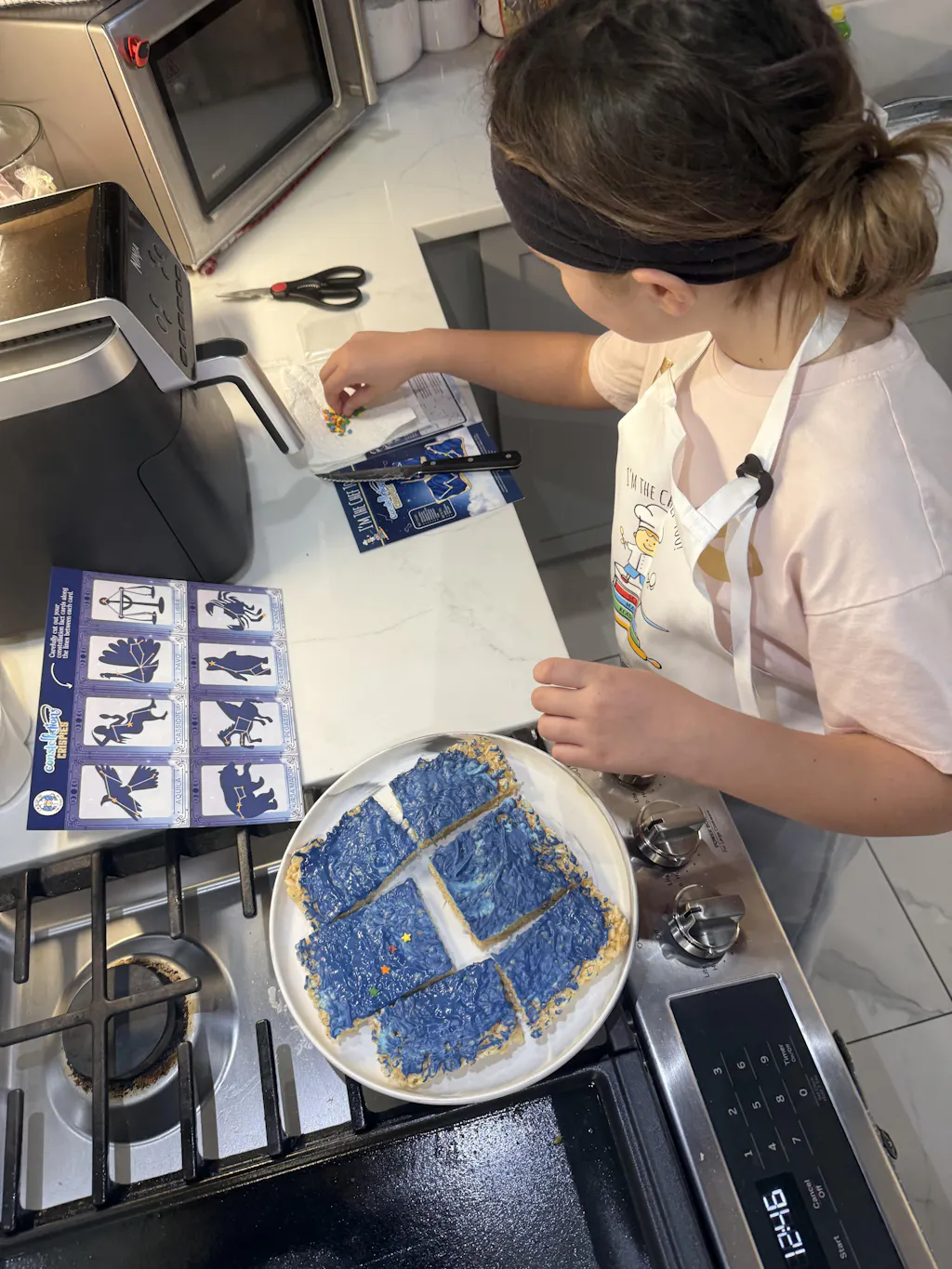
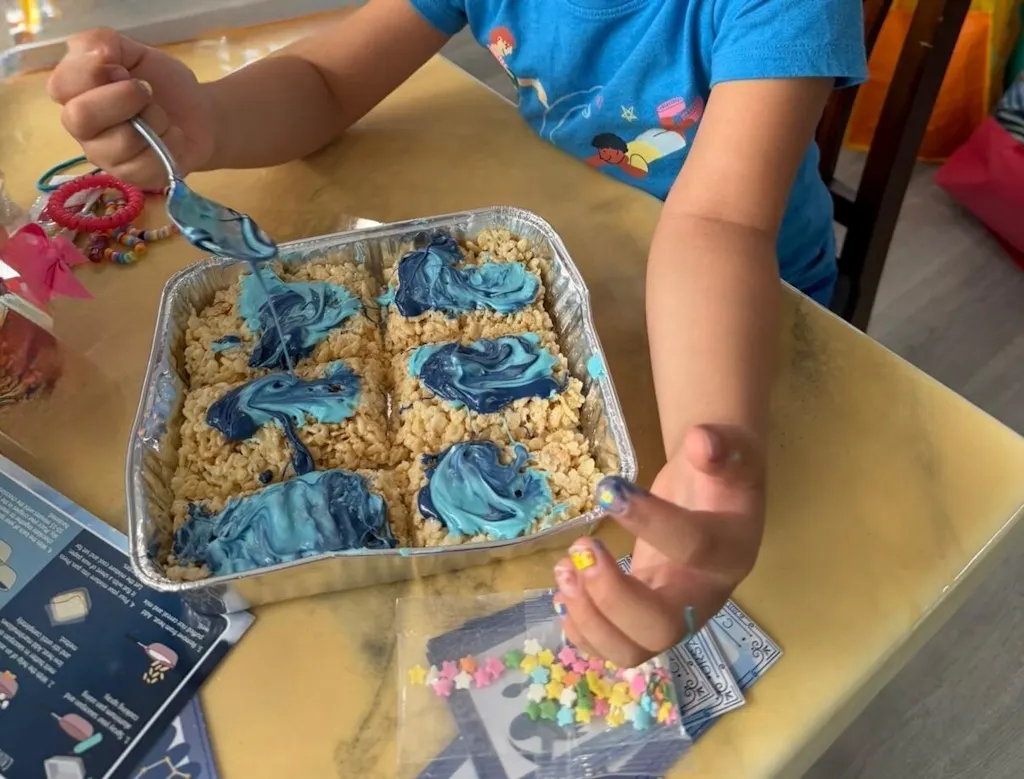
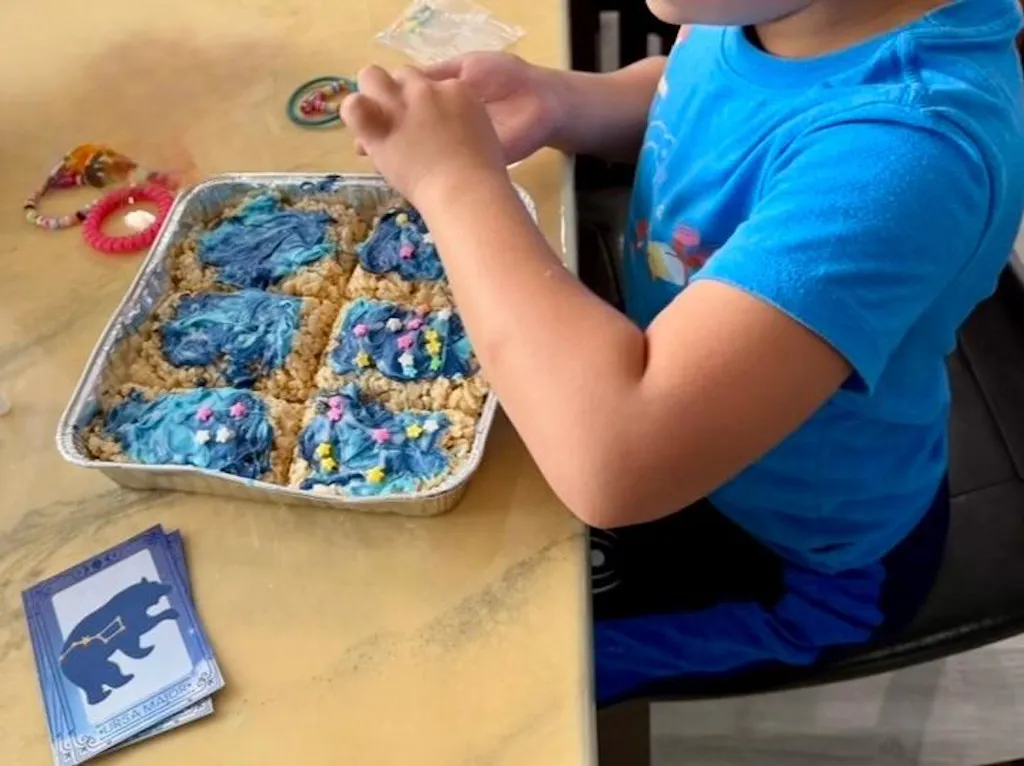
If your little one is fascinated by the night sky, you can further explore astronomy by creating your own edible solar system with our Galaxy Donut Kit. It’s a delicious way to bring the wonders of the universe into your kitchen.
Exploring the Neighborhood and Local Parks
Sometimes a change of scenery is all you need to spark a new round of play.
27. Neighborhood "I Spy"
Take a walk and play "I Spy" with things like fire hydrants, specific house colors, or types of trees. This makes a simple walk feel like a mission.
28. Park Picnic
Food tastes better outside! Pack a simple lunch and head to the park. It’s a great way to facilitate family bonding without the distractions of screens or household chores.
29. Kite Flying
A windy day at an open park is the perfect time to fly a kite. It’s a practical lesson in aerodynamics and wind currents. Seeing how much tension the wind puts on the string is a great way to "feel" physics.
30. Dog Walking Volunteer
If you don't have a pet, offering to walk a neighbor’s dog (with adult supervision) can teach responsibility and provide a great reason to get outside.
31. Public Art Hunt
Many towns have murals or sculptures hidden in plain sight. Go on a "gallery walk" through your downtown area to see what art you can find.
STEM Adventures on the Move: Hiking with Kids
Hiking isn't just walking; it's a journey through an ecosystem. To make it more engaging for children, give them a "job" or a "mission" for the hike.
32. The "Sound Map"
Stop at a quiet spot on the trail. Give your child a piece of paper and have them put an "X" in the middle to represent themselves. Every time they hear a sound, they should draw a symbol for it on the paper in the direction it came from (e.g., a bird to the left, a bubbling brook to the right).
33. Lichen and Moss Search
These tiny plants are often overlooked. Bring a magnifying glass and look at the intricate patterns of lichen on rocks. It looks like a miniature forest under the lens!
34. Log Roll (Carefully!)
Find a fallen log and carefully roll it over. See what is living underneath. You might find pill bugs, salamanders, or interesting fungi. Remember to always roll the log back so the creatures keep their home.
35. Compass Training
Teach your child the basics of North, South, East, and West. Let them "lead" the way for a portion of the hike using a compass. This builds confidence and spatial reasoning.
Bring our hands-on STEM adventures to your classroom, camp, or homeschool co-op. Learn more about our versatile programs for schools and groups, available with or without food components, to see how we can support larger groups in their educational journeys.
Seasonal Outdoor Activities: Fun All Year Round
Outdoor fun isn't just for summer. Every season offers unique opportunities for "edutainment."
Autumn Activities
- Leaf Piles: The classic! It’s also a great way to get the yard work done while having fun.
- Seed Collecting: Look for "helicopters" (maple seeds) or acorns. Discuss how plants "travel" to new places.
- Apple Pressing: If you can find a local orchard, seeing how apples are turned into cider is a great lesson in food processing.
Winter Activities
- Snowflake Observation: Catch snowflakes on a dark piece of paper and look at them with a magnifying glass. No two are alike!
- Animal Track Tracking: Snow is the perfect medium for seeing who has been walking through your yard at night.
- Ice Art: Fill balloons with colored water and let them freeze outside. Peel off the balloon to find beautiful "ice marbles" for the yard.
Spring Activities
- Puddle Jumping: Don’t fear the mud! Jumping in puddles is a great way to explore gravity and splashing.
- Planting a Mini-Garden: Even a few pots of herbs can teach a child about the life cycle of plants and where our food comes from.
- Bird Nest Watch: Look for nests in the trees (from a distance) and watch the parents coming and going.
Making the Most of Screen-Free Time
One of our core values at I'm the Chef Too! is providing a screen-free educational alternative. The transition from a tablet or TV to the outdoors can sometimes be met with resistance, but with the right approach, that resistance fades quickly.
Tips for a Successful Outdoor Transition:
- Have a "Go-Bag": Keep a backpack ready with a magnifying glass, a notebook, some string, and a small shovel. If the tools are ready, the adventure is ready.
- Follow Their Lead: If your child becomes fascinated by a line of ants, stay with the ants. The best learning happens when we follow a child's natural curiosity.
- Model the Behavior: If you are excited about finding a cool rock or watching a bird, they will be too. Your enthusiasm is the best teaching tool.
- Don't Fear the Mess: Outdoor fun is often messy. Dress them in "play clothes" and keep a towel by the door. The memories are worth the extra laundry!
Ready to make these memories a monthly tradition? Join The Chef's Club and enjoy free shipping on every box. Each kit is a complete experience, containing pre-measured dry ingredients and specialty supplies, making it easy for you to facilitate learning without the stress of planning.
Creating Joyful Family Memories
At the end of the day, these outdoor fun activities for kids are about more than just STEM or physical activity. They are about building a foundation of connection. Whether you are laughing while playing Tag or quietly observing a ladybug, these are the moments that build a child's confidence and sense of belonging.
We love seeing children develop key skills through hands-on play. When a child successfully builds a fort or identifies a cardinal, they are building a "can-do" attitude that will serve them in every area of their lives. Our cooking adventures are designed to mirror this—giving kids the "ingredients" for success and letting them take the lead.
Key Takeaway: The goal of outdoor play is not to produce a professional scientist or athlete, but to foster a lifelong love for learning and a sense of wonder about the natural world.
If you are looking for more ways to keep the adventure going, not ready to subscribe? Explore our full library of adventure kits available for a single purchase in our shop. From galaxy donuts to volcano cakes, there is a theme for every interest.
Detailed Activity Guide: The "Nature Explorer" Kit
To help you get started, we recommend putting together a "Nature Explorer Kit." This doesn't have to be expensive. In fact, many of these items can be found around the house.
| Item | Educational Purpose |
|---|---|
| Magnifying Glass | Encourages close observation of textures and tiny organisms. |
| Small Trowel | Facilitates exploration of the soil and geology. |
| Notebook & Pencil | Promotes literacy and the "scientific method" through sketching and notes. |
| Measuring Tape | Introduces math concepts like length, height, and circumference. |
| Clear Jar | Allows for temporary observation of insects or water samples. |
| Twine/String | Great for engineering challenges like building forts or mobiles. |
Having this kit sitting by the door makes it much easier to say "Yes!" when the kids want to head outside. It turns a casual walk into an "expedition."
Case Study: A Saturday of Edutainment
Imagine a typical Saturday morning. Instead of reaching for the remote, a parent suggests a "Backyard Bio-Blitz." They grab their Nature Explorer Kit and head out.
- 10:00 AM: The family spends 30 minutes looking for as many different types of insects as possible. They find a beetle, a spider, and a bumblebee.
- 11:00 AM: Using the hula hoops, they set up a quick course to see who can "hop like a frog" the fastest.
- 12:00 PM: Picnic lunch on a blanket, where they talk about why bees are important for the fruit they are eating.
- 1:00 PM: They come inside to cool off and decide to open their I'm the Chef Too! kit. Since they were just looking at insects, they choose to make Wild Turtle Whoopie Pies, connecting their outdoor observations of animals to their kitchen creations.
This kind of day provides a perfect balance of high-energy movement and focused, creative learning. It builds a bridge between the physical world and the conceptual world, which is exactly what we strive for in every kit we create.
Encouraging Screen-Free Learning
In a world that is increasingly digital, providing a tangible, hands-on alternative is more important than ever. Outdoor fun activities for kids provide a sensory richness that a screen simply cannot match. The smell of rain on hot pavement, the sound of wind through the leaves, and the feel of garden soil between fingers are vital for sensory development.
When we combine these outdoor experiences with the structured "edutainment" of an I'm the Chef Too! kit, we are giving children a comprehensive educational experience. They are learning to follow directions, practice patience, and see a project through from start to finish.
Ready to bring this balance into your home? Give the gift of learning that lasts all year with a 12-month subscription to our STEM cooking adventures. It’s a convenient way to ensure that your child always has a high-quality, screen-free activity ready to go.
Safety First: A Note for Parents
While we advocate for "free-range" play and exploration, safety is always our top priority.
- Supervision: Always ensure an adult is present, especially during water play or when using tools like trowels or pocket knives.
- Boundaries: Set clear physical boundaries for where children can roam.
- Protection: Don't forget the sunscreen, hats, and bug spray!
- Nature Respect: Teach children the "Leave No Trace" principles—leave rocks and plants where they are, and always release any critters they catch.
By setting these ground rules, you create a safe "container" in which your children can feel free to take risks and explore.
Conclusion
Outdoor fun activities for kids are about so much more than just filling time. They are the building blocks of a curious, confident, and creative mind. From the simple joy of digging for worms to the complex engineering of a backyard obstacle course, every moment spent outside is an opportunity for a child to learn about themselves and the world around them.
At I'm the Chef Too!, we are honored to be a part of your family's journey. Our mission is to spark that curiosity through the delicious medium of food and STEM. By taking our kits into the kitchen and our activity ideas into the backyard, you are providing your child with a rich, multifaceted education that is as fun as it is informative.
We encourage you to start small. Choose just one activity from this list to try this afternoon. Watch how your child’s eyes light up, and listen to the questions they start to ask. That spark of curiosity is the greatest gift we can give them.
Ready to keep the adventure going? Join The Chef's Club and enjoy free shipping on every box, and let us deliver a new world of discovery to your door every single month.
Frequently Asked Questions
What if I don’t have a backyard?
You don't need a private yard to enjoy outdoor fun! Local parks, community gardens, and even city sidewalks offer plenty of opportunities. Activities like "I Spy," sidewalk chalk art, and birdwatching can happen anywhere.
How can I get my child interested in nature if they prefer screens?
Start with "hybrid" activities. If they love a certain video game character, ask them to find where that character might live in the real world. Or, use a tablet as a tool—take photos of interesting plants and use an app together to identify them. Gradually, the "tool" will become less important than the discovery itself.
Are these activities suitable for all ages?
Yes! Most of these activities can be scaled. For example, a toddler might just enjoy the sensation of mud, while an older child can use mud to build a structured "fort" for their toys. Always adjust the level of complexity and supervision to match your child's developmental stage.
What is the best way to clean up after messy outdoor play?
Keep a "mud room" kit by the door—a towel, a bin for dirty shoes, and maybe a change of clothes. If the kids know there is a system for getting clean, they (and you!) will feel more comfortable getting messy.
How does cooking relate to outdoor STEM?
Cooking is essentially chemistry you can eat! Many of the same principles—observation, measuring, and understanding reactions—apply to both the kitchen and the garden. Our kits, like the Erupting Volcano Cakes, bridge this gap perfectly.