Table of Contents
- Why Crafts Matter: Beyond Just Fun
- Getting Started with At-Home Crafts: The Essentials
- A Treasure Trove of Fun Crafts for Kids to Do at Home
- Tips for Maximizing Crafting Fun & Learning
- Beyond One-Off Projects: Sustaining the Creative Journey
- For Educators & Group Leaders: Bringing STEM to the Classroom and Beyond
- Conclusion
- Frequently Asked Questions About At-Home Crafts
Have you ever watched a child completely absorbed in creating something, their brow furrowed in concentration, their eyes gleaming with an idea taking shape? It's a magical sight, isn't it? In an age where screens often dominate playtime, the simple joy of hands-on creation can feel like a forgotten art. But what if we told you that engaging in fun crafts at home isn't just about keeping little hands busy? It's a powerful tool for development, a gateway to learning, and a fantastic way to bond as a family.
At I'm the Chef Too!, we wholeheartedly believe in the transformative power of creative play. Our mission is to seamlessly blend food, STEM, and the arts into one-of-a-kind "edutainment" experiences, proving that learning can be incredibly delicious and exciting. This post is dedicated to exploring a treasure trove of fun crafts for kids to do at home, offering practical ideas, insightful tips, and demonstrating how these activities spark curiosity, foster creativity, and build essential skills – all while creating cherished memories. Get ready to transform your home into a vibrant hub of innovation and imagination!
Why Crafts Matter: Beyond Just Fun
While the immediate appeal of crafts is often the sheer joy and entertainment they provide, their benefits extend far beyond simple amusement. Engaging in creative projects at home plays a crucial role in a child's holistic development, touching upon cognitive, emotional, social, and physical growth.
Cultivating Cognitive Development
Every snip of the scissors, every brushstroke, every attempt to assemble a paper airplane requires a child to think, plan, and problem-solve. Crafts are mental workouts disguised as play.
- Problem-Solving Skills: What happens if the glue isn't holding? How can I make this tower stand taller? Crafts present countless micro-problems that children must navigate, fostering critical thinking and adaptability.
- Sequencing and Planning: From following step-by-step instructions to designing their own masterpiece, kids learn about cause and effect and the importance of planning. They learn to break down a larger project into smaller, manageable steps.
- Concentration and Focus: In a world full of distractions, crafts offer an opportunity for sustained attention. Children become deeply engrossed in their work, strengthening their ability to focus for longer periods.
- Spatial Reasoning: Building with blocks, folding origami, or arranging elements on a collage helps children understand relationships between objects in space, a fundamental skill for math and science.
Nurturing Emotional and Social Growth
Crafting isn't just about what you make; it's about how you feel during the process. These activities are powerful outlets for self-expression and emotional development.
- Self-Expression and Creativity: Children can communicate their feelings, ideas, and unique perspectives through art. It provides a safe space for them to be themselves and explore their imagination without judgment.
- Building Confidence and Self-Esteem: Completing a craft project, no matter how simple, gives children a tangible sense of accomplishment. "Look what I made!" is a powerful statement of self-efficacy and pride.
- Patience and Perseverance: Not every craft turns out perfectly on the first try. Children learn to cope with frustration, experiment with different approaches, and persist until they achieve their desired outcome.
- Collaboration and Sharing (When Crafting Together): Working on a joint project or simply sharing materials teaches valuable social skills like cooperation, negotiation, and sharing. This is particularly true when families work together, turning craft time into precious bonding moments.
The STEM Connection: Crafting with a Purpose
At I'm the Chef Too!, we are passionate about the profound connection between crafts and STEM (Science, Technology, Engineering, and Mathematics), elegantly fused with the Arts (STEAM). Many crafts are inherently scientific experiments, engineering challenges, or mathematical explorations.
- Science in Action: Mixing colors, observing chemical reactions in baking soda volcanoes, or watching a homemade lava lamp swirl – these are all scientific principles made tangible and fun. Our Erupting Volcano Cakes kit is a perfect example, where kids create a delicious dessert while witnessing a thrilling chemical reaction.
- Engineering Principles: Building a sturdy bridge out of popsicle sticks, designing a paper airplane for maximum flight, or constructing a fort from cardboard boxes introduces basic engineering concepts like structure, stability, and design.
- Mathematical Concepts: Measuring ingredients for a recipe, counting beads for a necklace, identifying shapes in a collage, or understanding symmetry in design all integrate mathematical thinking into play.
- Art as the "A" in STEAM: Art provides the creative outlet, encouraging innovation, aesthetics, and visual communication, making STEM subjects more engaging and accessible. Our approach ensures that these "complex subjects" are taught through tangible, hands-on, and delicious cooking adventures developed by mothers and educators who understand the importance of comprehensive learning.
Fostering Family Bonding and Screen-Free Alternatives
In our increasingly digital world, finding meaningful ways to connect as a family is more important than ever. Crafts offer a wonderful opportunity for screen-free engagement.
- Shared Experiences: Crafting together creates shared memories and gives families dedicated time to interact, chat, and laugh. It's an opportunity to work towards a common goal and celebrate each other's creativity.
- Meaningful Conversations: While working on a project, children often open up, sharing their thoughts and feelings in a relaxed, non-pressured environment.
- Building Traditions: Regular craft sessions can become cherished family traditions, looked forward to by everyone.
Ready for a new adventure every month that blends all these benefits into one exciting box? Join The Chef's Club and enjoy free shipping on every box, bringing curated STEM cooking fun right to your door.
Getting Started with At-Home Crafts: The Essentials
Diving into the world of at-home crafts doesn't require a special art studio or expensive supplies. With a little preparation and a willingness to embrace some joyful mess, you can create an environment where creativity flourishes.
Stocking Your Craft Cabinet: Budget-Friendly Basics
The beauty of many fun crafts for kids to do at home is that they often utilize items you already have around the house or can be purchased affordably.
- Recyclables Goldmine: Cereal boxes, toilet paper rolls, paper towel rolls, plastic bottles, old magazines, bottle caps, fabric scraps, newspapers, egg cartons – these are free, abundant, and incredibly versatile materials.
- Paper Power: Construction paper, printer paper, cardstock, paper plates, paper bags. Stock up on various colors and textures.
- Adhesives: Glue sticks, white school glue, tape (masking, Scotch, clear packing tape).
- Cutting Tools: Kid-safe scissors (for younger children), regular scissors (for older kids and adults).
- Coloring Tools: Crayons, washable markers, colored pencils, watercolors, tempera paints.
- Textural Elements: Cotton balls, pipe cleaners, googly eyes, pom-poms, yarn, string, glitter (use sparingly and with caution!).
- Kitchen Staples: Flour, salt, baking soda, vinegar, food coloring, cooking oil, spices (for sensory play). Many of our I'm the Chef Too! kits come with pre-measured dry ingredients and specialty supplies, making it even easier to get started!
- Natural Finds: Leaves, twigs, small stones, acorns, pinecones – perfect for nature-inspired art.
Remember, you don't need everything at once. Start with a few basics and gradually build your collection as your children's interests evolve.
Safety First: Adult Supervision is Key
While crafts are incredibly fun, safety should always be a top priority.
- Supervision: Always supervise young children during craft activities, especially when sharp objects, small parts, or potentially ingestible materials are involved.
- Age-Appropriate Materials: Ensure that materials are suitable for your child's age and developmental stage. Small beads or buttons, for instance, are choking hazards for toddlers.
- Non-Toxic Products: Opt for non-toxic paints, glues, and markers.
- Work in a Well-Ventilated Area: Especially when using paints or glues with stronger fumes.
- Explain Safety Rules: Teach children how to use tools like scissors safely and responsibly.
Embracing the Mess (and Managing It!)
Let's face it: creative play often comes with a side of mess. But don't let the fear of a little splatter deter you! Embracing the process, even the messy parts, is crucial for fostering uninhibited creativity.
- Designated Craft Area: If possible, have a specific spot for crafts – a kitchen table, an old desk, or even just a floor space covered with a drop cloth.
- Protect Surfaces: Use old newspapers, cardboard, an old shower curtain, or a washable tablecloth to protect tables and floors.
- Wear Play Clothes: Dress kids (and yourself!) in clothes you don't mind getting stained.
- Easy Cleanup Access: Keep wipes, paper towels, and a damp cloth handy for quick cleanups. A dustpan and brush are great for glitter or small scraps.
- Involve Kids in Cleanup: Teach children to help put away supplies and wipe down surfaces. This fosters responsibility and shows them that cleanup is part of the creative process.
By setting realistic expectations and preparing adequately, you can minimize stress and maximize the enjoyment of crafting with your kids. Not ready to subscribe but want to explore the variety? Browse our complete collection of one-time kits for a perfect standalone adventure!
A Treasure Trove of Fun Crafts for Kids to Do at Home
Now for the exciting part! Here's a comprehensive list of craft ideas, categorized to help you find the perfect activity, complete with tips and developmental benefits.
1. Culinary Crafts: Edible Adventures and Delicious Discoveries
At I'm the Chef Too!, we believe that the kitchen is the ultimate laboratory. Cooking and baking are the most delicious forms of STEM learning and creative expression.
- Edible Playdough: Combine flour, salt, water, and food coloring for a taste-safe sensory experience. Kids can knead, roll, and shape their creations, developing fine motor skills and understanding simple ratios.
- Decorate Cookies or Cupcakes: A classic for a reason! Provide plain cookies or cupcakes, icing, sprinkles, and edible decorations. This is fantastic for fine motor skills, color recognition, and creative expression. Our Peppa Pig Muddy Puddle Cookie Pies kit turns decorating into a storybook adventure!
- Mini Pizza Making: Let kids assemble their own mini pizzas on English muffins or pita bread. They practice spreading sauce, sprinkling cheese, and arranging toppings, learning about measurements and food preparation.
- Fruit Skewers: A healthy and colorful craft. Kids choose and thread various fruits onto skewers, practicing patterning and developing hand-eye coordination.
- Rainbow Veggie Rolls: Using rice paper wrappers, kids can arrange colorful shredded vegetables and roll them up. It's a fun way to encourage healthy eating and develop dexterity.
- Homemade Granola Bars: Kids can help mix ingredients, press the mixture into a pan, and cut the bars once cooled. This introduces basic baking principles and nutrition.
- "Dirt" Cups with Gummy Worms: Layer chocolate pudding, crushed Oreos, and gummy worms in a clear cup. It's a simple, delicious, and tactile edible craft that allows for creative layering.
- Edible Science Experiments: Beyond playdough, think about simple recipes that demonstrate chemical reactions, like baking soda and vinegar "lava" in cupcakes (like our Erupting Volcano Cakes kit), or creating rock candy crystals from a supersaturated sugar solution. These activities make science tangible and tasty!
- Shape Sandwiches: Use cookie cutters to transform ordinary sandwiches into fun shapes. Kids love helping press out the shapes and arranging their "artwork."
- Galaxy Donuts: Explore astronomy by creating your own edible solar system! Our Galaxy Donut Kit is a fantastic way to combine planetary learning with colorful, out-of-this-world decorating fun.
These culinary crafts truly embody our mission at I'm the Chef Too!: blending food, STEM, and the arts into unique "edutainment." They spark curiosity about where food comes from, how ingredients interact, and how to create something beautiful and delicious.
2. Science & STEM Crafts: Hands-On Exploration
Science is everywhere, and these crafts make scientific principles exciting and accessible.
- DIY Lava Lamp: Combine oil, water, food coloring, and an effervescent tablet in a bottle for a mesmerizing chemical reaction. Teaches about density and immiscible liquids.
- Slime Making: A perennial favorite! Experiment with different recipes (glue, borax/contact solution, baking soda) to learn about polymers and chemical reactions.
- Baking Soda & Vinegar Volcano: A classic science experiment that never gets old. Build a volcano with clay or playdough around a cup, then add baking soda and vinegar for an "eruption." This is the scientific foundation of our Erupting Volcano Cakes kit – making science edible!
- Walking Water Experiment: Set up cups of colored water and connect them with paper towels to observe capillary action and color mixing.
- Build a Strong Bridge: Using popsicle sticks, cardboard, or even spaghetti and marshmallows, challenge kids to build a bridge that can support weight. This introduces engineering and structural design.
- Paper Airplanes: Experiment with different folds and designs to see which flies the furthest or stays airborne the longest. Teaches basic aerodynamics and trial-and-error.
- Magnetic Fishing Game: Draw and cut out paper fish, attach paper clips, and use a stick with a string and magnet to "fish." Explores magnetic forces.
- Crystal Growing (Borax Crystals): Dissolve borax in hot water, suspend pipe cleaners, and watch crystals form overnight. Teaches about saturation and crystallization.
- Homemade Rain Cloud in a Jar: Fill a jar with water, add shaving cream on top (the cloud), then drop food coloring through the shaving cream to simulate rain. Illustrates the water cycle.
- Sun Prints (Cyanotypes): Use special paper (or make your own with light-sensitive paint) and natural objects to create unique sun prints, demonstrating the power of light.
These STEM-focused crafts are perfect for sparking an early love for scientific inquiry and engineering design. They encourage observation, experimentation, and critical thinking. If you want to dive deeper into these kinds of integrated learning experiences, remember that our Chef's Club subscription delivers new science-and-art-infused culinary adventures right to your doorstep every month.
3. Art & Creativity Crafts: Unleashing Imagination
Sometimes, the best crafts are simply about exploring colors, textures, and forms, allowing children to express their inner artist.
- Finger Painting: A sensory delight for younger children, promoting tactile exploration and color mixing. Use washable paints and protect your surfaces!
- Salt Dough Creations: Mix flour, salt, and water to make a pliable dough that can be molded, dried, and then painted. Great for sculpting and creating lasting keepsakes.
- Collage Art: Provide a variety of materials – magazine clippings, fabric scraps, yarn, buttons, natural items – and let kids glue them onto paper or cardboard to create unique textures and images.
- Rock Painting: Gather smooth rocks from nature, clean them, and paint them with acrylics. Kids can create anything from ladybugs to mandalas. Hide them in parks for others to find!
- Leaf Rubbings: Place leaves under paper and rub crayons over them to reveal intricate patterns. Great for connecting with nature and exploring textures.
- Stamping with Household Objects: Cut vegetables (like potatoes or bell peppers), sponges, or use bottle caps dipped in paint to create unique patterns.
- Tie-Dye (Small Scale): Use fabric markers or small bottles of fabric dye to create tie-dye patterns on t-shirts, socks, or bandanas.
- Marbled Paper: Float oil-based paints or nail polish on water, swirl with a stick, then gently lay paper on top to transfer the unique design.
- Mask Making: Cut eyeholes in paper plates or cardboard, then decorate with paint, feathers, glitter, and yarn to create fun masks for pretend play.
- Sponge Painting: Cut sponges into different shapes, dip them in various colors of paint, and stamp them onto paper for textured artwork.
These crafts are fundamental for developing aesthetic appreciation, color theory understanding, and general artistic expression. They remind us that the process of creation is just as valuable as the finished product.
4. Sensory & Fine Motor Crafts: Engaging the Senses and Skills
These activities are fantastic for developing fine motor skills, hand-eye coordination, and engaging multiple senses.
- Sensory Bins: Fill a bin with rice, dry pasta, beans, water beads, or sand. Add scoops, small toys, and containers. This is an open-ended play experience that stimulates tactile senses.
- Beading and Threading: Provide large beads and pipe cleaners or yarn for younger children, progressing to smaller beads and string for older kids. Excellent for fine motor skills and pattern recognition.
- Playdough Creations: Beyond edible playdough, regular homemade or store-bought playdough offers endless opportunities for rolling, squeezing, cutting, and shaping, strengthening hand muscles.
- Fizzing Bathtub Paints: Mix baking soda with liquid soap and food coloring, then let kids paint the bathtub walls. When sprayed with vinegar, it fizzes! Fun, sensory, and easy to clean.
- Shaving Cream Art: Spray shaving cream onto a tray, add drops of food coloring, and let kids swirl with their fingers or a stick. The textures and colors are captivating.
- Water Table Play: A simple bin of water with cups, sponges, and floating toys provides hours of sensory exploration, promoting early physics concepts like buoyancy.
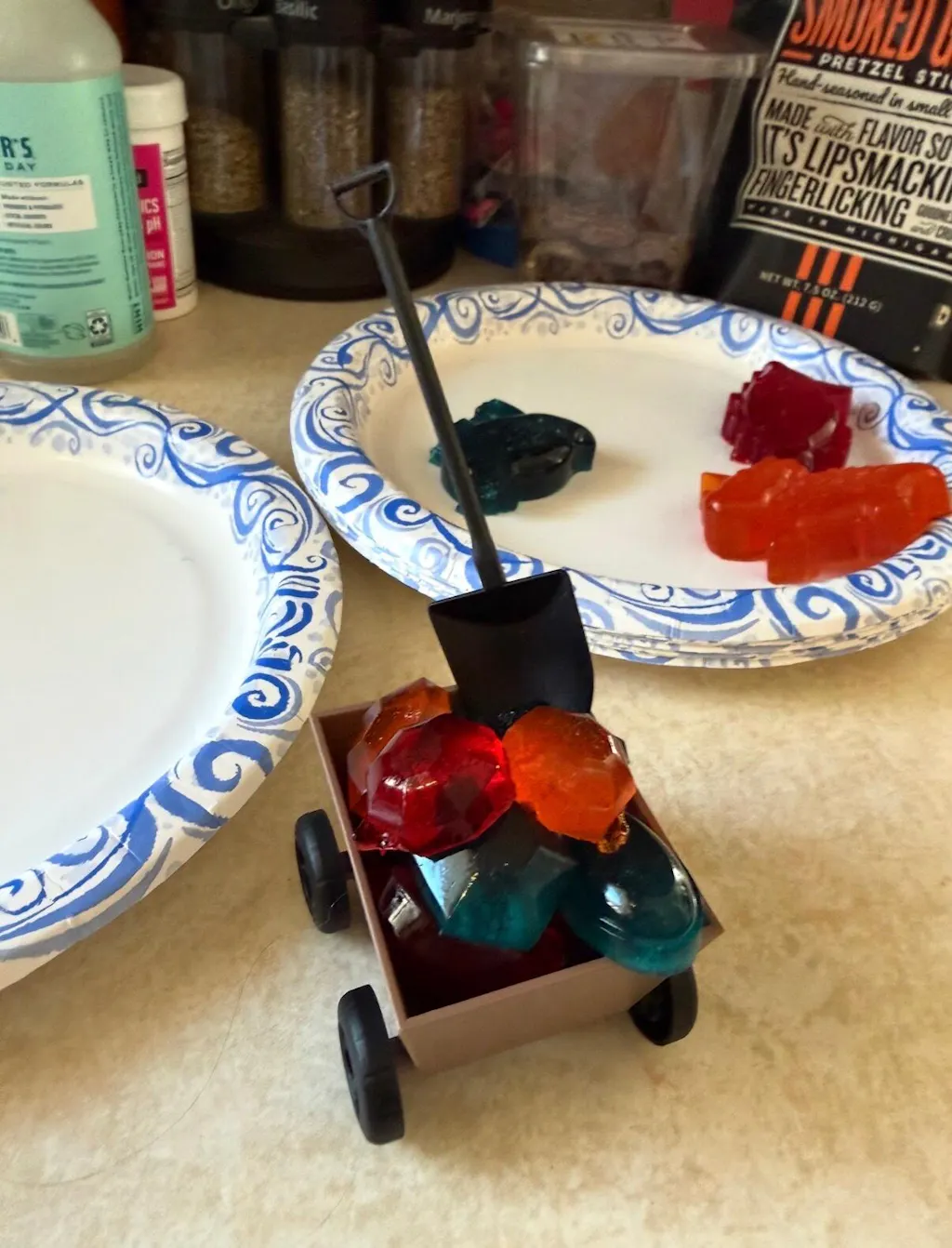
- Gelatin Blocks: Make extra firm gelatin, cut into blocks, and let kids explore its wobbly, cool texture. Add small plastic toys inside for an archaeological "dig."
- DIY Stress Balls: Fill balloons with flour, rice, or sand, tying them securely. Kids can decorate the outside with permanent markers. Great for sensory input and emotional regulation.
- Bubble Wand Craft: Bend pipe cleaners or wire into different shapes to create unique bubble wands, then experiment with blowing bubbles.
- Pasta Necklace/Bracelet: Dye pasta with food coloring and rubbing alcohol (allow to dry completely), then thread onto yarn or string. This combines fine motor skill development with color and pattern creation.
These hands-on activities are not only fun but also crucial for developing pre-writing skills and sensory processing, laying important foundations for future learning. Remember, if you're looking for curated experiences that integrate these skills, our One-Time Kits offer a fantastic way to try out various themes and challenges.
5. Construction & Engineering Crafts: Building Worlds
These crafts encourage critical thinking about structure, stability, and design, turning children into little architects and engineers.
- Cardboard Box Forts/Vehicles: The ultimate open-ended craft! Collect large cardboard boxes and let imaginations run wild. Kids can design and build houses, cars, rockets, or castles. Requires problem-solving, spatial reasoning, and often collaboration.
- Popsicle Stick Structures: Glue popsicle sticks together to build houses, frames, or even small bridges. Great for understanding geometry and balance.
- Newspaper Towers: Challenge kids to build the tallest freestanding tower using only newspaper and tape. Teaches about stability, base support, and structural integrity.
- Toothpick & Marshmallow/Gumdrop Structures: Use toothpicks as connectors and soft candies or mini marshmallows as joints to build 3D shapes and structures. Explores geometric shapes and engineering principles.
- Paper Chains: A simple but effective way to practice cutting, gluing, and creating long sequences. Can be used for decoration or as a counting exercise.
- DIY Kites: Use paper, sticks, and string to design and build simple kites. Teaches about aerodynamics and wind power.
- Origami (Paper Folding): Follow instructions to fold paper into various shapes and animals. Excellent for following directions, fine motor control, and spatial reasoning.
- Lego/Duplo Challenge Cards: Provide specific building challenges (e.g., "build a robot that can fly," "design a house with a secret room") to encourage creative problem-solving and engineering skills.
- Straw & Connector Builds: Use plastic straws and pipe cleaners (or commercial straw connectors) to create large geometric shapes and structures.
- Clothesline & Clothespin Art Gallery: String a line across a room and provide clothespins for kids to hang up their artwork, transforming your home into a revolving art gallery. This simple "engineering" project helps them display their creations with pride.
These constructive crafts are fantastic for fostering an understanding of how things are put together and the principles that govern stable structures. They allow children to bring their imaginative visions into tangible reality.
6. Nature-Inspired Crafts: Bringing the Outdoors In
Connect children with the natural world through these eco-friendly and inspiring crafts.
- Nature Collage: Gather leaves, twigs, small flowers, seeds, and pebbles on a nature walk, then glue them onto paper to create unique textured collages.
- Twig Weaving: Use a frame made of sticks or cardboard, and weave yarn or natural fibers around twigs to create miniature tapestries.
- Pinecone Animals: Glue googly eyes, felt ears, and pipe cleaner limbs onto pinecones to create adorable woodland creatures.
- Pressed Flower Art: Collect flowers, press them between heavy books, and then use them to decorate cards, bookmarks, or pictures.
- Bird Feeders: Coat pinecones with peanut butter (or a nut-free alternative like sunflower seed butter), roll them in birdseed, and hang them outside.
- Fudgy Fossil Dig Kit: While not strictly nature-inspired crafts, our kits often delve into natural themes. Imagine the excitement of discovering edible fossils in a chocolatey excavation, blending geology with delicious fun!
- Leaf Animals: Use various shaped leaves as body parts for animals, gluing them onto paper. Add details with markers.
- Stone Storytelling: Paint a collection of smooth stones with pictures or symbols. Kids can then arrange them and use them to tell stories.
- Seed Mosaic: Use different types of seeds (lentils, rice, beans, corn kernels) to create textured mosaic patterns on cardboard.
- DIY Wind Chimes: Collect interesting natural items like shells, small pieces of driftwood, hollow bamboo, or bottle caps. Drill small holes (adult supervision!) and thread them with fishing line or string onto a main branch or ring to create musical chimes.
These crafts encourage observation of nature, appreciation for the environment, and utilizing natural resources in creative ways.
Tips for Maximizing Crafting Fun & Learning
To ensure that your at-home craft sessions are as beneficial and enjoyable as possible, consider these tips:
- Process Over Product: Focus on the experience of creating rather than the perfection of the outcome. Encourage experimentation, even if the result isn't exactly what was intended. The learning happens in the doing.
- Let Kids Lead: Provide materials and a safe space, then step back and let their imagination guide them. Offer suggestions, but avoid taking over. Their ideas are often far more creative than ours!
- Talk About It: Engage in conversation during and after crafting. Ask open-ended questions: "What was your favorite part?" "What did you learn?" "What would you do differently next time?" This helps children articulate their thoughts and reflect on their process.
- Celebrate All Efforts: Display their artwork, acknowledge their hard work, and praise their creativity. A child's confidence soars when their efforts are recognized.
- Keep It Open-Ended: Offer materials without strict instructions sometimes. "What can you make with these?" prompts incredible imaginative play.
- Adapt for Different Ages: Younger children might need more help with cutting or gluing, while older children can tackle more complex projects independently or even design their own. For example, a 3-year-old might simply squish playdough, while a 7-year-old might sculpt a detailed animal.
- Make It a Family Affair: Crafting isn't just for kids! Join in the fun. It models creativity, fosters connection, and shows children that learning and play are lifelong endeavors.
- Connect Crafts to Everyday Learning: While baking, talk about fractions when dividing ingredients. While building, discuss shapes and stability. These informal lessons are incredibly impactful.
- Don't Be Afraid of "Boredom": Sometimes, a moment of "I'm bored" is the spark that ignites true creativity. Suggest a craft, but let them choose the direction.
Beyond One-Off Projects: Sustaining the Creative Journey
While individual craft projects are wonderful, fostering a continuous environment of creativity and learning can have even greater long-term benefits. Think about how you can integrate these enriching activities into your family's routine.
Consistent engagement in hands-on activities helps children build a resilient mindset, develop sustained interest in subjects, and see the value in continuous learning. It’s about building a habit of curiosity. This ongoing journey is precisely why we created the I'm the Chef Too! Chef's Club subscription. Imagine the delight of a new, exciting "edutainment" adventure delivered to your door every single month, complete with free shipping within the US. It's the ultimate convenient solution for sparking curiosity, fostering creativity, and ensuring regular screen-free educational fun. We offer flexible 3, 6, and 12-month pre-paid plans, perfect for gifting or long-term enrichment, ensuring a steady stream of unique learning experiences.
If you're not quite ready for a monthly commitment, we still have you covered. You can easily browse our complete collection of one-time kits to pick and choose specific adventures that align with your child's current interests. Whether it's erupting cakes or galaxy donuts, each kit is a complete experience, containing pre-measured dry ingredients and specialty supplies, ready for an instant dose of fun and learning.
For Educators & Group Leaders: Bringing STEM to the Classroom and Beyond
The benefits of hands-on, creative learning extend beautifully into classroom settings, homeschool co-ops, after-school programs, and summer camps. At I'm the Chef Too!, we understand the unique needs of educators and group leaders. Our programs are designed to be adaptable and impactful, making complex STEM concepts digestible and engaging for groups of all sizes.
We pride ourselves on providing high-quality, comprehensive experiences that align with educational goals while maintaining the core element of fun. Our unique approach of teaching complex subjects through tangible, hands-on, and delicious cooking adventures is perfect for enriching any curriculum. We offer versatile options that can include or exclude food components, catering to different facility capabilities and dietary considerations. This flexibility ensures that every group, regardless of its specific requirements, can access our unique blend of education and entertainment.
Bringing our hands-on STEM adventures to your classroom, camp, or homeschool co-op is a fantastic way to supplement traditional lessons and provide memorable, interactive learning opportunities. To discover how our unique kits and programs can elevate your group's educational experience, we invite you to learn more about our versatile programs for schools and groups. We're here to help you spark curiosity and creativity in every child under your care, providing a screen-free educational alternative that everyone will love.
Conclusion
From simple paper creations to elaborate edible experiments, the world of fun crafts for kids to do at home is boundless. We've explored over 50 ideas spanning culinary arts, STEM, creative expression, and sensory play, all designed to engage young minds and hands. We've seen how these activities don't just fill time; they build crucial cognitive, emotional, social, and physical skills, foster creativity, and offer invaluable opportunities for family bonding away from screens.
At I'm the Chef Too!, we are dedicated to bringing these enriching experiences to families everywhere. Our thoughtfully designed kits, developed by mothers and educators, embody our mission to blend food, STEM, and the arts into unforgettable "edutainment" adventures. We aim to spark curiosity, build confidence, and create joyful, delicious memories that last a lifetime, emphasizing the process of learning and discovery over guaranteed outcomes.
So, gather your supplies, embrace the potential for a little mess, and embark on a creative journey with your children. There's a whole world of discovery waiting to be made right in your kitchen and living room. Ready to make learning an ongoing adventure? Don't miss out on the monthly excitement, convenience, and educational value that our unique kits provide. Join The Chef's Club today and let the "edutainment" begin!
Frequently Asked Questions About At-Home Crafts
Q1: What age group are these crafts suitable for?
A1: The crafts listed here span a wide range of ages, from toddlers to pre-teens. Many can be adapted. For younger children (2-5), focus on sensory activities like edible playdough, finger painting, and simple collages with large pieces, always with close adult supervision. Older children (6+) can handle more complex projects like detailed building, specific baking recipes, and intricate paper crafts. Always consider your child's individual developmental stage and interest level.
Q2: How can I make crafts more affordable?
A2: The best way to save money is to utilize household recyclables! Cereal boxes, toilet paper rolls, egg cartons, old magazines, and newspaper are fantastic free resources. Many basic craft supplies like flour, salt, vinegar, and baking soda are kitchen staples. Look for sales on construction paper, glue, and washable paints, or buy in bulk when possible. Our I'm the Chef Too! kits also offer great value by providing pre-measured ingredients and specialty items, saving you trips to multiple stores.
Q3: How do I manage the mess that comes with crafting?
A3: Mess is often part of the creative process! To manage it, designate a specific craft area (like the kitchen table) and cover it with old newspapers, a plastic tablecloth, or a washable mat. Have kids wear old clothes or an apron. Keep cleanup supplies like wipes, paper towels, and a damp cloth within reach. Involve children in the cleanup process to teach responsibility. For very messy activities like painting or slime, consider doing them outdoors if weather permits.
Q4: My child gets frustrated easily when crafting. How can I help?
A4: Frustration is a normal part of learning. Encourage a "process over product" mindset, emphasizing that the joy is in the doing, not just the perfect outcome. Choose age-appropriate crafts that aren't too challenging. Break down complex projects into smaller, manageable steps. Offer gentle guidance and support without taking over. Remind them that it's okay if things don't turn out exactly as planned, and that mistakes are opportunities to learn. Sometimes, simply taking a break and returning to the project later can help.
Q5: How can crafts help with my child's learning and development?
A5: Crafts are incredibly beneficial! They boost fine motor skills (cutting, gluing, drawing), hand-eye coordination, problem-solving, and critical thinking. They also foster creativity, self-expression, patience, and confidence. Many crafts naturally integrate STEM concepts – think of the science in slime or the engineering in building a fort. At I'm the Chef Too!, we specifically design our kits to blend food, STEM, and the arts, turning complex subjects into exciting, hands-on learning adventures.
Q6: What if my child isn't interested in traditional "art" crafts?
A6: That's perfectly fine! "Crafts" encompass a huge range of activities. If your child isn't into drawing or painting, try more hands-on, functional crafts like building with cardboard boxes, making edible creations, or engaging in science experiments that result in a tangible product (like crystal growing). Consider their interests – if they love dinosaurs, try our Fudgy Fossil Dig kit. If they love space, our Galaxy Donut kit might be a hit! The goal is engagement and exploration, not adherence to a specific type of craft.
Q7: Are the I'm the Chef Too! kits suitable for children with allergies?
A7: Our kits contain common allergens such as wheat, milk, and eggs. We recommend checking the specific ingredient list for each kit on our website. While we take precautions to prevent cross-contamination, our kits are produced in facilities that may also process nuts and other allergens. We always advise adult supervision and careful review of ingredients to ensure your child's safety and your peace of mind.
Q8: How often should we do crafts at home?
A8: The frequency is entirely up to your family's schedule and your child's interest. Even once a week can provide significant benefits. What matters more than frequency is consistency and making it a joyful, stress-free experience. Having a designated "craft time" or an easily accessible "craft station" can encourage spontaneous creativity. Our Chef's Club subscription is designed for monthly adventures, ensuring a regular infusion of creative fun without the planning hassle.