Table of Contents
- Introduction
- The Power of Edutainment in Literacy
- 1. Recipe Reading: The Tastiest Literacy Lesson
- 2. Literacy Scavenger Hunts
- 3. The Art of the Story: Illustrating Narratives
- 4. Grocery Store Sleuths
- 5. Shared Reading and "Partner Reading"
- 6. Creating a Reading Nook
- 7. Word-O (The Literacy Version of Bingo)
- 8. Flashlight Words
- 9. Journaling and "Mail Call"
- 10. Map Your Adventure
- 11. Newspaper Investigators
- 12. Book and Bake: A Thematic Adventure
- 13. Reading Theater
- 14. Making Homemade Bookmarks
- 15. The "Word Wall" Makeover
- 16. Chalk Writing and Outdoor Literacy
- 17. The "Mystery Word" Jar
- 18. Sequencing with Comics
- 19. The "Who Am I?" Word Game
- 20. Reading to a Non-Judgmental Audience
- 21. Functional Ads and the Yellow Pages
- 22. Fact vs. Fiction Scavenger Hunt
- 23. Using Television to Spark Reading
- 24. Creating a "Reading Menu"
- 25. The Family Book Club
- Setting Realistic Expectations
- The Role of STEM in Reading
- Building a Lifelong Love for Learning
- Summary of Key Takeaways
- Conclusion
- Frequently Asked Questions
Introduction
Have you ever watched a child’s eyes light up when they finally "get" a joke in a book, or when they realize the squiggly lines on a cereal box actually say "marshmallow"? That moment of discovery is the spark of literacy, but for many children, the journey to becoming a fluent reader can feel like an uphill climb. We often think of reading as a quiet, solitary task involving a desk and a textbook, but at I'm the Chef Too!, we believe that the most profound learning happens when we step away from the screen and get our hands dirty. Literacy is not just a school subject; it is a gateway to understanding the world, from the instructions on a science experiment to the narrative arc of a favorite story.
In this post, we are going to explore a wide variety of fun reading activities for kids that transform literacy from a chore into an adventure. We will cover everything from kitchen-based "edutainment" and outdoor scavenger hunts to creative art projects and social reading games. Our goal is to provide you with a toolkit of screen-free, hands-on activities that foster a love for learning while building essential skills like decoding, comprehension, and vocabulary.
Whether your child is just beginning to recognize letters or is a reluctant middle-school reader, these activities are designed to build confidence and create joyful family memories. The core of our philosophy is that when children are engaged in a tangible, delicious, or creative process, their brains are more receptive to new information. By the end of this guide, you will have dozens of ways to weave reading into the fabric of your daily life, proving that literacy can be as exciting as a treasure hunt and as satisfying as a fresh-baked cookie.
The Power of Edutainment in Literacy
At I'm the Chef Too!, our mission is to blend food, STEM, and the arts into one-of-a-kind "edutainment" experiences. We are committed to sparking curiosity and creativity in children, and we’ve found that reading is the glue that holds these disciplines together. When a child follows a recipe, they aren't just cooking; they are practicing procedural literacy. When they read about the life cycle of a star before making galaxy-themed treats, they are engaging with informational text.
We focus on providing practical, valuable advice and realistic expectations. While we don’t suggest that these activities will turn every child into a professional novelist overnight, we know that fostering a love for learning and building key skills through play is the most effective way to support their educational journey. Ready for a new adventure every month? Join The Chef's Club and enjoy free shipping on every box.
1. Recipe Reading: The Tastiest Literacy Lesson
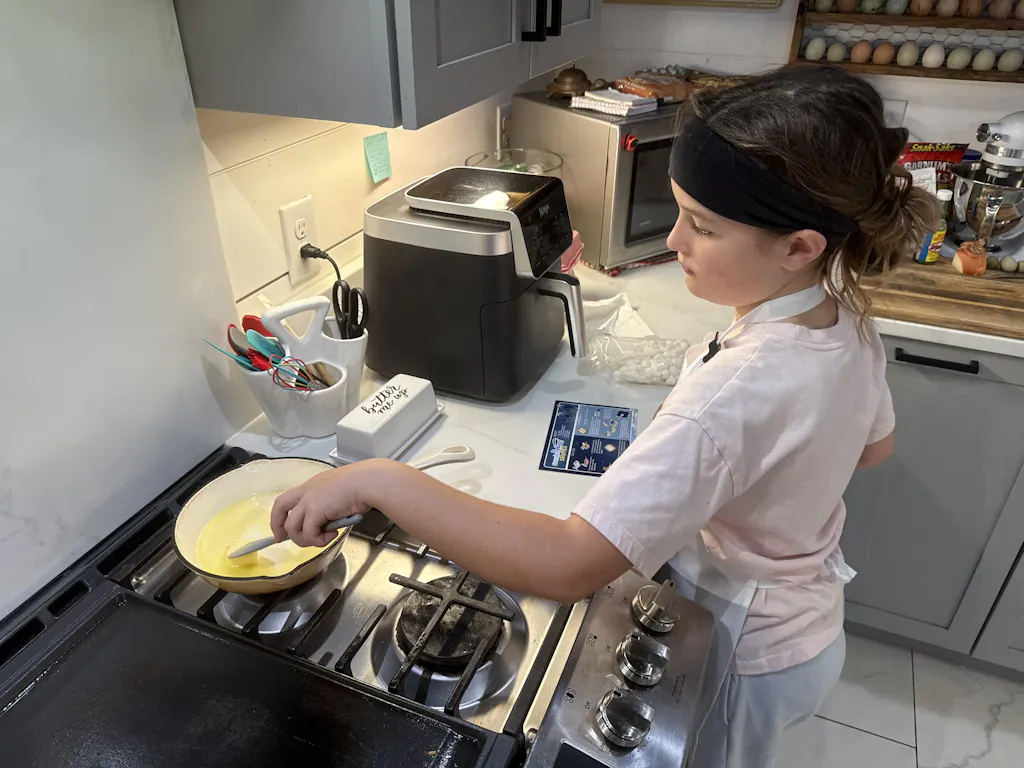
One of the most effective fun reading activities for kids is right in your kitchen. Recipes are essentially "how-to" guides that require close attention to detail, an understanding of sequence, and the decoding of specific measurements. For a young reader, seeing the word "sugar" on a page and then physically pouring that sugar into a bowl creates a powerful neural connection between the word and the object.
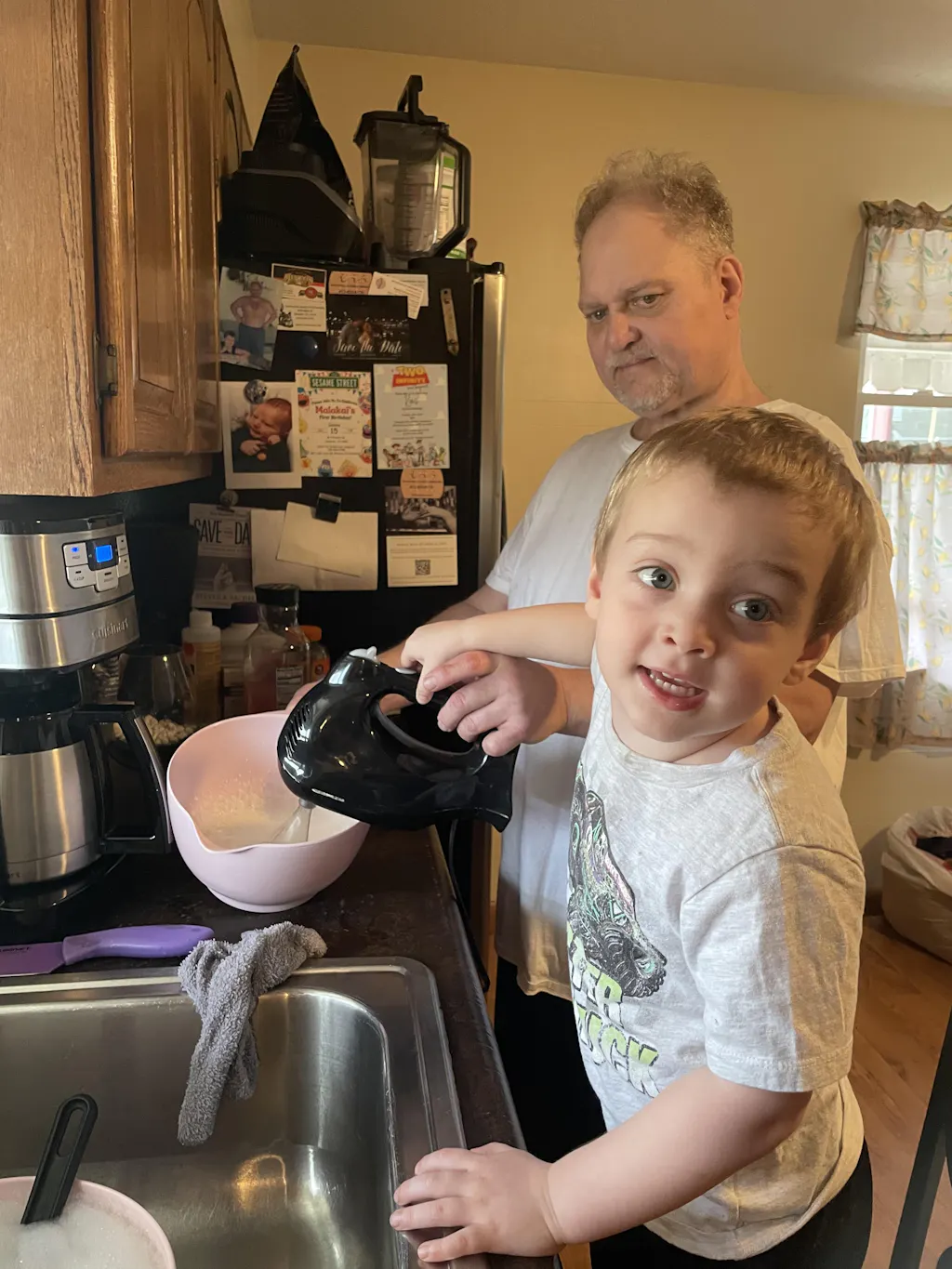
When we create our kits, we ensure the instructions are clear and engaging. You can replicate this at home by choosing simple recipes. Ask your child to be the "Head Chef" while you act as the "Sous Chef." Their job is to read the steps aloud to you. This builds their confidence as they "direct" the activity. If they hit a difficult word like "whisk" or "preheat," you can discuss what those actions look like in practice.
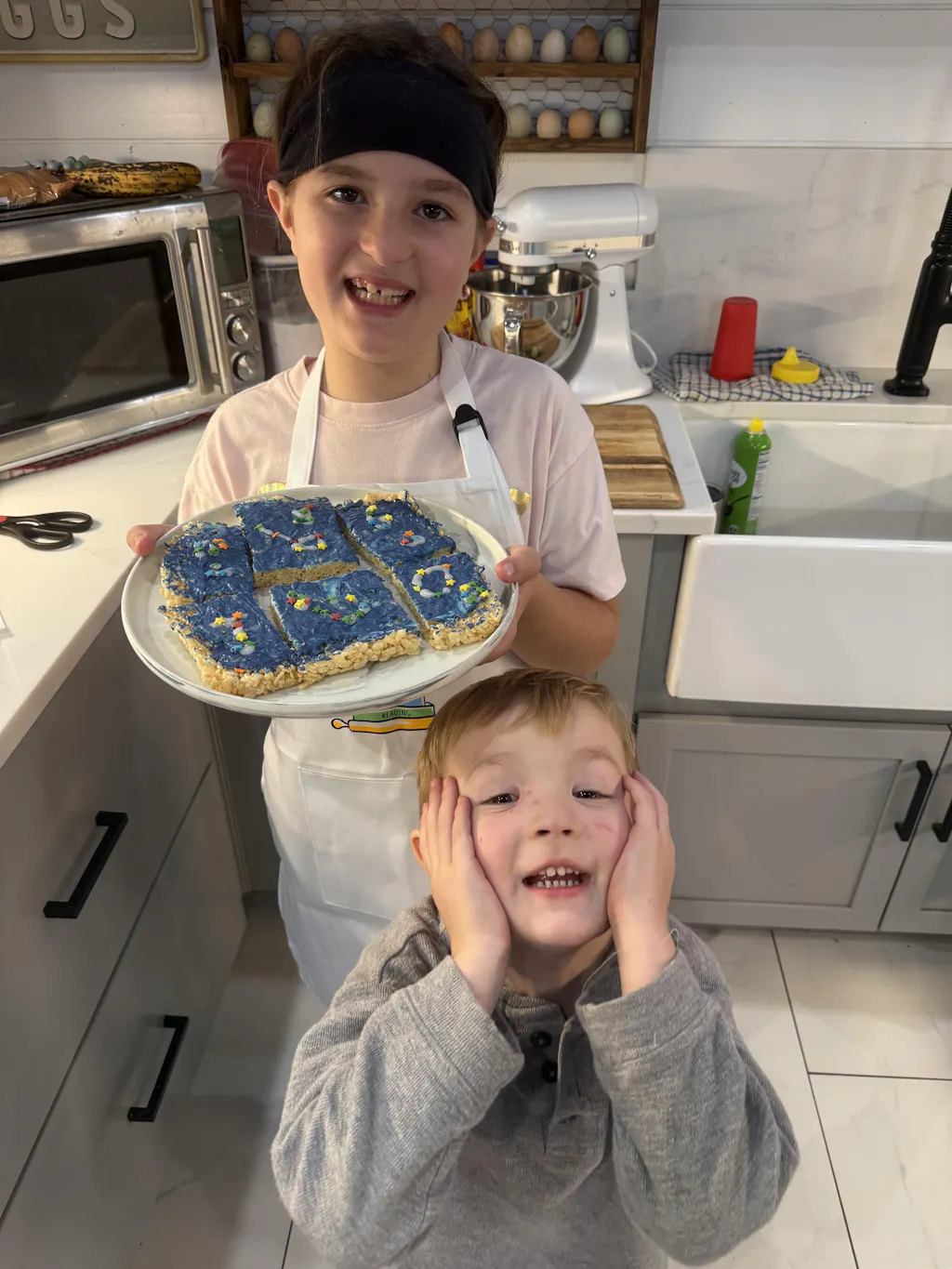
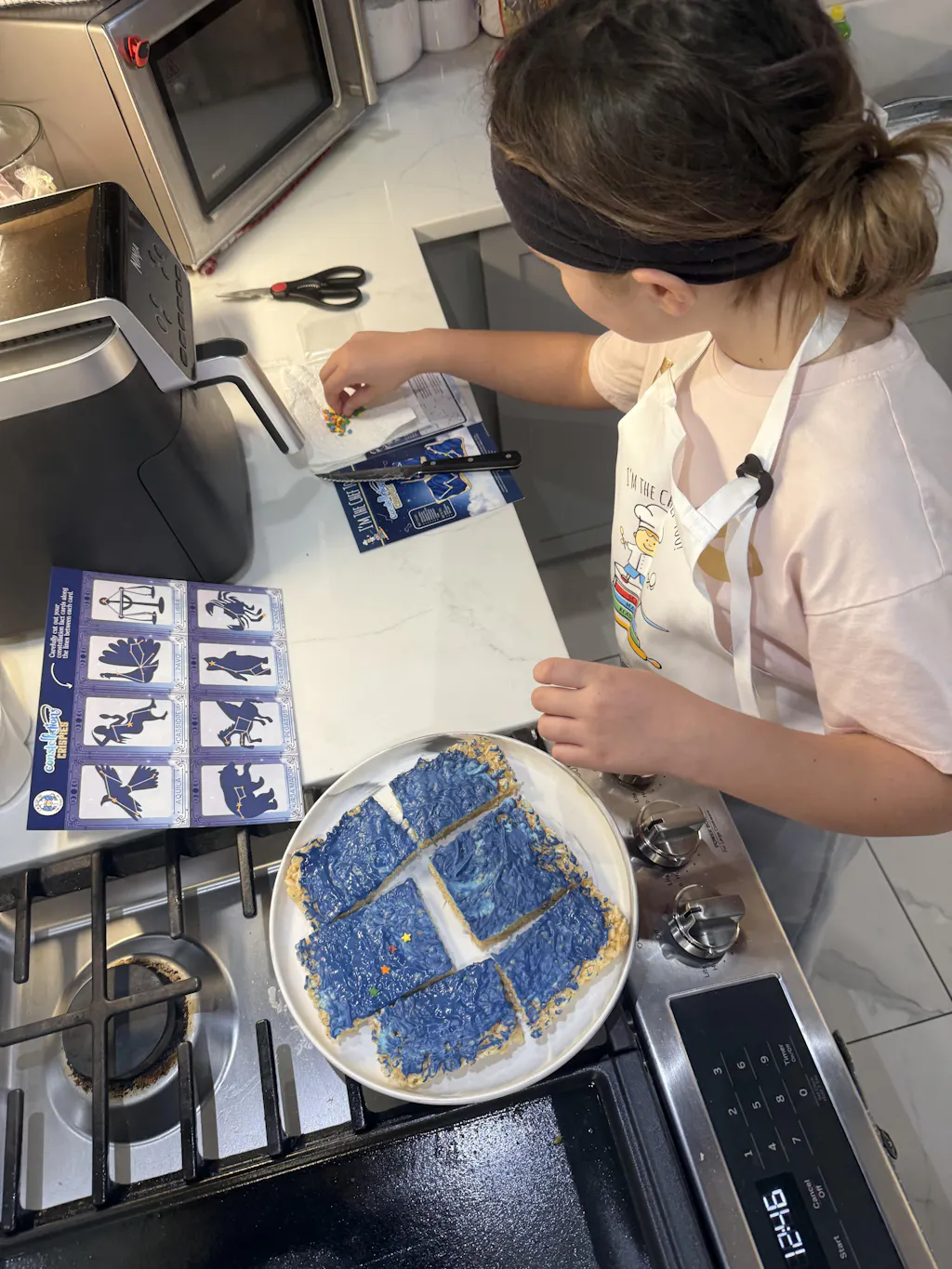
For a truly immersive experience, you can explore astronomy by creating your own edible solar system with our Galaxy Donut Kit. In this kit, reading becomes the first step toward a galactic adventure, blending science concepts with culinary skills.
2. Literacy Scavenger Hunts
Getting kids moving is a fantastic way to keep them engaged with reading. A literacy scavenger hunt can be adapted for any age level. For younger children, you might hide slips of paper around the house with simple words like "bed," "chair," or "lamp." Their task is to find the word and place it on the corresponding object.
For older children, you can create more complex riddles. Instead of writing "Go to the fridge," you might write: "I am cold inside and keep the milk fresh. Look behind the orange juice." This requires the child to read, comprehend the clues, and use critical thinking to solve the puzzle. It turns reading into a game of high-stakes exploration. If you’re looking for more ways to spark this kind of curiosity, you can find the perfect theme for your little learner by browsing our complete collection of one-time kits.
3. The Art of the Story: Illustrating Narratives
Children often love to express themselves through drawing before they are fully comfortable with writing. We can use this creative drive to support reading comprehension. After reading a fable or a short story together, ask your child to draw their favorite scene or a specific character based on the descriptions in the text.
This activity forces the child to visualize what they’ve read. If the book says the dragon had "shimmering emerald scales and wings like a bat," check to see if those details made it into the drawing. This "Artful Artist" approach helps bridge the gap between abstract words on a page and concrete mental imagery. It’s a foundational skill for deep reading comprehension.
4. Grocery Store Sleuths
The supermarket is a goldmine for fun reading activities for kids. Before you head out, have your child help you write the grocery list. If they are just learning to spell, they can copy words from the labels in your pantry.
Once you are at the store, give them their own copy of the list. Their job is to find the items by reading the signs in the aisles and the labels on the products. You can even turn it into a comparison game: "Can you find the cereal that has the word 'Whole' on the box?" or "Find the pasta that says 'Organic'." This teaches children that reading is a functional, necessary skill for everyday life.
5. Shared Reading and "Partner Reading"
Sometimes, the best way to encourage a child who is struggling or reluctant is to make reading a social experience. Partner reading involves you reading one page and the child reading the next. This reduces the cognitive load on the child, allowing them to enjoy the flow of the story without getting exhausted by constant decoding.
During this time, we recommend focusing on the "joyful memories" aspect of our mission. Use funny voices for characters and stop to ask, "What do you think will happen next?" This isn't a test; it's a conversation. Shared reading models what fluent reading sounds like—the tone, the pauses for punctuation, and the excitement in the voice.
6. Creating a Reading Nook
Environment plays a huge role in how we perceive an activity. If reading is always done at a kitchen chair under bright fluorescent lights, it might feel like "work." Instead, try creating a dedicated reading nook. This doesn't have to be fancy—a few pillows, a soft blanket, and a small basket of books in a quiet corner of the living room can work wonders.
Invite your child to personalize the space. Maybe they want to add a "Reading in Progress" sign or a special reading lamp. By making the space comfortable and screen-free, you are signaling that reading is a special, valued activity. This is a great time to enjoy a quiet snack together while diving into a new book. Give the gift of learning that lasts all year with a 12-month subscription to our STEM cooking adventures.
7. Word-O (The Literacy Version of Bingo)
Gamifying literacy is a proven way to increase engagement. "Word-O" is a simple game you can play with "trick words" or sight words that your child is currently learning. Create a 5x5 grid and fill the squares with these words.
As you call out the words, your child marks them on their board. To make it even more fun, use small snacks like raisins or crackers as markers that they can eat once the game is over! This reinforces word recognition in a high-energy, low-stress environment. It’s an excellent way to practice those irregular words that don't always follow standard phonics rules.
8. Flashlight Words
Everything is more exciting in the dark! Tape a few word cards to the walls or ceiling of a darkened room. Give your child a flashlight and have them "hunt" for the words. When the beam of light lands on a word, they have to read it aloud.
This activity is particularly great for kinesthetic learners who need to move and interact with their environment. It turns a standard flashcard drill into a thrilling nighttime mission. You can even use this technique to "label" a room, shining the light on the "clock," the "door," and the "window."
9. Journaling and "Mail Call"
Writing and reading are two sides of the same coin. Encouraging your child to keep a journal helps them process their daily lives and practice their literacy skills. You can keep a "parent-child" journal where you write a short note to them, and they write back.
Getting real mail is another huge motivator. Encourage your child to write postcards to grandparents or thank-you notes to friends. When they receive a letter back, the motivation to read it is incredibly high because the content is personally meaningful to them. This creates a functional reason to master literacy.
10. Map Your Adventure
Are you planning a trip to the park, the zoo, or a family vacation? Let your child be the navigator. Even a simple hand-drawn map of your neighborhood can be a great reading tool. Ask them to identify "Main Street" or find the symbol for "Picnic Area."
Reading maps helps children develop spatial reasoning and understand symbols—both of which are critical for broader literacy. It also gives them a sense of agency and involvement in family plans. You can even have them read brochures about your destination to find "three fun facts" to share with the family.
11. Newspaper Investigators
Newspapers are a fantastic source of varied text types. You can use the local paper for several fun reading activities for kids:
- The Ordering Game: Clip out a short news story and cut the paragraphs apart. Ask your child to read them and try to put them back in the correct order.
- Fact vs. Opinion: Using two different colored highlighters, have an older child highlight facts in one color and opinions in another.
- The Headline Hunt: Have your child pick a headline and turn it into a question. Then, read the article together to see if the question is answered.
These activities help children move beyond simple decoding and into the realm of critical thinking and media literacy.
12. Book and Bake: A Thematic Adventure
At I'm the Chef Too!, we love connecting stories to food. You can do this at home by pairing a book with a related baking project. If you are reading a book about volcanoes, you might follow it up with a kitchen experiment. For example, you can see a chemical reaction that makes our Erupting Volcano Cakes bubble over with deliciousness.
By reading the scientific explanation in the kit and then seeing the "eruption" happen in the kitchen, the text becomes alive. It’s no longer just words on a page; it’s a tangible, bubbling reality. This "hands-on" approach is exactly how we facilitate family bonding and screen-free education.
13. Reading Theater
Many children find silent reading to be "lonely" or "boring." Reading theater changes that dynamic. Pick a favorite picture book or a short play and assign characters to different family members. Use props, silly hats, and exaggerated voices.
This activity focuses on fluency and expression. When a child has to perform a line like, "Wait! Don't go!" they have to understand the emotional context of the scene. It helps them internalize punctuation marks—knowing that a question mark sounds different than an exclamation point. Plus, it’s a wonderful way to have a laugh together.
14. Making Homemade Bookmarks
Art projects can also serve as a gateway to reading. Provide your child with some cardboard, markers, and stickers to create their own bookmarks. On one side, they can draw a scene from their current book. On the other, have them write the title, the author, and a "star rating."
This gives the child a sense of ownership over their reading journey. They aren't just reading a book assigned to them; they are a "critic" and a "creator." These bookmarks also make great gifts for relatives, further connecting the child’s literacy efforts to social rewards.
15. The "Word Wall" Makeover
Many classrooms have word walls, but you can create a more interactive version at home. Instead of just listing words, create a "Theme Wall." If your child is currently obsessed with dinosaurs, fill the wall with words like "Paleontologist," "Fossil," and "Jurassic."
Encourage them to add drawings next to the words. This visual reinforcement helps with vocabulary retention. When they see a word used in a book, they can go "capture" it and add it to their wall. It turns vocabulary building into a collection hobby, much like collecting cards or rocks.
16. Chalk Writing and Outdoor Literacy
Take the learning outside! Sidewalk chalk is a great tool for large-scale literacy practice. Write giant sight words on the driveway and play "Word Jump," where you call out a word and your child has to jump to it.
You can also have them "label" the world outside. Write "Tree" next to the oak in the yard or "Gate" on the sidewalk. Changing the scale and medium of writing—from a small pencil and paper to a giant piece of chalk and a driveway—can make the process feel much less intimidating for reluctant writers and readers.
17. The "Mystery Word" Jar
Fill a jar with interesting words found in books, magazines, or during your daily conversations. Once a day, have your child pull a word from the jar. Your "mission" for the day is to see who can use that word correctly in a sentence first.
This encourages children to listen for words in context and understand their nuances. It turns vocabulary growth into a fun family competition. If the word is "extraordinary," and someone notices an "extraordinary" sunset, they get a point (or a small treat!).
18. Sequencing with Comics
Comic strips are excellent tools for teaching narrative structure. Find a Sunday comic or print one from the internet, then cut the panels apart. Ask your child to read the dialogue and put the story back together in a way that makes sense.
Because comics rely heavily on visual cues as well as text, they are great for kids who might feel overwhelmed by dense blocks of text. They teach the concept of "beginning, middle, and end" in a very accessible format.
19. The "Who Am I?" Word Game
Lay out several word cards on the table. Give your child clues about one of the words without saying it. For example, if the word is "Blue," you might say: "I rhyme with 'shoe,' I have four letters, and I am the color of the sky."
Your child has to process the phonetic and semantic clues to identify the correct word. This activity builds phonemic awareness and critical thinking. You can swap roles and let them give you the clues, which challenges them to think about the properties of the words they are learning.
20. Reading to a Non-Judgmental Audience
Sometimes the pressure of reading to an adult who might correct every mistake is too much for a child. Encourage them to read to a pet, a younger sibling, or even their favorite stuffed animals.
A dog doesn't care if you mispronounce "neighbor"; they just like the sound of your voice. This "audience" provides a low-stakes environment for the child to practice their fluency and build their confidence. It’s a wonderful way to foster a love for reading without the stress of performance.
21. Functional Ads and the Yellow Pages
While the physical Yellow Pages might be a rarity these days, the concept of reading advertisements is still very relevant. Have your child look at ads in a local magazine or circular. Ask them to find the "Catchiest Headline" or the "Most Important Information" (like a phone number or address).
You can even challenge them to write their own "ad" for something in the house, like "The World's Best Toaster." This teaches them how to identify the purpose of a text—is it trying to inform me, or is it trying to sell me something? Not ready to subscribe? Explore our full library of adventure kits available for a single purchase in our shop.
22. Fact vs. Fiction Scavenger Hunt
In a world full of information, being able to distinguish between fact and fiction is a vital reading skill. Pick a topic your child loves—like turtles or space—and find one fiction book (like a story about a talking turtle) and one nonfiction book (an encyclopedia entry about turtles).
Read sections of both and ask your child to identify which parts are "real" and which are "imaginary." Even beloved animals can make learning fun, like when kids make Wild Turtle Whoopie Pies. Using our kits as a starting point, you can talk about the real anatomy of a turtle while enjoying a delicious treat, blending factual learning with culinary fun.
23. Using Television to Spark Reading
Television doesn't have to be the enemy of literacy; it can be a bridge. If your child has a favorite show, look for books that feature those characters. The familiarity of the characters can lower the barrier to entry for a reluctant reader.
You can also use the "Close Captioning" feature. Even if they are just watching a cartoon, having the words scroll across the bottom of the screen provides extra exposure to word forms and sentence structures. It’s a passive but effective way to reinforce literacy during downtime.
24. Creating a "Reading Menu"
Give your child the power of choice by creating a restaurant-style "Reading Menu."
- Appetizers: A short poem, a riddle, or a comic strip.
- Main Course: A chapter from their current book or a news article.
- Dessert: A joke book or a story they've already read and loved.
Allowing them to choose their "meal" for the day gives them a sense of control. Sometimes they might only have the energy for an "appetizer," and that’s okay! The goal is to keep them engaged with text in some form every single day.
25. The Family Book Club
Who says book clubs are just for adults? Set a family goal to read the same book (or have it read aloud) and then have a special "Book Club Dinner" to discuss it. You can theme the meal based on the book’s setting.
This creates a social contract around reading. It shows your child that reading is a valued activity that leads to interesting conversations and shared experiences. We believe that these social connections are what truly make learning "stick." Ready for a new adventure every month? Join The Chef's Club and enjoy free shipping on every box.
Setting Realistic Expectations
As we navigate these fun reading activities for kids, it’s important to remember that every child develops at their own pace. Our mission is to spark curiosity, not to create stress. Some days, your child will be eager to read the entire recipe and the back of the cereal box; other days, they might struggle to get through a single sentence.
Focus on the process and the joyful memories you are creating. If an activity isn't working, be flexible enough to abandon it and try something else. The "right" book or the "right" game is the one that makes your child feel successful and interested. Always frame these activities with an implicit understanding of adult supervision and safety, especially when you are in the kitchen or exploring outdoors.
The Role of STEM in Reading
At I'm the Chef Too!, we see literacy as a fundamental part of the STEM (Science, Technology, Engineering, and Math) experience. You cannot be a scientist without being able to read a lab report, and you cannot be an engineer without being able to interpret a blueprint.
By integrating reading into "hands-on" STEM projects, we are showing children that literacy is a tool for discovery. When they read the instructions in our kits, they are learning that words have the power to create physical change—to turn flour and sugar into a cake, or to make a "volcano" erupt. This tangible connection makes the abstract concept of reading feel concrete and valuable.
Building a Lifelong Love for Learning
Our ultimate goal is to move beyond the classroom and provide a screen-free educational alternative that lasts a lifetime. Reading should feel like an adventure, not a chore. By using simple, everyday language and focusing on "edutainment," we can help our children see themselves as capable, curious readers.
Whether it’s through a 12-month subscription or a one-time kit, we are here to support you in this journey. We provide the pre-measured dry ingredients and the specialty supplies, so you can focus on the connection and the learning. Literacy is a gift that opens every other door in a child's education, and we are honored to be a part of that journey with you.
Summary of Key Takeaways
Throughout this guide, we've explored how to make reading an integrated, joyful part of your child's life. Here are the main pillars to remember:
- Make it Tangible: Use recipes, maps, and art projects to link words to real-world objects and actions.
- Get Moving: Incorporate scavenger hunts and outdoor games to engage kinesthetic learners.
- Foster Choice: Use "Reading Menus" and personalized nooks to give your child agency.
- Keep it Social: Read together, start a family book club, and encourage letter writing.
- Connect to Interests: Use STEM kits and themed activities to show the functional value of literacy.
By shifting the focus from "instruction" to "adventure," we can help our children build the confidence they need to become lifelong learners.
Conclusion
Literacy is more than just a skill—it’s the key that unlocks a world of curiosity, creativity, and connection. By incorporating these fun reading activities for kids into your daily routine, you are doing more than just teaching them to decode words; you are building a foundation for a lifelong love of learning. At I'm the Chef Too!, we are proud to offer experiences that blend the magic of the kitchen with the power of STEM and literacy, helping families create joyful memories that last long after the last bite is gone.
We invite you to take the next step in your child's educational adventure. Whether you are exploring the stars with donuts or digging into history with fossils, let reading be the guide that leads the way. Ready for a new adventure every month? Join The Chef's Club and enjoy free shipping on every box.
Frequently Asked Questions
How can I help a child who is frustrated by reading?
The best approach is to take the pressure off. Focus on fun reading activities for kids that don't feel like "school," such as scavenger hunts or reading recipes. Practice "partner reading" where you do the heavy lifting, allowing them to focus on the story rather than just the mechanics of decoding.
What are "sight words" and why are they important?
Sight words (sometimes called "trick words") are common words that don't always follow standard phonetic rules (like "the," "was," or "you"). Because they appear so frequently, learning to recognize them "on sight" helps improve reading speed and fluency, allowing the child to focus on more difficult words.
Is reading aloud still beneficial if my child can read on their own?
Absolutely! Reading aloud allows children to hear complex vocabulary and sentence structures they might not be able to read independently yet. It also provides a wonderful opportunity for family bonding and shared discussion about the themes of the book.
How do I know if a book is too hard for my child?
A simple rule of thumb is the "Five Finger Rule." Have your child read a page. For every word they don't know, have them put up a finger. If they reach five fingers before the end of the page, the book might be too challenging for independent reading, but it could still be a great choice for you to read aloud to them.
Can cooking really help with reading skills?
Yes! Cooking requires following a sequence of instructions, understanding technical vocabulary (like "sauté" or "knead"), and comprehending the relationship between words and physical actions. It is one of the best "edutainment" tools for functional literacy.