Table of Contents
- Introduction
- Why Hands-On Building Projects are Essential for Growth
- Safety First: Creating a Kid-Friendly Maker Space
- Classic Woodworking: 10 Easy Building Projects for Kids
- Edible Engineering: Building with I'm the Chef Too!
- Physics-Based Building Projects Using Household Items
- Advanced Building: Projects for Older Kids and Teens
- Integrating the Arts: Making Projects Beautiful
- The STEM Behind the Build: A Parent's Cheat Sheet
- Case Study: From Screen-Time to Tool-Time
- Tips for Success with Easy Building Projects for Kids
- FAQ: Common Questions About Kids' Building Projects
- Conclusion
Introduction
Have you ever noticed how a simple cardboard box can hold a child’s attention longer than the most expensive electronic toy? There is something inherently magical about the act of creation. When a child takes raw materials—whether they are wooden planks, popsicle sticks, or even ingredients in a mixing bowl—and transforms them into something functional or beautiful, they aren't just making a "thing." They are building confidence, sharpening their problem-solving skills, and discovering the fundamental laws of physics and engineering.
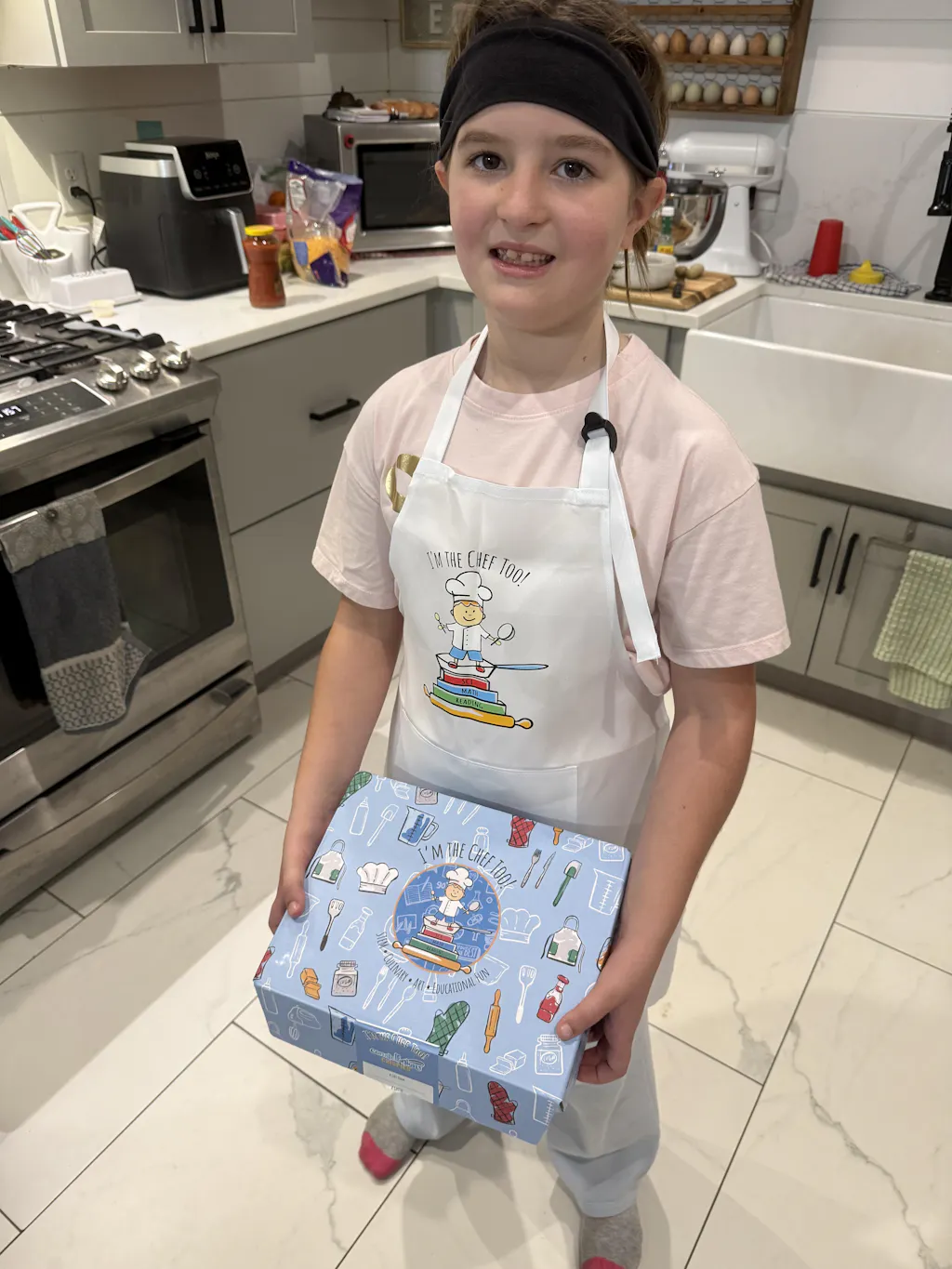
At I’m the Chef Too!, we believe that the best way to learn is by doing. Our mission is to blend food, STEM, and the arts into one-of-a-kind "edutainment" experiences that move beyond the screen and into the real world. We know that parents are always looking for meaningful ways to engage their children, and easy building projects for kids are the perfect solution. These activities foster a love for learning and create joyful family memories that last far longer than a high score on a video game.
In this comprehensive guide, we will explore a wide variety of building projects ranging from classic woodworking to edible engineering. We will provide you with practical advice on setting up a safe workspace, explain the STEM concepts behind the builds, and offer step-by-step ideas that cater to different age groups and interests. Whether you are a seasoned DIY enthusiast or a parent who has never picked up a hammer, you’ll find plenty of inspiration here. Ready for a new adventure every month? Join The Chef's Club and enjoy free shipping on every box to keep the hands-on learning going all year long.
Our goal is to help you facilitate a home environment where curiosity is celebrated and "mistakes" are simply viewed as part of the design process. By the end of this post, you’ll have a toolbox full of ideas to keep your little makers busy, happy, and learning.
Why Hands-On Building Projects are Essential for Growth
In an increasingly digital world, hands-on play is more important than ever. When children engage in easy building projects for kids, they are participating in a multi-sensory learning experience. They feel the texture of the wood, hear the sound of a hammer, and see the structural integrity of their creation take shape.
Developing Fine and Gross Motor Skills
Building requires a high level of physical coordination. For younger children, simply stacking blocks or fitting two pieces of wood together develops fine motor skills and hand-eye coordination. Older children benefit from the precision required to measure a line, hammer a nail, or use a screwdriver. These movements strengthen the small muscles in the hands and fingers, which are the same muscles needed for writing and other academic tasks.
Boosting Cognitive Development and Problem Solving
Every building project is essentially a series of problems waiting to be solved. How do I make this bridge stay up? Why is my birdhouse leaning to the left? How much flour do I need to make this "cement" stick? When children encounter these hurdles, they learn to think critically and iterate on their designs. This resilience is a core component of the "Maker Mindset" that we cultivate here at I’m the Chef Too!.
Building Confidence and Agency
There is a unique sense of pride that comes from saying, "I made this." When a child completes a project, they see a tangible result of their hard work. This builds self-esteem and encourages them to take on more complex challenges in the future. We aren't just teaching them how to build a shelf; we are teaching them that they have the power to impact the physical world around them.
If you're looking for a way to start this journey without the hassle of gathering supplies, you can find the perfect theme for your little learner by browsing our complete collection of one-time kits.
Safety First: Creating a Kid-Friendly Maker Space
Before we dive into the projects, we must discuss the foundation of any good workshop: safety. While we want kids to feel independent, adult supervision is always a requirement for building activities.
1. Set the Stage
Choose a well-lit, ventilated area for your projects. A garage, a dedicated craft room, or even a sturdy kitchen table can work. The key is to have a surface that is at the right height for your child. If they are reaching too high, they lose control over their tools, which can lead to accidents.
2. Use Age-Appropriate Tools
You don't need a full power-tool set to get started. For beginners, start with:
- Safety Glasses: These are non-negotiable for protecting eyes from dust and debris.
- Sturdy Clamps: Clamps act like a "third hand," holding materials in place so the child can focus on the tool.
- Lightweight Hammers: A 7-ounce or 8-ounce hammer is much easier for a child to swing accurately than a full-sized framing hammer.
- Stubby Screwdrivers: Shorter handles give kids more leverage and better control.
3. Establish the "Shop Rules"
Before any project begins, sit down and establish clear rules.
- Tools stay on the table when not in use.
- No running in the maker space.
- Always ask for an adult's help before using a new tool.
- Clean up as you go to prevent trips and falls.
By following these guidelines, you create a safe environment where creativity can flourish without unnecessary risks.
Classic Woodworking: 10 Easy Building Projects for Kids
Woodworking is a timeless hobby that introduces children to the concepts of measurement, geometry, and structural integrity. Here are ten projects that range from "very easy" to "slightly challenging."
1. The Simple Birdhouse
This is the quintessential first woodworking project. It requires basic rectangular cuts and simple assembly.
- STEM Lesson: Discuss why birds need shelter and how the size of the entrance hole determines which type of bird will move in.
- Tip: Use cedar or pine, as they are soft and easy for kids to nail into.
2. Desktop Pencil and Marker Holder
Take a thick block of wood and have your child help you drill holes (using a drill press or a hand drill with a guide) into the top.
- STEM Lesson: This introduces the concept of depth and diameter.
- Creative Twist: Let them sand and paint the block to match their room decor.
3. Practical Toolbox or Caddy
A simple five-piece caddy is great for holding art supplies or gardening tools.
- Case Study: Imagine a 9-year-old who loves helping in the garden. Building a custom wooden caddy to hold their seeds and trowel gives them a sense of ownership over their hobby.
4. Custom Picture Frame
Using pre-cut molding or simple flat slats, kids can create a frame for their favorite drawing.
- STEM Lesson: This is a fantastic way to teach 45-degree and 90-degree angles.
5. Sturdy Step Stool
A step stool is a more advanced project because it involves weight-bearing structures.
- STEM Lesson: Discuss the importance of a wide base for stability and how triangles are one of the strongest shapes in engineering.
6. The "Treasure" Box
Every child needs a place to hide their rocks, shells, and secrets. A simple box with a hinged lid introduces the concept of hardware installation.
- Tip: Use "butt joints" for the corners to keep it simple for beginners.
7. Wooden Planter Box
This project bridges the gap between building and biology.
- STEM Lesson: Talk about how wood handles moisture and why drainage holes are necessary for plant health.
8. Backyard Bird Feeder
Similar to the birdhouse but with open sides.
- Creative Twist: Use a plastic bottle in the center as a reservoir for the seeds, teaching kids about upcycling materials.
9. Wall-Mounted Shelves
Simple "L-bracket" shelves allow kids to see how gravity works and the importance of finding a stud in the wall (or using anchors).
10. Tablet or Phone Stand
In a modern twist, have your child design a stand that holds a device at the perfect viewing angle.
- STEM Lesson: This requires precise measurement of the device's thickness and an understanding of center of gravity.
Give the gift of learning that lasts all year with a 12-month subscription to our STEM cooking adventures to complement these physical building skills with edible ones!
Edible Engineering: Building with I'm the Chef Too!
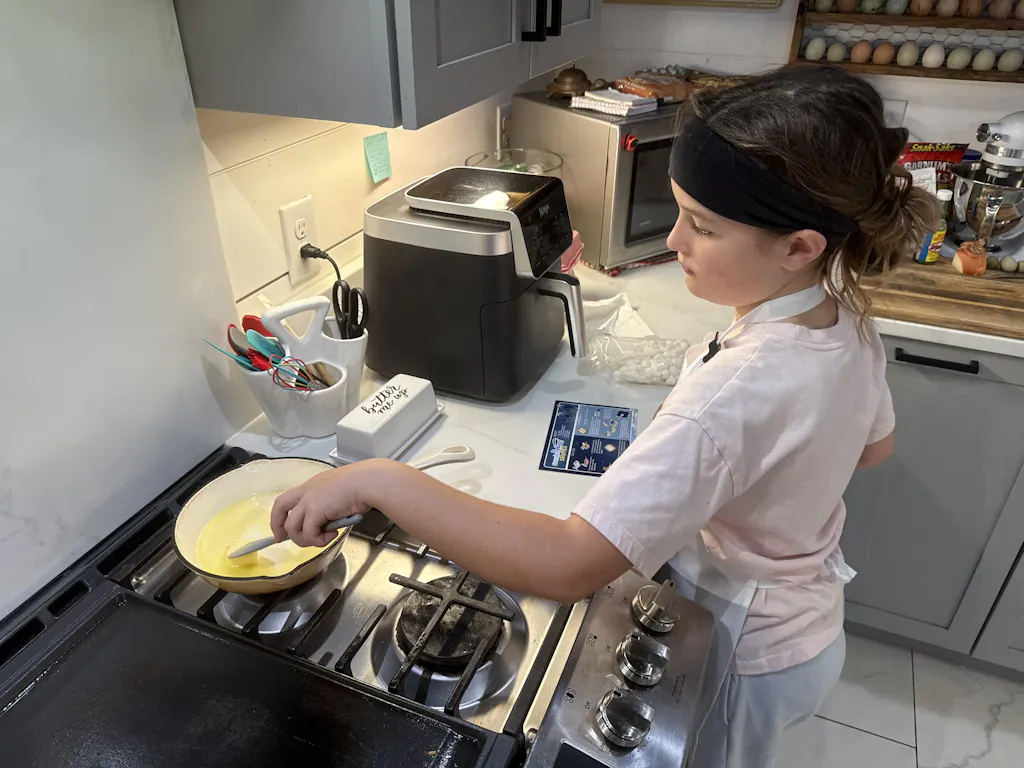
At I’m the Chef Too!, we believe the kitchen is the ultimate laboratory. Baking and cooking are forms of engineering where the "materials" are ingredients and the "structure" must be both stable and delicious. Easy building projects for kids don't always have to involve wood and nails; sometimes, they involve flour and sugar!
Building with Chemical Reactions
When we bake, we are essentially building a structure from the inside out. For example, a chemical reaction makes our Erupting Volcano Cakes bubble over with deliciousness. In this kit, kids aren't just making a snack; they are building a geological model and learning about the science of CO2 gas production.
Architectural Baking
Think about the structure of a layer cake or a tiered pastry. It requires a solid foundation, internal support, and external finishing—the same principles used in civil engineering.
- Case Study: A parent looking for a screen-free weekend activity for their 7-year-old who loves dinosaurs could try our Fudgy Fossil Dig kit. As they "excavate" their treats, they learn about paleontology and the layers of the earth.
Astronomy and Construction
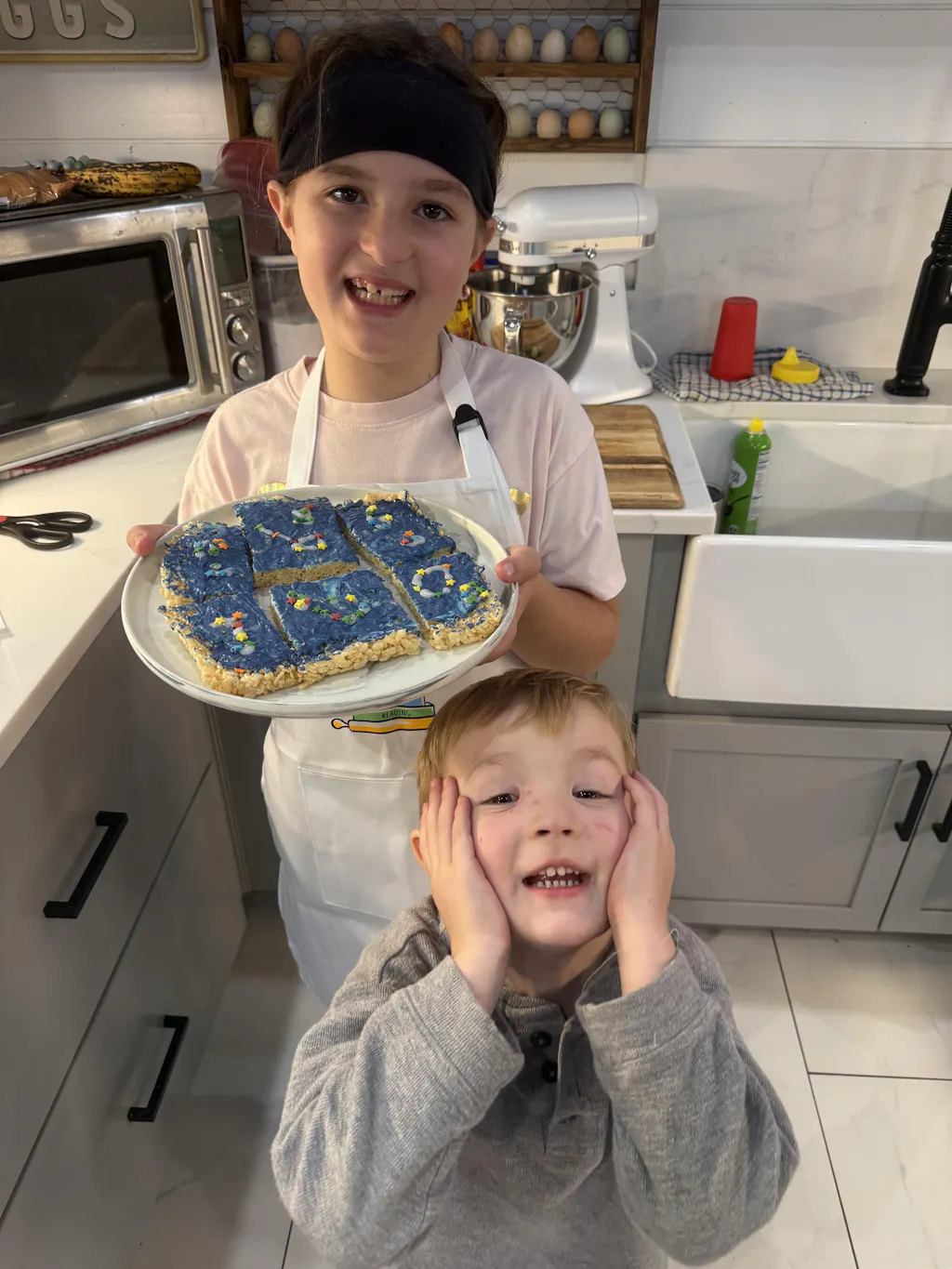
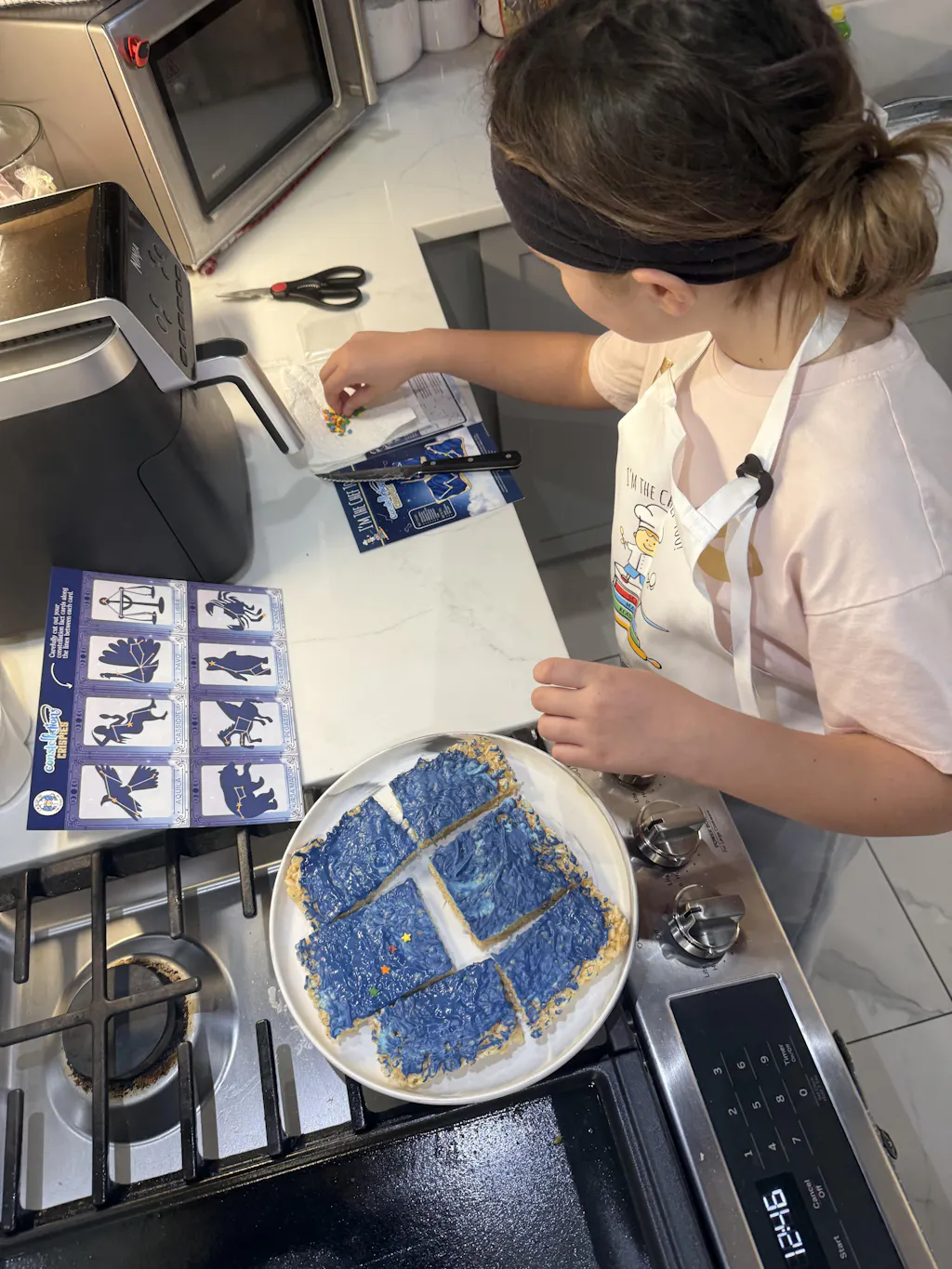
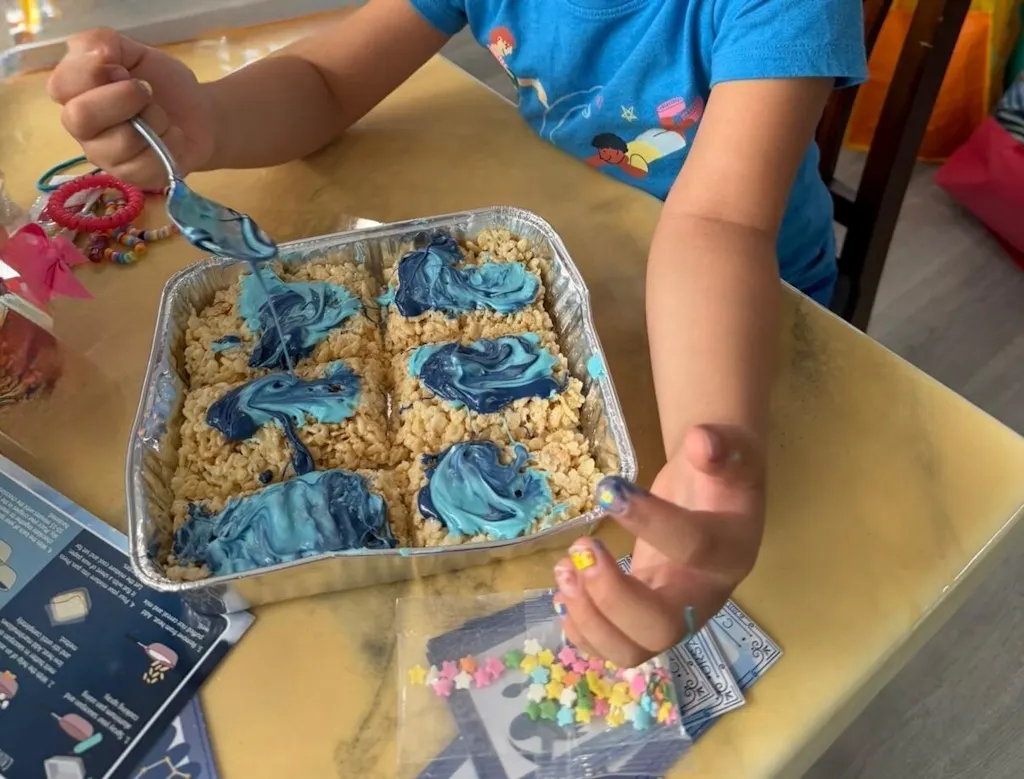
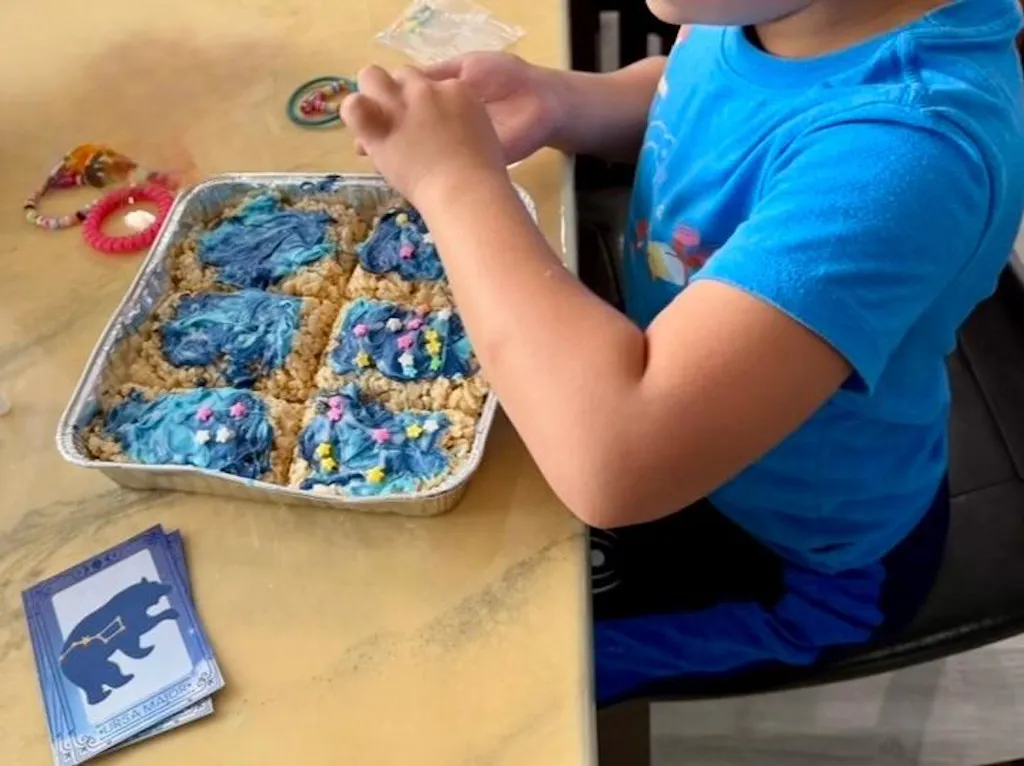
We can even build entire galaxies in the kitchen. Explore astronomy by creating your own edible solar system with our Galaxy Donut Kit. This allows children to visualize the scale of the planets while they work on their glazing and decorating techniques.
By integrating food into building projects, we make STEM concepts tangible and, most importantly, tasty. Each box from I’m the Chef Too! is a complete experience, containing pre-measured dry ingredients and specialty supplies, making it easy for parents to say "yes" to a mess-free (well, mostly mess-free) afternoon of learning.
Physics-Based Building Projects Using Household Items
You don't need a trip to the hardware store for every project. Many easy building projects for kids can be done with items you already have in your recycling bin or junk drawer.
11. The Popsicle Stick Catapult
This is a classic physics experiment. By tensioning popsicle sticks with rubber bands, you create a lever that can launch a pom-pom or a marshmallow.
- STEM Lesson: This teaches potential and kinetic energy. When you pull the lever back, you are storing energy (potential); when you release it, the energy is converted into motion (kinetic).
12. PVC Pipe Marble Run
If you have leftover PVC pipes or even cardboard wrapping paper tubes, you can build a massive marble run.
- STEM Lesson: This project is all about gravity and momentum. Kids have to adjust the angles of the tubes to ensure the marble has enough speed to reach the end without flying off the track.
13. The Balloon-Powered Car
Using a plastic bottle, some bottle caps for wheels, and a balloon, kids can build a car that zips across the floor.
- STEM Lesson: This demonstrates Newton’s Third Law of Motion: For every action, there is an equal and opposite reaction. As the air pushes out the back of the balloon, the car is pushed forward.
14. Cardboard Box City
Don't underestimate the power of a large appliance box. With some duct tape and a utility knife (handled by an adult), a box can become a castle, a spaceship, or a grocery store.
- STEM Lesson: This encourages spatial reasoning and large-scale architectural planning.
15. Jellybean and Toothpick Structures
Using jellybeans (or mini marshmallows) as connectors and toothpicks as beams, kids can build towers and bridges.
- STEM Lesson: This is a pure lesson in structural engineering. They will quickly learn that triangles are much more stable than squares.
Advanced Building: Projects for Older Kids and Teens
As children grow, their projects can become more complex, incorporating basic mechanics and even simple aerodynamics.
16. The Backyard Hovercraft
Believe it or not, you can build a working hovercraft using a piece of plywood, a heavy-duty tarp, and a leaf blower. This is a project that will make you the "coolest parent in the neighborhood."
- STEM Lesson: This introduces the concept of air pressure and friction. The leaf blower creates a cushion of high-pressure air that lifts the craft, significantly reducing the friction between the plywood and the ground.
17. PVC Slingshot or Bow
Using flexible PVC pipe and heavy-duty string, older kids can explore the mechanics of tension and aim.
- Safety Note: This project requires strict rules about what can be "hunted" (targets only!).
18. Gumball or Jellybean Dispenser
Building a mechanical dispenser involves creating a sliding gate or a rotating wheel that allows exactly one candy to fall through at a time.
- STEM Lesson: This is an introduction to simple machines and automation.
19. American Girl or Action Figure Bunk Beds
For kids who love imaginative play, building furniture for their toys is highly rewarding.
- Creative Twist: Let them use fabric scraps to "upholster" the beds, bringing in an element of interior design and textile arts.
20. A Kid-Sized Workbench
Perhaps the ultimate building project is building the place where future projects will happen. A simple, sturdy workbench scaled to the child’s height is a rite of passage for any young maker.
- STEM Lesson: This project involves the most "real-world" engineering, requiring careful planning for weight distribution and tool storage.
Not ready to subscribe? Explore our full library of adventure kits available for a single purchase in our shop to find more inspiration for your next big build.
Integrating the Arts: Making Projects Beautiful
At I’m the Chef Too!, the "A" in STEAM (Science, Technology, Engineering, Arts, and Math) is just as important as the rest. A project that works perfectly but looks boring might not capture a child’s imagination as much as one they’ve personalized.
The Power of Customization
Encourage your child to paint, stain, or wood-burn their creations. Even beloved animals can make learning fun, like when kids make Wild Turtle Whoopie Pies. In that kit, the "building" involves creating the perfect shape of the turtle, showing that aesthetic design is a key part of the creative process.
Storytelling through Building
When a child builds a birdhouse, ask them: "What kind of bird lives here? What is its name? What does its living room look like?" By adding a narrative element to the building project, you engage the right side of the brain, making the activity more holistic and memorable.
The STEM Behind the Build: A Parent's Cheat Sheet
You don't need a degree in engineering to explain the "why" behind these easy building projects for kids. Here are a few simple ways to frame the conversation:
- Gravity: The force that pulls everything toward the center of the Earth. (Used in: Marble runs, birdhouses).
- Friction: The resistance that one surface or object encounters when moving over another. (Used in: Hovercrafts, balloon cars).
- Structural Integrity: The ability of an item to hold together under a load without breaking. (Used in: Step stools, toothpick bridges).
- Simple Machines: Devices like levers, pulleys, and inclined planes that make work easier. (Used in: Catapults, gumball dispensers).
- Chemical Reactions: When two or more substances combine to form something new. (Used in: Baking, volcano cakes).
When you use these terms naturally during your project time, you are building a scientific vocabulary that will serve your child well in school and beyond. A new adventure is delivered to your door every month with free shipping in the US when you join the Chef's Club, ensuring you always have a new STEM concept to explore together.
Case Study: From Screen-Time to Tool-Time
Let’s look at a hypothetical family: The Millers. Their 8-year-old son, Leo, was spending hours on his tablet, and his parents were worried about his lack of physical activity and creativity. They decided to start a "Saturday Shop Session."
They began with the Popsicle Stick Catapult. Leo was instantly hooked by the ability to launch things across the living room. Seeing his interest, they moved on to a Wooden Treasure Box. Leo learned how to measure twice and cut once. He struggled with the hinges at first, but with his dad’s guidance, he figured out how to align them.
To keep the momentum going during the week, they signed up for the I’m the Chef Too! Chef’s Club. Now, Leo spends his Saturday mornings building in the garage and his Tuesday afternoons "building" in the kitchen. His parents noticed that his frustration tolerance has increased; he no longer gives up immediately when a digital game gets hard because he’s learned that in the physical world, you just have to try a different angle.
Tips for Success with Easy Building Projects for Kids
- Embrace the Mess: Building is inherently messy. Sawdust will fly, and flour will spill. Lay down a drop cloth and remember that the cleanup is part of the learning process.
- Focus on Process, Not Perfection: The birdhouse might be crooked. The cake might be a little flat. That’s okay! Praise the effort, the planning, and the problem-solving rather than the final aesthetic result.
- Let Them Lead: It can be tempting to take over the hammer when you see your child struggling. Resist the urge. Instead, ask guiding questions: "Where do you think the nail should go to keep that board from moving?"
- Take Breaks: Building requires a lot of focus. If you see your child getting frustrated or tired, take a break. A snack or a quick run outside can reset their brain for the next step.
Ready for a new adventure every month? Join The Chef's Club and enjoy free shipping on every box. It’s the easiest way to ensure you always have a high-quality, educational project ready to go.
FAQ: Common Questions About Kids' Building Projects
What is the best age to start woodworking with kids?
While every child is different, most kids can start with very simple tools (like sandpaper or a lightweight hammer) around age 5 with close supervision. By age 8 or 9, many children have the coordination to begin more complex projects like birdhouses or toolboxes.
Do I need to buy expensive power tools?
Absolutely not! In fact, we recommend starting with manual hand tools. They are safer, quieter, and help children develop a better "feel" for the materials they are working with.
How do I keep my child interested if they get frustrated?
Break the project down into very small, manageable steps. If a whole birdhouse feels overwhelming, make the goal for the day just "sanding the pieces." Small wins build the momentum needed for larger projects.
Is building in the kitchen really "STEM"?
Yes! Baking is chemistry. Constructing a multi-layered treat is engineering. Measuring ingredients is math. At I’m the Chef Too!, we pride ourselves on showing kids that STEM is everywhere—not just in a lab or a workshop.
How can I make building projects more educational?
Incorporate a "Designer's Notebook." Have your child draw their plan before they start and write down what happened after they finished. Did it work? What would they change next time? This mirrors the scientific method.
Conclusion
Easy building projects for kids are about so much more than the finished product. They are a gateway to a world of curiosity, a way to strengthen family bonds, and a powerful tool for developing the skills your child will need for a lifetime of learning. Whether they are hammering a nail into a piece of pine or measuring the baking soda for a volcano cake, they are engaging with the world in a meaningful, screen-free way.
At I’m the Chef Too!, we are committed to sparking that curiosity and creativity. Our hands-on adventures are developed by mothers and educators who understand how to make complex subjects like physics and chemistry accessible and fun. We don't just want to give your child something to do; we want to give them something to discover.
By providing your child with the tools, the space, and the encouragement to build, you are giving them the confidence to tackle any challenge that comes their way. You are showing them that they are makers, thinkers, and creators.
Are you ready to start your next adventure? Give the gift of learning that lasts all year with a 12-month subscription to our STEM cooking adventures. We can't wait to see what you and your little chef-engineers build together!