Table of Contents
- Introduction
- The Magic of Creating Together
- Setting Up Your Creative Space
- 1. Pompom Ice Pops
- 2. Homemade Science-Based Clay
- 3. Galaxy Art and Edible Astronomy
- 4. Recycled Box Robots
- 5. Bubble Painting
- 6. Nature's Paintbrushes
- 7. Collaborative Family Quilt (Paper Version)
- 8. Erupting Volcano Art
- 9. Suncatcher "Stained Glass"
- 10. Shadow Drawing
- 11. Homemade Finger Paints
- 12. Cardboard Tube Telescopes
- 13. Coffee Filter Chromatography
- 14. The "Mail a Hug" Project
- 15. Salt Dough Keepsakes
- 16. Pendulum Painting
- 17. Shaving Cream Marbling
- 18. Fork-Painted Animals
- 19. The Family Time Capsule
- 20. Spin Art with a Salad Spinner
- 21. Vegetable Stamping
- 22. Cardboard Guitar
- 23. Paper Plate Masks
- 24. Rock Painting and "Kindness Stones"
- 25. The "Edutainment" Finale: Cooking as Art
- Making Art a Habit
- Tips for Success with Different Age Groups
- Why "Edutainment" is the Future of Learning
- How to Document Your Family Art Journey
- Frequently Asked Questions
- Conclusion
Introduction
Think back to your own childhood for a moment. Do you remember the specific toy you got for your seventh birthday, or do you remember the afternoon you spent with your parents, covered in flour and blue food coloring, trying to build a "moon base" out of salt dough? For most of us, the memories that stick are the ones where we were actually doing something with the people we love. In a world full of digital distractions, there is something profoundly grounding about sitting down at the kitchen table together with a pile of craft supplies.
At I'm the Chef Too!, we believe that the kitchen and the craft table are the two most important places in a home for a child’s development. We see art and cooking not just as hobbies, but as essential "edutainment" experiences that blend STEM, creativity, and family bonding. Whether you are a parent looking for a screen-free weekend activity for a 7-year-old who loves dinosaurs or an educator wanting to bring hands-on learning into the classroom, art is the universal language of discovery.
The purpose of this blog is to provide you with 25 incredible family art projects for kids that do more than just fill an afternoon. We want to help you foster a love for learning, build your child’s confidence, and create joyful memories that will last far longer than the paint takes to dry. By the end of this post, you will have a toolkit of activities that spark curiosity, teach complex subjects through tangible play, and—most importantly—bring your family closer together. Our mission is to show you that with a little imagination and a few simple supplies, every child can be an artist, a scientist, and a chef all at once.
The Magic of Creating Together
Why should we prioritize family art projects for kids? It’s easy to look at a messy table and see work, but we invite you to look closer. When children engage in art with their families, they are developing critical fine motor skills as they manipulate brushes, scissors, and clay. They are learning patience as they wait for glue to dry and problem-solving skills when their "robot" doesn't stand up on its own.
Beyond the physical skills, art is a safe space for emotional expression. It allows children to communicate ideas and feelings that they might not have the words for yet. When you join them in this process, you are validating their creativity and showing them that their ideas have value. At I'm the Chef Too!, we are committed to facilitating this family bonding through our unique approach to learning. We know that the best way to teach a child about the world is to let them touch it, shape it, and sometimes even taste it!
Ready for a new adventure every month? Join The Chef's Club and enjoy free shipping on every box.
Setting Up Your Creative Space
Before we dive into the projects, let’s talk about preparation. You don’t need a dedicated art studio to enjoy these family art projects for kids. Your kitchen table, a spot on the back porch, or even a cleared area on the living room floor will work perfectly.
1. Gather the Basics: Keep a "Creativity Crate" filled with essentials:
- Washable paints and brushes
- School glue and glue sticks
- Construction paper and recycled cardboard
- Kid-safe scissors
- Found objects (buttons, yarn, bottle caps)
2. Embrace the Mess: Art is messy, and that’s okay! Lay down an old tablecloth or some newspaper. Have a damp cloth nearby for quick cleanups. Remember, some of the best learning happens when things get a little sticky.
3. Safety First: While we want kids to lead the way, adult supervision is key. Always handle sharp tools or heat elements yourself, and ensure that all materials are age-appropriate and non-toxic.
1. Pompom Ice Pops
This is a fantastic "quiet time" craft that helps younger children develop their pincer grasp. Using colorful pompoms, craft sticks, and a bit of glue, kids can "build" their own frozen treats.
- The STEM Connection: Discuss states of matter. While these pops don't melt, real ice pops change from liquid to solid!
- Parent Tip: Ask your child to describe the "flavors" they are creating. Is the blue pompom blueberry or "ocean breeze"?
2. Homemade Science-Based Clay
There is nothing quite like the sensory experience of making your own clay. We love this because it uses simple kitchen ingredients: baking soda, cornstarch, and water.
- The Process: Mix the ingredients in a pot (adults handle the stove!), heat until thickened, and let it cool.
- The Learning: This is a great introduction to chemical reactions and how heat can change the properties of materials. Once the clay is cool, kids can mold figures or impressions.
- Pro-Tip: If you have a child who loves geology, they could use this clay to create "fossils" by pressing toy dinosaurs into the surface.
3. Galaxy Art and Edible Astronomy
Children are naturally fascinated by the stars. You can create a stunning galaxy mural using black construction paper, white paint (for splattered stars), and sponges dipped in purple and pink.
- The Extension: If your little one wants to go deeper into space, you can explore astronomy by creating your own edible solar system with our Galaxy Donut Kit. It’s a delicious way to learn about the cosmos while practicing decorating skills!
4. Recycled Box Robots
Don't throw away those delivery boxes! A large box can be the torso, and smaller boxes can be the head and limbs. Use foil, buttons, and old bottle caps to create "control panels."
- The Skill: This project focuses on engineering and spatial awareness. How do we get the arms to stay on? Which box is the right size for the head?
- Teamwork: Have one family member be the "Lead Engineer" and another the "Chief Decorator."
5. Bubble Painting
This is art and physics combined! Mix dish soap, a little water, and non-toxic paint in a bowl. Use a straw to blow bubbles until they rise above the rim, then gently press a piece of paper onto the bubbles.
- The Result: When the bubbles pop, they leave behind beautiful, circular marble patterns.
- Safety Note: Remind younger children to blow out, not suck in!
6. Nature's Paintbrushes
Head outside and collect leaves, pine branches, and flowers. Back at the table, dip these natural items into paint and use them as brushes or stamps.
- The Lesson: This encourages children to look at nature differently. How does the texture of a pine needle differ from a broad maple leaf?
- The I'm the Chef Too! Philosophy: We love incorporating nature into our kits, as it sparks curiosity about the environment around us.
7. Collaborative Family Quilt (Paper Version)
Give every family member a square piece of paper. Each person decorates their square to represent something they love about the family. Tape them all together on the back to create a giant "quilt."
- The Connection: This project emphasizes unity and the idea that while we are all individuals, we make something beautiful when we come together.
8. Erupting Volcano Art
For the child who loves a "boom," you can create 3D volcano art. Use paper mâché or even a mound of dirt in the backyard to form a mountain. But why stop at just looking at a volcano when you could experience one?
- The STEM Adventure: You can observe a chemical reaction that makes our Erupting Volcano Cakes bubble over with deliciousness. It’s the perfect way to turn a geology lesson into a tasty treat.
9. Suncatcher "Stained Glass"
Using clear contact paper and bits of colorful tissue paper, kids can create beautiful suncatchers. Once the design is finished, seal it with another layer of contact paper and tape it to a sunny window.
- The Science: Talk about light and how it travels through translucent materials versus opaque ones.
10. Shadow Drawing
On a sunny day, place toy animals (like turtles or dinosaurs) on a piece of white paper outside. As the sun hits them, they will cast a long shadow. Have your child trace the outline of the shadow.
- The Lesson: This teaches perspective and how the position of the light source changes the shape of the shadow. Even beloved animals can make learning fun, like when kids make Wild Turtle Whoopie Pies.
Find the perfect theme for your little learner by browsing our complete collection of one-time kits.
11. Homemade Finger Paints
For the littlest artists, store-bought paint can be a concern if it ends up in the mouth. You can make edible-safe finger paint using cornstarch, sugar, water, and food coloring.
- The Experience: This is pure sensory play. Let them feel the "squish" of the paint between their fingers. It’s a great way to build confidence in their own creative movements.
12. Cardboard Tube Telescopes
Turn a paper towel roll into a tool for a "backyard safari." Decorate the roll with stickers and paint, and then use it to go on a nature walk.
- The Adventure: Encourage your child to spot three different types of birds or find a specific type of leaf. This turns an art project into an active game of observation.
13. Coffee Filter Chromatography
This is a classic "magic" trick. Use markers to draw a thick circle around the center of a coffee filter. Fold it into a cone and dip the tip into a cup of water. Watch as the water travels up and separates the marker ink into various colors.
- The STEM Connection: This teaches kids that colors are often made up of several different pigments. It’s a beautiful way to see science in action.
14. The "Mail a Hug" Project
In our busy lives, we often miss family members who live far away. Have your child lie down on a large piece of paper and trace their head, shoulders, and arms. Decorate the "paper person," fold it up, and mail it to a grandparent or relative.
- The Value: This fosters empathy and connection, teaching kids that art can be a gift that brings joy to others.
15. Salt Dough Keepsakes
Salt, flour, and water come together to create a dough that can be baked and preserved. We love making handprint impressions or ornaments.
- The Process: After baking, the ornaments become hard as rocks. Kids can then paint them.
- The I'm the Chef Too! Touch: We love any project that starts with a "recipe," as it teaches children the importance of following steps and measuring ingredients.
16. Pendulum Painting
Tie a plastic cup with a small hole in the bottom to a string. Hang it from a swing set or a doorway. Fill the cup with thinned paint and give it a swing over a large piece of paper.
- The Physics: The cup will create beautiful, geometric patterns called Lissajous curves. It’s a mesmerizing way to talk about gravity and motion.
17. Shaving Cream Marbling
Fill a tray with shaving cream and drop food coloring on top. Use a toothpick to swirl the colors. Press a piece of paper onto the cream, then scrape off the excess cream with a piece of cardboard.
- The Wow Factor: The color stays on the paper in a gorgeous marbled pattern. It’s a high-impact, low-cost activity that kids find absolutely magical.
18. Fork-Painted Animals
Who says you need a brush? Using a plastic fork dipped in paint, kids can create "furry" textures for lions, bears, or monsters.
- The Skill: This helps kids think outside the box regarding tools. It’s a lesson in creativity: anything can be an art tool if you use your imagination!
19. The Family Time Capsule
Decorate a shoe box or a large jar. Have every family member contribute something: a drawing, a list of their favorite things, or a photo from today.
- The Lesson: This project teaches children about the passage of time and the value of history. Set a date five years in the future to open it together.
20. Spin Art with a Salad Spinner
If you have an old salad spinner, it’s the perfect engine for art! Place a circular piece of paper inside, drop some paint, and spin away.
- The Science: Discuss centrifugal force. Why does the paint fly toward the edges of the paper? It’s a hands-on physics lesson disguised as a fun game.
21. Vegetable Stamping
The ends of celery look like roses. A cut bell pepper looks like a flower. An apple half makes a perfect print.
- The Connection: This bridges the gap between the grocery store and the art table. At I'm the Chef Too!, we love showing kids that food is versatile and exciting.
- Parent Tip: This is a great way to use up vegetables that are slightly past their prime!
22. Cardboard Guitar
Using a tissue box, a cardboard tube, and rubber bands, you can create a string instrument.
- The STEM Connection: Experiment with different thicknesses of rubber bands. How does the sound change? This introduces the concept of sound waves and vibration.
23. Paper Plate Masks
Paper plates are the perfect canvas for masks. Whether they want to be a superhero, an animal, or an alien, a little paint and some elastic string are all they need.
- The Play: Once the masks are done, encourage a family play or puppet show. This builds storytelling skills and confidence.
24. Rock Painting and "Kindness Stones"
Collect smooth stones from a park or backyard. Paint them with bright colors and happy messages.
- The Mission: Take a walk together and leave the stones in places where others will find them. This is a wonderful way to teach community spirit and the joy of small acts of kindness.
25. The "Edutainment" Finale: Cooking as Art
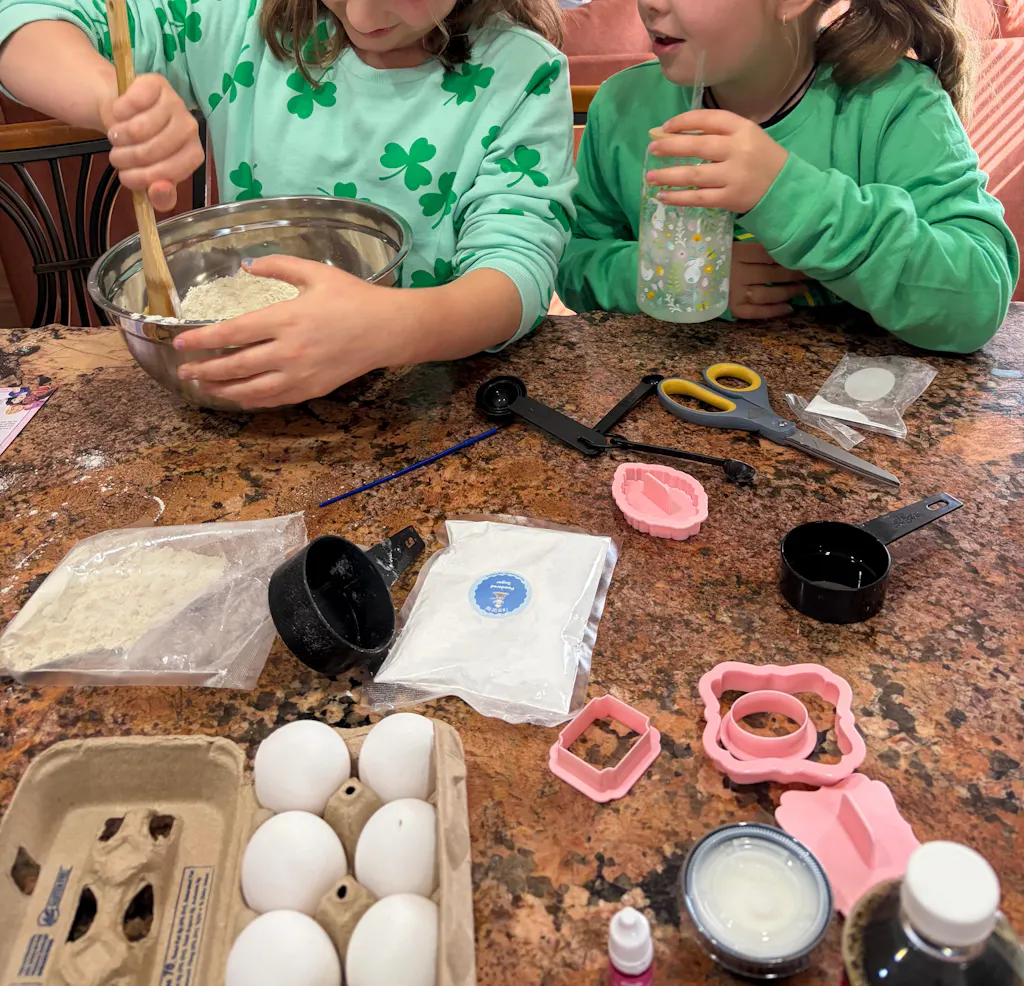
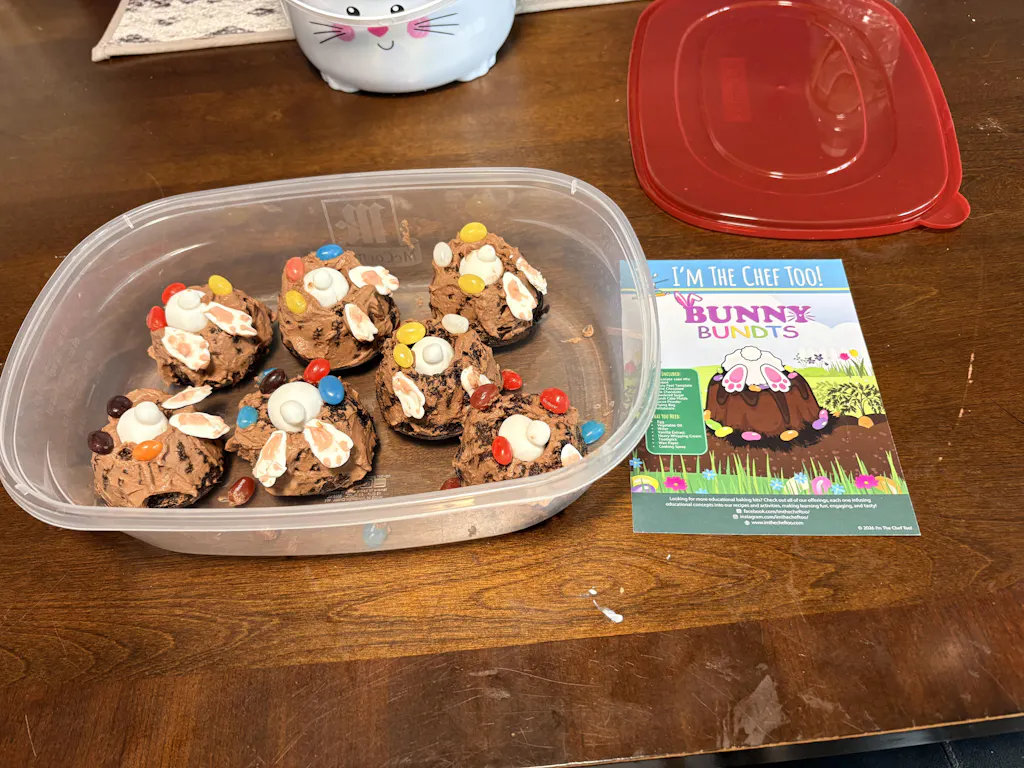
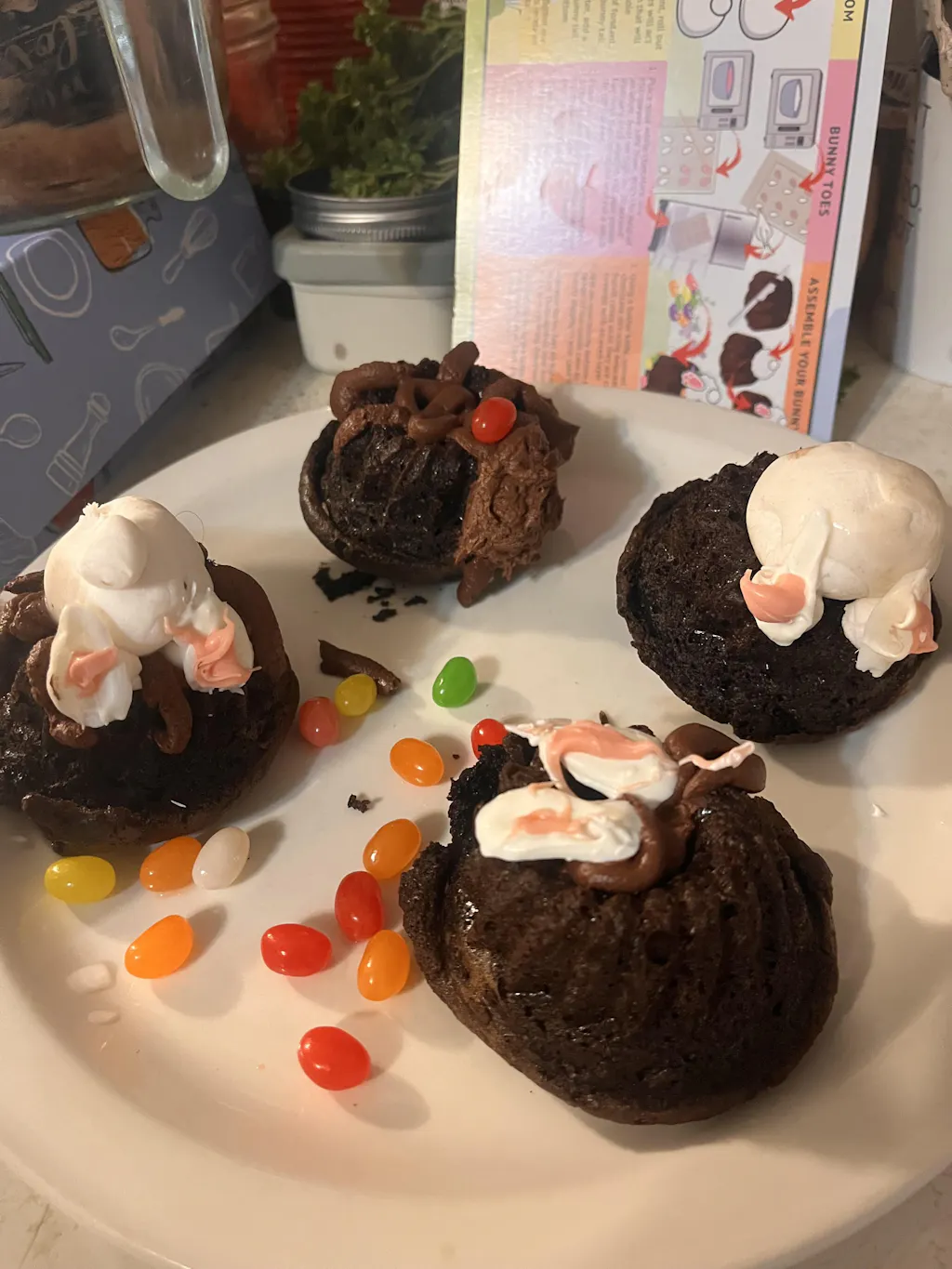
Finally, we believe that the most delicious art project is one you can eat. Cooking requires the same skills as art: color theory (plating), texture (mouthfeel), and creativity (flavor profiles).
- The Ultimate Project: Spend an afternoon together in the kitchen. Whether you are baking bread or decorating cookies, you are creating art.
- Bringing It Home: Bring our hands-on STEM adventures to your classroom, camp, or homeschool co-op. Learn more about our versatile programs for schools and groups, available with or without food components.
Making Art a Habit
The key to successful family art projects for kids isn't about creating a museum-worthy masterpiece; it's about the habit of creativity. When we make space for art, we make space for our children's voices. We show them that their curiosity is a superpower.
At I'm the Chef Too!, we see this transformation every day. When a child opens one of our kits, they aren't just getting ingredients; they are getting a passport to a new world. They might become an architect of gingerbread houses or a chemist of cupcakes. By providing these screen-free alternatives, we help families disconnect from the digital world and reconnect with each other.
Ready for a new adventure every month? Join The Chef's Club and enjoy free shipping on every box.
Tips for Success with Different Age Groups
Not every project is suitable for every child. Here is how we recommend tailoring your family art projects for kids:
For Toddlers (Ages 2-4): Focus on sensory experiences. Finger painting, squishing clay, and large-scale sidewalk chalk are perfect. Don't worry about the "final product"; focus on the feeling of the materials.
For Early Elementary (Ages 5-8): This age group loves themes! Projects like the "Mail a Hug" or building a cardboard castle appeal to their growing imagination. They are also starting to understand simple STEM concepts, so bubble painting or salad spinner art is a big hit.
For Older Kids (Ages 9-12): Challenge them with more complex engineering. Building the recycled guitar or the water microscope requires more precision and patience. This is also the perfect age to introduce the more detailed I'm the Chef Too! kits that require following multi-step instructions.
Why "Edutainment" is the Future of Learning
We often hear the word "education" and think of desks and textbooks. But "edutainment"—the blend of education and entertainment—is where true engagement happens. When a child is having fun, their brain is more receptive to new information.
By integrating STEM into family art projects for kids, we are teaching them that science isn't just a subject in school; it's the way the world works. Gravity is what makes the pendulum swing. Chemical reactions are what make the clay harden or the cake rise. When kids learn these concepts through play, they develop a foundational understanding that stays with them for life.
Our mission at I'm the Chef Too! is to spark that lifelong curiosity. We want every child to feel like a discoverer. Whether they are exploring the depths of the ocean through a themed art project or the far reaches of space through a baking kit, the goal is the same: to make learning a delicious adventure.
How to Document Your Family Art Journey
Since many art projects (especially the edible ones!) don't last forever, it's important to document the journey.
- The Art Gallery: Dedicate a wall in your home or the front of the refrigerator to "The Artist of the Week."
- Digital Portfolio: Take photos of your child with their creations. You can compile these into a photo book at the end of the year.
- The Story Behind the Art: Ask your child to tell you the story of what they made. Write it down on the back of the project. This preserves their imagination as much as their artwork.
Ready for a new adventure every month? Join The Chef's Club and enjoy free shipping on every box.
Frequently Asked Questions
Q: I’m not "artistic." Can I still do these projects with my kids? A: Absolutely! In fact, it’s even better if you aren't an expert. When your child sees you trying something new, making mistakes, and having fun anyway, you are teaching them that the process is more important than the result. Art is about exploration, not perfection.
Q: How do I handle the mess? A: We suggest a "10-minute cleanup" rule. Put on a fun song and have everyone work together to put the supplies back in the Creativity Crate and wipe down the table. Making cleanup part of the routine helps kids learn responsibility.
Q: My child gets frustrated when their art doesn't look like the picture. What should I do? A: Remind them that every artist has their own style. Use "process-oriented" praise. Instead of saying "That's a pretty house," try saying "I love the way you used so many different colors for the roof" or "I can see you worked really hard on those windows."
Q: What if I don't have all the supplies listed? A: Get creative! If a project calls for a coffee filter and you don't have one, try a paper towel. If you don't have googly eyes, draw them on with a marker. Part of the fun of family art projects for kids is innovating with what you have on hand.
Q: Are the I'm the Chef Too! kits safe for kids with allergies? A: We take safety very seriously. While our kits are developed by educators and mothers with a focus on fun, we always recommend checking the specific ingredient lists for each kit if your child has sensitivities.
Conclusion
Family art projects for kids are more than just a way to pass a rainy afternoon. They are a gateway to discovery, a bridge to deeper family connections, and a foundation for a lifelong love of learning. From the simple joy of finger painting to the complex excitement of an erupting volcano cake, these activities empower children to see themselves as creators.
At I'm the Chef Too!, we are honored to be a part of your family’s creative journey. Our mission is to provide you with the tools and the inspiration to turn your kitchen into a laboratory of "edutainment." We believe that when you blend food, STEM, and the arts, you create something truly magical.
Remember, the goal isn't to raise a "top scientist" or a "master artist"—though your child may very well become one! The goal is to foster confidence, spark curiosity, and create those joyful family memories that will be cherished for years to come. So, grab your scissors, pre-heat your ovens, and get ready for your next big adventure.
Ready to start your journey?