Table of Contents
- Introduction
- 1. Create an Indoor Winter Obstacle Course
- 2. Bake Edible Science Experiments
- 3. Host a Living Room "Snowy" Campout
- 4. Engineering with Cardboard Boxes
- 5. Master the Art of Snow Painting
- 6. Discover Wildlife with DIY Bird Feeders
- 7. Experiment with Crystal Snowflakes
- 8. Build a Winter Time Capsule
- 9. Set Up a Hot Chocolate Science Lab
- 10. Play Balloon "Ice" Volleyball
- 11. Explore the Physics of Sledding
- 12. Mix Up Homemade "Snow" Slime
- 13. Winter Nature Scavenger Hunt
- 14. Kitchen Engineering with Edible Structures
- 15. The Ultimate "Chef's Club" Experience
- The Importance of Screen-Free Winter Play
- Tips for a Successful Winter Activity Day
- Bringing the Classroom Home with I'm the Chef Too!
- Why Hands-On STEM Matters
- Conclusion
- FAQ: Frequently Asked Questions About Winter Activities
Introduction
Have you ever looked out the window on a frosty Tuesday morning, watched the snowflakes dance against the glass, and wondered how you were going to keep your energetic little learners engaged until bedtime? Winter holds a certain magic, but for parents and educators, it also presents the unique challenge of "cabin fever." When the temperatures drop, the usual outdoor playgrounds might be out of reach, and the temptation to lean on screens becomes stronger than ever. But what if we told you that the chilly season is actually the best time to spark a lifelong love for discovery?
At I'm the Chef Too!, we believe that every season is an opportunity for an adventure. Our mission is to blend food, STEM (Science, Technology, Engineering, and Math), and the arts into one-of-a-kind "edutainment" experiences that turn your home into a laboratory of fun. We are committed to sparking curiosity and creativity in children, facilitating family bonding, and providing a screen-free educational alternative that actually tastes good!
In this blog post, we are going to explore 15 fun winter activities for kids that go far beyond just passing the time. We will dive into indoor movement games, outdoor nature explorations, and, of course, delicious STEM-based cooking projects. Whether you are looking for a quick afternoon distraction or a deep-dive educational project, these activities are designed to build confidence and create joyful family memories. By the end of this guide, you’ll have a full toolkit of ideas to make this winter your family's most creative season yet. Our goal is to help you foster a love for learning through tangible, hands-on adventures that your children will remember for years to come.
1. Create an Indoor Winter Obstacle Course
When the wind is howling outside, kids still have plenty of energy to burn. An indoor obstacle course is one of the most effective ways to get their bodies moving while challenging their problem-solving skills. You don’t need fancy equipment; your living room is full of potential hurdles and tunnels!
To start, gather common household items like cushions, hula hoops, painter's tape, and chairs. Use the tape to create a "balance beam" on the carpet, or place cushions in a row as "ice floes" that kids must hop across without touching the "frozen water" (the floor). You can even drape blankets over chairs to create a "snow cave" for them to crawl through.
This activity isn't just about physical exercise; it's a lesson in engineering and spatial awareness. As your children help design the course, they are learning about distance, height, and sequence. For a parent looking for a screen-free weekend activity for a child who loves movement and challenges, this is a perfect choice. It encourages them to think critically about how to navigate obstacles safely while building their gross motor skills.
2. Bake Edible Science Experiments
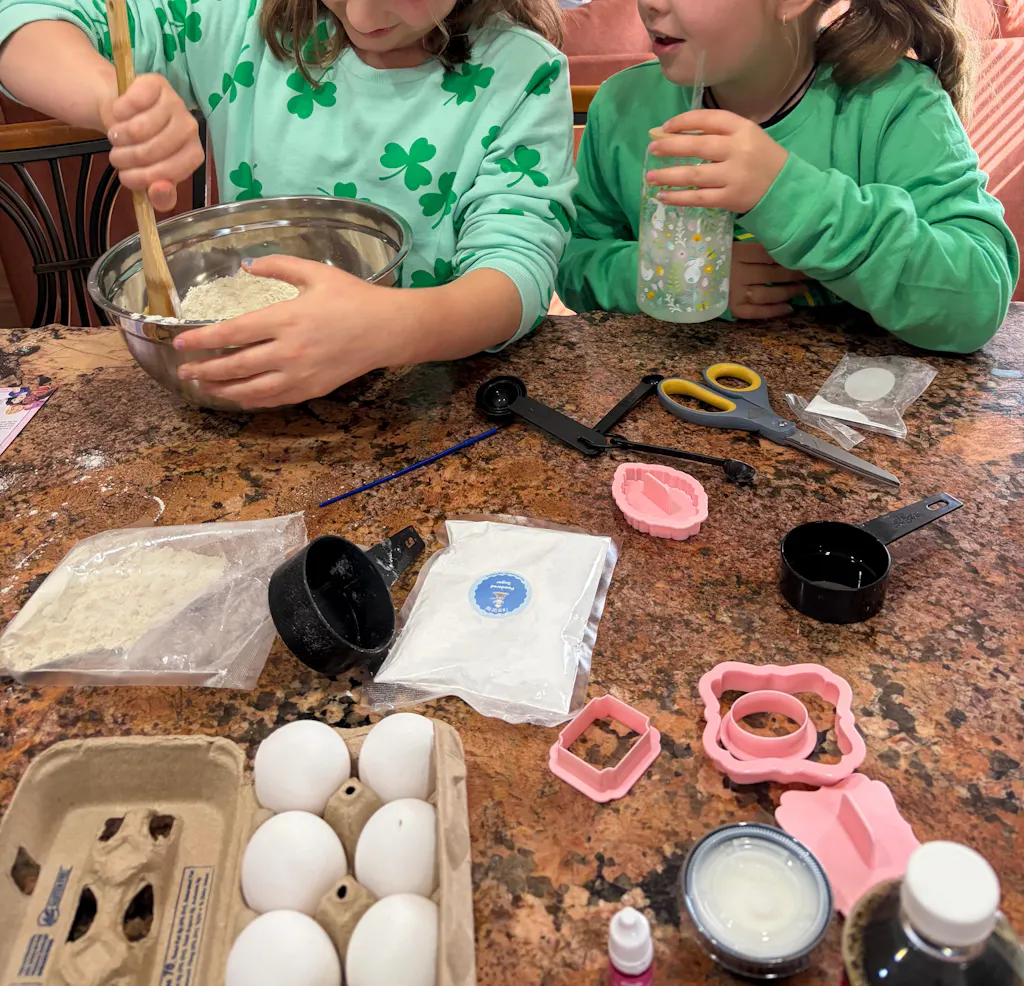
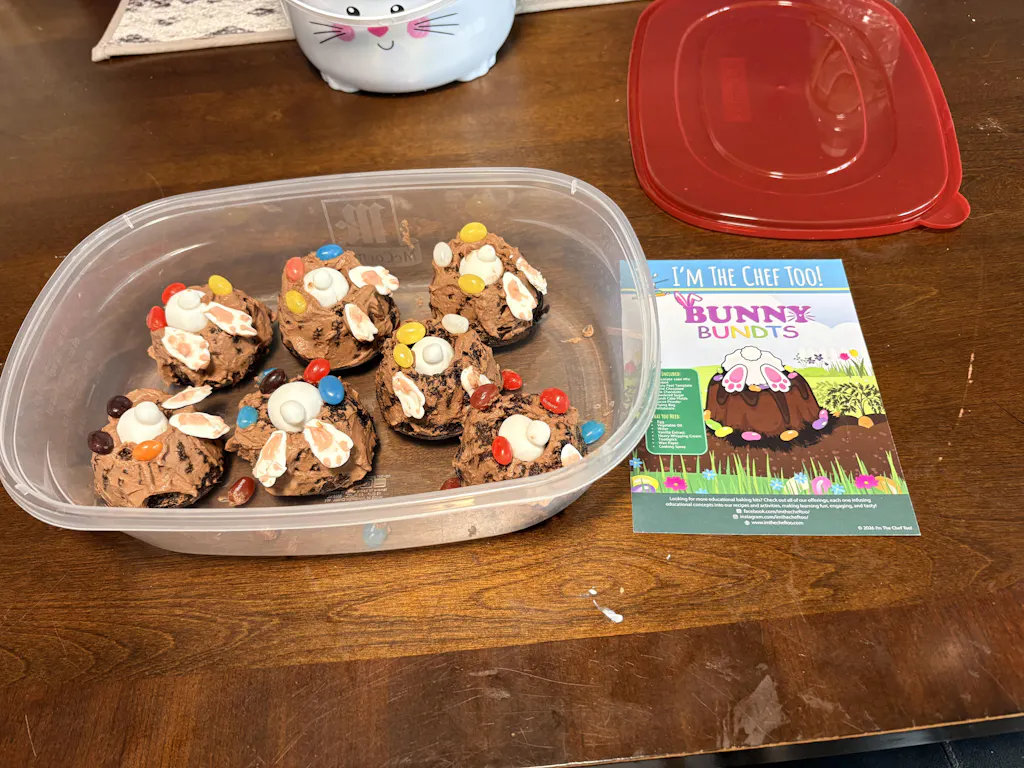
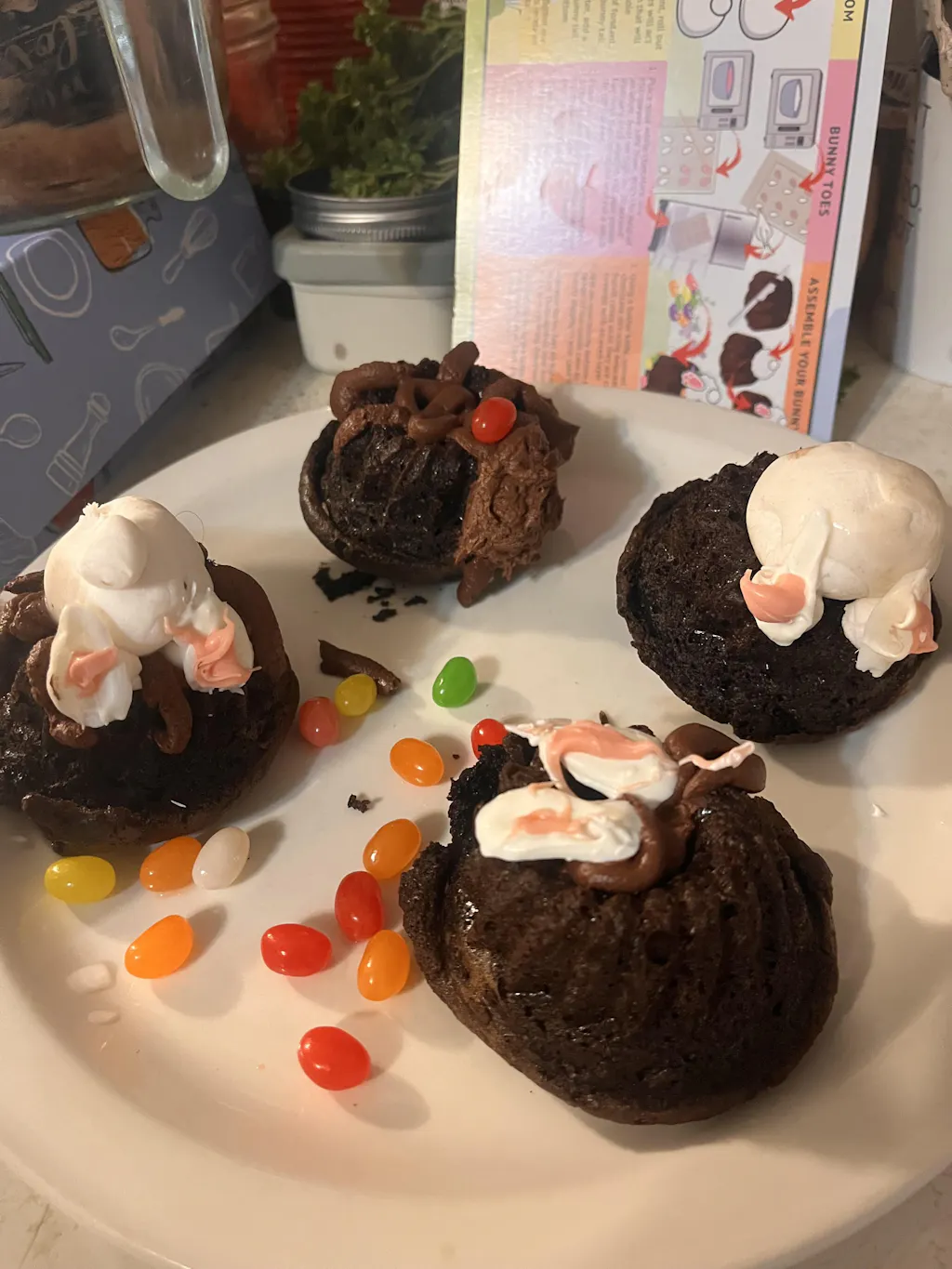
There is no better place to learn about chemistry than in the heart of the home: the kitchen. Winter is the perfect season to preheat the oven and explore how ingredients transform from liquids and powders into delicious treats. At I'm the Chef Too!, we specialize in teaching complex subjects through tangible, hands-on, and delicious cooking adventures.
One of our favorite ways to introduce kids to chemical reactions is through baking. For example, you can explore how a chemical reaction makes our Erupting Volcano Cakes Kit bubble over with deliciousness. By mixing specific ingredients, children can see firsthand how carbon dioxide is created, causing their cake "lava" to rise and flow.
If your little ones are more interested in the stars than the earth, you can explore astronomy by creating your own edible solar system with our Galaxy Donut Kit. While they glaze their donuts in celestial colors, you can talk about the different planets and the vastness of space. These kits are developed by mothers and educators to ensure they are both educational and manageable for a fun afternoon. Ready for a new adventure every month? Join The Chef's Club and enjoy free shipping on every box delivered right to your door.
3. Host a Living Room "Snowy" Campout
Who says camping is only for the summer? A winter indoor campout is a fantastic way to facilitate family bonding without the mosquitoes or the cold. Clear a space in the living room and set up a tent or build a classic fort using sheets and clothespins.
Fill the space with sleeping bags, plenty of pillows, and flashlights. To make it feel authentic, turn off the overhead lights and use only lanterns or "fairy lights" to mimic the stars. You can spend the evening telling stories, reading books by flashlight, and having an indoor picnic.
This activity fosters creativity as children imagine they are explorers in the Arctic or travelers in a cozy mountain cabin. It’s an excellent opportunity for "horizontal parenting" too—you can lay down in the tent while your children "prepare" a pretend meal or tell you an adventure story. If you want to add a tasty element to your campout, find the perfect theme for your little learner by browsing our complete collection of one-time kits.
4. Engineering with Cardboard Boxes
Winter is often a season of deliveries, which means you might have an abundance of cardboard boxes. Instead of heading straight to the recycling bin, turn those boxes into an engineering project! Cardboard is one of the most versatile materials for open-ended play.
Encourage your kids to build a "Winter Village" or a "Space Station." With some scissors (with adult supervision, of course), tape, and markers, a large refrigerator box can become a castle, while smaller shoeboxes can become individual rooms or vehicles.
This type of play develops fine motor skills and introduces basic concepts of structural engineering. How do you make the walls stay up? How can we connect two boxes to make a tunnel? These are the questions that spark a scientific mind. Give the gift of learning that lasts all year with a 12-month subscription to our STEM cooking adventures, and you’ll always have a new project to look forward to alongside your creative building sessions.
5. Master the Art of Snow Painting
If you live in an area with snow, the backyard is a giant, blank canvas just waiting for some color. Snow painting is a simple, low-mess way to get kids outside and enjoying the fresh air.
All you need are some plastic spray bottles or squeeze bottles filled with water and a few drops of food coloring. Once the bottles are ready, head outside and let the kids "paint" the snow. They can create giant murals, write their names, or even color in snowmen they’ve built.
This activity is great for learning about color mixing. What happens when you spray blue water on top of yellow snow? It turns green! It’s a real-time lesson in art and science. If it’s too cold to stay out long, you can even bring a tray of snow inside and let them paint it on the kitchen counter. Just remember to put down a towel for any drips!
6. Discover Wildlife with DIY Bird Feeders
Winter can be a tough time for our feathered friends to find food. Creating DIY bird feeders is a wonderful way to teach children about local ecosystems and the importance of caring for nature. This activity is a staple in many homeschool environments because it combines crafts with biology.
You can make a simple feeder by coating a pinecone in peanut butter (or a seed butter alternative) and rolling it in birdseed. Tie a string to the top and hang it from a nearby tree. Another option is to use a hollowed-out orange half or even a recycled plastic bottle.
Once the feeders are hung, grab a pair of binoculars and a bird identification book. This turns a simple craft into an ongoing observation project. Kids can keep a "bird journal" to record the different types of visitors they see. Even beloved animals can make learning fun, like when kids make Wild Turtle Whoopie Pies and learn about the different habitats animals call home.
7. Experiment with Crystal Snowflakes
Science doesn't have to be complicated to be mesmerizing. Creating "crystal" snowflakes using Borax or sugar is a classic winter experiment that teaches kids about saturation and crystallization.
To do this, you'll need pipe cleaners, string, a wide-mouthed jar, and Borax (with adult supervision) or sugar. Shape the pipe cleaners into stars or snowflakes, tie them to a pencil, and suspend them in a jar filled with a hot saturated solution of Borax or sugar and water. Over the next 24 hours, the kids can watch as beautiful crystals begin to form on the pipe cleaners.
This activity is a fantastic way to explain how solids can dissolve in liquids and then reform into organized structures as the temperature changes. It’s a slow-motion magic trick that rewards patience. If your child loves these kinds of transformations, they will love the monthly surprises from I'm the Chef Too!. Join The Chef's Club today and enjoy the convenience of a new adventure delivered to your door every month.
8. Build a Winter Time Capsule
Winter, specifically the turn of the New Year, is a natural time for reflection. Creating a family time capsule is a meaningful way to capture the current moment and set intentions for the future. This project helps children develop a sense of history and time.
Find a sturdy container like a tin or a plastic bin. Have each family member contribute a few items: a drawing, a list of their favorite things, a photo from the past year, or a letter to their "future self." You can also include a current newspaper or a list of "prices of common items" to see how things change.
Once the capsule is full, seal it up with tape and decide on a date to open it—perhaps in five or ten years. Hide it away in the attic or the back of a closet. This activity encourages children to think about their growth and the world around them. It’s a beautiful way to create a lasting family memory that you’ll get to enjoy all over again in the future.
9. Set Up a Hot Chocolate Science Lab
Is it even winter if you aren't drinking hot chocolate? Turn this cozy treat into a sensory science lab! Set out various "mix-ins" and "toppings"—marshmallows of different sizes, cinnamon sticks, peppermint oils, sea salt, and even different types of milk (dairy, almond, oat).
Ask your little scientists to make predictions. Which marshmallow will melt faster: the big one or the mini ones? Does the chocolate taste different if we add a pinch of salt? This encourages them to use their senses to observe and describe their environment.
You can even talk about the "melting point" of chocolate and how heat changes the molecular structure of the ingredients. At I'm the Chef Too!, we love these types of kitchen moments because they turn an ordinary snack into an extraordinary learning experience. If you’re looking for more ways to bring STEM into your kitchen, browse our complete collection of one-time kits for more inspiration.
10. Play Balloon "Ice" Volleyball
When you’re stuck indoors and the kids have the wiggles, a balloon is your best friend. Balloon volleyball is a high-energy game that improves hand-eye coordination and gross motor skills without the risk of breaking a window!
To give it a winter twist, call it "Ice Volleyball." Tell the kids the balloon is a giant snowball that can't touch the ground, or it will "shatter." You can set up a "net" using a piece of string or a row of chairs.
This game is perfect for kids of all ages because the balloon moves slowly, giving toddlers enough time to react while still being challenging enough for older children to try and "spike." It’s a great way to facilitate family bonding through laughter and movement. Each month, we aim to provide these kinds of joyful experiences through our kits. Give the gift of learning that lasts all year with a 12-month subscription to our STEM adventures.
11. Explore the Physics of Sledding
If you have a snowy hill nearby, sledding is more than just a thrill—it’s a lesson in physics! You can talk about gravity, friction, and momentum while you’re hiking up and sliding down.
Experiment with different types of sleds. Does a plastic saucer go faster than a wooden toboggan? What happens if two people sit on the sled instead of one? You can even try "waxing" the bottom of a sled with different substances (like cooking spray or candle wax) to see how it affects the speed.
By turning a classic winter pastime into an informal experiment, you are fostering a love for learning in the great outdoors. This hands-on approach to complex subjects is exactly what we do at I'm the Chef Too!. We take the "scary" out of science and replace it with "scrumptious" and "sensational" activities developed by experts.
12. Mix Up Homemade "Snow" Slime
Slime remains one of the most popular sensory activities for kids, and for good reason—it’s fascinating to touch and play with! To make it fit the season, you can create "Snow Slime" or "Glacier Gunk."
Using a basic slime recipe of clear glue, water, and an activator (like saline solution and baking soda), you can add white glitter, iridescent sequins, or even tiny plastic penguins to create a winter wonderland in their hands.
Sensory play is vital for young children as it helps them process information and develop fine motor skills. It’s also incredibly calming, making it a great activity for those long winter afternoons when everyone needs a little quiet time. If you’re looking for more organized ways to explore science and art, Ready for a new adventure every month? Join The Chef's Club and get everything you need delivered right to your door.
13. Winter Nature Scavenger Hunt
Even in winter, nature is full of life and interesting textures. A nature scavenger hunt is a great way to encourage kids to look closely at their environment. Bundle everyone up in their warmest gear and head to a local park or even just your backyard.
Create a list of things to find:
- A pinecone
- An evergreen needle
- A bird's nest (often easier to see when leaves are gone!)
- An icicle
- Animal tracks in the snow or mud
- A piece of smooth bark
- A red berry
This activity teaches children to be observant and patient. It’s also an opportunity to talk about how different plants and animals survive the winter. For instance, why do some trees stay green while others lose their leaves? These questions spark curiosity that lasts long after you’ve come back inside to warm up with some Wild Turtle Whoopie Pies.
14. Kitchen Engineering with Edible Structures
Engineering doesn't always require blocks or bricks; sometimes, it requires toothpicks and marshmallows! Winter is a great time to stay warm in the kitchen and build "Igloos" or "Snow Forts" using edible materials.
Challenge your kids to build the tallest structure they can using only marshmallows and pretzels. Can they build a bridge that spans across two plates? How about a dome shape like an igloo?
This activity introduces basic concepts of geometry and structural integrity. They’ll quickly learn that a wide base is more stable than a narrow one! The best part? When the building is done, the "site" can be cleaned up by eating the leftover materials. This blend of food and STEM is the core of our educational philosophy. At I'm the Chef Too!, we make learning delicious.
15. The Ultimate "Chef's Club" Experience
One of the most exciting activities you can do this winter is to start a monthly tradition of exploration. Sometimes the best way to beat the winter blues is to have something exciting to look forward to in the mail. Our "Chef's Club" is designed to provide families with a complete, stress-free educational experience.
Each box is a new adventure, containing pre-measured dry ingredients and specialty supplies so you can spend more time bonding and less time measuring. Whether it’s geology, astronomy, or biology, we take a themed approach that makes every kit feel like a special event.
By subscribing, you are providing your child with a regular opportunity to develop key skills like following directions, measuring, and creative thinking. It’s an investment in their curiosity. Ready for a new adventure every month? Join The Chef's Club and enjoy free shipping on every box.
The Importance of Screen-Free Winter Play
In an age where digital entertainment is always at our fingertips, it is more important than ever to provide children with screen-free alternatives. Winter can often lead to increased "tech time" because it’s the easiest way to keep kids occupied indoors. However, research and our own experience at I'm the Chef Too! show that hands-on, tangible play is far more beneficial for a child’s development.
When children engage in the activities we’ve listed—like building an obstacle course or baking Erupting Volcano Cakes—they are using multiple senses. They are touching, smelling, seeing, and sometimes even tasting their way through a lesson. This multi-sensory approach helps solidify concepts in their minds in a way that watching a video simply cannot.
Furthermore, these activities facilitate family bonding. They require interaction, conversation, and teamwork. Whether you are building a fort together or decorating Galaxy Donuts, you are creating shared experiences. These moments of connection are what children will carry with them as they grow.
Tips for a Successful Winter Activity Day
To ensure your winter adventures go smoothly, we’ve put together a few practical tips for parents and educators:
- Adult Supervision is Key: While we want children to lead the way, safety always comes first. Always supervise activities involving ovens, scissors, or small items like Borax.
- Prepare Your Space: For messy activities like snow painting or baking, lay down towels or a plastic tablecloth. This makes cleanup much faster and less stressful for you.
- Keep it Simple: You don’t need to do every activity on this list in one week. Pick one that resonates with your child’s current interests and take your time with it.
- Follow Their Lead: If your child gets more interested in the "box" than the activity you planned, that’s okay! Open-ended play is just as valuable as structured activities.
- Embrace the Mess: Sometimes the best learning happens when things get a little sticky or colorful. Try to focus on the joy of the process rather than a "perfect" end result.
By keeping these tips in mind, you can create a warm, encouraging environment where your child feels safe to experiment and make mistakes. That is where true learning happens.
Bringing the Classroom Home with I'm the Chef Too!
For those who want to take their winter activities to the next level, our school and group programs offer even more flexibility. We understand that every learning environment is different, which is why we provide options that suit classrooms, camps, and homeschool co-ops.
Our kits are designed to be versatile—available both with and without food components to meet various needs and dietary restrictions. We believe that STEM should be accessible to everyone, and our programs are a testament to that. Bring our hands-on STEM adventures to your classroom, camp, or homeschool co-op. Learn more about our versatile programs for schools and groups, available with or without food components.
Why Hands-On STEM Matters
You might wonder why we place such a heavy emphasis on STEM during these fun winter activities. The reason is simple: STEM skills are life skills. When a child learns to follow a recipe, they are practicing reading comprehension and sequential thinking. When they measure ingredients, they are practicing math and fractions. When they observe a chemical reaction, they are practicing the scientific method.
But beyond the technical skills, STEM fosters a specific mindset. It teaches children to be curious, to ask "why," and to not be afraid of failure. If a cake doesn't rise, it’s not a mistake—it’s an opportunity to figure out what went wrong and try again. This resilience is one of the most important gifts we can give our children.
Our unique approach of blending the arts into STEM (often called STEAM) ensures that creativity is never lost in the process. Whether it’s the artistic design of a Galaxy Donut Kit or the storytelling involved in a nature hunt, we ensure that every child can find a way to connect with the material.
Conclusion
Winter doesn't have to be a season of boredom and "I'm cold." It can be a season of wonder, exploration, and delicious discovery. From the physical challenge of an indoor obstacle course to the chemical wonder of baking, there are countless ways to keep your children engaged and learning.
At I'm the Chef Too!, we are honored to be a part of your family’s journey. Our mission to spark curiosity and creativity is at the heart of everything we do. We hope this list of 15 fun winter activities for kids has inspired you to turn your kitchen and living room into a hub of "edutainment." Remember, the goal isn't just to teach a lesson; it's to foster a love for learning, build confidence, and create joyful memories that will last a lifetime.
Whether you choose to try a nature scavenger hunt, build a cardboard castle, or dive into a monthly adventure with us, you are providing your child with the tools they need to grow and thrive. Let’s make this winter a season of "yes" to creativity and "yes" to family bonding.
Ready to make every month an adventure? Give the gift of learning that lasts all year with a 12-month subscription to our STEM cooking adventures. Join The Chef's Club today and see why so many families trust us to bring education and fun together in the most delicious way possible!
FAQ: Frequently Asked Questions About Winter Activities
What are the best indoor winter activities for toddlers?
For toddlers, focus on sensory play and gross motor skills. Activities like balloon volleyball, "snow" slime, and simple indoor obstacle courses are fantastic. Our kits are also designed to be accessible for younger children with adult help, making them a great way to introduce early STEM concepts.
How can I make winter activities educational without them feeling like "school"?
The key is "edutainment"—blending education with entertainment. When children are having fun—like baking Erupting Volcano Cakes—they are learning without even realizing it. Focus on hands-on activities that encourage curiosity rather than rote memorization.
Do I need a lot of expensive supplies for these activities?
Not at all! Many of the activities on our list use common household items like cardboard boxes, tape, balloons, and basic kitchen staples. For more specialized projects, our Chef's Club subscription provides everything you need, saving you time and money on shopping for specialty supplies.
What if my child isn't interested in science or math?
That’s why we blend STEM with the arts and food! Many children who think they don’t like "math" find that they love "measuring for cookies." By framing these subjects through creative, delicious adventures, we can engage children who might otherwise be hesitant.
How can I keep my kids active when it's too cold to go outside?
Indoor movement is crucial. Use activities like the indoor obstacle course, balloon volleyball, or even a living room dance party to keep their heart rates up. These activities burn energy and help prevent the dreaded "cabin fever."
Are I'm the Chef Too! kits safe for children with allergies?
We strive to be as inclusive as possible. While our kits do contain various ingredients, we recommend checking the specific ingredient list for each kit. Our school and group programs also offer "without food" options so you can provide your own safe alternatives if needed.
How often do new kits arrive with The Chef's Club?
When you Join The Chef's Club, a new themed adventure is delivered to your door every single month! It’s a great way to ensure you always have a fun, educational activity ready to go, regardless of the weather outside.