Table of Contents
- Introduction
- The Magic of Screen-Free Play: Why It Matters
- Kitchen Adventures: Blending Food and Science
- Classic Indoor Free Fun Activities for Kids
- Creative Arts and Crafts Without the Clutter
- Outdoor Explorations: Nature’s Playground
- Active Games for High-Energy Days
- Community Gems: Exploring Your Local Area for Free
- STEM at Home: Curiosity in Action
- Building Life Skills Through Daily Chores
- Literacy and Language Fun
- Imaginary Play: The Engine of Creativity
- The Importance of Boredom
- Making Memories That Last a Lifetime
- Hypothetical Case Study: A Weekend Adventure
- Frequently Asked Questions (FAQ)
- Conclusion
Introduction
Have you ever looked at a long Saturday stretching out before you and felt a slight pang of "what now?" as your children looked your way for entertainment? In a world where digital distractions are just a swipe away, it can be surprisingly challenging to find meaningful, screen-free ways to fill those hours without breaking the bank. But here is a little secret we have discovered at I’m the Chef Too!: some of the most profound learning and joyful memories happen when we step away from the devices and dive into simple, hands-on play.
Whether you are looking for a way to beat the rainy-day blues or need to burn off some serious backyard energy, there is an abundance of free fun activities for kids right at your fingertips. From the corners of your kitchen to the edge of your local park, the world is a giant classroom waiting to be explored. Our mission has always been to blend food, STEM, and the arts into "edutainment" experiences that spark curiosity. We believe that by providing children with tangible, hands-on adventures, we aren't just passing the time; we are facilitating family bonding and building foundational skills in a way that feels like pure fun.
In this guide, we have curated over 100 activities that require little to no budget. We will cover everything from kitchen science and backyard explorations to indoor "boredom busters" and community gems. By the end of this post, you will have a massive toolkit of ideas to keep your little learners engaged, creative, and happy. If you find yourself wanting to take these adventures even further, you can always join The Chef's Club and enjoy free shipping on every box, bringing a new, pre-planned STEM adventure to your door every month.
Our main message is simple: you don’t need an expensive toy store or a tablet to create a magical childhood. All you need is a little imagination, some household items, and the willingness to get a little messy together.
The Magic of Screen-Free Play: Why It Matters
Before we dive into our list, let’s talk about the "why." At I'm the Chef Too!, we are committed to providing screen-free educational alternatives because we see the difference it makes in a child's focus and creativity. When a child builds a fort, they are practicing basic engineering. When they help you measure flour for a batch of cookies, they are engaging with mathematical concepts like fractions and volume.
Hands-on play fosters a love for learning that is organic. It’s not about memorizing facts for a test; it’s about discovering how the world works through trial and error. This process builds confidence and creates joyful family memories that last far longer than any high score on a video game. As you explore these activities, remember that adult supervision and safety are always the priority, especially in the kitchen or during outdoor treks.
Kitchen Adventures: Blending Food and Science
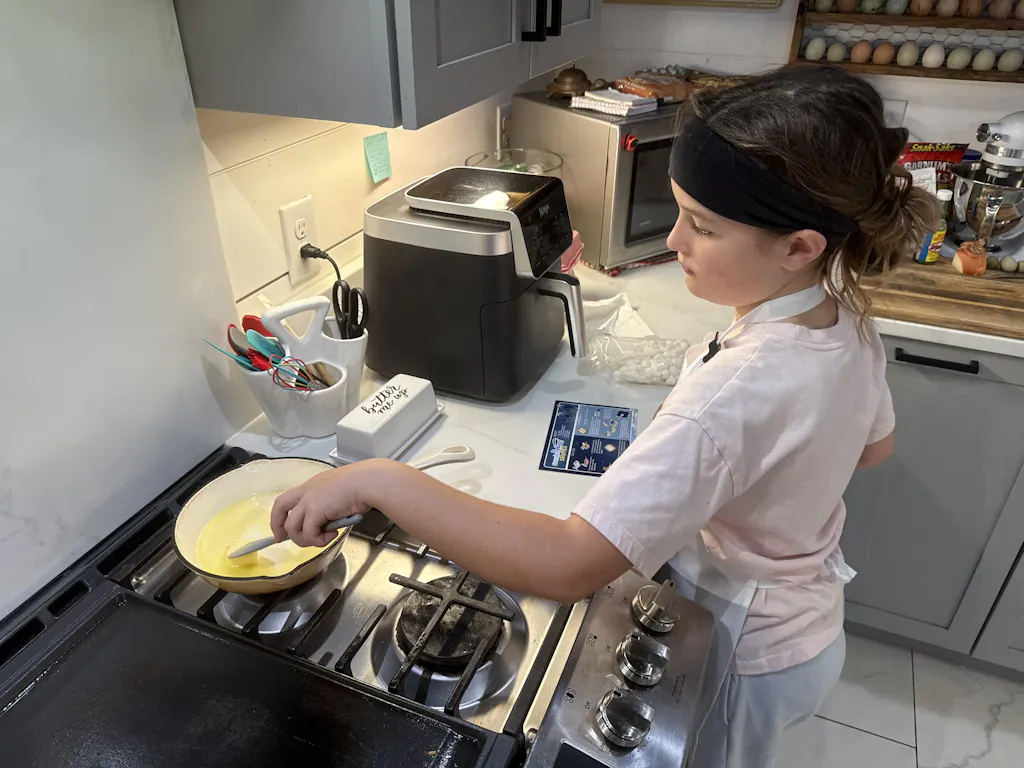
The kitchen is the heart of the home and a fantastic laboratory for young minds. You don’t need fancy ingredients to turn snack time into a learning moment.
1. The Great Bean Sort
Grab a bag of assorted dried beans. Give your child a few small bowls and ask them to sort the beans by color, size, or texture. This is a wonderful sensory activity that helps with fine motor skills and classification.
2. Homemade Play Dough
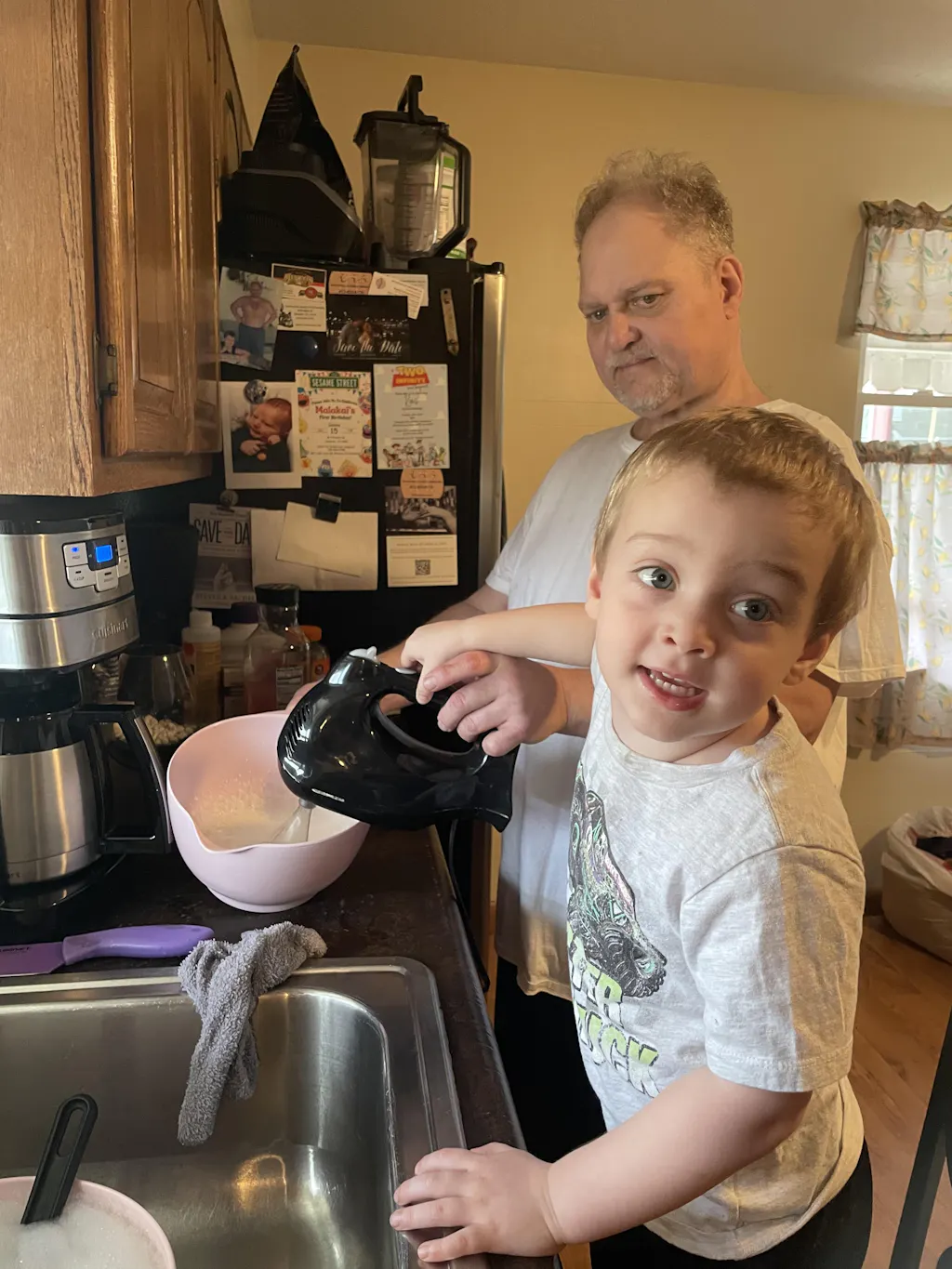
Mix flour, salt, and water (and maybe a little cream of tartar if you have it) to create a soft, moldable dough. It’s a chemistry lesson in a bowl! Kids can watch how liquid and powder combine to create a new substance.
3. "Washing" the Unbreakables
Fill a plastic bin with soapy water and give your toddler some plastic cups, spoons, and containers. Let them "scrub" the dishes. It’s a great way to cool down on a warm day and teaches them about responsibility in a fun way.
4. Kitchen Scrap Gardening
Don’t toss those celery ends or green onion bottoms! Place them in a shallow dish of water and watch them regrow. This is a beautiful way to show kids how plants thrive and where their food comes from.
5. Edible Finger Paint
If you have some yogurt or pudding, add a drop of food coloring. Let your little ones create art on a clean cookie sheet. It’s safe if they take a lick, and it’s a total sensory delight.
6. Bread Making 101
Yeast is a living organism, and watching it "wake up" in warm water with sugar is like magic. Letting kids knead the dough is a great workout for their hands and a lesson in patience while they wait for it to rise.
If your child falls in love with the science of the kitchen, you can ready yourself for a new adventure every month when you join The Chef's Club. Our kits come with pre-measured dry ingredients, making these "edutainment" moments even easier to facilitate.
Classic Indoor Free Fun Activities for Kids
When the weather doesn't cooperate, your living room can become a theater, a gymnasium, or a secret base.
7. The Living Room Fort
This is a rite of passage. Use every couch cushion, sheet, and clothespin you can find. Building a fort requires kids to think about structural integrity—how do we keep the "roof" from sagging?
8. A Reading Marathon
Pick a theme—maybe dinosaurs or space—and pull every book on that topic off the shelf. Pile up some pillows and spend the afternoon getting lost in stories.
9. Indoor Scavenger Hunt
Create a list of items for them to find: "something red," "something soft," "something that makes noise," and "something that starts with the letter B."
10. Shadow Puppet Theater
Hang a white sheet across a doorway and place a lamp behind it. Use your hands or cut out shapes from cereal boxes to tell stories.
11. Masking Tape Roads
Use painters' tape to create a massive network of roads and parking lots on your carpet or hardwood. Bring out the toy cars and let them navigate their new city.
12. Sock Toss
Roll up pairs of socks into "balls" and use a laundry basket as the hoop. It’s a great way to practice hand-eye coordination without any risk of breaking a window.
13. Balloon "Keepy Uppy"
The goal is simple: don't let the balloon touch the floor. It encourages movement and quick thinking.
Creative Arts and Crafts Without the Clutter
You don't need a trip to the craft store to be artistic. Look inside your recycling bin for inspiration.
14. Recycled Robot Building
Cereal boxes, toilet paper rolls, and bottle caps can be transformed into futuristic robots with a little tape or glue. This encourages children to see the potential in "trash" and sparks creative problem-solving.
15. Salt Dough Ornaments
Similar to play dough, salt dough can be baked in the oven until hard. Once cooled, kids can paint them. It’s a great way to create handmade gifts for grandparents.
16. Nature Collage
On your next walk, collect fallen leaves, twigs, and flat stones. Back home, glue them onto a piece of cardboard to create a nature-inspired masterpiece.
17. The "Draw a Town" Challenge
If you have a large roll of paper or even the inside of a flattened cardboard box, lay it out on the floor. Draw a town together, complete with a library, a park, and maybe even a tiny bakery.
18. Magazine Mosaics
Give your kids some old catalogs or magazines. Have them rip up colors to "paint" a picture by gluing the scraps onto a sheet of paper.
19. DIY Bookmarks
Cut strips from an old cereal box and let the kids decorate them with markers or stickers. It’s a functional craft that encourages more reading!
For those who want to dive deeper into creative themes, you can find the perfect theme for your little learner by browsing our complete collection of one-time kits. From galaxy themes to fossils, there is something for every interest.
Outdoor Explorations: Nature’s Playground
Getting outside is essential for physical health and mental clarity. Mother Nature offers the best free fun activities for kids.
20. Neighborhood Hikes
You don’t need to live near a mountain to go on a hike. A local trail or even a walk through a new neighborhood can be an adventure. Use the "AllTrails" app to find hidden gems in your own zip code.
21. Stargazing
On a clear night, spread a blanket in the backyard. Look for the North Star or the Big Dipper. It’s a simple way to introduce the concept of astronomy and the vastness of our universe.
22. Backyard Picnic
Everything tastes better outside. Pack a simple lunch and sit on the grass. It turns an ordinary meal into an event.
23. Bug Hunting
Give your child a magnifying glass (or just a clear jar) and go on an insect safari. Look under rocks and logs. Discuss how insects help the environment.
24. Sidewalk Chalk Art
Turn your driveway into a gallery. You can even draw a hopscotch grid or a "long jump" line to combine art with physical activity.
25. Tree Identification
Visit a local park and see how many different types of leaves you can find. Use a free app or a library book to identify the trees they came from.
26. Cloud Watching
Lie on your backs and describe what you see in the clouds. Is that a dragon? A giant cupcake? This builds vocabulary and sparks imagination.
27. Rock Painting
Find smooth stones on a walk and bring them home to wash and paint. You can even leave them around the neighborhood for others to find—a small act of community kindness!
Active Games for High-Energy Days
Sometimes kids just need to move! These activities are designed to get the heart rate up and the giggles flowing.
28. Backyard Obstacle Course
Use hula hoops, old tires, jump ropes, or even just sticks to create a course. Time each other to see who can finish the fastest.
29. Flashlight Tag
Once the sun goes down, head outside with flashlights. It’s a classic game that feels extra exciting in the dark.
30. Dance Party
Turn up the music and just dance! It’s a great way to shake off a bad mood and get some exercise.
31. Freeze Tag
Another classic. One person is "it," and when they touch someone, that person must freeze until another player crawls through their legs or taps them.
32. Water Balloon Pinata
Tie water balloons to a low tree branch. Let the kids try to pop them with a stick (under careful supervision). It’s a refreshing way to stay cool in the summer.
33. The Floor is Lava
An indoor favorite. Place pillows and cushions across the room. The goal is to get from one side to the other without touching the "lava" floor.
34. Bubble Blowing
You can make your own bubble solution with dish soap and water. Use a slotted spoon or a bent coat hanger as a wand.
Community Gems: Exploring Your Local Area for Free
Many parents forget that our local communities are filled with free resources designed specifically for families.
35. The Local Library
Beyond just books, most libraries offer free story times, craft hours, and even "STEM kits" you can check out. Many also offer "culture passes" that provide free admission to local museums or zoos.
36. Fire Station Visit
Most fire stations are happy to give a quick tour if they aren't busy. Call ahead and ask if you can bring the kids by to see the trucks. It’s a great way to teach them about community helpers.
37. Free Museum Days
Many museums have one day a month or a specific evening where admission is free. Check their websites and mark your calendar.
38. Pet Store "Zoo"
If a trip to the actual zoo isn't in the budget, a visit to a large pet store can be just as exciting. Looking at the fish, reptiles, and hamsters is a great way to talk about different animal habitats.
39. Home Depot Workshops
On the first Saturday of every month, many Home Depot locations offer free kids' workshops where they can build a small wooden project. It’s a fantastic way to introduce tools and woodworking.
40. Public Playgrounds
Don't just go to the one closest to you. Go on a "Playground Tour" and visit three different ones in your city that you've never been to before.
STEM at Home: Curiosity in Action
STEM stands for Science, Technology, Engineering, and Math. At I'm the Chef Too!, we live and breathe these subjects. You can foster this same curiosity with simple household items.
41. Sink or Float?
Fill a tub with water and gather various objects: a cork, a spoon, a rock, a plastic toy. Have your child predict whether each item will sink or float before dropping it in.
42. Baking Soda Volcano
The classic! Mix baking soda and vinegar (and maybe some red food coloring) and watch the chemical reaction. If you want to take this to a "delicious" level, you can explore a chemical reaction that makes our Erupting Volcano Cakes bubble over with deliciousness by trying our specific kit.
43. Magnetic Scavenger Hunt
If you have a strong magnet, give it to your child and see what "sticks" around the house. Talk about why certain metals are magnetic and others aren't.
44. DIY Telephone
Poke a hole in the bottom of two plastic cups and connect them with a long string. It’s a great lesson in how sound waves travel.
45. Paper Airplane Contest
Experiment with different folds and designs. Which one flies the farthest? Which one does the best loops? This is basic aerodynamics in action.
46. Shadow Tracking
Place a toy on a piece of paper in the sun. Every hour, trace its shadow. Your child will see how the Earth's rotation changes the position of the sun.
47. Building with "Blueprints"
Before building with blocks or LEGOs, have your child draw a "blueprint" of what they want to create. This bridges the gap between a 2D idea and a 3D reality.
48. Astronomy in the Kitchen
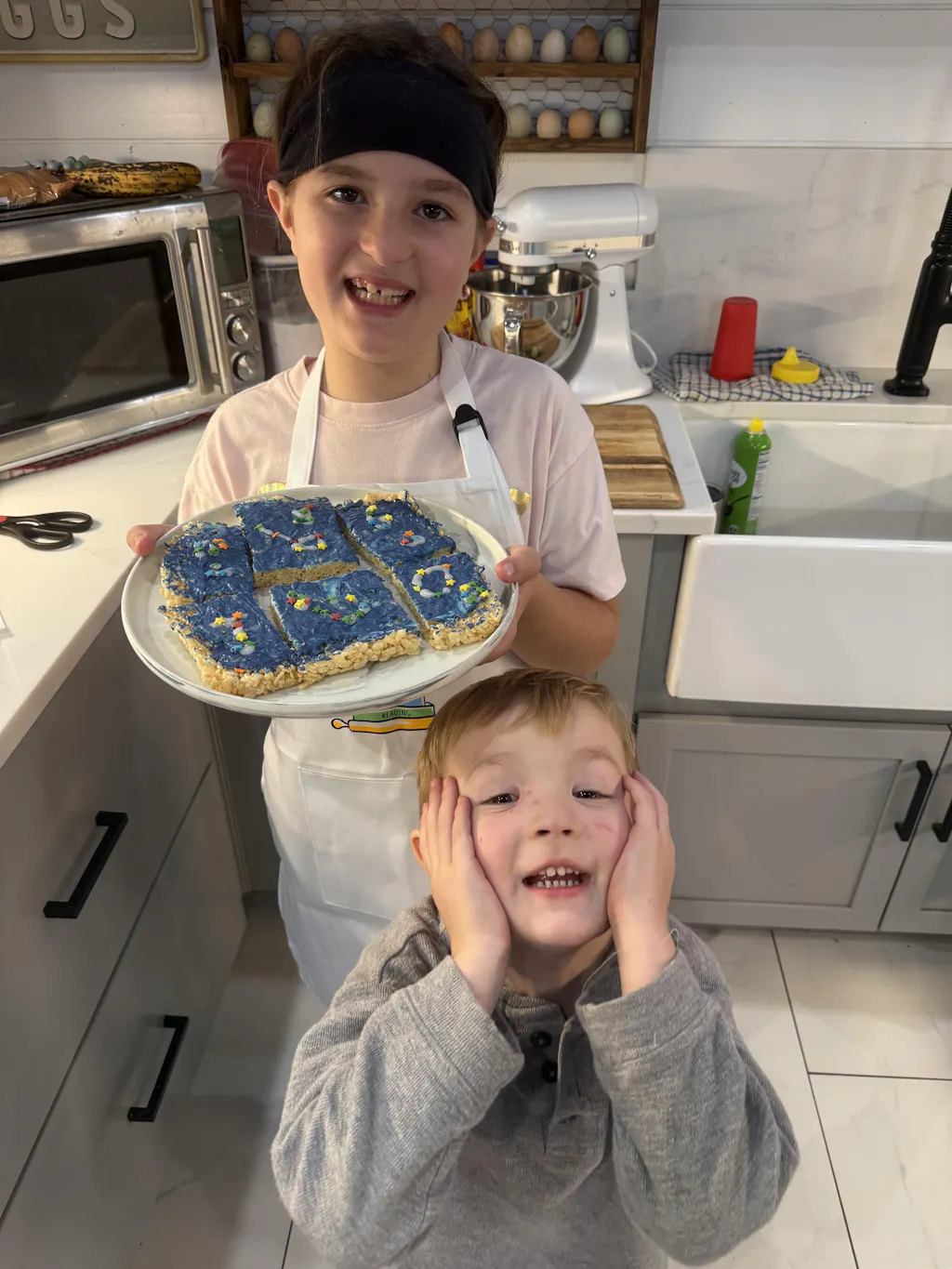
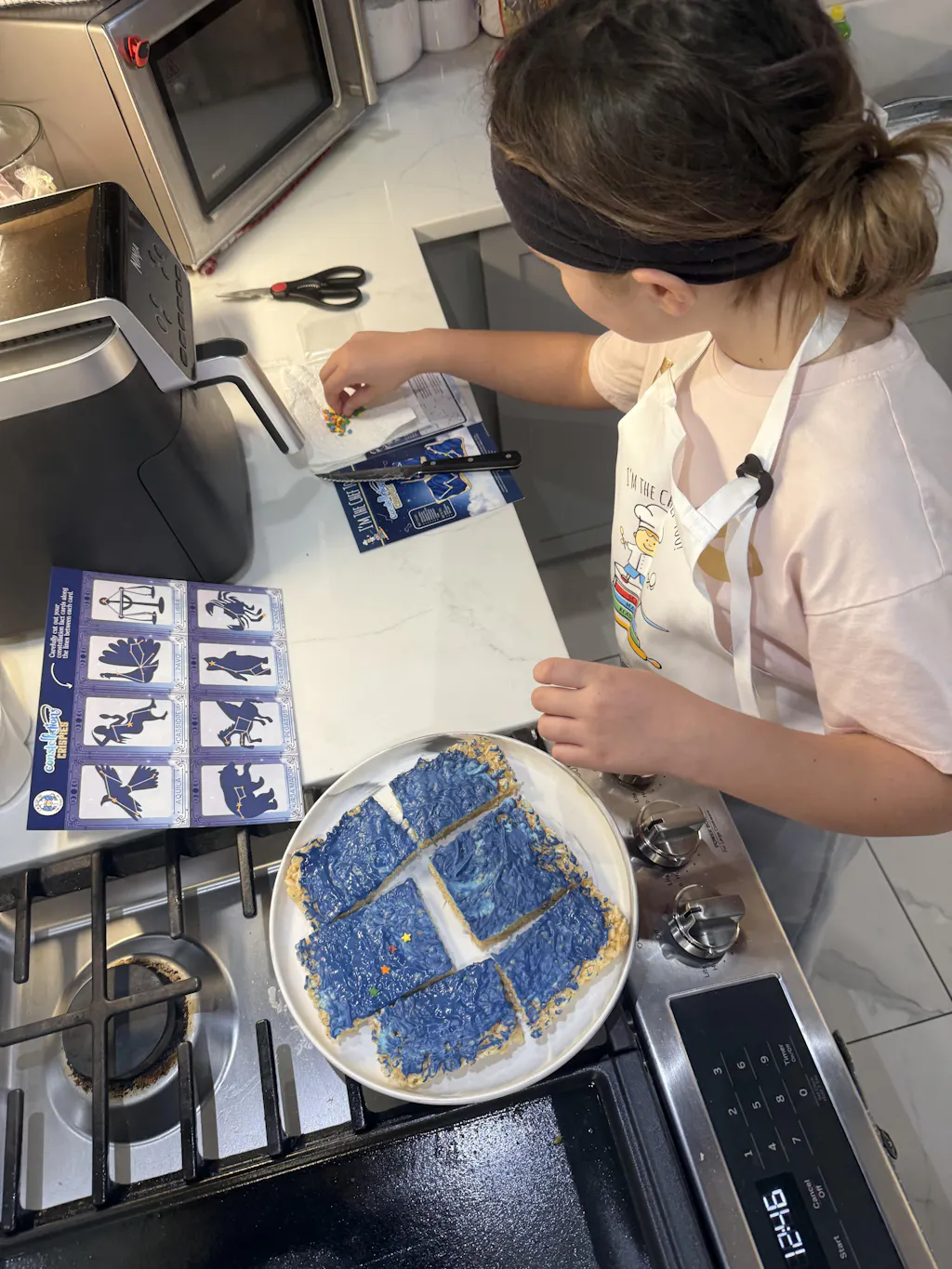
You can explore astronomy by creating your own edible solar system with our Galaxy Donut Kit, or you can simply use different sized fruits to represent the planets on your kitchen table.
Building Life Skills Through Daily Chores
Believe it or not, many kids actually enjoy helping with chores if they are framed as a "mission" or a game.
49. The Sorting Race
When the laundry is done, have a race to see who can sort the socks or find all the blue shirts the fastest.
50. Grocery Store "Helper"
Give your child their own small list (with pictures if they can't read yet). Have them be in charge of finding the apples and the bread. It builds confidence and navigation skills.
51. Matching Lid Game
Take all your Tupperware out and mix up the lids. Have your child find the match for each container. It's a great lesson in size and shape recognition.
52. Sweeping the "Island"
Put a small square of masking tape on the floor. Tell your child that all the "dust bunnies" need to be herded into that square island. It makes sweeping much more engaging.
Literacy and Language Fun
Building a love for words is one of the greatest gifts you can give a child.
53. Collaborative Storytelling
Start a story with one sentence: "Once there was a purple squirrel..." and have your child add the next sentence. Keep going until the story reaches a wild conclusion.
54. Write a Letter
In the age of email, receiving a physical letter is special. Have your child draw a picture or write a note to a grandparent or friend and walk it to the mailbox together.
55. Label the House
Write the names of common objects on sticky notes (Chair, Door, Window) and have your child place them on the correct items. This helps with word recognition.
56. Tongue Twister Challenge
Try saying "She sells seashells by the seashore" five times fast. It's a fun way to practice pronunciation and phonics.
57. Create a "Family Book"
Staple some pages together and have your child draw a picture of each family member, including pets. Have them tell you one thing they love about each person and write it down for them.
58. Rhyme Time
Say a word and see how many rhyming words you can come up with together. "Cat, bat, hat, sat!"
Imaginary Play: The Engine of Creativity
When children engage in pretend play, they are practicing empathy, social skills, and complex thinking.
59. Playing "Restaurant"
Set the table, create a "menu," and let your child be the server. They can practice their manners and even some basic math as they "charge" you for your meal.
60. Doctor's Office
Use a stuffed animal as the patient. Talk about how to be brave at the doctor and the importance of taking care of our bodies.
61. Space Station
Turn a large cardboard box into a cockpit. Use bottle caps as "buttons" for the controls. Where is the mission headed today? Mars? The moon?
62. Animal Charades
Act out an animal without making any noise. The other person has to guess what you are. It’s a great way to observe animal behaviors. Even beloved animals can make learning fun, like when kids make Wild Turtle Whoopie Pies in one of our more advanced kits!
63. Puppet Show
Use old socks or paper bags to make puppets. Put on a performance for the rest of the family.
64. Time Traveler
Pick a time period—the age of dinosaurs or the future—and "dress up" using items from the closet. Talk about what life would be like in that era.
The Importance of Boredom
It might sound counterintuitive, but sometimes the best "activity" is no activity at all. When we constantly entertain our children, they don't learn how to entertain themselves.
Allowing for "quiet time" or "unstructured play" encourages kids to tap into their own inner resources. You might find that after ten minutes of complaining about being bored, your child suddenly discovers that a simple cardboard box is actually a time machine. This type of self-directed play is where true creativity is born.
At I'm the Chef Too!, our kits provide the spark, but we love seeing where the children take the adventure from there. Whether they are decorating their donuts or building a volcano, the "extra" details they add are a testament to their growing imaginations.
Making Memories That Last a Lifetime
As we look through this list of free fun activities for kids, it’s clear that the common thread isn't money—it's time. The "edutainment" we strive for is as much about the connection between parent and child as it is about the STEM concepts being taught.
When you sit on the floor to build a fort or stand at the counter to mix dough, you are sending a powerful message to your child: "You are worth my time, and learning together is a joy." These moments build the confidence they need to tackle harder subjects later in life. They learn that failure (like a fallen fort or a salty cookie) isn't the end of the world—it's just a chance to try a different approach.
If you are looking to create a tradition of these learning moments, consider making it a monthly event. Give the gift of learning that lasts all year with a 12-month subscription to our STEM cooking adventures. It’s a convenient way to ensure that you always have a high-quality, screen-free activity ready to go, delivered right to your door with free shipping in the US.
Hypothetical Case Study: A Weekend Adventure
Imagine a parent, Sarah, who has a 6-year-old son, Leo. Leo loves everything about the ocean. On a rainy Saturday, Sarah decides to skip the movies and create a "Deep Sea Discovery" day at home for free.
First, they head to the kitchen and make "ocean slime" using some clear glue and blue food coloring they already had in the craft bin. While mixing, they talk about why the ocean looks blue. Next, they build a "Submarine Fort" in the living room using blue blankets. Inside the fort, they use a flashlight to look at a library book about whales. Later, for a snack, they cut sandwiches into fish shapes using a knife (Sarah handles the cutting, Leo handles the "decorating" with goldfish crackers).
By the end of the day, Leo hasn't touched a screen once. He’s learned about marine biology, practiced his fine motor skills, and spent quality time with his mom. This is the heart of what we do. And if Sarah wanted to take Leo's love for the ocean even further next month, she might explore our full library of adventure kits available for a single purchase in our shop to find a kit that matches his next big interest, like geology or space!
Frequently Asked Questions (FAQ)
What are the best free activities for toddlers?
For toddlers, sensory play is king. Activities like "washing" plastic dishes, sorting beans, or playing with homemade play dough are excellent. They are also at a great age for "keepy uppy" with balloons and simple hide-and-seek games.
How can I make learning fun without a screen?
The key is to make it tangible. Instead of watching a video about volcanoes, build one! Instead of playing a math game on a tablet, have them help you measure ingredients for a recipe. When kids can touch, smell, and see the results of their work, engagement skyrockets.
What should I do if my child says they are bored?
First, don't panic! Boredom is often the prelude to creativity. You can offer them two choices from this list (e.g., "Would you like to build a fort or go on a bug hunt?"). If they decline both, let them sit with the boredom for a few minutes. Often, they will find their own way to play.
Are these activities safe?
Most of these activities are very safe, but adult supervision is always required, especially when using kitchen tools, being near water, or exploring the outdoors. Always set clear boundaries, such as "no flashlights in the eyes" or "only grown-ups touch the oven."
How do I find free events in my city?
Check your local library's website, follow your city's parks and recreation department on social media, and look for "Macaroni Kid" or similar family-focused local blogs. These are goldmines for free community events.
Conclusion
Creating a world of wonder for your children doesn't require a huge budget or a house full of plastic toys. As we’ve seen, the most impactful free fun activities for kids are often the simplest ones. Whether you are exploring the "chemistry" of a kitchen recipe, the "engineering" of a cardboard fort, or the "biology" of your own backyard, you are providing your children with the building blocks of a lifelong love for learning.
At I’m the Chef Too!, we are honored to be a part of your family’s journey. Our mission is to take these simple moments of curiosity and turn them into one-of-a-kind "edutainment" experiences. We know how busy life can get, which is why we’ve worked hard to develop kits that make these hands-on adventures as convenient and high-quality as possible. Our kits are developed by educators and mothers who understand the importance of creating joyful, screen-free memories.
If you enjoyed these ideas and want to keep the momentum going, we invite you to join our community. Ready for a new adventure every month? Join The Chef's Club and enjoy free shipping on every box. It’s more than just a box; it’s a monthly reminder to slow down, get creative, and discover something delicious together. Thank you for letting us be a part of your kitchen adventures!