Table of Contents
- Introduction
- The Fruit Snack Spectrum: What Are We Actually Talking About?
- Why Age Matters: The Science of Chewing and Swallowing
- When Can Toddler Have Fruit Snacks? A Timeline
- The Hidden Concerns: Sugar and Dental Health
- Safety First: How to Serve Snacks Safely
- Creating Your Own Healthy "Fruit Snacks"
- The I'm the Chef Too! Philosophy: Learning Through Food
- A Broader Look at Common Choking Hazards
- Integrating STEM and Cooking for Toddlers
- Managing the "Sugar Rush" and Building Palates
- Educational Benefits of Hands-on Snack Prep
- Transitioning to Older Kid Snacks: What Comes Next?
- Summary of Key Takeaways
- Conclusion
- FAQ Section
Introduction
Have you ever found yourself in the middle of a grocery store aisle, staring at a box of brightly colored, fruit-shaped treats, wondering if your little one is finally old enough to enjoy them? You aren't alone. As parents, we often find ourselves caught between the convenience of a portable snack and the nagging worry about safety and nutrition. The crinkle of a fruit snack pouch is practically a universal signal for "snack time" in the toddler world, but knowing exactly when to introduce these chewy morsels is a common hurdle for many families.
In this guide, we’re going to dive deep into the world of toddler nutrition and safety, specifically answering the question: when can toddler have fruit snacks? We’ll explore the developmental milestones your child needs to reach, the difference between various types of snacks, and the primary safety concerns like choking hazards and sugar content. Beyond just the "when," we’ll also look at how to serve these foods safely and offer some incredible, hands-on alternatives that turn snack time into a learning adventure.
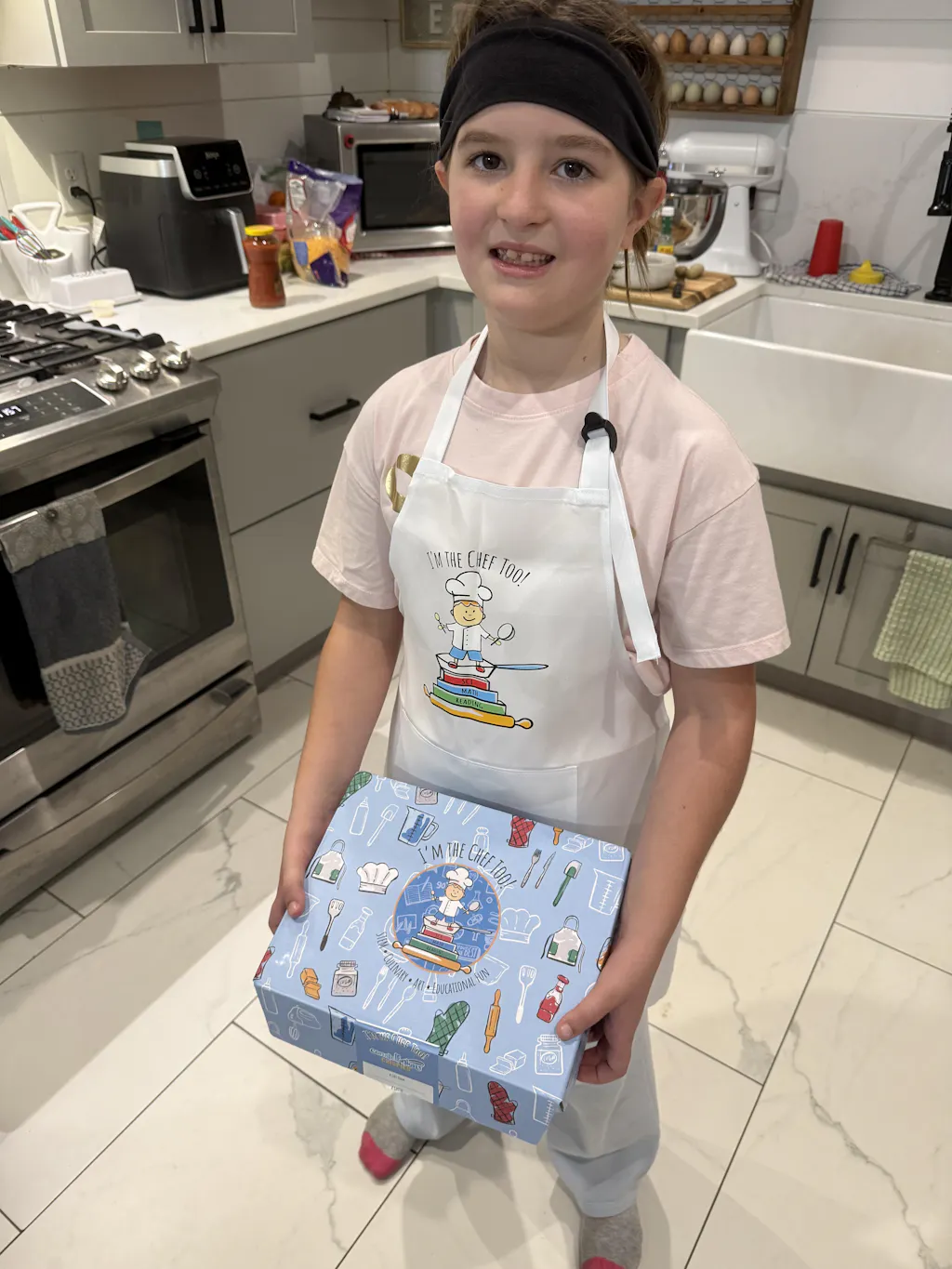
At I’m the Chef Too!, our mission is to blend food, STEM, and the arts into one-of-a-kind "edutainment" experiences. We believe that the kitchen is the ultimate laboratory for young minds. Our goal is to spark curiosity and creativity in children while facilitating family bonding. Whether you're a seasoned pro in the kitchen or just looking for a screen-free educational alternative for your weekend, we are here to help you navigate these early culinary milestones with confidence. By the end of this post, you'll have a clear understanding of the safety guidelines for fruit snacks and how to foster a lifelong love for healthy, creative eating in your child.
The Fruit Snack Spectrum: What Are We Actually Talking About?
When we ask "when can toddler have fruit snacks," it’s important to realize that not all fruit snacks are created equal. The term "fruit snack" covers a wide range of products, from pureed pouches to hard, rubbery gummy bears. Understanding this spectrum is the first step in determining safety.
Purees and Mashed Fruits
For our youngest learners, typically around 6 months old, "fruit snacks" should look like smooth purees or mashed-up fresh fruit. At this stage, babies are just beginning their journey with solids. We always recommend starting with single-ingredient purees like applesauce or mashed bananas. These are technically fruit snacks, and they are perfectly safe once your pediatrician gives the green light for solids.
Soft Fruit Bars and Melts
As your child reaches the 9-to-12-month mark, they often develop the "pincer grasp"—the ability to pick up small objects between their thumb and forefinger. This is a great time for "melts" or very soft, baked fruit bars designed specifically for infants. These are formulated to dissolve almost instantly in the mouth, reducing the risk of choking.
Commercial Gummy Fruit Snacks
This is the category most parents are asking about. These are the chewy, gelatin-based (or pectin-based) snacks that come in pouches. Because of their sticky and rubbery texture, these require significant chewing skills. Most experts and pediatricians suggest waiting until a child is at least 2 to 4 years old before introducing traditional gummy fruit snacks.
Ready for a new adventure every month? Join The Chef's Club and enjoy free shipping on every box. It’s a wonderful way to introduce your little one to new textures and flavors in a safe, guided way.
Why Age Matters: The Science of Chewing and Swallowing
It might seem like a small detail, but the way a child's mouth develops is a complex biological process. To safely eat a fruit snack, a toddler needs more than just a few front teeth.
The Role of Molars
Most toddlers don't get their second set of molars until they are between 20 and 33 months old. These back teeth are essential for "grinding" food. Without them, a child might try to swallow a chewy fruit snack whole. Because fruit snacks are often rubbery, they don't break down easily with just saliva or front-teeth biting; they require the grinding motion that only molars can provide.
The Choking Gap
There is a specific window of time where children are mobile and curious but haven't quite mastered the mechanics of safe eating. We call this the "choking gap." During this time, children are prone to "pocketing" food in their cheeks or laughing while eating, both of which increase the risk of a snack sliding into the airway.
Airway Size
A toddler’s airway is roughly the diameter of their pinky finger. Many commercial fruit snacks are shaped in a way that, if swallowed whole, could perfectly plug that small airway. This is why we are so focused on waiting until the child has the cognitive and physical maturity to sit still and chew thoroughly.
When Can Toddler Have Fruit Snacks? A Timeline
While every child develops at their own pace, here is a general timeline based on safety recommendations and developmental milestones.
6 to 12 Months: The Puree Phase
At this age, the answer to "when can toddler have fruit snacks" is: not yet in the gummy sense. Stick to purees and very soft, mashed fruits. This is a wonderful time to explore the shop and Find the perfect theme for your little learner by browsing our complete collection of one-time kits. While these kits are often for slightly older children, they provide a roadmap for the fun activities you have to look forward to!
12 to 24 Months: Transitioning to Soft Textures
Around the first birthday, you can introduce soft-cooked fruit pieces, such as steamed apple slices or very ripe pear chunks. Some "toddler-specific" fruit snacks that are marketed as "soft-baked" might be appropriate here, but always check the texture yourself. If you can’t easily squish it between two fingers, it’s too hard for a one-year-old.
2 to 3 Years: The "Maybe" Zone
By age two, many children have the dexterity and some molars to handle softer commercial fruit snacks (like Annie’s). However, supervision is still absolutely mandatory. If the snack is particularly sticky or "fruit leather" style, it may still be too difficult for them to manage safely.
4 Years and Up: The Safety Zone
By age four, most children have the full set of teeth and the impulse control to sit down and chew their food properly. At this stage, most fruit snacks, including the chewier varieties, are generally considered safe.
The Hidden Concerns: Sugar and Dental Health
Beyond the immediate physical danger of choking, we also have to consider the long-term impact of fruit snacks on a toddler's health.
The "Fruit" in Fruit Snacks
It’s a bit of a marketing trick—many fruit snacks contain very little actual fruit. Instead, they are often made of fruit juice concentrate, which is essentially sugar without the beneficial fiber of the whole fruit. The American Academy of Pediatrics recommends no added sugar for children under the age of two. Since most commercial fruit snacks are high in added sugar, this is another reason to delay their introduction.
Sticky Snacks and Cavities
Dentists are often not fans of fruit snacks. Because they are sticky, they tend to get lodged in the deep grooves of a child's molars. Combined with the high sugar content, this creates a perfect environment for bacteria to grow, leading to early childhood tooth decay. If your toddler does have fruit snacks, we recommend offering them with a meal (when saliva production is highest) and making sure they brush their teeth afterward.
Give the gift of learning that lasts all year with a 12-month subscription to our STEM cooking adventures. Our kits focus on real ingredients and the science behind them, helping to build healthy habits from the start.
Safety First: How to Serve Snacks Safely
Regardless of when you decide your child is ready, safety protocols should always be in place. Here are our top tips for a safe snacking environment:
- Sit Down and Stay Put: Never let a toddler eat fruit snacks (or any food) while running, playing, or lying down. Choking is much more likely to happen when a child is distracted or moving.
- The "One at a Time" Rule: It’s tempting for a toddler to shove a handful of snacks into their mouth. Encourage them to take one piece at a time and chew it completely before taking another.
- Active Supervision: This means being within arm's reach and looking at your child while they eat. Choking is often silent; you won't necessarily hear a child struggling.
- Know the Difference Between Gagging and Choking: Gagging is a loud, messy, and normal part of learning to eat. Choking is silent and requires immediate intervention. We always suggest parents take a basic infant/child CPR and first aid course.
Creating Your Own Healthy "Fruit Snacks"
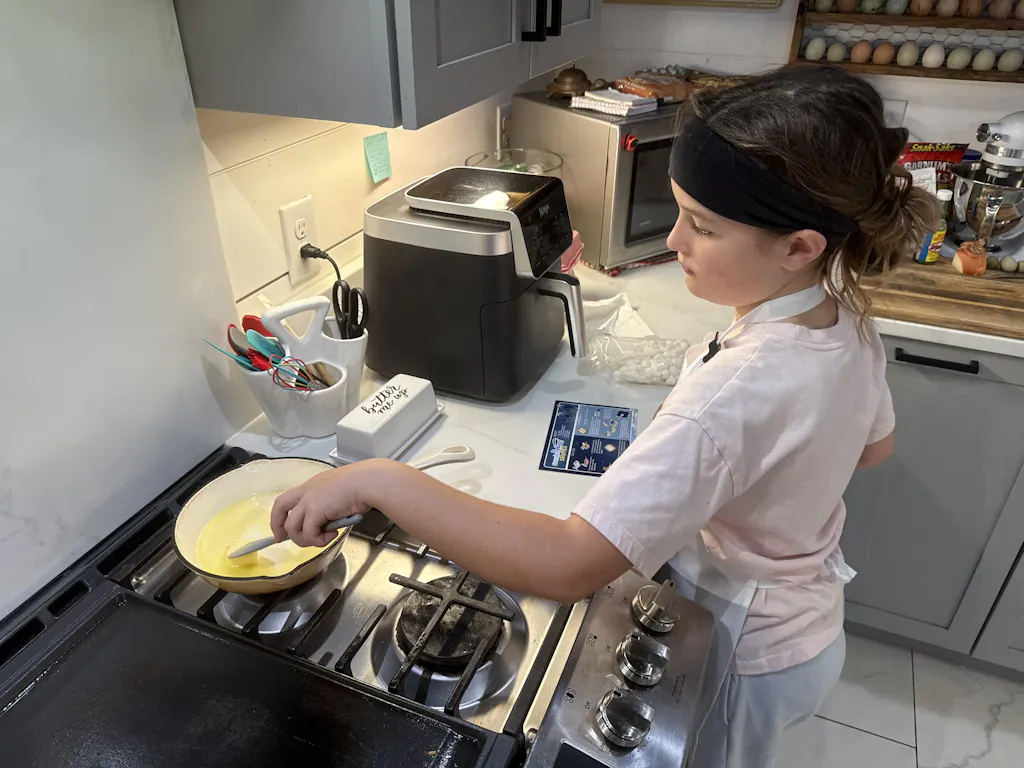
If you’re looking to provide the fun of a fruit snack without the risks of commercial gummies, the kitchen is your playground! At I’m the Chef Too!, we love teaching families how to transform simple ingredients into edible art.
Homemade Fruit Gelatin
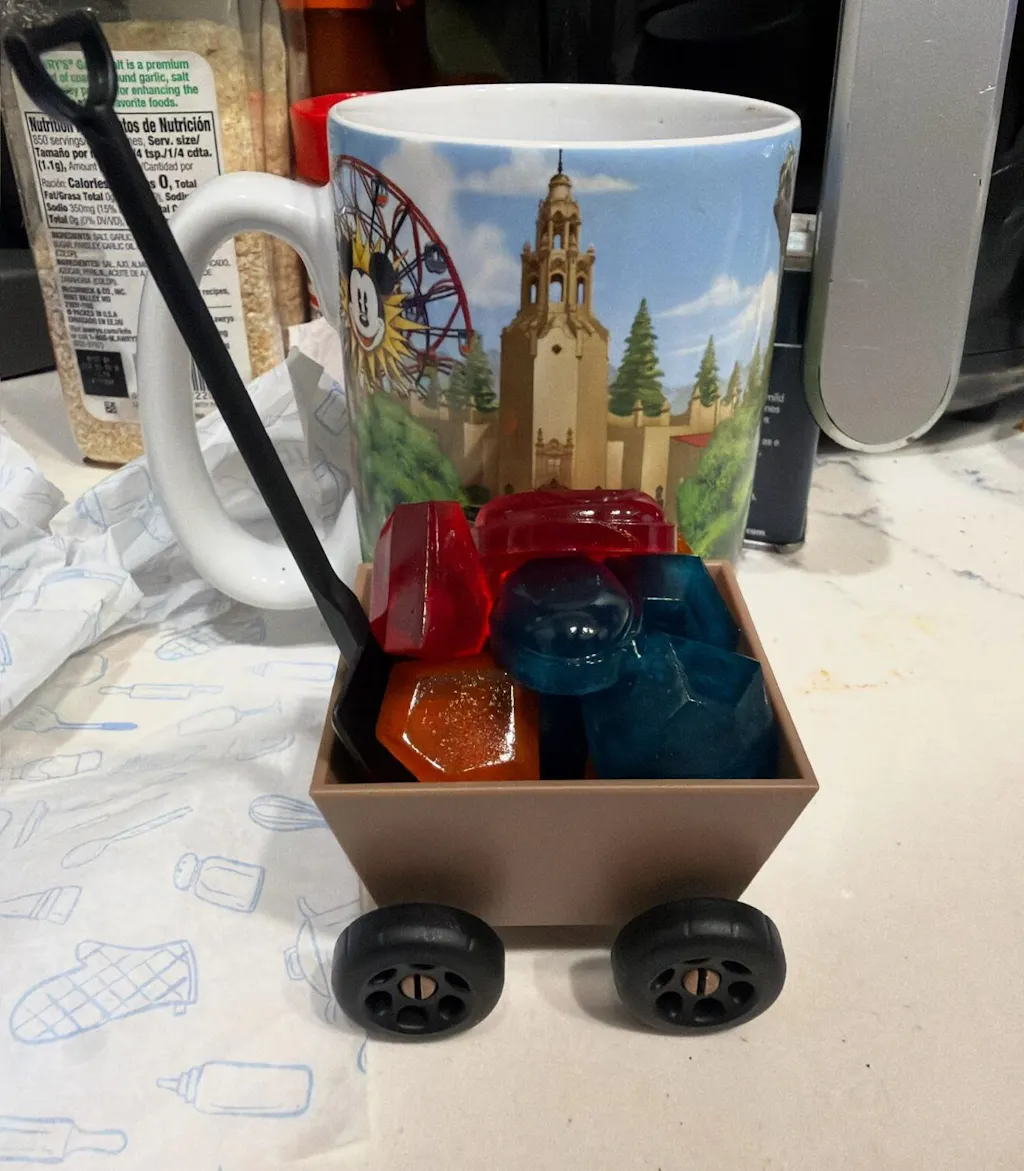
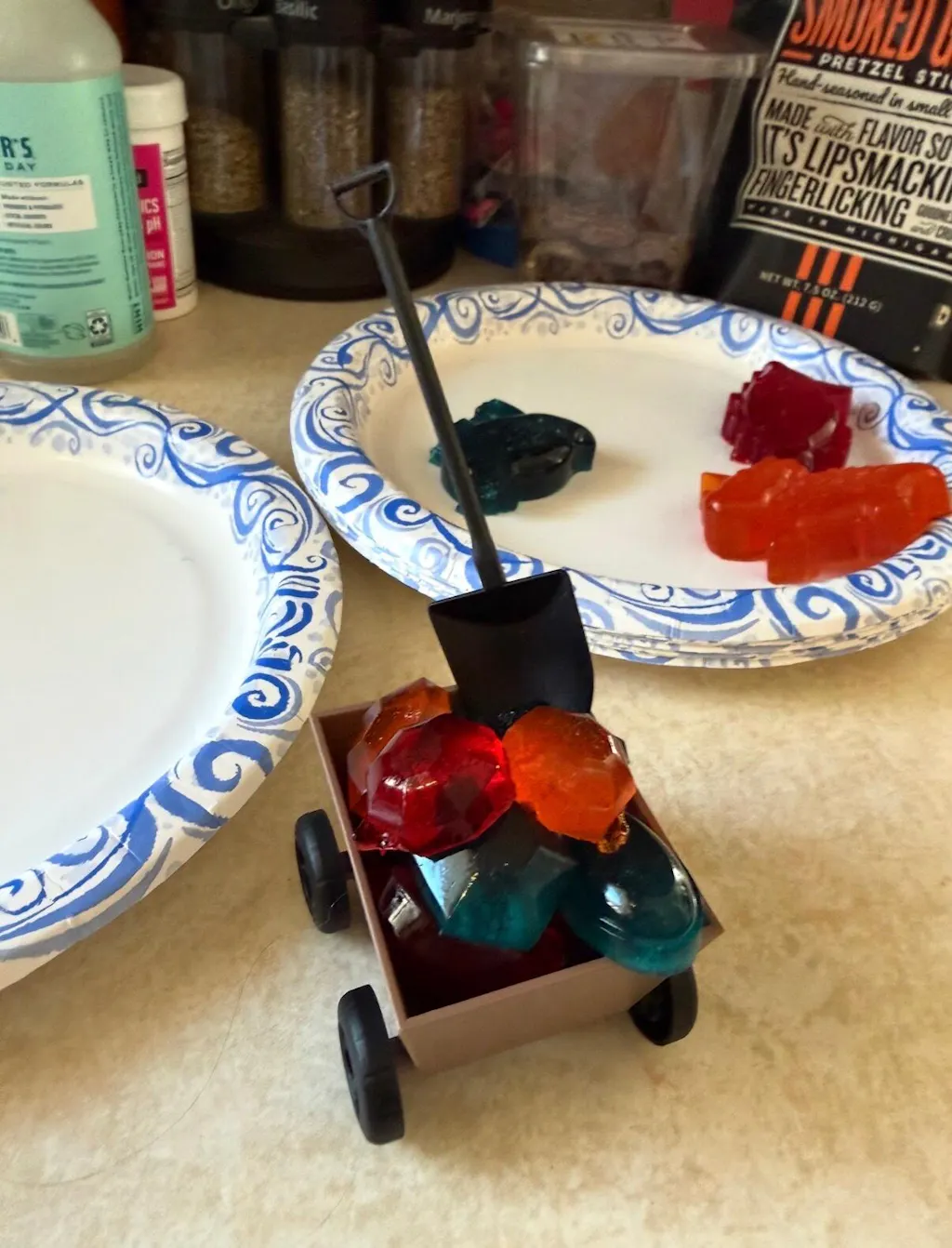
You can make a much safer version of a fruit snack using 100% fruit juice and unflavored gelatin (or agar-agar for a vegan option). By making it at home, you control the texture. You can make it softer and less "rubbery" than store-bought versions. Plus, using fun molds can turn it into a STEM lesson on how liquids turn into solids!
Frozen Fruit "Chips"
For a toddler who loves a bit of texture, thinly sliced strawberries or bananas that have been slightly frozen can be a refreshing and safe alternative. The cold helps with teething, and the fruit stays soft enough to be mashed by the gums.
Dehydrated (But Not Crunchy) Fruit
Using a low-temperature oven, you can slowly dry out thin slices of apple or mango. The key for toddlers is to stop the process while the fruit is still pliable and soft, rather than letting it get "leathery" or "crunchy," which can create sharp edges or difficult-to-chew textures.
The I'm the Chef Too! Philosophy: Learning Through Food
We believe that every time a child enters the kitchen, they are doing more than just making a snack; they are exploring physics, chemistry, and mathematics. When you discuss the texture of an apple or the way a gummy snack feels "squishy," you are helping your child build their vocabulary and sensory processing skills.
Imagine a parent looking for a screen-free weekend activity for their 3-year-old who is obsessed with the ocean. Instead of reaching for a bag of fish-shaped fruit snacks, they could work together on one of our kits. For example, Even beloved animals can make learning fun, like when kids make Wild Turtle Whoopie Pies. This activity allows the child to touch the dough, see the transformation in the oven, and understand the "why" behind their food.
By involving toddlers in the preparation of their food, we take the mystery out of new textures. A child who has helped mash a banana is often much more likely to try a new fruit-based dish than one who is simply handed a mysterious, processed snack.
A Broader Look at Common Choking Hazards
While the focus today is on fruit snacks, many of the same rules apply to other common toddler foods. The provided search results highlight several items that parents often have questions about. Let’s look at a few:
Apples
Raw apples are a major choking hazard for toddlers. We recommend shredded raw apple starting at 12 months, and thinly sliced raw apple only after 18 to 24 months. For younger toddlers, sauteed or baked apples are a much safer "fruit snack."
Grapes
Whole grapes are perfectly sized to block a child’s airway. Always cut grapes lengthwise (into quarters for younger toddlers) until the age of four. This simple step changes the shape so it cannot create a seal in the windpipe.
Popcorn and Chips
The American Academy of Pediatrics recommends waiting until age 4 for popcorn. It is easily inhaled into the lungs (aspiration) and has sharp hulls that are difficult for toddlers to manage.
Hot Dogs and Meat Sticks
Like grapes, these should never be served in "round" slices. Always cut them lengthwise and then into small pieces.
For more structured learning that keeps safety and fun at the forefront, Explore our full library of adventure kits available for a single purchase in our shop.
Integrating STEM and Cooking for Toddlers
You might wonder how a discussion about fruit snacks relates to STEM (Science, Technology, Engineering, and Math). The truth is, the kitchen is where these concepts come to life for a child!
Observation and Hypothesis
When you give your toddler a piece of fruit, ask them: "What does it feel like? Is it cold? Is it bumpy?" This is the beginning of the scientific method. They are observing their environment and making deductions.
Changes in States of Matter
Cooking is all about transitions. We see this in a chemical reaction that makes our Erupting Volcano Cakes bubble over with deliciousness. While a toddler might not understand the chemistry of sodium bicarbonate and acid, they can certainly witness the "magic" of the reaction.
Math in Action
Even at a young age, counting out three slices of apple or two fruit "melts" introduces the concept of one-to-one correspondence. This is a foundational math skill that happens naturally during snack time.
Ready for a new adventure every month? Join The Chef's Club and enjoy free shipping on every box. Our kits are designed by mothers and educators to ensure the content is age-appropriate and engaging for your little scientist.
Managing the "Sugar Rush" and Building Palates
One of the reasons we suggest delaying highly sweetened fruit snacks is to help protect your child's developing palate. Toddlers are naturally drawn to sweet flavors because breastmilk and formula are sweet. However, if we over-expose them to concentrated sugars (like those found in commercial gummies), they may begin to reject the more subtle sweetness of a fresh blueberry or a piece of melon.
We want our children to appreciate the "rainbow" of flavors. By focusing on whole food "fruit snacks" in the early years, you are training their taste buds to enjoy a variety of foods. This makes it much easier to introduce vegetables and proteins later on.
Case Study: The "New Food" Adventure
Consider a family with a 2-year-old named Leo. Leo is starting to become a picky eater and only wants orange-colored "fruit snacks." His parents decide to use a "bridge" food. They start with a sweet, mashed sweet potato (similar in color and sweetness), then move to steamed carrot coins, and finally to orange slices. By using the toddler's natural preference for sweet, soft textures, they've expanded his palate while keeping him safe. This is the kind of practical, realistic approach we advocate for.
Educational Benefits of Hands-on Snack Prep
When children help prepare their snacks, they are building more than just a meal. They are building confidence. A toddler who "helps" wash the grapes (which a parent then cuts) or "stirs" the fruit puree feels a sense of agency. This empowerment is a key part of our educational philosophy. We aren't just teaching kids to cook; we are teaching them that they are capable, creative individuals.
Our kits are designed to be a "complete experience." Each box contains pre-measured dry ingredients and specialty supplies, making it easy for you to focus on the fun part: the bonding and the learning. No need to hunt for obscure ingredients or worry about measurements; we’ve done the heavy lifting for you.
Give the gift of learning that lasts all year with a 12-month subscription to our STEM cooking adventures. It’s the perfect way to ensure your child has a consistent, screen-free outlet for their curiosity.
Transitioning to Older Kid Snacks: What Comes Next?
As your child grows past the toddler years and into the "big kid" phase (ages 5 and up), their culinary world expands even further. This is when they can start handling more complex textures and even participating in more advanced kitchen science.
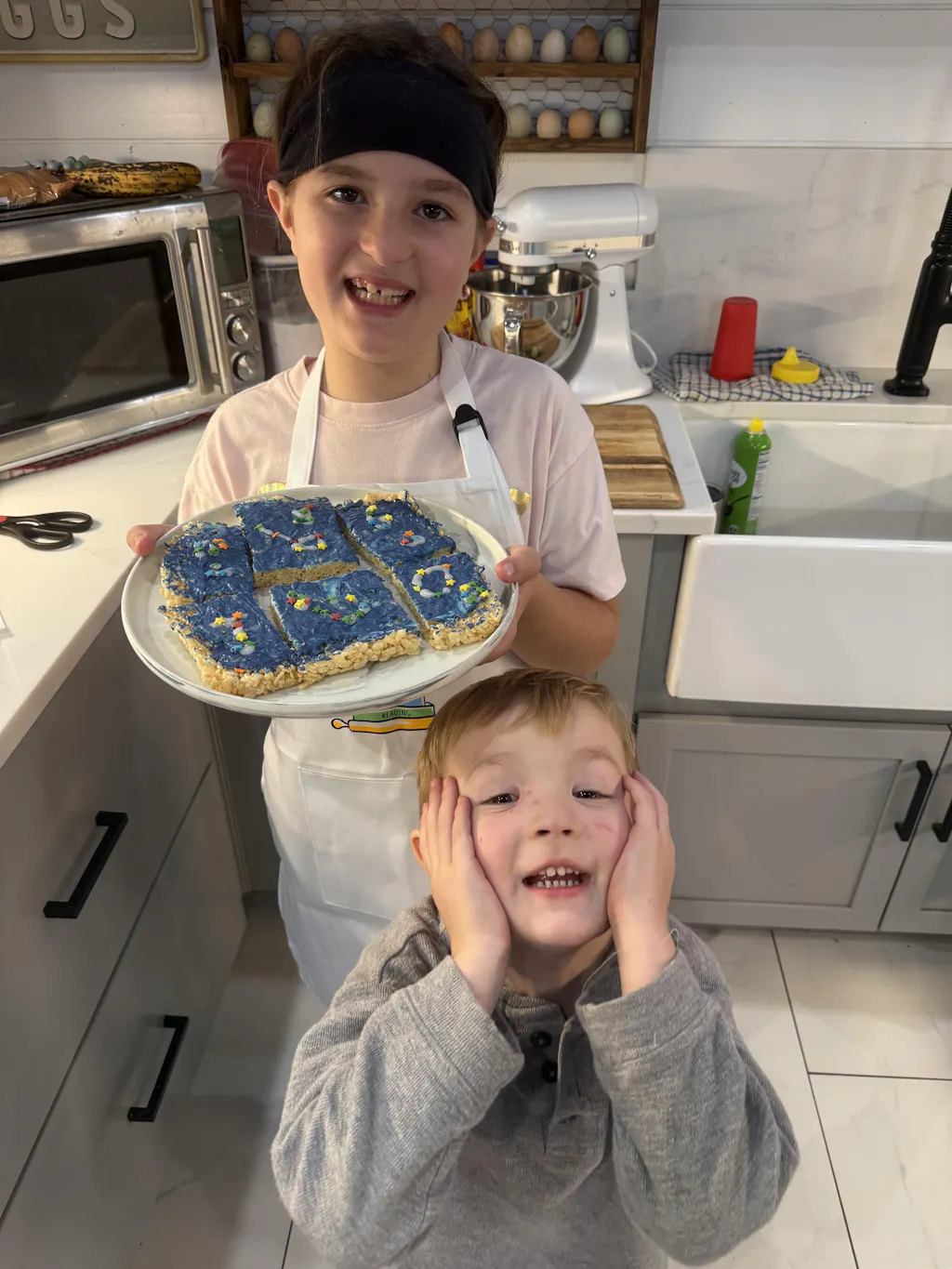
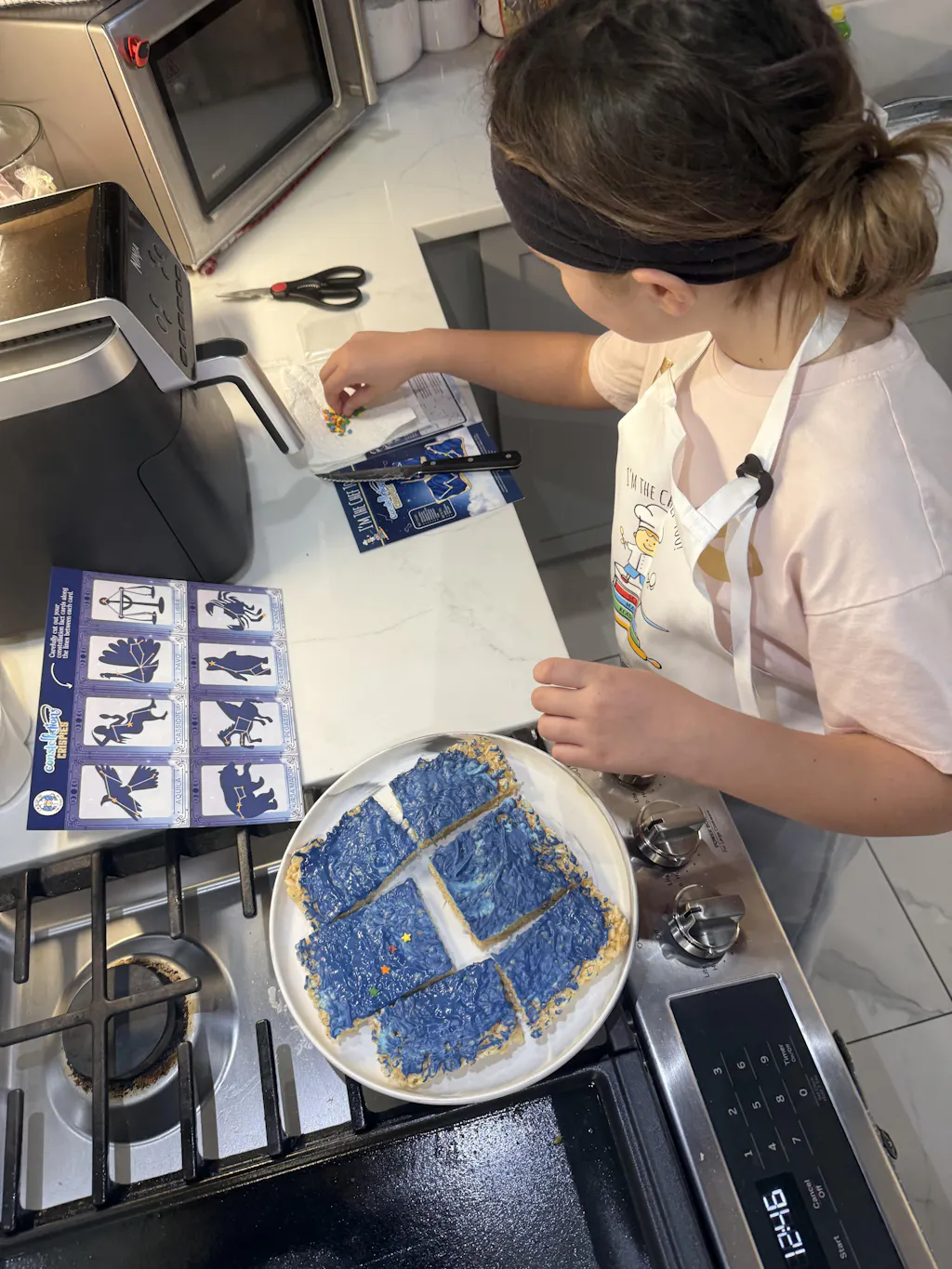
By the time they are five, the question of "when can toddler have fruit snacks" is a distant memory. Now, you might be looking at how to explore astronomy by creating your own edible solar system with our Galaxy Donut Kit. The skills they learned while safely navigating their first fruit snacks—chewing thoroughly, sitting while eating, and trying new flavors—become the foundation for these more advanced adventures.
Summary of Key Takeaways
To recap, here are the most important points to remember about toddlers and fruit snacks:
- Age Matters: Avoid commercial gummy fruit snacks until at least age 2, and ideally age 3 or 4 for harder varieties.
- Texture is Key: If you can't squish it easily between your fingers, it’s a choking hazard for a toddler.
- Supervision is Mandatory: Always watch your child while they eat, and ensure they are sitting upright and calm.
- Watch the Sugar: Many fruit snacks are closer to candy than fruit. Prioritize whole fruit or homemade alternatives to protect dental health and build a better palate.
- The Kitchen is a Classroom: Use snack time as an opportunity to talk about science, math, and textures.
Conclusion
Navigating the world of toddler snacks can feel like a big responsibility, but it’s also an incredible opportunity to bond with your child. By understanding the "why" behind the safety guidelines—from molar development to airway size—you can make informed decisions that keep your little one safe and healthy. Remember, the question of "when can toddler have fruit snacks" is about more than just a date on a calendar; it’s about your child’s unique developmental journey.
At I'm the Chef Too!, we are committed to helping you turn these everyday moments into joyful memories. Whether you're mashing your first banana puree together or exploring the wonders of geology through cake, the time spent in the kitchen is never wasted. We invite you to move beyond the pre-packaged snack aisle and into a world of hands-on, delicious discovery.
Are you ready to turn your kitchen into a laboratory of fun and learning? Ready for a new adventure every month? Join The Chef's Club and enjoy free shipping on every box. Let’s start cooking up some curiosity together!
FAQ Section
What are the safest fruit snacks for a 1-year-old?
For a one-year-old, the safest "fruit snacks" are fresh, soft-cooked fruits. Think steamed apple slices (without skin), ripe banana pieces, or canned peaches (in juice, not syrup) cut into small, bite-sized bits. Avoid anything rubbery or sticky.
Can fruit snacks cause constipation in toddlers?
While fruit snacks themselves aren't a direct cause of constipation, they lack the fiber found in whole fruit. If a toddler fills up on processed fruit snacks instead of high-fiber foods like whole berries, pears, or vegetables, it could contribute to digestive sluggishness. Always pair snacks with plenty of water!
Are "Organic" fruit snacks safer for toddlers?
"Organic" refers to how the ingredients were grown, not the physical texture of the snack. An organic gummy snack can be just as much of a choking hazard as a conventional one. Always prioritize texture and age-appropriateness over the "organic" label when it comes to safety.
My toddler swallowed a fruit snack whole. What should I do?
If your child is coughing, crying, or speaking, their airway is not completely blocked. Stay calm and encourage them to cough it up. However, if they cannot breathe, cough, or make sound, or if they are turning blue, perform the Heimlich maneuver for children immediately and call emergency services. This is why we emphasize sitting and chewing!
How do I know if my toddler is ready for chewier snacks?
Look for these signs: they have their back molars, they consistently sit still while eating, they no longer "stuff" their mouth with multiple pieces of food, and they can successfully grind down other "intermediate" textures like soft crackers or cooked meats. When in doubt, wait a few more months!