Table of Contents
- Introduction
- The Psychology of the Dinner Table
- Building a Kid-Friendly Menu Strategy
- The STEM Connection: Why Cooking is Learning
- Quick and Healthy Dinner Ideas
- Encouraging Picky Eaters to Try New Things
- Detailed Recipe Blueprints for Stress-Free Evenings
- Making Dinner a Screen-Free Haven
- Meal Prep Tips for the "What to Feed My Kids" Panic
- The Importance of Realistic Expectations
- Incorporating Global Flavors
- How to Handle Different Age Groups
- Creating a Positive Mealtime Environment
- Summary of Dinner Planning Success
- Frequently Asked Questions
- Conclusion
Introduction
"What’s for dinner?" It is the four-word question that can strike a unique kind of chord in the heart of any parent. Whether you are standing in front of an open refrigerator at 5:30 PM or trying to plan your week on a Sunday afternoon, deciding what to feed your kids for dinner often feels like a puzzle with missing pieces. We have all been there—balancing the desire for nutrition with the reality of a busy schedule, all while hoping the final result is something the kids will actually eat.
At I'm the Chef Too!, we believe that dinner time doesn't have to be a source of stress. In fact, it can be the highlight of your day. Our mission is to blend food, STEM, and the arts into one-of-a-kind "edutainment" experiences that transform the kitchen into a laboratory of discovery. When you change the perspective from "feeding" to "exploring," the entire atmosphere of the home shifts.
In this blog, we are going to dive deep into the world of kid-friendly dinners. We will explore how to move past the "chicken nugget rut," how to involve your little ones in the process to curb pickiness, and provide you with a massive library of ideas that answer the "what to feed my kids for dinner" question once and for all. We’ll also look at how these meals can become a screen-free educational alternative that sparks curiosity and builds lasting family memories. Our goal is to provide you with practical, realistic advice that helps you foster a love for learning and healthy eating in your children, one delicious bite at a time.
The Psychology of the Dinner Table
Before we look at specific recipes, it is helpful to understand why the question of what to feed our kids feels so heavy. Dinner is more than just refueling; it is a time for connection. However, when children are tired from school and parents are drained from work, power struggles often emerge.
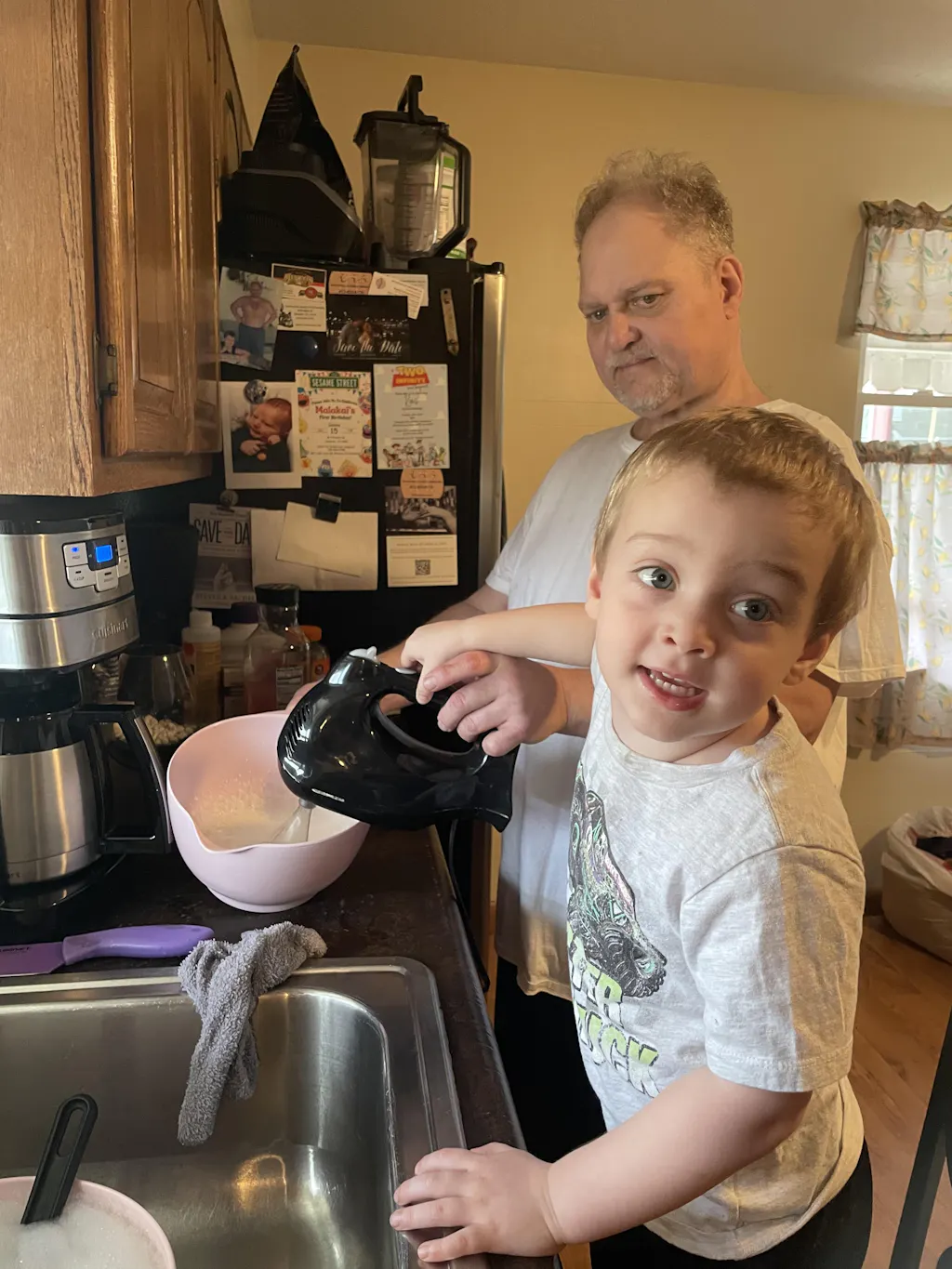
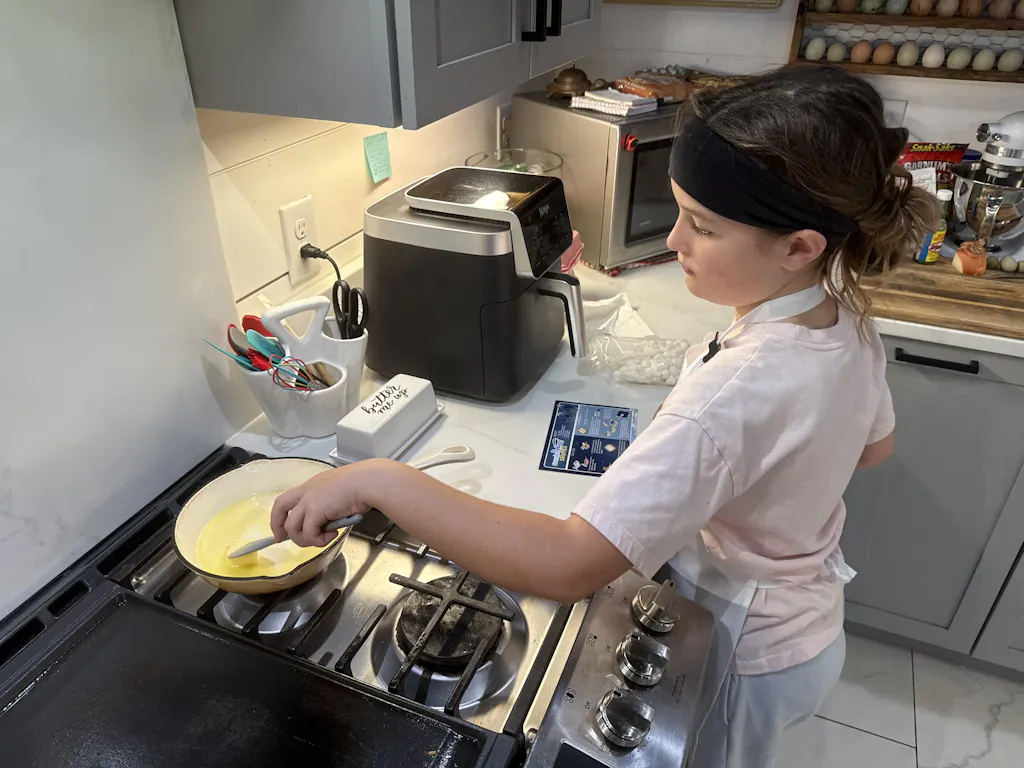
We have found that the best way to bypass these struggles is to invite children into the "inner circle" of meal preparation. When a child helps whisk the sauce or pick the vegetable, they feel a sense of ownership over the meal. This is a core part of our educational philosophy. By making the kitchen a place of hands-on adventure, we help children develop a positive relationship with food.
If you find yourself struggling to find the time for this kind of engagement, we have a solution that brings the adventure right to you. Ready for a new adventure every month? Join The Chef's Club and enjoy free shipping on every box. Our kits are designed by mothers and educators to make sure that the time you spend in the kitchen is filled with joy, not just chores.
Building a Kid-Friendly Menu Strategy
When you are wondering what to feed your kids for dinner, it helps to have a framework. Instead of looking at individual recipes, think about "categories" that kids generally love. This allows for flexibility based on what you have in your pantry.
The "Build Your Own" Model
This is a lifesaver for families with picky eaters or varying dietary needs. By laying out ingredients and letting kids assemble their own plates, you remove the "fear of the unknown."
- Taco Bars: Bowls of beans, seasoned meat, shredded cheese, lettuce, and mild salsa.
- Pizza Night: Individual crusts with different sauce and topping options.
- Potato Skins: Baked potato halves that kids can fill with broccoli, cheese, or bits of bacon.
The "Hidden Gem" Approach
While we always advocate for letting kids see and experience whole vegetables, sometimes you just need to get the nutrients in.
- Smoothie Soups: A creamy tomato soup can be packed with blended carrots and red peppers.
- Pasta Sauce: Blending sautéed zucchini or spinach into a marinara sauce is a great way to add vitamins without changing the flavor profile significantly.
The "Breakfast for Dinner" Twist
There is something inherently exciting for a child about eating pancakes when the sun is going down. This is often a low-stress way to end a long day.
- Veggie Omelets: A great way to use up leftover vegetables.
- Whole Grain Waffles: Serve with fresh fruit and a side of yogurt for protein.
The STEM Connection: Why Cooking is Learning
When we talk about what to feed our kids, we aren't just talking about calories. We are talking about chemistry, biology, and physics! At I'm the Chef Too!, we see every recipe as a lesson.
For example, when you are making a simple pizza dough, you are actually observing a biological process. The yeast is a living organism that consumes sugar and releases carbon dioxide, causing the dough to rise. Explaining this to your child as you knead the dough together turns a simple meal into a science experiment.
If your child is particularly interested in how things work, they might love exploring the earth through food. Imagine a chemical reaction that makes our Erupting Volcano Cakes bubble over with deliciousness. This kind of hands-on learning builds confidence and fosters a genuine love for learning that goes far beyond the classroom.
Quick and Healthy Dinner Ideas
Let's get into the specifics. Here are several categories of meals that answer the question: what to feed my kids for dinner tonight?
1. The 15-Minute Favorites
When time is of the essence, these meals provide nutrition without the long wait.
- Quesadillas with a Twist: Use whole wheat tortillas and fill them with black beans, sweet potato puree, and monterey jack cheese.
- English Muffin Pizzas: Faster than delivery and much more fun. Let the kids decorate their "pizza faces" with olive eyes and bell pepper smiles.
- Pantry Pasta: Toss whole grain pasta with olive oil, garlic powder, parmesan cheese, and a bag of frozen peas. The peas thaw instantly in the hot pasta!
2. Slow Cooker and One-Pot Wonders
These are perfect for busy school nights because the heavy lifting is done ahead of time.
- Mild Turkey Chili: Loaded with beans and corn, this is a fiber powerhouse.
- Chicken and Rice Bake: A comforting classic that requires very little cleanup.
- Vegetable Fried Rice: Use leftover rice, frozen mixed veggies, and scrambled eggs for a complete meal in under 20 minutes.
3. "Dippable" Dinners
Kids love to dip! It makes eating interactive and fun.
- Homemade Chicken Tenders: Breaded with crushed cornflakes or whole wheat breadcrumbs and baked until crispy. Serve with a side of honey mustard or Greek yogurt ranch.
- Apple and Cheese Slices with Turkey Roll-ups: Sometimes a "snack plate" is exactly what a child needs for dinner.
- Baked Tofu Nuggets: A great plant-based option that takes on whatever flavor you dip it in.
Encouraging Picky Eaters to Try New Things
One of the biggest hurdles in deciding what to feed your kids for dinner is the dreaded "I don't like that!" even before they’ve tasted it. We recommend a few "educator-approved" strategies to help expand their palates:
- The "One Bite Rule": Encourage them to try just one tiny "scientist taste" of a new food. No pressure to finish it, just an exploration of texture and flavor.
- Change the Texture: If they don't like steamed broccoli, try roasting it with a little olive oil and salt until it's "tree-shaped chips."
- The Power of Choice: Instead of asking "Do you want carrots?", ask "Do you want raw carrots with dip or roasted carrots with honey?" Giving them autonomy often leads to more willingness to eat.
To make this even more exciting, you can turn mealtime into a themed event. Find the perfect theme for your little learner by browsing our complete collection of one-time kits. Whether they are interested in space, dinosaurs, or the ocean, having a kit that aligns with their interests makes them much more likely to engage with the food.
Detailed Recipe Blueprints for Stress-Free Evenings
To truly answer the question of what to feed my kids for dinner, let’s look at some detailed "blueprints." These aren't just recipes; they are flexible guides you can adapt to your family's tastes.
The "Garden" Mac and Cheese
Macaroni and cheese is a universal kid favorite. To make it a more balanced dinner, try this:
- The Base: Use a high-protein chickpea pasta or a whole-wheat blend.
- The Sauce: While making your cheese sauce (a great lesson in emulsification!), stir in a cup of butternut squash puree. It matches the color of the cheese perfectly and adds a boost of Vitamin A.
- The "Trees": Add finely chopped broccoli florets during the last two minutes of the pasta boiling.
- The Result: A familiar comfort food that packs a nutritional punch.
The "Galaxy" Flatbreads
This is where art meets dinner.
- The Dough: Use store-bought flatbread or make a quick Greek yogurt and flour dough.
- The "Space Sauce": Use a purple sweet potato puree or a traditional marinara.
- The "Stars": Use a small star-shaped cookie cutter to cut shapes out of mozzarella slices.
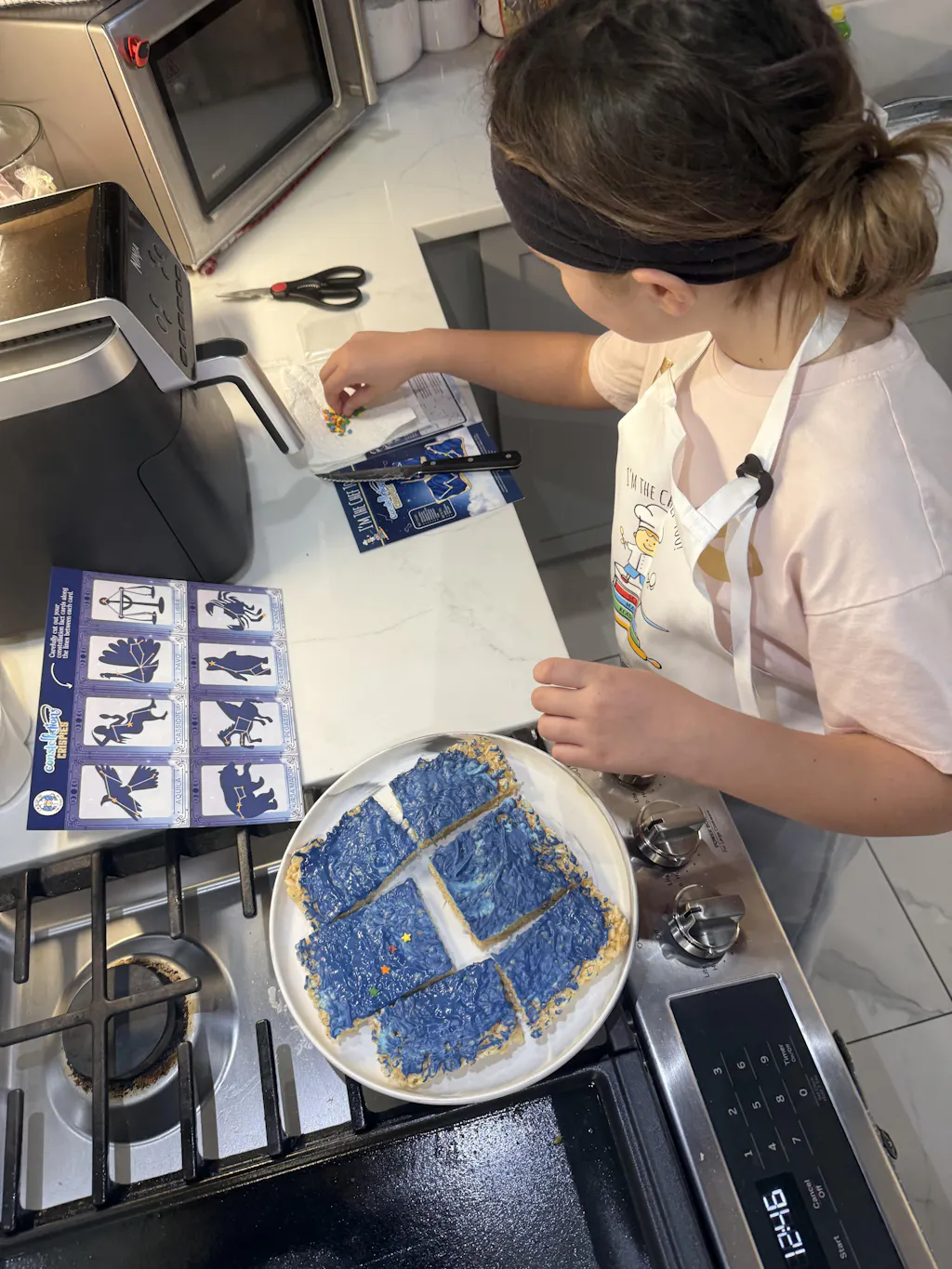
- The STEM Lesson: Discuss the different colors of stars in the universe while you assemble. You can even explore astronomy further by creating your own edible solar system with our Galaxy Donut Kit for dessert!
"Sailboat" Zucchini Boats
Turning food into a shape can be the key to getting kids to eat green vegetables.
- The Boat: Slice zucchinis in half lengthwise and scoop out the seeds.
- The Cargo: Fill with a mixture of cooked ground turkey (or lentils), tomato sauce, and a little rice.
- The Sail: Use a toothpick and a slice of bell pepper or a cheese triangle to create a sail.
- The Fun: This transforms a vegetable dish into an imaginative play session at the dinner table.
Making Dinner a Screen-Free Haven
In a world filled with tablets and televisions, dinner time is one of the few moments we can truly unplug. At I'm the Chef Too!, we are committed to providing a screen-free educational alternative. When kids are involved in the cooking process, they don't need a screen to be entertained. The crackle of the pan, the smell of the herbs, and the tactile feel of the dough provide all the sensory stimulation they need.
Give the gift of learning that lasts all year with a 12-month subscription to our STEM cooking adventures. By having a dedicated activity to look forward to each month, you establish a tradition of family bonding and curious exploration.
Meal Prep Tips for the "What to Feed My Kids" Panic
The 5 PM panic is real. The best way to combat it is with a little bit of "future-you" planning.
- Wash and Chop Immediately: When you get home from the grocery store, wash and chop your vegetables. If they are ready to go in a container, you are 50% more likely to use them in a weeknight dinner.
- The "Double Up" Rule: Whenever you make a meal that freezes well (like chili, soup, or meatballs), make a double batch. Freeze half for those nights when you truly don't have the energy to cook.
-
The "Theme" Schedule: Having a loose schedule can reduce decision fatigue.
- Meatless Monday (Beans, tofu, or cheese-based dishes)
- Taco Tuesday (Any wrap or bowl)
- Wellness Wednesday (Sheet pan roasted veggies and chicken)
- Pasta Thursday (Different shapes and sauces)
- Pizza Friday (The classic reward)
The Importance of Realistic Expectations
As parents, we often see beautiful pictures of "kid-friendly" meals online and feel discouraged when our kids won't touch them. We want to emphasize that it is okay if dinner isn't perfect. Some nights, what you feed your kids for dinner might just be a bowl of cereal and some fruit—and that is perfectly fine!
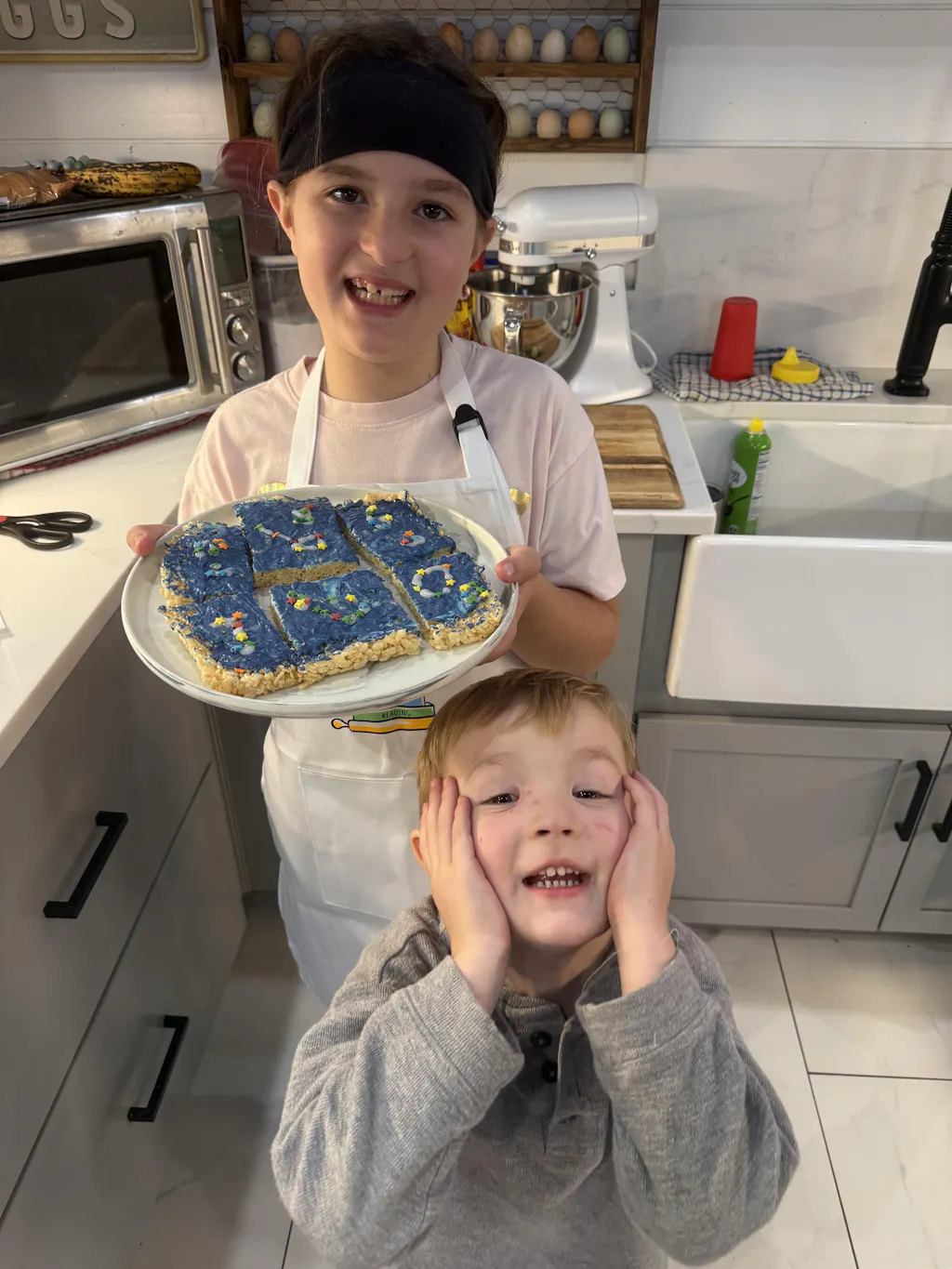
Our goal isn't to turn your child into a top scientist or a Michelin-star chef overnight. We are here to help you foster a love for learning and create joyful family memories. If they learn one new fact about a chemical reaction or try one new vegetable, that is a victory. The process of creating together is far more important than the final plate.
Incorporating Global Flavors
Expanding your child's palate can be a wonderful way to teach them about the world. When you're deciding what to feed your kids for dinner, don't be afraid to look beyond standard American fare.
- Mild Curries: Using coconut milk and mild curry powder can introduce kids to new spices without the heat. Serve with naan bread for dipping.
- Noodle Bowls: Many kids love "slurpy" noodles. A simple stir-fry with rice noodles, soy sauce, and honey is often a huge hit.
- Empanadas: These "hand pies" are a great way to introduce Latin American flavors. Kids love the portable nature of the meal.
If you are looking for more ways to explore different themes and cultures, not ready to subscribe? Explore our full library of adventure kits available for a single purchase in our shop. We offer a wide variety of themes that can help make dinner—and learning—an international journey.
How to Handle Different Age Groups
The answer to "what to feed my kids for dinner" changes as they grow. Here’s how to tailor your approach:
Toddlers (Ages 2-4)
At this age, it's all about textures and independence. Finger foods are king.
- Activity: Let them "wash" vegetables in a bowl of water (with supervision).
- Meal Idea: Deconstructed sandwiches—piles of turkey, cheese cubes, and whole-grain crackers.
Young Learners (Ages 5-8)
This is the prime time for "edutainment." They are curious about how the world works.
- Activity: Let them measure ingredients. This builds math skills and fine motor control.
- Meal Idea: "Laboratory" Salad Bar. Let them use tongs to create their own "specimen" salads.
Pre-Teens (Ages 9-12)
They are ready for more responsibility.
- Activity: Let them take charge of one night a week. Help them find a recipe and guide them through the stovetop safety.
- Meal Idea: Homemade burgers or complex pasta dishes where they make the sauce from scratch.
Regardless of their age, the key is consistent, low-pressure exposure to the kitchen. A new adventure is delivered to your door every month with free shipping in the US when you join our Chef's Club, ensuring that you always have age-appropriate, engaging activities ready to go.
Creating a Positive Mealtime Environment
What you feed your kids for dinner is important, but how you feed them matters just as much.
- Keep it Positive: Avoid making the dinner table a place for discipline. Try to focus on "Highs and Lows" of the day or share funny stories.
- Model Healthy Eating: Kids are much more likely to try a vegetable if they see you enjoying it.
- Eliminate Distractions: Keep phones away from the table. This reinforces the idea that family time is the priority.
Summary of Dinner Planning Success
To recap, when you are overwhelmed by the question of what to feed your kids for dinner, remember these three pillars:
- Involvement: Let them help.
- Simplicity: Don't overcomplicate the recipe.
- Education: Use the time to spark curiosity.
By combining food with STEM and the arts, we can turn a daily chore into a moment of connection. Whether you are using a Chef's Club Subscription to guide your month or just trying out a new "hidden veggie" pasta sauce, you are building a foundation for a lifetime of healthy habits and a love for learning.
Frequently Asked Questions
What do I do if my kid refuses to eat what I made for dinner?
It's important not to turn it into a battle. We recommend always having one "safe" food on the plate (like a side of fruit or bread) that you know they like. Encourage them to try a "scientist's taste" of the main dish, but if they refuse, try again another night. It can take up to 15 exposures for a child to accept a new food!
How can I make dinner time more educational?
You can talk about where the food comes from (geography), how it changes as it cooks (chemistry), or count the ingredients (math). Our kits are designed to make this easy by providing all the educational components for you.
What are some quick, healthy snacks for kids who are "starving" before dinner?
Try to avoid heavy snacks right before the meal. A small bowl of raw veggies with hummus or a piece of fruit is a great way to bridge the gap without ruining their appetite for the main event.
Can cooking really help with my child's development?
Absolutely! Cooking helps with fine motor skills (chopping, stirring), math (measuring), reading (following recipes), and science (observing reactions). Most importantly, it builds confidence and independence.
Is it safe to let my kids help in the kitchen?
Yes, with adult supervision! Start with age-appropriate tasks like tearing lettuce or stirring cool ingredients. As they get older, you can teach them about knife safety and how to use the stove safely. Always stay within arm's reach and provide clear instructions.
Conclusion
Deciding what to feed your kids for dinner doesn't have to be a daunting task. By shifting your focus toward hands-on involvement, screen-free "edutainment," and simple, flexible meal structures, you can transform your evenings. At I'm the Chef Too!, we are honored to be a part of your family’s journey, helping you spark creativity and curiosity through the wonderful world of cooking.
The kitchen is more than just a place to prepare food; it is a classroom, an art studio, and a laboratory all rolled into one. By embracing the "edutainment" philosophy, you aren't just solving the "what's for dinner" dilemma—you are creating a legacy of learning and joy for your children.
Are you ready to take the stress out of planning and bring the adventure of STEM and the arts into your home? Join The Chef's Club today and enjoy a new, complete educational experience delivered to your door every month. Let's make every dinner an adventure!