Table of Contents
- Introduction
- The Hidden Rainbow: Understanding Artificial Food Dyes
- Beyond the Label: Why Choose Dye-Free?
- Crafting a Colorful Kitchen: DIY Dye-Free Snacks
- Smart Shopping: Navigating the World of Packaged Dye-Free Snacks
- Making Snacking an Adventure: Engaging Kids in the Kitchen
- Our Top Picks: Delicious & Nutritious Dye-Free Snack Ideas
- Building Healthy Habits Together
- Conclusion
- FAQ
Picture this: your child's eyes light up at a snack, not because it’s neon green or electric blue, but because they helped create it, understanding the magic behind its natural colors and delicious taste. For many parents, navigating the snack aisle feels like an endless quest for appealing, yet healthy, options. We’ve all seen those vibrant, almost-too-bright treats that seem to call out to our little ones, only to discover a daunting list of artificial dyes on the label. The good news? You absolutely can offer your children exciting, wholesome, and naturally colorful snacks without a single artificial dye in sight!
This isn't just about avoiding a few ingredients; it's about embracing a world of natural flavors, vibrant real colors, and the joy of shared culinary experiences. At I'm the Chef Too!, our mission is to blend food, STEM, and the arts into one-of-a-kind "edutainment" experiences, sparking curiosity and creativity in children. We believe that the kitchen is a fantastic classroom, offering tangible, hands-on lessons that are as delicious as they are educational. This post will delve into why many families are choosing dye-free options, offer a wealth of practical strategies for identifying and preparing these snacks, and show you how to turn healthy eating into an exciting adventure that strengthens family bonds and promotes screen-free learning. Get ready to transform snack time into a colorful, nutritious, and incredibly fun journey for your entire family!
Introduction
Have you ever wondered why some children's snacks boast such impossibly bright hues—colors rarely found in nature? It's often the work of artificial food dyes, chemical compounds designed to make food visually more appealing, especially to young eyes. While these vibrant colors might catch a child's attention, a growing number of parents, educators, and health professionals are raising questions about their potential impact on children's health and behavior. The journey towards a dye-free diet can seem daunting at first, filled with label-reading challenges and the search for alternatives that still excite picky eaters. But what if we told you that embracing dye-free living could open up a world of culinary creativity, family bonding, and genuine "aha!" moments in the kitchen?
This blog post is your comprehensive guide to understanding artificial food dyes, why choosing natural options matters, and how to effortlessly integrate delicious, healthy snacks for kids with no dyes into your family’s routine. We'll explore the science behind these additives, uncover the surprising places they hide, and provide practical tips for both DIY creations and smart packaged choices. Most importantly, we'll demonstrate how simple, natural ingredients can be transformed into captivating treats, turning snack time into a fun, educational activity. At I'm the Chef Too!, we believe that fostering a love for learning, building confidence, and developing key skills happens naturally when kids are engaged in meaningful, hands-on experiences. And what could be more meaningful than making wholesome food together? Let's embark on this colorful, dye-free adventure and discover how enjoyable and enriching healthy snacking can truly be! Ready to infuse your kitchen with excitement and learning? Join The Chef's Club today and get new adventures delivered monthly!
The Hidden Rainbow: Understanding Artificial Food Dyes
The dazzling array of colors in many processed foods is no accident; it's the result of artificial food dyes. These synthetic color additives, often identified by names like Red 40, Yellow 5, and Blue 1, are ubiquitous in our food system, appearing in everything from sugary cereals and fruit-flavored yogurts to candies, beverages, and even some medications and vitamins. But what exactly are they, and why have they become such a widespread topic of discussion among parents and health advocates?
What Are Artificial Food Dyes?
Artificial food dyes are chemical compounds, predominantly derived from petroleum, that are synthesized in laboratories to create consistent and vibrant colors. Unlike natural dyes, which come from plant, animal, or mineral sources, synthetic dyes offer a broader spectrum of hues, greater stability, and lower production costs. In the United States, several dyes are approved for use by the FDA, with Red 40, Yellow 5 (Tartrazine), and Yellow 6 (Sunset Yellow) being among the most commonly used, accounting for roughly 90% of all food dyes.
Why Are They Used So Extensively?
The primary reason manufacturers use artificial dyes is aesthetic appeal. Research has shown that color significantly influences our perception of taste and quality. A brighter, more vibrant snack might seem more appealing to children, leading to increased consumption. Dyes can also compensate for color loss during food processing or ensure batch-to-batch consistency in appearance. From a business perspective, their stability and low cost make them an attractive choice for mass-produced foods.
The Growing Concerns for Kids: Beyond the Pretty Colors
While regulatory bodies generally deem these dyes safe in approved amounts, a growing body of research and anecdotal evidence has prompted many families to re-evaluate their presence in children's diets. The concerns primarily revolve around potential links to:
- Behavioral Effects: Perhaps the most widely discussed concern is the association between artificial food dyes and hyperactivity, particularly in children diagnosed with ADHD or those sensitive to these additives. Studies, such as the well-known "Southampton Study," have suggested that mixtures of certain artificial food colors and sodium benzoate preservative may exacerbate hyperactive behaviors in children. While the exact mechanisms are still being explored, these findings have led many parents to observe significant improvements in their children's focus and behavior after removing artificial dyes from their diet.
- Allergic Reactions and Sensitivities: For some individuals, artificial dyes can trigger allergic-like reactions. Symptoms can range from mild, such as hives, itching, and skin rashes, to more severe responses like asthma exacerbation or swelling. Yellow 5, in particular, has been noted for its potential to cause reactions in those sensitive to aspirin.
- Potential Carcinogenic Properties: While definitive human studies are limited, some animal studies have raised concerns about the potential carcinogenic effects of certain dyes or their byproducts. For instance, Red 3 (Erythrosine) has been linked to thyroid tumors in animal studies, leading to its restriction in some applications and recent discussions about a broader ban in the U.S. Red 40 contains small amounts of benzidine, a known human carcinogen, prompting further caution.
- Other Health Links: Emerging research also explores potential connections between artificial dyes and other health issues, including immune system dysfunction, neurological effects, and even impacts on gut health. While more comprehensive research is needed, the cumulative effect of regular exposure to these chemicals throughout childhood is a key area of concern.
A Global Perspective: Why the Discrepancy?
One of the most compelling arguments for avoiding artificial dyes comes from observing regulations in other parts of the world. In the European Union, for example, many of the dyes commonly used in U.S. foods are either banned outright or require explicit warning labels stating, "May have an adverse effect on activity and attention in children." This stark difference in regulatory approaches highlights an ongoing debate about what constitutes "safe" consumption levels and the precautionary principle when it comes to children's health. For many parents, the fact that a product requires a warning label or is banned in other developed nations is enough reason to seek dye-free alternatives for their families.
Understanding the landscape of artificial food dyes is the first step towards making informed choices for your family's diet. It empowers you to navigate grocery store aisles with a discerning eye, looking beyond the vibrant packaging to the ingredients within. This knowledge is not about fear-mongering but about seeking optimal health and well-being for our children, ensuring their snacks are nourishing, safe, and truly delightful. To make this journey of discovery even more engaging, consider how we blend learning and healthy eating. Our kits, developed by mothers and educators, transform complex subjects into hands-on cooking adventures. Browse our complete collection of one-time kits and find the perfect theme for your little learner!
Beyond the Label: Why Choose Dye-Free?
Choosing dye-free isn't just about avoiding potential negatives; it's about embracing a more intentional and wholesome approach to feeding our families. It’s a step towards prioritizing real ingredients, fostering healthier eating habits, and cultivating a deeper appreciation for the natural world.
Prioritizing Whole Foods
One of the most significant benefits of going dye-free is the natural shift towards whole, unprocessed foods. Artificial dyes are almost exclusively found in highly processed items. By making a conscious effort to avoid these additives, you'll inherently gravitate towards:
- Fresh Fruits and Vegetables: Nature's candy and powerhouses of nutrients, fiber, and naturally vibrant colors.
- Whole Grains: Unprocessed oats, brown rice, quinoa, and whole-wheat breads.
- Lean Proteins: Meats, poultry, fish, beans, and legumes.
- Healthy Fats: Nuts, seeds, avocados, and natural oils.
This emphasis on whole foods not only eliminates artificial dyes but also reduces intake of added sugars, unhealthy fats, and other artificial ingredients often found alongside dyes. It's a holistic approach to nutrition that benefits overall health, energy levels, and even mood.
The Benefits for Children's Health and Behavior
For many families, the decision to go dye-free is driven by observed improvements in their children's well-being. While individual sensitivities vary, parents frequently report:
- Improved Behavior and Focus: Many observe a reduction in hyperactivity, irritability, and impulsivity, and an improvement in concentration and attention span. This can be transformative for school performance and family harmony.
- Fewer Allergic Reactions: For children prone to allergies or sensitivities, removing artificial dyes can alleviate symptoms like skin rashes, digestive upset, or respiratory issues.
- Better Sleep Quality: Anecdotal reports suggest that some children experience more restful sleep once artificial stimulants and additives are removed from their diet.
- Enhanced Nutrient Intake: By replacing dye-laden snacks with nutrient-dense alternatives, children naturally consume more essential vitamins, minerals, and fiber, supporting healthy growth and development.
It's important to set realistic expectations; while removing dyes can have a positive impact, it's part of a broader healthy lifestyle. No single dietary change guarantees specific outcomes, but fostering a love for nourishing foods certainly lays a strong foundation for lifelong well-being.
Fostering a Love for Natural Ingredients
When children understand that the beautiful red in their berry smoothie comes from actual strawberries, or the cheerful yellow in their turmeric-spiced snack comes from a root, it sparks a unique kind of wonder. This hands-on discovery aligns perfectly with our philosophy at I'm the Chef Too! We believe in nurturing that innate curiosity. By introducing children to the natural pigments in fruits, vegetables, and spices, we:
- Expand Their Palate: They become more adventurous eaters, open to trying new flavors and textures from real food.
- Teach Practical Science: They learn about plant pigments, oxidation, and how ingredients interact—tangible chemistry lessons right in the kitchen!
- Encourage Creativity: Natural colors invite experimentation in cooking and presentation, turning meal prep into an artistic endeavor.
- Build Confidence: Mastering a simple recipe or discovering how to make a dish colorful with natural ingredients boosts their self-esteem and independence.
Choosing dye-free is more than a dietary restriction; it's an invitation to a more vibrant, wholesome, and educational culinary journey. It encourages families to slow down, connect over food preparation, and truly appreciate the goodness that nature provides. This is the heart of what we do at I'm the Chef Too!—creating memorable, educational, and delicious experiences right in your home. Why not make every month an opportunity for new discoveries? Join The Chef's Club today for convenient, curriculum-integrated cooking adventures delivered to your door.
Crafting a Colorful Kitchen: DIY Dye-Free Snacks
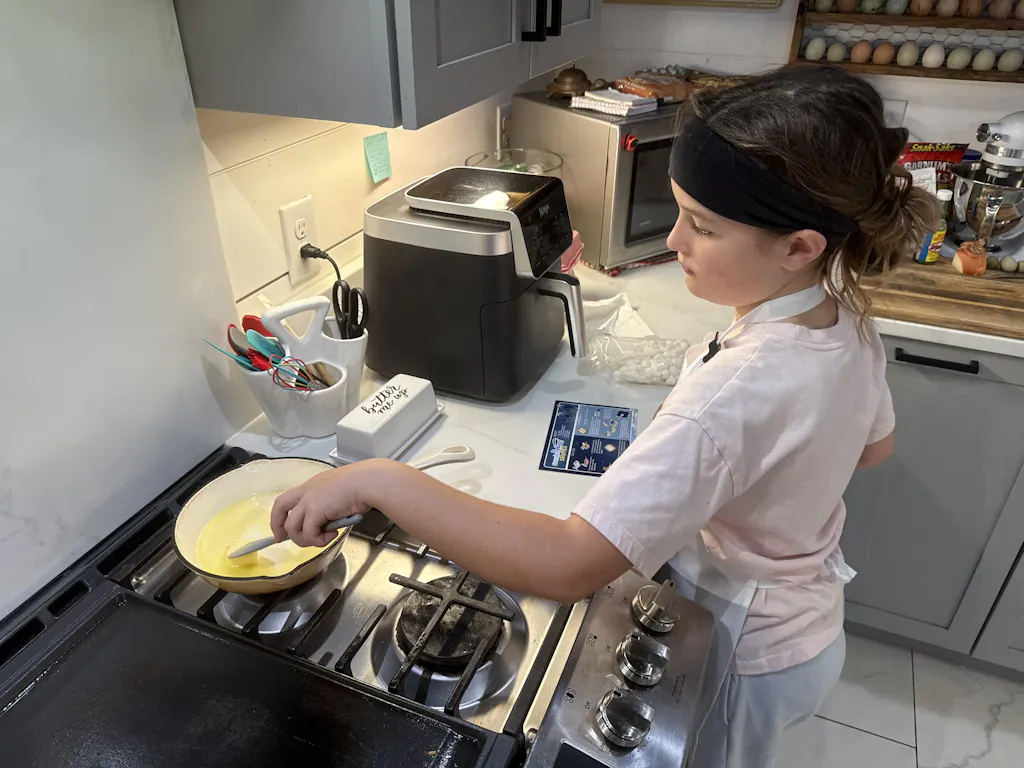
The most effective way to ensure your snacks are dye-free is to make them yourself! Homemade snacks give you complete control over ingredients, allowing you to choose fresh, wholesome components and introduce natural colors derived from fruits, vegetables, and spices. This approach not only eliminates artificial additives but also turns snack preparation into a fun, educational activity that aligns perfectly with the "edutainment" principles we champion at I'm the Chef Too!
Emphasize Home Cooking as the Ultimate Control
When you cook at home, you become the ingredient detective, the flavor architect, and the nutrition master. No more deciphering cryptic labels or wondering about hidden additives. This control is empowering, especially when it comes to sensitive dietary needs or simply wanting to ensure the purest fuel for your children's growing bodies and minds.
Recipes and Ideas for Naturally Colorful Treats
Let’s dive into some fantastic, easy-to-make dye-free snack ideas that are bursting with natural color and flavor:
- Rainbow Fruit Skewers: An absolute classic! Slice a variety of colorful fruits like strawberries (red), orange segments (orange), pineapple chunks (yellow), kiwi slices (green), blueberries (blue), and purple grapes (purple). Thread them onto small skewers. This snack is a feast for the eyes and packed with vitamins. It’s also a great way to talk about the colors of the rainbow and the different nutrients each fruit provides.
- Vibrant Veggie Sticks with Hummus: Offer carrot sticks, cucumber rounds, bell pepper strips (red, yellow, orange), and snap peas with a creamy, homemade hummus. Hummus is easy to make (chickpeas, tahini, lemon, garlic) and packed with plant-based protein. You can even make different colored hummus by blending in a small amount of cooked beet for pink, or spinach for green.
- Homemade Granola or Energy Bites: Store-bought granola can sometimes contain hidden dyes or excessive sugars. Making your own is simple! Combine rolled oats, nuts, seeds, dried fruits (make sure they're dye-free!), a touch of honey or maple syrup, and bake until golden. For energy bites, blend oats, nut butter, dates, and a dash of vanilla, then roll into balls. You can add cocoa powder for a rich brown color or freeze-dried berry powder for a natural pink hue.
- Fruity Yogurt Parfaits: Layer plain, unsweetened yogurt with fresh berries and a sprinkle of your homemade granola. The natural colors of the fruit create a beautiful visual appeal without any artificial additives. This is also a fantastic opportunity to discuss different textures and the benefits of probiotics in yogurt.
- "Nice" Cream: Blend frozen bananas with other frozen fruits like strawberries or mango for a naturally sweet, creamy, and vibrant ice cream alternative. No added sugar or dyes needed! This simple transformation is a fun science lesson in itself – how freezing and blending changes the texture of fruit.
- Mini Pita Pizzas with Veggie Art: Give kids mini whole-wheat pitas, a spoonful of dye-free marinara sauce, and shredded mozzarella cheese. Then, let them get creative with colorful veggie toppings like diced bell peppers, mushrooms, spinach, or cherry tomato halves. They’ll be much more likely to eat a pizza they "designed" themselves!
How I'm the Chef Too! Supports Hands-On Learning and STEM Integration
Making snacks from scratch is more than just cooking; it’s a full-sensory learning experience. This is precisely the kind of learning we foster at I'm the Chef Too! When children participate in the kitchen, they:
- Engage in Practical Math: Measuring ingredients, counting steps, understanding fractions (half a cup, quarter teaspoon) all happen naturally.
- Explore Basic Chemistry: Observing ingredients change color, texture, and state (e.g., how baking soda reacts, how heat transforms dough) are real-world chemistry experiments. Our Erupting Volcano Cakes kit is a fantastic example of a delicious treat that combines geology and chemistry, making a bubbly, edible eruption right in your kitchen! Kids learn about acids and bases as they watch their cakes come to life with natural colors.
- Develop Fine Motor Skills: Stirring, kneading, chopping (with kid-safe tools), and decorating enhance coordination and dexterity.
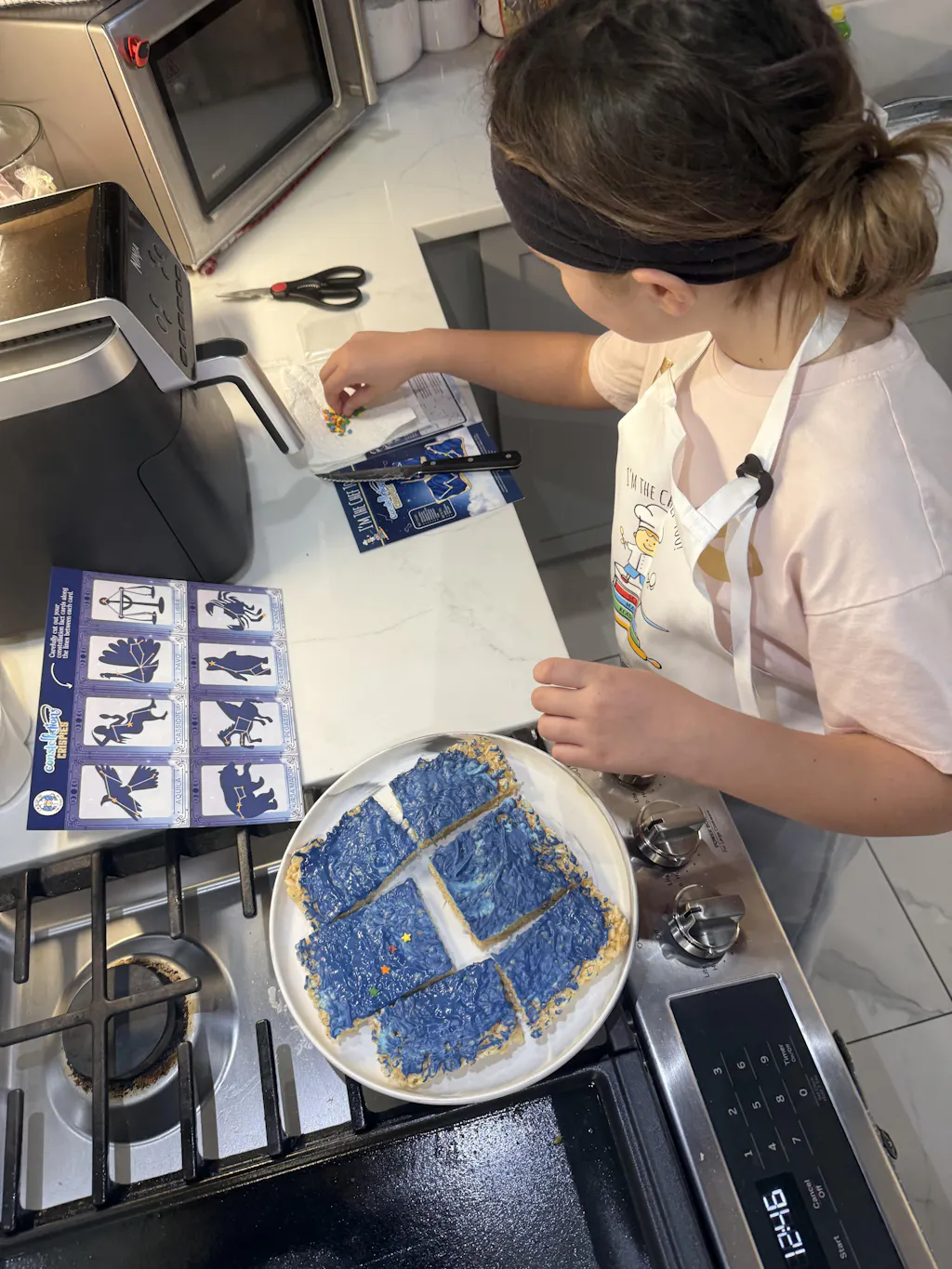
- Boost Creativity and Imagination: Experimenting with flavors, textures, and presentations allows their imaginations to soar. Consider our Galaxy Donut Kit, where kids explore astronomy by creating their own edible solar system, using natural colors to make cosmic glazes and edible planets. It’s a delicious blend of art and science!
- Learn About Nutrition: They connect the dots between ingredients and how they fuel their bodies.
At I'm the Chef Too!, our specially designed kits take the guesswork out of these projects, delivering pre-measured dry ingredients and specialty supplies right to your door. We provide all the tools for a seamless, educational, and delicious adventure, turning ordinary snack time into extraordinary learning moments. Our unique approach, developed by mothers and educators, ensures that teaching complex subjects is always tangible, hands-on, and fun.
Using Natural Colorings for Homemade Treats
Don't think that going dye-free means sacrificing color! Nature provides an incredible palette:
- Red/Pink: Beet juice (cooked and pureed), strawberry or raspberry powder, pomegranate juice.
- Orange: Carrot juice, paprika (use sparingly for flavor!), turmeric mixed with a little red.
- Yellow: Turmeric powder (very little, as it's strong!), saffron (for a delicate touch and higher cost), mango puree.
- Green: Spinach powder, spirulina powder (can be strong tasting, use little), matcha powder (for earthy green flavor).
- Blue/Purple: Blue spirulina, butterfly pea flower powder (magical color changes!), purple sweet potato powder, blueberry puree.
These natural options might not yield the same fluorescent brightness as artificial dyes, but they offer beautiful, earthy tones that are genuinely appealing and, most importantly, healthy. Experimenting with these natural pigments can be another exciting STEM activity, teaching kids about pH levels and how different substances create different shades.
Involving your children in the creation of these dye-free snacks not only ensures healthier eating but also creates lasting memories and instills valuable life skills. It’s the ultimate screen-free educational alternative, fostering family bonding and sparking endless curiosity.
Smart Shopping: Navigating the World of Packaged Dye-Free Snacks
While homemade snacks offer the ultimate control, busy schedules often call for convenient, packaged options. The good news is that the market for dye-free snacks is growing rapidly, with more brands responding to consumer demand for cleaner ingredients. However, successfully navigating the grocery aisles requires a keen eye and some label-reading savvy.
Reading Labels: What to Look For (and What to Avoid)
This is your superhero skill in the quest for dye-free snacks. Always turn to the ingredient list first.
- Avoid these specific dye names: Red 40, Yellow 5 (Tartrazine), Yellow 6 (Sunset Yellow), Blue 1 (Brilliant Blue), Blue 2 (Indigotine), Green 3 (Fast Green), Red 3 (Erythrosine). If you see any of these, put the product back.
- Look for phrases like: "No artificial colors," "colors from natural sources," or "naturally colored."
-
Identify natural color sources: Instead of synthetic dyes, look for ingredients like:
- Beet juice/powder: For reds and pinks.
- Turmeric: For yellows and oranges.
- Spirulina/Spinach: For greens and blues.
- Paprika/Annatto: For oranges.
- Fruit and vegetable juices/extracts: Such as carrot juice, elderberry juice, purple sweet potato extract.
It's also important to be aware of "hidden" dyes. Some brands might use "caramel color" which, depending on its processing, can sometimes be a concern for certain individuals, though it's typically not in the same category as the synthetic petroleum-derived dyes. When in doubt, simpler ingredient lists are usually better.
Brands Known for Dye-Free Options
Many brands have made a commitment to using natural colors or avoiding dyes altogether. While ingredient lists can change, here are some categories and examples generally known for their dye-free approaches (always double-check current labels!):
- Yogurts: Stonyfield Organic Kids, Chobani Kids (often use fruit/veg juice for color).
- Snack Bars/Granola Bars: LÄRABAR, RXBAR Kids, KIND Bars, MadeGood, Bobo's Oat Bars, Nature's Bakery Fig Bars (many of these rely on whole ingredients and natural fruit).
- Fruit Snacks/Leathers: YumEarth Organics, Annie's Organic Fruit Snacks, Bare Snacks (fruit chips), That's it. Fruit Bars, many store-brand organic fruit leathers.
- Crackers/Puffs: Simple Mills Crackers, Pirate's Booty, Hippeas, Annie's Organic Cheddar Bunnies (often use annatto or paprika for cheesy color).
- Meat Sticks/Jerky: Chomps Meat Sticks are a popular choice for protein-packed, minimally processed options without artificial colors or questionable additives.
- Popcorn: Plain, air-popped popcorn is an excellent dye-free base. Many pre-packaged organic popcorn brands also avoid artificial colors.
The "Sneaky" Places Dyes Hide
Artificial dyes aren't just in the obvious culprits like candy and brightly colored drinks. They can be found in surprising places where you might not expect them, adding color to make products more appealing or uniform. Be vigilant when checking labels on:
- Yogurts and Applesauces: Especially "fruit-flavored" varieties, which might use dyes to enhance the color of fruit (or lack thereof).
- Salad Dressings: Some vinaigrettes or creamy dressings can contain dyes.
- Pickles: Believe it or not, some pickle brands add yellow dyes to enhance their color.
- Spice Mixes and Seasonings: Check blended spices or seasoning packets.
- Children's Vitamins and Medications: Many chewable vitamins and liquid medicines are brightly colored with artificial dyes. Look for dye-free versions.
- Baked Goods and Frostings: Even "natural" looking bakery items can contain dyes if the sprinkles or decorations do.
Making smart choices in the grocery store is a powerful step towards a healthier, dye-free lifestyle. It empowers you to be an informed consumer and provide your children with the best possible fuel. Remember, every step counts, and even small changes can make a big difference. For families looking for even more ways to bring healthy, creative fun into their kitchen, we offer a diverse array of single-purchase kits. Explore our full library of adventure kits available for a single purchase in our shop and discover new culinary horizons!
Making Snacking an Adventure: Engaging Kids in the Kitchen
At I'm the Chef Too!, we firmly believe that the kitchen is more than just a place to prepare meals; it's a vibrant laboratory, an art studio, and a stage for incredible learning. When it comes to embracing healthy, dye-free snacks, engaging your children in the process isn't just helpful—it's transformative. This is where our unique "edutainment" approach truly shines, turning snack preparation into an adventure that sparks curiosity, builds skills, and strengthens family bonds.
The "Edutainment" Aspect of Cooking with Kids
Think beyond simple recipes. Every step in the kitchen, from selecting ingredients to the final delicious bite, offers opportunities for discovery and fun. This is the essence of "edutainment"—learning disguised as play. When kids are involved, they’re not just passively receiving a snack; they're actively participating in:
- Sensory Exploration: Touching different textures (smooth yogurt, crunchy granola), smelling aromatic spices, seeing vibrant natural colors, and tasting a symphony of flavors.
- Problem-Solving: What happens if we add more lemon? Why did the batter change color? How can we make this look like a mini galaxy? These questions encourage critical thinking.
- Following Instructions: Recipes teach sequencing, patience, and the importance of precise steps.
- Creative Expression: Decorating, arranging, and personalizing their snacks allows for artistic freedom.
This hands-on approach directly addresses our mission at I'm the Chef Too!: to blend food, STEM, and the arts into one-of-a-kind experiences. We want children to be active participants in their learning, not just spectators.
How Cooking Builds Skills (Math, Science, Fine Motor)
The kitchen is a powerhouse for skill development:
- Math in Action: Measuring cups and spoons introduce fractions and volume. Counting ingredients, understanding temperatures, and setting timers all hone mathematical abilities. "If we double the recipe, how much more flour do we need?"
- Science Comes Alive: Cooking is essentially applied chemistry and physics. Observing yeast rise, emulsifying oil and vinegar for a dressing, or seeing how heat transforms raw ingredients are all real-world science lessons. For example, when making our Erupting Volcano Cakes kit, children don't just bake a delicious cake; they witness a captivating chemical reaction that makes the "lava" bubble over with natural, deliciousness. They learn about acids, bases, and gas production in a way that's unforgettable and incredibly tasty!
- Fine Motor Skills and Dexterity: Stirring, pouring, kneading dough, cutting (with child-safe tools), peeling fruits, and sprinkling toppings all contribute to developing hand-eye coordination and fine motor control. These are fundamental skills that benefit everything from writing to playing instruments.
- Language and Literacy: Reading recipes, discussing new ingredients, and explaining steps expand vocabulary and communication skills.
These are the foundational skills that empower children to become confident, capable learners in all aspects of life.
Using I'm the Chef Too! Kits for Structured, Educational Fun
Sometimes, parents need a little help to kickstart these engaging activities, and that's where I'm the Chef Too! kits shine. Developed by mothers and educators, our kits provide:
- Convenience: Pre-measured dry ingredients and specialty supplies eliminate grocery lists and last-minute runs.
- Curriculum Integration: Each kit is thoughtfully designed to teach specific STEM concepts (science, technology, engineering, and math) through cooking. For instance, with our Galaxy Donut Kit, kids explore astronomy by creating their own edible solar system. They learn about planets, orbits, and cosmic colors through the art of donut decorating, all with naturally derived colors and delicious flavors. It’s a perfect example of how complex subjects become tangible and delightful.
- Screen-Free Engagement: Our kits offer a refreshing alternative to digital entertainment, promoting hands-on interaction and creative play.
- Facilitating Family Bonding: The shared experience of cooking, learning, and tasting together creates cherished memories and strengthens relationships. It's about being present, laughing, and discovering side-by-side.
Imagine a Sunday afternoon where your child isn't glued to a tablet but is instead excitedly mixing ingredients, watching a chemical reaction unfold, or meticulously decorating an edible masterpiece. That’s the magic of I'm the Chef Too!
Family Bonding Through Culinary Exploration
The kitchen is a unique space for connection. Cooking together fosters:
- Communication: Talking about tasks, asking questions, sharing ideas.
- Teamwork: Dividing responsibilities, helping each other out.
- Shared Accomplishment: The pride of creating something delicious together.
- Traditions: Creating new family rituals around food preparation.
By transforming snack preparation into an exciting, educational adventure, we empower children, enrich family life, and make healthy eating an irresistible journey. Every month, a new adventure can be delivered right to your door, making it easier than ever to spark that curiosity and creativity. Join The Chef's Club and enjoy free shipping on every box, discovering delicious STEM experiences that last all year long!
Our Top Picks: Delicious & Nutritious Dye-Free Snack Ideas
Building a repertoire of healthy, dye-free snacks for kids means embracing the natural bounty of foods around us. These ideas are designed to be appealing, easy to prepare, and packed with nutrients, ensuring your children get the fuel they need without any artificial colors.
Fresh Fruits & Vegetables (with Creative Presentation Ideas)
Nature’s original dye-free snacks are vibrant, sweet, and crunchy. Making them appealing often comes down to presentation.
- "Deconstructed" Smoothies Bowls: Blend plain yogurt, a banana, and a handful of mixed berries (strawberries, blueberries, raspberries) for a naturally purple or pink base. Top with slices of kiwi, mango chunks, shredded coconut, and a sprinkle of dye-free granola for a beautiful and nutritious treat.
- Fruit "Sushi": Spread nut butter on whole-wheat tortillas, layer with banana slices or thinly sliced strawberries, roll tightly, and slice into "sushi" pieces.
- Ants on a Log (with a Twist): Classic celery with peanut butter and raisins. For a twist, try apple slices with cream cheese and pumpkin seeds, or cucumber slices with hummus and everything bagel seasoning.
- Colorful Veggie Skewers with Dip: Alternate cherry tomatoes, cucumber chunks, bell pepper squares (yellow, orange, red), and snap peas on small skewers. Serve with a side of homemade ranch (using plain yogurt or sour cream) or hummus.
- Frozen Fruit "Grapes": Freeze grapes or berry clusters for a refreshing, naturally sweet, and icy treat on a hot day. The texture change adds a new dimension of fun!
Dairy Options (Plain Yogurt, Cheese)
Dairy provides calcium and protein, and choosing plain, unsweetened varieties is key for avoiding dyes and excessive sugar.
- Yogurt Parfaits: Layer plain Greek yogurt (rich in protein!) with fresh fruit and a sprinkle of homemade, dye-free granola.
- Cheese Cubes or Sticks: Pre-packaged string cheese or cheese cubes are usually dye-free (always check, but most natural cheeses are). Pair with whole-grain crackers or fruit.
- Cottage Cheese with Fruit: A simple, protein-rich snack. Serve with fresh pineapple chunks or sliced peaches.
Grains & Legumes (Popcorn, Hummus, Whole-Grain Crackers)
These provide fiber and sustained energy.
- Homemade Popcorn: Air-popped popcorn is a whole grain, high in fiber, and naturally dye-free. Avoid pre-packaged microwave popcorn, which often contains questionable ingredients. Season with nutritional yeast for a cheesy flavor, cinnamon, or a sprinkle of garlic powder and herbs.
- Whole-Grain Crackers with Toppings: Serve with hummus, mashed avocado, or a slice of cheese. Look for crackers with minimal, recognizable ingredients and no artificial colors.
- Edamame: Steamed edamame pods are a fun, interactive, and protein-packed snack. Kids love popping the beans out of their shells.
Protein-Packed Options (Nut Butters, Seeds, Lean Meats)
Protein helps kids feel full and energized, preventing sugar crashes.
- Apple or Banana Slices with Nut Butter: A classic for a reason! Provides healthy fats, protein, and fiber.
- Trail Mix (Homemade): Combine dye-free dried fruits (like raisins, dried cranberries, or apricots), nuts (almonds, cashews, walnuts—if no allergies), and seeds (pumpkin seeds, sunflower seeds). Add a few dye-free dark chocolate chips for a treat.
- Hard-Boiled Eggs: A quick, easy, and complete protein source. Make a batch at the beginning of the week for grab-and-go snacks.
- Chomps Meat Sticks: For a convenient, protein-rich savory snack, these are a great option as they are made from high-quality, real ingredients and are free from artificial colors.
Healthy Homemade Treats (Energy Balls, Fruit Leather)
When a sweet craving hits, these homemade options offer a healthier alternative to conventional sugary, dye-laden treats.
- Oatmeal Energy Bites: Blend rolled oats, pitted dates, nut butter, and a dash of vanilla extract. Roll into bite-sized balls and optionally coat in shredded coconut or cocoa powder.
- Homemade Fruit Leather: Blend pureed fruit (berries, applesauce, mango) until smooth, spread thinly on a baking sheet lined with parchment paper, and bake at a very low temperature (or use a dehydrator) until pliable and no longer sticky.
- Black Bean Brownie Bites: A surprising way to add a veggie to a treat! Blended black beans provide a fudgy texture and extra fiber. Use cocoa powder for natural color.
By focusing on these wholesome ingredients and embracing creativity in the kitchen, you can ensure your children enjoy a wide variety of delicious, healthy snacks free from artificial dyes. These options not only nourish their bodies but also make snack time an exciting part of their daily routine.
Building Healthy Habits Together
Transitioning to a dye-free lifestyle and making healthier snack choices is a journey, not a destination. It’s about building sustainable habits, fostering a positive relationship with food, and doing it all together as a family. At I'm the Chef Too!, we understand the challenges and joys of raising curious, healthy children, and our philosophy is rooted in making this process engaging and rewarding.
Consistency and Positive Reinforcement
Children thrive on routine and positive feedback.
- Be Consistent: Make dye-free snacking the norm. When children consistently see and eat natural foods, they learn to appreciate their inherent goodness.
- Celebrate Small Wins: Praise their willingness to try a new fruit, their efforts in the kitchen, or their thoughtful choices. "Wow, you did such a great job chopping those apples for our snack!"
- Lead by Example: Children are incredible imitators. When they see you enjoying fresh fruits, vegetables, and homemade treats, they’re much more likely to follow suit.
Empowering Kids with Choices
Giving children a sense of agency over their food choices can significantly increase their willingness to eat healthy.
- Offer "This or That" Options: Instead of asking, "What do you want to eat?" ask, "Would you like apple slices or carrot sticks for your snack?" This gives them control within healthy boundaries.
- Involve Them in Meal Planning and Shopping: Let them pick out a new fruit or vegetable at the grocery store, or choose a recipe they want to try from our collection of kits.
- Let Them Be the Chef: Encourage them to take the lead in preparing simple snacks, with appropriate supervision. Our kits are designed to empower them as "chefs," guiding them through each step with clear, engaging instructions. This builds confidence and ownership over their food.
The Long-Term Impact on Health and Learning
The habits formed in childhood have a profound impact on lifelong health and well-being. By choosing dye-free, wholesome snacks and making cooking a family affair, you are investing in:
- Lifelong Healthy Eating Habits: Children who learn to enjoy natural foods from a young age are more likely to make healthier choices as adults.
- Enhanced Physical and Mental Health: A diet rich in nutrients and free from artificial additives supports optimal growth, cognitive function, stable energy levels, and emotional well-being.
- Stronger Family Bonds: Shared experiences in the kitchen create lasting memories, foster communication, and reinforce the value of working together.
- A Love for Learning: By integrating STEM and artistic exploration into cooking, you nurture an innate curiosity and develop critical thinking skills that extend far beyond the kitchen. At I'm the Chef Too!, we are committed to sparking this curiosity and creativity in children, providing a screen-free educational alternative that truly makes learning delicious.
Embracing a dye-free lifestyle is a powerful commitment to your family's health and happiness. It’s about more than just food; it’s about nurturing minds, bodies, and relationships. It’s about making every snack, every meal, an opportunity for growth, discovery, and joy.
Conclusion
Navigating the world of children's snacks in pursuit of vibrant, wholesome bites free from artificial dyes might seem like a grand culinary adventure, and in many ways, it truly is! We’ve explored the ins and outs of artificial food dyes, understood why a growing number of families are choosing to avoid them, and discovered a treasure trove of delicious, naturally colorful alternatives. From the simplicity of fresh fruits and vegetables to the magic of homemade creations and the wisdom of smart label-reading, the path to healthy, dye-free snacking is rich with possibilities.
At I'm the Chef Too!, we believe that this journey is not just about healthier eating; it's about igniting a passion for learning, building confidence in the kitchen, and creating unforgettable family memories. Our mission to blend food, STEM, and the arts into unique "edutainment" experiences perfectly complements this dye-free philosophy, turning every snack into an opportunity for discovery. By involving your children in the cooking process, you’re not just feeding their bodies; you’re nourishing their minds, developing essential skills, and strengthening the bonds that tie your family together, all while enjoying screen-free, hands-on fun.
Embrace the joy of natural colors, the satisfaction of homemade goodness, and the excitement of scientific exploration right in your own kitchen. Let every stirring, mixing, and baking moment be a lesson, a laugh, and a step towards a healthier, happier lifestyle. Your children will not only enjoy delicious snacks but will also gain invaluable skills and a lifelong appreciation for real food and the wonders of the world around them.
Ready to transform your kitchen into a hub of "edutainment" and delight? Imagine a new, exciting adventure delivered directly to your door every single month! Give the gift of learning that lasts all year with a 12-month subscription, or explore our flexible 3 and 6-month plans. Each I'm the Chef Too! box is a complete experience, brimming with pre-measured dry ingredients and specialty supplies, all designed to spark curiosity and creativity. Join The Chef's Club today and enjoy free shipping on every box and embark on a delicious journey of discovery with your child!
FAQ
Q1: What are the main concerns about artificial food dyes in children's snacks? A1: The primary concerns include potential links to hyperactivity and behavioral issues (especially with Red 40, Yellow 5, Yellow 6), allergic reactions and sensitivities, and in some cases, potential carcinogenic properties observed in animal studies. While regulatory bodies consider them safe in approved amounts, many parents choose to avoid them due to these concerns and stricter regulations in other countries.
Q2: How can I tell if a packaged snack contains artificial dyes? A2: Always check the ingredient list! Look for specific names like Red 40, Yellow 5 (Tartrazine), Yellow 6 (Sunset Yellow), Blue 1, Blue 2, Green 3, and Red 3. If the label says "no artificial colors" or lists natural color sources like beet juice, turmeric, or spirulina, it's generally dye-free.
Q3: Are "natural flavors" or "caramel color" also artificial dyes? A3: "Natural flavors" are distinct from artificial dyes; they are derived from natural sources but can still be highly processed. "Caramel color" is also different; while some types (specifically Class III and IV caramel colors) can contain a chemical called 4-MEI, which has raised some concerns, it is not typically grouped with the synthetic petroleum-derived food dyes like Red 40. For a strict dye-free approach, always scrutinize the ingredient list for specific dye names.
Q4: My child is a picky eater. How can I get them to try dye-free snacks? A4: Start small and make it fun! Involve them in the preparation – kids are often more willing to try what they helped create. Offer choices between two healthy options, use creative presentations (like fruit skewers or "nice" cream), and lead by example. Our I'm the Chef Too! kits are fantastic for picky eaters as they transform cooking into an exciting, hands-on adventure, making them more invested in tasting the delicious results.
Q5: What are some good natural alternatives for coloring homemade treats? A5: You can use beet juice or powder for red/pink, turmeric or carrot juice for yellow/orange, spirulina or spinach powder for green/blue, and butterfly pea flower powder for blue/purple. These natural pigments provide beautiful, albeit often more muted, colors without any artificial additives. Experimentation is part of the fun!
Q6: What if I don't have time for extensive homemade snack preparation? A6: Many brands now offer excellent dye-free packaged options. Focus on whole foods like fresh fruits, vegetables, plain yogurt, and cheese. For convenience, look for brands like LÄRABAR, RXBAR Kids, MadeGood, and Chomps Meat Sticks, which are known for avoiding artificial colors. Always double-check current labels, as ingredients can change. For structured, engaging activities that come prepared to your door, our I'm the Chef Too! kits are a perfect solution.
Q7: How does I'm the Chef Too! support dye-free snacking and learning? A7: At I'm the Chef Too!, our kits are designed to teach STEM and art concepts through cooking using real, often naturally colored, ingredients. We emphasize hands-on learning, family bonding, and screen-free "edutainment." While our kits focus on the overall educational experience, many of our recipes naturally lend themselves to dye-free creativity, encouraging the use of fresh ingredients and natural colors in a fun, engaging way. We believe in the power of real food to inspire real learning!