Table of Contents
- Introduction
- The Organic Advantage: Why Choose Organic Snack Bars for Kids?
- Decoding the Label: What to Look for in a Healthy Organic Snack Bar
- Our Top Organic Snack Bar Picks for Kids
- Making Your Own Snacks: A Culinary Adventure
- The I'm the Chef Too! Difference: More Than Just Snacks
- Conclusion
- FAQ Section
The afternoon slump hits, the hunger pangs begin, and suddenly, a small voice pipes up, "I'm hungry!" For many parents, this is a familiar soundtrack to daily life. We juggle work, school, activities, and the constant quest to keep our children nourished with wholesome, convenient foods. It’s no wonder that snack bars have become a staple in lunchboxes, backpacks, and even our handbags. They promise ease, portability, and often, a touch of health. But walking down the snack aisle can feel like navigating a dense jungle, especially when you're specifically searching for what are the top organic snack bars for kids.
The sheer volume of choices is overwhelming. Every bar seems to boast "natural ingredients," "whole grains," or "added vitamins," yet a quick glance at the nutrition label often reveals a surprising amount of added sugar, minimal fiber, or a list of ingredients that sound more like a chemistry experiment than food. It's a common dilemma: how do we find options that are genuinely good for our kids, taste appealing enough for them to actually eat, and align with our desire for organic, less processed foods?
That's precisely what we aim to unravel today. In this comprehensive guide, we'll cut through the marketing jargon and delve into the world of organic snack bars for children. We'll explore what truly makes a snack bar "healthy," what to look for on those often-confusing nutrition labels, and offer our top recommendations for delicious, nutrient-dense choices. Our goal is to empower you with the knowledge to make informed decisions, ensuring that your little ones are fueled with snacks that support their growth and energy, without compromising on convenience or taste. We believe that feeding children well should be an act of love and learning, and that includes the quick grabs as much as the sit-down meals.
Introduction
Picture this: you’re rushing out the door, kids in tow, realizing you forgot to pack an afternoon snack. The thought of a sugary, artificially flavored treat fills you with dread, yet time is short. In moments like these, a pre-packaged snack can be a lifesaver. But the peace of mind it offers can quickly be overshadowed by concerns about nutrition, especially when you're striving for an organic, wholesome diet for your children.
The modern marketplace is flooded with snack bars marketed to kids, each vying for your attention with colorful packaging and enticing claims. Yet, a deeper dive often reveals a different story. Many seemingly healthy options are, in fact, "ultra-processed" foods, high in added sugars and lacking the fiber and protein needed to keep little bellies full and energy levels steady. This isn't just about avoiding a "sugar rush"; it's about providing sustained energy for play, focus for learning, and essential nutrients for growing bodies and minds.
At I'm the Chef Too!, our mission extends beyond just teaching children to cook; we believe in fostering a holistic understanding of food, where nourishment meets curiosity and creativity. Just as we encourage hands-on exploration in the kitchen, we advocate for conscious choices when it comes to convenient snacks. Today, we'll equip you with the tools to navigate the vast world of organic snack bars for kids. We’ll break down the key nutritional components to prioritize, demystify ingredient lists, and share our carefully curated list of top picks that truly deliver on their promise of wholesome goodness. Our aim is to help you select snack bars that not only taste great but also genuinely contribute to your child's well-being, supporting their adventures and learning, one delicious bite at a time.
The Organic Advantage: Why Choose Organic Snack Bars for Kids?
When it comes to feeding our children, the word "organic" often comes with a certain appeal, and for good reason. Choosing organic options, particularly for something as frequently consumed as snack bars, brings several potential benefits that align with a holistic approach to child wellness.
Firstly, organic certification means that ingredients are grown and processed without synthetic pesticides, herbicides, or genetically modified organisms (GMOs). For many parents, reducing exposure to these substances is a primary motivator. While research on the long-term effects of low-level pesticide exposure in children is ongoing, opting for organic provides a degree of reassurance. It’s about choosing a cleaner plate, figuratively and literally.
Secondly, organic farming practices often emphasize environmental sustainability and biodiversity. By selecting organic products, we implicitly support agricultural methods that are kinder to the planet our children will inherit. This broader perspective on food—understanding its journey from farm to table—is something we champion at I'm the Chef Too!. We believe that understanding where our food comes from is a fundamental part of a child's education, connecting them to the natural world and the science behind growth.
However, it’s crucial to understand that "organic" doesn't automatically equate to "healthy." An organic cookie is still a cookie, and an organic snack bar can still be laden with sugar. The organic label primarily speaks to the method of production of its ingredients, not necessarily its overall nutritional profile or processing level. This is where discerning label reading becomes paramount. We need to look beyond the organic seal and examine the full picture of ingredients, added sugars, fiber, and protein.
The market for organic snack bars has expanded significantly, reflecting a growing consumer demand for these qualities. This means there are more options than ever before, but it also means the need for informed choices is greater. Our goal isn't just to find organic; it's to find organic and truly nourishing.
Decoding the Label: What to Look for in a Healthy Organic Snack Bar
Navigating the nutrition facts panel and ingredient list on a snack bar can feel like deciphering a secret code. Manufacturers are masters of marketing, and what looks healthy on the front of the package may not hold up to scrutiny on the back. To truly identify what are the top organic snack bars for kids, we need a clear set of criteria. As parents and educators ourselves, we focus on a few key nutritional markers that provide the most "bang for your buck" in terms of satiety, sustained energy, and essential nutrients.
Added Sugar: The Sneaky Culprit
This is arguably the most critical factor to scrutinize. Many snack bars are essentially glorified desserts due to their high added sugar content. Sugar provides a quick burst of energy, followed by an inevitable crash, which isn't ideal for active kids or those trying to focus in school.
- Look for: Aim for snack bars with 6 to 8 grams of added sugar or less per serving, especially for younger children. For older, very active kids, a slightly higher amount might be acceptable, but always consider the overall context.
- Differentiate: Remember the difference between total sugar and added sugar. Ingredients like dates or dried fruit naturally contain sugar, which is fine as it comes bundled with fiber and other nutrients. What we want to limit is sugar that's been added during processing (e.g., cane sugar, brown rice syrup, honey, agave nectar listed high on the ingredient list). If fruit is listed after sugar in the ingredients, it’s a red flag that much of the sweetness comes from added sugar.
Protein: For Satiety and Growth
Protein is essential for building and repairing tissues, and it plays a vital role in keeping kids feeling full and satisfied between meals. A snack bar with a good dose of protein helps prevent that "I'm still hungry" complaint just 15 minutes later.
- Look for: Aim for at least 3 grams of protein per bar. Sources like nuts, seeds, nut butters, and sometimes even plant-based protein powders can contribute.
- Why it matters: Combining protein with carbohydrates helps slow down sugar absorption, leading to more stable blood sugar levels and sustained energy.
Fiber: The Gut Health Hero
Fiber is a superstar for digestive health, promoting regularity and contributing to feelings of fullness. Many children don't get enough fiber in their daily diets, so a snack bar can be a great way to boost their intake.
- Look for: Aim for at least 2 to 3 grams of fiber per bar. Whole grains (oats), nuts, seeds, and fruits are excellent natural sources of fiber.
- Beware of "added fiber": Some bars add isolated fibers like inulin or chicory root. While these contribute to the fiber count, they don't offer the same broad spectrum of nutrients found in whole-food fiber sources. Prioritize bars where fiber comes from whole ingredients.
Healthy Fats: Brain Fuel and Fullness
Don't shy away from fats! Healthy fats are crucial for brain development, hormone production, and nutrient absorption. They also significantly contribute to satiety, ensuring that snacks are truly satisfying.
- Look for: Sources like nuts, seeds, nut butters, and some oils (e.g., sunflower oil, coconut oil in moderation) are good indicators.
- Why it matters: Fats, along with protein and fiber, create a more balanced snack that prevents rapid energy spikes and crashes.
Ingredients List: Quality Over Quantity
The ingredient list tells the true story of what's inside the bar. A general rule of thumb is "the shorter, the better," with recognizable, whole-food ingredients listed first.
- Prioritize: Look for whole foods like oats, fruits, nuts, and seeds at the beginning of the list.
- Avoid: Be wary of long lists filled with unpronounceable chemicals, artificial colors, flavors, or excessive emulsifiers and texturizing agents. While a few common additives might not be a deal-breaker, a bar dominated by them suggests a highly processed product.
- Allergens: Always check for common allergens like nuts, dairy, soy, and gluten if your child has sensitivities. Many brands offer dedicated "nut-free" or "gluten-free" options.
Calorie Count: Age-Appropriate Snacking
The ideal calorie count for a snack bar will vary based on your child's age, activity level, and overall dietary needs.
- Toddlers (1-3 years): Around 90-120 calories.
- Preschoolers/Younger Kids (4-8 years): Around 120-180 calories.
- Older Kids/Very Active Kids: 180+ calories, or consider pairing a smaller bar with another protein source like a cheese stick or yogurt.
Remember, a snack bar is meant to be a snack, not a meal replacement (unless specifically designed as such, and even then, often needs pairing). It should bridge the gap between meals and provide a nutrient boost. With these criteria in mind, you're well-equipped to make informed choices. This detailed understanding of nutrition labels empowers you to go beyond marketing claims and choose truly beneficial organic snack bars for your children, fostering their health and development—much like how our hands-on Chef's Club subscription sparks a deeper understanding of science and cooking.
Our Top Organic Snack Bar Picks for Kids
With so many options crowding the shelves, identifying what are the top organic snack bars for kids requires a discerning eye. Based on our rigorous criteria focusing on low added sugar, good protein and fiber content, healthy fats, and minimal processing, we've curated a list of standout choices that deliver both nutrition and kid-approved taste.
1. KIND Bars (Original & Minis)
While often marketed towards adults, KIND Bars, particularly the nut-based varieties like Dark Chocolate Nuts & Sea Salt, are surprisingly good options for older children due to their excellent nutritional profile and minimal processing. The "minis" are perfect for smaller appetites.
- Why we love them: Primarily made from whole nuts and fruit, they are less processed than many competitors. They offer a substantial amount of healthy fats, protein (around 5-6g), and fiber (around 7g), which really helps with satiety. Added sugar is relatively low, often around 5g or less. The chewy texture is also a plus for jaw development.
- Considerations: Contains nuts, so not suitable for nut-free environments like many schools. The texture can be quite chewy, making them less ideal for very young toddlers.
- Best for: Older children who can safely chew nuts, active kids needing sustained energy.
2. MadeGood Organic Granola Bars
If you're looking for a classic granola bar experience but with a nutritional upgrade, MadeGood is a fantastic choice. They're also widely known for being allergy-friendly.
- Why we love them: These bars offer a good balance of taste and nutrition for a granola bar. They are made with whole grains, contain vegetable extracts to boost vitamin content (a unique selling point!), and are free from the 8 most common allergens. Sugar content is typically around 6-7g, with some fiber and protein (around 2g each).
- Considerations: While better than conventional granola bars, the protein and fiber content could be higher. They are a great choice for school-safe snacks.
- Best for: All ages, especially those with food allergies or in nut-free environments, and kids who love the classic granola bar texture.
3. Clif Kid ZBar Protein
For active kids who need a more substantial, nut-free option, the Clif Kid ZBar Protein bars are a strong contender. They offer a pleasing texture and satisfying flavor profile.
- Why we love them: These bars are designed to provide sustained energy. They boast a good amount of protein (around 5g) and a decent fiber content, making them more filling than many other "kids' bars." They are also nut-free, making them school-friendly.
- Considerations: The ingredient list can be a bit longer than some whole-food-focused bars, and the added sugar content (around 6-7g) should be noted. They lean a bit towards the "dessert" side in flavor.
- Best for: Active children needing a hearty snack, those in nut-free settings.
4. Wipala Kids Organic Fruity Bars
For a truly minimalist, fruit-and-veg-focused bar, Wipala Kids offers a refreshing alternative. They are essentially enhanced fruit leathers with a super clean ingredient list.
- Why we love them: These bars are made from organic fruits, vegetables (like broccoli or kale), and a touch of quinoa – that's often it! They are tangy, bright, and offer a truly nutrient-dense option with no added sugars. They are lower in calories and sugars (natural fruit sugars) than most, making them a light, wholesome snack.
- Considerations: Lower in calories, protein, and fiber than some other bars, so they might not be enough to fill up older or very active children on their own. The unique fruit-and-veg combinations might be an acquired taste for some kids.
- Best for: Younger children, those needing a light, nutrient-packed fruit snack, or adventurous eaters.
5. RXBAR Kids Minis
Known for their "no B.S." approach to ingredients, RXBAR Kids Minis are an excellent source of protein with absolutely no added sugar.
- Why we love them: The ingredient list is incredibly short and recognizable: dates, nuts (peanuts/almonds depending on flavor), egg whites for protein, and natural flavors. They deliver a robust 6-7g of protein and 2-3g of fiber with 0g added sugar. The natural sweetness comes entirely from fruit.
- Considerations: Like the original KIND bars, these contain nuts, so they are not suitable for nut-free environments. The texture is very chewy and dense, which can be challenging for toddlers or kids with dental sensitivities. Warming them slightly can help.
- Best for: Older children who are confident chewers, require high protein, and appreciate a clean, whole-food ingredient list.
6. That's It. Fruit Bars (Minis)
For the ultimate simplicity, That's It. bars truly live up to their name – often just two ingredients: fruit and fruit.
- Why we love them: These bars are pure fruit, dried and pressed into a convenient bar. They contain no added sugars, no preservatives, and no artificial anything. They offer natural fiber and vitamins from the fruit, making them a solid choice for a quick, wholesome fruit serving.
- Considerations: Very low in protein and fats, so they won't provide sustained satiety on their own. Best paired with a protein source like a cheese stick or a handful of nuts (if no allergies).
- Best for: All ages, particularly great for younger children or as a light, natural fruit snack.
7. Once Upon a Farm Refrigerated Oat Bars
A newer player in the market, these refrigerated bars offer a fresh take on snack bars with a focus on whole ingredients.
- Why we love them: These bars often feature oats, fruit, and healthy fats, providing a good blend of macronutrients. They are typically low in added sugar (often 0g) with natural sweetness from fruits. The refrigerated nature can suggest less processing.
- Considerations: As they are refrigerated, they require careful packing for school lunches or outings to maintain freshness.
- Best for: Kids who enjoy softer, chewier textures and parents looking for minimal processing and natural fruit sweetness.
8. Dino Bars
These fruit-based bars also incorporate seeds and often veggies, making them a balanced option for on-the-go snacking.
- Why we love them: Dino Bars are designed with kids in mind, featuring simple, organic ingredients like dried fruit, seeds (for healthy fats and some protein), and sometimes hidden vegetables. They aim for lower added sugar and a good source of natural nutrients.
- Considerations: While better than many, always check the specific flavor for its exact nutritional breakdown, as added sugar and protein/fiber can vary.
- Best for: Young children who prefer softer textures and parents seeking bars with simple ingredients and a nod to hidden veggies.
Beyond the Bar: Holistic Snacking & Learning
While these organic snack bars offer wonderful convenience and nutritional benefits, it's also important to remember that they are just one piece of the puzzle in a child's overall diet. At I'm the Chef Too!, we believe in nurturing a deeper connection to food through hands-on learning experiences. Imagine your child discovering the science behind fermentation while baking bread, or understanding fractions as they measure ingredients for delicious cookies.
Our kits blend food, STEM, and the arts into one-of-a-kind "edutainment" experiences, transforming the kitchen into a classroom where curiosity and creativity flourish. Instead of just consuming a pre-made snack, children can experience the joy and accomplishment of creating their own nutritious treats. For instance, exploring the principles of chemistry by watching a dough rise, or diving into botany as they learn about the origins of different spices.
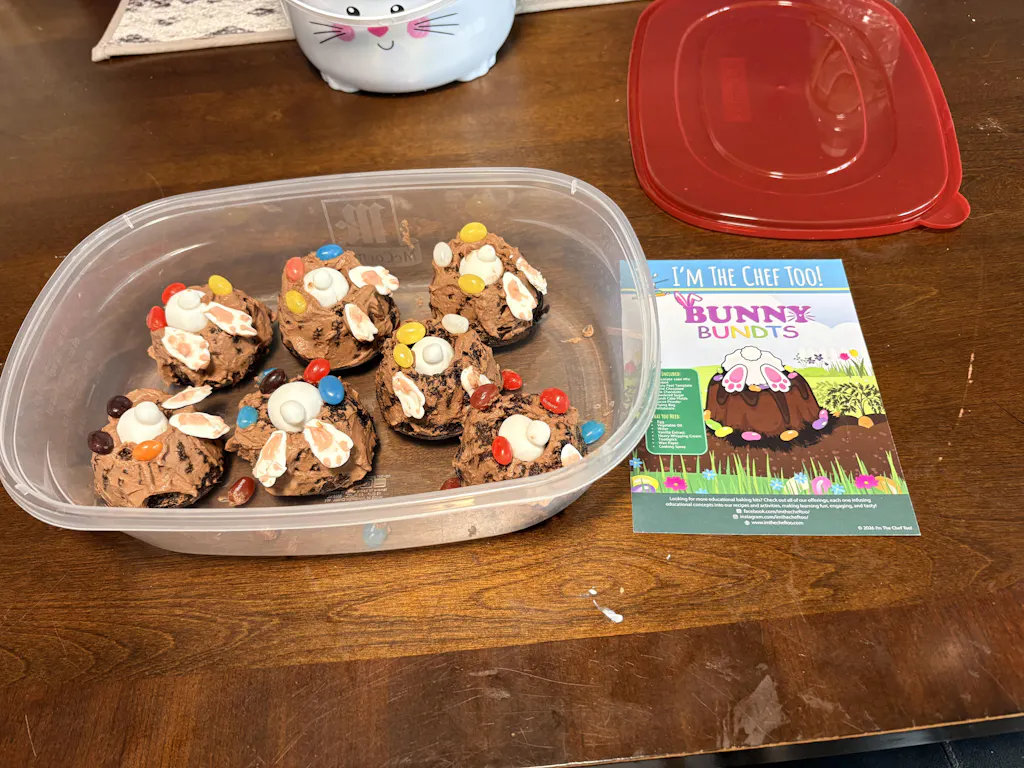
Making snacks from scratch is a fantastic way to develop fine motor skills, mathematical understanding, and scientific observation. It's a screen-free alternative that facilitates precious family bonding, creating memories that last far longer than any packaged bar. If your child loves the concept of healthy eating and discovery, consider diving into our adventures! Perhaps a chemical reaction that makes our Erupting Volcano Cakes bubble over with deliciousness, or exploring astronomy by creating your own edible solar system with our Galaxy Donut Kit. These experiences not only teach but also foster a love for real food and the amazing processes behind it.
For consistent, screen-free educational fun that promotes family bonding, there’s no better choice than The Chef's Club subscription. Each month, a new adventure arrives, sparking creativity and teaching complex subjects through tangible, hands-on, and delicious cooking adventures developed by mothers and educators.
Making Your Own Snacks: A Culinary Adventure
While we've highlighted some of the top organic snack bars for kids for their convenience and nutritional value, there's an undeniable joy and educational benefit to making snacks at home. This is where the true magic of food, STEM, and the arts can come alive!
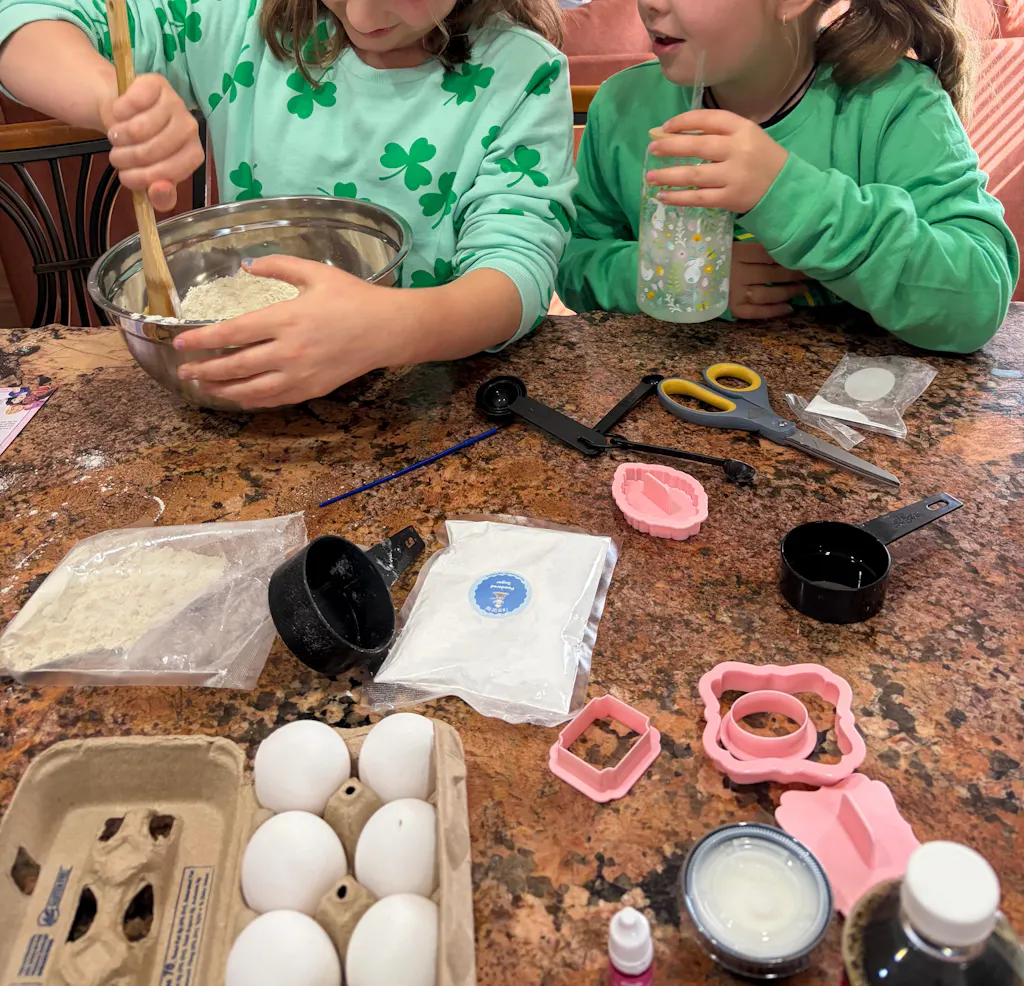
At I'm the Chef Too!, we've seen firsthand how engaging children in the cooking process transforms their relationship with food. It's not just about mixing ingredients; it's about exploring the science behind why bread rises, understanding the chemistry of flavors, and practicing math skills through precise measurements. When children participate in creating their own snacks, they're not just learning practical life skills; they're also building confidence, developing a taste for wholesome ingredients, and fostering creativity in a delicious way.
Think about the possibilities:
- No-Bake Energy Bites: Combine organic oats, nut butter (or seed butter for allergy concerns), shredded coconut, chia seeds, and a touch of honey or maple syrup. Roll them into balls for a customizable, nutrient-dense snack. This activity teaches about healthy fats, proteins, and fibers, and allows for endless creative flavor combinations.
- Homemade Granola Bars: With control over every ingredient, you can create bars that perfectly fit your family's needs. Use organic rolled oats, dried fruits, nuts/seeds, and a natural binder like applesauce or mashed banana. This is a wonderful opportunity to discuss different types of grains and their benefits.
- Fruit and Veggie Smoothies/Popsicles: Blend organic fruits and a handful of spinach or kale with a liquid base (milk or water). Freeze into popsicles for a refreshing, vitamin-packed treat. This introduces children to the vibrant colors and diverse flavors of produce, and the simple science of freezing.
Engaging in these activities at home offers a screen-free alternative that encourages sensory exploration, problem-solving, and collaboration. It's a fantastic way to facilitate family bonding and create lasting memories around shared culinary experiences. Plus, children are often more likely to try and enjoy foods they've helped prepare themselves!
If you're looking to embark on these kinds of "edutainment" experiences, whether as a complement to your chosen organic snack bars or as a delicious learning activity, remember that we offer a wide range of hands-on cooking adventures. Not ready to subscribe? Explore our full library of adventure kits available for a single purchase in our shop. Each kit is thoughtfully designed by mothers and educators to spark curiosity and creativity, making complex subjects tangible and delicious.
The I'm the Chef Too! Difference: More Than Just Snacks
At I'm the Chef Too!, we understand the challenges parents face in providing wholesome, engaging, and educational experiences for their children. While finding the perfect organic snack bar is a victory in itself, we believe in a broader vision for child development – one that blends food, STEM, and the arts into unforgettable "edutainment" moments.
Our unique approach goes beyond simple nutrition. We teach complex subjects through tangible, hands-on cooking adventures. Imagine your child not just eating a healthy snack, but understanding the chemical reactions that make it delicious, or the mathematical principles involved in its creation. This immersive learning sparks genuine curiosity and creativity, encouraging children to ask "why" and "how."
We are committed to:
- Sparking Curiosity and Creativity: Our kits are designed to ignite a passion for learning through delicious experiments and creative culinary projects.
- Facilitating Family Bonding: In a world dominated by screens, we provide a wonderful opportunity for families to connect, laugh, and learn together in the kitchen.
- Providing a Screen-Free Educational Alternative: We offer a refreshing break from digital devices, engaging children in meaningful, real-world activities.
- Developed by Mothers and Educators: Our kits are meticulously crafted with a deep understanding of child development and educational principles, ensuring every activity is age-appropriate and impactful.
When you're looking for ways to enrich your child's life beyond selecting the best organic snack bars, consider how our "edutainment" experiences can fit in. For instance, while you might pack a healthy bar, on the weekend you could be making our Peppa Pig Muddy Puddle Cookie Pies, learning about states of matter with chocolate ganache! We aim to build a love for learning, foster confidence, develop key skills, and create joyful family memories through the universal language of food.
These experiences don't promise your child will become a top scientist overnight, but they do promise to cultivate a foundational love for discovery and a deeper appreciation for the world around them. It's about the process, the exploration, and the delicious outcomes.
Ready to infuse your home with consistent, inspiring learning adventures? Imagine the joy of receiving a new, exciting kit tailored for culinary discovery right at your doorstep each month. That’s the magic of The Chef's Club. Our convenient monthly subscription service delivers pre-measured dry ingredients and specialty supplies, taking the guesswork out of planning engaging activities. Plus, enjoy free shipping in the US! It's an investment in your child's development and countless cherished family moments.
Conclusion
Navigating the world of snack bars for children, particularly when seeking organic options, can feel like a daunting task. Yet, with the right knowledge and a clear understanding of nutritional labels, parents can confidently choose wholesome, delicious, and convenient options that truly support their children's health and development. We've journeyed through the organic advantage, deciphered the crucial elements of added sugar, protein, fiber, and healthy fats, and highlighted some of what are the top organic snack bars for kids available today.
Remember, the goal isn't perfection, but informed progress. By prioritizing lower added sugars, higher protein and fiber, and a transparent ingredient list full of recognizable, whole foods, you can ensure that the snack bars you choose contribute positively to your child's well-being. These choices provide sustained energy for their boundless curiosity, fuel their active bodies, and nourish their growing minds.
Beyond the convenience of a packaged bar, let's not forget the incredible power of hands-on learning in the kitchen. At I'm the Chef Too!, we believe that blending food, STEM, and the arts creates unforgettable "edutainment" experiences. Whether it's through exploring the science of baking or simply measuring ingredients, these moments spark creativity, foster family bonding, and build a lifelong love for learning. We’re committed to providing screen-free alternatives that make learning tangible and delicious, developed by mothers and educators who understand what truly engages children.
So, go forth with confidence, armed with the knowledge to make the best choices for your family's snack time. And when you're ready to turn snack time into an adventure, or simply want to enrich your child's learning journey with unique culinary explorations, we're here to help.
Ready for a new adventure every month? Don't miss out on the opportunity to spark joy and curiosity in your child. Join The Chef's Club today and let us deliver a world of delicious "edutainment" right to your door, complete with free shipping in the US. Give the gift of learning that lasts all year with our flexible 3, 6, and 12-month pre-paid plans, perfect for gifting or long-term enrichment!
FAQ Section
Q1: What is the most important thing to look for when choosing an organic snack bar for kids?
The most crucial factor is the added sugar content. Many bars marketed to kids are high in added sugars, which can lead to energy crashes and offer little nutritional value. Aim for bars with 6-8 grams of added sugar or less per serving. After that, prioritize bars with at least 2-3 grams of fiber and 3+ grams of protein for satiety and sustained energy.
Q2: Does "organic" always mean healthy?
No, "organic" primarily refers to the way ingredients are grown and processed (without synthetic pesticides, GMOs, etc.). An organic snack bar can still be highly processed or high in added sugar. It's essential to read the entire nutrition label and ingredient list, even for organic products, to ensure it meets your nutritional criteria.
Q3: Are toddler-specific snack bars a good option?
Many toddler-specific snack bars are often smaller in size but can still be highly processed, dry, and surprisingly high in added sugars for their serving size. While they might be convenient, it's often better to choose a regular-sized healthy organic bar and break it in half, or opt for whole food snacks. Always check their specific nutrition labels critically.
Q4: My child is a picky eater. How can I get them to eat healthier snack bars?
Start by offering a variety of the recommended bars to see which flavors and textures they prefer. Pairing a new bar with a familiar favorite, or a dip like yogurt or fruit butter, can also help. Involve them in the selection process at the store. Alternatively, consider making your own snack bars at home, which often increases a child's willingness to try new foods. Our Chef's Club subscription kits can also help picky eaters explore new ingredients and flavors in a fun, non-pressured environment.
Q5: What's the difference between total sugar and added sugar on a nutrition label?
Total sugar includes all sugars present in the food, both naturally occurring (from fruits, vegetables, dairy) and those added during processing. Added sugar refers specifically to sugars and syrups added to foods during processing or preparation. When looking for healthy options, focus on keeping the added sugar content low, as naturally occurring sugars in whole foods come with beneficial fiber and nutrients.
Q6: Can snack bars replace a meal for kids?
Generally, no. Most snack bars are designed as supplementary snacks to bridge the gap between meals. While some protein-rich bars might be more substantial, they usually lack the comprehensive nutrient profile of a balanced meal. If a bar is being used as part of a light meal (like breakfast), it should ideally be paired with other food groups, such as a fruit and a dairy product (yogurt or milk) for a more complete nutritional offering.
Q7: My child needs nut-free options for school. What should I look for?
Look for clearly labeled "nut-free" or "allergy-friendly" bars. Many brands specifically cater to this need, often using sunflower seed butter or other seed-based ingredients as alternatives to nuts. MadeGood Organic Granola Bars and Clif Kid ZBar Protein are good examples of brands that offer nut-free options. Always double-check ingredient lists and allergen statements for facility cross-contamination warnings.
Q8: How can I use I'm the Chef Too! kits to teach my kids about healthy eating and the science of food?
Our kits are designed precisely for this! Each kit blends culinary arts with STEM concepts. For example, a kit focusing on baking teaches about chemical reactions (leavening agents), measurements (math), and the transformation of ingredients (science). By actively participating in creating delicious treats, children develop a deeper understanding of ingredients, nutrition, and the joy of cooking. This hands-on experience demystifies food and fosters a healthier relationship with what they eat, complementing your efforts to choose the top organic snack bars for kids.
Q9: How often should my child eat snack bars?
While convenient, snack bars should ideally be part of a varied diet that includes whole fruits, vegetables, dairy, and other minimally processed snacks. There's no strict rule, but aiming for a balance is key. If a snack bar is a daily staple, ensure it's one of the truly nutrient-dense options, and consider pairing it with a whole food (like an apple or a small cheese stick) to boost its nutritional completeness.